
You planned the trip for months. You drove hours through nowhere, stood in a sweaty line, and paid more than you expected – all for a landmark you’d seen on TV your entire life. Then you got there. And it was… fine. Not bad, exactly. Just nothing close to what you’d imagined. Turns out, you’re far from alone. Across the country, certain iconic attractions consistently leave visitors feeling cheated – not by anything dramatic, but by the quiet, deflating gap between the legend and the parking lot in front of it.
Some of these might surprise you. A few of them are places you’ve had on your bucket list for years. And at least one of them – the #1 most disappointing attraction in America – is a place dedicated to some of humanity’s greatest achievements. That makes the letdown even harder to shake. Here’s what real travelers actually say when the cameras are put away.
#14 – The Las Vegas Strip: Glamour That Clocks Out Before You Do

The Strip looks incredible in a movie trailer. The live version is a different story. During daylight hours, it becomes a sweaty obstacle course of tourists shuffling between casinos under the blistering Nevada sun – the crowds, the heat, and the constant drain on your wallet make for an experience that’s far from the glamorous escape sold in every ad you’ve ever seen. Hidden resort fees have become notorious, and what looks like a reasonable hotel rate online often doubles by checkout.
If gambling and crowded nightclubs are your thing, the Strip delivers. If you want anything else from a vacation, it’s going to feel thin fast. The fantasy sold in movies is real at 2 a.m. on a Saturday. The other 20 hours of the trip? Not so much. But that’s nothing compared to the history lesson that completely misses the mark at #13.
At a Glance
- Resort fees can add $30–$50 per night on top of advertised room rates
- Peak summer temperatures regularly top 105°F on the open-air Strip
- Most casino floors are intentionally designed without windows or clocks
- The best-reviewed Vegas experience? Nearly everyone says it’s a show or a meal – not the Strip itself
#13 – The Alamo, San Antonio: Smaller Than a Walgreens

Every American kid grows up hearing about the Alamo – the legendary 1836 battle, the rallying cry, the heroic last stand. So when visitors finally make the pilgrimage to San Antonio, the physical reality stops them cold. The single preserved chapel at the center of the site is roughly the size of a modest church, surrounded by busy downtown streets, and nowhere near the open battlefield most people picture. The crowds don’t help the solemnity either.
A 2025 study ranked it among the most disappointing attractions in the country, largely due to its modest scale and the tourist traffic that dilutes what should be a moving experience. The building is historically significant – no question. But the gift shop is roughly as large as the historic structure itself, which tells you something about the priorities on display. The size shock at #12 is somehow even more legendary.
#12 – The Liberty Bell, Philadelphia: A Cracked Chunk of Metal Behind Glass

Few symbols are more woven into the American identity than the Liberty Bell. School textbooks, patriotic posters, history class – it’s everywhere. Then you show up in person. What greets you is a smaller-than-expected hunk of discolored metal with a crack in it, viewed through a window, at a distance, in roughly 45 seconds. Yes, the story behind it is genuinely fascinating. The act of seeing it in person is not.
It’s bewildering that millions of Pennsylvania visitors make this their top priority when Independence National Historical Park itself has far more to offer. The surrounding neighborhood, the history of Independence Mall, and Reading Terminal Market nearby are all arguably more rewarding than the bell. But the next attraction on this list promises music history – and mostly delivers disappointment.
#11 – Rock and Roll Hall of Fame, Cleveland: Guitar Displays With No Soul

Cleveland’s waterfront museum sounds like a dream for any music fan. A whole building dedicated to the history of rock and roll – how could that go wrong? Pretty easily, as it turns out. Nearly one in five low-star reviews for this attraction specifically cite disappointment, with visitors describing it as “like walking through a Hard Rock Cafe, but at inflated prices.” The majority of exhibits are costumes worn by artists and static displays of instruments behind glass.
The building’s exterior architecture is genuinely stunning – which makes the flat, glass-case interior feel even more anticlimactic. Some fans of specific artists report finding only a single photo of their favorite musician in the entire building. For a museum celebrating music, it’s a remarkably quiet, still, and passionless place. But that’s nothing compared to the pure concrete letdown waiting at #10.
The Reality of the Landmark: America's Most Disappointing Attractions
Every year, millions of travelers flock to iconic American landmarks only to find that the reality doesn't quite match the postcard. From historical sites that feel smaller than expected to modern marvels with hidden costs, we've analyzed the data on which tourist spots consistently leave visitors wanting more. Test your knowledge on the country's most frequent travel letdowns.
Think you caught the key details? Take the quick quiz and see how sharp your instincts really are.
#10 – Four Corners Monument: A Concrete Slab in the Desert

Standing in four states at once sounds like a genuinely fun, bucket-list kind of moment. The idea is great. The reality is a concrete disk embedded in pavement, baking in the desert sun, at one of the most remote locations in the country. There are no real facilities, minimal shade, and almost nothing to do once you’ve taken the obligatory split-leg photo. An entrance fee is charged for the privilege.
Making matters worse, the monument might not even be accurate. When the borders were first surveyed in 1868, the tools available weren’t precise enough to guarantee exact placement – some argue the marker is off by several hundred feet. The uncertainty of the location, the commercialization, and the sheer emptiness of the surrounding area combine to leave most visitors quietly baffled. But if you think that’s a long drive for a letdown, wait until you see what #9 does with the memory of Elvis.
Worth Knowing
- Four Corners is the only point in the U.S. where four state lines meet: Arizona, Colorado, New Mexico, and Utah
- The nearest major city is Farmington, New Mexico – roughly 90 miles away
- The original 1868 survey used basic chain-and-compass methods, well before GPS or modern surveying tools
- Average time most visitors spend at the monument: under 10 minutes
#9 – Graceland, Memphis: Amusement Park Prices, No Amusement
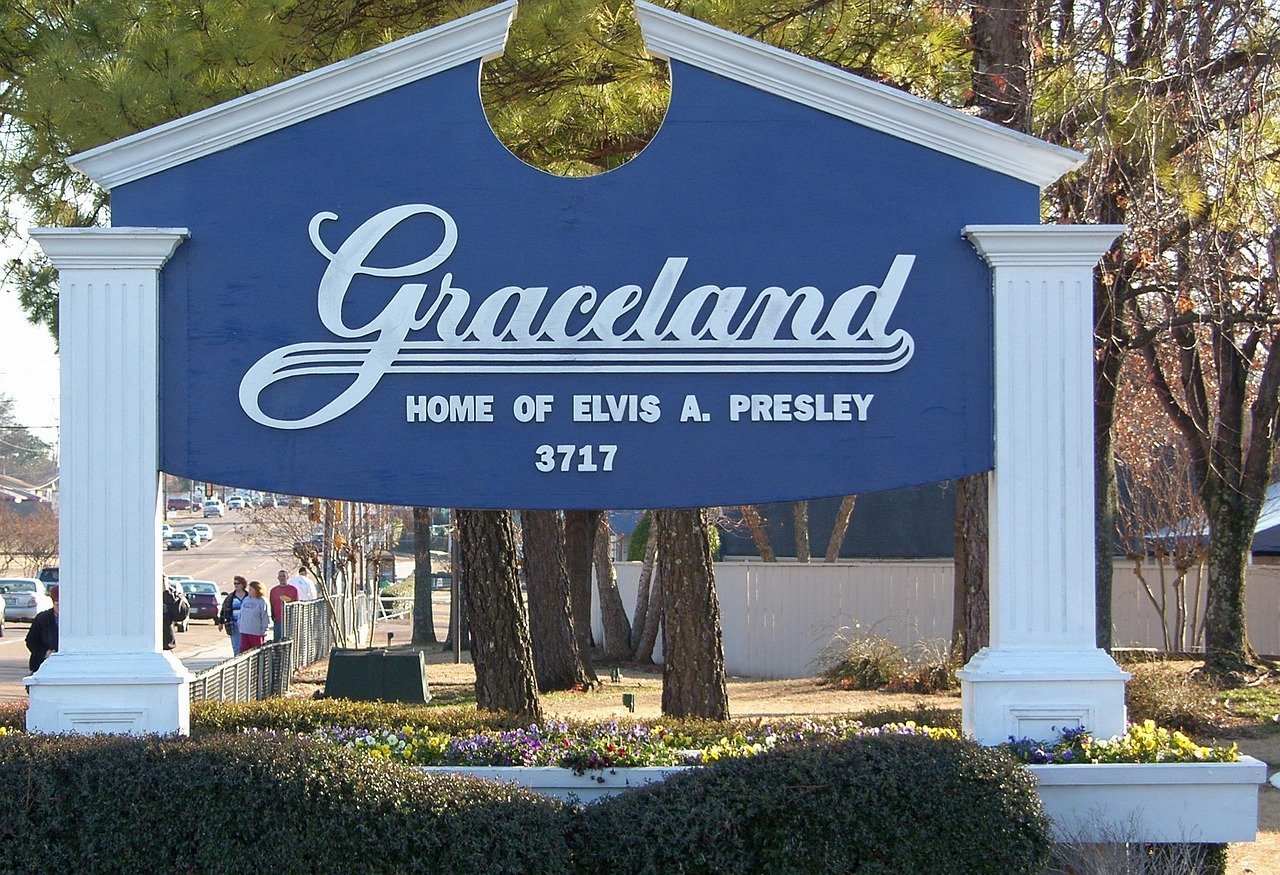
Graceland is the second-most visited home in the United States after the White House, and Elvis Presley’s legacy is genuinely compelling. But the visit itself has earned a reputation for being one of the most aggressively monetized experiences in American tourism. The standard Elvis Experience Tour runs $84 for adults and $48 for kids, with VIP options climbing to $250. Many visitors report waiting for the shuttle that travels literally across the street to the mansion – and being ushered through the rooms on a strict timetable once they arrive.
Others describe being herded through the house “like cattle,” with little time to absorb the rooms or the history. The general consensus is clear: unless you’re a devoted Elvis fan, the visit may not justify the cost. The site charges amusement park prices without the amusement or the park. But if Graceland feels like a cash grab, #8 perfects the art of overpromising on real natural beauty.
#8 – Grand Canyon Skywalk: Pay Extra to Look Without Your Camera
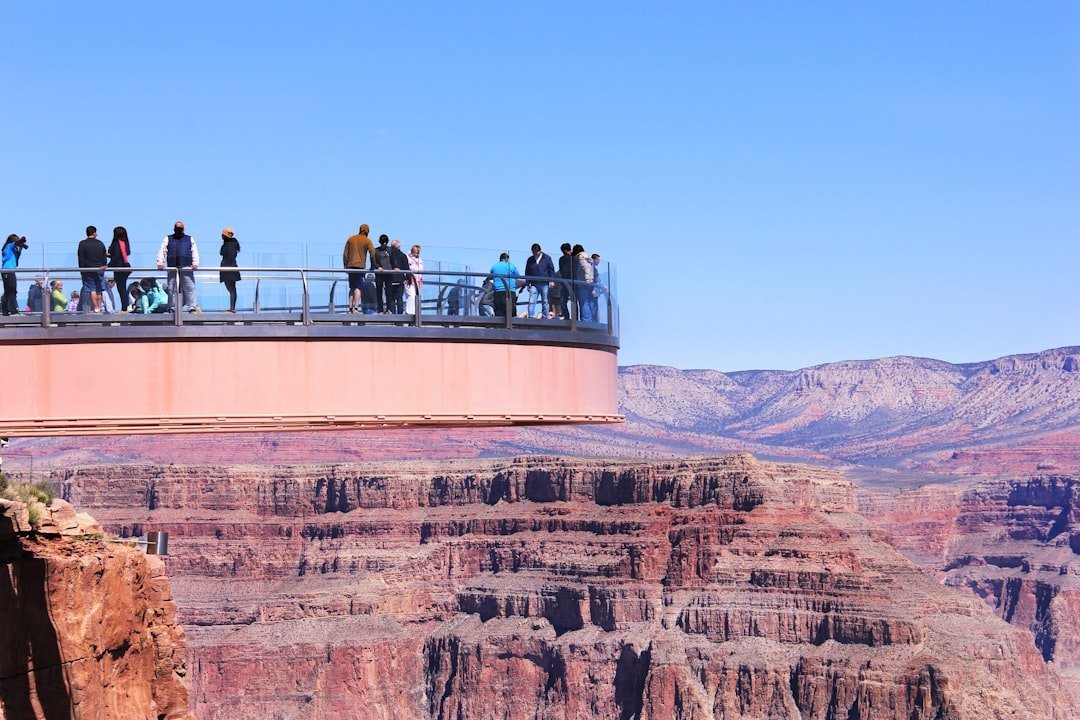
The Grand Canyon itself is genuinely awe-inspiring – nobody disputes that. But the Skywalk, the glass horseshoe bridge jutting out over the canyon’s West Rim, has earned its own specific kind of tourist frustration. Visitors pay a premium to walk on glass above one of the world’s most photographed landscapes – and then discover they cannot bring their own cameras or phones. Personal devices must be stored in a locker before stepping on the bridge, and official photo packages run $25 for a single print or $69 for a digital package, with their own wait times attached.
Online critics consistently call the Skywalk “overpriced,” “not worth it,” and “a gimmick.” Higher, better, and free viewpoints exist elsewhere along the canyon. The South Rim, part of the National Park system, offers views that most experienced travelers say blow the Skywalk out of the water for a fraction of the price. At #7, the disappointment gets both personal and patriotic.
Quick Compare: Skywalk vs. South Rim
- Skywalk (West Rim): ~$99 all-access pass per person, no personal cameras, 10–15 minutes on the bridge, 120 miles from Las Vegas
- South Rim (National Park): $35 per vehicle for 7 days, personal cameras welcome, dozens of free overlooks, full-day hiking trails
- Verdict from frequent visitors: South Rim by a wide margin for views, value, and freedom
#7 – USS Arizona Memorial, Pearl Harbor: A Solemn Site Undercut by Logistics
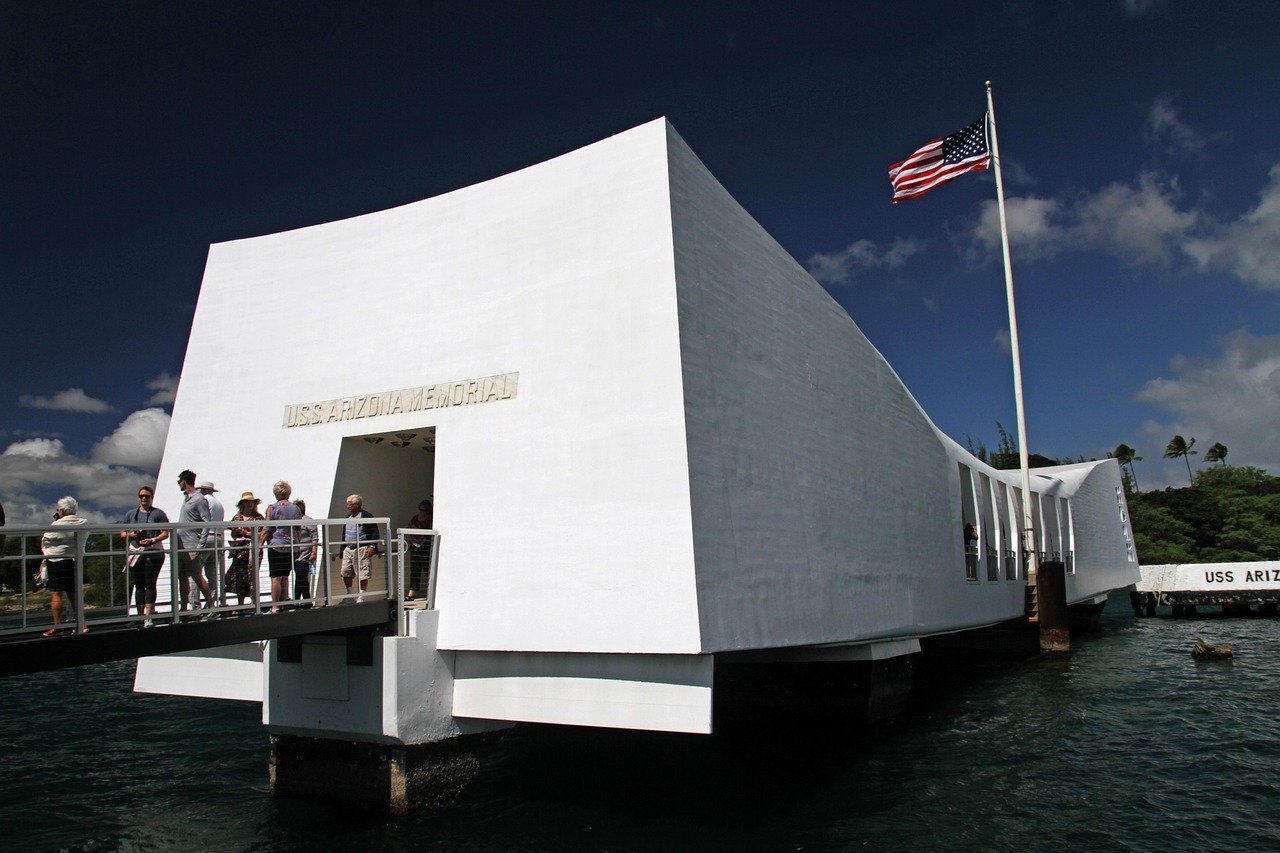
The history here is profound and the sacrifice it honors is real. But the USS Arizona Memorial in Hawaii consistently ranks among the most disappointing attractions in the country – not because of a lack of meaning, but because of the brutal disconnect between expectation and the actual visitor experience. Free tickets distributed on-site are often gone by mid-morning. Wait times can stretch for hours. The boat ride to the memorial is brief, the viewing time is tightly managed, and many visitors report feeling rushed through a place they expected to stand quietly and reflect.
The documentary film shown before the boat tour is, by most accounts, genuinely moving. The memorial itself leaves many visitors wanting more context, more time, and more space. Nearby paid museums are heavily commercialized in ways that feel jarring against the weight of what the site represents. The emotional cost of the visit ends up being higher than the logistical one. The next entry turns American mythology into a very long drive to see some faces in a rock.
#6 – Mount Rushmore: Two Million Visitors, Five Seconds of Content
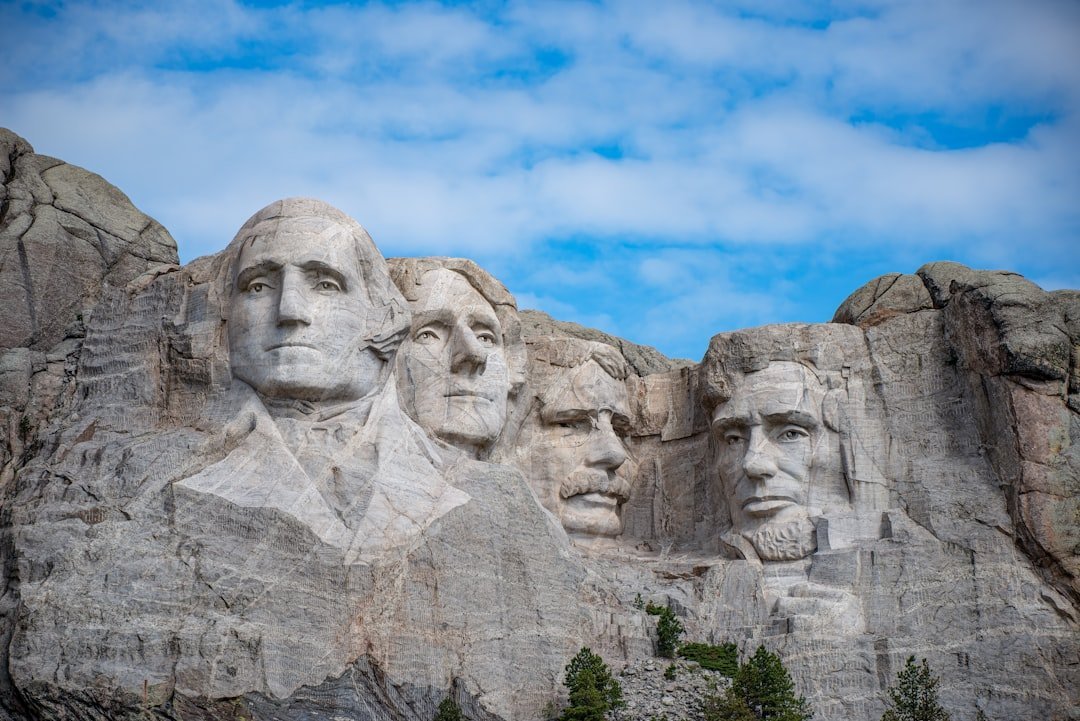
Mount Rushmore draws more than two million visitors annually, and many leave quietly underwhelmed. Up close, the granite sculpture is smaller than you’d expect and takes all of five seconds to absorb. Then you realize there’s not much else to do besides walk up a flight of steps on a modest nature trail, look at some state flags, and browse a mid-tier museum. For a monument this famous, it somehow feels like it should be bigger, louder, and further from the parking lot.
The drive to get there takes far longer than the experience itself. Savvy travelers say the trip is worth it only as part of a larger itinerary – Badlands National Park, the Custer Wildlife Loop, or Sylvan Lake all offer experiences that actually hold your attention. Most insiders will also tell you the best view of the monument isn’t from the walkway – it’s from miles away, through the carved rock tunnels of Iron Mountain Road. At #5, the disappointment gets grimy and surprisingly aggressive.
#5 – Hollywood Walk of Fame: Dirty Stars and Aggressive Costumed Strangers
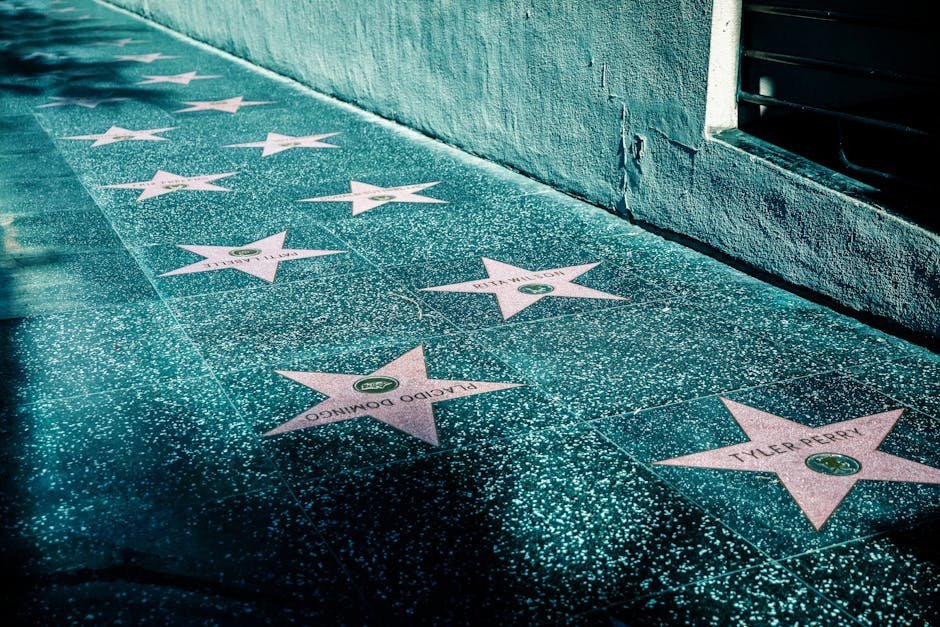
Few American landmarks have a wider gap between fantasy and reality than the Hollywood Walk of Fame. When you imagine Hollywood glamour, you probably picture something magical. The reality is a neglected sidewalk with faded celebrity names, surrounded by people in questionable costumes demanding cash for photos. Visitors consistently call it “run down” and “dirty,” and the surrounding stretch of Hollywood Boulevard is lined with overpriced retail shops that have replaced whatever authentic character the neighborhood once had.
The costumed characters – unlicensed performers dressed as superheroes and movie villains – are the feature nobody warned you about. They will find you, pose with you, and then demand payment. Over 2,500 sidewalk panels bear the names of famous stars, and many are genuinely in disrepair. If you want real Los Angeles, the Griffith Observatory offers much better views of both the city and the famous sign – and the vibe there is a world away. But the next attraction banks on an entire nation’s mythology and still lets people down.
Fast Facts
- The Walk of Fame stretches 1.3 miles along Hollywood Boulevard and Vine Street
- More than 2,700 stars have been embedded in the sidewalk since 1958
- New stars cost the honoree’s sponsor roughly $50,000 to install and maintain
- Griffith Observatory admission: free – and the Hollywood Sign view is vastly better
#4 – Plymouth Rock: The Most Anticlimactic Boulder in America

Plymouth Rock is one of the most hyped symbols in American history – the supposed landing point of the Mayflower Pilgrims in 1620, taught in every American school, referenced in nearly every Thanksgiving story ever told. It is, in reality, a mid-sized rock behind iron bars, sitting in the sand. There is little to see and almost nothing to do. You drive to Massachusetts, pay for parking, and stare at a boulder through a fence for about ninety seconds.
To add insult to injury, historians largely agree that the Pilgrims almost certainly didn’t land on this specific rock – the association wasn’t even recorded until more than a century after the landing. The rock itself has been moved, chipped, and reassembled over the years, and what you’re looking at today is a fraction of its original size. Apparently, feeling totally let down by this historical landmark is a rite of passage for most New England elementary schoolers – and now, their parents. The next entry takes a legendary symbol and somehow makes it feel even smaller.
#3 – Statue of Liberty: Iconic From a Distance, Underwhelming Up Close

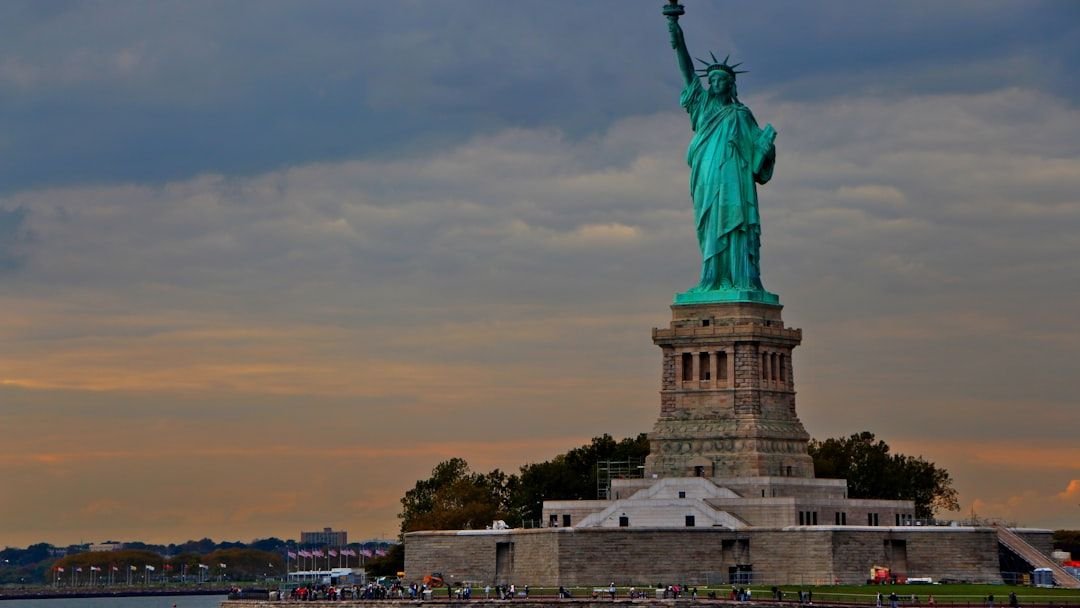
Lady Liberty is genuinely iconic. The experience of actually visiting her island is where things fall apart. She is much smaller in real life than most people imagine, and the ferry ride, ticket costs, timed entry system, and long lines eat up the better part of a half-day. Crown access requires booking months in advance, and many visitors who finally make it inside find the interior view from the crown windows to be narrow and claustrophobic – a significant letdown after all that anticipation.
Here’s what locals have known for decades: the best view of the Statue of Liberty has always been free. The Staten Island Ferry passes close enough to give you a spectacular sightline of the statue, lower Manhattan, Governor’s Island, and Brooklyn Heights – at no cost, on a schedule, without a reservation. Battery Park offers another strong vantage point. The statue doesn’t get smaller from a distance. If anything, she looks better. Nothing, however, generates more “I can’t believe I came all the way here for this” energy than what’s sitting at #2.
#2 – Times Square, New York City: Sensory Overload With No Payoff

Times Square is one of the most recognizable places on Earth. New Year’s Eve, Broadway marquees, neon lights – it’s woven into American pop culture at the deepest level. And yet, a 2025 survey found that 40% of tourists said their visit left them more disappointed than delighted. The “square” is actually an intersection. The stores are largely chains you’d find at any mall. The sidewalks are so packed that walking a single block can take ten minutes, and the atmosphere feels less like culture and more like a commercial bombardment you can’t escape.
Visitors regularly lament the overwhelming crowds, aggressive vendors, and unlicensed costumed performers who work the same territory as the ones on Hollywood Boulevard. Ironically, the best time to experience Times Square – 3 a.m. on a weeknight, when the neon is still blazing but the crowds have thinned – is when almost no tourists are around. But even Times Square’s particular brand of letdown doesn’t compare to the #1 most disappointing attraction in America, which somehow managed to top every single entry on this list.
At a Glance: Times Square by the Numbers
- Up to 460,000 people pass through on the busiest summer days
- Over 1,700 visitor reviews have called it “overrated” or “underwhelming” in a single study
- The surrounding ZIP code logged more than 2,800 sanitation complaints between January 2022 and May 2025
- The best free alternative: walk two blocks to Bryant Park or take the High Line for actual New York atmosphere
The Reality of the Landmark: America's Most Disappointing Attractions
Every year, millions of travelers flock to iconic American landmarks only to find that the reality doesn't quite match the postcard. From historical sites that feel smaller than expected to modern marvels with hidden costs, we've analyzed the data on which tourist spots consistently leave visitors wanting more. Test your knowledge on the country's most frequent travel letdowns.
Think you caught the key details? Take the quick quiz and see how sharp your instincts really are.
#1 – Kennedy Space Center, Florida: The Biggest Letdown in American Tourism
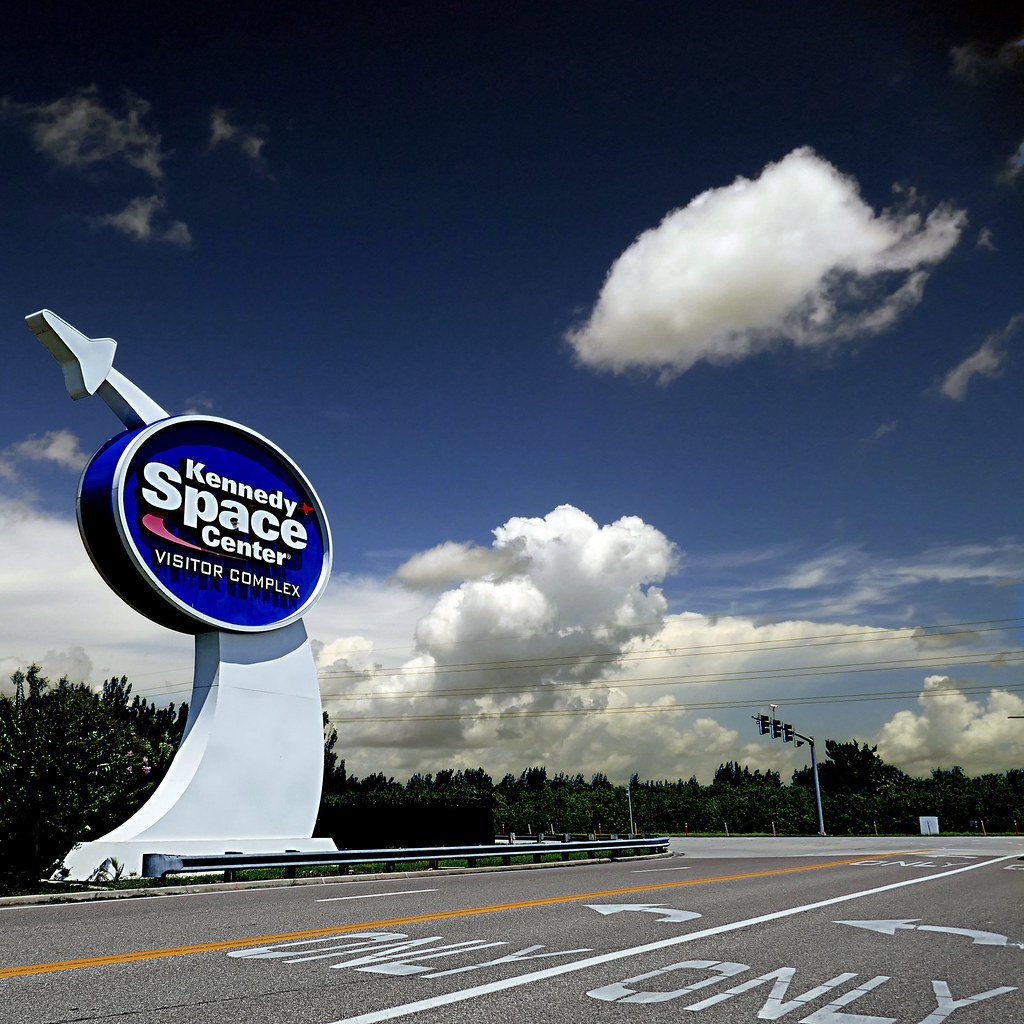
You’d expect a place dedicated to the history of human space exploration – moon missions, rockets, the space shuttle – to be a guaranteed slam dunk. It is not. Of 45 major U.S. tourist attractions analyzed in a recent study, Kennedy Space Center ranked dead last for visitor satisfaction, with over 20% of all 1–3-star reviews specifically citing disappointment. That’s a higher rate of visitor letdown than any other major attraction in the country. Admission can run $80 or more per adult before add-ons, and many visitors report that the exhibits feel dated and sparse relative to what they paid.
Many guests were particularly dissatisfied with staff treatment and the overall value of the experience. For a place that represents one of humanity’s greatest achievements, the visitor experience somehow manages to shrink that legacy down to something that feels like an underfunded science museum on a slow Tuesday. Insiders say the best strategy is to book a guided tour and time the visit around a launch date – because without one, most people leave wondering what they actually paid for. The rockets are real. The wonder, unfortunately, is not always included in the ticket price.
Fast Facts
- General admission runs $80+ per adult; many top exhibits require additional fees on top of that
- Bus tours to the Apollo/Saturn V Center – the most praised exhibit – fill up by mid-morning on busy days
- Travelers who time their visit to a SpaceX or NASA launch report a dramatically better experience
- The Saturn V rocket on display is 363 feet long – genuinely one of the most awe-inspiring objects you can stand next to in America
- Insiders’ tip: book a guided tour in advance; walk-up visitors consistently rate the experience far lower
Every attraction on this list carries genuine historical, cultural, or natural significance. The disappointment almost never comes from the place itself – it comes from the decades of hype, the inflated ticket prices, and the overcrowded, undersized reality that greets you at the gate. The good news? Now you know exactly what to expect. Have you visited any of these spots and walked away underwhelmed – or did one of them actually live up to the legend? Drop your experience in the comments.