

Most people assume they’re losing money on vacation because of one big, obvious splurge – the upgrade, the fancy dinner, the last-minute hotel switch. But the real damage is almost never one spectacular mistake. It’s fifteen quiet ones stacked on top of each other. The average cost of a vacation in 2026 is estimated at $7,249 – up nearly $1,400 from the year before. For international trips, that number climbs to $9,922, up roughly $4,000 from just a few years ago. With that much money on the line, small planning errors aren’t small at all.
Here’s the part that stings: the mistakes that drain vacation budgets the most are the ones that feel completely reasonable in the moment. Booking “early” the wrong way. Trusting the advertised price. Skipping the fine print because who has time. Every single one of these errors is fixable in under ten minutes – the problem is most travelers don’t find out they made them until they’re staring at a bill that’s $400 higher than expected. Some of what’s coming up on this list will genuinely surprise you.
#15 – Flying on the Wrong Days and Paying Peak Prices Without Realizing It

Most travelers pick their flight days based on what works for their schedule – and that instinct alone costs them hundreds per ticket. Sundays and Mondays tend to be the most expensive days to fly, driven by weekend trips and business travelers. According to Google’s 2025 analysis of four years of aggregated flight data, Monday through Wednesday flights are about 13% cheaper than flying over the weekend. Hopper’s lead economist confirmed that Sunday is typically the single most expensive day to fly, as airports fill with people heading home from weekend getaways.
Midweek departures can save travelers an average of $42 per ticket on domestic airfare – and that’s before factoring in hotel savings. Checking in on a Friday or Saturday instead of a Tuesday or Wednesday costs over 20% more per hotel night, or roughly $50 extra per night, according to Hopper data. For a family of four flying and staying five nights, those two timing adjustments alone could easily save $400 or more. But the timing mistake that costs even more isn’t about the day of the week – it’s about when you book at all.
At a Glance
- Cheapest days to fly: Monday, Tuesday, Wednesday (about 13% less than weekends)
- Most expensive day to fly: Sunday
- Hotel check-in savings: 20%+ cheaper midweek vs. Friday–Saturday
- Bonus move: Taking a layover saves ~22% on average vs. nonstop (Google Flights)
#14 – Booking Flights Either Way Too Early or Way Too Late

There’s a widespread belief that booking a flight the moment you decide to travel is the smart move. Turns out, timing is far more nuanced – and getting it wrong in either direction is expensive. According to Google Flights data based on four years of aggregated pricing, the sweet spot for domestic flights is 23 to 51 days before departure, with the single lowest average prices found around 39 days out. For international travel, the lowest prices tend to appear 49 days or more before departure – meaning the “book as early as possible” instinct often leads to overpaying.
Demand spikes sharply during major holidays and peak seasons, sometimes pushing flight prices up more than 30% for the exact same trip. For peak travel dates like summer vacation or spring break, experts recommend searching 3 to 5 months ahead for domestic flights and 4 to 10 months out for international trips. Book too far out and you overpay for seats airlines haven’t discounted yet. Book too late and you’re paying panic pricing. Neither extreme is kind to your wallet, but neither is the next one – because timing your trip around the wrong season can cost even more than timing your booking wrong.
#13 – Traveling During Peak Summer and Paying a 40% Premium for It

June through August is when most American families take their vacations – which is precisely why it’s the worst time to go from a cost standpoint. Prices peak with the heat in mid-summer and drop as early fall approaches, and this isn’t a marginal difference. According to Hopper data cited by CNBC in 2025, domestic travelers can save 40% – an average of $150 off airfare alone – by shifting trips from peak summer to September or October.
Hotels follow the exact same curve. A family of four shifting a one-week trip from July to late September could realistically save $1,000 or more on flights and hotels combined – and in many destinations, September weather is virtually identical to August. The beaches are still warm, the crowds are thinner, and the prices are dramatically lower. The only thing that changes is the bill. But even travelers who nail their timing can get blindsided the moment they try to book a room.
#12 – Assuming the Advertised Hotel Rate Is What You’ll Actually Pay

The hotel rate you see online is almost never the rate you pay. That advertised $99-per-night room looks like a deal until checkout reveals the actual total is $145 – sometimes more. The biggest offender is the resort fee: mandatory daily charges that are listed separately from the room rate and are not optional. According to NerdWallet’s analysis of more than 400 hotels, the average U.S. resort fee in 2024 was $35 per night – adding roughly 8% on top of every booking. In Las Vegas, MGM Resorts raised fees again in December 2024, pushing properties like Bellagio, Aria, and The Cosmopolitan to $55 per night or more.
The resort fee plague has officially spread well beyond Las Vegas. In 2025, travelers are consistently reporting mandatory “urban fees” of $30 to $50 per night at Manhattan hotels, $25 or more per night in Chicago’s downtown Loop, and “amenity fees” inflating bills by 15 to 20% in Nashville. One survey found that 86% of travelers encountered a hidden fee, and most didn’t discover it until they were about to pay. That’s not a small minority getting surprised – that’s almost everyone. And once you’re at the hotel, the surprises don’t stop there.
Quick Compare
- Las Vegas Strip (luxury): $45–$59/night resort fee (Bellagio, Aria, Cosmopolitan)
- Miami Beach: $35–$55/night resort or destination fee
- New York City: $30–$50/night “urban” or destination fee
- Orlando resorts: $30–$42/night
- Nashville / Austin: “Amenity fees” adding 15–20% to nightly rate
- Small cities / non-chain motels: Rarely charge resort fees at all
The Cost of Travel: Master Your Vacation Budget
Most travelers lose money not on big splurges, but on small, avoidable planning errors. Test your knowledge on how to navigate the hidden costs of modern travel and save thousands on your next trip.
Think you caught the key details? Take the quick quiz and see how sharp your instincts really are.
#11 – Ignoring Parking Fees at City Hotels

Travelers carefully compare nightly room rates and barely glance at parking costs – and in major cities, that blind spot is brutal. In destinations like New York, San Francisco, and downtown Chicago, parking charges can actually exceed the nightly resort fee. Think about that: the parking can cost more than the hidden fee that already shocked you at checkout. One real-world example from Miami Beach in December 2025 illustrates this perfectly: a hotel quoting $260 per night charged an additional $53 resort fee plus $42 for parking – a total of $355 per night against an advertised rate of $260.
Parking fees are now dynamic in major cities – shifting up and down based on weekends and local events, the same way nightly hotel rates fluctuate – and most travelers haven’t built that into their budget at all. On a five-night city trip with $50-per-day parking, that’s $250 you never anticipated. Money you could have spent on a great dinner or an excursion instead. Speaking of unexpected costs, what happens at the airport currency exchange kiosk is one of the most reliable ways to lose money internationally.
#10 – Exchanging Currency at the Airport

It feels convenient. It feels safe. It is, in practice, one of the most reliably expensive things you can do before an international trip. Airport and hotel currency exchange kiosks often advertise “no commission” – the catch is the exchange rate itself, which is typically far worse than the official market rate, quietly stripping away a significant percentage of your cash. The bigger the sum you exchange, the more you lose.
Using a debit card at a local ATM in your destination usually yields a much better rate – even after fees – but you’ll want to confirm your card is authorized for international use and watch for withdrawal limits. The best approach is to exchange a small amount at your bank before departure, then use in-country ATMs for the rest. On a two-week international trip, travelers who exchange at the airport can easily lose $150–$300 to unfavorable rates – money invisibly skimmed in a transaction that feels completely routine. The next mistake is just as invisible, and it happens at the exact moment you’re most distracted: the airline checkout screen.
Worth Knowing
- Airport kiosks often advertise “no commission” but bury their profit in the exchange rate
- In-country ATMs almost always offer better rates than airport booths
- Exchange only a small amount at your U.S. bank before departure for emergencies
- Notify your bank and credit card issuer before traveling to avoid blocked transactions
- Some travel credit cards (like those from Charles Schwab or Capital One) charge zero foreign transaction fees
#9 – Buying Travel Insurance at the Airline’s Checkout Screen

You’re seconds from confirming a $1,200 flight and the screen asks: “Add travel insurance for just $89?” It feels protective. It’s actually one of the worst insurance deals in travel. Checkout policies are massive profit centers – one independent insurance agent recently quoted a client $34 for standalone coverage that matched an $89 airline checkout policy, with 40 to 60 percent savings for equivalent coverage being entirely realistic once the booking platform takes its cut.
Most people don’t realize that checkout policies are underwritten by the same major insurers as standalone plans – just with more restrictive terms, higher prices, and worse claims handling. They also tend to lack strong medical or evacuation coverage, and domestic health plans rarely cover you abroad. That convenient one-click policy is designed to protect the airline’s bottom line, not yours. But buying a better standalone policy still won’t save you if you make the timing mistake that invalidates your most valuable coverage options.
#8 – Buying Travel Insurance Too Late to Qualify for the Best Benefits

Even travelers who buy proper standalone travel insurance often make one critical timing error: they wait too long. Cancel For Any Reason coverage – an upgrade that lets you cancel for reasons not covered by standard policies – is only available if purchased within 10 to 21 days of your initial trip deposit, depending on the plan. Miss that window and the option disappears entirely, no matter how much you’re willing to pay. When it’s available, CFAR coverage can reimburse up to 75% of prepaid, non-refundable costs.
“Many travelers are waiting to purchase travel insurance, not realizing that this delay can cost them access to the most flexible coverage options available.”
Suzanne Morrow, CEO of InsureMyTrip
Travel insurance claims data shows over 40% of claims stem from cancellations or interruptions, averaging $2,000 or more in payouts – yet many get denied due to timing errors or overlooked fine print. The policy you buy three days before departure is a dramatically weaker product than the one you buy the week you book. And the most expensive version of this mistake is skipping travel insurance entirely because you’re feeling optimistic.
#7 – Skipping Travel Insurance Entirely Because “Nothing Will Go Wrong”

This is the one that turns a bad trip into a financial emergency. Nearly 1 in 5 U.S. travelers have lost money by skipping travel protection, and most say the experience made them more likely to buy it next time – a painful and expensive lesson. In 2025, 48% of travelers cited flight cancellations and delays as their top concern, a 12% jump from the previous summer. Lost and delayed baggage claims rose 107% from 2024 to 2025, with average payouts for missing luggage running around $256.
The real financial danger is medical. Travel insurance platform Genki has documented cases in countries considered budget destinations – like Mexico and Thailand – where travelers ended up with hospital bills ranging from $30,000 to $100,000 for inpatient surgeries. Travel insurance typically costs just 6% of the total trip price. That modest investment looks very different next to a five-figure medical bill. The next mistake isn’t about protection – it’s about how you pay for the trip in the first place.
#6 – Putting the Whole Vacation on a Credit Card With No Payoff Plan

Plenty of travelers fund their trips on credit with a vague plan to “pay it off over a few months.” That vagueness is expensive. Cards assessing interest carried an average rate of 22.3% as of late 2025, according to the Federal Reserve Bank of St. Louis. Most summer travelers who charged their trip didn’t pay it off right away – and more than a third of those who put last year’s vacation on a card still haven’t cleared the balance. They’re now paying interest on a trip that’s already over.
Some Americans – 26% – have gone into debt to fund vacations, and 13% have dipped into retirement savings to pay for trips. Buy Now Pay Later services aren’t a clean solution either: 34% of Gen Z BNPL users say they’ve spent more than they should have, according to Bankrate’s 2024 survey. Paying $7,000 in vacation costs at 22% APR without a clear payoff timeline means the trip costs significantly more than the sticker price – and next year’s vacation budget starts in a hole. The next mistake hits a different nerve, because it’s built on an assumption almost every traveler makes.
#5 – Assuming an Airbnb or Vacation Rental Is Always Cheaper Than a Hotel

The idea that vacation rentals beat hotels on price is one of the most persistent myths in travel – and it leads to some genuinely shocking final bills. Travelers often assume a rental will be more affordable, but that’s not always the case once the fees stack up. Cleaning fees, service fees, and local taxes can transform a $120-per-night listing into a $200-per-night reality by the time you click confirm. The nightly rate you see is frequently not the nightly rate you pay.
Third-party booking platforms often lure travelers in with low base rates, then add “convenience” or “processing” fees at the last step – sometimes under names like “service charge” or “booking protection,” giving the illusion of getting something extra for the cost. For shorter stays of one to three nights, a traditional hotel with no cleaning fee and free breakfast can easily beat a vacation rental on total cost. The mistake isn’t choosing a rental – it’s comparing the nightly rate instead of the full checkout total. A similar blind spot exists for something most travelers already have but aren’t using at all.
Fast Facts
- Vacation rental cleaning fees routinely run $75–$200+ per stay, regardless of trip length
- Platform service fees on top of cleaning fees can add another 14–20% to the base rate
- A 1-night rental that looks like $120/night can total $220+ after all fees
- Hotels in mid-range chains often include free breakfast, parking, and Wi-Fi – making the real value gap smaller than it looks
- Always compare the full checkout total, not the headline nightly rate, across both options
#4 – Not Using Rewards Points and Miles That Are Already Sitting There

Millions of Americans are sitting on unused points and miles quietly accumulated through everyday spending – and they’re booking flights with cash anyway. In 2024, Americans used over 1 trillion travel rewards points and miles, saving approximately $25 billion on travel collectively. But the gap between the people who check their balances regularly and the people who never look is enormous – and often worth hundreds of dollars per trip sitting completely untouched.
About 25% of savvy travelers are already offsetting trip costs with credit card rewards and points – while others pay full price for the same seats and rooms. According to Airlines for America, over 15 million domestic trips were booked with airline credit card points in 2024 alone. Unused points aren’t savings sitting safely in reserve – airline miles have already seen valuation pressure, and loyalty programs continue to shift toward dynamic pricing that can erode value over time. Points sitting idle aren’t just opportunity cost. They’re money quietly shrinking. The next mistake is more common – and the financial hit arrives without warning at exactly the wrong moment.
#3 – Not Reading the Hotel Cancellation Policy Before Booking a Non-Refundable Rate
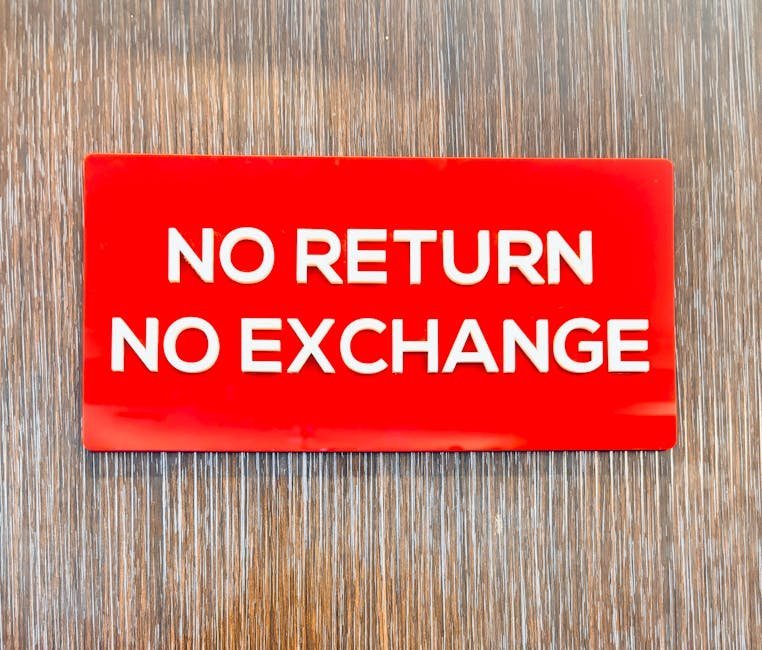
Non-refundable hotel rates are typically 10–20% cheaper than flexible rates – and that discount is irresistible right up until plans change. Before assuming you can cancel a day or two before arrival, the cancellation policy must be read carefully. Many travelers click past the policy summary without a second glance, especially when they’re confident the trip will happen. That confidence is exactly what the non-refundable pricing model is counting on.
A medical issue, a weather event, a family emergency – any of these can turn that discounted booking into a complete loss. Some prepaid rates lock travelers into nonrefundable bookings before they fully realize it, particularly when additional charges are buried beneath the headline rate. If there’s a major event like a festival or sports tournament near your destination, prices spike months ahead and penalties hit harder. The $30 you saved by booking non-refundable can evaporate into a $300 penalty in a single phone call. The next mistake doesn’t just cost money – for some travelers, it has cost tens of thousands.
#2 – Ignoring Pre-Existing Condition Disclosures on Travel Insurance and Getting Claims Denied

This one doesn’t just cost money – it can cost everything. One of the most common reasons travel insurance claims get rejected is failure to disclose pre-existing medical conditions. Travelers sometimes leave out medical information to save on premiums, or assume that a condition that seems stable or managed doesn’t need to be declared. Insurers use proper disclosure to make risk decisions, and policies may require declaration of even well-controlled conditions. If a medical emergency is directly or indirectly related to an undisclosed condition, the claim can be rejected entirely.
Overseas medical care and repatriation can exceed $100,000 – and many travelers skip adequate coverage, mistakenly assuming domestic health plans work abroad, which they usually don’t. Emergency medical claims represent over 27% of all paid travel insurance claims in 2026, with an average payout of $1,816 per claim. The traveler who hid a heart condition to save $40 on a premium and then faced a $90,000 hospital bill abroad is not a hypothetical – it’s a documented pattern. But the single most expensive mistake on this entire list is one that almost every traveler makes before they’ve even left home.
The Cost of Travel: Master Your Vacation Budget
Most travelers lose money not on big splurges, but on small, avoidable planning errors. Test your knowledge on how to navigate the hidden costs of modern travel and save thousands on your next trip.
Think you caught the key details? Take the quick quiz and see how sharp your instincts really are.
#1 – Booking Everything Based on the Advertised Price Instead of the Final Total

The single most expensive vacation planning mistake – the one that threads invisibly through every other entry on this list – is trusting the number you see first. Airlines advertise base fares. Hotels advertise nightly rates. Rental platforms advertise per-night costs. Then come the baggage fees, seat selection charges, resort fees, cleaning fees, service fees, local taxes, and booking surcharges that quietly double the original number before you’ve packed a single bag. Many travelers focus only on the advertised price instead of the final total – a mistake that becomes especially punishing during peak seasons when taxes and fees climb in tandem with demand.
Why It Stands Out
- Resort fees, cleaning fees, baggage add-ons, and seat selection charges regularly add 20–40% to the advertised price
- A $99/night Vegas hotel room can legally bill you $154+/night after a $55 resort fee – all within the rules
- Always use booking platforms’ “total price” or “all-in” filter when comparing options
- Running a 3-minute full-cost calculation before booking is worth hundreds of dollars per trip
The uncomfortable truth about vacation budgets is that nobody bleeds out from one big wound. It’s fifteen small ones – the wrong flight day, the checkout insurance, the non-refundable rate, the currency exchange kiosk, the ignored rewards balance. Fix even half of these and a $7,000 vacation could realistically cost you $5,500. Fix all of them and you might finally take that second trip you keep saying you can’t afford. Which one of these surprised you the most? Drop it in the comments – and tag someone who needs to read this before they book their next trip.