
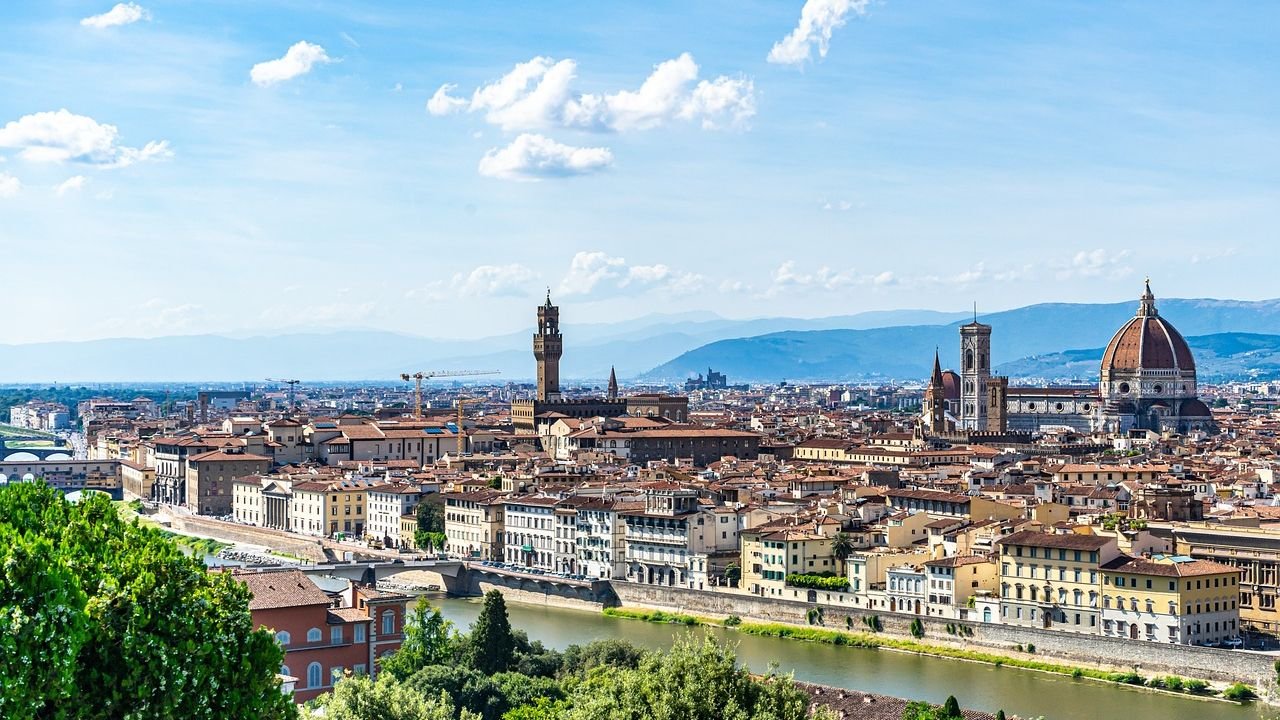
Europe drew an estimated 756 million tourists in 2024 – 46 million more than the year before. Nearly all of them funneled into the same narrow medieval streets, fought for the same Instagram angles, and stood in the same suffocating queues. The result isn’t just inconvenient. It’s a slow-motion crisis playing out on cobblestones, in rising rents, and in the faces of locals who’ve simply had enough.
You’ve seen the golden-hour photos. What you haven’t seen is the Barcelona resident soaking tourists with a water pistol, or Venice crossing the threshold where tourist beds now outnumber actual residents. These 12 cities are ranked from bad to worst – and a few of the entries will genuinely surprise you.
#12 – Copenhagen: The “Happiest City in the World” Is Quietly Hitting Its Limit
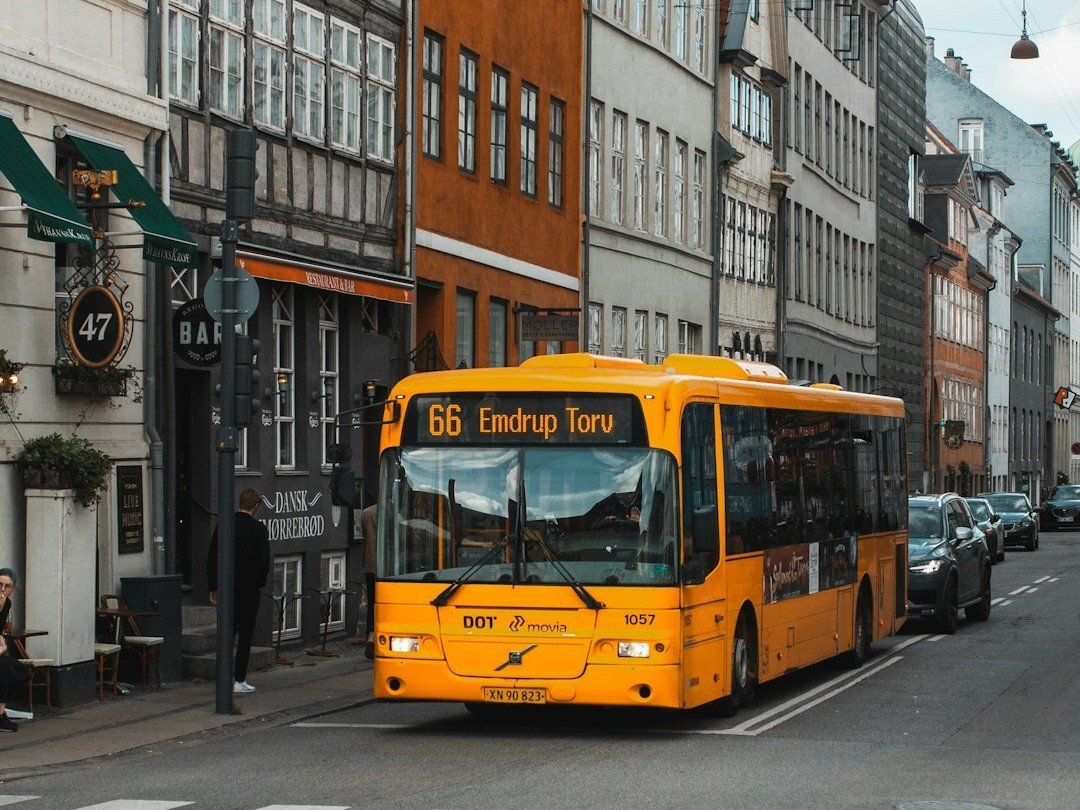
Copenhagen doesn’t rage against tourists the way Barcelona does. It smiles politely and rewards you for behaving – literally. The Danish capital logged more than 12 million international overnight stays in 2023 against a city population of roughly 600,000. Do the math: that’s about 20 international overnight visitors for every single resident. Even in a country famous for emotional restraint, that ratio is starting to crack something.
The historic Nyhavn waterfront and Tivoli Gardens are shoulder-to-shoulder through summer, with tour buses clogging streets built for foot traffic and horse carts. The city’s response has been characteristically Scandinavian – instead of punishing tourists, it rewards good behavior through an opt-in sustainability program. It’s the passive-aggressive version of “we’ve had enough.” Copenhagen is proof that even the happiest cities on Earth have a breaking point, and this one is approaching it with a smile.
Fast Facts
- ~20 international overnight visitors per resident annually
- 12M+ international overnight stays logged in 2023
- City population: approximately 600,000
- Opts for reward-based tourism management rather than bans or fines
- Nyhavn and Tivoli Gardens are peak-season bottlenecks every summer
#11 – Kraków: The Stag Party Capital of Europe (Locals Are Now Suing Their Own Government)
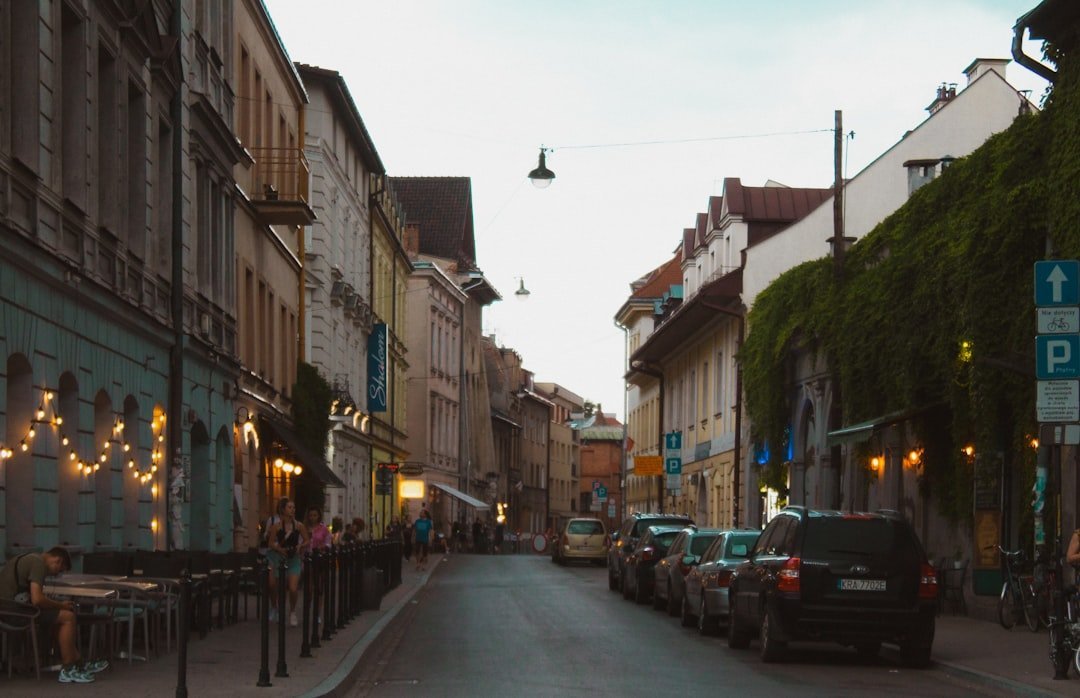
Kraków is one of the most beautifully preserved medieval cities on the continent – a genuine UNESCO World Heritage gem with a market square that stops you cold. It is also, as it turns out, the bachelor party capital of Central Europe. The city hosted 2.3 million tourists in 2024 against a population of about 770,000, and a significant chunk of those visitors came specifically for cheap beer, cheaper flights, and zero consequences. Locals are at their wit’s end.
Late-night alcohol bans and respectful-behavior posters have done almost nothing. In June 2024, residents escalated dramatically – filing a lawsuit against the town hall for failing to act. The attorney behind the case told AFP that Kraków had become unlike anywhere else in Europe, with tourists behaving, in his words, “like Tarzan from the jungle.” When a city’s own residents are suing their government over tourism mismanagement, the polite warnings have clearly run out.
#10 – Rome: Where Overcrowding Hits Different at 2,000 Years Old
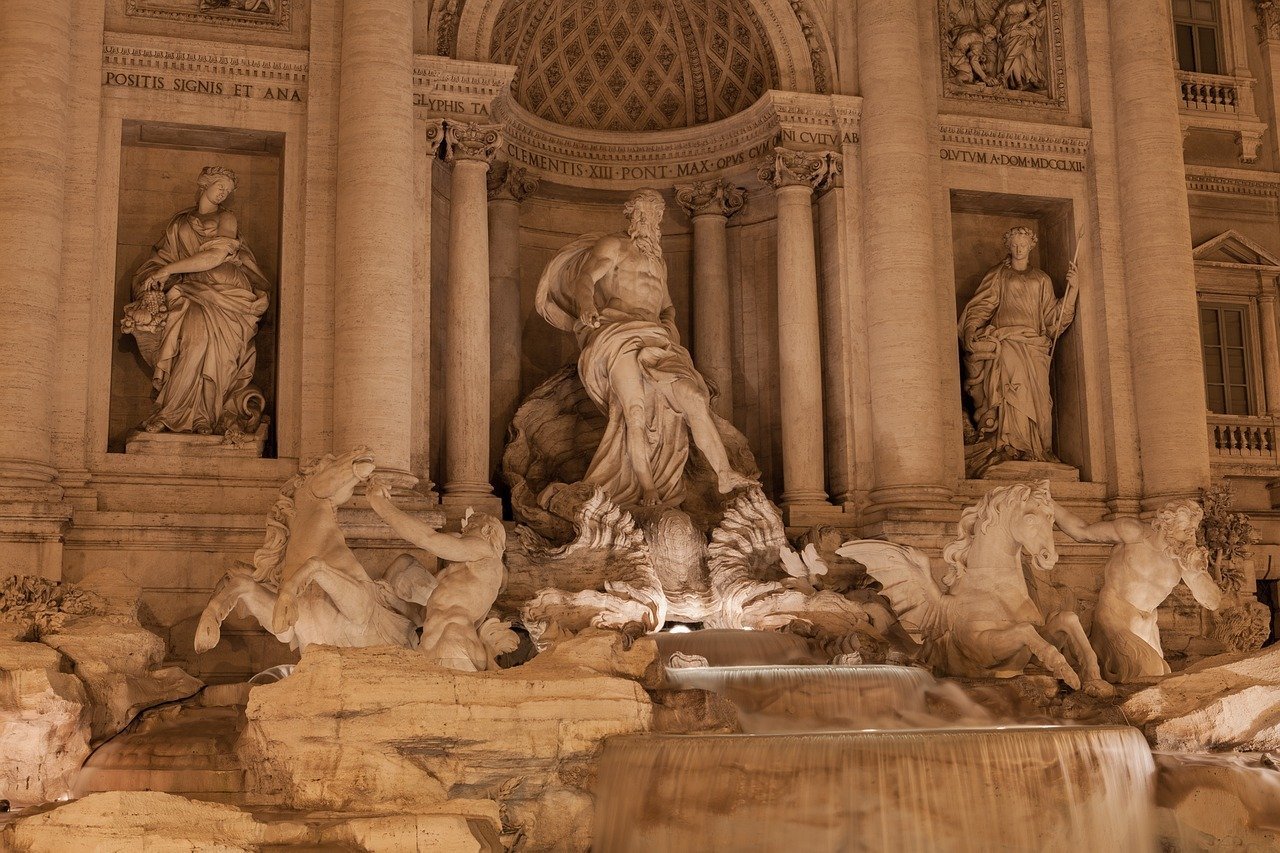
Rome looks big enough to absorb any crowd – until you realize that virtually all of its tourism is compressed into a few square miles of ancient streets. The Eternal City hosts around 7 million tourists against a population of 3 million, which sounds manageable until you stand at the Trevi Fountain on a July afternoon and can’t see the water for selfie sticks. The tourist-to-resident ratio isn’t Rome’s worst problem. The behavior is.
Disrespectful conduct in churches has ranged from inappropriate dress to disrupting active masses – and in documented cases, tourists have taken consecrated hosts as souvenirs. Central neighborhoods have watched their local businesses get hollowed out and replaced with souvenir shops selling the same plastic gladiator helmets in every doorway. A city that survived the fall of an empire, multiple plagues, and centuries of war is now being ground down by people sitting on fountains. That is an extraordinary sentence to have to write.
#9 – Lisbon: Europe’s Best-Kept Secret Became Its Most Unaffordable City
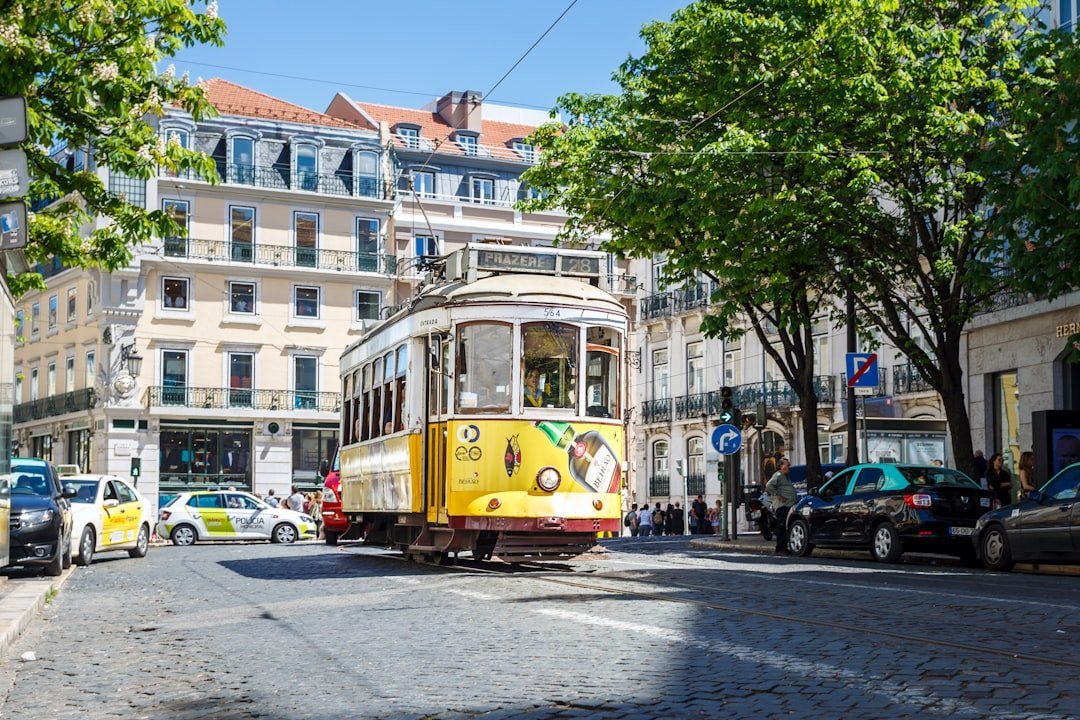
Lisbon used to be the city savvy travelers whispered about – beautiful, cheap, warm, and largely undiscovered. That era ended fast. A wave of expats chasing affordability and a surge in short-term holiday lets combined to push Lisbon from one of the most affordable capital cities in Western Europe to the least affordable for housing in under a decade. The locals didn’t leave quietly.
In late 2024, more than 6,600 residents signed a petition demanding a referendum on banning tourist lets in residential buildings. The tram lines are packed to dangerous capacity, queues at every major sight stretch around the block, and a tourism infrastructure that was never built for scale is visibly buckling. Lisbon is living proof that a city can be destroyed by being loved too much, too fast – and that affordability, once gone, doesn’t come back.
The European Overtourism Crisis: Test Your Knowledge
As global travel hits record highs, Europe's most iconic cities are reaching a breaking point. From water-pistol protests to daily visitor caps, discover the reality behind the postcards in this editorial quiz.
Think you caught the key details? Take the quick quiz and see how sharp your instincts really are.
#8 – Split, Croatia: A Roman Emperor’s Palace Being Treated Like a Party Hostel
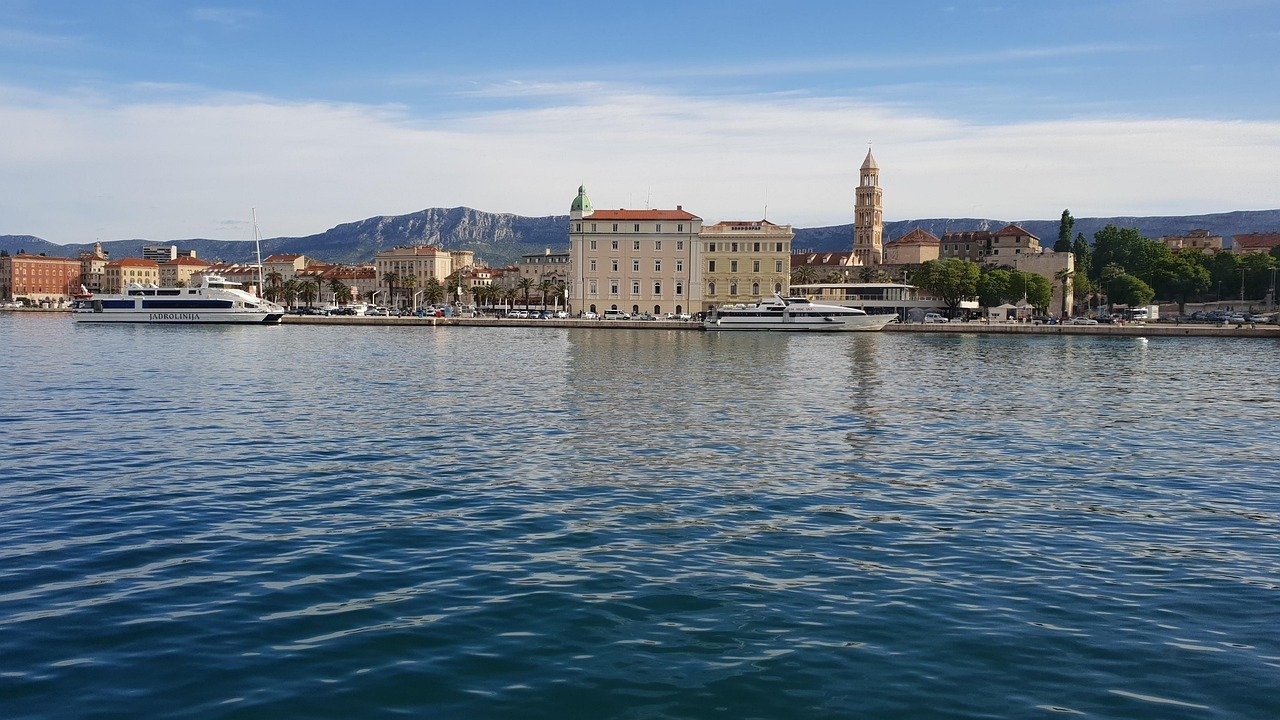
Split is home to Diocletian’s Palace – a genuine 4th-century Roman imperial residence where people still live and run businesses inside the ancient walls today. That context makes what’s happening there especially hard to watch. The city is grappling with pub crawls, late-night noise, and drunk tourists publicly urinating on Roman ruins. Despite its UNESCO World Heritage status, enforcement is nearly nonexistent – fines are posted on signs and almost never collected.
Speaking to a UK newspaper in 2024, one local said they felt like a stranger in their own city. Another described the daily disruption from party tourism as relentless and worsening every season. What makes Split uniquely maddening is the gap between what it actually is – one of the most historically significant sites in all of Europe – and what it gets treated as: a cheap weekend destination for stag groups who couldn’t get flights to Ibiza. The palace walls are still standing. Just barely.
Quick Compare
- What Split is: A UNESCO-listed 4th-century Roman imperial palace – people still live inside it
- What it gets treated as: A budget stag-party destination with 24-hour bar access
- Enforcement reality: Fines exist on signage; collection is rare
- UNESCO status: Listed – but provides limited practical protection against behavior
#7 – Prague: 8 Million Visitors, 1.3 Million Residents, Zero Personal Space
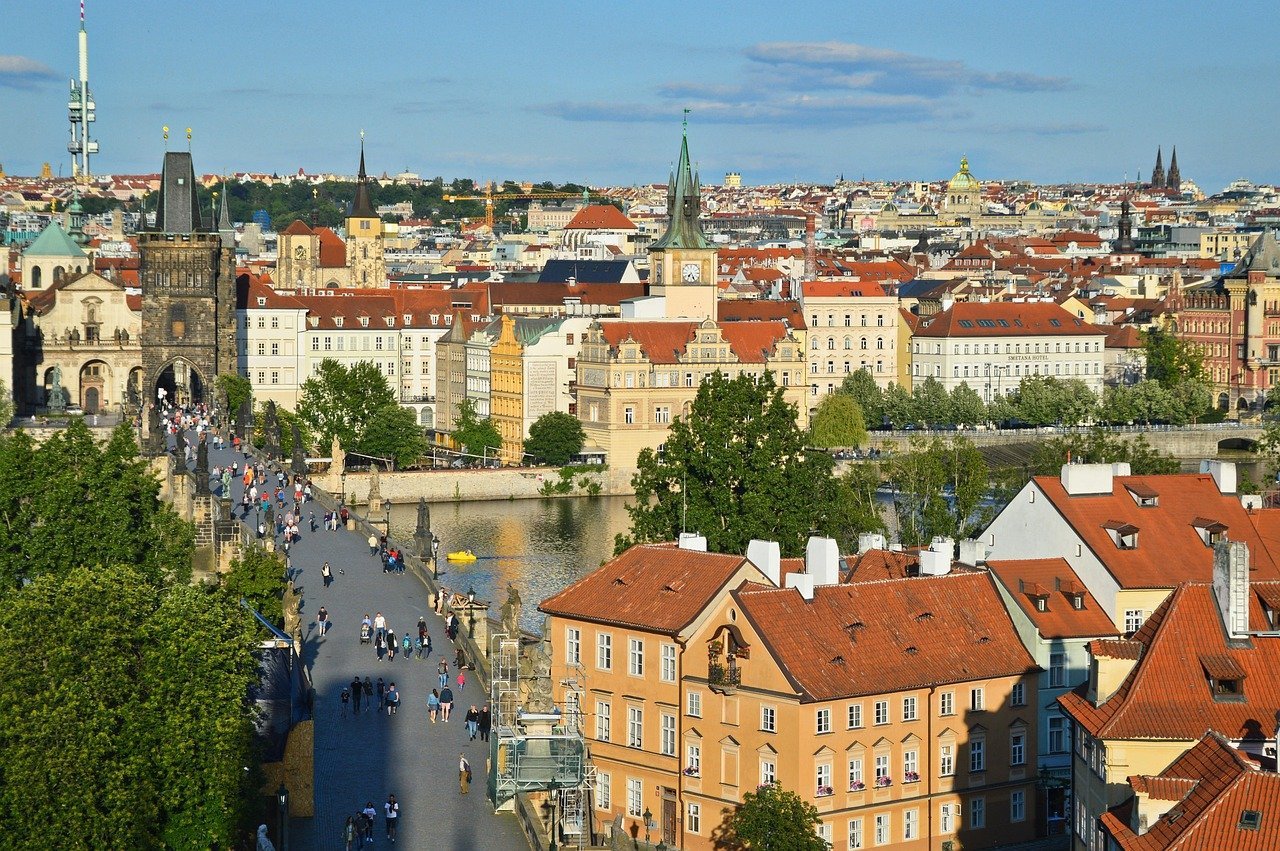
Prague’s Old Town is the kind of place that genuinely makes you catch your breath – Gothic spires, a working astronomical clock from the 1400s, medieval bridges arching over the Vltava. It is also, for large portions of the year, virtually impossible to move through. Prague recorded around 8.1 million visitors in 2024, a 9% rise over 2023, against a resident population of 1.3 million. The pressure is structural, not seasonal – it doesn’t ease much when summer ends.
Stag party tourism has become severe enough that the city council banned organized late-night pub crawls and began exploring a ban on “silly” bachelor party costumes in the UNESCO-listed center. The fact that novelty costumes are an actual policy discussion tells you how far things have gone. The city introduced a tourist tax and a temporary freeze on new short-term rental licenses in key neighborhoods. A dedicated enforcement taskforce launched in early 2025. Enforcement and reality, however, remain miles apart.
#6 – Amsterdam: Banned New Hotels, Raised Taxes to 12.5% – Still Can’t Keep Up
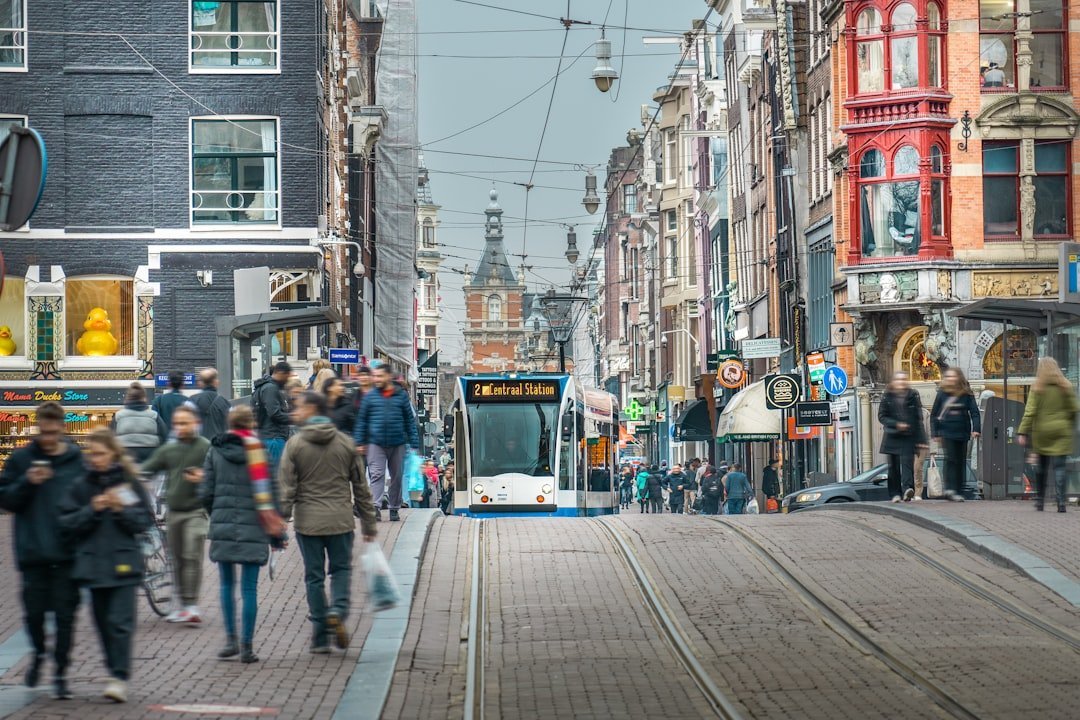
Amsterdam has tried harder than almost any European city to fight its own tourist overload. It banned new hotels in the center, restricted souvenir stores, pushed cruise ships away from central docks, and raised its tourist tax to 12.5% of accommodation costs in 2024 – meaning a €120 room now carries a €15 nightly surcharge. By most measures, it is the most aggressive tourism management policy on the continent. None of it has slowed the tide enough.
Residents complain about street congestion, noise, and the wholesale transformation of the historic center into a zone that exists purely to serve visitors. Local shops have been replaced by tourist-facing retail almost entirely in some neighborhoods. The Red Light District sees tens of thousands of visitors nightly, many treating the entire area like a petting zoo. Amsterdam’s predicament is particular: its identity – liberal, canal-laced, achingly photogenic – became the engine of its own destruction. You can’t tax away the algorithm.
At a Glance
- Tourist tax: 12.5% of accommodation cost – one of Europe’s highest
- New hotels: Banned in the city center
- Cruise ships: Pushed away from central docks
- Souvenir stores: Restricted in historic neighborhoods
- Result: Visitor numbers remain stubbornly high despite every measure
#5 – Athens: 10 Million Visitors Expected in 2025. The Acropolis Now Has a Daily Cap – and It Sells Out
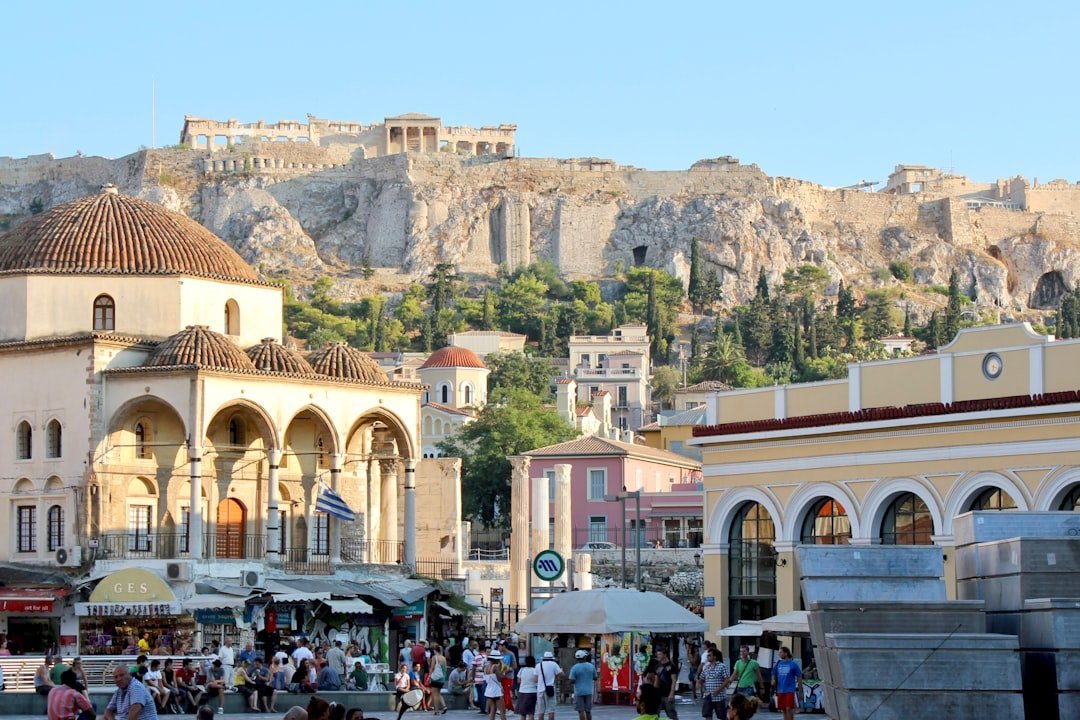
Athens is experiencing a tourism explosion its infrastructure was never designed to handle. The city’s permanent population is roughly 650,000, but an estimated 10 million visitors are projected for 2026 – two million more than in 2025. That’s over 15 tourists for every resident. Experts have warned that Athens has effectively “exhausted its inbound tourism capacity,” and the summer heat that blankets the city makes the overcrowding feel physical, pressing, inescapable.
The Acropolis – a 2,500-year-old monument at the literal crown of the city – became so overwhelmed that Greece implemented a hard daily visitor cap of 20,000 people, with staggered entry times. Before the cap, summer 2023 saw up to 23,000 visitors per day, generating dangerous crowding by mid-morning. UNESCO raised alarms about structural preservation – a monument that survived wars, conquests, and centuries of weather was being threatened by the sheer physical weight of tourist foot traffic. There is no more vivid image of overtourism than that.
#4 – Málaga: Protests, Petitions, and a City Residents Say Is “Collapsing”
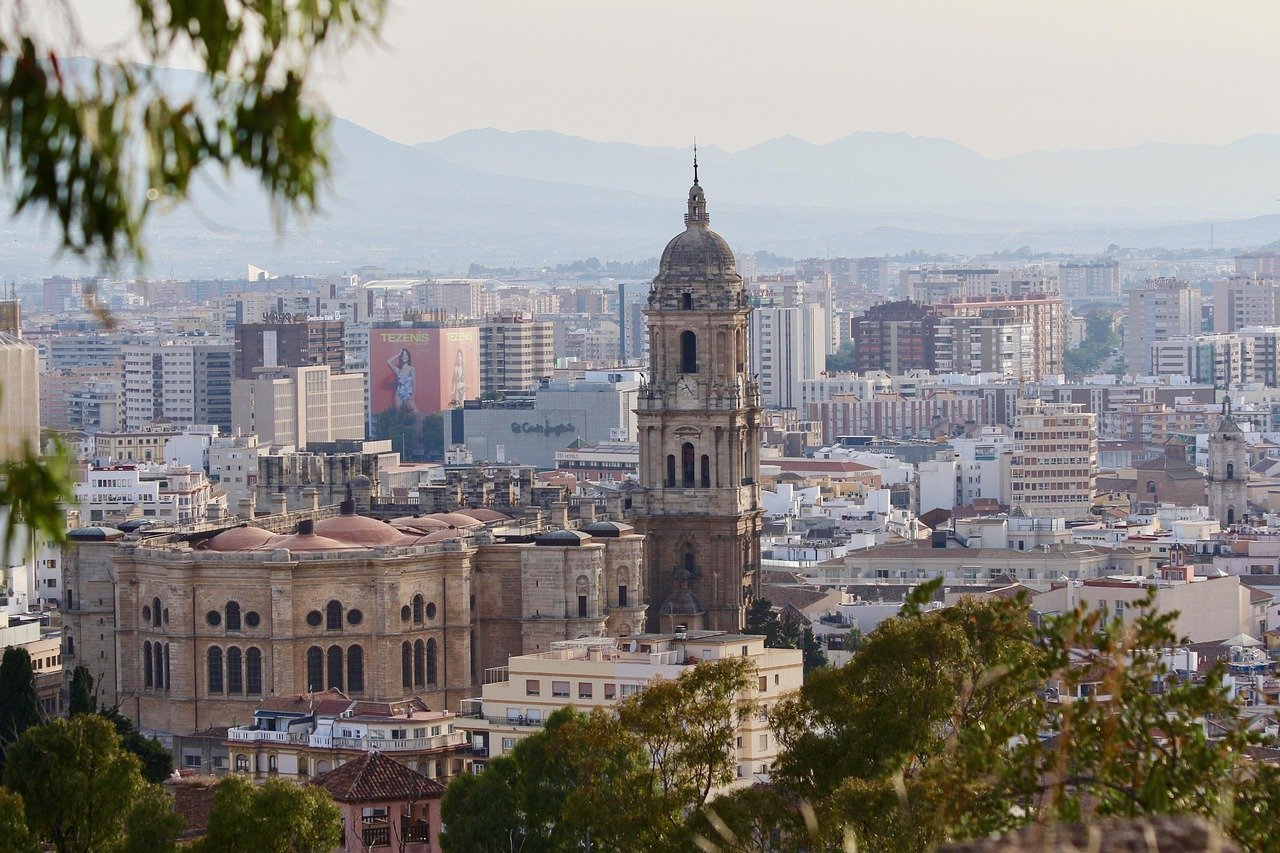
Málaga isn’t globally iconic the way Barcelona or Venice are – which makes its overtourism story all the more striking. This mid-sized Andalusian port city was consumed by short-term tourism so quickly that residents staged mass street protests through the summer of 2024. Studies cited in El País found parts of Málaga have the highest concentration of Airbnb listings in all of Spain. “People feel like the city is collapsing,” a local activist told the BBC – and the numbers back them up.
The political response has been aggressive by European standards. Starting in January 2025, city authorities froze new holiday rental registrations across 43 districts for three years. Billboard and online campaigns now urge visitors to keep the city clean, stay off the pavements on bikes, avoid loud music – and keep their clothes on in public. A city that has to run a “please wear clothes” campaign has crossed a threshold most destinations never reach. Málaga is a warning sign for every mid-tier European city watching its housing market and local character dissolve in real time.
#3 – Florence: More Tourists Per Resident Than Almost Any City in Europe
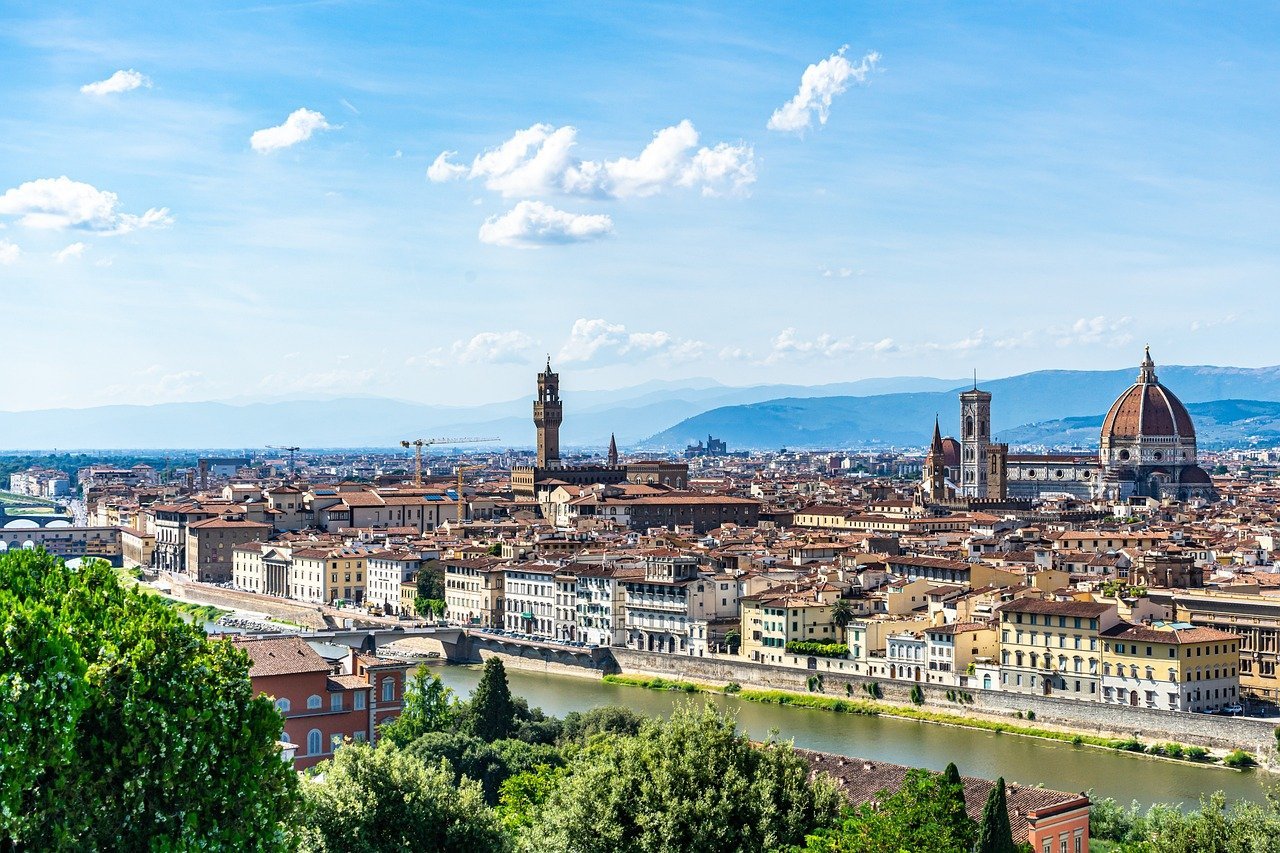
Florence may be the single most intense concentration of tourist pressure relative to city size anywhere on the continent. City officials have stated publicly that Florence has “at least 25 tourists per resident.” The historic center – the Uffizi, the Duomo, the Ponte Vecchio, the Accademia – covers less than 2 square miles and receives roughly 7.8 million visitors in just the first nine months of 2024 alone. Picture all of that compressed into a footprint smaller than many American suburbs, and you start to understand why residents describe daily life there as suffocating.
Short-term rentals in Florence’s UNESCO-protected zone skyrocketed more than 700% since 2019, reaching 12,250 properties across just five square kilometers. Officials moved to block new tourist lets in the UNESCO zone entirely – because there are more tourist beds than there are Florentines willing to remain. Rental prices have skyrocketed, local-serving businesses have vanished, and the streets around major monuments are so densely packed in peak season that even visiting them feels like a logistics problem rather than a cultural experience. Florence is perhaps the clearest case of a city being consumed by its own beauty.
#2 – Barcelona: 32 Million Visitors, Water Pistol Protests, and a Rental Ban Coming in 2028

Barcelona is the city that most visibly broke in 2024. The housing crisis accelerated sharply as short-term lets consumed residential stock. Noise, litter, and street crime all escalated in the most visited neighborhoods. And then locals – real, ordinary residents – started squirting tourists with water pistols in the streets. Not as performance. As protest. Thousands gathered to chant “tourists go home,” with signs reading “One more tourist, one less resident” – and Barcelona’s longstanding tensions erupted into very public hostility.
The political response has been the boldest in Europe. Barcelona announced a full short-term rental ban taking effect in 2028, scrapping licenses for more than 10,000 apartments, and the city’s mayor noted rents had climbed 68% over the past decade. The tourist tax has since been nearly doubled. Pressure remains heaviest around Las Ramblas and the Sagrada Família, where the tourist density is almost incomprehensible on peak days. Barcelona is the clearest example of what happens when a city becomes more valuable as a backdrop for other people’s vacations than as a place where actual people live. Residents aren’t just frustrated – they’re grieving something they feel has been taken from them permanently.
“Barcelona has been handed to the tourists. This is a fight to give Barcelona back to its residents.”
Andreu Martínez, Barcelona protest participant, 2024
The European Overtourism Crisis: Test Your Knowledge
As global travel hits record highs, Europe's most iconic cities are reaching a breaking point. From water-pistol protests to daily visitor caps, discover the reality behind the postcards in this editorial quiz.
Think you caught the key details? Take the quick quiz and see how sharp your instincts really are.
#1 – Venice: Invented the Tourist Entry Fee, Now Has More Tourist Beds Than Residents – and Is Still Losing
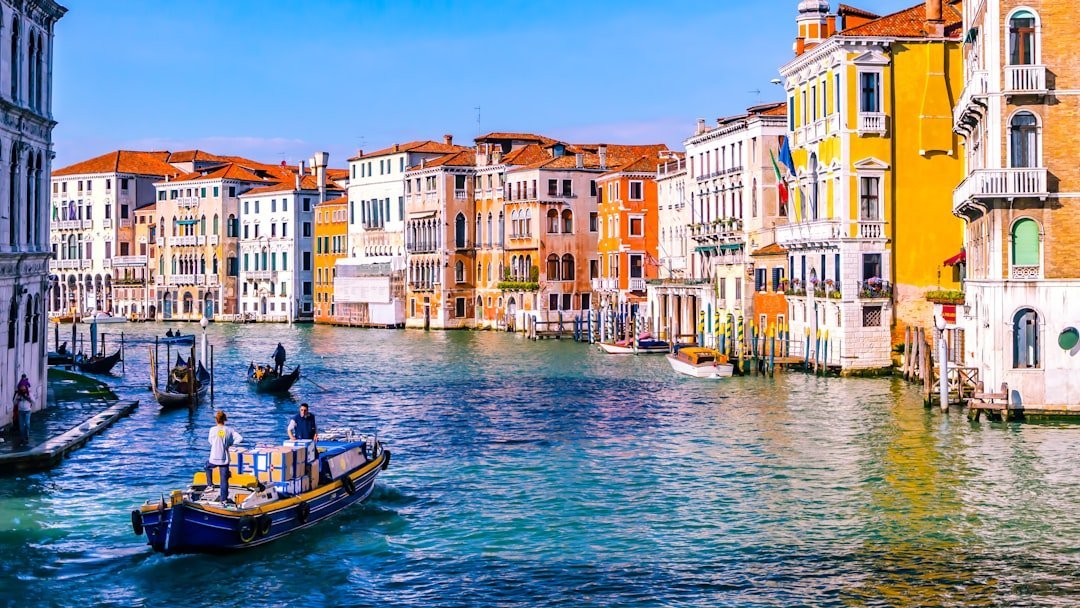
No city on Earth has been more completely overwhelmed by its own fame than Venice. A UNESCO World Heritage Site since 1987, the floating city has a permanent population of less than 50,000 – and absorbs roughly 30 million tourists a year. Its fragile medieval buildings, its narrow canals, its unique urban ecosystem were never engineered for this. Venice didn’t drift slowly into overtourism. It was engulfed. And the world watched, photographed it, posted the photos, and made it worse.
Venice introduced a €5 day-tripper entry fee in 2024, expanded to 54 chargeable days in 2025 and 60 in 2026. The fee generated around €2.4 million in revenue – but critics called it a failure: during the trial period, Venice averaged roughly 75,000 daily visitors, actually more than in previous comparable years. The city has more tourist beds than permanent residents in the historic center. The fee didn’t fix it. The protests didn’t fix it. The UNESCO warnings didn’t fix it. Venice is the starkest proof in travel today that some places can be loved into extinction, and no entry fee, no policy, no alarm will stop it once the algorithm decides a city is the place to be.
Why It Stands Out
- ~30 million tourists per year vs. fewer than 50,000 permanent residents
- Entry fee launched 2024 at €5; expands to 60 chargeable days in 2026
- Fee revenue: ~€2.4 million – visitor numbers did not meaningfully drop
- Historic center now has more tourist beds than residents
- Record 3.9 million overnight stays in the historic center in 2024 – an all-time high
- Non-payment fine: €50 to €300 per person
Every city on this list is telling the same story in a different accent: when tourism grows faster than a city can absorb it, the damage spreads through housing costs, hollowed-out neighborhoods, overwhelmed infrastructure, and residents who feel like guests in their own home. These cities aren’t just exhausting to visit. They’re exhausting to live in. The locals pushing back aren’t anti-travel. They’re people watching their homes disappear in real time – and they’re running out of patience.