

Step onto any cruise ship and within the first hour, the experienced cruisers have already clocked the newcomers. It’s not the wide-eyed excitement — that part’s completely understandable. It’s the oversized suitcase that won’t slide under the bed, the blank look when someone mentions “ship’s time,” or the quiet dread setting in at the end of a $4,000 vacation when a $600 surprise bill shows up at checkout. First-timers make the same mistakes on every single sailing, and almost none of them involve bad luck. They involve not knowing what nobody warned them about.
Cruising looks effortless from the outside — you board, you eat, you wake up somewhere beautiful. But underneath that ease is an entire ecosystem of unwritten rules, hidden costs, and insider moves that repeat cruisers have spent years figuring out the expensive way. What follows are the 16 mistakes veterans recognize the moment they see them, and the real story behind each one.
#16 – Assuming the Ticket Price Is What You’ll Actually Pay
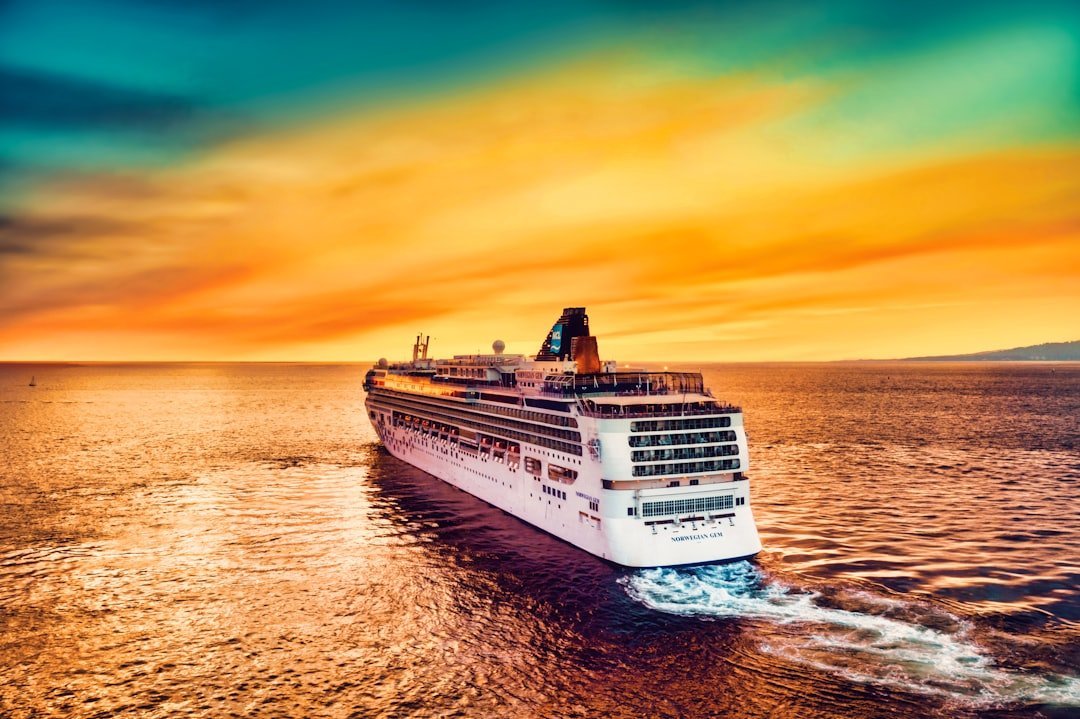
This one hits hardest at the very end of the trip, when it’s too late to change anything. That attractive headline fare is just the entry point. Automatic gratuity charges alone can run as high as $25 per person per day — and unlike a hotel resort fee that covers a whole room, cruise gratuities are charged per person, not per cabin. A family of four sharing one stateroom can easily rack up hundreds of dollars in service fees before anyone has ordered a single cocktail.
At major lines like Royal Caribbean, that family can face more than $70 a day in gratuities — roughly $500 over a typical seven-night cruise. Five major cruise lines had already pushed through gratuity rate hikes by early 2026, with Carnival raising standard cabin rates to $17 per person per day effective April 2026. Pile on specialty dining, Wi-Fi, shore excursions, and spa treatments, and the headline price becomes almost fictional. Veterans prepay gratuities before boarding to lock in current rates. Rookies find out about all of it at checkout, standing there doing math in their heads with their bags already packed.
#15 – Booking a Morning Flight Home on the Last Day
It seems perfectly logical: the ship docks at 7 a.m., your flight leaves at 10 a.m., you’re home before lunch. Except “arriving in port” and “walking out of the terminal with your luggage” are two entirely different events. Disembarkation involves customs lines, luggage retrieval, and thousands of passengers all trying to exit at once. What looks like a two-hour cushion on paper routinely becomes a missed flight in real life.
Experienced cruisers never book a flight before noon on disembarkation day, and plenty add a buffer night at a hotel near the port just to be safe. The math works the other way too — if your departing flight is delayed and you miss the ship, or if the ship arrives late and you miss your flight home, the cruise line owes you nothing. You’re on your own for new flights, hotels, and connections. Veterans know this going in. Rookies learn it standing at an empty gate with their boarding passes already expired.
#14 – Ignoring the Cruise Line App Before You Even Board
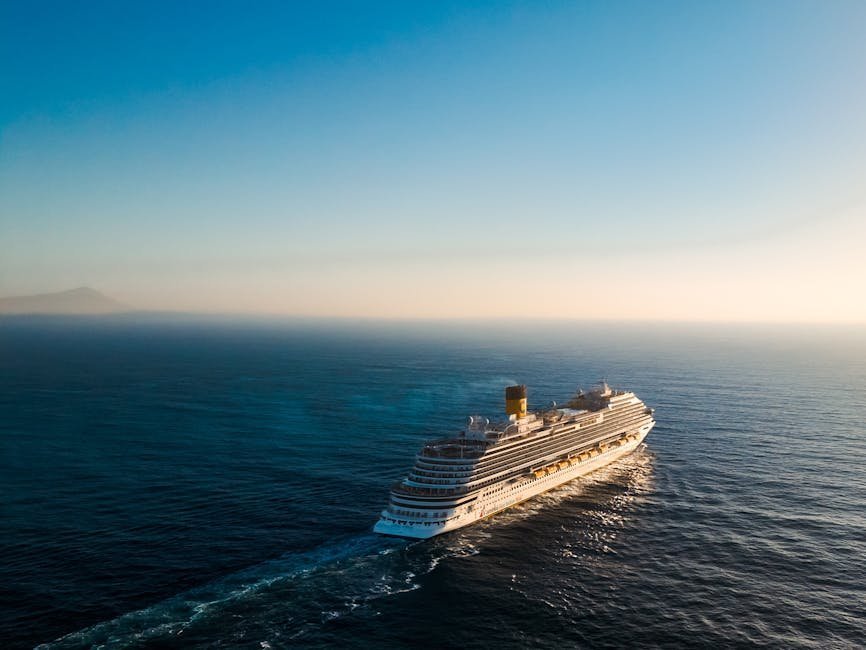
Most first-timers don’t download the app until they’re standing on the dock wondering why the check-in line stretches around the building. By that point, veterans are already aboard, drinks in hand. Most major cruise lines open online check-in 45 days before sailing, and experienced cruisers check in the moment that window opens — some stay up past midnight, timed to the sailing’s home port time zone, just to grab the earliest possible boarding slot.
The app does more than check-in. It lets you lock in dining reservations, book excursions, browse the daily schedule, and catch embarkation-day flash deals that are only pushed through the app and disappear within hours. The in-app calendar alone is worth downloading for — no scrambling around the ship looking for a paper schedule. If you’re not in the app before you board, you’re already two moves behind. Veterans have their reservations, their boarding time, and their first-night dinner sorted weeks out. Rookies are figuring it out on the gangway.
#13 – Bringing a Suitcase That Doesn’t Fit Under the Bed
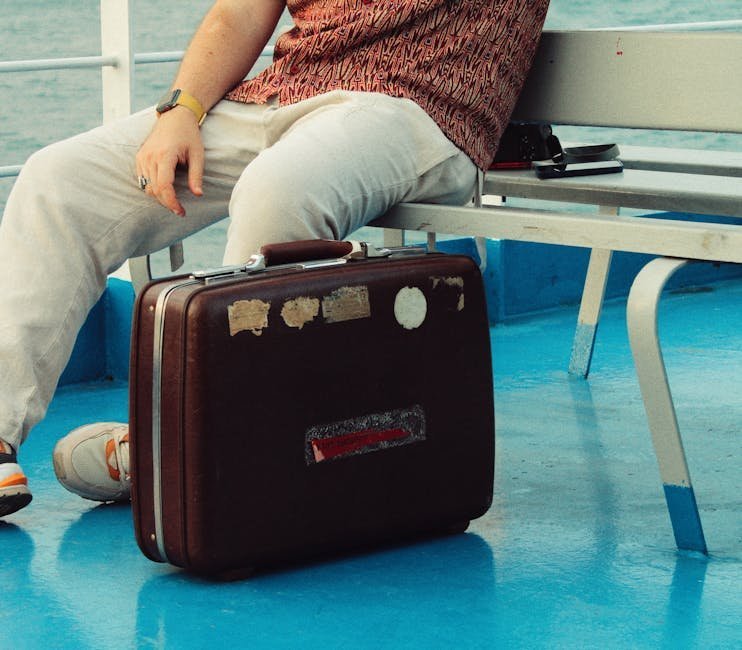
Cruise cabins are not hotel rooms. They are compact, cleverly engineered spaces with almost no floor room to spare, and the under-bed area is essentially the only place a full-size suitcase can go. If your bag is too thick to slide underneath — and most oversized hardshells are — it lives out in the open for the entire voyage, taking up what little walking space you have in an already tight stateroom.
Veterans travel with one mid-size bag, wear pieces across multiple days and settings, and treat packing light as a skill worth developing before the trip. The closet in a standard cruise cabin is roughly the size of a coat closet in a studio apartment. You get one rod, a few shelves, and a prayer. Pack like you’re going to a beach house for a week, not like you’re moving. Rookies haul two massive suitcases onboard and spend the first night rearranging furniture just to open the bathroom door.
At a Glance: What Actually Fits in a Standard Cabin
- Under-bed storage: typically fits bags under 10–11 inches tall — measure before you pack
- Closet: one hanging rod, 2–3 small shelves, and limited drawer space
- Floor space: often less than 150 sq. ft. total for an inside cabin
- Soft-sided, collapsible bags beat hardshell luggage every time on ships
- A carry-on plus one mid-size checked bag is the veteran sweet spot for a 7-night sailing
The Cruise Veteran's Intelligence Test
Think you're ready to set sail? Test your knowledge on the hidden costs, unwritten rules, and logistical traps that separate first-timers from seasoned mariners.
Think you caught the key details? Take the quick quiz and see how sharp your instincts really are.
#12 – Not Realizing Your Phone Is Running Up Charges at Sea

This mistake doesn’t announce itself until you’re home and the bill arrives. The moment your ship leaves domestic waters, your phone latches onto maritime or foreign networks — and the roaming rates are brutal. You don’t have to make a single call. Just receiving a text message or having an app refresh in the background can trigger charges. Some cruisers have come home to four-figure phone bills after a single week without ever intentionally using data at sea.
The fix is simple and free: switch your phone to airplane mode the moment you board and leave it there for the duration. If you want to stay connected, purchase the ship’s Wi-Fi package before you sail — pre-purchase pricing is almost always cheaper than buying it onboard. Veterans set airplane mode before the ship even leaves the dock and don’t think twice about it. Rookies find out what “maritime roaming” means when they open their first statement back home.
#11 – Losing Track of Ship’s Time While in Port

Missing the ship is the most dramatic mistake on this list — and it happens on virtually every sailing, somewhere in the world. The ship does not wait. It does not care that your beach excursion ran long or that traffic from the market was a nightmare. The departure time on the bulletin board is final, and once the gangway is up, you are watching your floating hotel disappear into the harbor from a foreign dock.
The trap is your phone. The moment you take it off airplane mode in port, it can quietly switch to local time — which may be an hour or more off from ship’s time. Veterans wear an actual wristwatch set to ship’s time specifically to avoid this. If you miss the ship, you cover your own flights, hotels, and transportation to catch the vessel at the next port of call. That’s not a travel inconvenience. That’s a potential multi-thousand-dollar emergency unfolding in a country where you may not speak the language.
Worth Knowing: The Ship’s Time Rules
- All departure times are posted in ship’s time — not local port time
- Your phone can silently switch to local time the moment you disable airplane mode ashore
- The all-aboard time is typically 30 minutes before departure — not at departure
- If you miss the ship: you pay for your own transport, hotel, and flights to the next port
- Booking cruise-line excursions guarantees the ship waits for you — independent tours do not
#10 – Waiting Until You’re Onboard to Book Shore Excursions
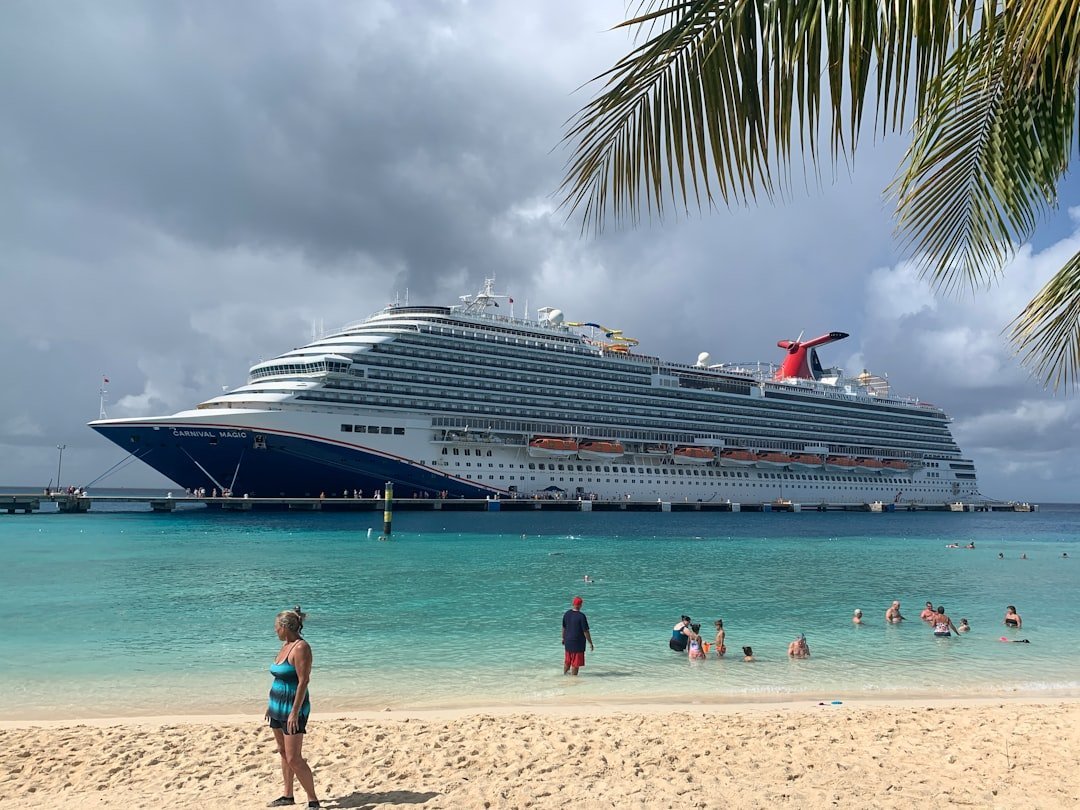
The logic sounds reasonable: “I’ll see how I feel once we get there.” The reality is that the whale-watching tours, glacier hikes, cenote dives, and any excursion with limited capacity sell out weeks before the ship leaves port. By the time you’re standing at the excursion desk on Day 2 ready to commit, the answer is often a polite “Sorry, that one’s full.” Popular excursions go fast, and many cruise lines offer early-booking discounts that disappear well before sailing day.
Veterans also know that cruise-line excursions, while reliable, often run 30–50% more expensive than comparable independent tours for the same experience. Reputable third-party operators in popular ports frequently offer smaller group sizes, more flexibility, and lower prices — the key is booking with companies that have a guaranteed return-to-ship policy built in. Rookies browse the excursion desk at their leisure and discover the best options vanished before they even unpacked.
#9 – Eating Every Single Meal at the Buffet

The buffet is free, always open, and genuinely hard to walk past without loading a plate. But first-timers who set up permanent residence there are missing some of the best food on the ship. Most modern cruise ships run specialty restaurants serving everything from multi-course tasting menus to sushi, Italian, and steakhouse concepts. The quality gap between a specialty dinner and the buffet on a typical sailing is significant — and the atmosphere is a different experience entirely.
The insider move veterans use: check for first-night specialty dining deals the moment you board. Many lines offer discounted rates on embarkation evening specifically because rookies haven’t figured out the specialty venues exist yet. Book a reservation early in the sailing — they fill up fast — and try at least one breakfast in the main dining room instead of the buffet chaos. The buffet has its place on a cruise. It just shouldn’t be the whole story of how you ate for seven days.
#8 – Buying Every Package Onboard Instead of Before You Sail
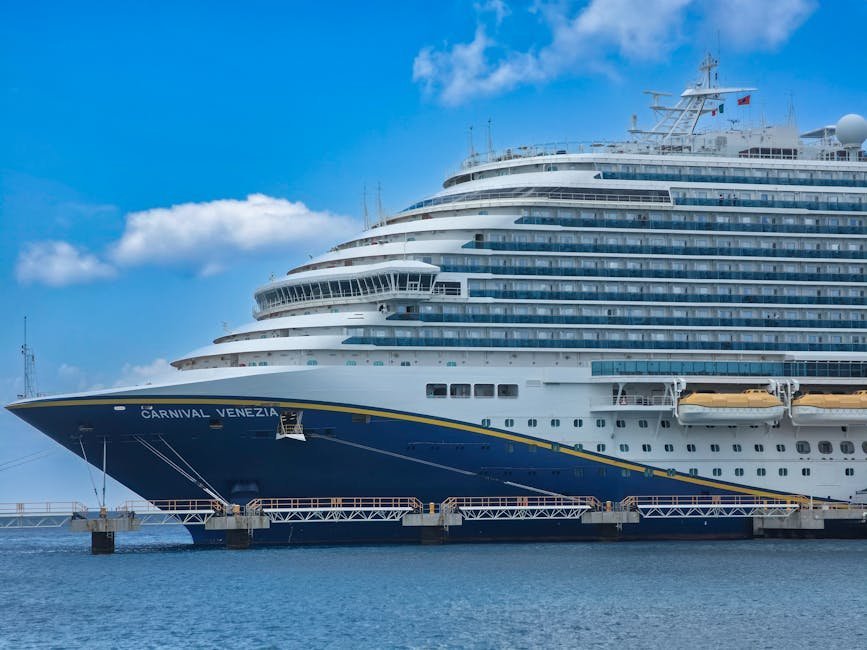
Cruise ships are engineered to make spending feel painless. You tap your cabin card, walk away smiling, and the number barely registers. That frictionless system is deliberate — and it works. Drink packages, Wi-Fi packages, and spa packages all feel like reasonable impulse decisions in the moment. They also cost noticeably more when purchased onboard than when bought ahead of time through your cruise line account before sailing.
Pre-cruise packages can run 20–30% cheaper than the same purchases made once you’re aboard. Carnival’s CHEERS! beverage package, for example, runs $69.95 per person per day pre-cruise versus $74.95 per person per day if purchased onboard — before the mandatory 20% service charge is added either way. Many cruise lines also run limited “flash deals” during the pre-sailing booking window that simply aren’t available after you board. Veterans plan their spending before they ever pack a bag, calculate whether a drink package actually makes financial sense for their consumption habits, and board with a budget already decided. Rookies discover all of this on Day 3.
Quick Compare: Pre-Cruise vs. Onboard Package Pricing
- Drink packages: Pre-cruise pricing is almost always lower — sometimes by $5–$10 per person per day
- Wi-Fi: Pre-purchase discounts of 20–30% are common across most major lines
- Specialty dining: First-night embarkation deals often only appear in the app or at the restaurant itself
- Gratuities: Prepaying before sailing locks in the current rate before any future increases
- Spa packages: Port-day specials onboard can occasionally beat pre-cruise rates — the one exception worth watching for
#7 – Choosing a Cabin Without Thinking About Location
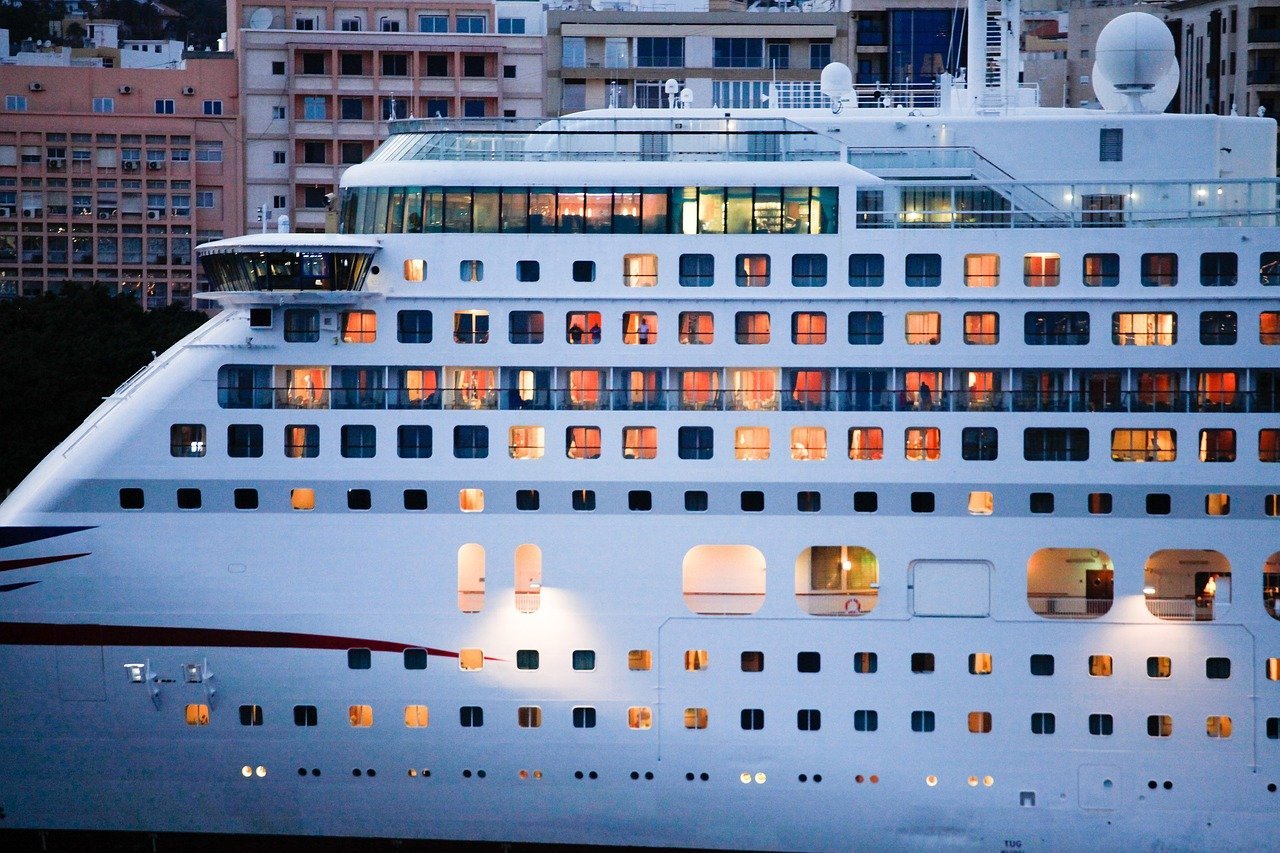
Not all cabins are created equal, and first-timers usually learn this in the middle of the night. A cabin near the elevators sounds convenient until the doors are dinging at 2 a.m. A forward cabin sounds adventurous until you discover it amplifies every wave the ship cuts through. A cabin directly below the pool deck sounds fine until the deck chairs start scraping across the ceiling at 7 a.m. Location matters enormously on a ship, and the deck plan tells you everything you need to know before you book.
Midship cabins on a middle deck are the gold standard for motion stability — they sit closest to the ship’s center of gravity and feel the least rocking in rough seas. Veterans research the deck plan before clicking “book,” not after confirming the reservation. It’s also worth knowing that an ocean-view cabin has a fixed window that doesn’t open, while a balcony cabin gives you actual outdoor space with chairs and sea air. Rookies pick whatever’s cheapest, discover the issue when they can’t sleep through the engine room hum, and file it under “lessons learned.”
#6 – Never Exploring the Ship Beyond the Pool Deck
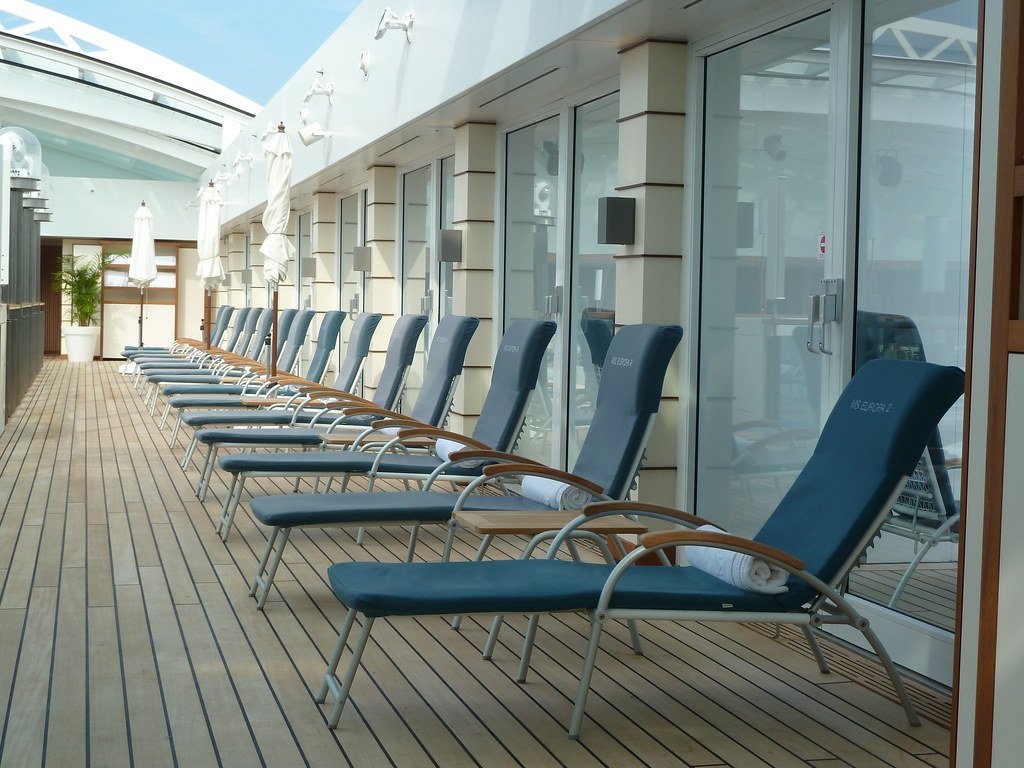
Modern cruise ships are floating cities, and first-timers typically discover maybe 40% of them. They find the buffet, the pool, the main dining room, and the casino — and call it done. Meanwhile, veterans are settled into a quiet observation lounge on Deck 14 with panoramic ocean views, zero crowds, and a drink they ordered without waiting in a single line. The best spots on most ships are the ones nobody bothers to find.
Adult-only sun decks, rooftop terraces, specialty bars, libraries, and open-air observation lounges sit nearly empty on most sailings because the majority of passengers don’t know they’re there. Veterans do a full self-guided tour on embarkation day — top deck to bottom, bow to stern — and spend the rest of the cruise in the places everyone else isn’t. It takes maybe an hour on the first afternoon and pays off every day after. Download the deck map from the app before you board and treat Day 1 like an exploration mission, not a relaxation day.
#5 – Skipping Travel Insurance or Buying the Wrong Kind

Nobody boards a ship expecting a medical emergency. That’s exactly the problem. Medical care onboard is competent but not cheap, and if you need emergency surgery, a cardiac event response, or a medical evacuation while you’re 500 miles from the nearest U.S. hospital, the bill can reach six figures. Standard U.S. health insurance plans almost universally exclude or severely limit coverage at sea and in foreign ports.
The trap veterans warn about: buying travel insurance without confirming it explicitly covers cruise travel and days at sea. Some policies require cruising to be listed as a covered activity. Check the fine print for missed connections, trip interruption, and emergency evacuation — those three items are where the real exposure lives. Third-party travel insurance plans frequently offer broader coverage at lower prices than the protection policies sold by the cruise lines themselves. Veterans never board without a policy that names cruise travel by name. Rookies either skip coverage entirely or assume the cruise line’s own offering covers everything it should.
Why It Stands Out: What Good Cruise Travel Insurance Actually Covers
- Medical evacuation from sea — can cost $50,000–$100,000+ without coverage
- Trip interruption if you miss the ship due to a flight delay
- Cancel-for-any-reason upgrades — available on many third-party plans, rarely on cruise-line policies
- Missed port coverage and itinerary change protection
- Third-party insurers often cover pre-existing conditions if purchased within 14–21 days of your initial deposit
#4 – Treating Every Port Like a Checklist Item
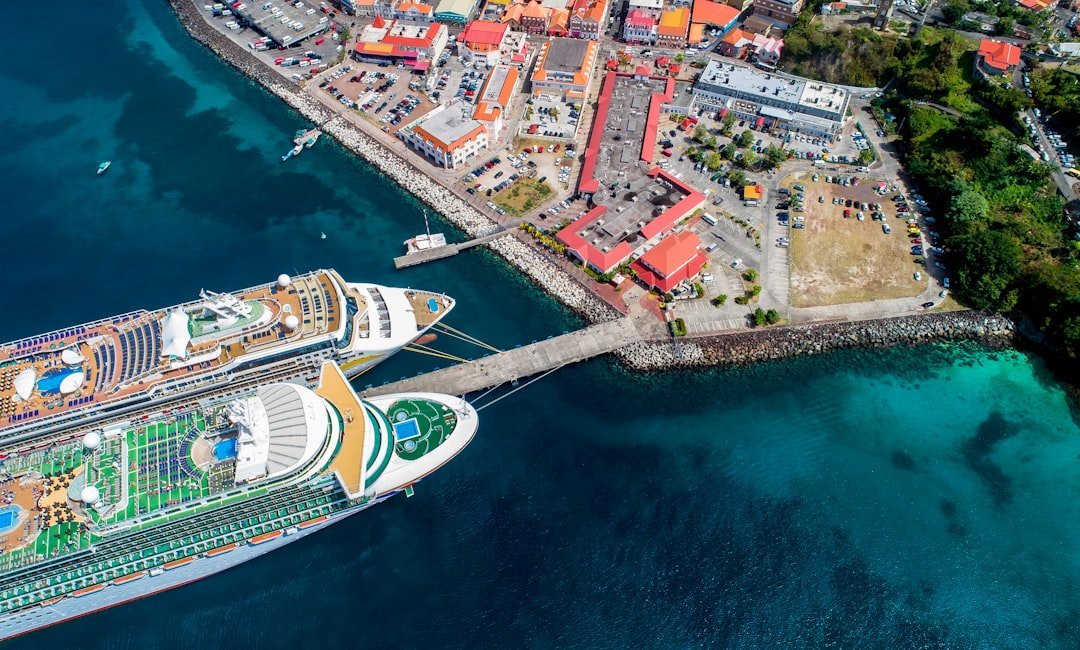
First-timers tend to sprint through ports — hit the landmark, take the photo, check the TripAdvisor box, get back to the ship exhausted and vaguely unfulfilled. Veterans slow down and come back with better stories. The mistake isn’t going ashore. It’s treating a living, breathing place like a theme park you need to conquer in four hours. Some ports deserve a long lunch, a walk through the market, and a conversation with a local vendor far more than they deserve a rushed selfie at the famous viewpoint.
The flip side is just as real: some rookies never leave the ship at all because it feels safe and familiar. The pool and the buffet will be there when you get back. The port is only there for a few hours — and in some cases, it’s a place you’ll spend years wishing you’d actually explored. Veterans know which ports deserve deep wandering and which ones are fine to admire from the top deck with a drink. They match the energy of the place to how they show up for it. Rookies apply the same frantic checklist energy to everywhere they land.
#3 – Booking a Cruise Without Matching the Ship to Their Personality
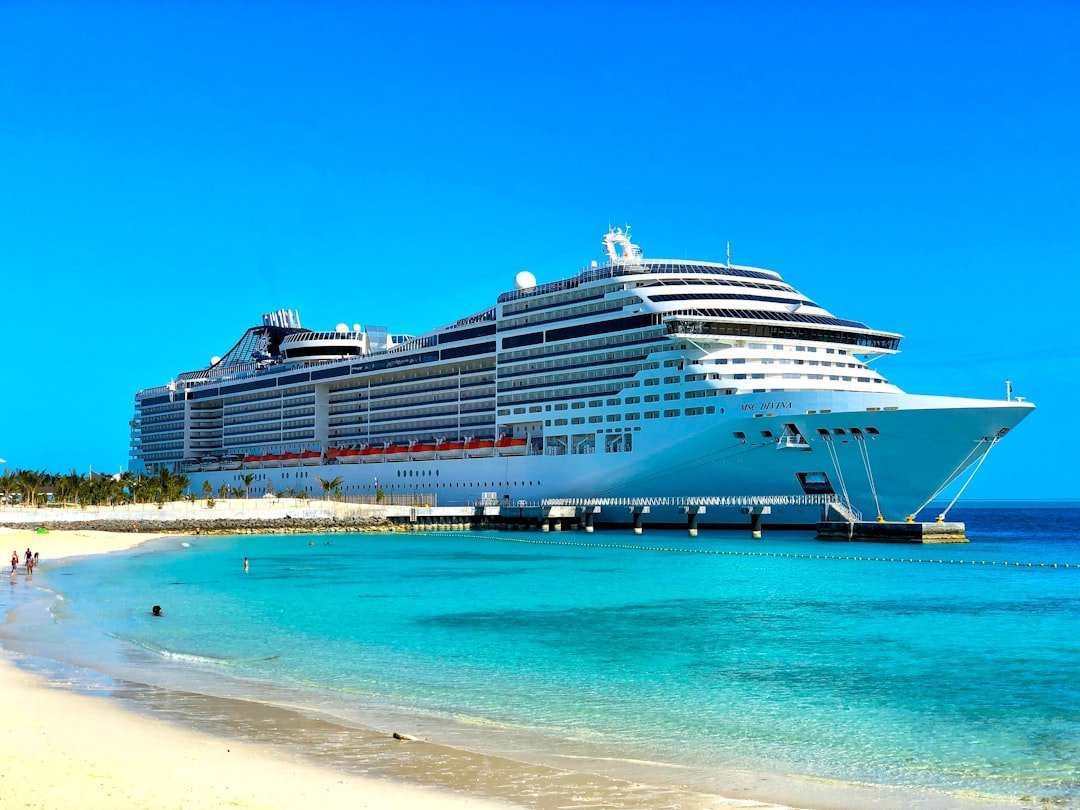
This is the mistake that can ruin an entire vacation before the ship clears the harbor — and it’s almost never talked about in the initial booking conversation. Every cruise line carries its own atmosphere, its own passenger demographic, and its own definition of “fun.” A couple looking for a quiet, refined experience who accidentally books a ship with a waterpark, a DJ pool deck, and back-to-back foam parties is going to have a very long week. The reverse is equally true for families who end up on a ship built around cocktails and nightlife.
Short three- to four-night warm-weather runs to the Bahamas and Mexico attract a very different crowd than seven-night European itineraries or Disney sailings — and the energy onboard reflects that completely. Veterans research the passenger demographics and the ship’s onboard culture the same way they’d read hotel reviews before booking a resort. Five minutes of looking at who a cruise line actually markets to can save an entire vacation. Rookies pick based on price and itinerary alone, board with expectations that don’t match reality, and spend the week quietly miserable in the wrong crowd.
#2 – Ignoring the Daily Newsletter Slipped Under Your Door Each Night
Every night without fail, a printed program — called the “daily” or the “dailies” — gets slipped under your cabin door. It lists every activity, show, dining special, flash sale, and event happening the next day across the entire ship. First-timers routinely throw it away, skim it once, or never notice it at all. Veterans treat it like a personal briefing. They read it the night before, circle what they want, and wake up with an actual plan instead of wandering the ship trying to figure out what’s happening.
The dailies are also where limited flash deals get announced first — discounted show tickets, half-off specialty dining, VIP excursion availability, and priority seating that disappears within hours of posting. Many of those offers never make it to the app or the customer service desk. Veterans also scan the dailies for the handful of genuinely free, high-value events each sailing offers — the galley tour, the captain’s cocktail reception, the behind-the-scenes officer Q&A. Most rookies miss all of it because they didn’t know to look. That newsletter is the closest thing a cruise has to a cheat code.
The Cruise Veteran's Intelligence Test
Think you're ready to set sail? Test your knowledge on the hidden costs, unwritten rules, and logistical traps that separate first-timers from seasoned mariners.
Think you caught the key details? Take the quick quiz and see how sharp your instincts really are.
#1 – Thinking the Base Price Covers the Drinks

Ask any veteran cruiser what surprises first-timers the most and the answer comes back almost immediately: the bar tab. Cruises are marketed with an all-inclusive feel — the food is included, the entertainment is included, the room is included. What isn’t included, on most mainstream lines, is alcohol. Individual cocktails typically run $12–$16 each on mainstream lines, with premium cocktails hitting $15 or more, and specialty coffee drinks add up faster than anyone expects. A couple who each have three drinks a day over seven nights is looking at $500–$700 in bar charges before gratuity — on a trip they booked thinking it was mostly paid for.
Veterans approach this with clear eyes: they calculate whether a beverage package makes financial sense for their actual drinking habits before boarding, buy it pre-cruise at the lower rate if it does, and budget carefully if it doesn’t. Full alcohol packages typically run $60–$100 per person per day at mainstream lines, and the break-even point is generally around five to six drinks daily — a real number for some cruisers, a stretch for others. The cabin card system makes every purchase feel abstract — you tap and walk away, and the number quietly climbs. Rookies assume drinks are folded into the experience, order freely for the first few days, and nearly choke when the interim bill arrives mid-cruise. The good news is that once you know the real cost structure going in, cruising remains one of the best-value vacations available — you just have to budget for what it actually costs, not what it feels like it should.
At a Glance: The Real Cost of Drinks at Sea
- Individual cocktails: typically $12–$16 each on mainstream lines; premium cocktails $15+
- Full alcohol packages: roughly $60–$100/person/day pre-cruise (higher onboard)
- Break-even point: usually 5–6 drinks per day — including port days when you’re off the ship
- Most lines require all adults in a cabin to purchase the same package — no splitting allowed
- “Free” drink package promotions often carry a 15–20% gratuity charge on the full package value
- Non-alcoholic packages (soda, coffee, juice): usually $20–$40/person/day — far easier to justify
The cruisers who figure all of this out — and most do, eventually — become the ones with the 10-sailing loyalty cards and the strong opinions about which ships have the best observation lounges. According to AAA, 91% of U.S. cruise passengers have taken multiple cruises, and 90% rate their experience as good or very good. That repeat rate doesn’t happen by accident. It happens because people stop making the avoidable mistakes and discover just how good this style of travel actually gets. Every single mistake on this list is fixable before you ever set foot on a gangway. Now you have the list. Which one were you about to make?