
Everyone’s been burned by a “hidden gem” beach. You see the photos – turquoise water, empty shoreline, golden light – and you book the flights before you’ve finished your coffee. Then you show up and find the secret got out years ago. The beach chairs are packed like sardines, a vendor is in your face before you’ve dropped your bag, and whatever magic supposedly lived there has been thoroughly replaced by souvenir stalls and overpriced cocktails. Social media has a way of destroying the very thing it celebrates.
What’s really unsettling is that some of the most hyped “undiscovered” beaches now generate more complaints than classic tourist traps. A major analysis of over 1.3 million TripAdvisor reviews found that several beaches long marketed as off-the-beaten-path escapes topped the global charts for overcrowding, filth, and noise. Here are 18 beaches travelers – and the surprisingly uncomfortable reasons why.
#18 – Waikiki Beach, Oahu, Hawaii
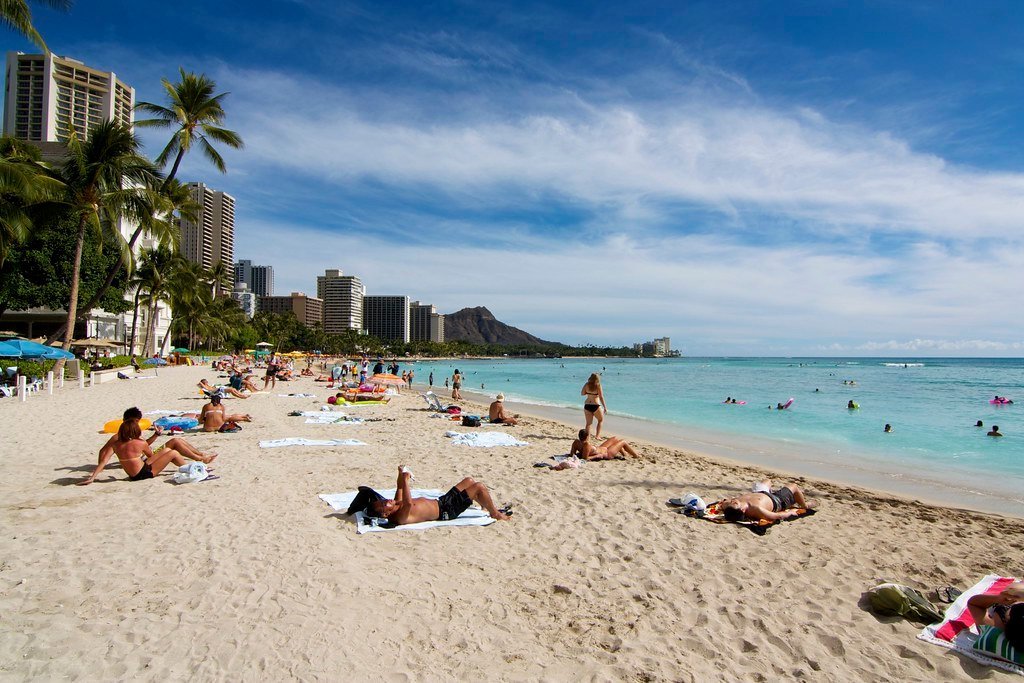
Here’s the brutal truth about Waikiki: it ranks as the most complained-about beach in a global analysis of 200 of the world’s most-visited shorelines, with two-thirds of reviewers specifically calling out extreme overcrowding. The beach still looks gorgeous in photos, which only deepens the disappointment when you step onto the sand and realize there’s nowhere to actually sit. It feels less like a tropical escape and more like trying to sunbathe in a packed elevator.
Travelers from the mainland often say the same thing: once you leave Waikiki, the rest of the island opens up into something genuinely beautiful and far more authentic. The problem is that most first-timers don’t figure that out until they’ve already spent two days fighting for a patch of sand in the shadow of a 40-story resort. Waikiki is undeniably iconic – and undeniably exhausting.
#17 – Venice Beach, Los Angeles, California
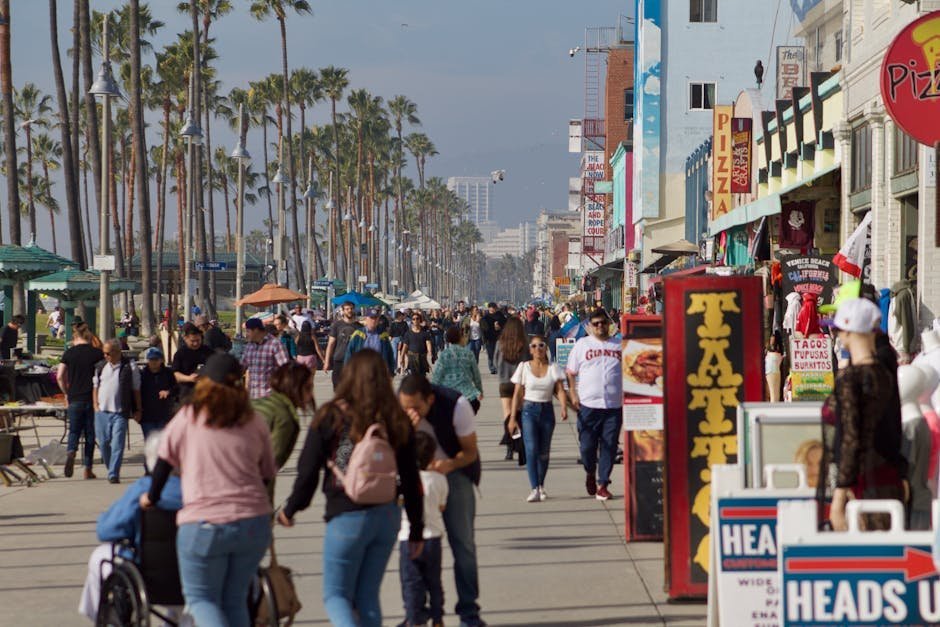
Venice Beach has been sold to the world as a quirky, creative, only-in-LA experience. What travelers actually find is a very different story. Venice consistently ranks near the top of complaint lists, with the majority of negative reviews citing litter, unpleasant odors, and poor waste management. That’s not a fringe opinion – it’s the majority experience. The combination of grime, aggressive vendors, and a deeply uncomfortable social landscape has turned what should be a fun afternoon into something many visitors describe as genuinely distressing.
The boardwalk energy is real, and some people love it. But those who came for a peaceful day by the ocean leave baffled. The sand and water quality routinely fall short of expectations, and the relentless hustle of the surrounding strip makes relaxation nearly impossible. Travelers who have visited both Hollywood Boulevard and Venice Beach in the same trip often describe the experience in identical terms: not what they pictured, not what they’d repeat.
Fast Facts
- Venice Beach boardwalk stretches roughly 2.5 miles along the Los Angeles coastline
- Consistently cited alongside Hollywood Blvd as one of LA’s most over-hyped tourist stops
- Litter, odor, and vendor aggression dominate negative visitor reviews across major platforms
- The ocean-facing strip averages among the lowest peaceful-experience ratings of any U.S. beach destination
#16 – Patong Beach, Phuket, Thailand
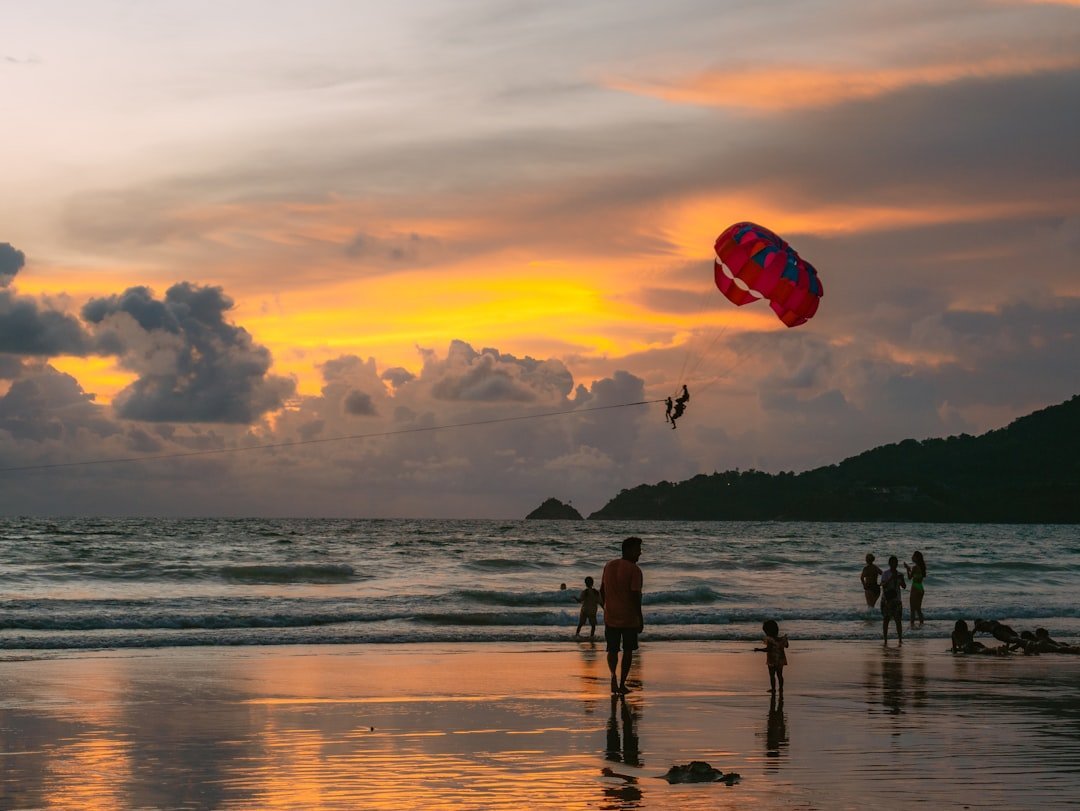
Phuket was crowned the world’s most over-touristed destination by a major travel analytics firm, and Patong Beach is ground zero for why. The crescent-shaped bay and vivid sunsets that once defined Patong have been so thoroughly buried under commercialization that first-time visitors expecting limestone cliffs and peaceful water regularly describe the reality as a shock. The beach has become a gauntlet of touts, jet ski operators, and vendors who don’t take no for an answer.
Infrastructure in Phuket has been pushed far past its limits – traffic congestion, packed shorelines, and narrow roads that funnel thousands of tourists into spaces built for dozens. What most Instagram posts don’t show: trash washing up on the northern beaches even in areas where few tourists ever go. The ecological mismanagement here runs far deeper than tourist littering. It’s a systemic problem wearing a paradise costume.
#15 – Copacabana Beach, Rio de Janeiro, Brazil
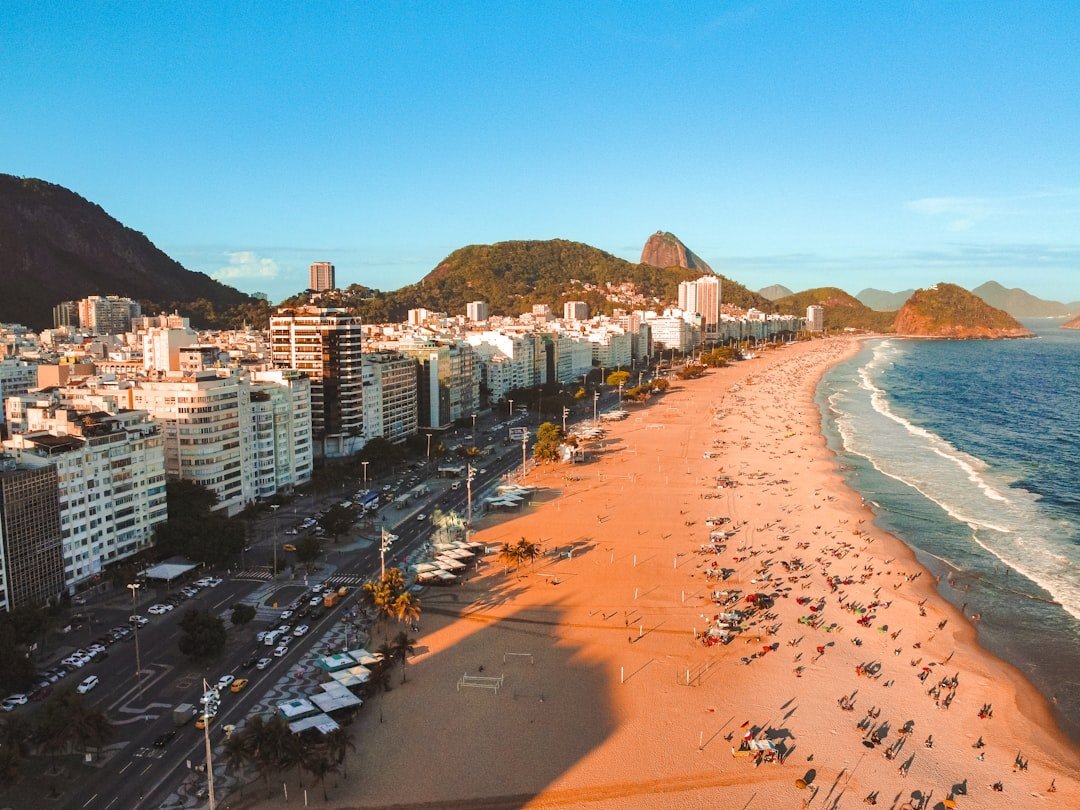
Rio’s Copacabana is one of the most recognizable shorelines on Earth, which is precisely why so many travelers arrive expecting something transcendent – and leave deflated. The famous promenade, the mosaic sidewalks, the backdrop of city and mountain – it’s visually stunning. But the water quality has deteriorated significantly from what it once was, vendors work the beach aggressively, and finding a quiet moment is essentially impossible during peak season.
The real sting of Copacabana isn’t the beach itself – it’s the gap between the movie-poster version and the reality on the ground. Petty theft at the water’s edge is common enough that locals routinely warn visitors not to bring anything they’d mind losing. Many travelers describe spending more time watching their belongings than actually enjoying the beach. After spending a week’s holiday budget to get there, that’s a particularly bitter pill to swallow.
#14 – Cancún Hotel Zone Beaches, Mexico
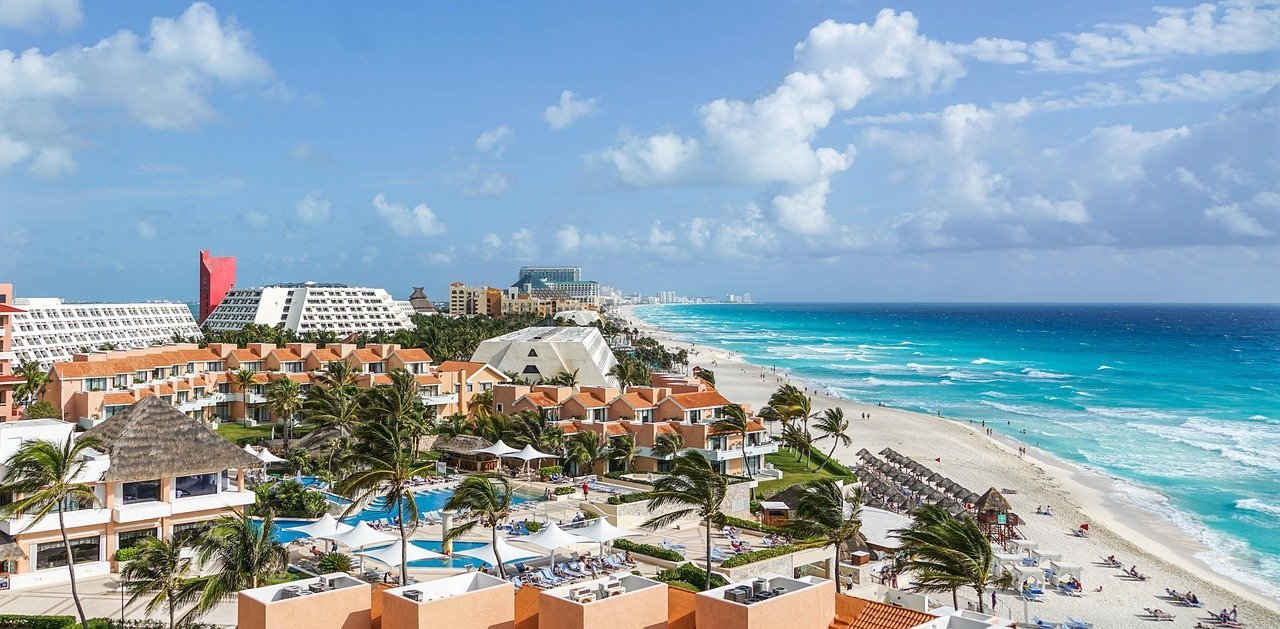
Cancún’s beaches look spectacular on paper – the photos are genuinely beautiful. But a study by Radical Storage analyzing nearly 100,000 Google reviews named Cancún the most disappointing tourist city of 2025, finding that nearly one in seven reviews were negative, the highest rate of any city analyzed. That is a damning statistic for a destination still marketed as a dream vacation. The Hotel Zone beaches are essentially a wall of resorts interrupted only by each other.
Tourists who visit Cancún consistently report inflated prices, scams, aggressive salespeople, and an overwhelming sense of artificiality. According to SECTUR data, over 9.7 million international arrivals hit Cancún in 2024 – more than double Mexico’s second-biggest destination, Mexico City. That volume of tourism doesn’t produce a relaxing beach getaway. It produces managed chaos. If you came for the “real Mexico,” you’ll need to travel considerably farther down the coast.
#13 – Myrtle Beach, South Carolina
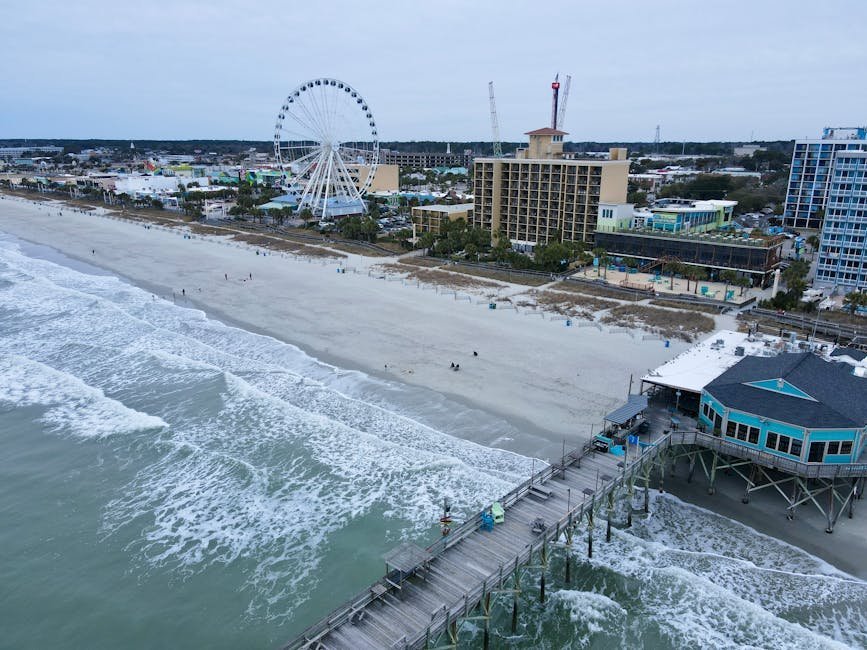
Myrtle Beach has earned the nickname “Dirty Myrtle” so thoroughly that it’s now used unironically in travel forums. The beach itself is wide and accessible – genuinely popular for families – but that accessibility has created a heavily commercialized strip that many visitors find overwhelming. The boardwalk area is a gauntlet of chain restaurants, souvenir shops, and amusement attractions stacked so tightly together that the actual ocean starts to feel like an afterthought.
Water quality complaints have dogged Myrtle Beach for years, with periodic advisories issued for bacterial contamination. But perhaps the most quietly devastating reviews come from travelers who grew up visiting as kids and came back as adults. Several describe going back as actively depressing – they had no idea how much nostalgia had been doing the heavy lifting. The gap between a childhood memory and the adult reality here is uniquely, specifically crushing.
The 'Hidden Gem' Reality Check
Think you've found the perfect untouched paradise? From extreme overcrowding to environmental strain, see if you can identify the surprising reasons why these 18 famous beaches are losing their luster.
Think you caught the key details? Take the quick quiz and see how sharp your instincts really are.
#12 – Bondi Beach, Sydney, Australia
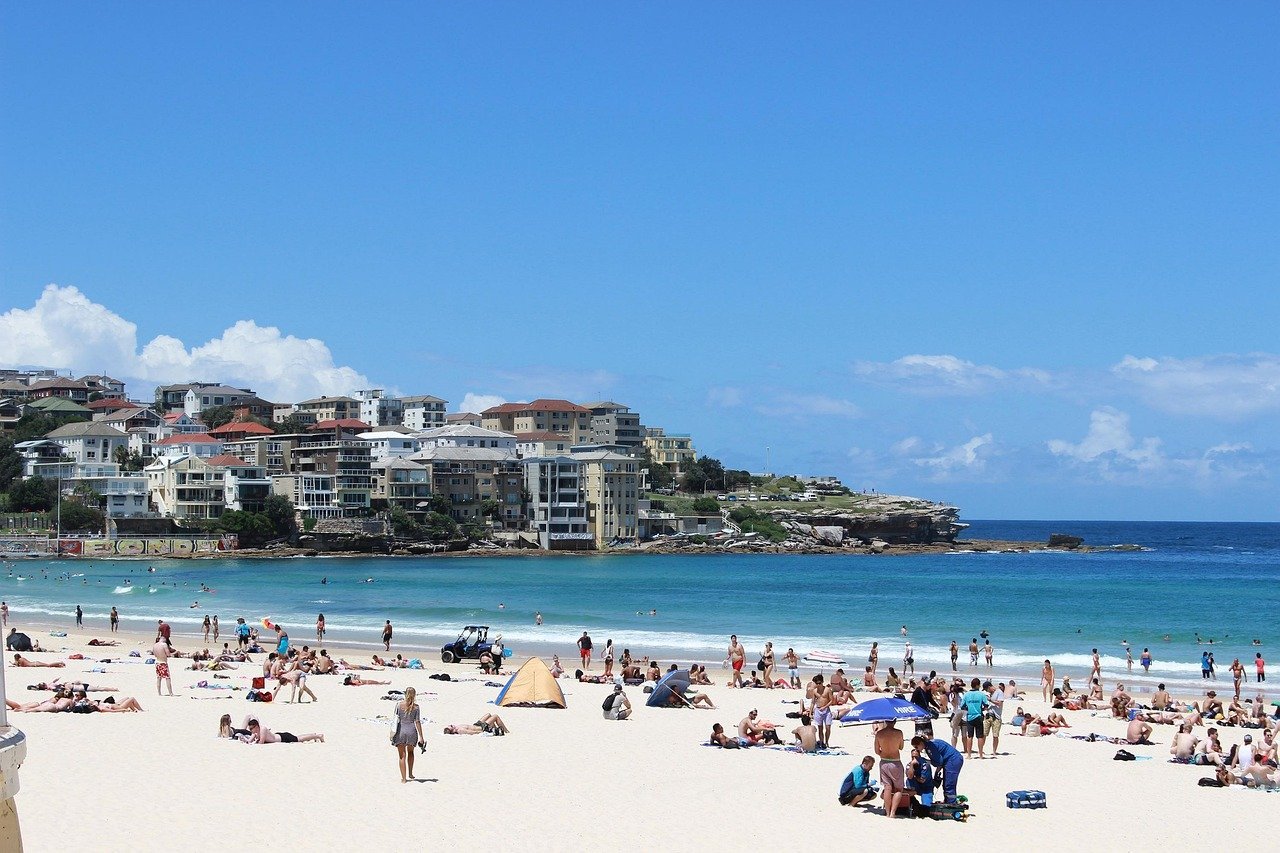
Bondi is probably the most Instagrammed beach in the Southern Hemisphere, and that status has effectively ruined it for anyone who actually wants to swim. On a peak summer day, finding a patch of sand to lay a towel can take longer than the swim itself. The surrounding area is expensive, the crowds are relentless, and the famous Bondi Icebergs pool now gets more social media traction than the beach – which tells you exactly where the real appeal has migrated.
The surf is genuinely good, and the vibe suits people who enjoy an energetic, social atmosphere. But tranquility seekers will be disappointed fast. For a city with 70 accessible beaches, it’s remarkable how many tourists zero in on the most congested one and leave underwhelmed. Bondi has become more of a photo op than a place to actually unwind – and most people don’t realize that distinction until they’re already there, surrounded by other people who came for the same photo.
At a Glance: How These Beaches Compare
- Most famous for its photo op, least for its swim: Bondi Beach, Sydney
- Most government crackdowns: Miami Beach (curfews, DUI checkpoints, $100 parking in 2024)
- Biggest closure for environmental repair: Maya Bay, Thailand (4-year shutdown, $300M in lost revenue)
- Highest per-night prices despite water quality issues: Tulum, Mexico (boutique hotels at $500+/night)
- Only destination where cruise ships started canceling stops due to congestion: Santorini, Greece
#11 – La Pelosa Beach, Sardinia, Italy
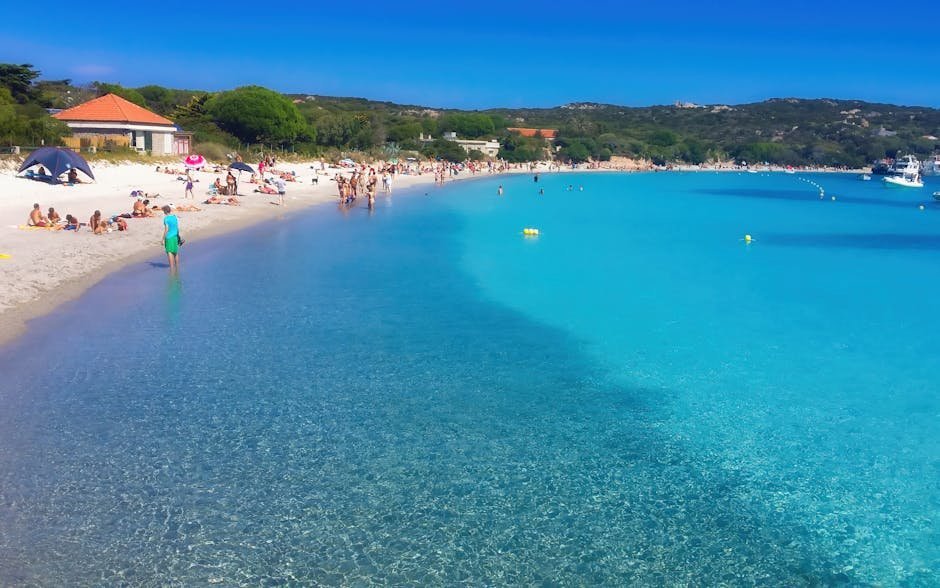
La Pelosa looks like someone generated it with an AI prompt for “perfect beach” – shallow turquoise water, soft white sand, rocky outcrops in every direction. It checks every single box. Which is exactly why nearly 87 percent of its negative reviews mention crowd-related issues, the highest rate recorded in a major global beach analysis. One reviewer described arriving on a mid-September weekday morning and finding crowds that “resembled central London on New Year’s Eve.”
Sardinia has imposed an entry fee and requires visitors to bring mats instead of towels to trap less sand. The restrictions are well-intentioned, but they add a layer of bureaucratic friction to what was supposed to be a spontaneous, beautiful beach day. By the time you’ve booked your timed entry slot, paid your fee, and located a square foot of mat space, the hidden gem feeling is completely gone. The beach is genuinely beautiful. The experience of visiting it in 2026 is something else entirely.
#10 – Goa Beaches, India
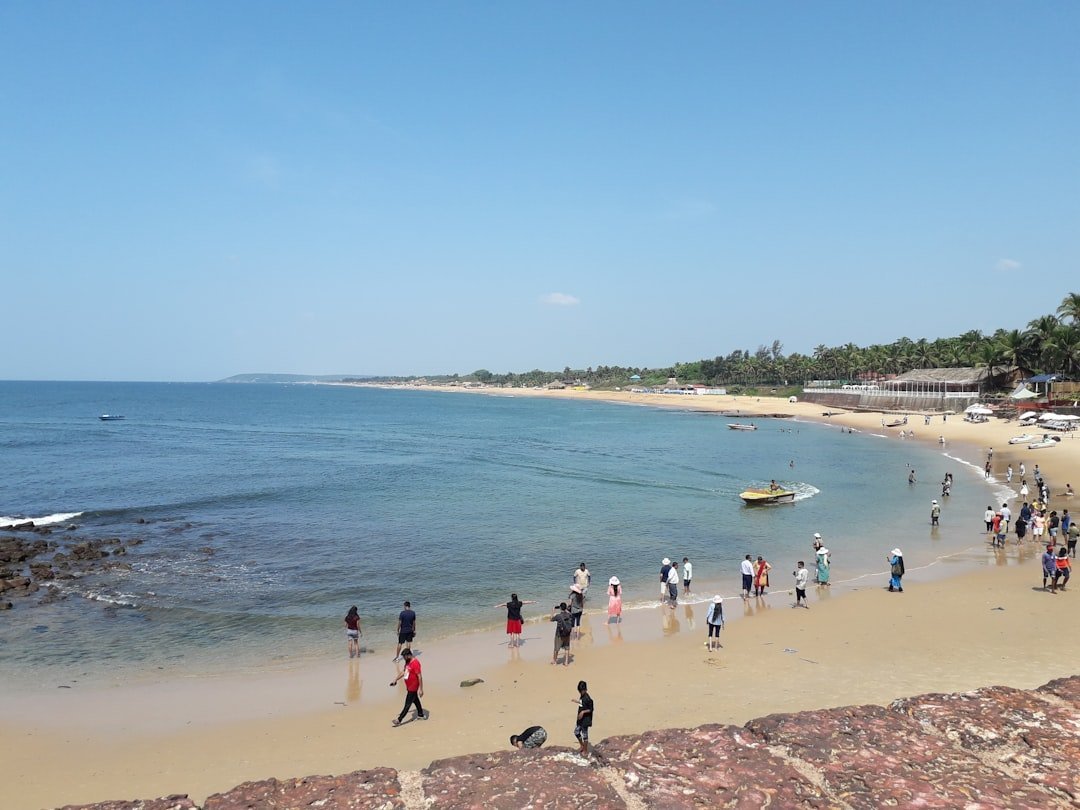
Goa’s reputation as India’s ultimate beach escape has been built over decades – and for budget backpackers in the 1970s and 80s, it probably earned every word. Today the gap between the legend and the lived experience is stark. Travelers across Reddit and review platforms consistently describe the same letdown: subpar beaches, relentless crowds, water quality issues, and an atmosphere that’s more chaotic market than serene coastal retreat.
The most popular stretches – Baga, Calangute, and Anjuna – have been fully absorbed by beach shacks, package tourists, and vendors with extraordinary persistence. Water quality at several of Goa’s northern beaches has been flagged by environmental agencies for sewage contamination during monsoon runoff seasons. The south of Goa remains quieter and genuinely more beautiful, but most first-time visitors don’t discover that until they’ve already spent three days on the wrong beach. It’s a running joke among seasoned India travelers – and a genuinely expensive one.
#9 – Koh Samui, Thailand
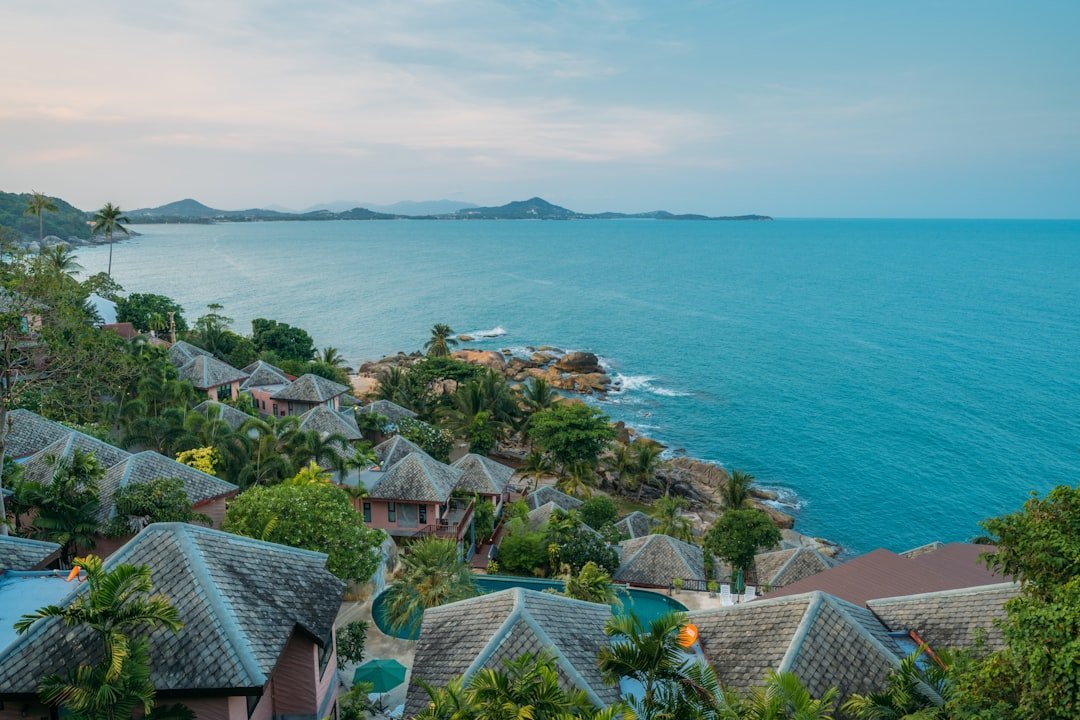
Koh Samui’s marketing is immaculate – luxury villas, pristine bays, swaying palms. The reality has been quietly alarming for years. The island is only 95 square miles, but it now absorbs 3.4 million tourists annually, a figure that has surged further since the TV show White Lotus put it back on the global radar. Prices on the island reportedly nearly doubled in 2024 partly on the strength of that effect, creating a strange new situation: paying New York rates for an island under serious environmental strain.
Koh Samui holds a monstrous 200,000 tons of waste in its landfill, and upon arriving, many visitors are immediately struck by the amount of rubbish spread across the island’s shores and roads. The picture-perfect marketing photos and the actual experience of being there have drifted so far apart that even travelers who loved earlier visits say going back now feels like a betrayal. Paying premium prices on a stressed island that smells like a landfill in the wrong wind is a combination that’s generating some of the most frustrated travel reviews on the internet.
#8 – Maya Bay, Koh Phi Phi, Thailand
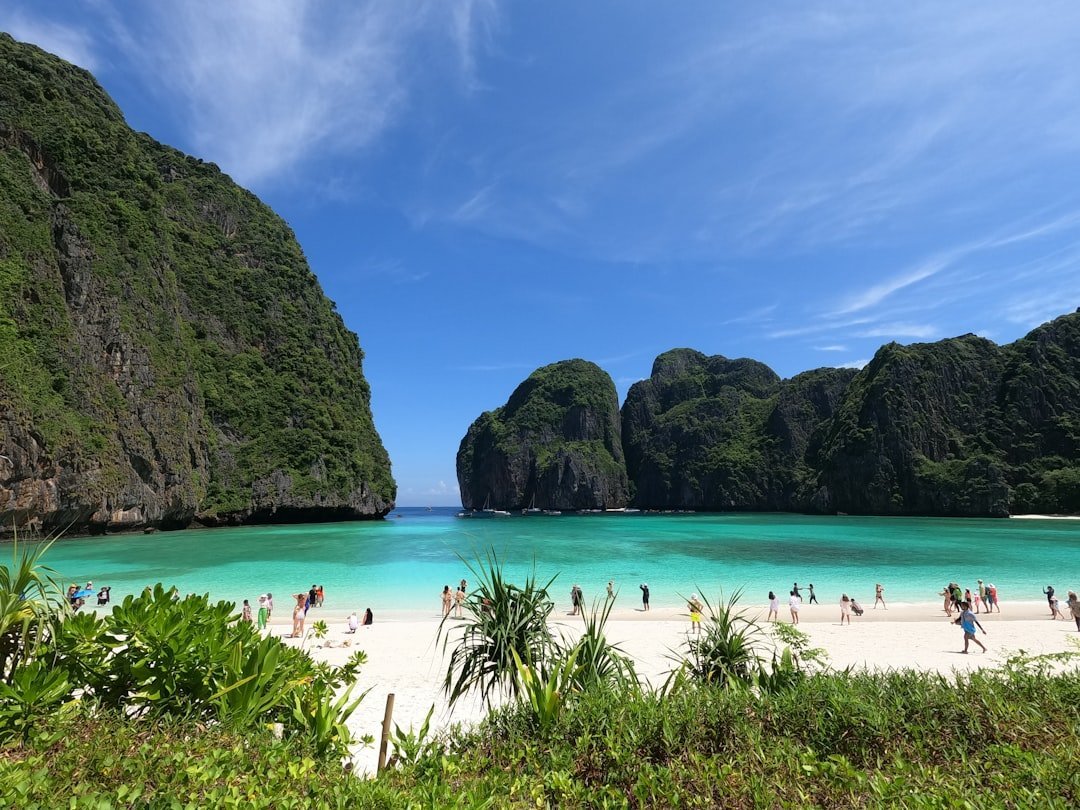
Maya Bay became famous because of Leonardo DiCaprio and the film The Beach – and that fame destroyed it. At its peak, over 5,000 visitors and 200 boats arrived per day, with pollution from litter and sunscreen wiping out an estimated 80 percent of the coral around the bay. The damage was catastrophic enough that the Thai government closed Maya Bay entirely for nearly four years, and conservation teams replanted over 30,000 coral fragments during the shutdown. The bay reopened in 2022, and now follows a strict annual rhythm: open October through July, then closed each August and September for ecosystem recovery.
Today, Maya Bay operates under tight controls – swimming is banned inside the bay to protect recovering reefs, boats must anchor at designated buoys outside, daily visitor numbers are capped, and each group gets roughly one hour on site. The coral is recovering, but the magical spontaneity that made it famous in the film is simply not available for purchase. What’s left is a gorgeous, carefully managed set piece – still worth seeing, but a world away from the untouched paradise the movie promised.
#7 – Halong Bay, Vietnam
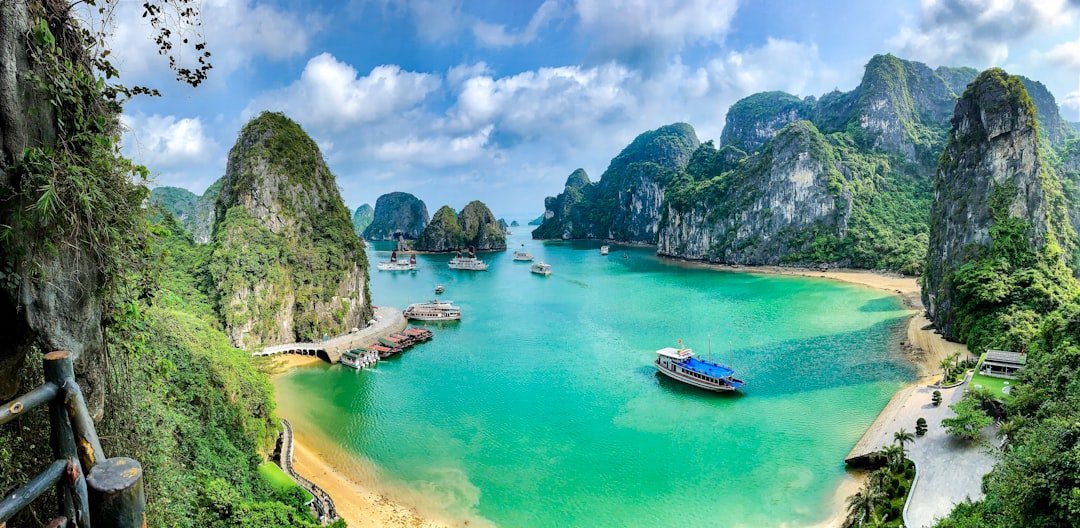
The emerald-green karst islands of Halong Bay are genuinely one of the world’s great natural spectacles. The experience of visiting them has been dulled considerably by the sheer volume of tourist boats choking the waterways. Booking a cruise means being on someone else’s schedule – stopping at the same crowded bays as every other boat, being steered toward overpriced floating restaurants and souvenir stops, and sharing water that 64 percent of surveyed visitors describe as visibly contaminated with floating debris near busy docking areas.
Oil slicks from fishing and tour boats are a regular sight in the main channels. The Vietnamese government launched a $42 million environmental rehabilitation program in late 2023, and conditions in the more remote sections are improving. But the main tourist corridors remain congested enough that many travelers leave feeling like they saw Halong Bay without really experiencing it – like watching a masterpiece through a dirty window while someone tries to sell you a keychain. The weather doesn’t help either: overcast, low-visibility days are remarkably common and don’t feature in any of the brochures.
#6 – Clearwater Beach, Florida
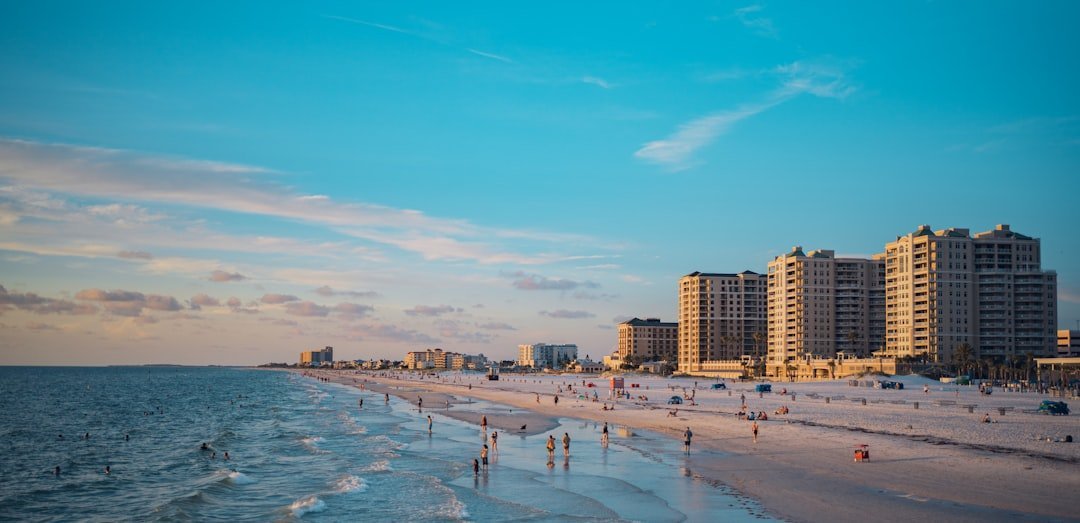
Clearwater consistently wins “best beach in America” rankings, and the white-powder sand genuinely earns it on a quiet day. The Gulf water is warm, remarkably clear, and the sunsets are the kind you photograph from every angle. But that recognition has become its own trap. Hotel prices during summer are eye-watering, parking is near impossible, and the beaches are so packed that the “peaceful Gulf escape” fantasy evaporates within ten minutes of arrival. The gap between the award-winning reputation and the peak-season reality is one of the sharpest in American beach tourism.
Some travel writers now argue that Clearwater’s ranking problem isn’t that the awards are wrong – it’s that the awards created the very overcrowding that makes the experience so frustrating. A vicious cycle with no clean exit. The pedestrian safety situation adds another layer: the area sees a high number of collisions between vehicles and pedestrians, enough to make crossing the street feel more stressful than it should on a beach vacation. Beautiful sand. Genuinely miserable logistics.
#5 – Santorini Beaches, Greece
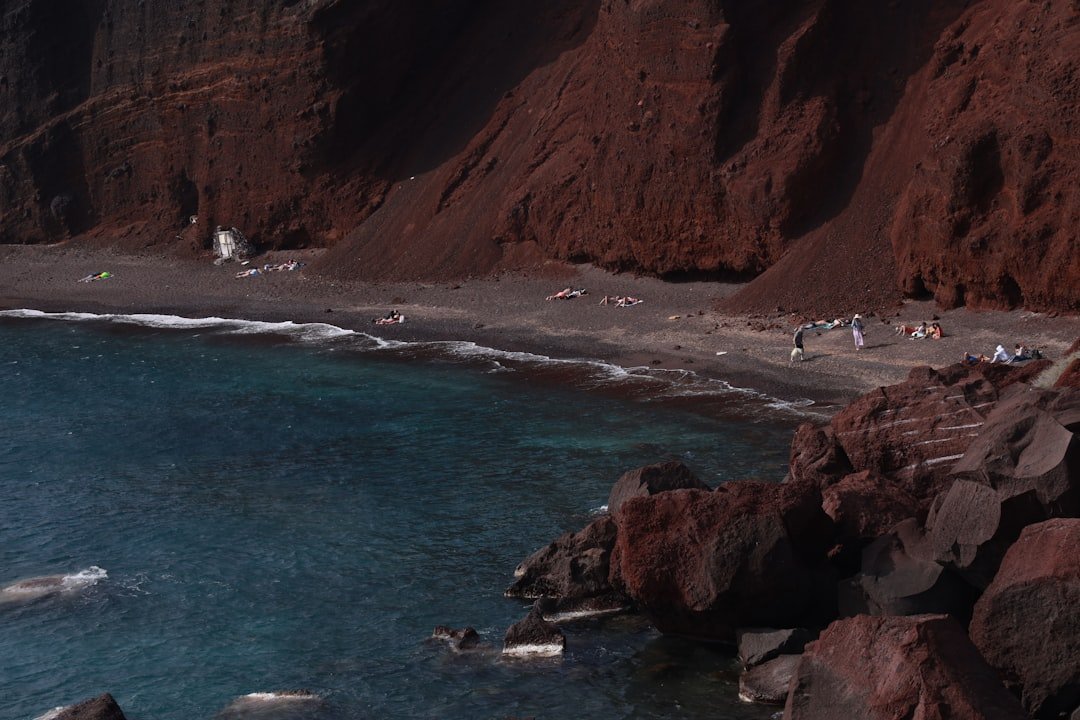
Santorini’s beaches – particularly the Red Beach and Kamari – sit in one of the most visually dramatic settings on Earth. But the island’s black and red volcanic shores have been so thoroughly overrun that the experience now resembles a theme park queue more than a beach day. Before visitor caps were introduced, single peak days saw as many as 17,000 cruise passengers surge onto the island at once – for a resident population of roughly 22,000 people. Cruise ships began canceling Santorini stops entirely in 2024 due to port congestion, which tells you everything about how out of hand things had gotten.
Starting in 2025, Santorini enforced a hard cap of 8,000 cruise passengers per day, and Greece introduced a €20-per-passenger levy on cruise arrivals at its most visited islands. The cap cut peak-day volumes by more than half. It’s a genuine improvement – but the damage to the day-to-day beach experience from years of unchecked arrivals is already baked in. Hotels charge astronomical rates, locals have staged protests, and many experienced travelers now argue that Santorini’s beaches are the most overpriced patch of sand in the Mediterranean: spectacular to look at from a distance, genuinely exhausting to actually use.
#4 – Bali’s Kuta and Seminyak Beaches, Indonesia
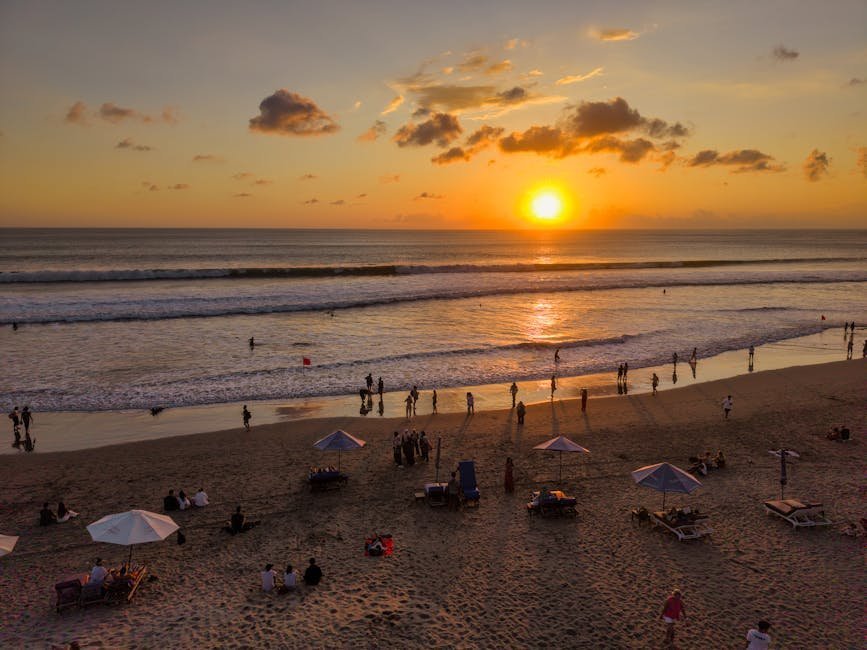
Kuta Beach in Bali was once genuinely undiscovered – a surf town that backpackers stumbled upon in the 1970s and whispered about like a secret. Today it is the opposite of a secret. Bali’s serene rice terraces and spiritual temples now compete with beach clubs, gridlocked traffic, and Instagram hotspots. Indonesia welcomed 13.9 million foreign tourists in 2024, and almost half – 6.33 million – visited Bali. That’s roughly half of all Indonesia’s international visitors crammed onto a single island.
The southern beaches of Kuta and Seminyak are routinely littered with plastic waste, and Bali Partnership estimates the island now generates over 1.6 million tons of waste annually. Local waste management infrastructure simply cannot keep pace. Water shortages have been reported in some areas. The Westernized resort strip that now covers the southern coast bears almost no resemblance to the place people fell in love with in decades of travel writing – and the travelers who remember that older version are the ones who find the current reality hardest to accept.
#3 – Boracay White Beach, Philippines
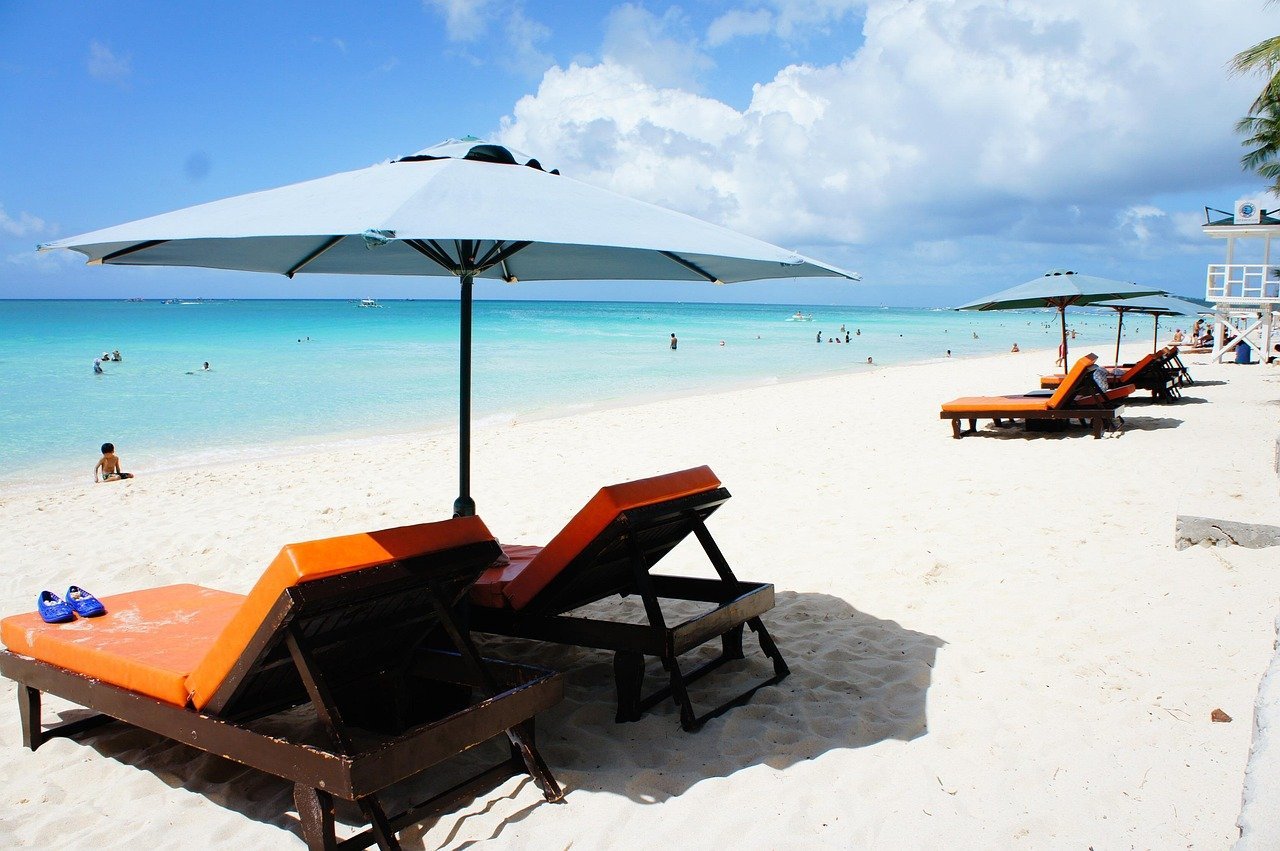
Boracay’s White Beach has some of the most photographed sand in the world – powdery-soft and blindingly white. The problem is everyone knows it. The situation got so bad that the Philippine government closed Boracay Island entirely for six months in 2018, during which time illegal buildings were demolished, new waste infrastructure was installed, and a long list of environmental restrictions were put in place. The beaches cleaned up considerably after that intervention. But the island now contends with a visitor cap that carries no actual enforcement mechanism – the Malay-Boracay Tourism Office’s own data showed arrivals exceeding the cap in peak months, with no agency formally responsible for limiting it.
The beach is so overrun with vendors hawking seafood, sunglasses, and massages that simply walking the shore becomes an endurance test. Meanwhile, scam activity targeting tourists – fake resort bookings, fraudulent tour operators, drink spiking in beachfront bars – spiked significantly in 2024-2025 according to the local tourism office’s own public warnings. Boracay received over 2 million visitors in 2024, still regularly breaching its government-mandated carrying capacity. There’s something uniquely painful about watching a place you genuinely loved get swallowed whole by the machine that made it famous. Boracay is the clearest proof that “reopening after reform” doesn’t automatically mean the lesson stuck.
#2 – Tulum Beach, Mexico
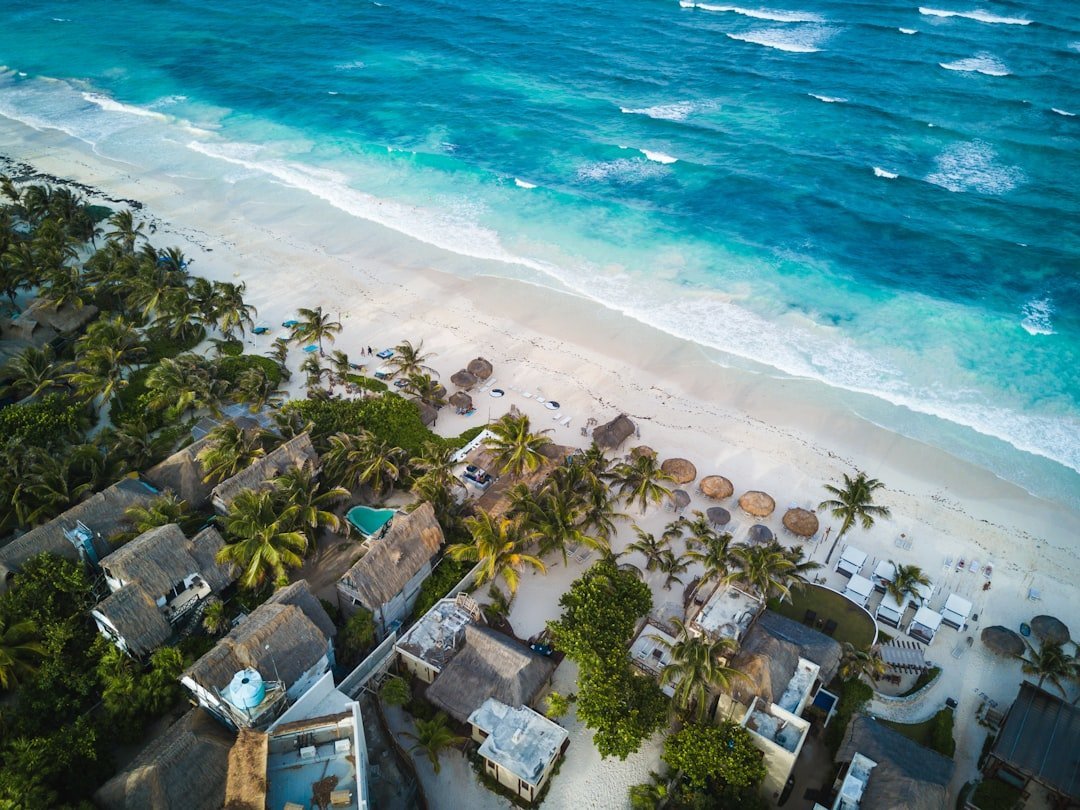
Tulum may be the single most extreme case study in what the “hidden gem” label can do to a place. For years it was whispered about as a bohemian, eco-conscious, spiritual alternative to Cancún – jungle ruins above turquoise water, cenote swimming, no mega-resorts in sight. What it has become is something else entirely. As of 2026, the municipality of Tulum reports sewage coverage of just 59.9%, far below the state average – and studies published that same year confirmed the presence of fecal coliforms and pharmaceutical contaminants in cenotes across the region. The contamination travels through the porous limestone karst directly into the aquifer and eventually into the Caribbean Sea.
Expect to pay New York City prices for basic accommodations and mediocre food served alongside performative eco-spirituality. The disconnect between Tulum’s marketing language – “sustainable,” “off-grid,” “conscious travel” – and the reality of swimming in compromised water next to a half-constructed luxury villa is jarring in a way that feels almost satirical. Paying luxury prices to swim in contaminated water might be the defining travel irony of the 2020s. The aesthetic is immaculate. The experience, for many, is not.
“People come here for the color of the water, for its purity. If they knew what’s really in many of these cenotes today, they might hesitate to swim.”
Local environmental activist, quoted by The Tulum Times
The 'Hidden Gem' Reality Check
Think you've found the perfect untouched paradise? From extreme overcrowding to environmental strain, see if you can identify the surprising reasons why these 18 famous beaches are losing their luster.
Think you caught the key details? Take the quick quiz and see how sharp your instincts really are.
#1 – Miami Beach, Florida
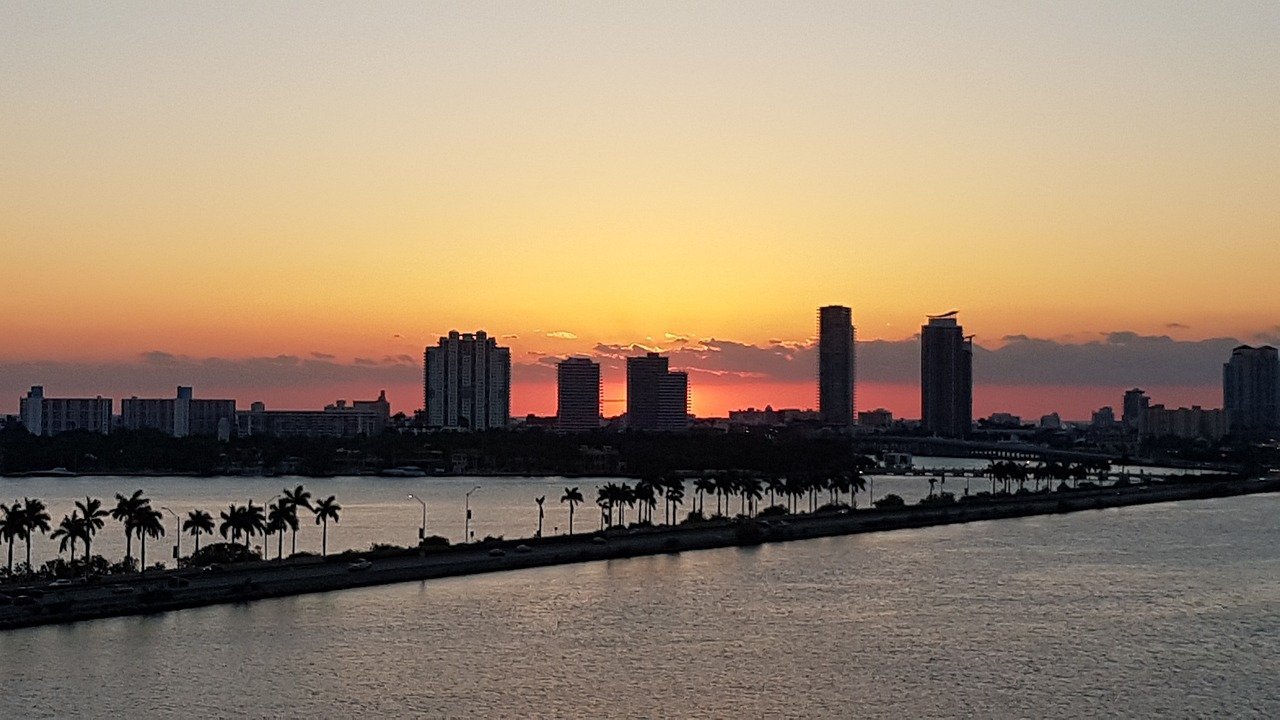
No beach on this list better illustrates the full collapse of a destination’s promise than Miami Beach. For decades it carried a reputation as glamorous and sun-soaked – a real place with real personality. That personality is now largely gone, replaced by something far louder and far less enjoyable. The beach is physically beautiful.
In 2024, Miami Beach implemented curfews, deployed DUI checkpoints, and charged as much as $100 for parking in an attempt to manage the crowds. A beach destination that requires government crackdowns and a formal marketing campaign to actively repel its own tourists is not, by any reasonable definition, a relaxing vacation. Travelers who showed up expecting iconic glamour and left with a noise complaint, a parking ticket, and a sunburn tend to put it simply: Miami Beach is selling a dream it stopped being able to deliver years ago. And somehow, people keep buying it.
The beaches on this list share one uncomfortable truth – the moment a place earns the “hidden gem” label and goes viral, the clock starts ticking. Some are worth visiting with adjusted expectations and careful timing. Others have crossed a line that visitor caps and cleanup programs can’t easily fix. The real hidden gems? They’re the ones nobody’s posting about yet.