
You saved up, planned the itinerary, and drove hundreds of miles – only to find yourself staring at a rock, sweating in a crowd, or wondering why you paid $84 to shuffle through a mansion smaller than your cousin’s house. The gap between what travel brochures promise and what actually greets you at the gate is, in many cases, enormous. These aren’t obscure complaints from a few grumpy Yelpers. These are the places that keep appearing at the top of traveler regret lists, year after year.
This isn’t about dismissing American history or tearing down icons. It’s about that specific moment when you look at your watch, your emptied wallet, and the crushing crowd around you and think: “I should have gone somewhere else.” What follows are 17 attractions that consistently disappoint – and the reasons are more specific, and sometimes more entertaining, than you’d expect.
#17 – The Las Vegas Strip: All That Glitters Isn’t Gold
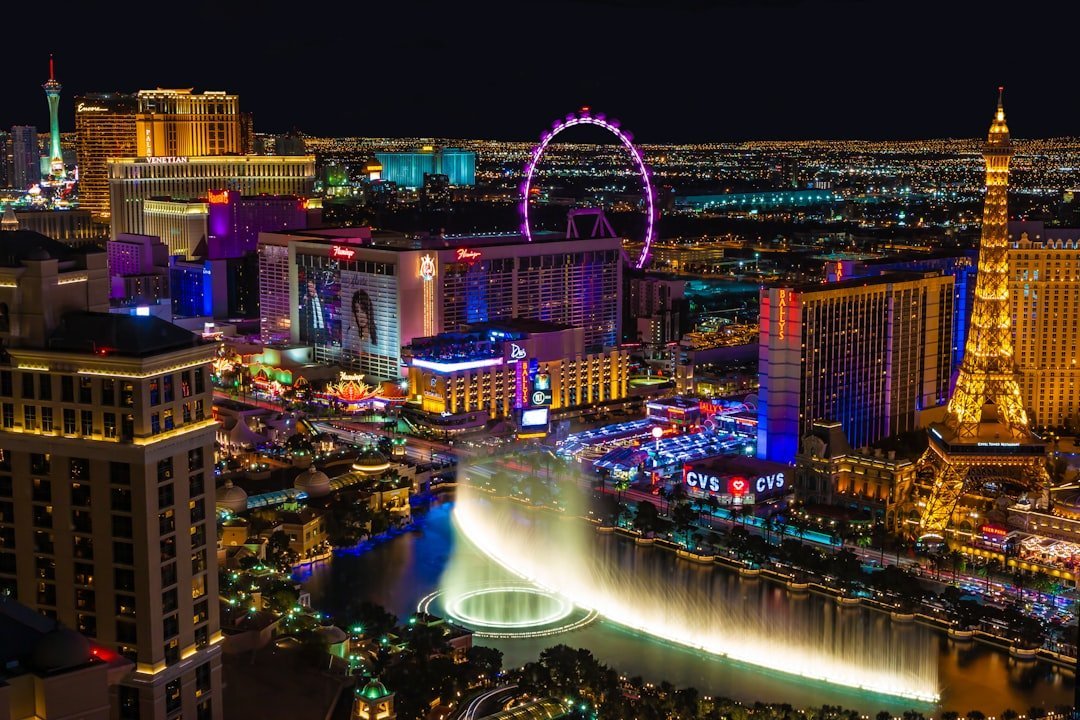
The Las Vegas Strip looks like a dream from a distance and feels like an obstacle course up close. During daylight hours it becomes a sweaty shuffle of tourists baking under the Nevada sun, moving slowly between casinos while their wallets get lighter with every step. That resort fee you didn’t see coming? That’s not a glitch – it’s the business model.
If gambling is your thing, the Strip might actually be paradise. But if you want a diverse vacation experience, this stretch of road will leave you hunting for something to do between slot machines and overpriced cocktails. Most non-gamblers report burning through money simply by standing still. The Strip is engineered to extract cash at every single step – and it does so with remarkable efficiency.
Fast Facts
- Resort fees at Strip hotels can add $45–$65 per night on top of the advertised room rate
- A single cocktail at a major casino bar routinely runs $18–$25
- The Strip stretches roughly 4.2 miles – but walking the full length in summer heat is a genuine endurance test
- Daytime temperatures regularly exceed 105°F in July and August
- Non-gamblers consistently rate the Strip lower than gamblers by a wide margin in post-visit surveys
#16 – Fisherman’s Wharf, San Francisco: Souvenir Shops Masquerading as Culture
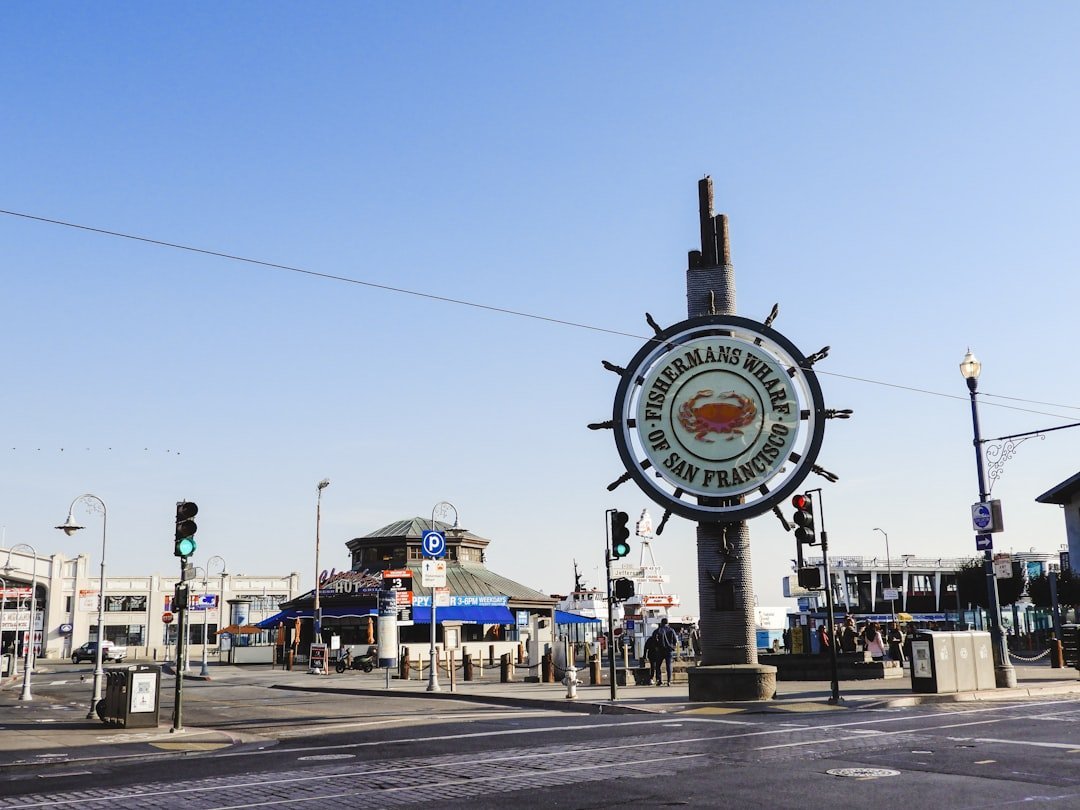
Fisherman’s Wharf has a reputation as San Francisco’s most beloved waterfront destination. It’s also been called the biggest tourist trap in the entire world – and that label didn’t come out of nowhere. To be fair, there are genuinely fun things here: the cable cars are charming, and the sea lions sunbathing on the docks are legitimately entertaining. Everything built around those sea lions? Considerably less so.
The wharf is perpetually jammed with people, and the dominant activity is spending money in t-shirt shops and overpriced seafood counters. That clam chowder in a bread bowl will run you close to $20, and you’ll eat it while being elbowed by a stranger. Locals almost universally avoid this stretch of town. That alone should tell you something.
#15 – Lombard Street, San Francisco: The World’s Most Congested One-Block Road Trip

Everyone wants to see the famous crooked street. Almost no one leaves feeling it was worth the wait. Some two million tourists visit this compact stretch each year – as many as 17,000 in a single peak day – and the congestion has gotten so severe that locals have seriously proposed charging a toll just to drive it. That’s not a quirky fun fact. That’s a neighborhood at its breaking point.
The zigzagging design is genuinely clever, and the views of the bay are real. But the entire experience lasts about four minutes, and half of that is waiting for the car in front of you to inch forward. It photographs beautifully with a telephoto lens from a distance. Up close, it’s a traffic jam in a flower garden. San Francisco has dozens of better viewpoints that won’t make the locals resent you.
#14 – The Mall of America, Minneapolis: Just a Really, Really Big Mall
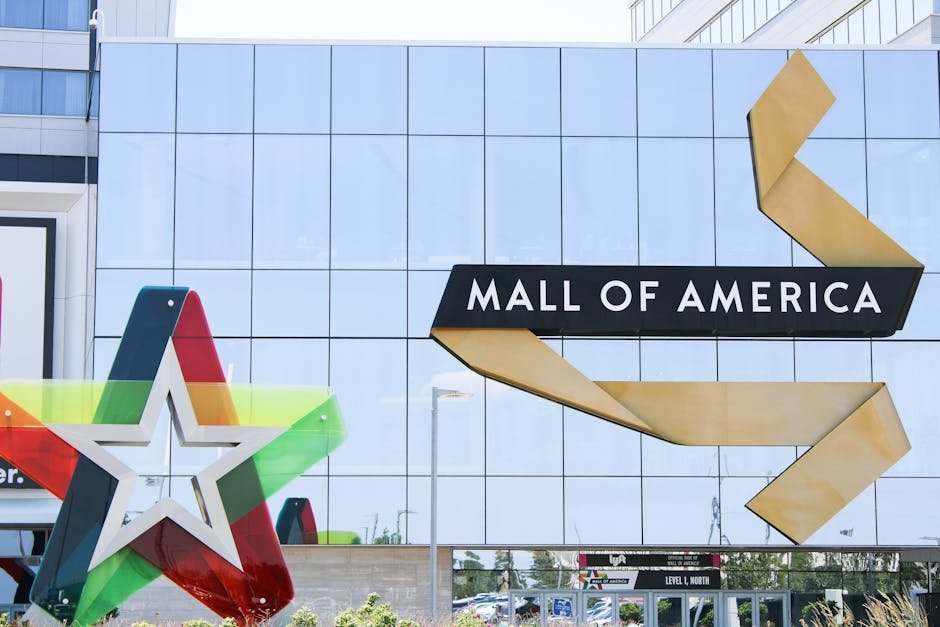
The marketing is genius. The reality is that it’s still just a mall. Visitors fly in from across the country expecting something genuinely extraordinary and find the same Gap, Cheesecake Factory, and H&M they have at home – just with a roller coaster 200 feet away. One Reddit user summarized it bluntly: “It’s literally just a giant mall with the same stores as a small mall. Sometimes even the same store twice.”
The indoor theme park sounds incredible in theory. In practice, the rides are modest, the park is loud and crowded, and the novelty dissolves fast. West Edmonton Mall in Canada edges it out on sheer spectacle, and Minneapolis’s own Nicollet Mall area delivers more for retail therapy without the hype. The Mall of America is worth about ninety minutes of your life. Travelers who build a full trip around it rarely recommend it.
#13 – Graceland, Memphis: Elvis Has Left the Building (and Taken the Magic With Him)
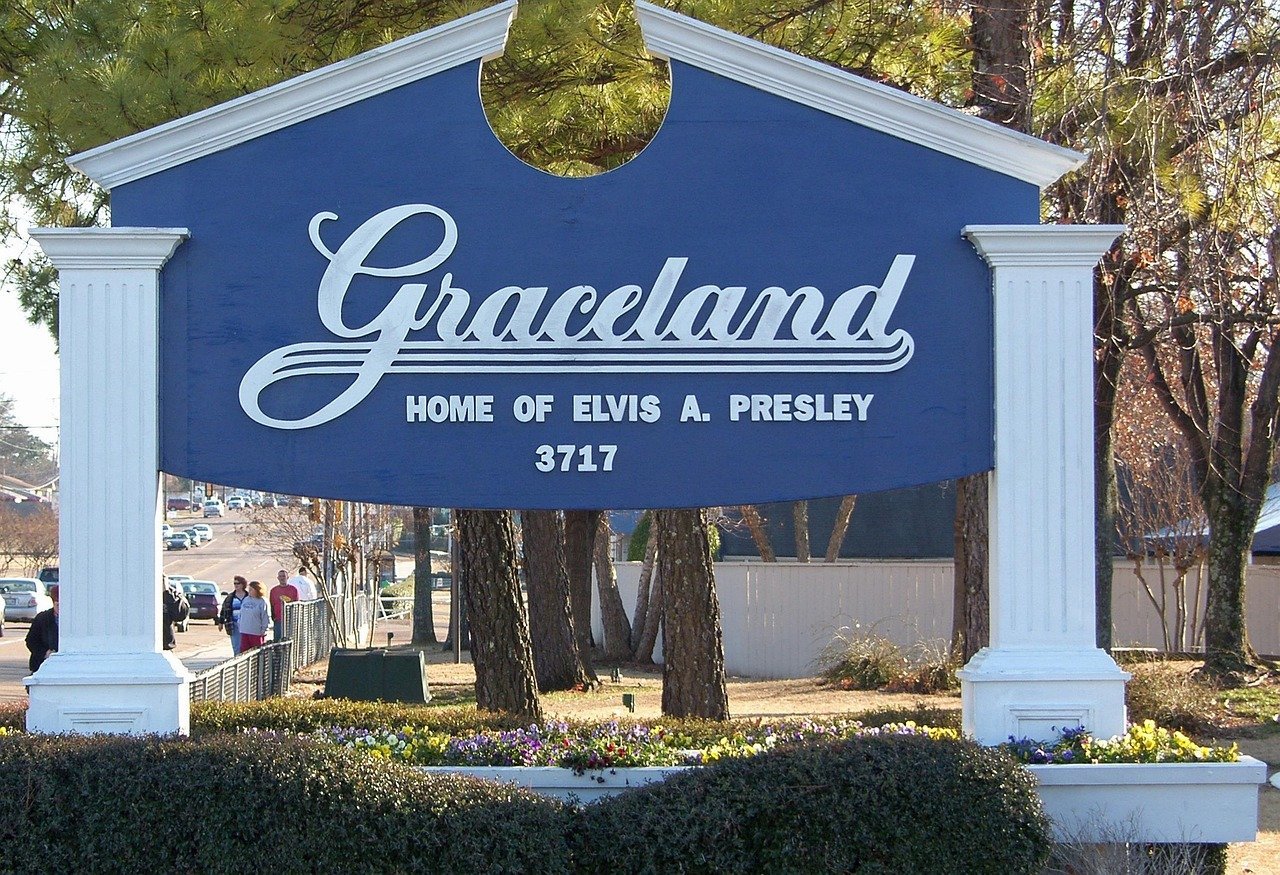
The legend of Graceland is enormous. The mansion itself is considerably less so. Tickets run up to $84, and what you get for that price is a surprisingly modest home – only a portion of the mansion is open to the public – and a tour experience that many visitors describe as more focused on merchandise than on the man himself. Long waits and rushed pacing are among the most consistent complaints across review platforms.
The most jarring moment for many visitors comes at the cemetery, where you’re ushered past Elvis’s grave while staff keep the line moving. Paying $84 to be hurried past a headstone isn’t most people’s idea of paying homage. True music history fans consistently report finding more authentic, more emotional experiences at Sun Studio or the Stax Museum of American Soul Music – for a fraction of the cost.
Quick Compare
- Graceland top ticket: Up to $84 per adult | Limited mansion access | Merchandise-heavy
- Sun Studio tour: Around $16 per adult | Where Elvis, Johnny Cash & Jerry Lee Lewis all recorded | Raw and unfiltered
- Stax Museum: Around $13 per adult | Deep soul history | Consistently rated higher for emotional impact
The Reality Check: America's Most Overrated Attractions
Think twice before you book. From $84 mansion tours to 'disenchanting boulders,' we're looking at the data behind the U.S. landmarks that travelers regret visiting most.
Think you caught the key details? Take the quick quiz and see how sharp your instincts really are.
#12 – Mammoth Cave National Park, Kentucky: The Cave That’s “Too Dark to See”

Mammoth Cave is genuinely one of the world’s great natural wonders – the longest known cave system on Earth, with over 400 mapped miles. It also ranked as the third most disappointing tourist attraction in America in a 2024 study that analyzed low-star reviews across 45 popular U.S. destinations. Roughly 19% of reviewers used language tied to disappointment, with overcrowding and rushed tours as the dominant complaints. One Yelp reviewer wrote simply: “I thought it would be like Lord of the Rings. It was just some rocks.”
What happened next is one of the better PR stories in recent memory. The park’s social media team leaned into the bad press with a deadpan, self-aware Facebook post that earned over 100,000 likes, 8,000 comments, and 30,000 shares. The cave that ranked among America’s biggest disappointments briefly became its most talked-about attraction. Credit where it’s due – that’s a masterclass in turning embarrassment into engagement.
#11 – The Rock & Roll Hall of Fame, Cleveland: Second Most Disappointing in America
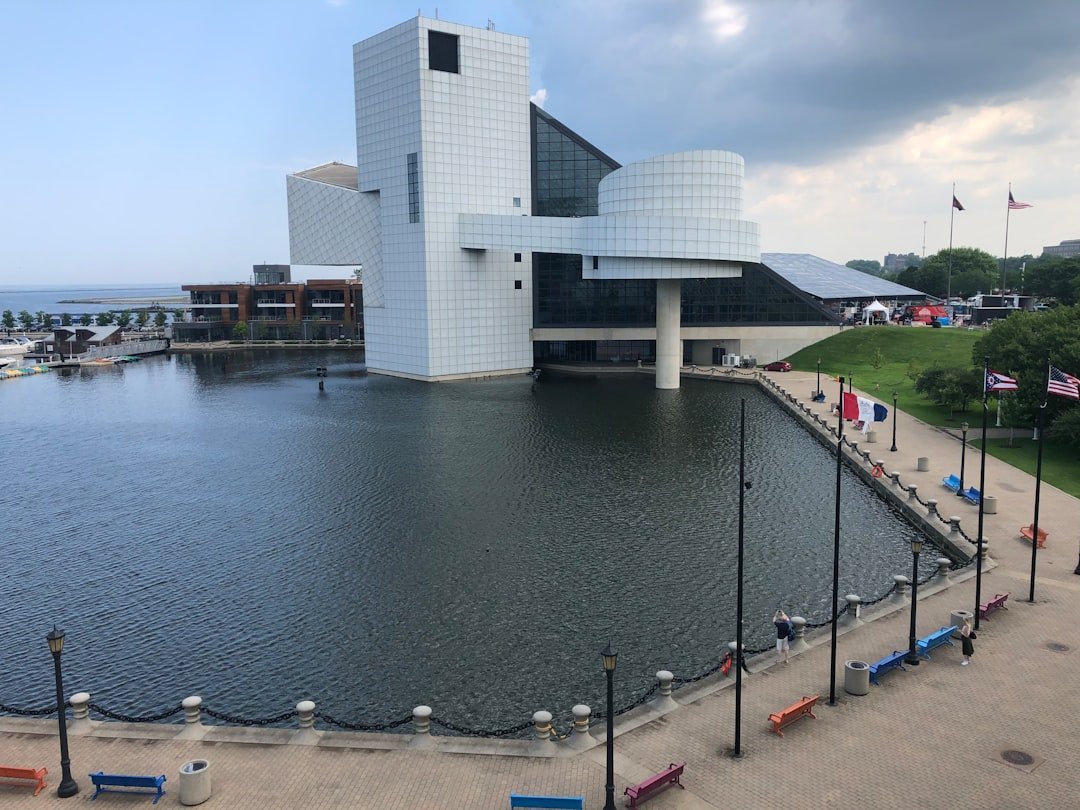
Rock and roll promised rebellion. The museum delivers a confusing floor layout, a lot of merchandise, and an experience that strikes many fans as oddly sterile for a genre built on raw energy. In the same 2024 disappointment study, the Rock & Roll Hall of Fame ranked second nationally, with nearly 20% of low-star reviewers expressing some form of letdown. “Left very disappointed” and “save your money” are phrases that appear repeatedly across TripAdvisor reviews.
The I.M. Pei building is genuinely striking from the outside – glass pyramids overlooking Lake Erie, dramatic and bold. Inside, visitors frequently report feeling disoriented and underwhelmed by what’s actually on display, especially given a $35+ entry fee. Hardcore music fans say the exhibits feel surface-level. Casual fans check every floor, find a few interesting pieces, and then spend forty minutes in the gift shop wondering if this was really it.
At a Glance
- Ranked #2 most disappointing U.S. attraction in the 2024 JeffBet study of 45 destinations
- Nearly 20% of all low-star reviews specifically mentioned disappointment
- Adult admission runs $35+, with parking adding another $10–$20
- The exterior – I.M. Pei glass pyramids on Lake Erie – is widely praised; the interior is the problem
- Most visitors finish in 2–3 hours and say they expected more for the price
#10 – The Four Corners Monument: Four States, Zero Payoff
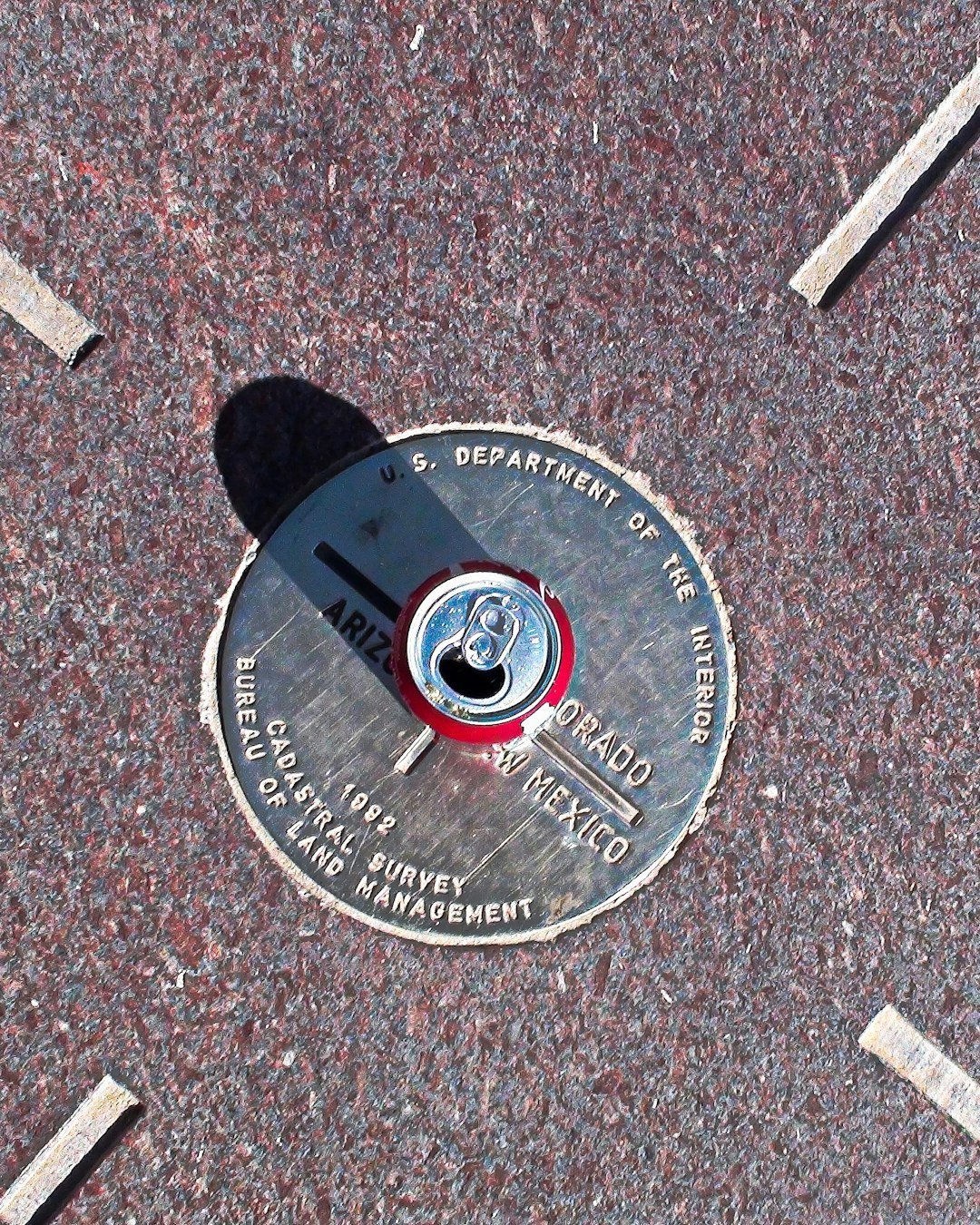
Standing in four states at once sounds like a genuinely cool travel experience. The execution is something else entirely. The Four Corners Monument – at the precise intersection of Arizona, Colorado, Utah, and New Mexico – topped USA Today’s list of anticlimactic intersections, and the reviews back that up consistently. You drive for hours through some of the most remote terrain in the Southwest, pull up to a brass disc embedded in the ground, take your photo with a limb in each “state,” and then wonder what comes next.
There is genuinely nothing else there. The nearest gas station can be 30 or more miles away, and the area lacks restaurants, shops, or any other amenities. For families who’ve sold their kids on the novelty, the collective deflation in the car on the way home is almost a travel experience in itself. The surrounding landscape – Monument Valley, Mesa Verde, Canyon de Chelly – is stunning. The monument at the center of all that beauty is a metal plate in the dirt.
#9 – Plymouth Rock, Massachusetts: A Famous Rock That Is Just… a Rock
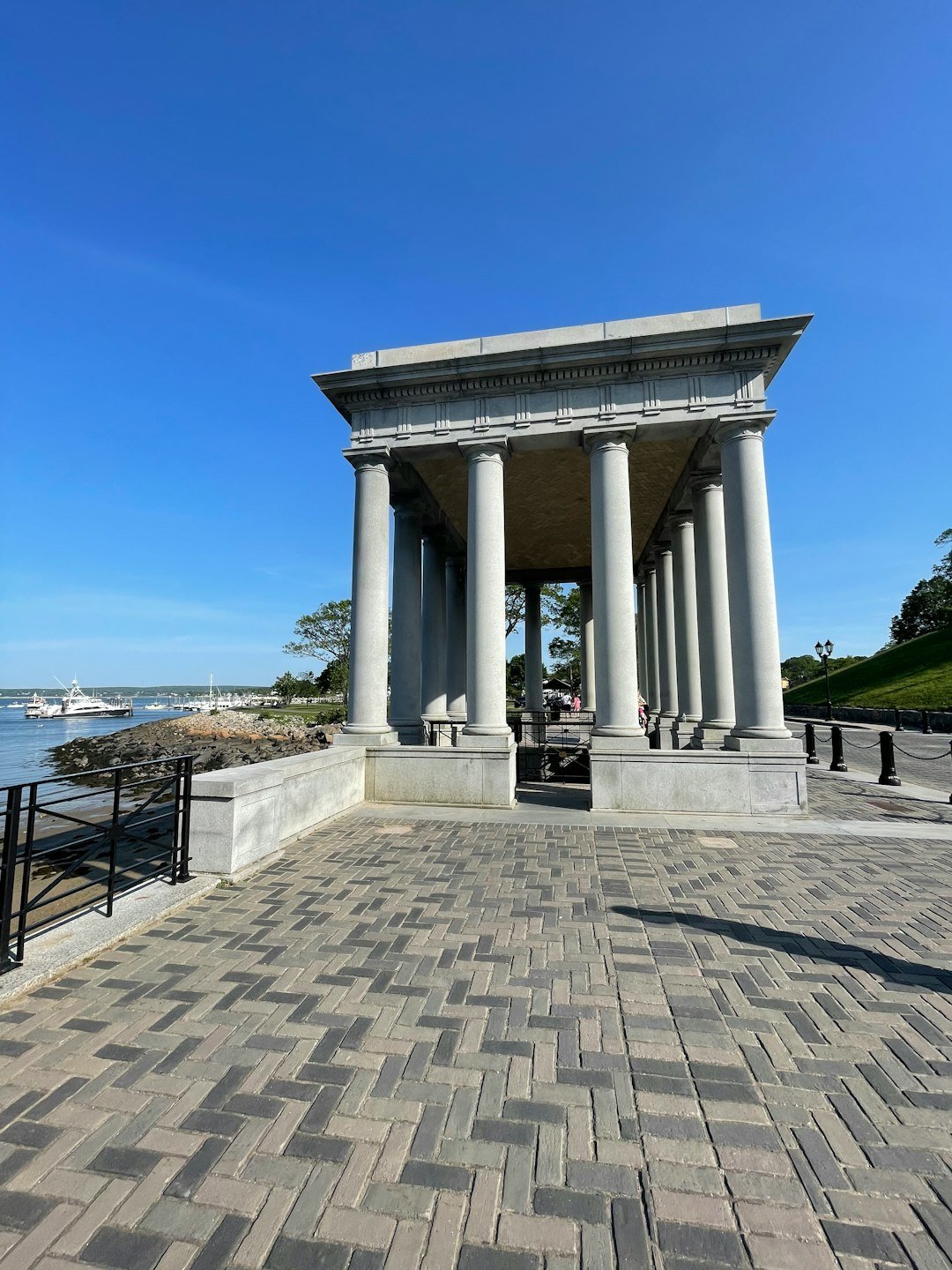
You’ve heard about Plymouth Rock your entire life. What nobody told you is that it’s disappointingly, almost comically, small. The attraction is essentially a rock sitting behind a fence, with little to see or do beyond taking a photo to prove you were there. Even the rock’s historical legitimacy is murky – historians note it wasn’t identified as the Pilgrims’ landing site until more than a century after the Mayflower arrived, and chunks have been chipped off over the years by souvenir hunters with more ambition than reverence.
One Reddit user described it as “a disenchanting boulder,” which might be the most accurate three-word review in travel history. Feeling completely let down by this landmark is apparently a rite of passage for New England schoolchildren on field trips. If the local kids are already jaded, consider yourself warned. The town of Plymouth itself has genuine charm – the rock is just not the reason to go.
#8 – Niagara Falls (U.S. Side): The Falls Are Real. The Experience Around Them Is a Trap.
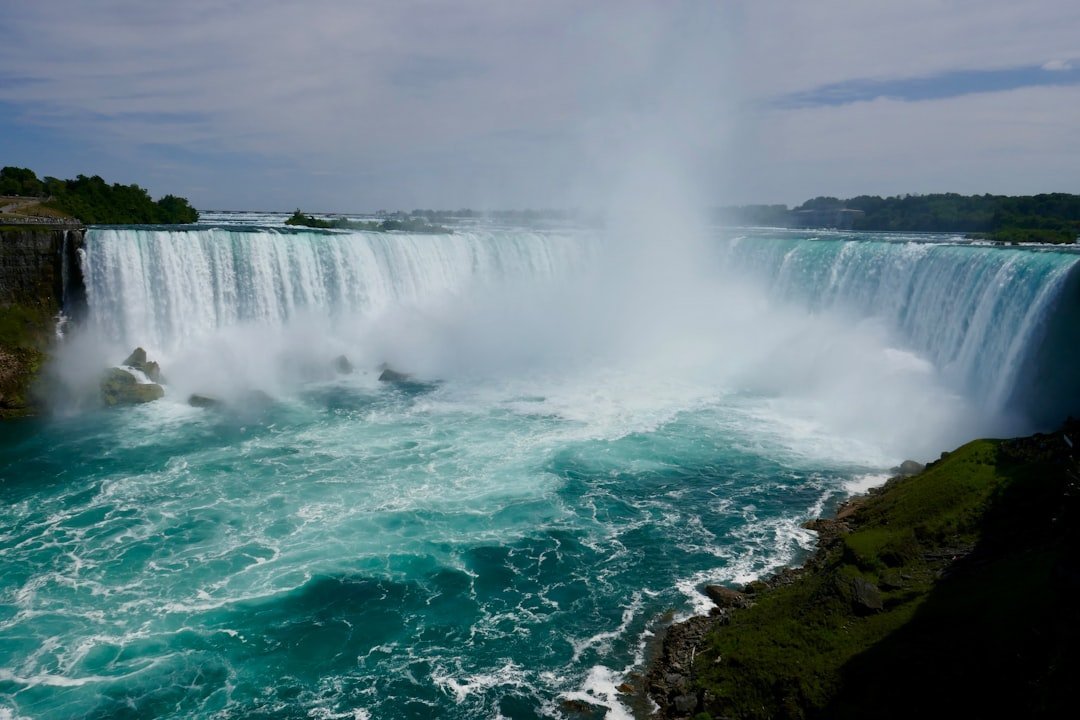
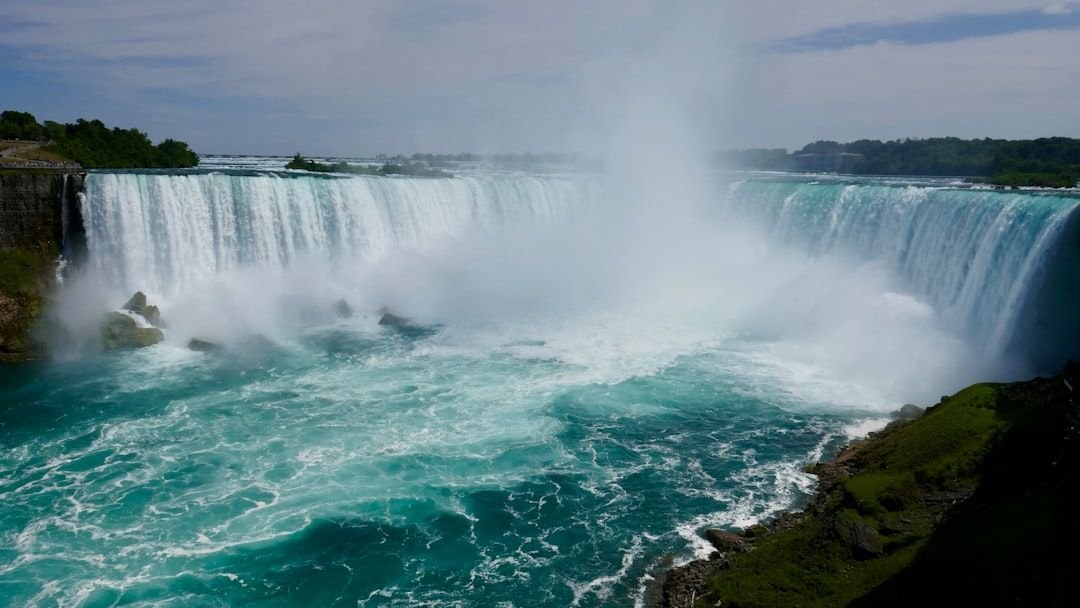
Let’s be clear: the falls themselves are genuinely breathtaking. Over 750,000 gallons of water per second pouring over that ledge is one of nature’s more humbling performances. The problem isn’t the falls. It’s everything humans have built around them on the American side. Niagara Falls attracts over 30 million visitors annually, and during peak summer weekends you’ll feel every single one of them. Wait times for attractions can stretch two hours, and the viewing platforms get so packed that you spend more time staring at the back of someone’s head than at the water.
If you can only visit one side, experienced travelers say choose Canada without hesitation. The Canadian side delivers the iconic horseshoe view that appears in every famous photograph. The American side offers a more limited perspective surrounded by overpriced souvenir shops and concessions. The falls themselves demand your respect. The infrastructure wrapped around them demands your wallet, and gives back less than it should.
Worth Knowing
- The Canadian (Horseshoe) Falls are roughly 10 times wider than the American Falls
- Peak summer crowds on the U.S. side can mean 2+ hour waits just to board the Maid of the Mist boat
- Niagara Falls State Park is the oldest state park in the U.S. – free to enter, though paid attractions are everywhere
- The Canadian side offers the panoramic view used in virtually every famous photo of the falls
- Off-season visits (late September through November) dramatically reduce crowds and wait times
#7 – The Alamo, San Antonio: Smaller, Busier, and Less Solemn Than You Imagine

The Alamo is one of the most significant sites in American history – a place where roughly 200 defenders made a last stand and died for it. The weight of that should be palpable when you walk in. For many visitors, it simply isn’t. The mission sits directly in the middle of a bustling commercial district, flanked by souvenir shops and fast food, and the interior is smaller than a suburban church. The reverence you’re hoping to feel rarely survives the noise and the selfie crowds.
Many travelers express genuine frustration that a site of such historical gravity has been so thoroughly swallowed by commercialization. The lack of space makes it difficult to linger or reflect. A 2025 report by World Travel Index noted that the small physical footprint consistently surprises visitors who built up the landmark in their minds for years before arriving. The history here is real and worth knowing. The experience of visiting it, increasingly, is not.
#6 – The World of Coca-Cola, Atlanta: A $20 Advertisement You Pay to Watch
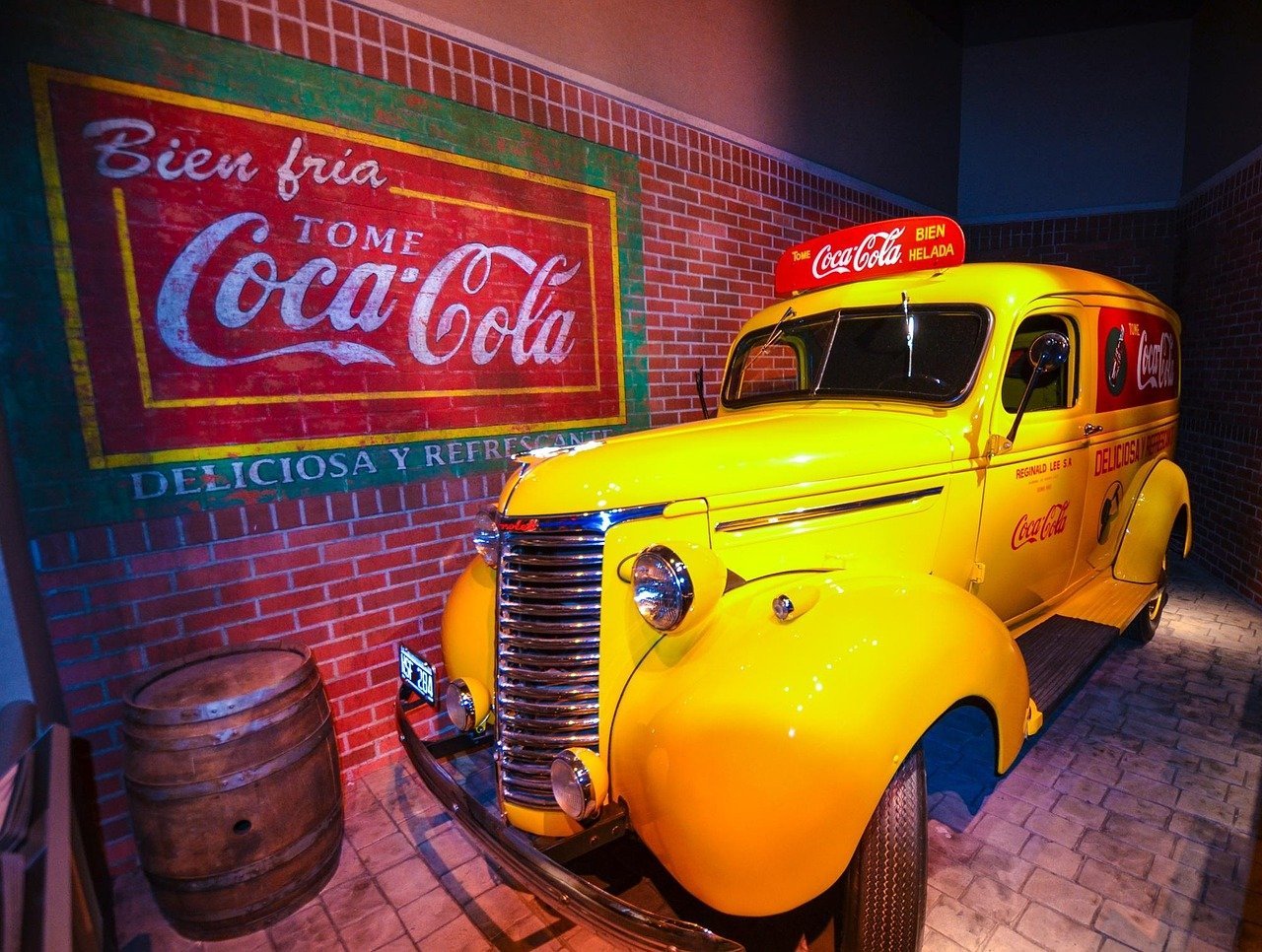
If a corporation could build a temple to its own brand and charge you admission, it would look exactly like this. The World of Coca-Cola in Atlanta has drawn consistent criticism from visitors who describe the experience as an extended, polished advertisement that you pay to watch. Coverage of the company’s history is thin – there’s far more about ad campaigns than about the people who actually built the business. The tasting room, where you sample sodas from around the world, is the one genuinely fun element, and it lasts about fifteen minutes.
After those fifteen minutes, the magic fades fast. Visitors exit through a sizeable gift shop that feels like the point of the whole operation. At roughly $20 per adult ticket, Coca-Cola’s marketing team is clearly getting the better end of this deal. The museum tells you a lot about how Coke wants you to feel about Coke. That’s a different thing entirely from actually learning something.
#5 – Mount Rushmore, South Dakota: Smaller Than You Think, Farther Than You Realize

Mount Rushmore is so deeply embedded in the American imagination that the actual monument almost can’t compete with the version in your head. The faces are objectively smaller in person than every photograph suggests – the scale gets compressed by zoom lenses and wide angles until the real thing, viewed from the designated platform, feels like a mild surprise rather than a revelation. You can take in everything the viewing area offers in about twenty minutes, and then you’re funneled toward the gift shop.
Getting there requires traveling deep into the South Dakota wilderness, which is, in fairness, genuinely beautiful. The Black Hills surrounding the monument are spectacular – dramatic, forested, and full of wildlife. That natural grandeur makes the carved faces feel almost unnecessary by comparison. Several travelers have noted the uncomfortable irony that one of America’s most celebrated monuments sits on land taken from the Lakota people, land the Supreme Court acknowledged in 1980 was seized illegally. The history carved into that rock is considerably more complicated than the souvenir magnets suggest.
#4 – The Hollywood Walk of Fame, Los Angeles: Dirty Stars and Broken Promises

Every kid who grew up dreaming of Hollywood imagined those stars gleaming on the sidewalk, immortalizing their heroes in polished terrazzo. Then they actually go. In November 2025, travel company Stasher ranked the Hollywood Walk of Fame the single worst major tourist attraction in the world out of 101 global destinations studied – scoring just 2.67 out of 10. Visitors describing it as run-down, grimy, and aggressively commercialized have become the norm. Many of the over 2,700 sidewalk panels are in genuine disrepair. The surrounding blocks are lined with overpriced souvenir shops, tattoo parlors, and costumed performers who expect tips for photos you didn’t necessarily want.
The 2025 Stasher analysis cited the Walk’s lowest-in-class Google rating, poor safety scores, and difficult access from LAX – a distance of roughly 13 to 23 miles with no direct public transit route – as the compounding factors behind its last-place finish. Visitors expecting glamour encounter grit. The gap between the cinematic myth and the actual sidewalk experience is one of the wider ones on this list. For a genuinely beautiful LA experience with a view that actually delivers, the Griffith Observatory sits just up the hill – and admission is free.
Why It Stands Out
- Scored just 2.67 out of 10 – the lowest Google rating of any attraction in the study
- Over 2,700 stars line the 1.3-mile stretch of Hollywood Boulevard and Vine Street
- No direct public transit from LAX; driving can take 30–60 minutes in typical LA traffic
- Griffith Observatory: free admission, panoramic LA views, and zero costumed Elmos
#3 – The Kennedy Space Center, Florida: America’s Most Disappointing Tourist Attraction
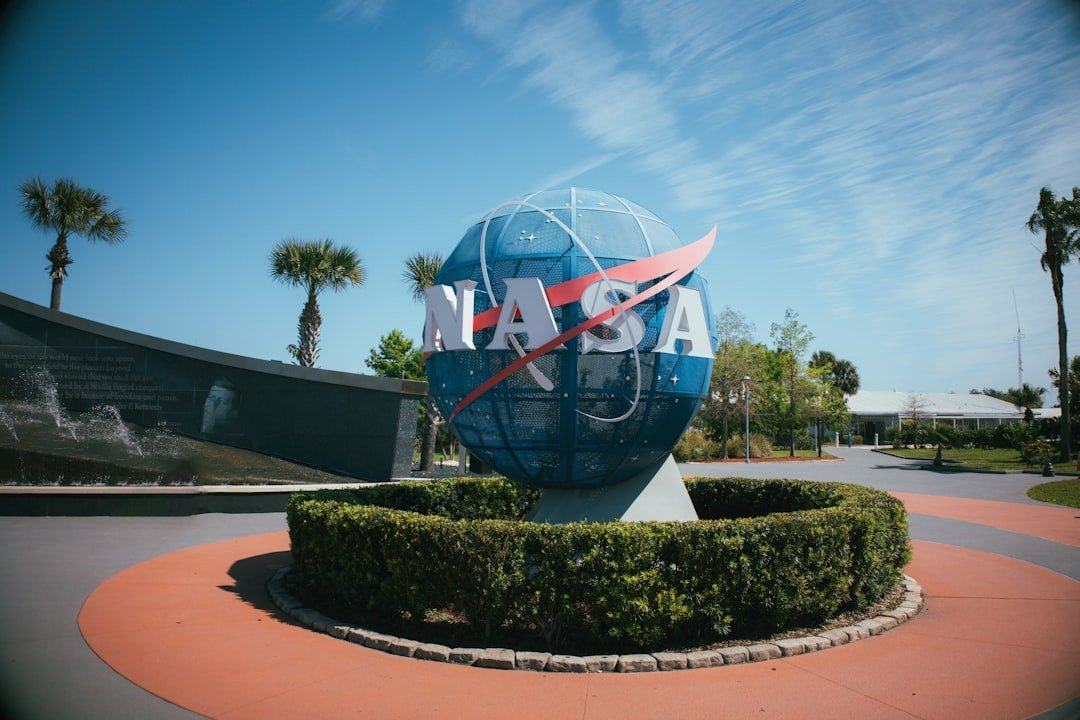
This one genuinely stings, because the Kennedy Space Center should be one of the most awe-inspiring places in America. Human beings launched themselves to the moon from this patch of Florida coastline. The ambition and sacrifice embedded in this ground are extraordinary. And yet, a 2024 study by JeffBet analyzing 45 popular U.S. attractions ranked it the single most disappointing tourist destination in the country, with over 20% of low-star reviewers on TripAdvisor and Google specifically mentioning disappointment. “Huge disappointment” and “biggest waste of money” appear in reviews with unsettling regularity.
The entry price regularly exceeds $75 per adult, which sets an expectation the exhibits don’t always meet. Many visitors report that large sections of the center feel dated – more 1990s science fair than cutting-edge space hub. The shuttle exhibit, it should be said, is legitimately breathtaking. Standing beneath Atlantis is one of those rare moments where scale actually moves you. The problem is everything built around it. For the price families pay, they expected to feel the weight of human achievement at every turn. Too many leave feeling like they toured a parking lot with rocket shapes in it.
#2 – The Statue of Liberty (Ferry Trip): An Icon That Costs a Fortune to Slightly Disappoint You
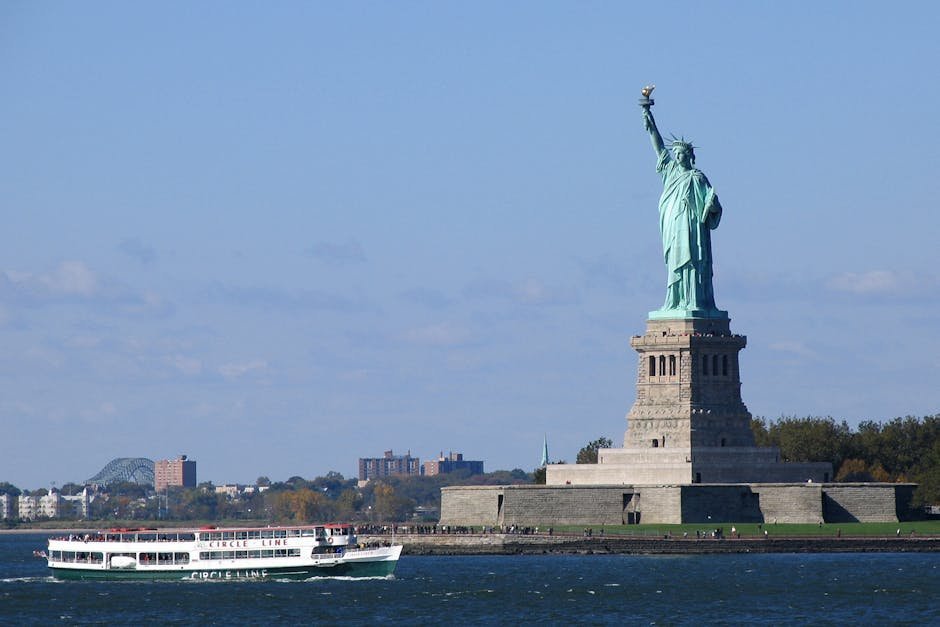
Nobody is questioning Lady Liberty’s symbolic power. The argument is about the ferry trip to stand next to her pedestal – one of the most overpriced 90-minute commitments in American tourism. The statue is significantly smaller in person than most visitors expect, the climb is elbow-to-elbow with strangers, and the view from the crown, after a long wait, is modest. Long queues, high ticket prices, and the physical limitations of the island combine to make the on-site experience fall well short of the myth.
Here’s what experienced New Yorkers have been telling tourists for decades: the best view of the Statue of Liberty is from the Staten Island Ferry, a commuter boat that costs exactly $0. It also takes in the lower Manhattan skyline, Governor’s Island, and the Brooklyn waterfront. Most tourists ignore this advice and pay $25 or more anyway. At least they usually admit, in retrospect, that the free ferry would have been smarter. The statue deserves its reverence. The ticket line does not.
The Reality Check: America's Most Overrated Attractions
Think twice before you book. From $84 mansion tours to 'disenchanting boulders,' we're looking at the data behind the U.S. landmarks that travelers regret visiting most.
Think you caught the key details? Take the quick quiz and see how sharp your instincts really are.
#1 – Times Square, New York City: The World’s Most Stressful Tourist Trap
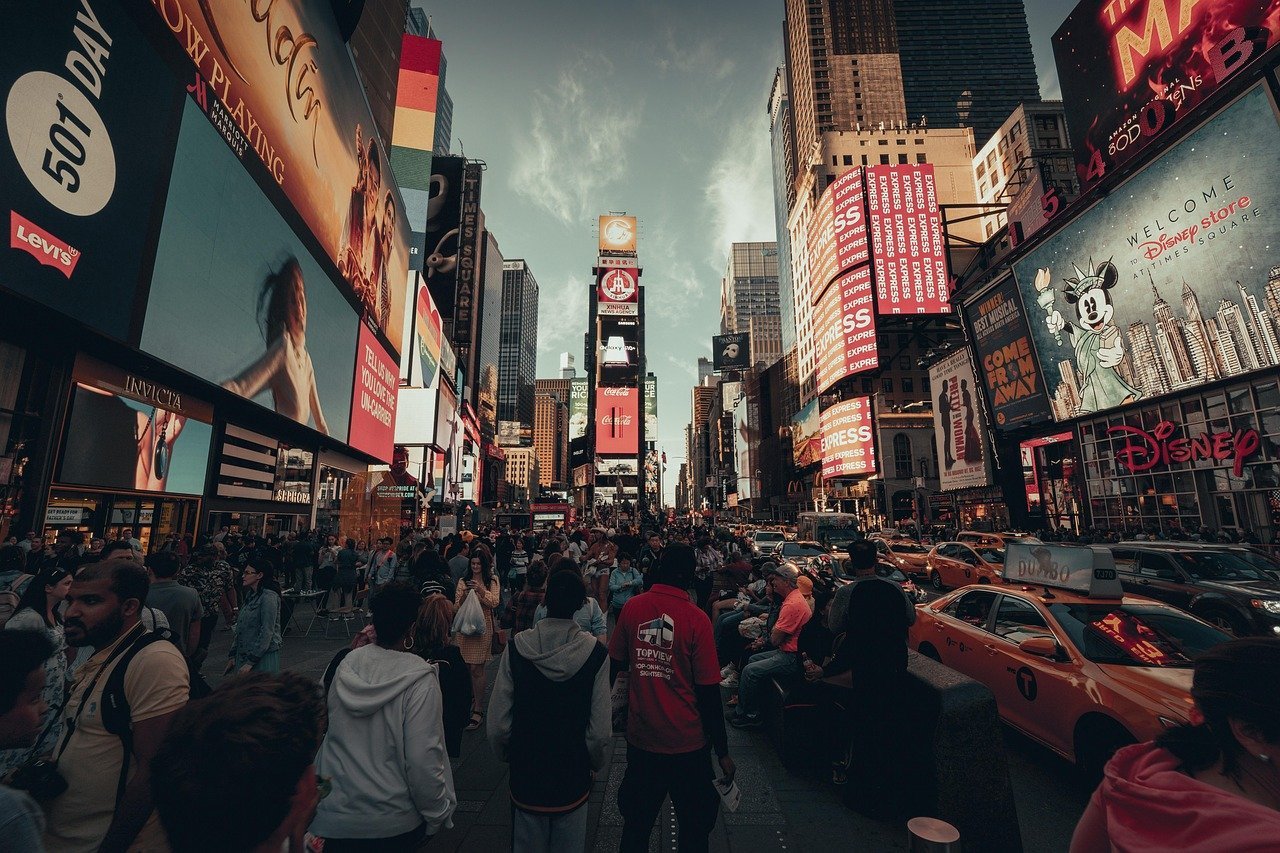
This is the one travelers regret most consistently, across the most surveys, by the widest margins. Research conducted by language experts found over 1,700 online reviews using the words “overrated” or “underwhelming” specifically about this intersection.
A 2024 Business Insider piece found that even seasoned travelers – including one who had visited all 50 states – pointed to Times Square as the single most overrated place in the country. What was once a genuine cultural crossroads has become a spectacle of chain restaurants, souvenir shops, and costume characters demanding tips. The Broadway Theater District, which technically occupies this same geography, is worth every penny – but watching a show is an entirely different experience from standing in the square itself getting elbowed while an Elmo in a matted costume gives you a hard stare. One is transcendent. The other is a sensory endurance test.
At a Glance
- Over 1,700 reviews specifically call Times Square “overrated” or “underwhelming”
- On the busiest summer days, pedestrian counts reach up to 460,000 people passing through
- Broadway shows nearby: absolutely worth it | Standing in the square itself: rarely is
- Better alternative: virtually any other NYC neighborhood – SoHo, the West Village, Brooklyn Heights
The pattern here is remarkably consistent: a place becomes famous, the tourism industry builds infrastructure around it, prices rise, crowds multiply, and whatever made it special slowly suffocates under the weight of its own popularity. What’s left is the shell of a great idea, surrounded by souvenir shops. The good news is that most of these places have a cheaper – sometimes free – alternative nearby that actually delivers. The bad news is that travel brochures will never tell you that. But now you know.