
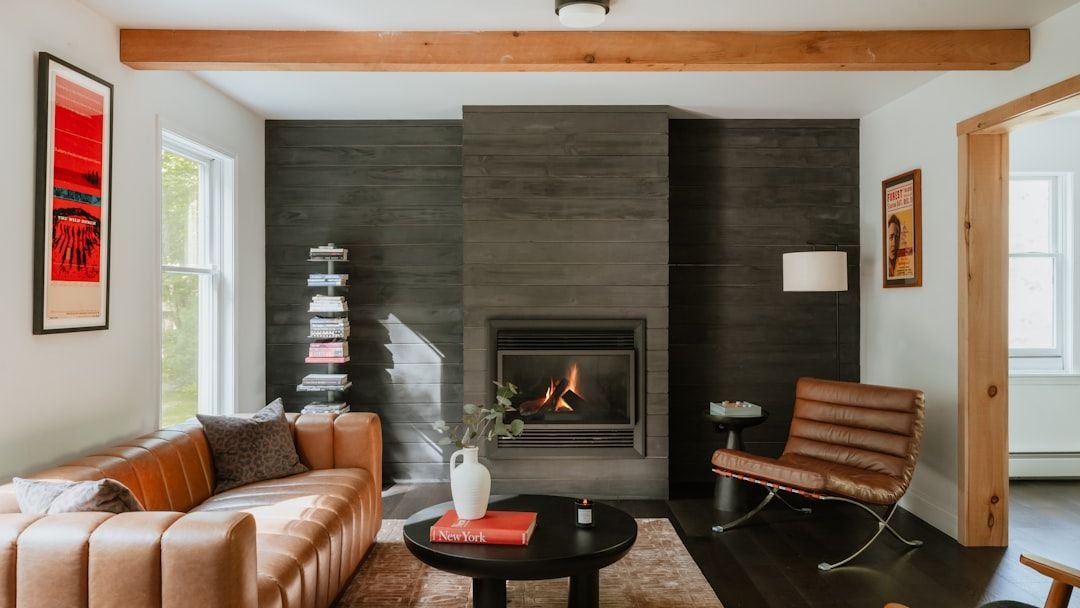
You’ve spent years making your living room feel like home – and yet the moment guests walk in, something shifts in their expression. Not a grimace, just a flicker. A half-second of recognition that says, oh, this is a 2012 living room. Most homeowners have no idea which specific items are doing the damage. They assume it’s something big – the couch, the paint color, the layout. Turns out, it’s usually a handful of overlooked pieces quietly aging the entire space. Items that were absolutely everywhere just a few years ago and have since crossed the invisible line into “dated.”
What makes this list genuinely uncomfortable is that several of these items are ones people still love – or spent real money on. Interior designers have been surprisingly blunt about it lately, and the items that register as outdated aren’t always the obvious ones. Some of the biggest offenders are things guests notice before they even sit down. Here’s exactly what’s giving your room away.
#14 – The “Live, Laugh, Love” Sign and All Its Cousins
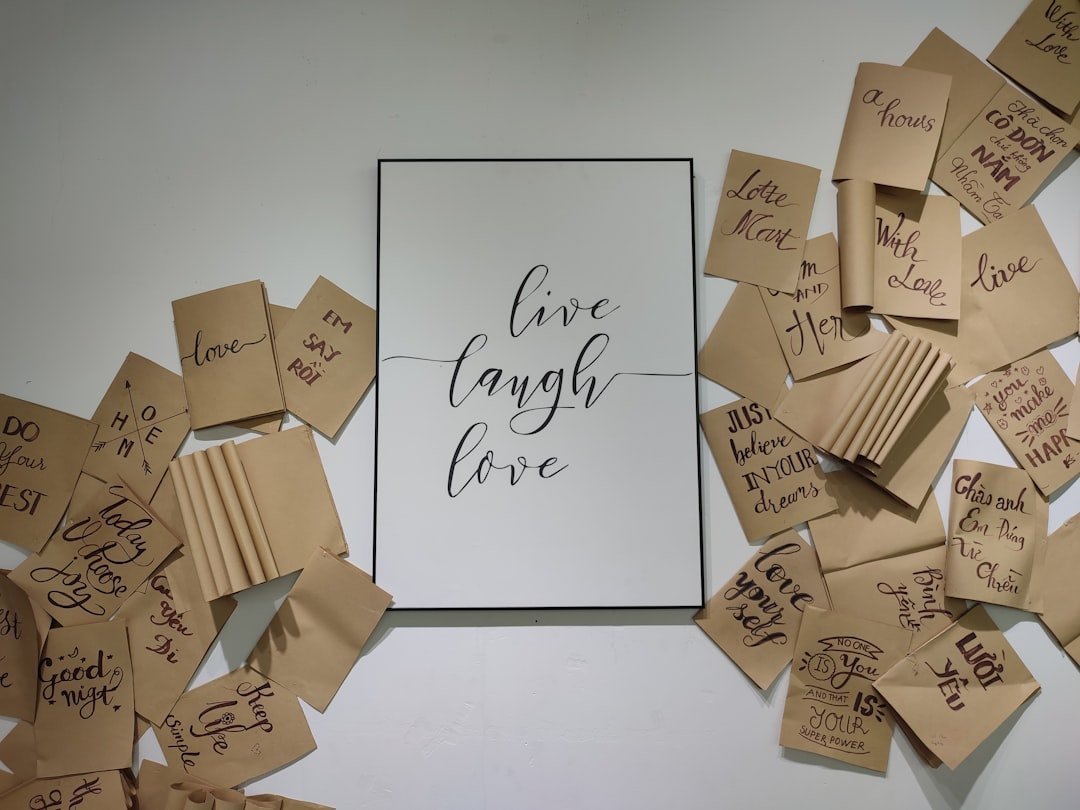
The vinyl word art era had a good run. Signs declaring “Gather,” “Home Is Where the Heart Is,” and the infamous “Live, Laugh, Love” were a fixture in nearly every U.S. living room through the 2010s – and plenty are still hanging on walls right now. They filled empty space and seemed to add personality. The operative word is seemed.
The problem isn’t sentiment – it’s that mass-produced phrases belong to everyone and no one at the same time. A wall that tells guests exactly what to feel, in block letters from a big-box store, actually communicates the opposite of personality. Swap it for original art, a framed print with real meaning, or a well-placed mirror. Anything that feels chosen, not defaulted to.
Quick Compare
- Vinyl word art sign: Mass-produced, era-stamped, zero personal story
- Framed original art or print: Chosen with intention, tells guests something real about you
- Gallery wall with photos: Personal, warm, impossible to date-stamp
- Well-placed mirror: Adds light and depth without saying a word
#13 – The All-Gray Color Palette
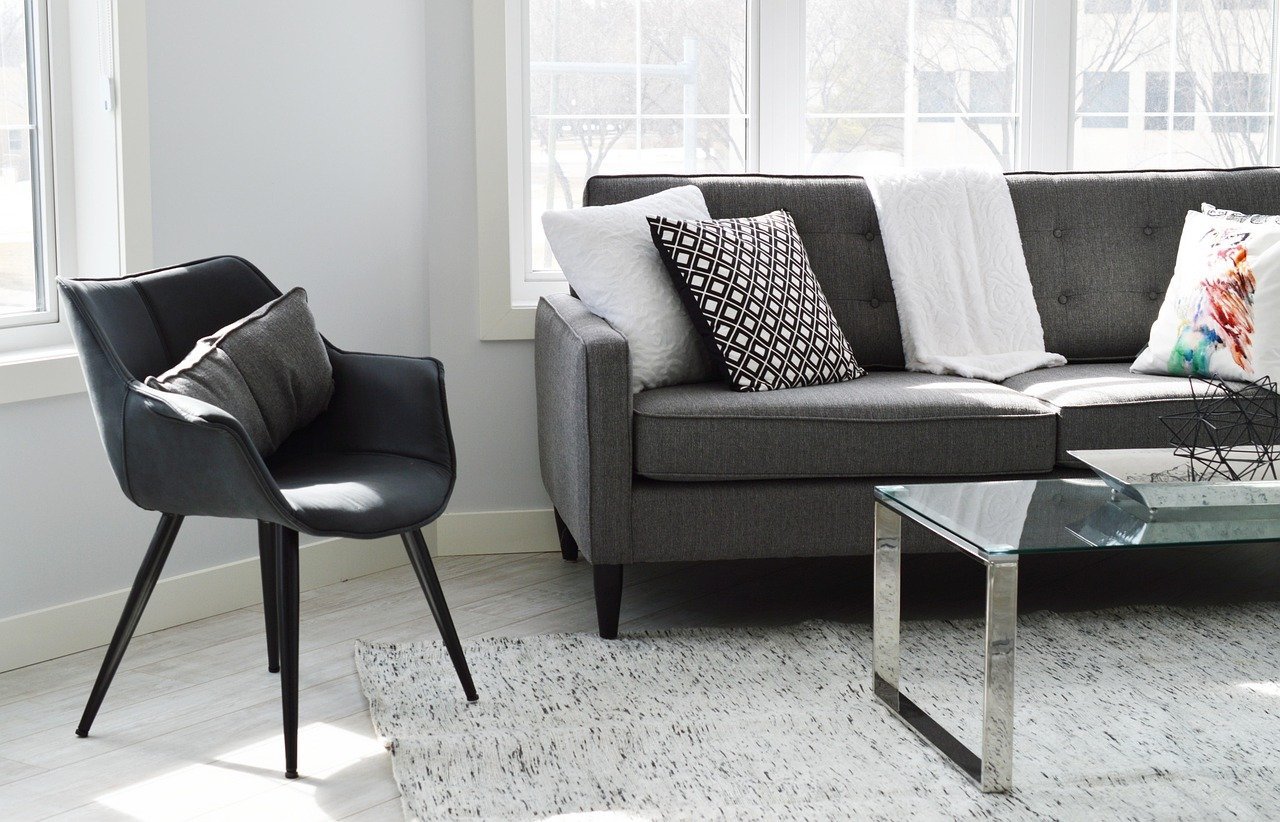
Gray was king for a solid decade. It felt safe, modern, and endlessly versatile – until it didn’t. Cool neutrals are officially on the way out, and guests who follow even a few design accounts recognize it instantly. The all-gray living room is so thoroughly associated with the 2010s that it now reads as a period piece. Designers confirm it: decorating with gray is among the most outdated living room choices in 2026, with warmer neutrals like pink, yellow, and earthy tones fully taking its place.
The irony is that gray was chosen specifically to feel elevated and timeless. Instead, designers now say excessive cool neutrals make a room look sterile and flat – “monochromatic gray often drains the life out of a room.” Warmer tones – sand, terracotta, soft linen, creamy white – have fully replaced the gray moment. A single warm-toned accent wall or a swap to warmer textiles can shift the entire mood of a room without touching the furniture.
#12 – Matching Furniture Sets Bought as a Package
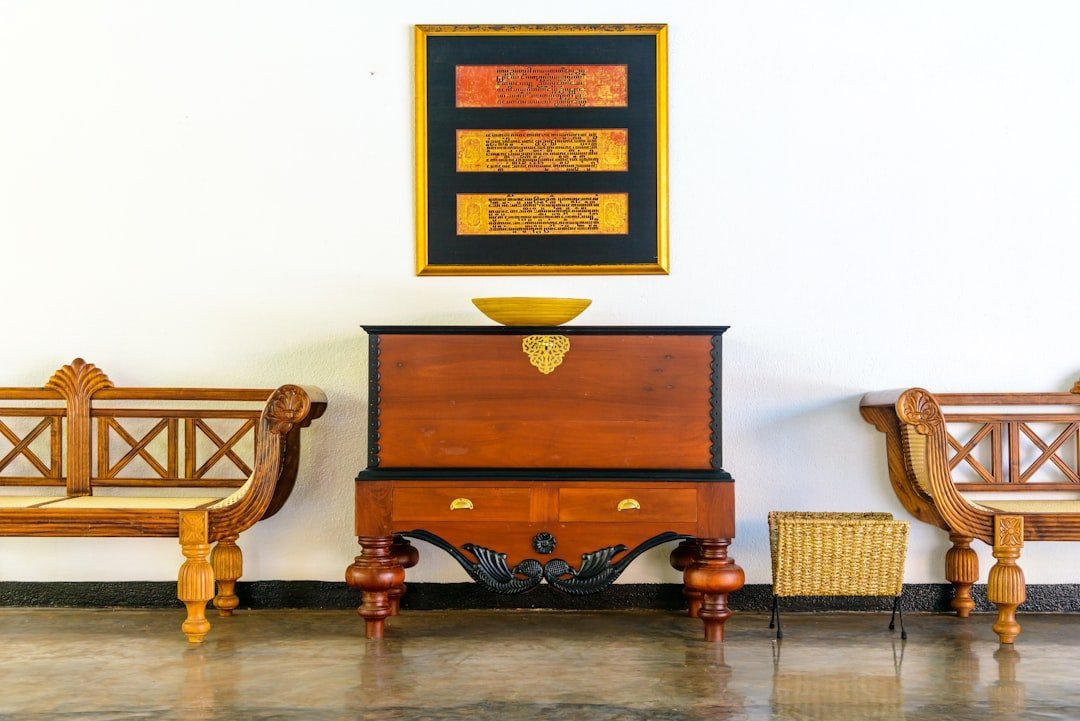
You know the look: the sofa, loveseat, and armchair all in the same fabric, same legs, same finish – purchased together in a showroom on the same Saturday afternoon. It felt cohesive and efficient at the time. These complete sets were once the standard way to furnish a living room, but they leave almost no room for personal style. Guests read the uniformity immediately, even if they can’t name it.
Designers are now unanimous: matching sets make a living room look too uniform and lacking in personality – and while they haven’t been a real “trend” for years, plenty are still showing up in living rooms in 2026. What’s replacing them is a mix-and-match approach – different textures, different materials, pieces collected over time rather than bought as a unit. Whether you source pieces secondhand or simply stop buying in sets, mismatched furniture done with intention reads as curated. The showroom set reads as a shortcut.
#11 – Fake Plants (Especially Dusty Ones)

Fake plants had a convincing moment. Realistic faux succulents, silk fiddle-leaf figs, and plastic trailing pothos showed up in every corner of every lifestyle blog around 2016. The logic was solid – low maintenance, always green. But guests can spot them from across the room. And a dusty fake plant doesn’t just look dated; it makes the whole room feel static and slightly neglected.
The real issue is what artificial plants communicate: a space that stopped evolving. A single thriving real plant does more for a room than a dozen perfect fakes. Houseplants add genuine texture, color, and life – and they’re harder to judge than you’d think. If keeping plants alive has never been your strength, start with something nearly indestructible: a pothos, a snake plant, or a ZZ plant. Real roots, real texture, and no one will ever quietly clock it as a prop.
Fast Facts
- Pothos, snake plants, and ZZ plants are among the hardiest houseplants – tolerating low light and infrequent watering
- A single real plant in a well-lit corner reads as lively and current; a cluster of dusty faux greenery reads as frozen in 2016
- Designers consistently list faux plants as one of the easiest swaps with the highest visual payoff
- Even a small potted herb on a side table counts – guests notice living things instantly
Is Your Living Room Stuck in the Past?
You might love your home, but certain design choices act as a timestamp for guests. Test your knowledge on which items are officially 'outdated' according to modern interior designers.
Think you caught the key details? Take the quick quiz and see how sharp your instincts really are.
#10 – Chevron Everything
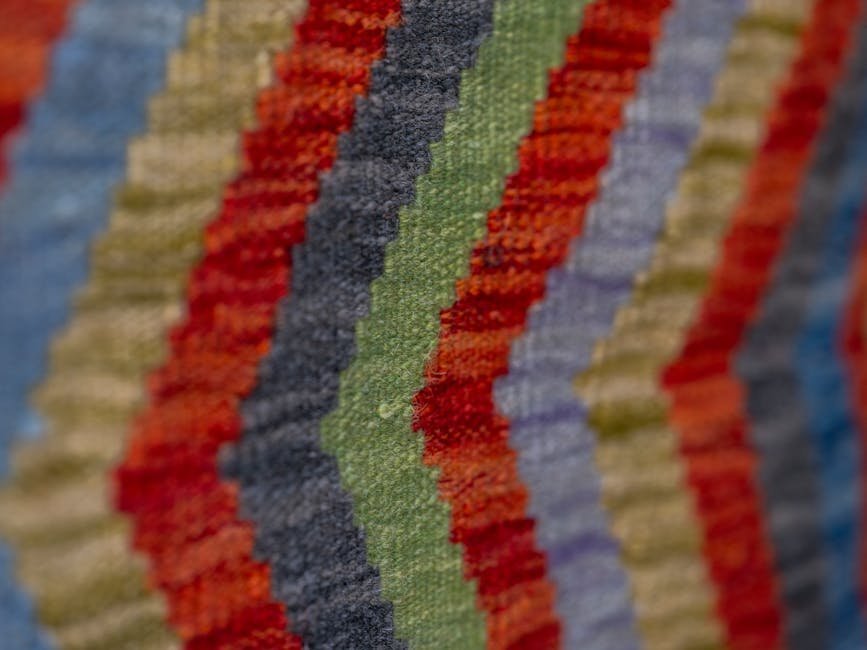
Once upon a time, bold zigzag chevron patterns were on rugs, throw pillows, accent walls, and backsplashes – all at once, in the same room. They added energy and movement, until they were simply everywhere. The chevron pattern was flagged as already played out as far back as 2017, which means a chevron rug sitting in a living room today is carrying nearly a decade of outdated energy.
It’s one of the single fastest-aging patterns in recent interior design history, precisely because it was so dominant so fast. Designers have moved on to more unexpected geometric options – subtle stripes, organic shapes, nature-inspired prints that aren’t permanently attached to a specific trend window. The fix is usually as simple as a new area rug. One swap, and the whole room shifts forward.
#9 – The Oversized Entertainment Center
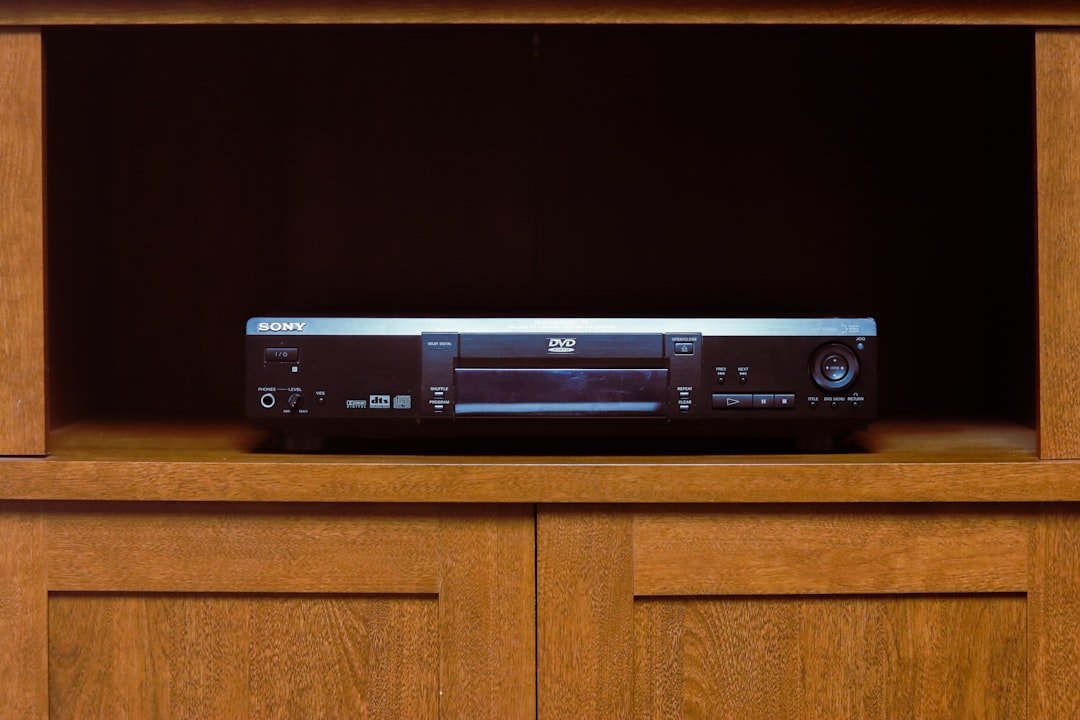
There was a time – roughly the era of boxy tube TVs and towering DVD collections – when a massive, wall-filling entertainment center made complete sense. It organized everything and anchored the room. That logic expired along with the DVD player, and yet the hulking unit lives on in millions of living rooms, eating wall space and radiating a very specific early-2000s energy.
Modern flat-screens mount cleanly to a wall or sit on a low, streamlined console. The giant entertainment center – with its closed cabinetry, glass doors, and rows of shelving – takes up enormous visual weight while serving a fraction of its original purpose. Guests feel it as a relic even if they don’t say so. A low media console or a simple wall mount opens the room dramatically, and the fix doesn’t have to be expensive.
At a Glance
- Oversized entertainment center: Designed for tube TVs, DVD towers, and VHS – all gone
- Low media console: Keeps the room open, works with any modern flat-screen
- Wall-mounted TV: Frees up floor space entirely; clean and current
- Floating shelves: Flexible, airy alternative for displaying books and objects without the bulk
#8 – Heavy, Dark Drapes That Block Natural Light
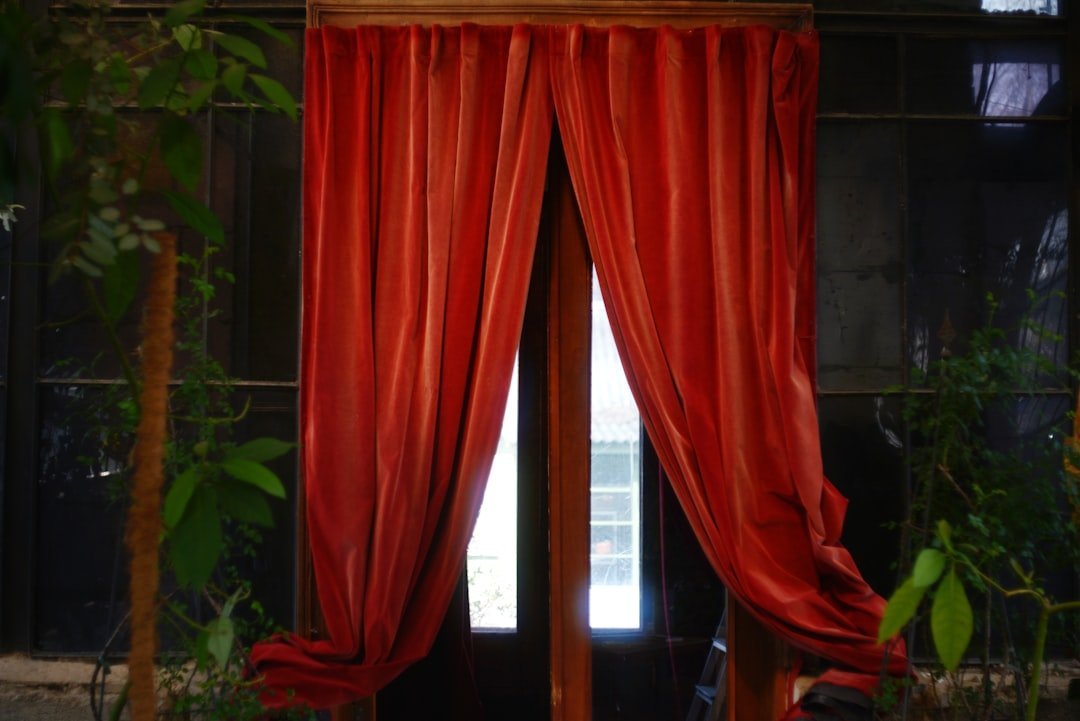
Thick velvet drapes in burgundy or hunter green, ornate valances, panels heavy enough to block out the sun – this window treatment style was doing double duty as both curtain and statement piece in the early 2000s. The main problem is that they turn living rooms dark and uninviting, and in an era when natural light is the single most coveted feature in any home, fighting it is a serious design misstep.
“The new window treatments are lighter and more translucent, helping the area get natural light so the place looks modern and more energetic.” Linen-blend panels, Roman shades, or simple wooden shutters are the upgrades that make an immediate difference. Even pulling the heavy drapes back further and letting more light through the sides changes the entire feel of the room without spending a dollar.
#7 – Shiplap on Every Wall
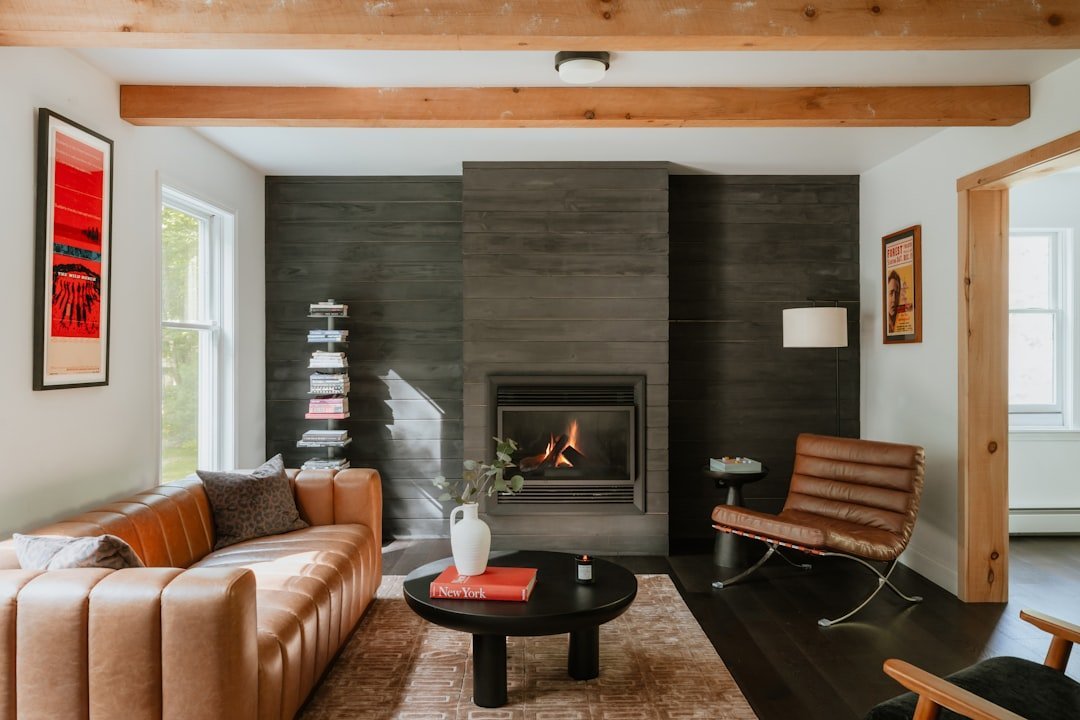
Shiplap had its cultural moment – and you can draw a direct line from HGTV’s Fixer Upper to the explosion of horizontal white planks covering living rooms across the country. Thanks to that wave, shiplap ended up on walls, ceilings, bathrooms, and bedrooms simultaneously, turning what felt like a fresh rustic touch into an inescapable template. Here’s the irony: shiplap was originally used on the exterior of barns and ships, not inside homes. It was always a borrowed aesthetic.
Now that borrowing is so widespread, it reads as a dated shortcut rather than a design statement. Designers say homeowners are actively removing or painting over shiplap to create smoother, more versatile walls. Clean drywall, textured plaster, and limewash finishes are all making a comeback – and any of them carry less expiration-date energy than the plank wall that launched a thousand renovations.
#6 – The Hyper-Curated “Instagram Shelf” With Books No One Reads
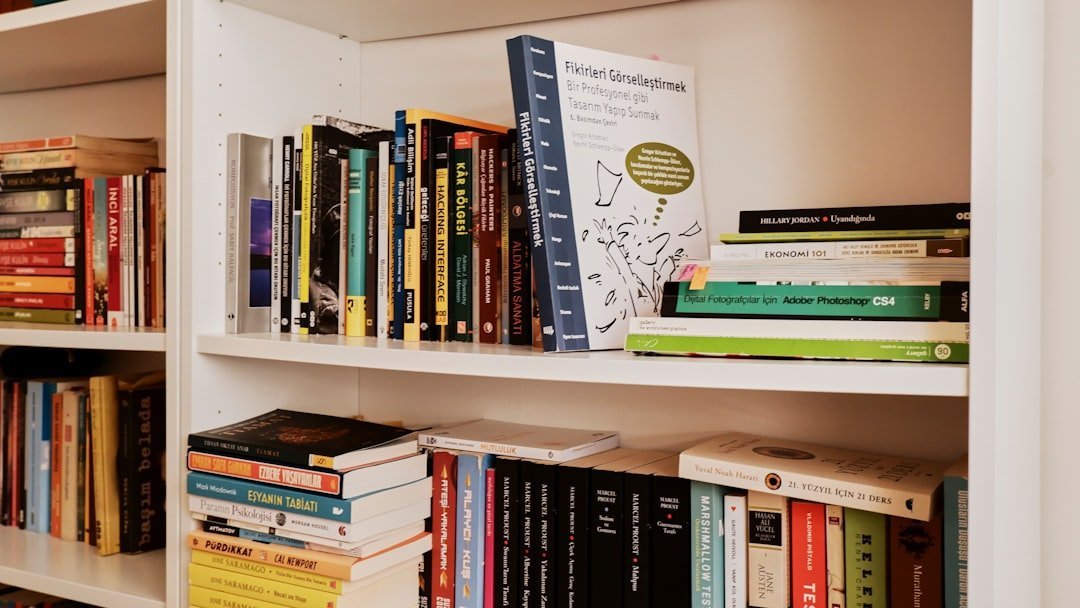
You’ve seen it: open shelves loaded with coffee table books stacked with the spines turned inward for a cohesive color palette, an abstract sculptural object no one can touch, and one perfectly trailing plant. It was born on social media and it reads as such. Guests who’ve spent five minutes on Instagram recognize the template immediately – and that recognition is the opposite of interesting.
“The hyper-styled open shelving with stacks of books no one reads and objects without meaning? It’s looking increasingly contrived. People want fewer, better things – and space to breathe. Intentionality is replacing performative styling.”
Rachel Blindauer, Interior Designer
Shelves that feel genuinely lived in – actual books with broken spines, a weird little object with a real story behind it, a plant that’s slightly imperfect – are what register as interesting now. The perfectly art-directed shelf is starting to feel like a stage set, and guests can feel the difference.
#5 – The All-Beige or All-White Minimalist Room
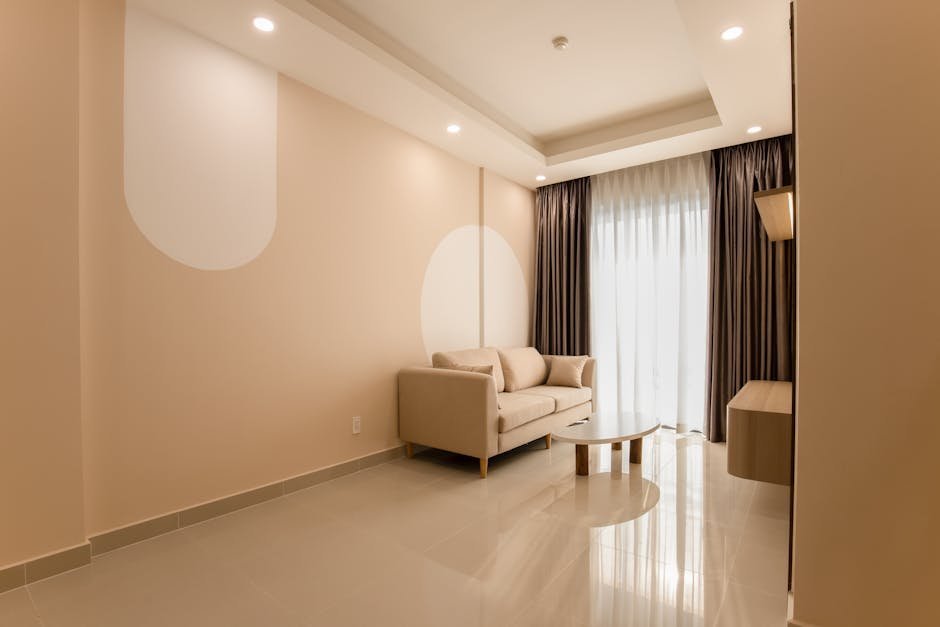
It seemed like the ultimate sophisticated move: strip everything back to white walls, a cream sofa, a natural jute rug, and call it “clean.” For a while, that read as elevated restraint. Now it reads as a room that’s afraid to commit. As designers put it, ultra-minimalist, all-beige interiors risk feeling sterile rather than soulful – “when every surface, fabric, and wall reads the same tone,” the room loses its soul entirely. Design, they argue, should feel layered, intentional, and alive.
What replaced the all-beige moment isn’t maximalism – it’s warmth. Designers are reaching for warmer neutrals with more character: soft pinks, earthy yellows, warm terracottas layered against natural textures. “Stark minimalism is beginning to fade, making room for a warmer, more layered aesthetic.” A room that guests walk into and feel nothing isn’t restful. It’s just empty.
Worth Knowing
- All-white and all-beige palettes ranked among the top outdated living room trends by multiple designer surveys in 2025
- Warmer neutrals – soft pink, terracotta, warm sand – are the direct replacement, not bold color
- Adding a single warm-toned textile (throw, pillow, rug) can break the sterile effect without repainting
- “Layered neutrals” with natural materials like linen, oak, and brass read as current; flat monochrome reads as 2018
#4 – Tuscan-Inspired Decor With Heavy Dark Wood and Wrought Iron
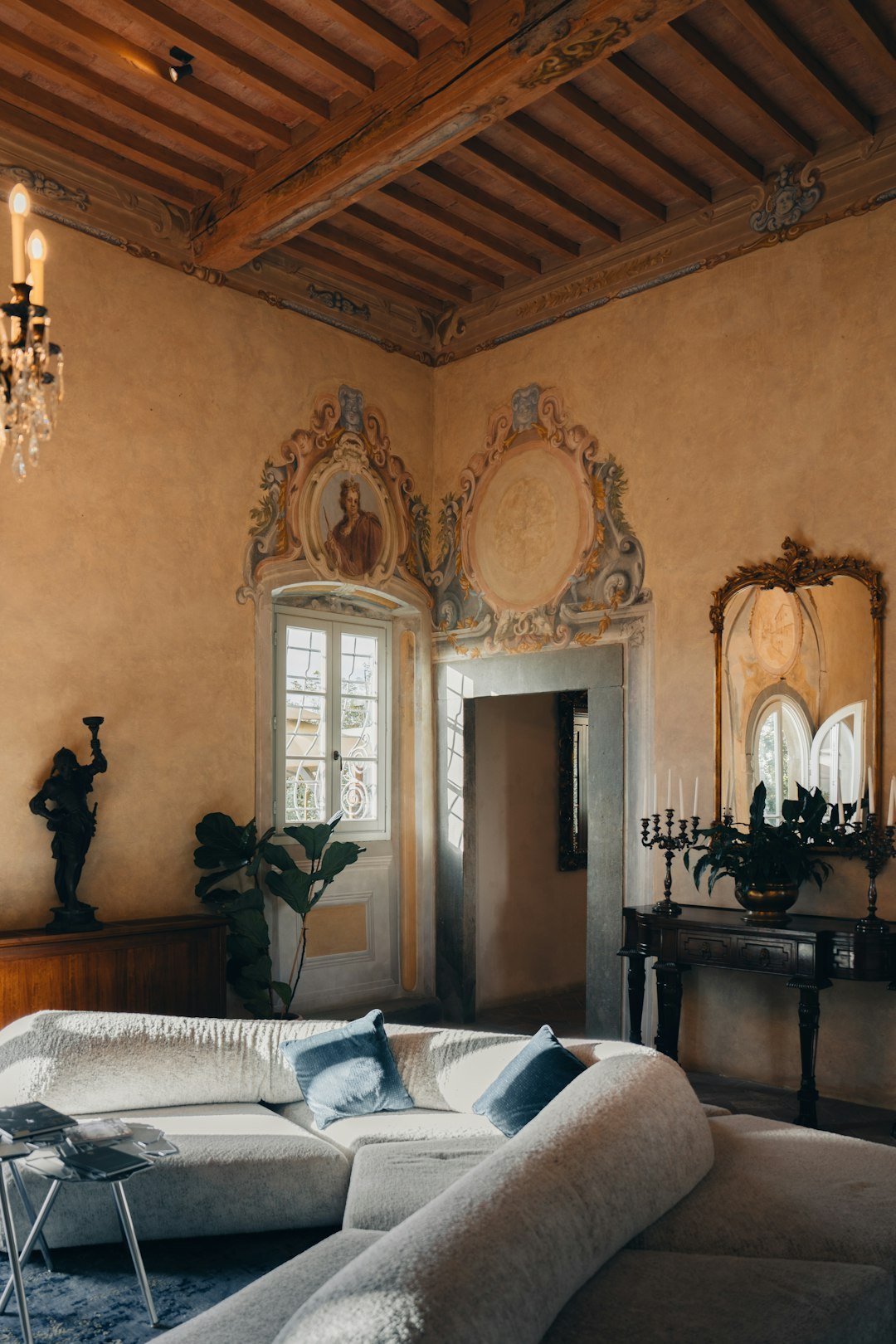
The idea of bringing Italy into your home sounded wonderful in theory. In practice, it often ended up feeling more like a theme park than a Tuscan villa – all wrought iron, terracotta, dark carved wood, and Venetian-style mirrors pressed into a suburban living room. This look was so completely dominant in the early 2000s that millions of American living rooms still carry its fingerprints, two decades later.
The heaviness is the giveaway. Modern living rooms breathe; Tuscan-era rooms press down. The faux-aged finishes, the oversized ornate trim, the harvest gold and avocado undertones – guests clock it as a specific era immediately. Today’s Mediterranean-inspired spaces embrace lighter, airier interpretations with natural materials that feel effortless rather than theatrical. The update doesn’t require gutting the room – lighter upholstery, updated lighting, and warmer wall colors can lift the whole space without erasing it.
#3 – The Matching Sofa-and-Loveseat Set in Floral or Patterned Fabric
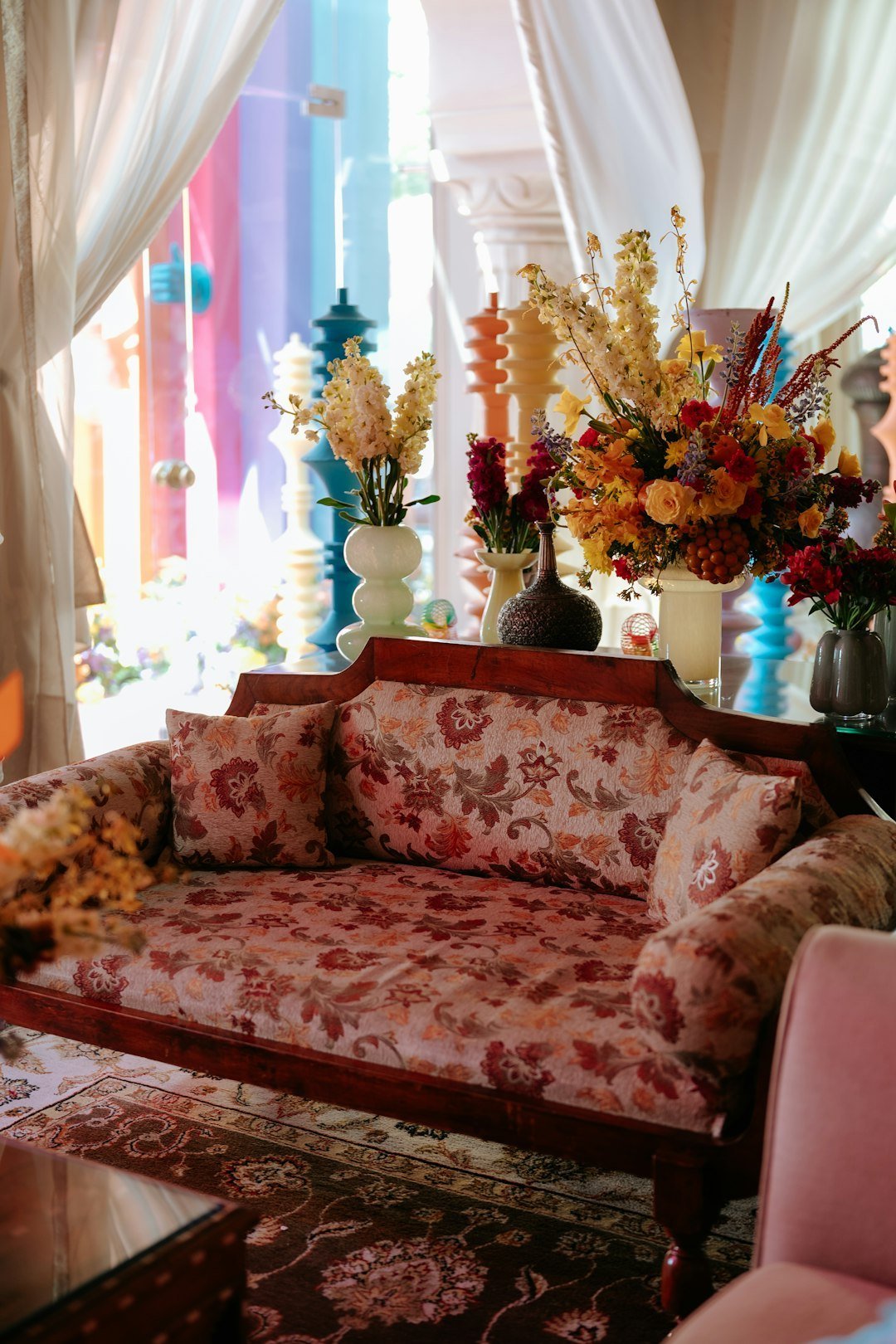
Different from the broader matching furniture set issue, this one is specifically about the coordinated sofa-and-loveseat duo in matching floral, plaid, or ornate patterned upholstery. It was the living room standard through much of the ’80s and ’90s, and it has lingered far longer than anyone expected. Guests immediately read this combination as belonging to a specific, clearly past moment – and no amount of updated accessories around it fully erases that signal.
The fix doesn’t require a full overhaul. A solid-upholstered sofa with clean lines – even a secondhand linen or velvet find – immediately modernizes the room’s entire feel. What’s replacing the matched loveseat set isn’t a bigger version of the same thing. It’s a pair of accent chairs in a contrasting texture, or a single bold-colored armchair that holds its own. Mixing is the move, and the patterned matching set is the one piece that makes everything else in the room harder to update around it.
#2 – Single Overhead Lighting With No Layers
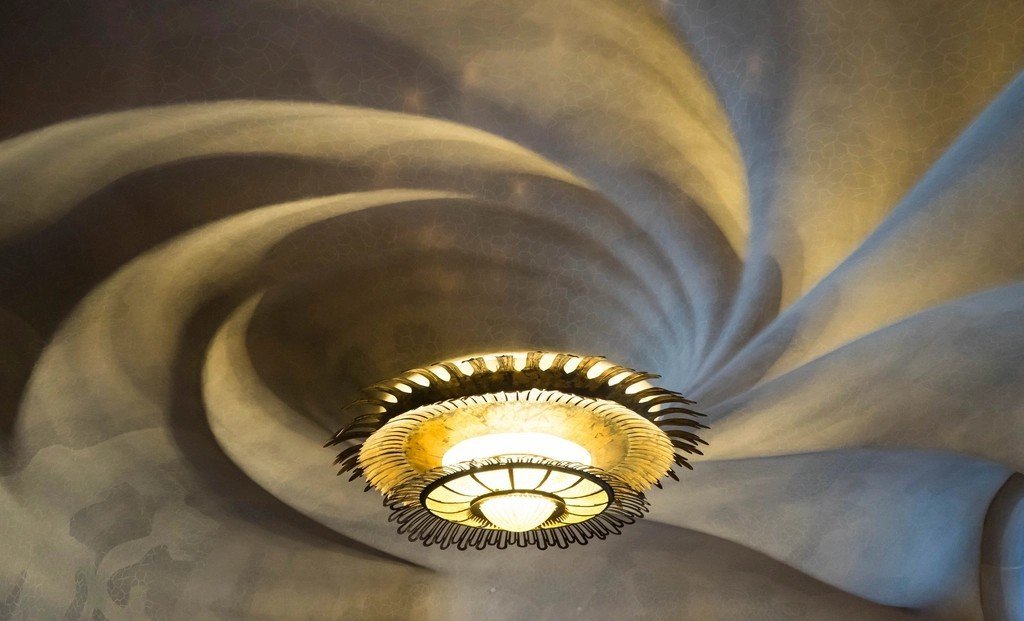
Walk into a living room lit entirely by one ceiling fixture on full blast and you feel it before you can name it. The room goes flat. Shadow and depth disappear. Everything looks slightly institutional, like a waiting room. Guests notice if they have to squint, or if the light feels harsh during a relaxed conversation. And the color temperature of your bulbs affects not just how the room feels, but how every piece of decor in it actually reads to a visitor’s eye.
There’s a reason everyone is averse to turning on “the big light” – it flattens rather than flatters. A floor lamp in the corner, a table lamp on the side table, and a dimmer switch on the overhead can transform a living room for under $200. “We’re doing soft wall sconces, integrated LEDs in built-ins, and accent lighting tailored around fireplaces and art collections.” Guests will feel the difference the second they walk in, even without knowing exactly why. Single overhead lighting is one of the most invisible, most consequential mistakes in any living space.
Fast Facts
- Lighting designers recommend a minimum of 3 light sources in any living room for proper layering
- A basic dimmer switch typically costs $15 to $50 installed – one of the cheapest upgrades with the biggest mood impact
- Warm-white bulbs (2700K to 3000K) make people and furnishings look better than cool or daylight bulbs
- Architectural lighting – sconces, built-in LEDs, accent spots – is the top lighting trend replacing overhead-only setups in 2025 and 2026
Is Your Living Room Stuck in the Past?
You might love your home, but certain design choices act as a timestamp for guests. Test your knowledge on which items are officially 'outdated' according to modern interior designers.
Think you caught the key details? Take the quick quiz and see how sharp your instincts really are.
#1 – Wall-to-Wall Carpet (Especially in Beige or Mauve)
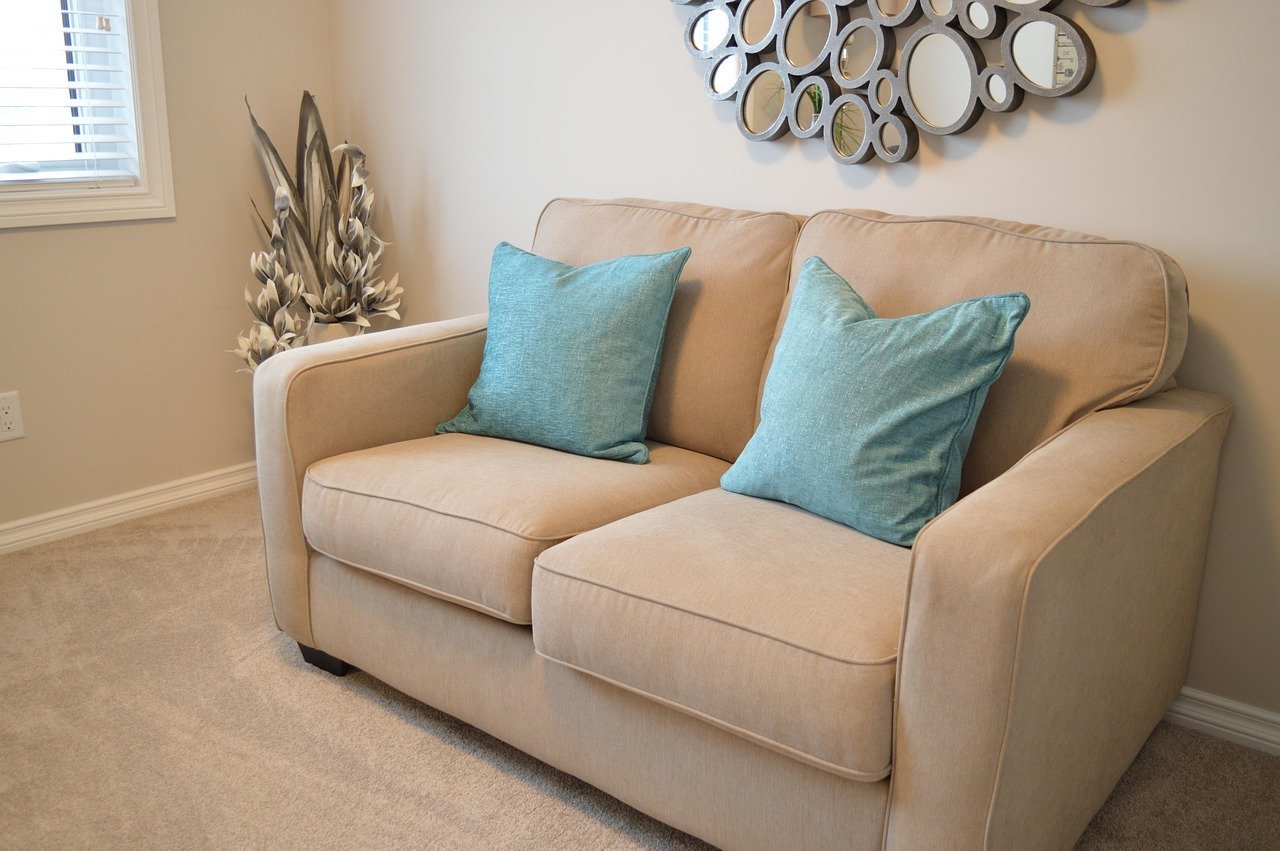
Nothing dates a living room faster or more completely than wall-to-wall carpeting – particularly in the colors that were fashionable in the 1980s and early ’90s: dusty mauve, seafoam green, and every shade of beige that reads as “original builder grade.” It doesn’t matter how updated everything else is. The carpet underneath communicates a timestamp to guests before they’ve even processed the rest of the room. Designers consistently list heavy carpeting among the top things making a living room look dated in 2025 – it’s not just a style issue, it’s a room-wide verdict.
Hardwood, engineered wood, or luxury vinyl plank flooring consistently adds perceived value to a home – buyers in one study were willing to pay over $2,000 more for a home with hardwood over carpet – and a large area rug on top adds warmth and definition without any of the dated baggage. The wall-to-wall carpet is the one item that touches everything in the room – and it’s the one change that makes every other piece look newer the moment it’s gone. Pull up the carpet in a room full of other outdated items and the entire space feels like it moved forward five years overnight. That’s how much it’s doing.
Why It Stands Out
- Wall-to-wall carpet removal costs roughly $1 to $5 per square foot professionally – or as low as $140 to $290 for a standard 12×12 room
- Hardwood flooring installation runs $7 to $15 per square foot on average, but delivers the highest ROI of any flooring option
- Luxury vinyl plank (LVP) is the budget-friendly middle ground: durable, water-resistant, and reads as current to virtually every guest
- A large area rug over hard flooring delivers the warmth of carpet without any of the era-specific baggage
- Most carpet lasts 5 to 20 years – anything on the lower end of that range is almost certainly showing its age visually
The through-line across all 14 is the same: each of these items was genuinely popular in its moment – not bad taste, just taste with a visible expiration date. The good news is that almost none of them require a full renovation to address. A rug swap, a new lamp, a coat of paint in a warmer tone, and one or two intentional secondhand finds can move a room from “2008” to “right now” faster than most people expect.
Which of these is still in your living room? Drop it in the comments – and be honest, because we guarantee you’re not alone.