
You could stage every other room in your house perfectly, and the bathroom will still give you away. It’s the room buyers, guests, and appraisers clock in the first ten seconds – and designers say the telltale signs are almost always in the details. The small things you’ve stopped noticing because you see them every day.
Here’s the part that stings: several of the items on this list were considered premium upgrades just five years ago. People paid real money for them. Some are probably in your bathroom right now. Here’s what actually gives a bathroom’s age away – and what designers say to do instead.
#15 – Wall-to-Wall Bathroom Carpet
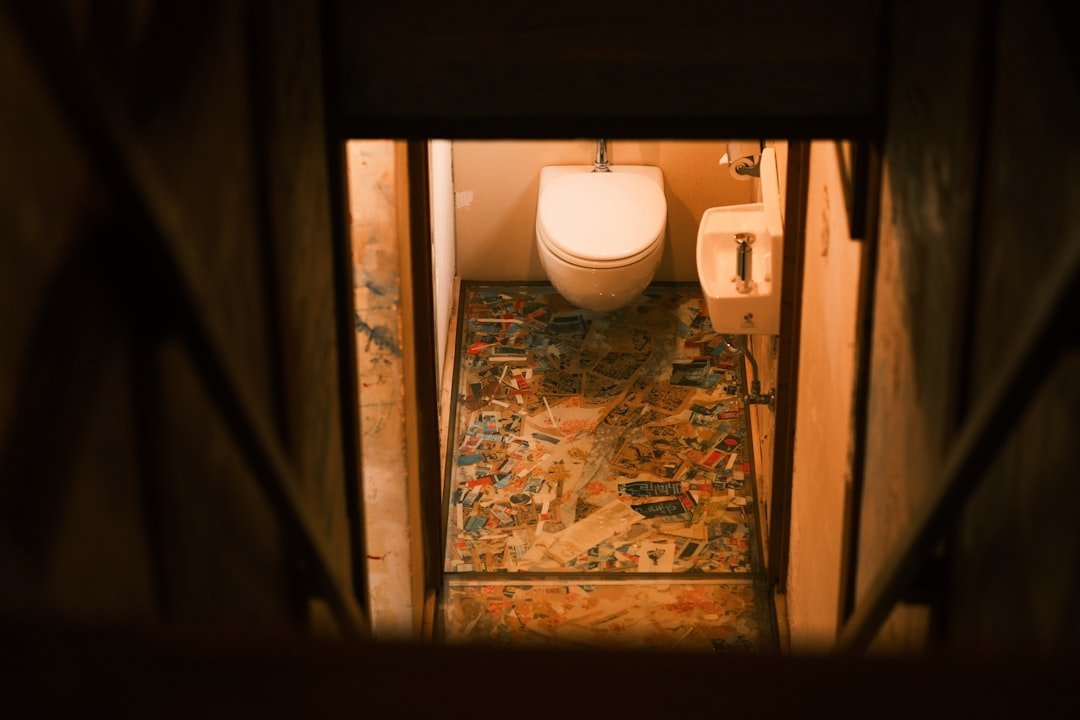
Nothing announces a dated bathroom faster than carpet on the floor. It’s the design equivalent of a time capsule from the 1980s, and it hits visitors like a wall of nostalgia – not the good kind. The idea made some sense once: warmth underfoot, softness after a shower. The reality is far less charming once you consider what that carpet absorbs every single day. Moisture, bacteria, soap residue, and humidity are a bad combination, and carpet locks all of it in.
If you still have it, you’re not alone – plenty of older U.S. homes still have it tucked in guest bathrooms and half-baths. But every buyer, every appraiser, every houseguest clocks it immediately. Bold patterned tile, wood-look planks, and heated flooring all deliver the comfort factor without the hygiene nightmare. A good bath rug handles the barefoot softness problem without the permanent damage. Swapping out bathroom carpet is one of the highest-return updates you can make with the least amount of effort.
Fast Facts
- Bathroom carpet peaked in popularity during the 1970s and 1980s and has been in steady decline ever since.
- Tile and luxury vinyl plank are now the top two flooring choices in renovated U.S. bathrooms.
- Radiant heat mats can be installed under tile for under $150 per 6 feet – delivering warmth without the moisture trap.
- A dated bathroom with worn flooring is one of the top red flags that raises concerns for buyers during walkthroughs.
#14 – Glass Block Windows
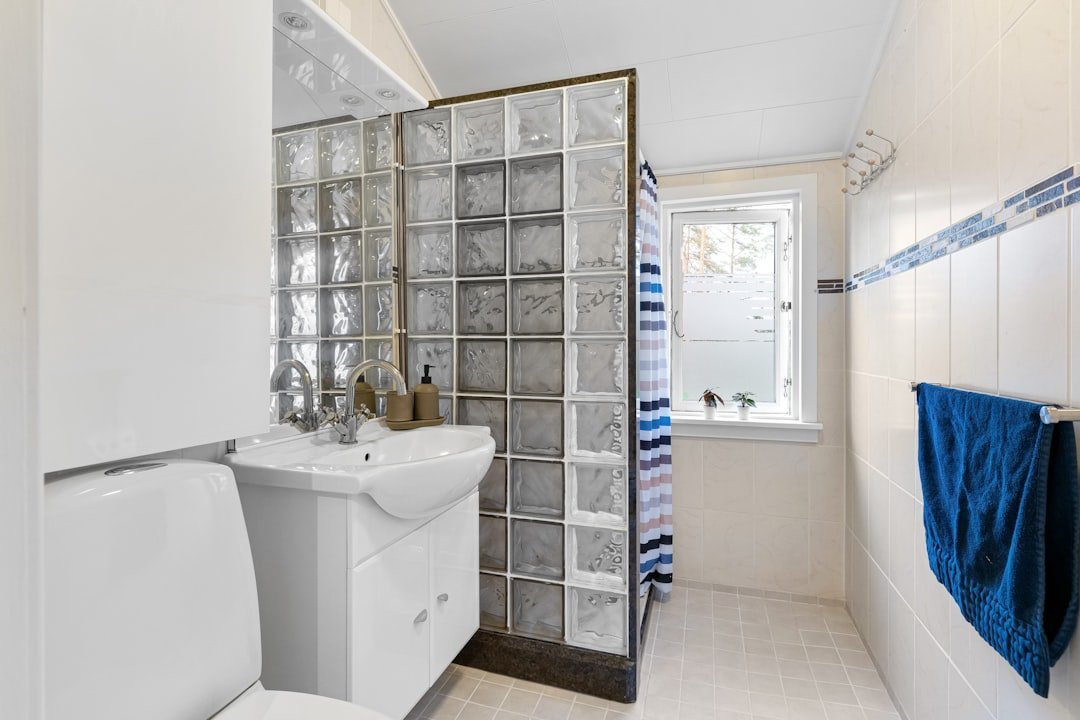
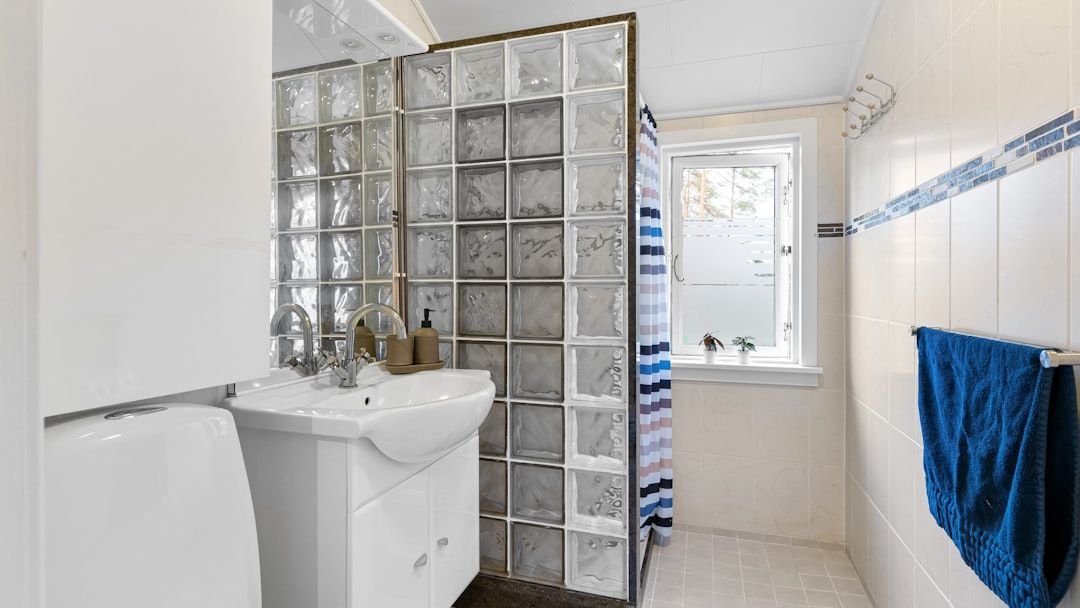
Glass block windows were once considered clever – privacy without total darkness. They were everywhere in new construction from the late 1980s through the early 2000s, and they aged about as well as frosted tips. The privacy argument holds up technically, but the tradeoff is a window that makes your bathroom feel like the inside of a fish tank: dim, cloudy, and sealed off from the world.
The real problem isn’t just the look – it’s what they do to the light. Modern bathroom design pushes in the opposite direction entirely: go big, open it up, let air and natural light flood the space so it feels larger. Glass block windows do the opposite. They make a room feel compressed and murky, which no amount of good fixtures can fully fix. Swapping them out for clear or frosted privacy glass in a standard frame does the same privacy job without the 1993 energy – and the difference in a bathroom’s feel is immediate.
#13 – The All-White Everything Scheme
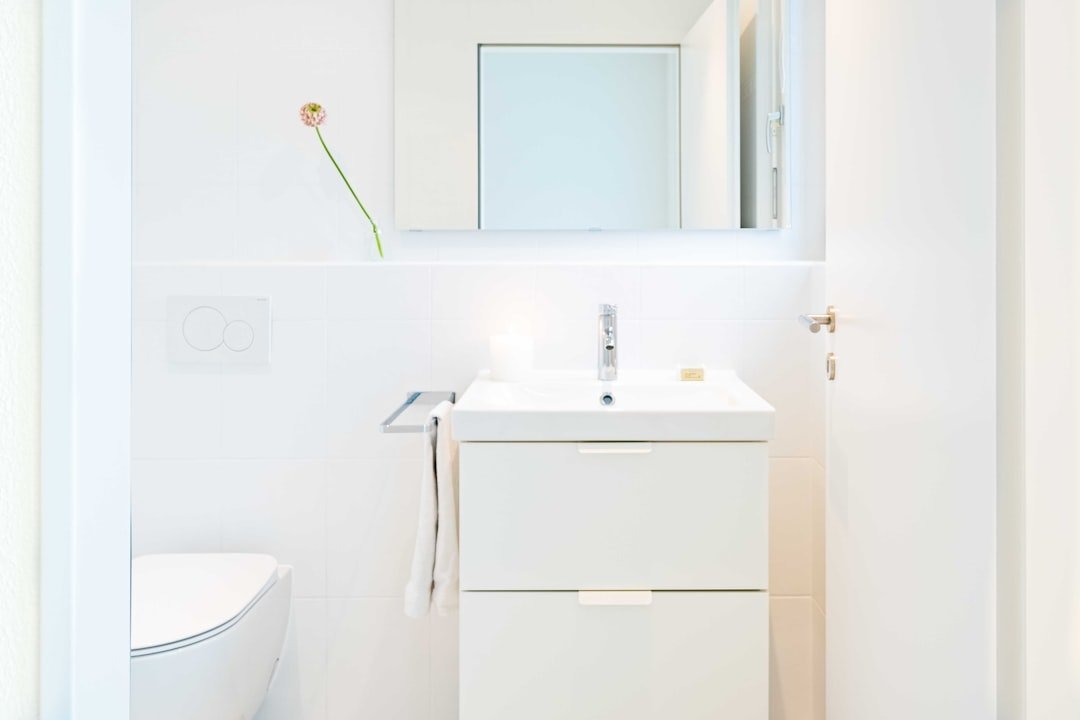
For about a decade, the all-white bathroom felt safe, clean, and eternally chic. It was neither eternal nor particularly chic – it was just extremely popular, and now it’s reading as exactly as dated as it actually is. The all-white bathroom is now the fastest way to make a space look like a rental property rather than a home. It signals that zero real design decisions were made: just a can of white paint and a prayer.
“We are fans of more is more and are seeing overly minimal, all-white bathrooms are on the way out,” says designer Alex Alonso. “While clean, they can feel clinical and lack warmth or individuality.” Spaces today should feel layered – contrast in tone, texture, and material creates depth that cold white walls simply can’t deliver. The fix doesn’t have to be dramatic. One warmer accent wall, a change in grout color, or the addition of natural wood tones can break the clinical spell without a full renovation.
#12 – Cool Gray Paint on Every Surface
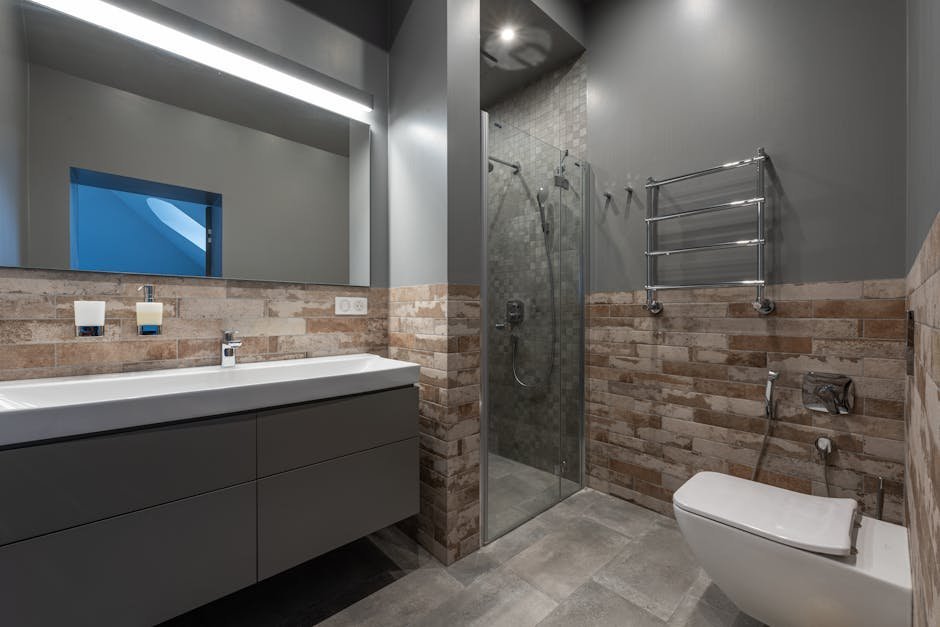
Gray was the “safe” choice for so long it became the defining color of an entire era of American home design. Walk into any home renovated between 2012 and 2020 and you’ll almost certainly find it – on the walls, the vanity, sometimes even the tile. That era is firmly over. Cold neutrals like bright white and cool gray are being phased out in favor of warmer, richer options, and designers aren’t being subtle about it.
“Cool grays are something we tend to steer away from,” says Blair Britt, lead designer at Bella B Home Designs. “They make a space feel very industrial, stark, and cold. We would favor warmer neutrals – Balboa Mist or Collingwood by Benjamin Moore are always a client favorite.” Gray bathrooms don’t just look dated; they actively fight against the warm, spa-like aesthetic that today’s buyers want most. Taupe, greige, warm beige, and muted terracotta are what designers are reaching for instead – and the shift in how a room feels is significant.
Quick Compare
- Cool gray (out): Industrial feel, reads as 2012-2020, fights warmth
- Warm greige/taupe (in): Cozy, spa-adjacent, works with natural wood and stone
- All-white (fading): Still clean, but now reads as clinical or undecided
- Warm off-white (rising): Soft, layered, pairs well with textured tile and brass accents
#11 – Matching Matchy-Matchy Hardware Sets
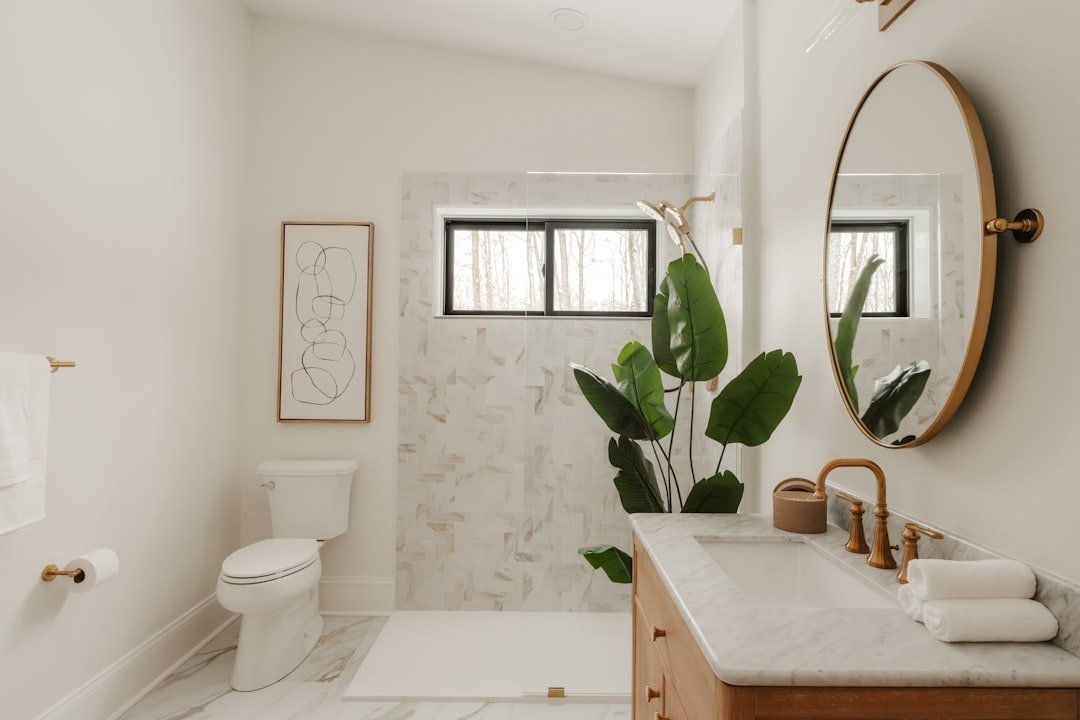
Buying the full coordinated set – towel bar, toilet paper holder, robe hook, faucet, and cabinet pulls all in one identical finish – felt like the smart, organized move. It turns out it’s one of the clearest tells that a bathroom hasn’t been touched in years. “Using the same finish across every fixture feels predictable and lacks personality,” one designer notes. “Bathrooms should feel curated, with a thoughtful mix of materials and finishes that add richness and individuality.”
Matching equals builder grade, and in 2025 and beyond, it reads as a bathroom that came straight off a developer’s spec sheet. The fix is mixing, not clashing. Brushed brass paired with polished nickel, or aged bronze alongside unlacquered hardware, gives a bathroom the “collected over time” quality that reads as genuinely designed rather than grabbed off the shelf in a single Lowe’s trip. It’s a small change with an outsized impact on how sophisticated a space feels.
Is Your Bathroom Dating Your Home?
A bathroom can be a time capsule of design trends—some that aged gracefully and others that didn't. Test your knowledge on which fixtures and finishes are currently signaling a 'dated' home to designers and buyers.
Think you caught the key details? Take the quick quiz and see how sharp your instincts really are.
#10 – All-Over Matching Matte Black Fixtures
Matte black fixtures were the edgy upgrade everyone rushed toward around 2018. For a moment, they looked sleek, bold, and refreshingly different from the sea of chrome bathrooms everywhere. That moment has passed. Much like brushed brass before it, matte black has had a speedy fall from grace – due partly to its stark contrast in lighter schemes, but mostly due to how punishingly hard it is to maintain. It shows water spots, scratches easily, and in hard-water areas, it loses its finish faster than almost any other option.
The problem isn’t matte black itself – it’s the head-to-toe commitment that screams “2019 renovation.” A single matte black element used sparingly can still work beautifully. An entire bathroom drowned in it looks like a trend that ran out of steam midway through the decade. “While it made a bold statement and was hugely popular a few years ago, it’s notoriously difficult to keep clean and prone to scratching and tarnishing,” notes one fixture designer. Use it as an accent, not a commitment.
Worth Knowing
- Matte black fixtures first surged in popularity around 2018 and are now actively declining, according to multiple design trend reports.
- Hard-water areas – covering a large portion of the U.S. – accelerate finish degradation on matte black hardware significantly faster than in softer-water regions.
- “Living finishes” like unlacquered brass that develop a natural patina over time are the preferred direction among designers heading into 2026.
- Mixed-metal approaches (warm brass + cooler nickel) are replacing the single-finish-rules-all mindset in renovated bathrooms.
#9 – Hollywood Vanity Light Bars
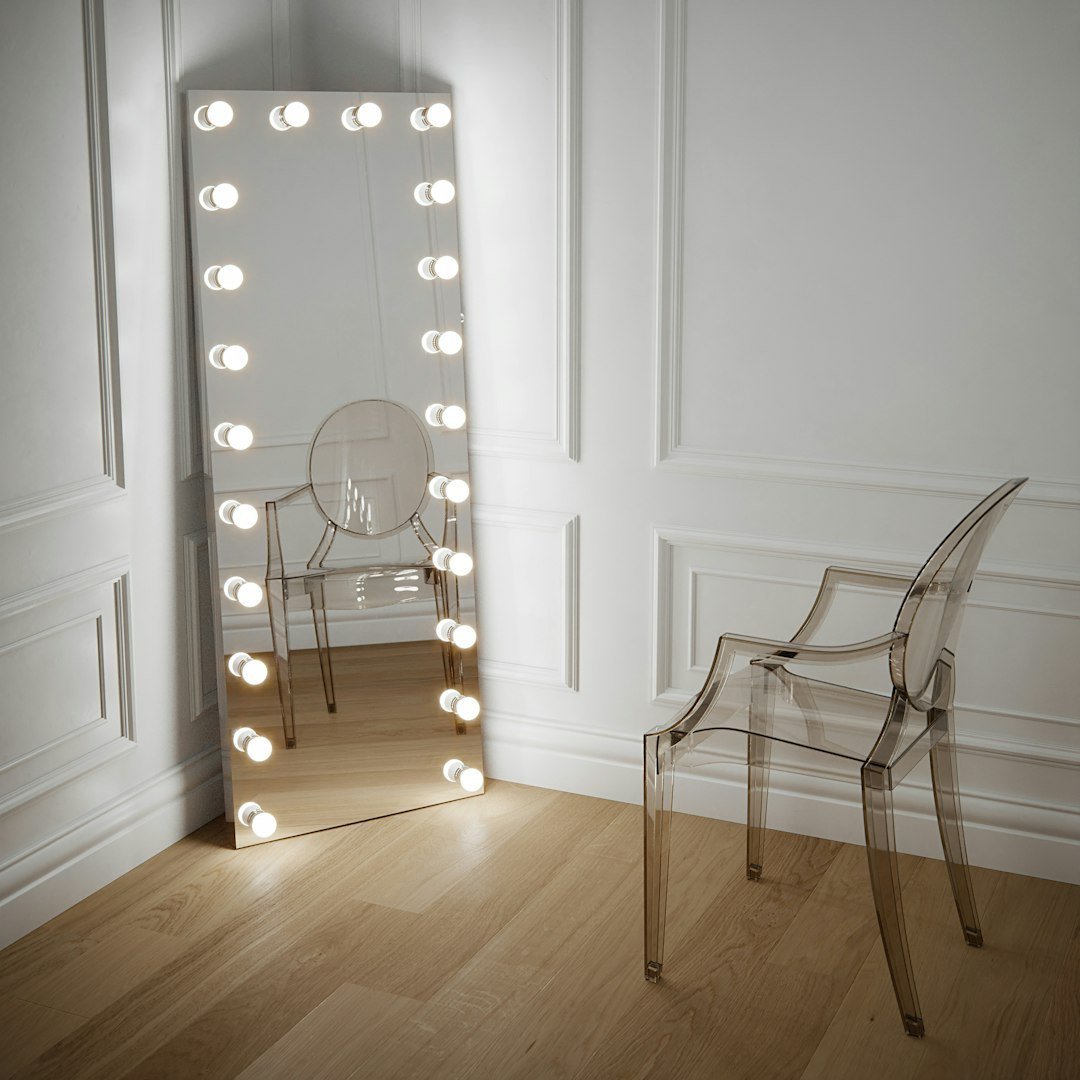
That horizontal strip of globe bulbs mounted directly above the mirror has been a bathroom staple for decades, and it is one of the most universally recognized signs of a dated space. Designers have been quietly wincing at it for years. “In 2026, I would love to see fewer bathrooms that rely on vanity lighting bars mounted above mirrors and builder-grade mirrors that leave the space feeling generic and lacking character,” one designer shared.
Hollywood light bars don’t just look dated – they’re functionally bad. As designer Rachel Cannon puts it, beyond “the beating your ego will take from staring at your pronounced under-eye bags and jowls, your eyes will strain to see details” when there is only one overhead light source above the mirror. That single source flattens your face from above and creates harsh shadows in all the wrong places. Wall sconces flanking the mirror at eye level are the actual solution – they’ve been the professional standard in hospitality design for decades for a reason, and they transform how a bathroom feels the moment you flip them on.
#8 – Shiplap and Farmhouse Bathroom Decor
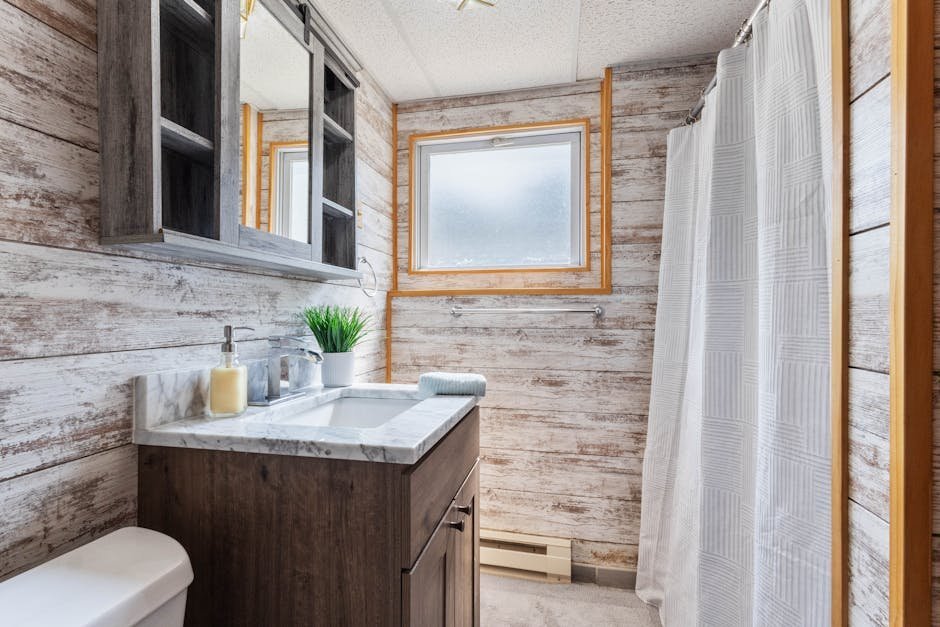
Shiplap had a genuinely great run. The farmhouse trend took over American home design with remarkable speed and the bathroom wasn’t spared – barn-style hardware, rustic wood shelves, mason jar accessories, and white shiplap walls became the default look for renovated bathrooms coast to coast. Today, designers are blunt about where it stands: the farmhouse bathroom now reads as a very specific moment in time, roughly 2016 to 2021, the way avocado green appliances read as the 1970s.
Faux-wood finishes compound the problem – they don’t hold up against moisture, they look artificial up close, and they tie a room visually to a trend that peaked several years ago. The cozy, warm, natural feeling that made farmhouse style appealing in the first place is still achievable; it just requires real materials instead of rustic-themed accessories. Transitional design with genuine wood tones and warm textures delivers that feeling without nailing a specific decade to your bathroom wall.
“In general, the farmhouse decor ship has sailed – and that also translates to farmhouse decor elements in the bathroom. Homeowners are moving toward a more modern or transitional aesthetic.”
Interior Designer, as reported by Yahoo Lifestyle
#7 – Vessel Sinks
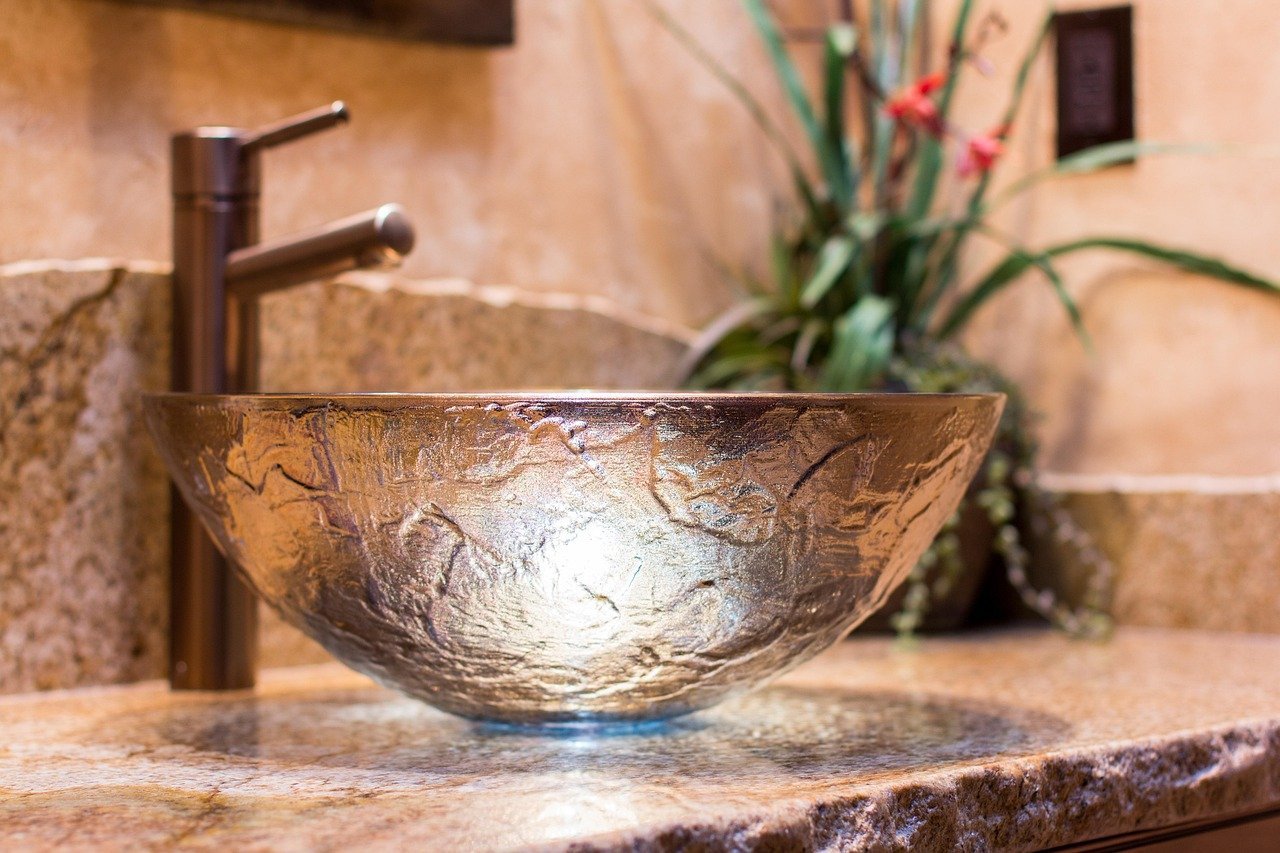
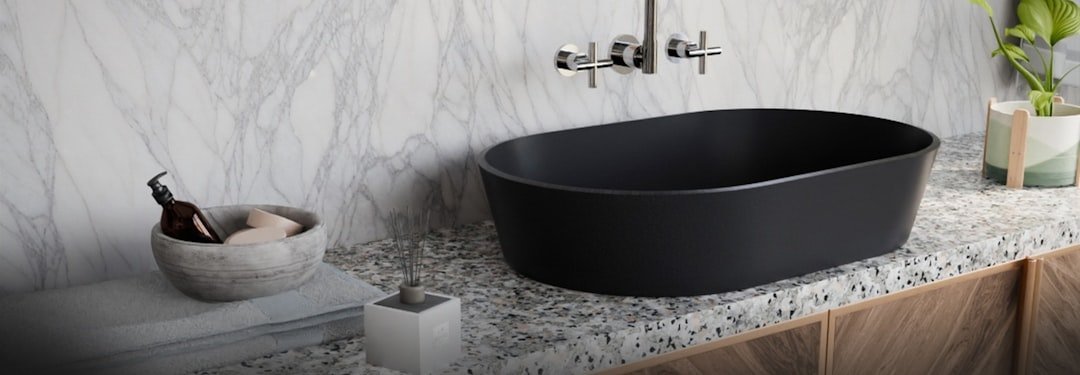
Vessel sinks – those bowl-shaped basins that sit on top of the counter instead of dropping in – were the showstopper upgrade of the mid-2000s and had a strong second wave in the early 2010s. They photograph beautifully and look like something out of a boutique hotel brochure. In real life, they are a genuinely different story. They splash wide, require a faucet tall enough to clear the basin (creating another awkward visual element), and the seam where the bowl meets the counter collects residue that is nearly impossible to clean properly.
The vessel sink problem isn’t purely aesthetic – it’s a daily functional reminder of a design decision made for Instagram rather than real life. In busy households, they become a low-grade daily annoyance that no amount of good lighting can fix. Interior designers now favor undermount and integrated sinks that blend seamlessly into the countertop: sleek, flush, and easy to wipe clean in a single swipe. That’s where bathroom design has moved, and the contrast between the two approaches is hard to unsee once you notice it.
#6 – High-Gloss Tile Finishes Everywhere
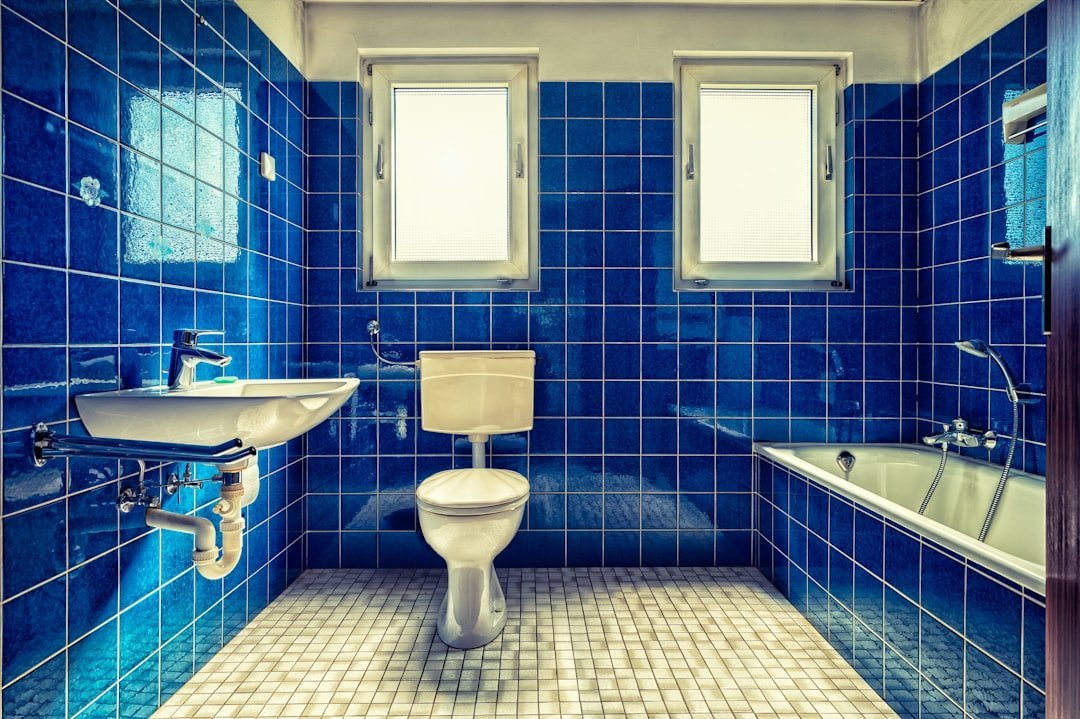
The high-gloss tile bathroom – shiny from floor to ceiling, bouncing light off every surface – was once the image of a sleek, modern space. It doesn’t read that way anymore. Super shiny, high-gloss tiles were once standard in bathrooms aiming for that crisp, contemporary look. Today, compared to what’s trending, that finish looks flat and one-dimensional instead of creating any sense of depth or warmth. Beyond aesthetics, high-gloss surfaces show every fingerprint, every water spot, and every smear – which means you’re essentially signing up for daily wiping duty.
Matte, textured, and natural stone finishes are dominating bathroom design right now for exactly the opposite reasons – they age gracefully, hide the evidence of daily use, and create the warmth and layered feeling that high-gloss tile fundamentally cannot deliver. “Bathrooms should feel layered and dimensional,” as one designer put it, and a wall of mirror-flat tile works directly against that goal. Investing in better, more natural materials doesn’t just look more current; it actually makes the room easier to live with every single day.
At a Glance
- High-gloss tile: Shows every water spot and smear; looks flat and one-dimensional; tied to a dated era
- Matte tile: Hides daily wear, adds depth, and pairs easily with warm or natural palettes
- Natural stone / textured tile: Ages beautifully, feels luxurious, aligns with today’s spa-inspired direction
- Pro tip: Matte and textured finishes are now the dominant choice in both designer-led and midrange U.S. bathroom renovations
#5 – Predictable White Subway Tile
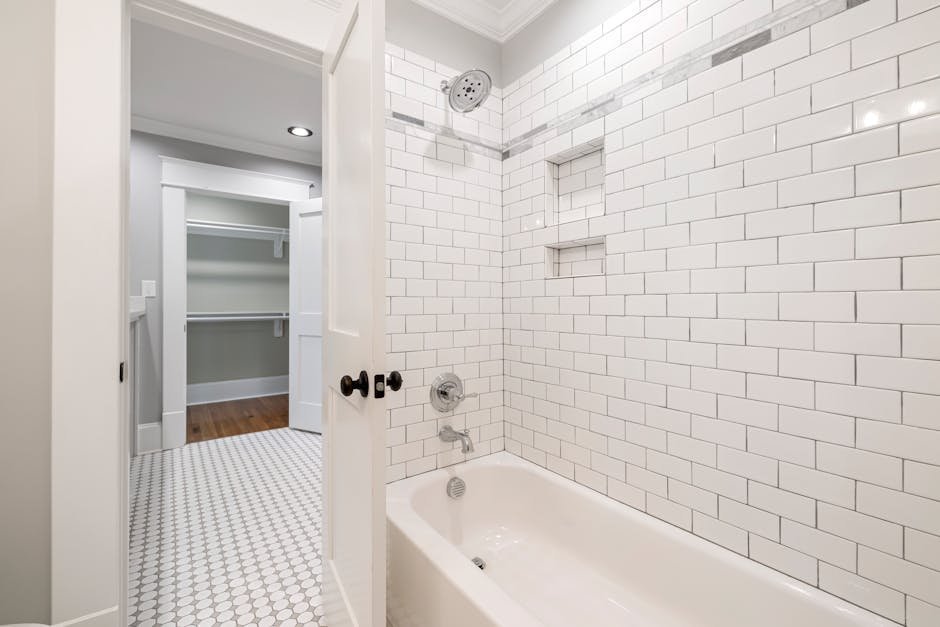
This one is controversial, because subway tile is technically a classic. But there is a meaningful difference between a classic material used with intention and a reflex move made because it was the safest possible choice. White subway tile has been everywhere for the past decade – so much so that the standard 3×6 brick pattern now feels less like a classic and more like a design decision that wasn’t really made at all. When every renovated bathroom and new-build apartment uses identical tile in an identical pattern, it stops being timeless and starts being wallpaper paste.
The problem isn’t the tile itself – it’s the complete absence of a decision behind it. Subway tile used in a stacked vertical pattern, in a colored glaze, in an unexpected size, or with a contrasting grout can still feel current and intentional. Used in the standard horizontal brick pattern in plain white with white grout? That’s a bathroom designed on autopilot, and most people who walk in sense it even if they can’t articulate exactly why. The material has a future; the default application does not.
#4 – Themed Beach, Coastal, or Farmhouse Accessories
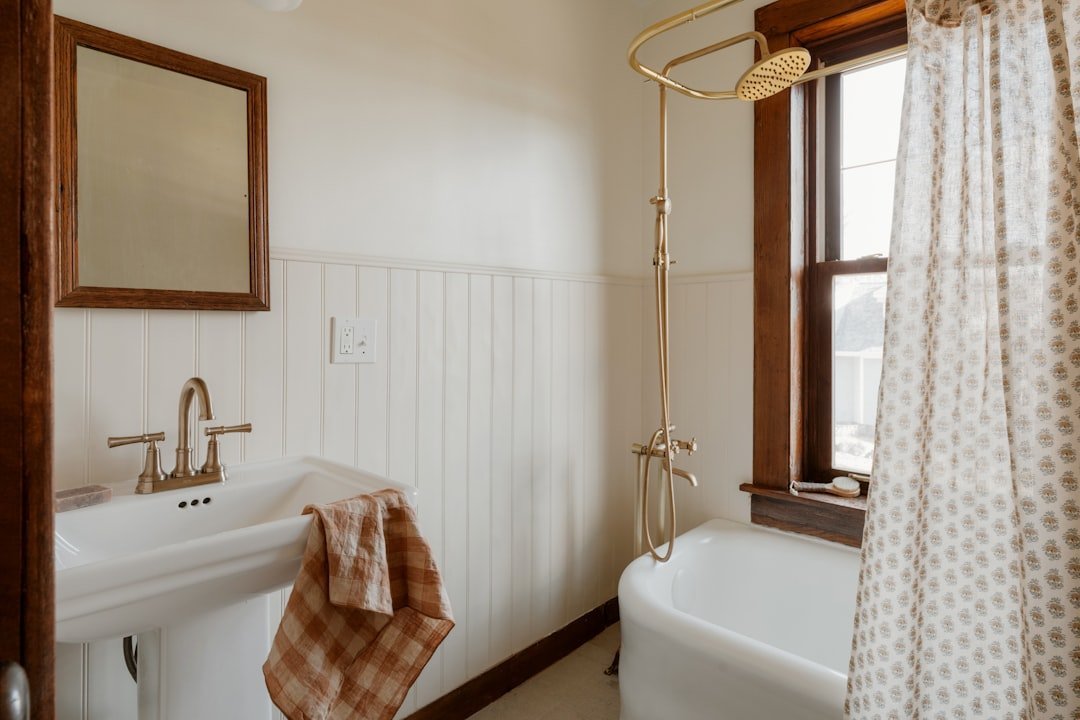
The seashell soap dish. The “Relax” sign in driftwood letters. The rope-wrapped mirror. The sailboat figurine on the back of the toilet tank. Individually, any one of these items might seem harmless. Collectively, they transform a bathroom into a theme park gift shop and immediately signal that the decor hasn’t been reconsidered in at least a decade. Themed bathrooms can reflect personality, but heavily stylized spaces become dated fast and limit every future flexibility you might want.
The themed bathroom is the single most reliable way to make a space feel frozen in a specific moment. It signals that the design was assembled from a collection of matching accessories rather than built from considered choices. One genuinely interesting object you actually love beats twenty coordinated seashell accessories every single time – and it gives the room a personality that feels real rather than purchased in a set. Bold, sophisticated accents reflect style without locking a bathroom into an era it can never escape.
#3 – The Pedestal Sink With Zero Storage
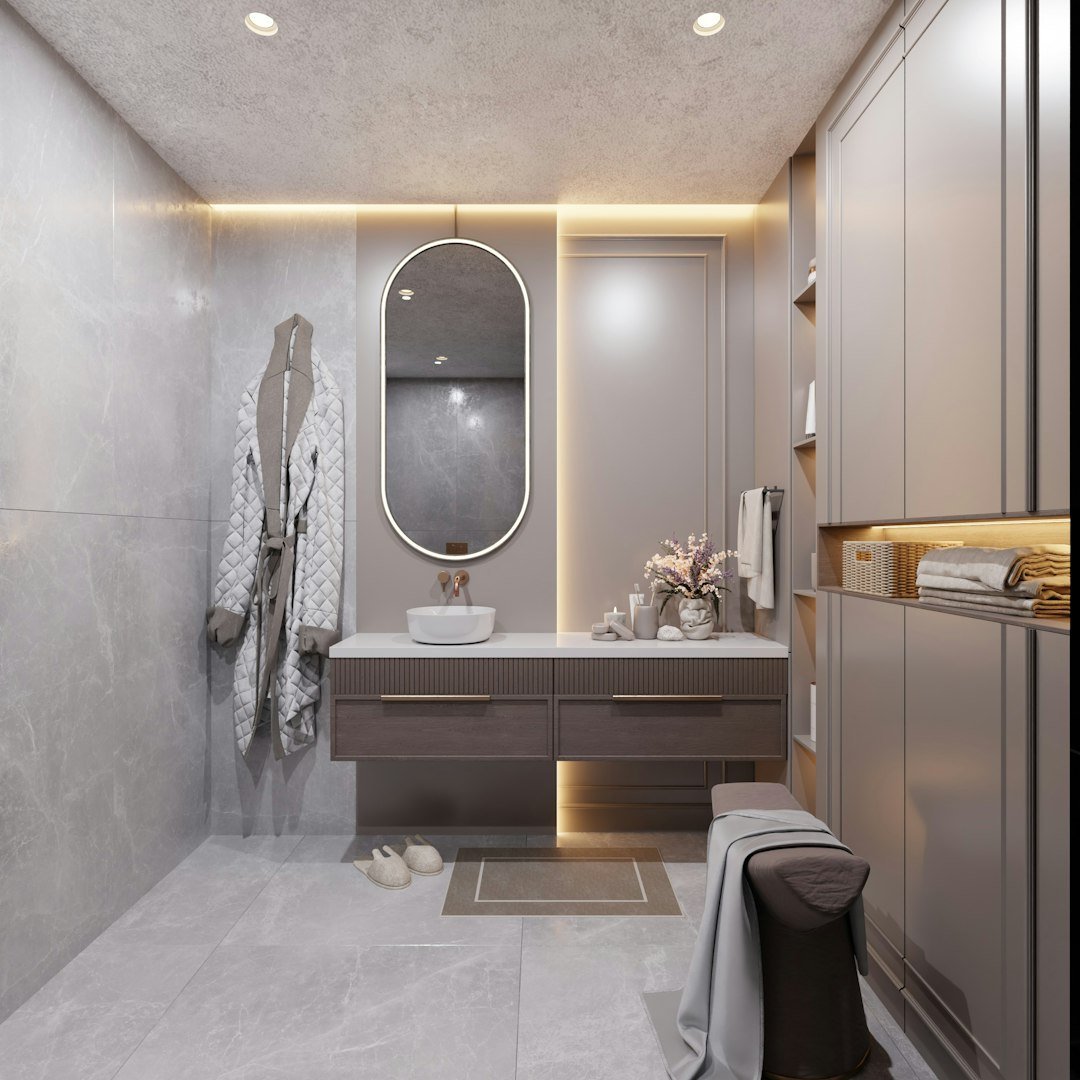
The pedestal sink had a solid 30-year run as the go-to choice for small bathrooms. It was sold as a way to keep the space feeling open and airy, and the tradeoff – absolutely no storage – was supposed to be worth it for the clean, classic look. In practice, what a pedestal sink creates is counter chaos: products lined up on the back of the toilet tank, shelves crammed above the toilet, baskets stuffed under a folding table draped with fabric to hide the pipes. The open, airy feeling evaporates the moment real life moves in.
A floating vanity does everything a pedestal sink does aesthetically – it keeps the floor visible and the room feeling larger – while actually functioning in a real household. “In a space where we store so many small items, organizational inserts in cabinetry are a must,” notes one designer. Floating vanities are wall-mounted, so the floor stays clear and cleaning underneath is effortless. That’s the modern answer to the same design problem the pedestal sink was trying to solve, and it works dramatically better.
Why It Stands Out
- Floating vanities are one of the top-cited upgrades for boosting both bathroom appeal and resale value in 2025, with an estimated ROI of 65-75%.
- Wall-mounted vanities keep floors fully visible, making small bathrooms read as significantly larger.
- Built-in storage eliminates the clutter cascade that pedestal sinks inevitably create in real households.
- A midrange bathroom remodel – the kind that typically includes a vanity swap – recoups approximately 74-80% of its cost at resale according to recent Cost vs. Value data.
#2 – Ornate, Over-Decorated Vanities
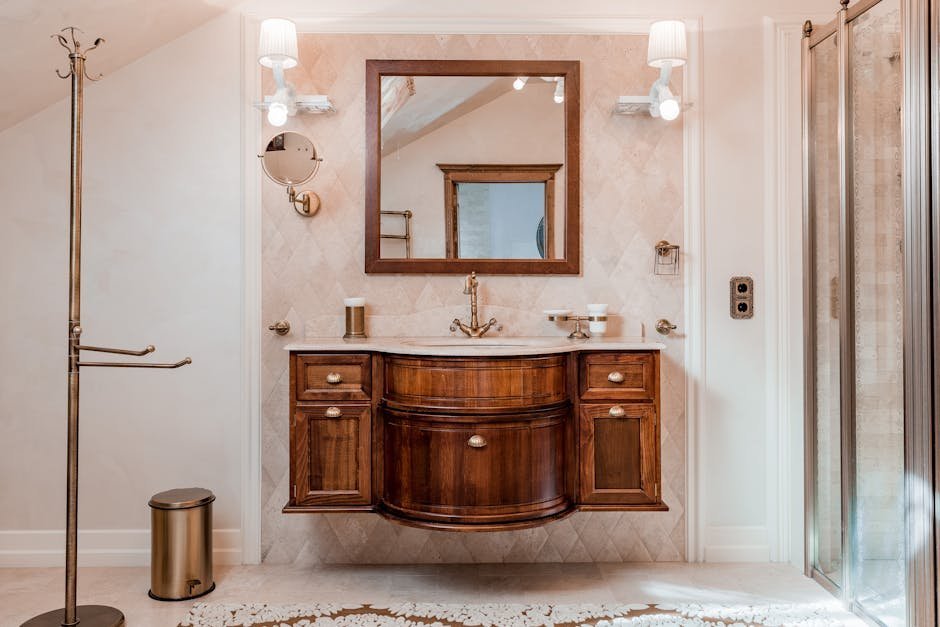
The heavy, furniture-style vanity with carved wood details, scrolled feet, decorative corbels, and antiqued hardware was the luxury bathroom hallmark of the early-to-mid 2000s. People spent serious money on these pieces. They anchored the “spa master bath” renovation that dominated home design television for years. Today, they read as fussy, heavy, and irrevocably tied to a specific moment in time. All those carved details collect dust, soap scum, and toothpaste splatter in places that are nearly impossible to reach with a cloth – which means they look worn and grimy faster than almost any other vanity style.
Ornate vanities don’t just look dated – they actively work against the warm, minimal, spa-influenced direction that modern bathroom design has moved toward. Clean lines, sleek finishes, minimal hardware, and genuine storage capacity are what designers are specifying now. A simple vanity lets statement lighting and a great mirror carry the room without visual competition. Honest materials and restrained design age far better than carved decoration, and they’re significantly easier to keep looking their best year after year.
Is Your Bathroom Dating Your Home?
A bathroom can be a time capsule of design trends—some that aged gracefully and others that didn't. Test your knowledge on which fixtures and finishes are currently signaling a 'dated' home to designers and buyers.
Think you caught the key details? Take the quick quiz and see how sharp your instincts really are.
#1 – The All-White Acrylic Tub-Shower Combo
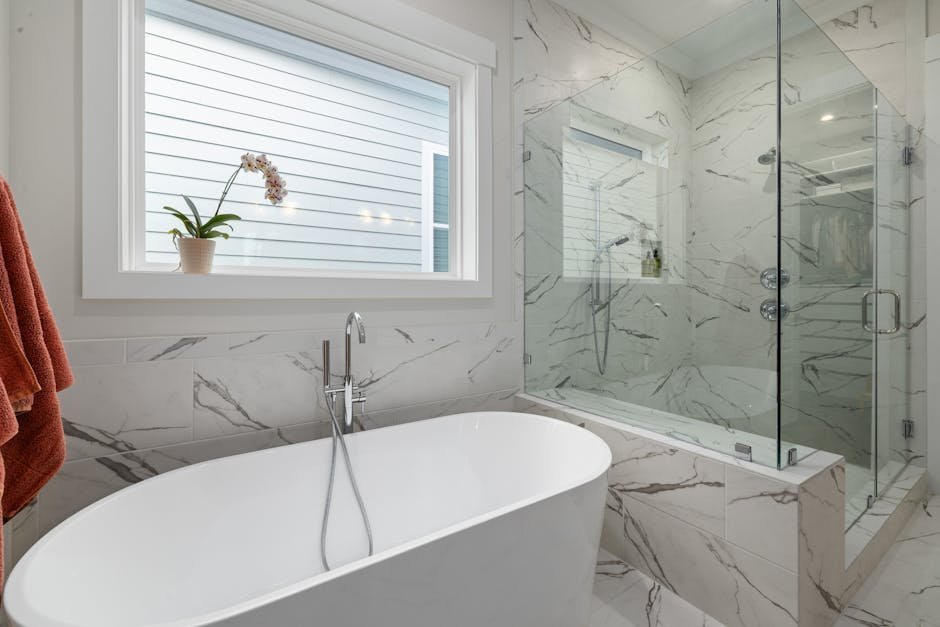
Of everything on this list, this is the item that stops a home sale cold. It’s the one that house hunters photograph and text to their friends with a grimace. All-white acrylic shower-tub combos were popular for their affordability and builder convenience, and they ended up in an enormous percentage of American homes built between the mid-1980s and the early 2000s. The problem is how they age: they yellow, they scratch, the caulk lines go gray, and no amount of cleaning restores the original look. It doesn’t matter how nice the rest of the bathroom is – a discolored acrylic unit is the only impression that registers.
The all-white acrylic combo is the single most powerful age marker in any U.S. bathroom. It is so strongly associated with builder-grade construction that no new towels, fresh paint, or stylish accessories can fully overcome it. As bathroom designer Charlotte Ashfield notes, “a bathroom generally only gets updated every 10 years, which is a big commitment” – and that’s exactly why this item sits at number one. Many homeowners made a 10-year commitment without realizing it would become the loudest design red flag in the room. Replacing it, even with a modest tile surround and a simple new tub, is the single highest-impact upgrade a dated bathroom can receive.
Fast Facts
- A midrange bathroom remodel recoups approximately 74-80% of its cost at resale, making it one of the strongest interior investments a homeowner can make.
- 94% of real estate agents say a modernized bathroom makes a home more appealing to buyers, per HomeLight’s 2024 Top Agent Insights report.
- Bathroom renovation was cited by 35% of Realtors as a must-have upgrade for sellers in the NAR’s 2025 Remodeling Impact Report.
- The average U.S. homeowner spends $15,000 on a bathroom remodel – and even minor updates in the $6,000-$8,500 range deliver measurable return.
- Tub-to-shower conversions are among the most requested bathroom upgrades, and they directly address the acrylic combo problem in one project.
The common thread through all 15 of these items is the same: they were popular enough to become the default choice – the easy, safe, or affordable option that ended up everywhere at once. That’s exactly how they aged out so fast. The good news is that most of these swaps don’t require gutting anything. Warm-toned paint, mixed-metal hardware, sconces flanking the mirror, and one or two better materials can retire a decade’s worth of dated decisions without a full renovation. Which of these is still living in your bathroom?