
You’ve seen the photos. Glowing springs, cathedral canyons, mountains so sharp they look digitally enhanced. You packed the car, mapped the route, and showed up – only to find a parking lot that looked like the interchange of two interstate highways and a trail so packed you couldn’t hear the waterfall over other people’s conversations. America’s most iconic parks drew a record-breaking 331.9 million visitors in 2024, and summer 2026 is about to hit harder. The Department of the Interior has quietly stripped timed-entry reservation systems from three of the country’s most congested parks – Yosemite, Arches, and Glacier – just in time for peak season. The guardrails are gone.
Most of these parks are genuinely stunning. That’s not up for debate. But there’s a real difference between seeing a landscape and surviving it – and the gap between the postcard and the parking lot has never been wider. A few of these entries will surprise you. One or two might save your entire summer.
#10 – Great Smoky Mountains National Park, Tennessee/North Carolina
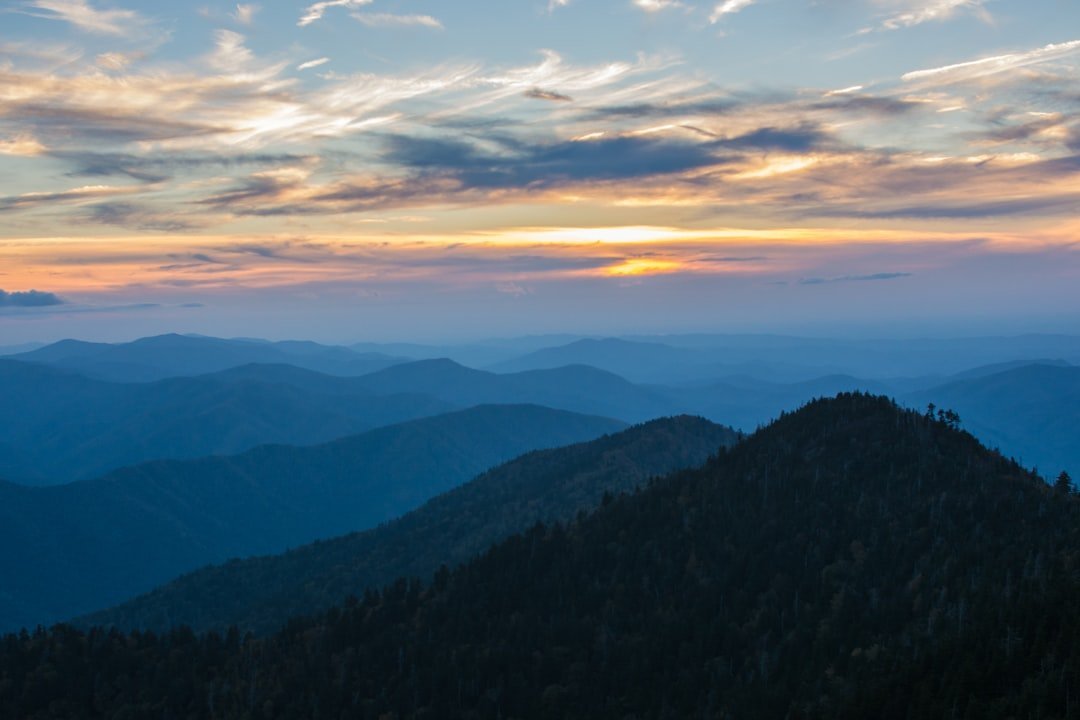
The Smokies pulled over 12 million visitors in 2024 – more than any other national park in the country, and it’s not a close race. The reason is hiding in plain sight: there’s no entrance fee. Free to enter, centrally located on the East Coast, and aggressively beautiful, the Smokies function less like a park in summer and more like a highway with trees. Traffic along Newfound Gap Road and the Cades Cove loop can grind to a dead stop for hours, not minutes.
The misty mountain scenery is real and it earns every bit of its reputation. But the summer experience tells a different story – bumper-to-bumper congestion on the scenic drives, shoulder-to-shoulder crowds on popular trails, and the gateway towns of Gatlinburg and Pigeon Forge adding noise and expense the moment you leave the park boundary. Come back in late October when the foliage is fire and the crowds have thinned. Summer weekends here are best left to the extremely patient.
Fast Facts
- 12+ million visitors in 2024 – most of any U.S. national park by a wide margin
- No entrance fee – the only major national park without one, which drives year-round traffic
- Cades Cove loop can back up for 2+ hours on summer weekends
- Best alternative window: late September through early November for fall color with far fewer crowds
#9 – Yosemite National Park, California
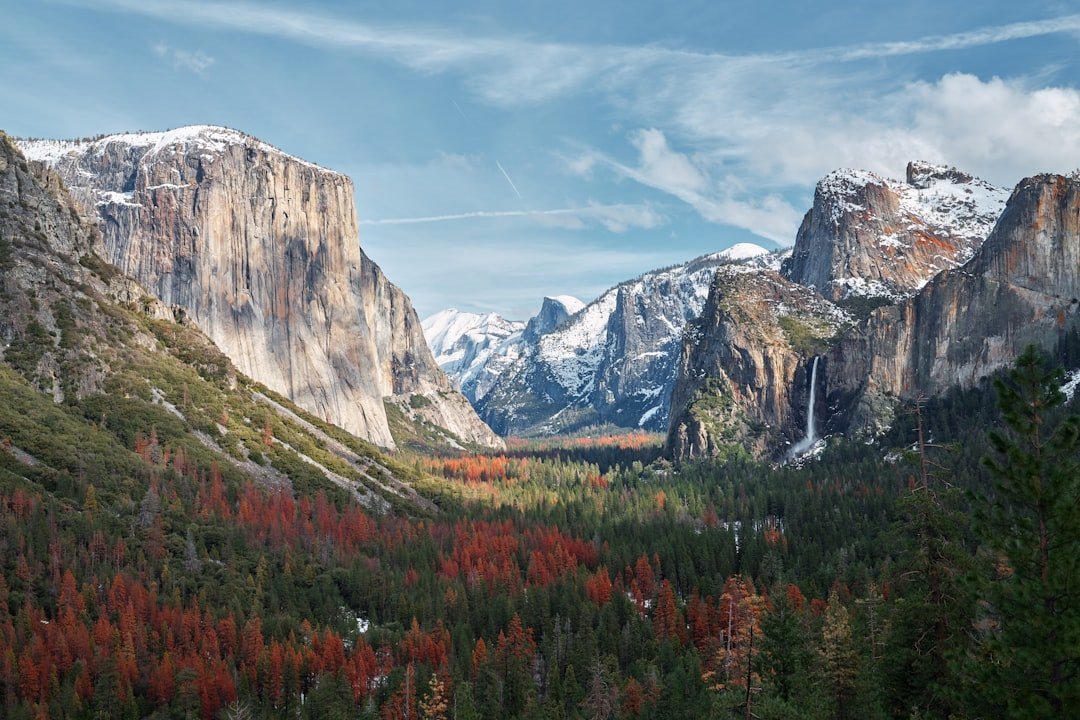
Yosemite is one of the undeniable wonders of the American West – Half Dome, El Capitan, waterfalls dropping hundreds of feet into a valley that looks like it was designed by someone showing off. It is also, in summer 2026, one of the most frustrating places to visit in the entire country. The park drew nearly 3 million visitors in summer 2025 alone, all funneling into the same narrow valley via the same two-lane roads. And this year, the advance reservation system that helped manage those crowds is gone.
Park management has warned visitors to expect up to a two-hour delay at the South Entrance on Highway 41 on summer weekends – two hours just to get through the gate, before you’ve seen a single waterfall. Trailhead parking fills before 8 a.m. Campgrounds book out months in advance. The granite walls and roaring falls haven’t changed at all. The experience of actually reaching them has changed almost beyond recognition.
#8 – Arches National Park, Utah
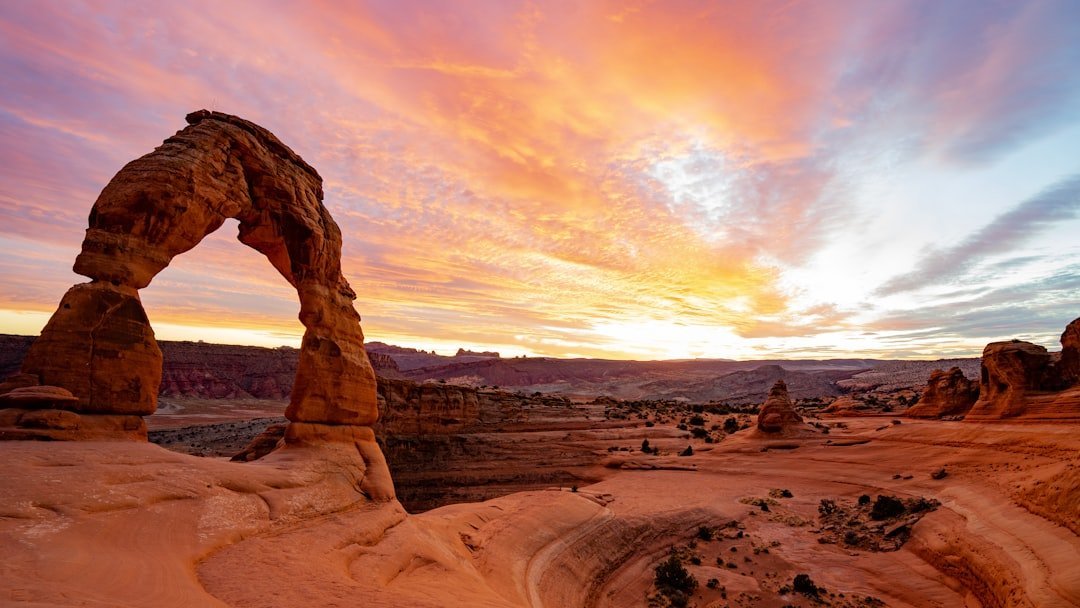
Arches holds the highest density of natural stone arches on Earth – over 2,000 documented spans in a single compact park in the Utah desert. It’s one of those places that genuinely looks better in person than in photographs, which is exactly why visitation jumped 74 percent between 2011 and 2021, hitting a record 1.8 million visitors. That trend never reversed. And , the timed-entry reservation system that kept some order in 2025 has been removed entirely.
The National Parks Conservation Association warned that without any constraints in place, visitors to Arches should expect traffic jams, packed parking lots, and trails lined shoulder-to-shoulder – and the iconic Delicate Arch trail already sees conditions that match that warning on busy summer days. The arch itself is still one of the most astonishing things you can stand in front of anywhere in the world. The solitude that used to come with it is gone, and for summer 2026, there’s nothing left to slow the flood.
“Interior Secretary Burgum’s misguided action will put park visitors back into traffic jams, limit access due to closed, overcrowded parking lots and trails and make the park experience worse.”
National Parks Conservation Association, February 2026
#7 – Rocky Mountain National Park, Colorado
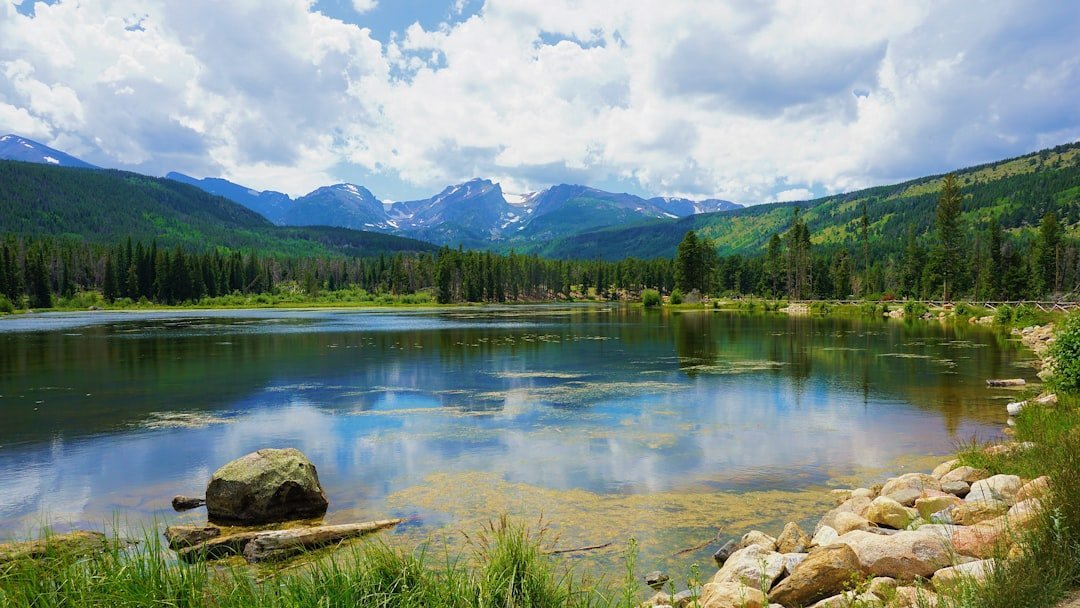
Rocky Mountain promises alpine lakes that glow turquoise in the afternoon light, elk wandering through open meadows, and the kind of high-altitude air that feels like a full reset. What it delivers in summer, increasingly, is a logistics exercise. Bear Lake, Emerald Lake, and the approach to Longs Peak are among the most trafficked trails in the entire national park system – and trailheads routinely fill before 7 a.m. on summer weekends, leaving latecomers circling shuttle lots with nowhere to go.
Afternoon thunderstorms, which roll in fast and hit hard at elevation, compress the hiking window even further – pushing thousands of people onto already-jammed morning trails. Nearby Estes Park has responded to the demand with lodging prices that reflect a resort town operating at maximum capacity. The thin mountain air still carries something genuinely special. But in July, experiencing it requires planning that starts to feel less like a vacation and more like a military operation.
#6 – Glacier National Park, Montana
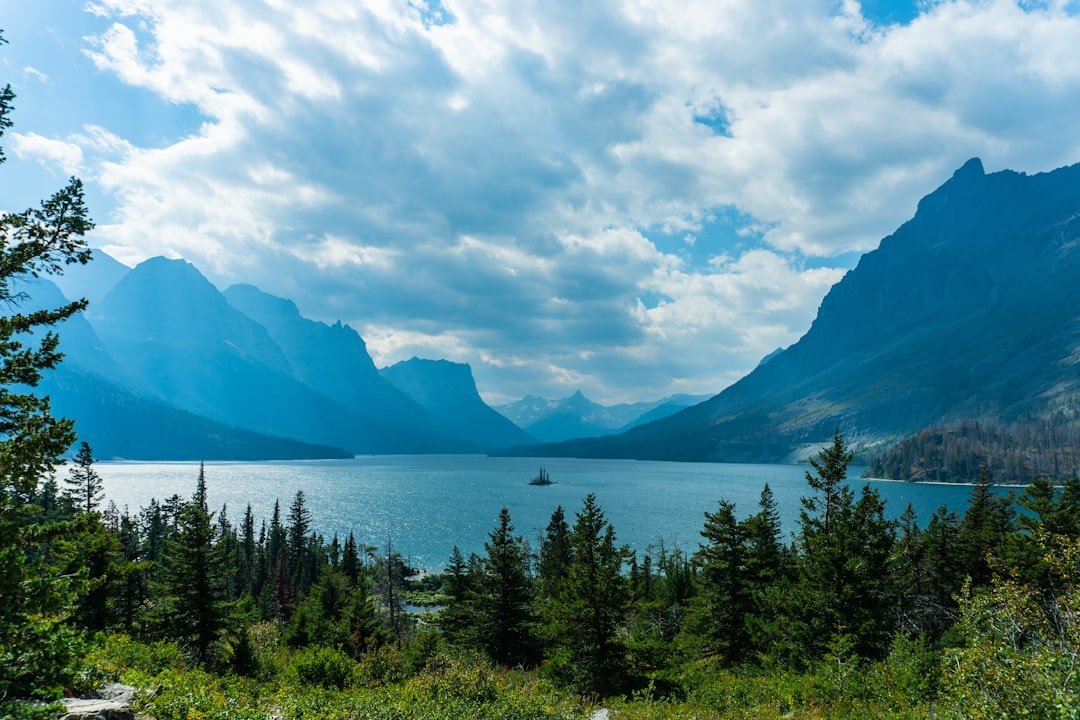
Glacier is the kind of park that makes people quietly wonder why they waited so long. The mountains along Going-to-the-Sun Road are jaw-dropping in a way that’s almost unfair, and the lakes glow an impossible blue-green that looks filtered even when it isn’t. Then the logistics hit. Lodges and chalets sell out months in advance. Rentals in nearby Whitefish and Kalispell command serious summer premiums. Wildfire smoke – an increasingly reliable summer presence in western Montana – can close roads and shrink visibility within hours.
The biggest red flag for 2026 is the removal of the vehicle reservation system for Going-to-the-Sun Road, which existed precisely because the park was getting crushed without it. Many Glacier Hotel – one of the most quietly romantic spots in the entire American West – books out so far ahead that finding a room now requires near-year-out planning. If you don’t have Glacier locked down already, the summer experience will feel less like a discovery and more like a battle you arrived late to.
At a Glance: The 2026 Reservation Rollback
- Yosemite: Vehicle entry reservations dropped – first-come, first-served
- Arches: Timed-entry system removed after being in place since 2022
- Glacier: Park-wide vehicle reservation eliminated; congestion diversions used as backup
- Rocky Mountain: One exception – still using timed entry from late May through mid-October
- Why it matters: The NPS has also lost roughly 25% of its permanent workforce since early 2025
#5 – Zion National Park, Utah
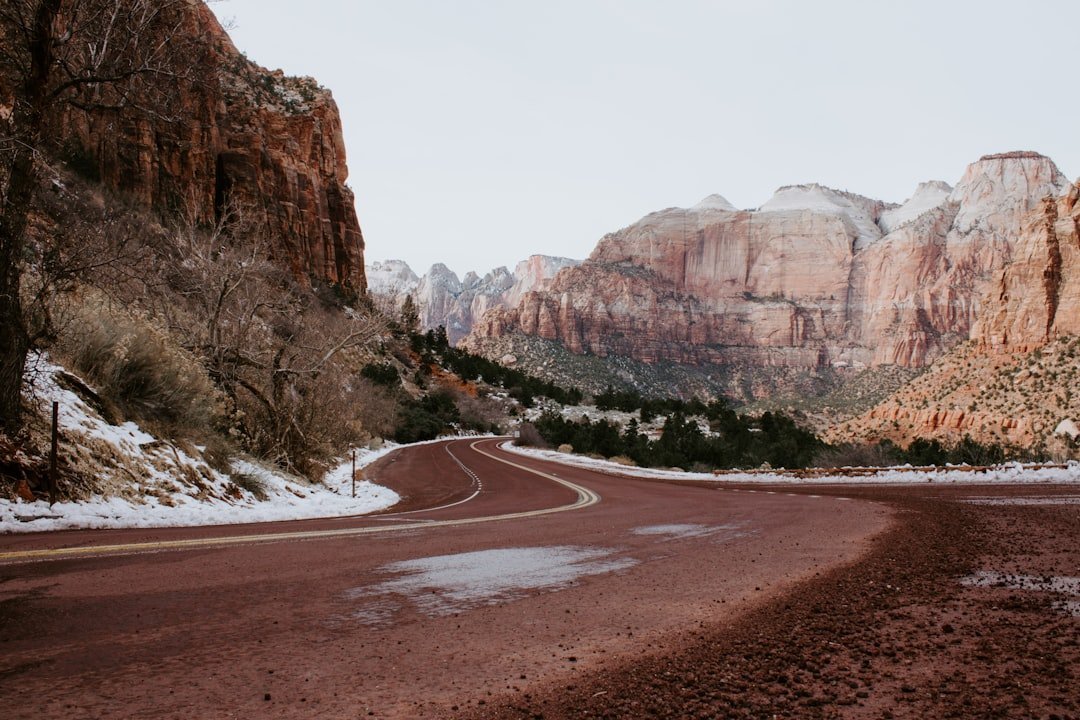
Zion might be the sharpest example in the country of a park that became a victim of its own perfection. The narrow canyon walls, the towering red cliffs, the slot canyons that glow amber at midday – visitation has jumped over 70 percent since 2010, and nearly 5 million people pushed through in 2024. The same narrow geography that makes Zion so visually stunning also means there is literally no room for that volume of people to spread out. Shuttle buses run packed to standing room. Finding a parking spot outside the shuttle system is a genuine ordeal.
The Angels Landing permit lottery is one of the most competitive in the entire national park system – and winning it doesn’t spare you from the congestion on the chains route itself, where the trail narrows to single-file in places while hundreds of people try to pass in both directions. The Narrows, Zion’s famous slot canyon walk, faces similar overcrowding and has raised real safety concerns during high-water summer months. Zion in October is a completely different park – calmer, cooler, and far closer to what first put it on everyone’s list.
#4 – Grand Canyon South Rim, Arizona
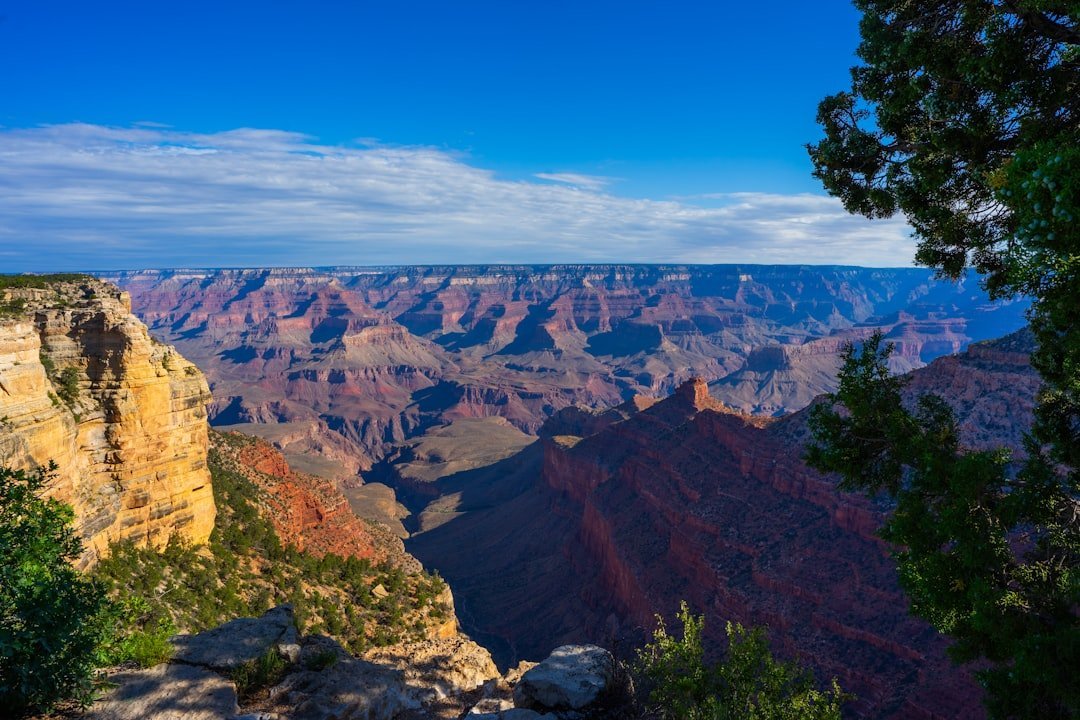
There is no view in America quite like the South Rim on a clear morning – the canyon drops away in layers of color that took five million years to write, and the first time you see it, it stops you cold. Summer, though, is when everything that surrounds that moment works hard to undermine it. The South Rim draws the overwhelming majority of Grand Canyon’s visitors during June, July, and August, and the park experience in peak season shrinks to something that resembles an outdoor theme park more than a wilderness escape.
Visitors during peak periods report no available parking, waits of 45 minutes or longer for shuttles, and standing-room-only conditions once aboard. Park rangers have confirmed that peak season is reliably overwhelming at the South Rim, with a significant portion of a summer visit spent waiting in line rather than looking at the canyon. The canyon itself is one of the greatest geological wonders on Earth. It deserves more than a visit where you spend most of your time staring at the back of a shuttle queue.
Worth Knowing: Before You Book the South Rim
- Phantom Ranch – the canyon’s only below-rim lodge – books out more than a year in advance through a lottery system
- Summer heat on inner canyon trails regularly exceeds 110°F; rangers issue heat advisories almost daily in July
- The North Rim is open mid-May through mid-October and sees a fraction of South Rim crowds – same canyon, completely different experience
- Early morning and late afternoon light are peak photo windows; midday sun bleaches the color out of the canyon walls
#3 – Acadia National Park, Maine
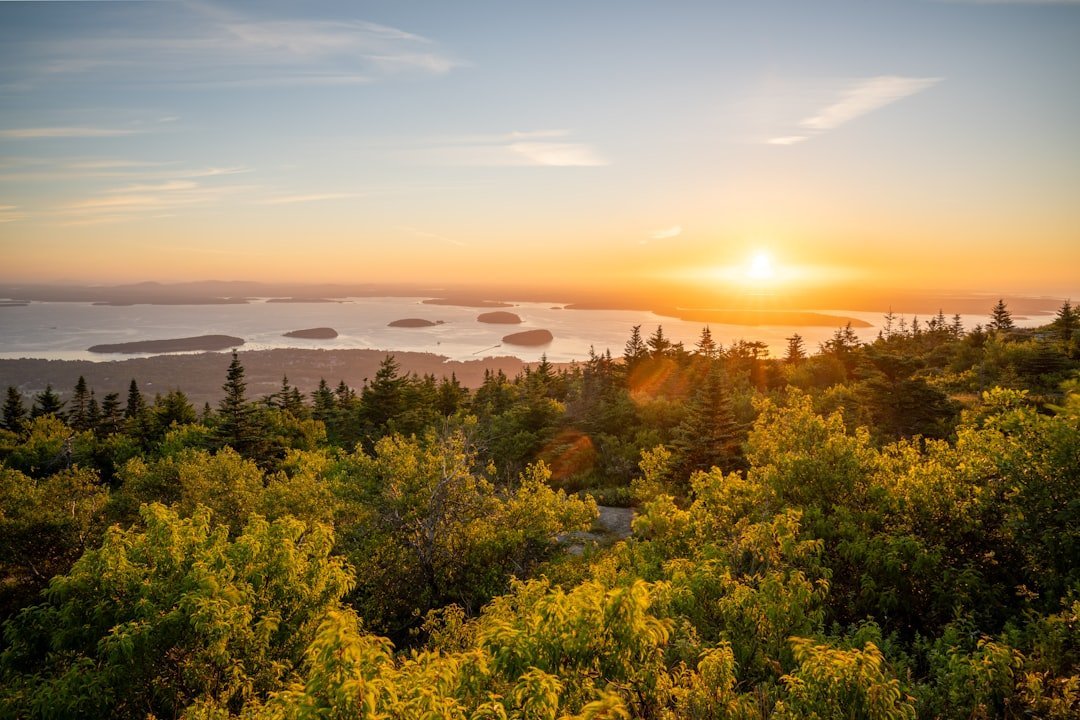
Acadia is the undisputed gem of the Northeast – dramatic rocky coastline, legendary carriage roads built by the Rockefellers, and a Cadillac Mountain sunrise that people fly across the country specifically to see. It is also, at roughly 49,000 acres, one of the smallest major national parks in the country, which means roughly 4 million annual visitors are crowding into a space that can’t expand to meet them. Cadillac Mountain draws about 75 percent of all park visitors to its summit at some point during their stay.
The results are measurable: trampled alpine soils, illegal parking on narrow summit roads, traffic gridlock so severe that emergency vehicles have been unable to access the mountaintop during peak visitation. Sunrise reservations for Cadillac sell out within minutes of release – sometimes within seconds. Bar Harbor’s hotel market is among the tightest in New England all summer long. Acadia rewards planning almost more than any other park on this list. Show up without a reservation in July and the famous sunrise you came for will be blocked by brake lights.
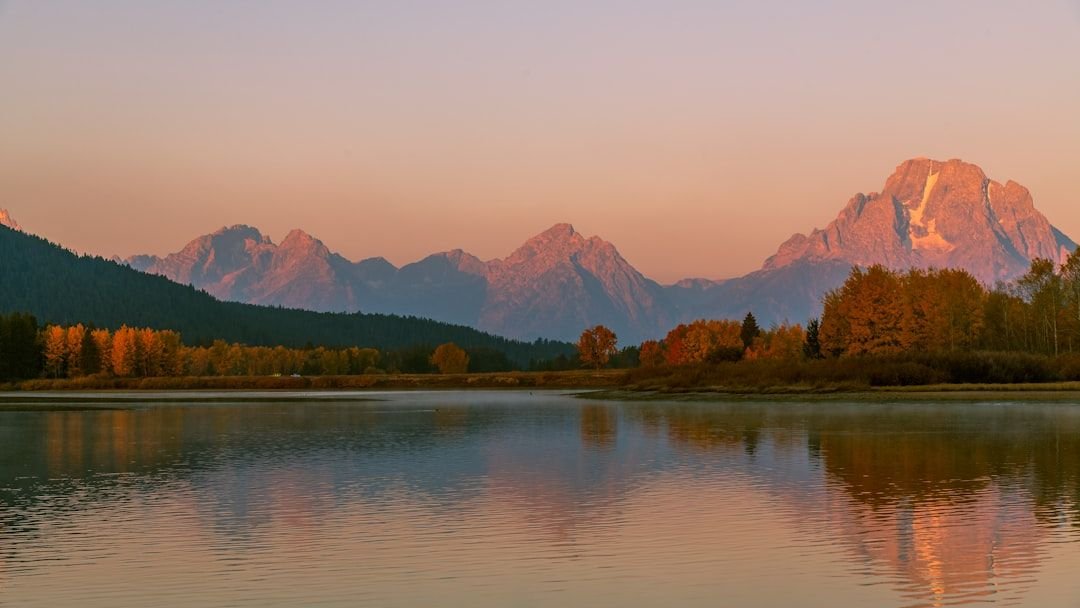
#2 – Grand Teton National Park, Wyoming
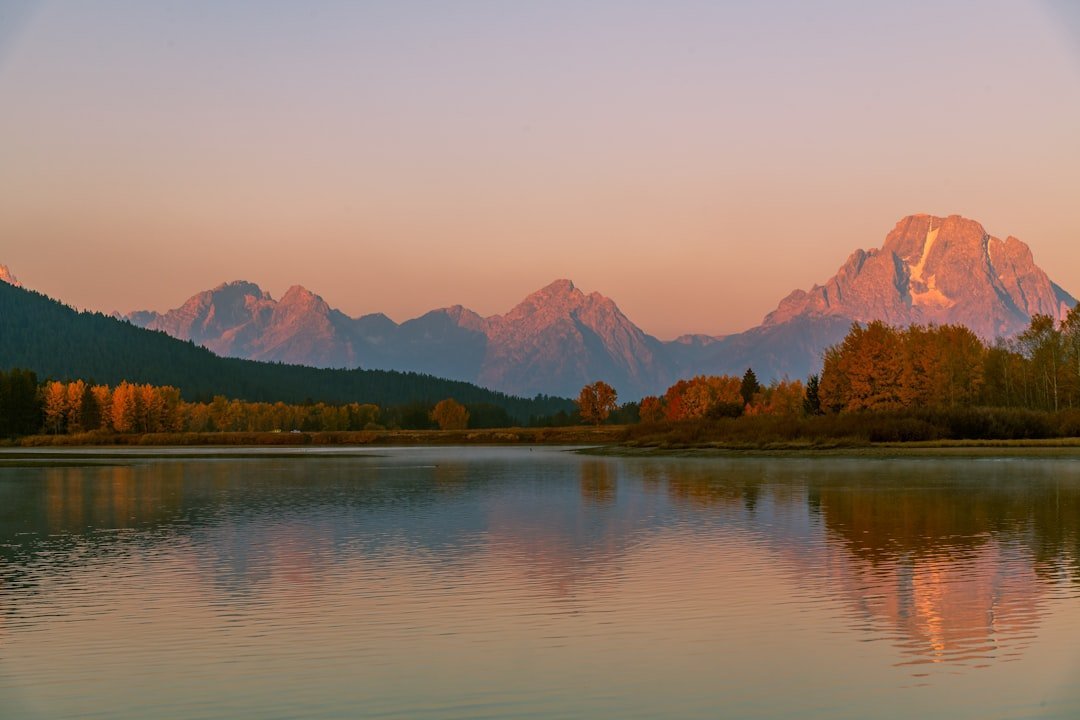
The Tetons are among the most photogenic mountains in North America – rising clean and impossibly sharp above Jackson Lake with almost no foothills to soften the silhouette. The problem is that 3.6 million people visited in 2024, many of them double-dipping on a Yellowstone road trip just to the north. By 9 a.m. on a summer morning, the most popular trailhead parking lots are already full and the park can feel less like wilderness and more like a very scenic outdoor queue.
Jenny Lake Trail – arguably the single best short hike in the entire park – becomes a shoulder-to-shoulder shuffle on summer weekends, and the park routinely closes its most popular trailhead lots by 8 a.m. in July. The mountains themselves haven’t changed at all. But the window to experience them with any sense of space or quiet has narrowed to something that requires either a 5 a.m. alarm or a serious reconsideration of the calendar. Early mornings still pay off here – if you’re willing to treat your vacation like a shift that starts before sunrise.
#1 – Yellowstone National Park, Wyoming/Montana/Idaho
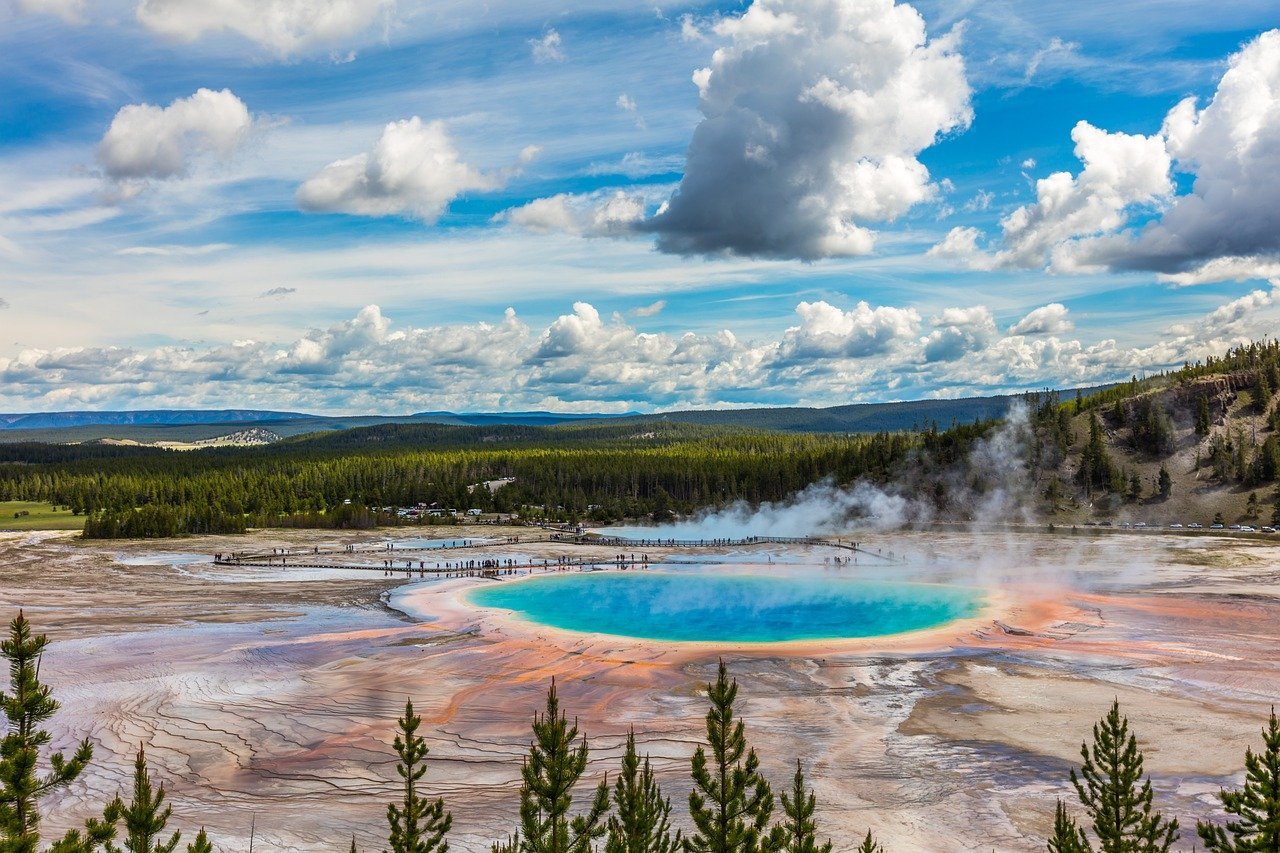
No park in America carries more weight in the national imagination than Yellowstone. Old Faithful, bison jams, the Grand Prismatic Spring glowing in colors that look like they belong on another planet – it’s the park that defined what a national park was supposed to be. And summer is exactly when that magic becomes hardest to actually find. Congested trails, crowded viewpoints, and bison jams that back up traffic for miles have become reliable features of the July experience, sitting alongside the geothermal wonders that drew everyone there in the first place.
What makes summer 2026 especially difficult is the combination of record-level crowds and a staffing crisis that has hit the park hard. The National Park Service has lost roughly 24–25 percent of its permanent workforce since early 2025, and the administration’s 2026 budget proposal calls for cutting $1.2 billion from national parks nationwide. Ranger stations may not be fully operational, visitor centers may run reduced hours, and trails that previously had crews maintaining them may go uncleared. Fewer rangers, record crowds, and no reservation system: that is Yellowstone’s summer 2026 equation. This is a park that genuinely rewards patience – just not in July. Visit in May or late September and it becomes an entirely different, far better experience.
Quick Compare: Summer vs. Shoulder Season
- July at Yellowstone: 30,000+ daily visitors, bison traffic jams, packed boardwalks, minimal ranger support
- May at Yellowstone: Wildflowers, active wildlife, thin crowds, cooler temperatures – and the same geysers
- Late September: Bull elk in rut, fall color beginning, crowds down sharply, lodges less expensive
- The tradeoff: Some roads and facilities close in May and October – check NPS operating dates before you go
None of these parks are ruined. They’re still among the most extraordinary places on American soil. But all of them, at peak summer, will test your patience in ways the brochure never warned you about – and this year, with crowd controls stripped from several of the most congested destinations, the stakes are higher than they’ve been in years. The smarter move is often the less obvious one: go in May, go in September, or go somewhere the algorithm hasn’t discovered yet. The parks that reward you most are rarely the ones everyone else is already standing in line for.