
Most people walk into a hotel lobby convinced they’re just another face in the crowd. But hotel staff are quietly reading every signal before you’ve even reached the desk – your posture, your shoes, the way you interact with the person who held the door. They’ve seen thousands of guests and built something close to a sixth sense for it. The assessment begins the moment you step through those doors, and it’s over faster than you’d expect.
What most guests never realize is that those first 90 seconds actively shape the service they receive – the room assignment, the upgrade they never knew was available, and the way staff treat them at midnight when something goes wrong. Here’s exactly what hotel employees say they’re clocking about you right away, starting with the things people overlook most.
#13 – Your Body Language the Moment You Walk In
Before a single word is spoken, your body is already talking. Staff can spot the anxious first-timer from across the lobby – shoulders tense, eyes darting, searching for a sign that says “check-in” in big friendly letters. They also recognize the seasoned business traveler who’s done this fifty times this year: keys already pocketed, phone in hand, scanning the desk without breaking stride. This isn’t judgment. It’s calibration – staff use those first few seconds to decide how much guidance you’ll need and how to open the conversation.
Eye contact matters more than most guests realize. Friendly eye contact reads as confident and easy to work with. Avoiding it entirely can signal stress or displeasure before anything has gone wrong. Experienced staff also notice guests who immediately scan for the concierge desk rather than the bar or the elevator – those guests, they’ll tell you, tend to be the most pleasant to serve. Your posture alone quietly sorts you into a category before you say hello.
Fast Facts
- Staff typically form a first impression within the first 30 seconds of a guest’s arrival – before check-in even begins.
- An open stance and slight forward lean from staff signals attentiveness – and they look for the same cues coming from you.
- Guests who avoid eye contact are often read as stressed or dissatisfied, even when nothing has gone wrong yet.
- Seasoned travelers broadcast experience through posture, pace, and where their eyes go first.
#12 – How You Treat the Very First Person You Encounter

The clock doesn’t start at the front desk. It starts the moment you pull up to the entrance. The valet, the bellhop, the person holding the lobby door – they’re all part of the same team, and they talk to each other constantly. Treat the valet like invisible furniture, and the front desk agent may already know your name before you reach them. That reputation travels faster than your luggage cart.
The guest who barely acknowledges the doorman is frequently the same one making unreasonable demands at 2 AM. The person who takes two seconds to smile and say thank you tends to be the easiest guest of the shift. Being cold to entry-level staff while turning on the charm for the front desk doesn’t fool anyone who’s been watching for years. Hotel staff communicate constantly, and word about how you treat people based on their role spreads quietly and quickly.
#11 – The Condition and Style of Your Luggage
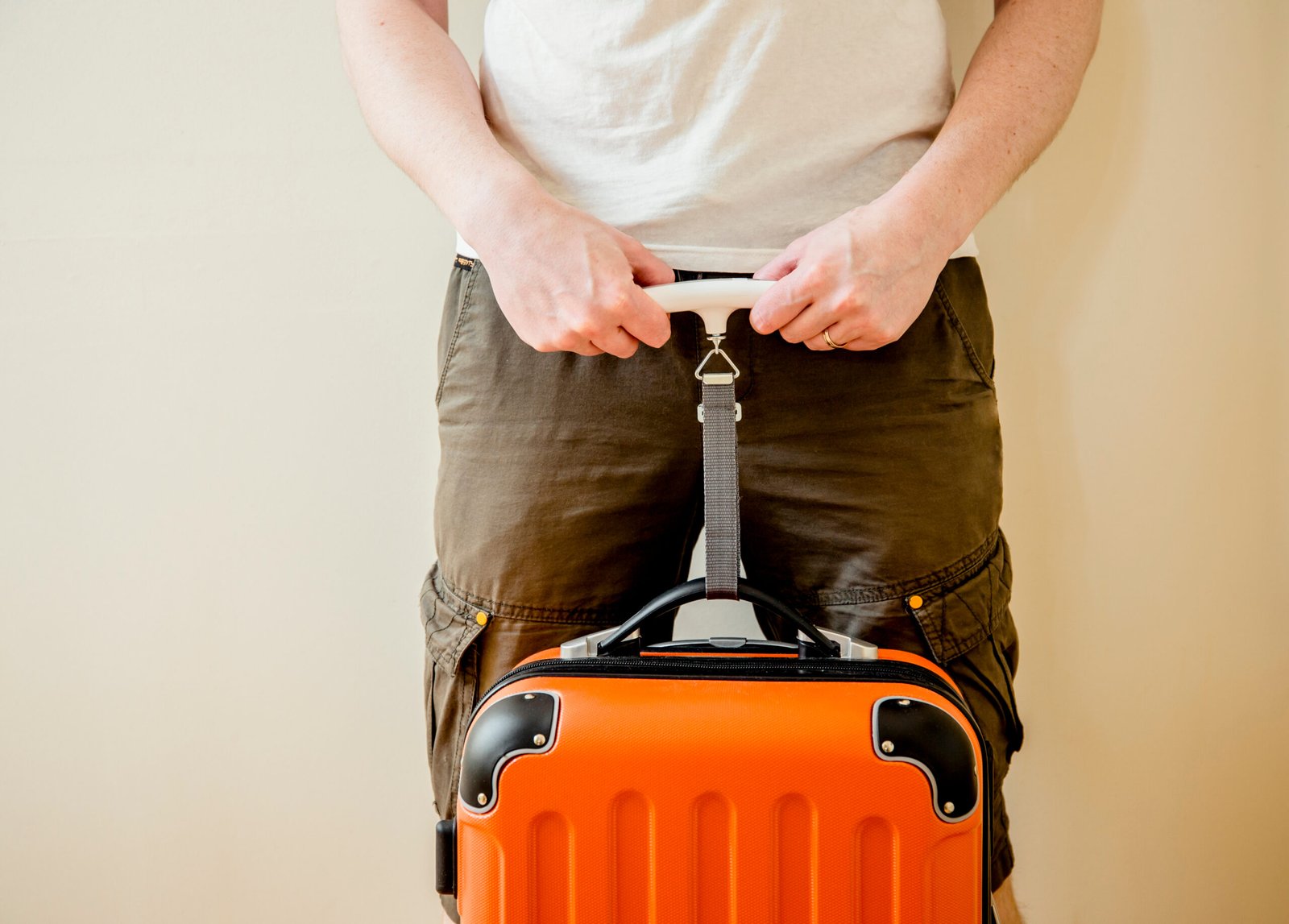
Your bags arrive before your personality does, and staff are already reading them. Matching hard-sided sets with TSA-approved locks whisper “frequent flyer” or “this is someone who plans ahead.” A single weathered duffel covered in international destination patches says something entirely different – and neither is a negative. Staff use these cues to anticipate what kind of questions you’re likely to ask and what you probably care most about during your stay.
The real tell isn’t the brand on the luggage tag – it’s how you handle your bags. Whether you’re flustered and fumbling, relaxed and efficient, or silently telegraphing that you need help without asking for it. A guest who can’t locate their own suitcase at the bell stand signals a certain kind of stay ahead. A guest who has it tagged, numbered, and handed off in ten seconds signals another. Bags don’t lie.
#10 – Whether You’re Organized or Scrambling at Check-In
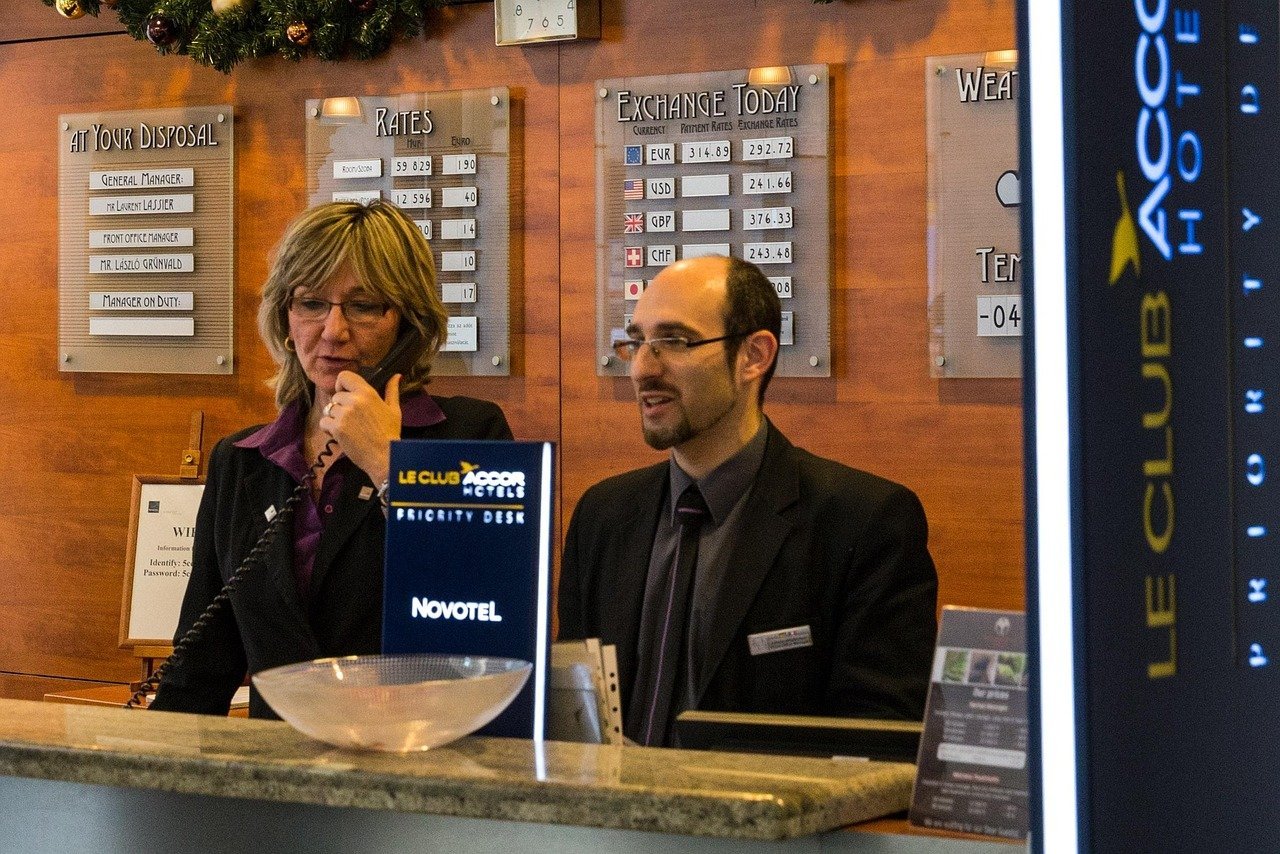
Some guests arrive with their confirmation number memorized, ID already out, loyalty number ready to recite. Others dig through three different apps while the line behind them grows. Hotel staff notice this split instantly – not to judge, but because your level of preparation tells them how much energy the interaction is going to require and how much patience you’re likely to have if something small goes sideways.
Guests who arrive prepared – confirmation pulled up, preferences already noted in their reservation – often move through check-in faster and with fewer friction points. That smoothness quietly signals experience, and experienced guests tend to generate fewer calls to the front desk at 11 PM. It’s not about impressing anyone. It’s that efficiency signals comfort with the process, and staff respond to comfort with comfort of their own.
At a Glance: What Prepared vs. Unprepared Looks Like
- Prepared: ID and credit card already out, confirmation number pulled up, loyalty number ready to recite
- Unprepared: Digging through three apps, surprised by the credit card hold, asking what the check-in time was
- What staff read from it: How smooth or friction-heavy the next 72 hours are likely to be
- The quiet advantage: Prepared guests tend to generate fewer late-night calls to the front desk
The Art of the Check-In: What Hotel Staff Really See
Your stay begins long before you reach the front desk. From the brand of your luggage to the way you treat the valet, hotel professionals are trained to read the subtle signals that define your guest profile.
Think you caught the key details? Take the quick quiz and see how sharp your instincts really are.
#9 – What Your First Questions Reveal About You
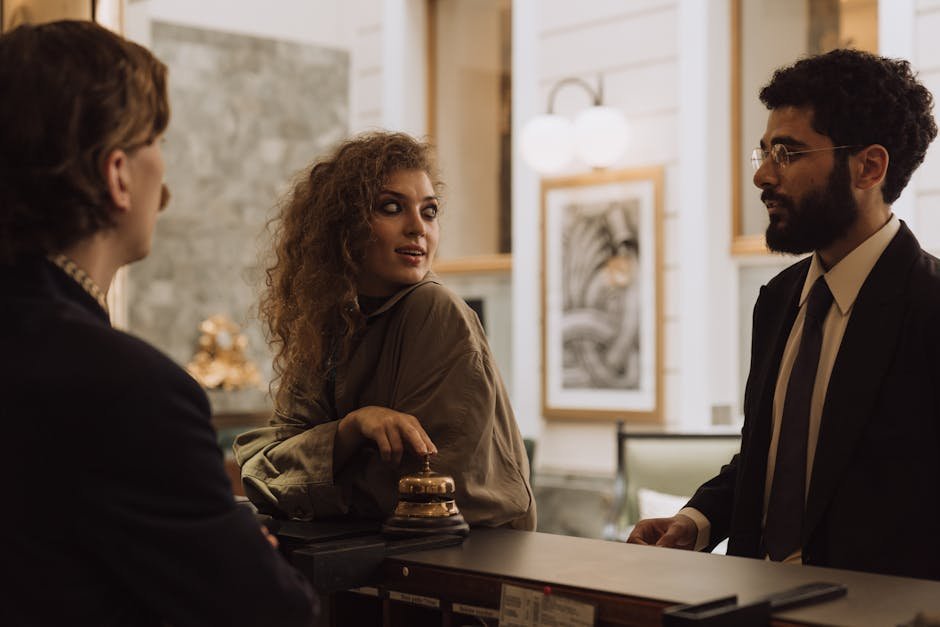
Staff hear thousands of opening questions and have learned to read them like a map. “Where’s the nearest grocery store?” lands differently than “What’s your best restaurant recommendation within walking distance?” Neither is wrong – but they signal different priorities, different budgets, and different expectations for the stay ahead. The question you lead with tells staff more about you than almost anything else in the first sixty seconds.
Guests who immediately ask about resort fees, parking charges, or what exactly the deposit covers are tracking every line item – and there’s nothing wrong with that. But staff use the order of your questions to predict what your stay is likely to look like. Guests who lead with experience-focused questions – spa hours, dinner reservations, the best local hiking – typically generate fewer billing disputes and fewer noise complaints. The first question is a quiet forecast of the next three days.
#8 – Your Arrival Time and What It Broadcasts
Sunday evening at 9 PM almost always means business trip. Friday afternoon with three kids and a minivan full of gear almost always means family vacation. Hotel staff don’t need your itinerary – your arrival time hands it to them. They use this read to anticipate what you’ll need: a fast, efficient check-in versus a leisurely tour of amenities; a room near the elevator versus one far from the weekend crowd.
Late-night arrivals after midnight carry their own signal. Night staff are leaner and more stretched, and they pay close attention to the energy guests bring through the door at that hour. Someone arriving exhausted and apologetic for the late hour gets a very different read than someone arriving loud and impatient. The time on the clock sets the stage – how you walk onto it is still entirely up to you.
#7 – Your Energy Level and Whether You’re Running on Empty

Genuine exhaustion is impossible to hide, and experienced staff aren’t trying to catch you in it – they’re trying to respond to it. The parent barely holding it together after a six-hour delay. The business traveler on their fourth city in five days. The adult child checking in their elderly parent and managing every detail alone. These states broadcast clearly, and the best staff respond to what they actually see rather than the performance you’re putting on.
A guest who’s visibly depleted often triggers faster, more practical service than one who’s maintaining a polished front. Staff might quietly offer a room on a higher, quieter floor. They’ll point you to the fastest room service options without a full menu rundown. Sometimes they just let you breathe without filling every pause with small talk. Honest exhaustion tends to bring out the most efficient, empathetic version of hospitality – because the pros know a tired guest needs solutions, not ceremony.
“If a guest seems rushed, keep the conversation brief and to the point. If they seem interested in a detailed explanation, offer it.”
Hospitality Institute, Guest Communication Training
#6 – The Relationship Dynamic Between You and Your Travel Companion
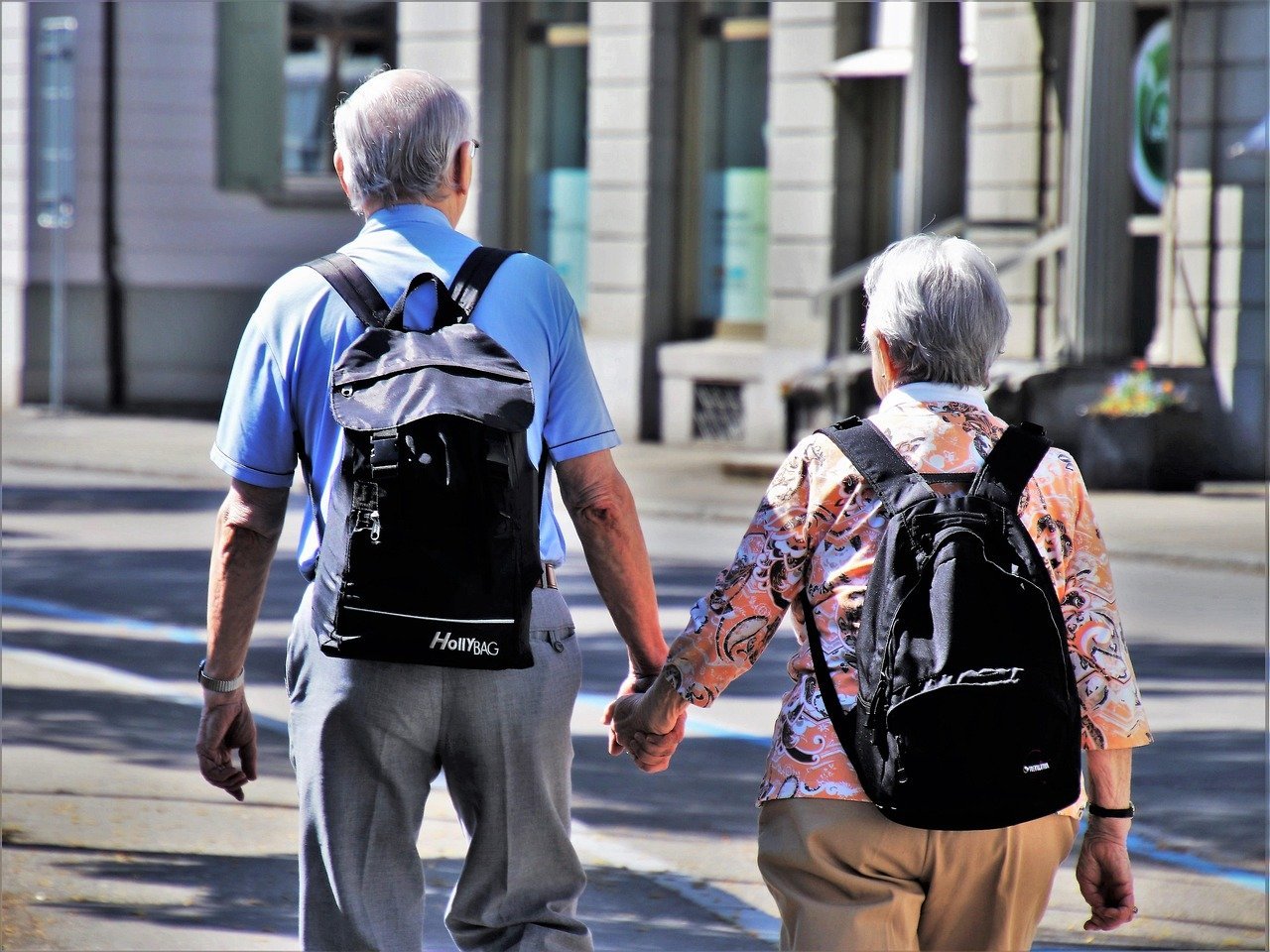
Hotel staff can read a couple’s dynamic faster than most couples can admit it themselves. The way two people stand at the front desk – how close, how separate, who takes the lead, who retreats into their phone – tells a story that directly affects room assignment and how staff handle the entire interaction. One experienced concierge put it plainly: she knows within ten seconds whether a couple is celebrating or barely surviving the trip.
Happy couples touch casually at the desk – a hand on a lower back, fingers loosely intertwined while waiting. Couples under strain create physical space without realizing it: luggage between them, one person handling everything while the other looks anywhere else. Family groups have their own tell – staff quickly identify the real decision-maker, which is not always the person doing the talking. The spouse who silently vetoes a room assignment with a single look is a person of considerable power, and staff learn to read that look fast.
#5 – Whether You Booked Direct or Through a Third-Party Site
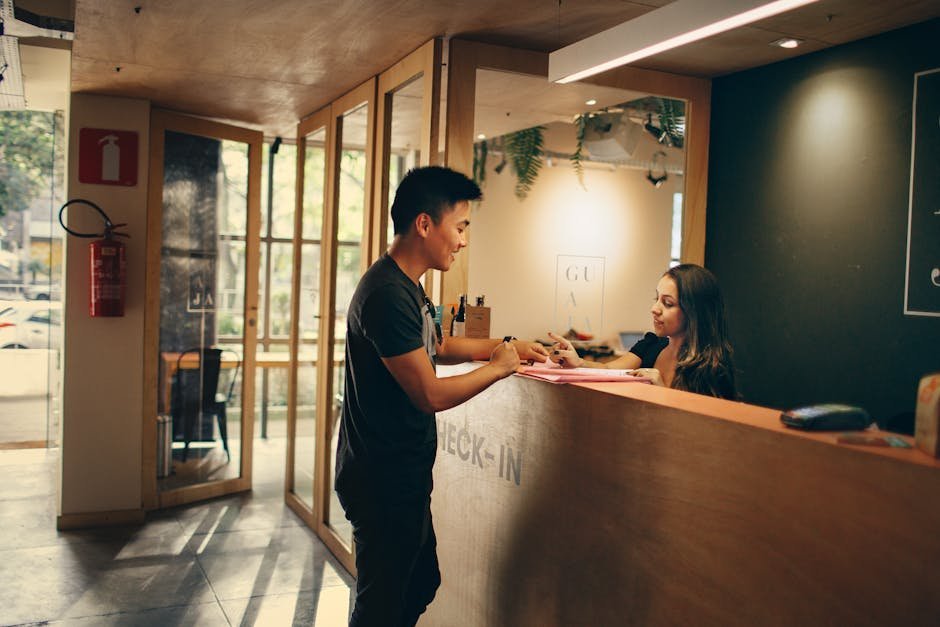
This one catches most travelers completely off guard. Before you finish saying your last name, the front desk agent’s screen already shows where you booked, what rate you paid, and what channel brought you in. That information was loaded before you arrived. It’s not a moral judgment – it’s a data point that shapes what happens next, sometimes more than guests expect.
Direct bookers tend to have a quiet edge. Hotels prioritize their own loyalty members at check-in – book through Expedia and you’re a guest; book direct as a top-tier member and you’re eligible for upgrades, guaranteed room availability windows, and confirmed suite upgrades at some brands. Third-party reservations often come with restrictions that tie the hotel’s hands on upgrades and flexibility. Staff aren’t punishing you – they’re working within a system that was already designed before you showed up.
Quick Compare: Direct Booking vs. Third-Party
- Upgrades: Direct and loyalty bookers get first priority; OTA guests are typically last in the upgrade queue
- Points: Major chains including Marriott Bonvoy, Hilton Honors, and Hyatt either don’t award points or award them at a sharply reduced rate for OTA bookings
- Problem resolution: Hotels prioritize service recovery for guests who gave them 100% of the revenue
- OTA commission cost: Hotels typically pay 15% to 30% per OTA booking – money that could otherwise fund guest perks
- Flexibility: Third-party reservations often carry stricter change and cancellation policies
#4 – How You React When Something Goes Wrong
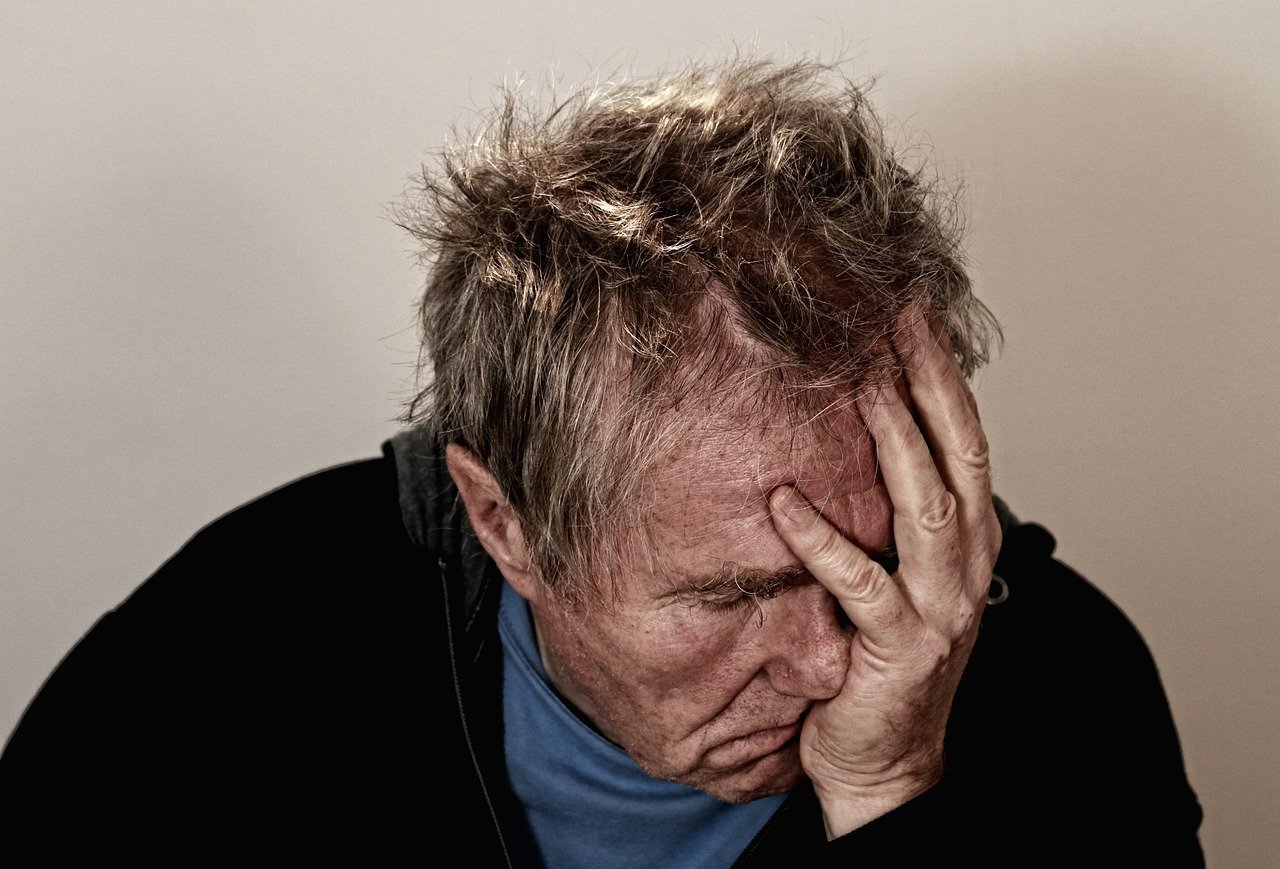
No detail predicts the rest of a stay more reliably than how a guest handles the first problem. Room not ready at check-in. A booking discrepancy. A key that won’t work. These moments happen constantly, and staff are watching closely – not to catch you losing your temper, but because your reaction tells them exactly how much latitude they have to fix things and how hard they need to work to get ahead of the next issue.
Guests who stay calm and give staff room to solve problems almost always get faster resolutions and more creative remedies. Guests who escalate immediately tend to get escalation in return – managers are called, notes are made, and the room number gets flagged for the rest of the shift. That flag doesn’t disappear when the immediate problem is solved. It follows the reservation. How you handle the first five minutes of friction quietly sets the terms for everything that comes after it.
#3 – Whether You Acknowledge Staff as Actual People
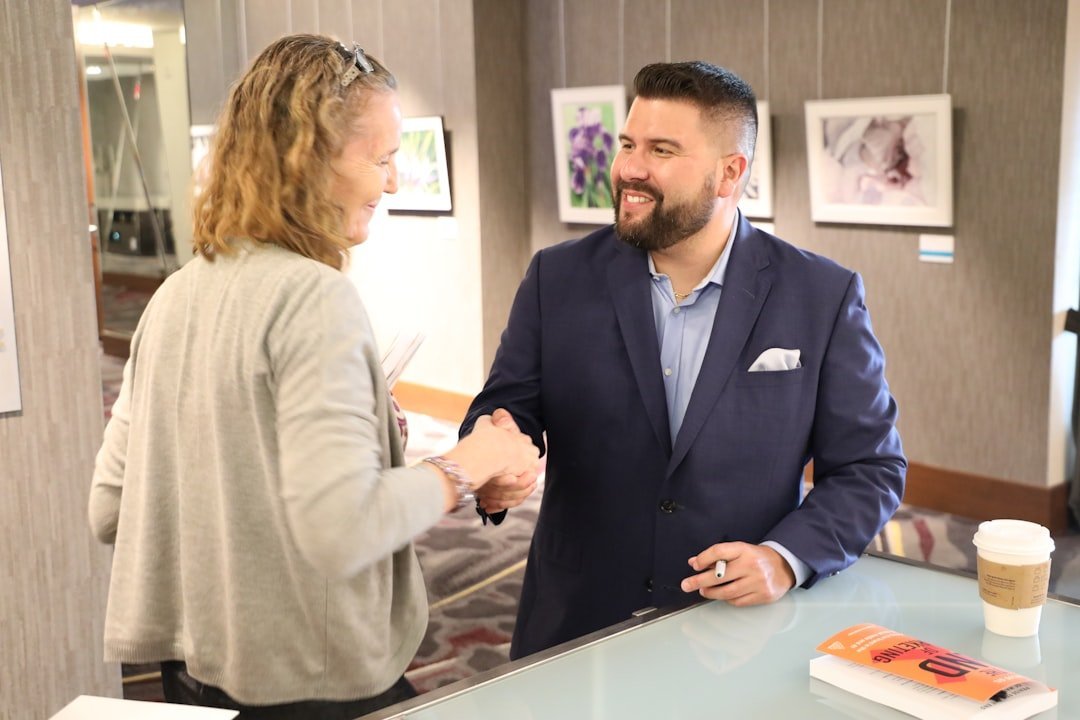
Some guests look through hotel employees like they’re part of the furniture – functional, present, but not worth addressing directly. Others make eye contact, catch a name off a badge, and use it. That split-second difference is the one that matters most to the people behind the desk, and it shapes how every subsequent interaction in the stay unfolds. Staff remember the guests who see them. They also remember the ones who don’t.
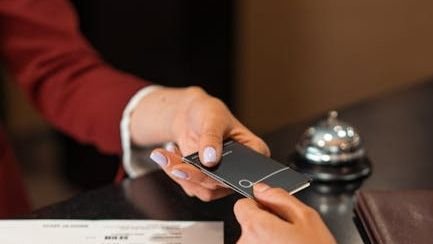
A genuine smile and a real greeting don’t cost anything, but their return value is quietly enormous. Staff are trained to make your stay comfortable, and they lean into that training considerably harder for guests who treat hospitality work as real work. Even something as small as saying “thank you” when a key card is handed over – not as a reflex, but as an actual acknowledgment – registers. It doesn’t guarantee an upgrade, but it reliably shifts the entire temperature of the service relationship.
Worth Knowing
- Staff who feel genuinely seen by a guest are more likely to go off-script with extras – local tips, quiet upgrades, flexible checkout
- Guests who use a staff member’s name (visible on the badge) are remembered across the entire shift
- “Thank you” said as a reflex lands differently than one said with actual eye contact – staff notice the difference every time
- The warmth you extend to housekeeping and bell staff circles back to you through the front desk faster than you’d expect
#2 – Your Loyalty Status and What Your History Says About You
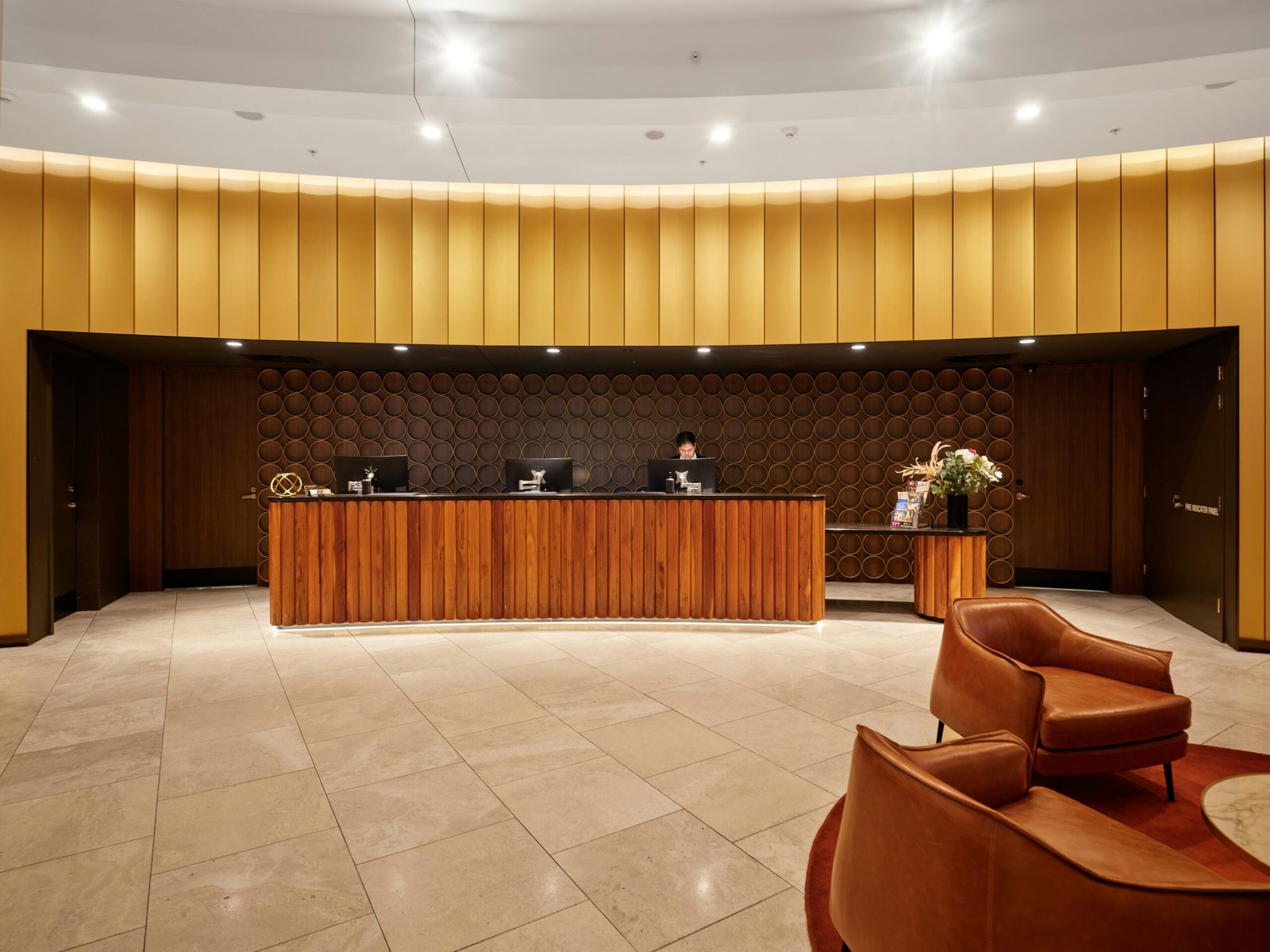
The moment your name enters the system, your entire file opens on screen. Repeat guest who always requests a high floor and a foam pillow? That’s in there. Complained about noise during a stay two years ago? Also in there. Properly managed hotel systems let staff see patterns across visits – sometimes across the entire brand’s properties – before you’ve finished spelling your name. The room being assigned to you may already reflect that history before you’ve said a word about your preferences.
Some hotel groups track a remarkably detailed picture: room preferences, dining habits, spa visits, survey responses, even specific interactions with staff that were memorable enough to note. Some guests find that level of detail unsettling. Others find it feels like being genuinely known. Either way, the reality is the same – your reputation at a hotel you’ve visited before quite literally precedes you through the door. If that history is good, it’s one of the most underrated advantages in travel.
The Art of the Check-In: What Hotel Staff Really See
Your stay begins long before you reach the front desk. From the brand of your luggage to the way you treat the valet, hotel professionals are trained to read the subtle signals that define your guest profile.
Think you caught the key details? Take the quick quiz and see how sharp your instincts really are.
#1 – Whether You Tip Early and Treat the Whole Staff Well
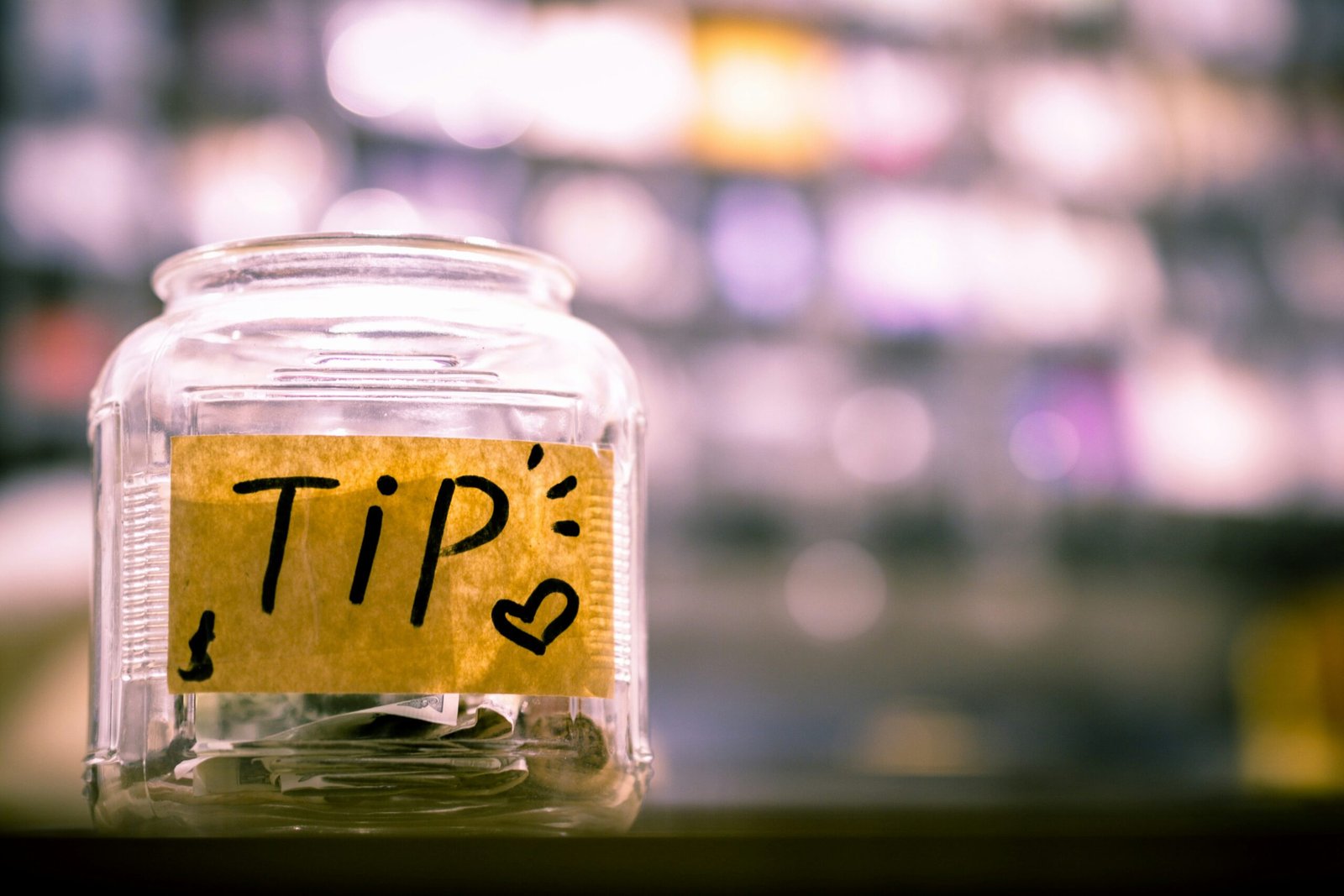
Industry insiders are consistent on this point: nothing predicts the shape of a guest’s stay more reliably than whether they tip early and extend basic courtesy across the board. A gratuity handed to the bellhop at the door isn’t just generosity – it’s a signal that gets read and remembered. It says you understand how the hospitality ecosystem actually works, that you see the labor involved, and that you’re the kind of guest who’s easy and rewarding to serve.
The guests who tip early, use names, make real eye contact, and treat every staff member with the same respect they’d show a manager almost always end up with the best stories from their stay. Quieter upgrades. Late checkouts that somehow materialize. Local tips that never make it into any guidebook. That’s not coincidence – it’s the system working exactly as it was designed to, rewarding guests who treat hospitality as a human exchange rather than a transaction. The front desk has seen thousands of guests. The ones who stand out for the right reasons almost always knew it started before they reached the counter.
Why It Stands Out: The Early Tipper’s Advantage
- Guests who tip the bellhop at arrival are flagged – consciously or not – as guests who understand how hospitality actually works
- Consistent kindness toward every staff tier (not just the front desk) is one of the strongest predictors of a smooth, rewarding stay
- Guests who can laugh about a travel delay or a policy they didn’t expect are read as flexible – and flexible guests tend to attract flexible service in return
- The biggest beneficiaries of late checkout, quiet upgrades, and off-menu local recommendations are almost never the loudest guests in the lobby
The hotel lobby was never a neutral space. Every signal you send – your luggage, your questions, your patience, your eye contact, the way you treat the person who held the door – is being quietly read by people who have seen thousands of guests and know exactly what each signal tends to mean. None of this requires performing a different version of yourself. A little awareness and a little warmth go further than any loyalty tier ever will. The guests who understand that tend to have noticeably better stays – and the staff remember them long after checkout.