
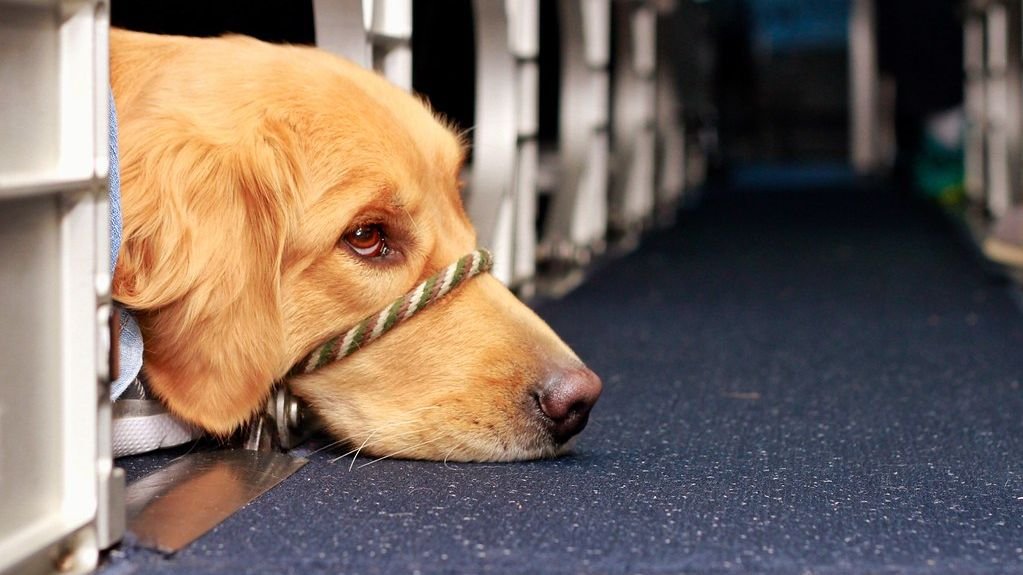
Most dog owners who fly with their pups for the first time walk into the airport completely unprepared – and pay for it at the check-in counter. Missed paperwork, rejected carriers, wrong terminals, surprise fees, and one very stressed dog later, they swear they’ll never do it again. The truth is, flying with a dog can actually go smoothly – but only if you know the rules that airlines and airports don’t exactly advertise upfront.
There’s a whole layer of insider knowledge that separates passengers who glide through with their dogs from those frantically calling their vet from the departures hall. From hidden pet relief rooms past security to the sedation mistake that could put your dog in real danger at altitude – these 13 secrets are what experienced pet travelers actually know. Some of them will genuinely surprise you.
#13 – You Can’t Use a Kiosk or Mobile Check-In When Traveling With a Dog
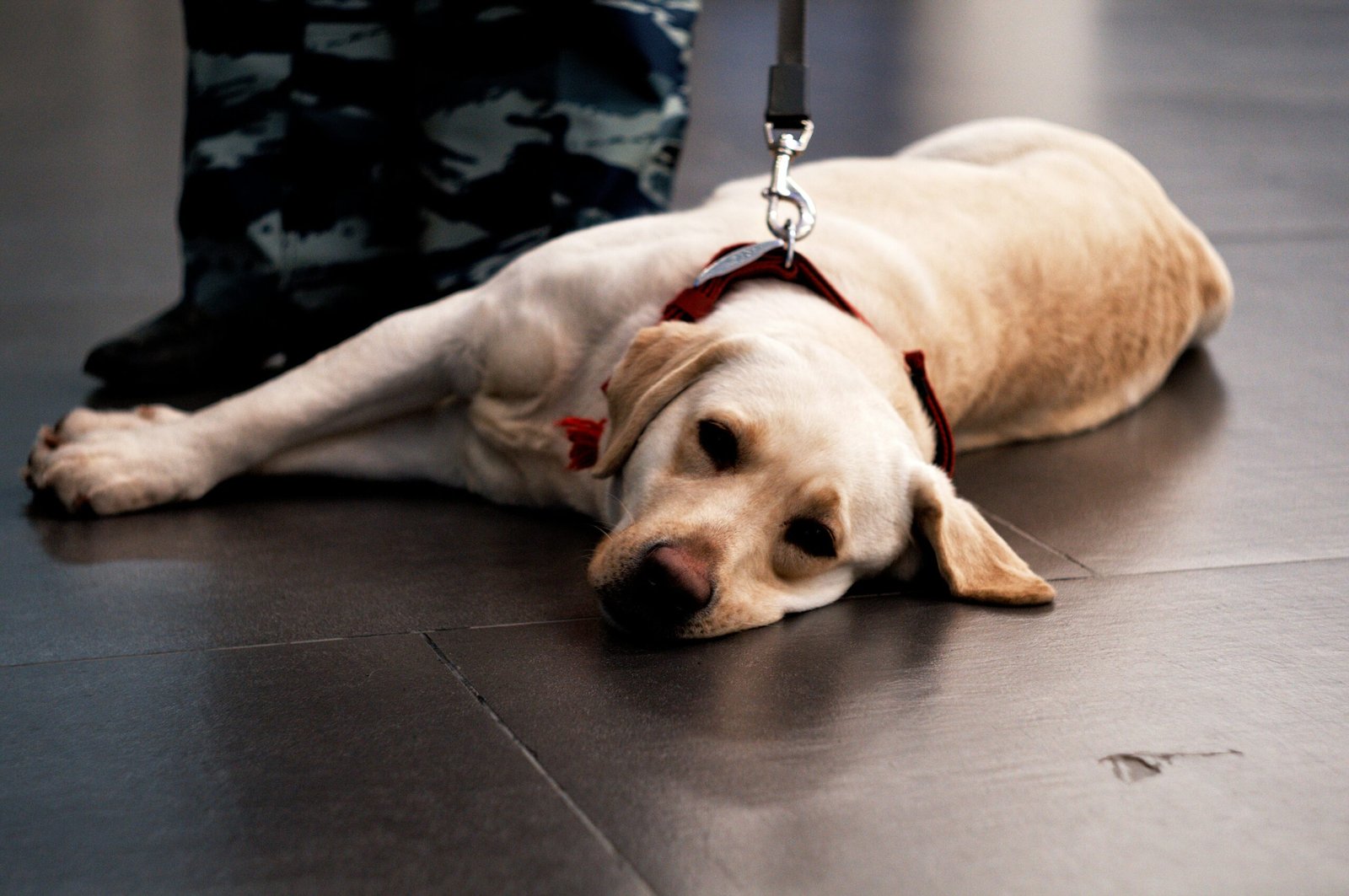
This one catches first-timers off guard every single time. When traveling with a pet, you need to arrive at least two hours early for domestic flights and three hours for international – and you’ll need to check in at the full counter, because kiosks and mobile boarding passes simply won’t work. On a busy travel day, that means standing in the main line, not the fast lane.
At the counter, you’ll present your documentation, pay any pet fees if not prepaid, and receive special pet tags for your carrier. That’s a lot of steps that add real time to your morning. Give your dog a potty break before and after the counter visit, and build in buffer for any carrier or paperwork issues. That extra time isn’t padding – it’s insurance.
Fast Facts
- In-cabin pet fees currently range from $95 to $150 one-way on most major U.S. carriers
- American Airlines charges $125 one-way for in-cabin pets on domestic routes
- United Airlines charges $125 domestic / $250 international for in-cabin pets
- Delta’s domestic in-cabin fee is $150 each way for tickets issued on or after April 8, 2025
- All fees are collected at the counter and are non-refundable – no kiosk, no app
#12 – Your Carrier Dimensions Matter More Than You Think
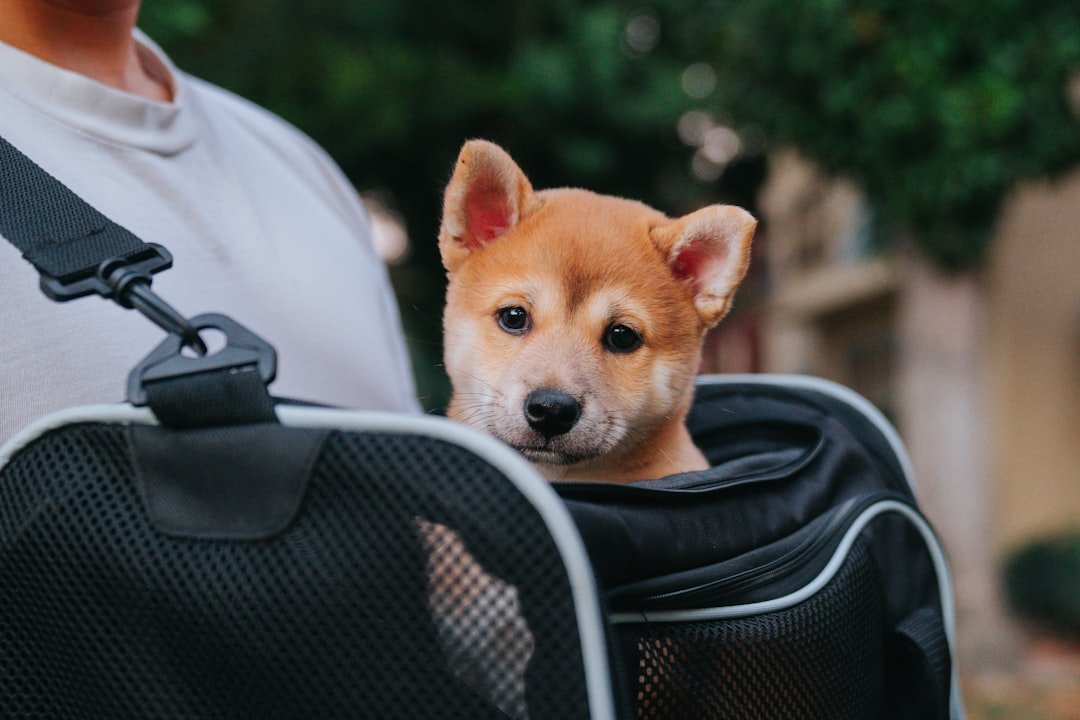
Airlines don’t just want a “small” carrier – they want exact dimensions, and they will check. American Airlines requires cabin carriers to be no larger than 19″ x 13″ x 9″. Delta recommends soft carriers that measure 18″ x 11″ x 11″, and the carrier must slide fully under the seat in front of you. One airline’s approved carrier isn’t automatically the next airline’s approved carrier.
It gets more complicated: under-seat space varies by aircraft type. A regional jet has less room than a wide-body, so a carrier that clears every size check on paper might still not fit on your specific plane. Carriers marketed as “airline approved” don’t account for that. Always look up the exact aircraft scheduled for your route before you buy anything – the airline’s website will usually show it.
#11 – There Are Post-Security Pet Relief Areas, But Most Travelers Never Find Them
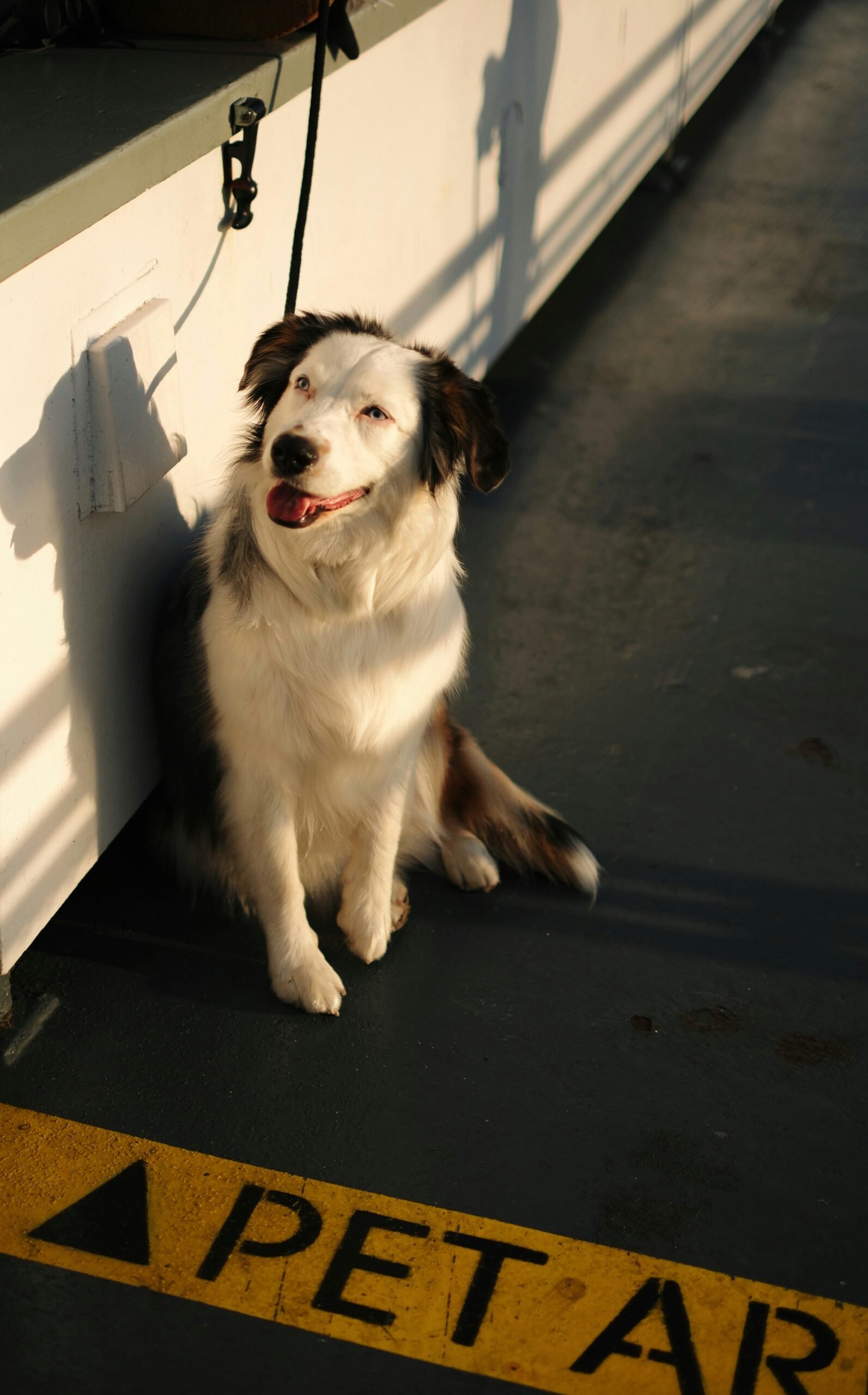
Most dog owners instinctively head back outside security when their pup needs a bathroom break – costing themselves 30 minutes to over an hour back in the TSA line. What they don’t realize is that many major U.S. airports have pet relief areas right inside the secure zone. Since August 2016, federal regulation has required airports serving more than 10,000 passengers annually to establish at least one service animal relief area inside each terminal – and pet owners benefit from these too.
Some of these indoor areas are just a small patch of fake grass tucked in a terminal corner. Others are proper pet parks with real grass, faux fire hydrants, and room to move. Chicago O’Hare has a full Pet Relief Room past security in the Terminal 3 Rotunda, complete with artificial grass, miniature fire hydrants, and pop-up sprinklers. Atlanta’s Hartsfield-Jackson has post-security indoor pet relief areas in every concourse. The trick is knowing where they are before you land at a connecting airport in a panic. Pull up the airport’s website before you travel – most publish maps, and finding it in advance takes about two minutes.
At a Glance: Post-Security Pet Relief at Major U.S. Airports
- LAX: 8 post-security relief areas across terminals, with indoor rooms featuring artificial grass and fake fire hydrants
- Chicago O’Hare: Pet Relief Room in Terminal 3 Rotunda – artificial turf, mini fire hydrants, built-in drain sprinklers
- JFK: Multiple post-security locations including a 70 sq ft pet bathroom in Terminal 4 with artificial grass and a replica hydrant
- Atlanta (ATL): Indoor relief areas in every concourse, plus a 1,000 sq ft fenced outdoor dog park pre-security
- Dallas/Fort Worth: Relief areas in all 5 terminals, including 3 indoor post-security locations
- Denver (DEN): Post-security outdoor patio pet relief areas in concourses A, B, and C
The Canine Traveler's Airport Guide
Navigating an airport with a dog requires more than just a leash and a carrier. Test your knowledge of the hidden rules and expert strategies that ensure a smooth journey for you and your pup.
Think you caught the key details? Take the quick quiz and see how sharp your instincts really are.
#10 – The TSA Security Process Has One Rule That Shocks Almost Everyone
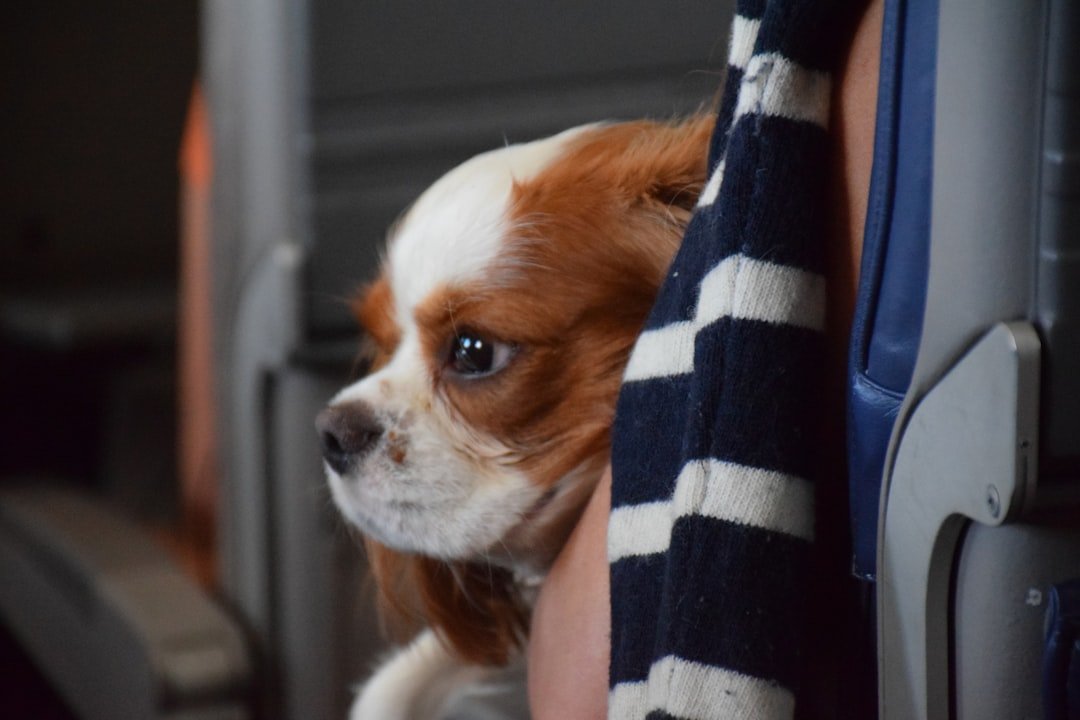
Most people assume their dog stays in the carrier through security the same way a laptop stays in a bag. That’s wrong. At the checkpoint, you must remove your dog from the carrier, send the empty carrier through the X-ray machine, and carry your dog through the metal detector yourself. That means holding your dog securely with both hands in a loud, crowded, high-stress environment – no leash attached, no carrier to fall back on.
There’s another wrinkle: working TSA K9 teams are common at security checkpoints and terminal concourses. If you encounter a working dog near your checkpoint, you’ll be directed to an alternate screening lane – which adds time and stress for both you and your pet. Practice holding your dog calmly in busy environments before travel day. It sounds obvious. It’s genuinely harder than it sounds when the moment arrives.
#9 – Most Airlines Cap the Number of Pets Per Flight, and Spots Fill Up Fast
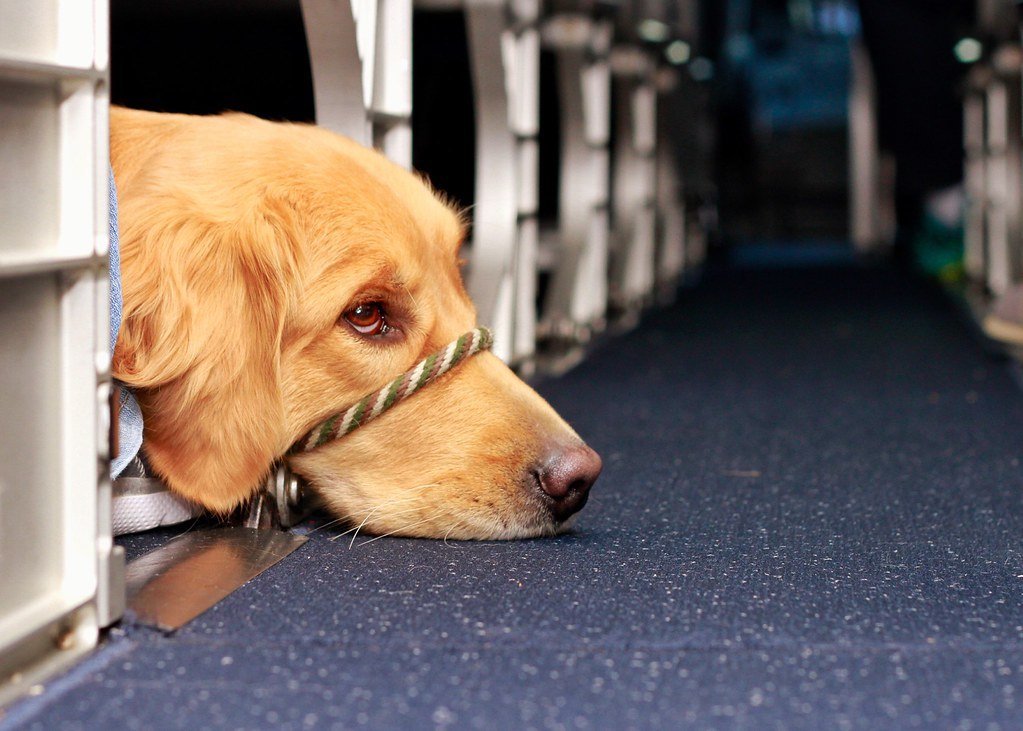
Booking your own ticket doesn’t automatically reserve a spot for your dog. Most airlines limit the number of pets allowed on each flight – in the cabin and in cargo – and on popular routes during peak travel weeks, those spots disappear quickly. Waiting until a few days before your flight to add a pet is a gamble that regularly doesn’t pay off.
Some airlines require you to call reservations directly rather than adding a pet online. Alaska Airlines, for example, has you book your own flight first and then call to add your pet separately. The window for booking can run anywhere from 24 hours to 30 days in advance depending on the carrier. Treat your dog’s spot like a seat – book it the moment you book yours, not as an afterthought the week before you leave.
Quick Compare: How Major Airlines Handle Pet Reservations
- Delta: Call Delta Reservations to add pet; have carrier dimensions ready; first-come, first-served cabin limit per flight
- American Airlines: Add pet online or at booking; cabin pet limit enforced per flight
- United: Book online or by phone; pets not allowed in cabin on international routes
- Alaska Airlines: Book your ticket first, then call to add your pet separately
- Southwest: Pets added by phone only; no cargo option; strict cabin limits apply
#8 – Your Health Certificate Has a Strict 10-Day Expiration Window
A health certificate from your vet isn’t a document you file away and reuse. Most airlines require a certificate issued within 10 days of travel from a licensed veterinarian confirming your pet is fit to fly. Book the appointment too early and it expires before your flight. Book it too late and you’re scrambling. The 10-day window is one of the most commonly missed details in dog travel planning – and missing it means you don’t board.
For domestic travel, you’ll typically need a current rabies vaccination certificate, the health certificate, and proof your dog is at least 8 weeks old. Cargo travel usually adds an acclimation certificate. For international flights, the paperwork goes even further: an international health certificate endorsed by the USDA, country-specific vaccination records, and in most cases an ISO-compliant microchip. Since August 2024, the CDC also requires all dogs entering the U.S. to be microchipped, at least 6 months old, and accompanied by a completed CDC Dog Import Form submission receipt. Start the international paperwork weeks out – not days. Some country approvals take longer than you’d expect.
#7 – Emotional Support Animals No Longer Get the Privileges They Once Did
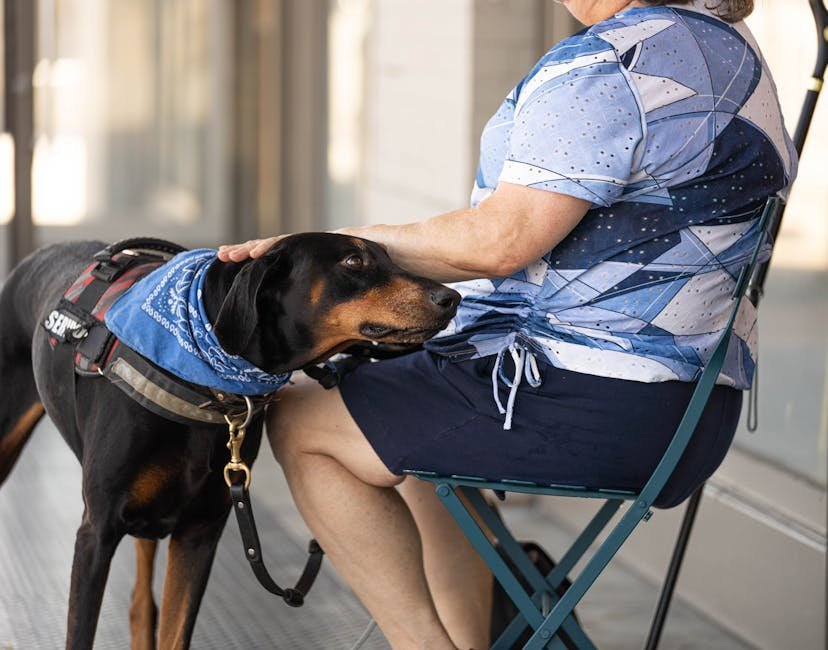
For years, passengers with emotional support animals could fly their dogs in the cabin for free, in a seat, with no size restrictions. That era is over. As of 2021, the U.S. Department of Transportation revised its rules, and airlines followed. Emotional support animals no longer receive special flight privileges – no free cabin access, no size exceptions. If you previously flew under ESA status, your dog now travels under standard pet policies and pays standard pet fees.
As of 2026, only dogs trained to perform specific tasks for individuals with a disability qualify as service animals under airline rules. A trained service dog flies in the cabin at no charge with virtually no size or breed restrictions. An emotional support dog pays full pet fees like any other animal. The distinction is enormous – and finding out at the check-in counter is the worst possible time to learn it. Know exactly which category your dog falls into before you ever leave the house.
“The Department of Transportation no longer classifies emotional support animals as service animals, and airlines have updated their policies accordingly.”
Chewy Pet Travel Guide, 2025
#6 – Sedating Your Dog Before a Flight Is More Dangerous Than It Sounds

It seems like the logical move: a sedated dog is a calm dog. But veterinary experts and airlines are in rare agreement that sedation before a flight is one of the worst things you can do. The American Veterinary Medical Association strongly advises against it, and American Airlines will not accept dogs that have been sedated or tranquilized – because sedatives can cause respiratory and cardiovascular problems that get significantly worse at altitude, where oxygen levels are lower than on the ground.
Airlines can and do turn dogs away if staff suspect sedation. The recommended alternative isn’t a pill – it’s crate training done gradually over weeks before the trip, so the carrier itself becomes calming. Some veterinarians suggest herbal stress relievers like chamomile or lavender as gentler options, but always check with your own vet before trying anything, since even natural supplements can interact poorly with individual animals. The chemical shortcut has a real cost – and you might not discover it until 30,000 feet up.
#5 – Temperature Restrictions Can Ground Your Dog With Zero Warning
You can have every document in order and still get turned away if the weather doesn’t cooperate. American Airlines does not permit pet travel if the current or forecasted temperature exceeds 85°F at any point on the itinerary – and dogs traveling outside the cabin cannot fly to or through Phoenix, Tucson, Las Vegas, or Palm Springs from May 1 through September 30. The lower limit is equally firm: no travel if ground temperatures drop below 45°F at any stop on the route.
This isn’t unique to American Airlines – most major carriers apply the same 45°F to 85°F window across the entire route, not just departure. A connection through Phoenix in July can ground your dog regardless of how mild the weather is where you’re starting. A vet-issued acclimation certificate may create an exception in some cases, but it’s not guaranteed. Always check the forecast at every airport on your itinerary – all of them, not just home.
Worth Knowing: Temperature Rules at a Glance
- Most carriers ban cargo pet travel when temps fall below 45°F or exceed 85°F at any stop on the route
- American Airlines bars cargo pets from flying to/through PHX, TUS, LAS, and PSP from May 1 – September 30
- Temperature checks apply to every airport on the itinerary – departure, connection, and destination
- Summer cargo surcharges can add 20–30% to shipping fees due to required temperature controls
- In-cabin travel is far less affected by weather restrictions than cargo or checked-pet options
#4 – Flat-Faced Breeds Face a Whole Different Set of Rules – and Real Health Risks
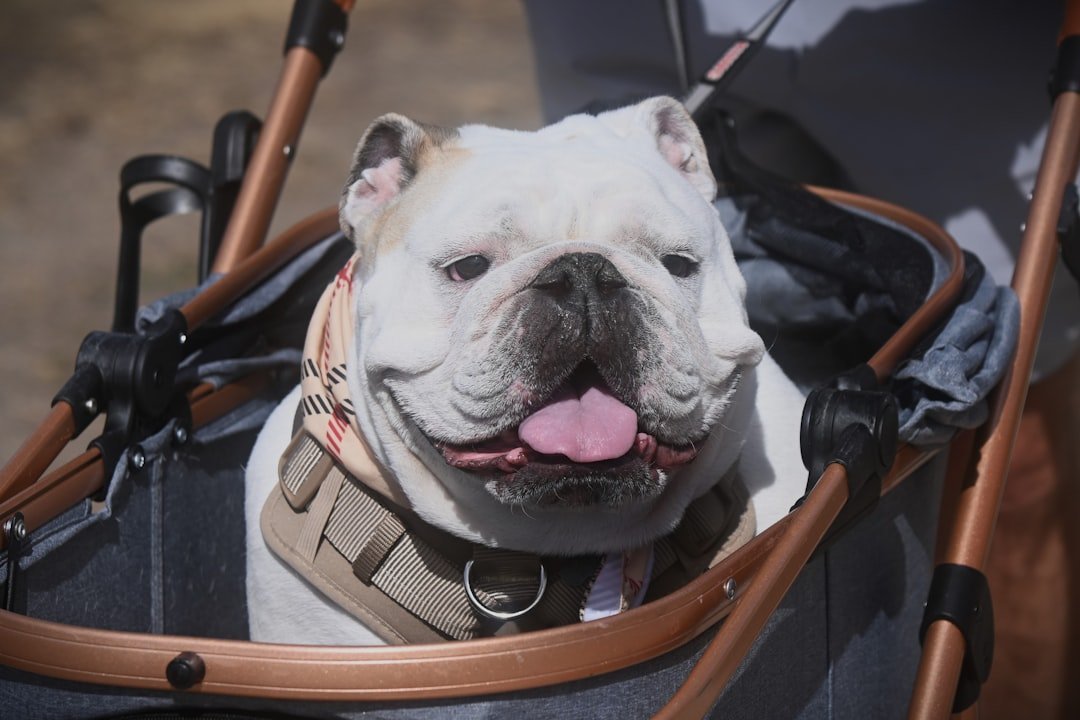
Owners of bulldogs, pugs, French bulldogs, boxers, and Boston terriers often discover too late that their breed operates under different rules. Most airlines prohibit snub-nosed dogs from traveling in the cargo hold at all – because brachycephalic breeds are more vulnerable to changes in air pressure, temperature, and oxygen levels due to their shortened nasal passages. These restrictions typically apply to both purebreds and mixed breeds that share those physical traits.
As the plane climbs, air pressure drops and oxygen thins – conditions that can turn a brachycephalic dog’s normal breathing into a genuine emergency. Landing creates its own pressure spike that adds to the strain. The better news: small snub-nosed dogs that fit under the seat are generally still allowed to travel in-cabin, where conditions are far more controlled. If your dog is a flat-faced breed, talk to your vet before you book anything – and make sure you’re clear on whether in-cabin is actually an option for your dog’s specific size.
#3 – The Indoor Pet Relief Room Problem: Your Dog Might Refuse to Use Fake Grass
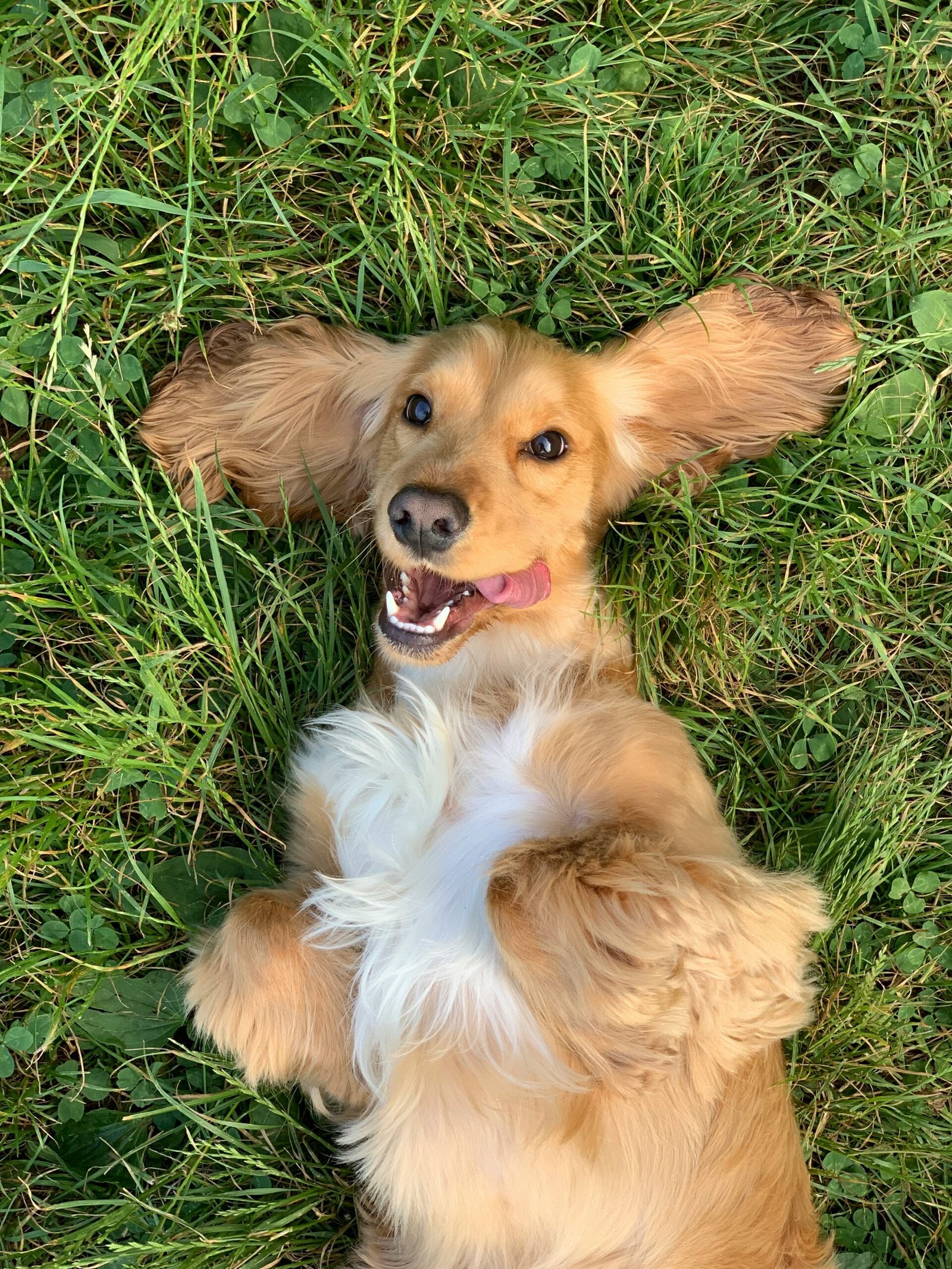
Post-security pet relief areas inside airports sound like the perfect solution – until your dog wants nothing to do with them. Many indoor relief areas use artificial turf, and dogs used to real grass can become genuinely confused by the texture and lack of natural scent. Some simply refuse to go. Outdoor areas offer the real thing, complete with the aromas that most dogs immediately recognize as a bathroom cue.
If your dog refuses the indoor option, you’re facing a hard choice: exit the secure area to find real grass, or wait out the flight with a dog that’s holding it. Getting back through TSA can add 30 to 45 minutes on a light day – and during peak travel or international connections, easily two hours or more. The actual insider move here is to train your dog on artificial turf at home before travel day. It sounds almost too simple. It genuinely works, and it removes one of the most stressful surprises of the whole trip.
#2 – Feeding and Water Timing Can Make or Break the Flight for Your Dog
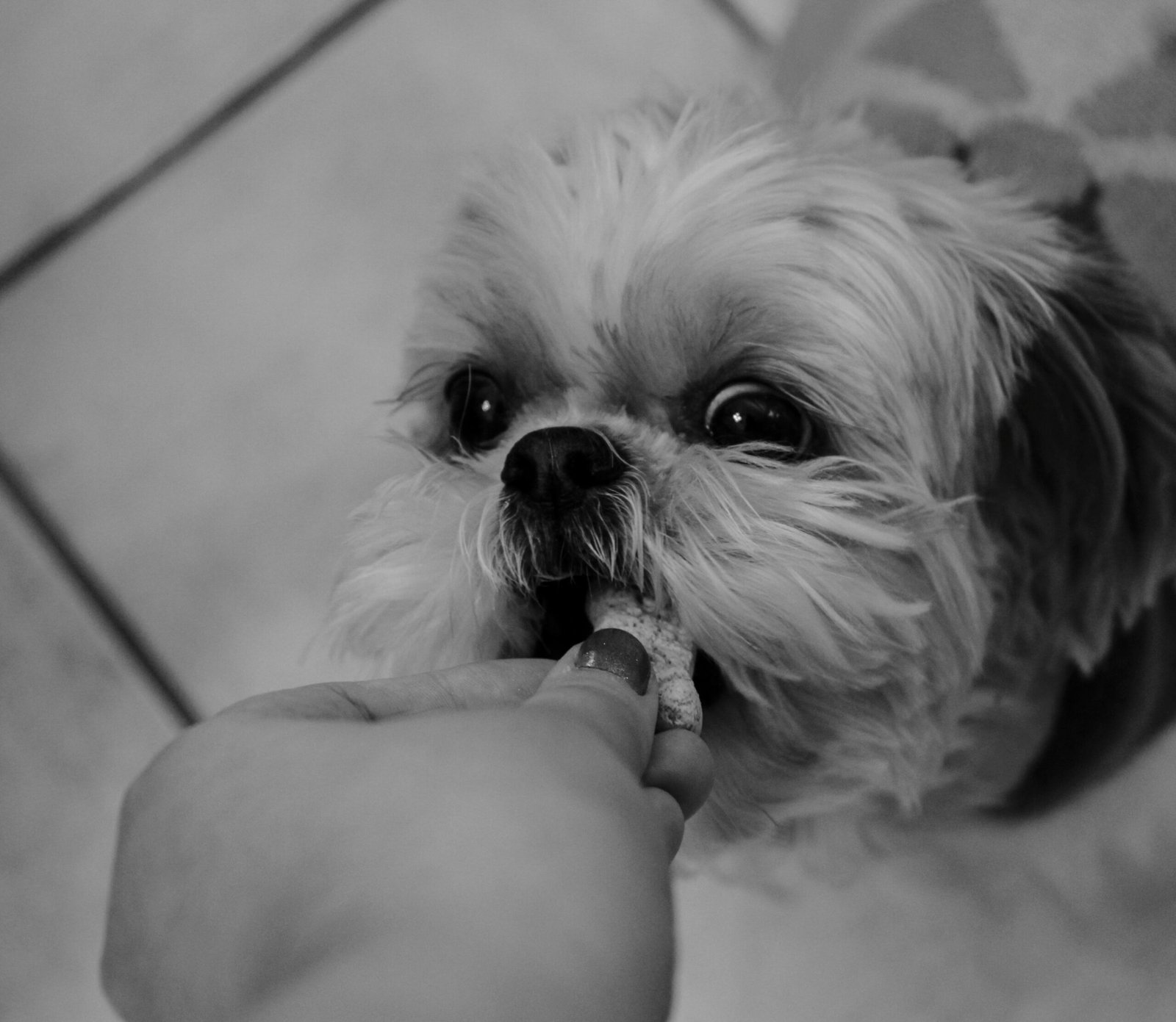
Feeding your dog right before heading to the airport feels like the responsible thing to do. It’s actually one of the more common mistakes dog travelers make. Feeding too close to departure can cause stomach discomfort, especially in dogs prone to motion sickness – and a nauseated dog sealed in a carrier under a seat is miserable for everyone. The better move is feeding at least two hours before heading out, giving the dog enough time to digest and relieve itself before you enter the terminal.
On the plane itself, giving your dog a chew during takeoff and landing can help. Chewing naturally relaxes dogs and may ease the pressure changes associated with altitude shifts. Most experienced pet travelers also build in an extra-long walk before the airport – not just for the bathroom break, but to genuinely tire the dog out. A dog that boards already calm and ready to sleep is the goal. An extra 15 to 20 minutes of exercise before you leave the house is often the difference between a peaceful flight and a stressful one.
Why It Stands Out: Pre-Flight Dog Prep Checklist
- Feed 2+ hours before departure – not the morning of, and nothing new or rich
- Extend the pre-airport walk by 15–20 minutes to genuinely tire your dog out
- Offer water up until 1 hour before departure; pack a collapsible bowl for layovers
- Pack enough food, treats, and waste bags in your carry-on for an overnight delay
- Bring familiar bedding to place in the carrier – scent is calming for most dogs
The Canine Traveler's Airport Guide
Navigating an airport with a dog requires more than just a leash and a carrier. Test your knowledge of the hidden rules and expert strategies that ensure a smooth journey for you and your pup.
Think you caught the key details? Take the quick quiz and see how sharp your instincts really are.
#1 – Crate Training Weeks Before the Flight Is the Single Most Impactful Thing You Can Do
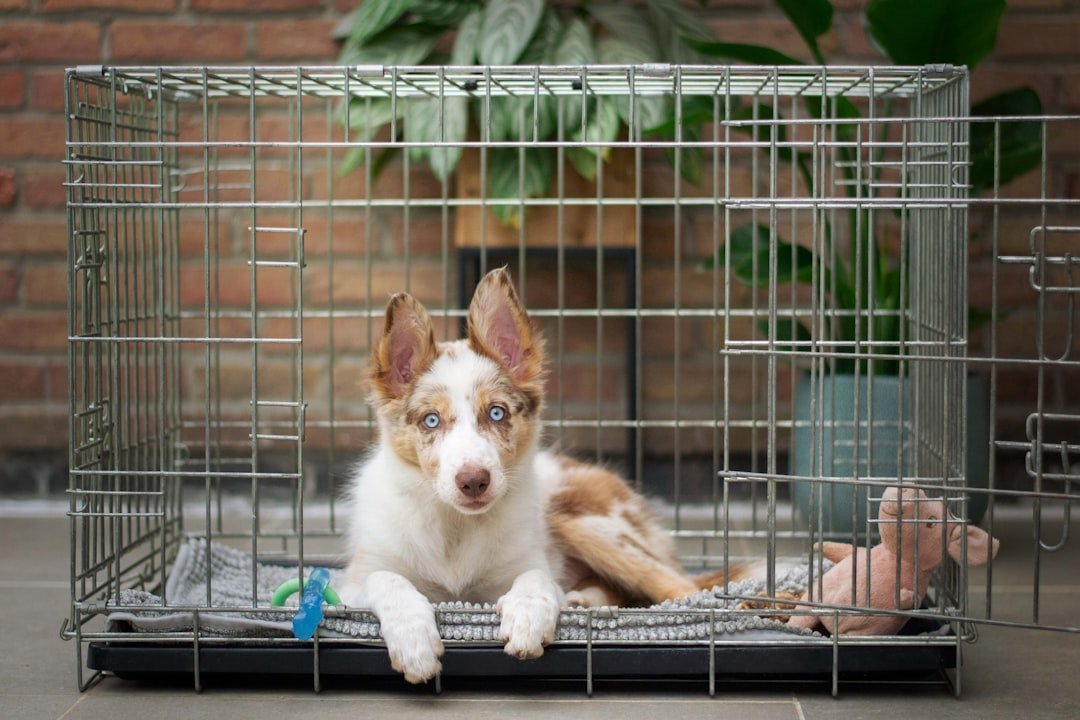
Everything else on this list gets easier when your dog is calm – and nothing creates that calm on travel day like a dog that genuinely loves its carrier. This isn’t something you can manufacture the morning of your flight. Weeks before departure, let your dog spend increasing time inside the carrier, pairing it with treats and familiar bedding until it becomes something the dog chooses to go into rather than something it’s forced into. Airlines, vets, and experienced pet travelers all agree: this is the single most effective thing you can do to reduce travel stress.
Some owners and trainers go even further – setting up rows of chairs at home to simulate sitting under an airplane seat, so the dog learns exactly what the travel position feels like before it happens for real. A dog that treats its carrier as a safe space doesn’t just fly more happily – it clears every checkpoint with less drama, holds it together through the TSA moment, and lets you actually enjoy the trip instead of managing a crisis at every step. That kind of preparation isn’t overachieving. It’s the whole game.
Flying with your dog doesn’t have to be the chaotic experience most people imagine – but it does require knowing what airports and airlines actually expect, not just what you assume. The passengers who make it look effortless aren’t lucky. They showed up knowing the carrier dimensions, the health certificate window, the location of the nearest post-security relief area, and exactly how to hold their dog at the TSA checkpoint. Did any of these catch you off guard? Drop your own dog travel experience in the comments.