
You saved up. You planned the route. You drove for hours, maybe flew across the country – and then you got there and felt it: that slow, creeping, uncomfortable thought of that’s it? It turns out this experience is far more common than Instagram’s highlight reel ever lets on. An analysis of nearly 96,000 online reviews found that even America’s most iconic protected landscapes aren’t immune to the gap between expectation and reality – and the parks at the top of this list are where that gap hurts the most.
That doesn’t mean these parks are bad. It means the hype machine – travel influencers, bucket-list culture, perfectly filtered photos – has quietly set millions of visitors up for a letdown. A few of these parks are genuinely spectacular. They’re just spectacular in ways that don’t survive the collision with a packed parking lot, a broken elevator, or a summer day that hits 120 degrees. Here’s what the data, the reviews, and tens of thousands of frustrated visitors actually say, counting down from the mildest regret to the one park that tops every disappointment list in America.
#17 – Cuyahoga Valley National Park, Ohio: The Glorified Suburb
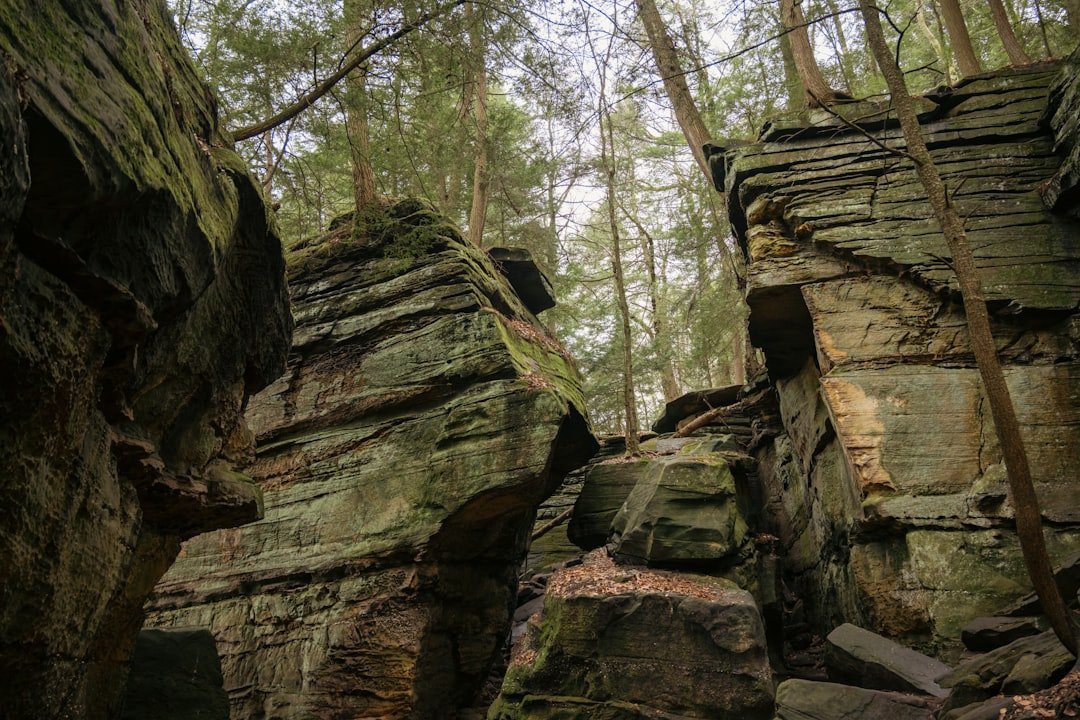
Most people picture wild, untamed wilderness when they hear “national park.” Cuyahoga Valley, tucked between Akron and Cleveland, delivers something considerably different. It’s a pleasant green space – the Cuyahoga River corridor is genuinely pretty, the Towpath Trail is enjoyable, and the towering hemlocks are worth a slow walk. But it feels like a glorified county park that somehow got bumped up in status, and first-time visitors who made a detour for it rarely feel the trip was justified.
When families drive in expecting Yellowstone-level drama and find a manicured greenway flanked by nearby highways and strip malls, the letdown is immediate. It’s not that Cuyahoga Valley is a bad place – it isn’t. It’s that the national park designation sets an expectation the park simply wasn’t built to meet. Cuyahoga is many people’s Exhibit A for the argument that not every unit in the park system deserves the same billing as the Grand Canyon.
Fast Facts
- Located entirely within a metro corridor – Cleveland is 15 miles north, Akron 10 miles south
- Designated a national park in 2000, upgraded from national recreation area status
- No entrance fee – one of the few national parks that is free to enter
- The Towpath Trail runs 20 miles through the park along a historic Ohio & Erie Canal route
- No wolves, bears, geysers, or canyon walls – wildlife tops out at white-tailed deer and great blue herons
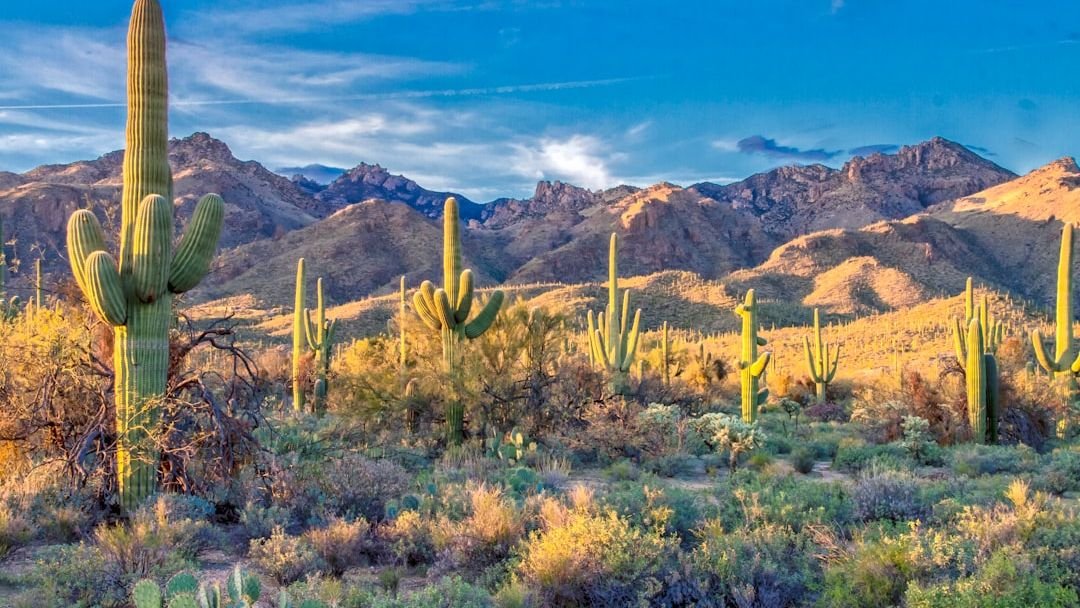
#16 – Saguaro National Park, Arizona: Beautiful Cacti, Not Much Else

Saguaro National Park outside Tucson has a legitimate visual hook – some of the biggest saguaro cacti in the world, rising against a desert sky like something out of a Western film. The problem is that once you’ve admired them, photographed them against a sunset, and walked a short trail, most visitors find themselves wondering what else there is to do. For a lot of people, the honest answer is: not much.
The park is split into two disconnected districts – east and west – nearly an hour’s drive apart, which adds logistical frustration to an already thin activity list. One visitor summed up the experience bluntly: Saguaro is “OK if you like cactus.” That’s not exactly the kind of testimonial that justifies a long road trip. Serious desert hikers find real value in the backcountry, but the casual visitor who expected more than a scenic drive through spiny flora regularly leaves feeling shortchanged.
#15 – Hot Springs National Park, Arkansas: A Town, Not a Wilderness
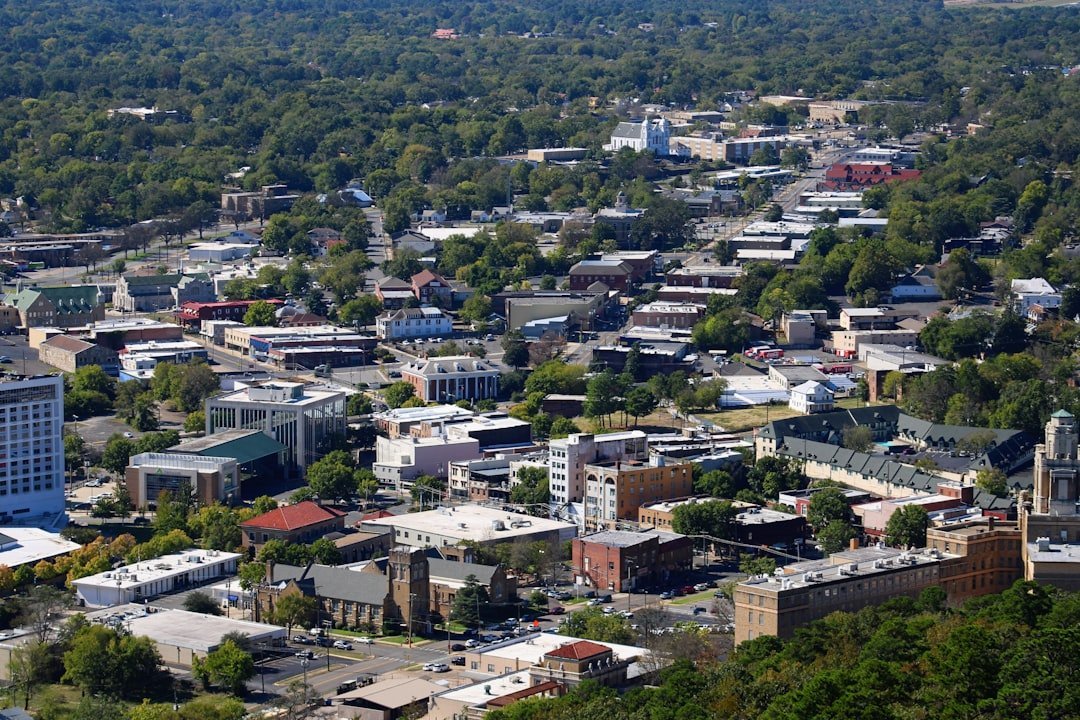
Hot Springs is one of the oldest units in the national park system and carries a fascinating history rooted in 19th-century bathhouse culture. But visitors who show up expecting the rugged wilderness experience that defines most national parks are in for a genuine shock. The park is essentially a historic district built around a row of ornate bathhouses on a main street – in a functioning city. You can walk the whole thing in an afternoon and still feel like you missed the point.
One Reddit reviewer put it directly: “Hot Springs was the most boring NP I’ve ever been to. National parks shouldn’t be centered around man-made objects like those weird bathhouses.” That’s a widely shared sentiment. The hot springs themselves are scientifically interesting and the architecture is legitimately beautiful, but many visitors leave convinced this place deserves protection as a national monument – not a designation that puts it in the same sentence as Yellowstone and the Tetons.
#14 – Indiana Dunes National Park, Indiana: Sand, Parking Problems, and Steel Mills
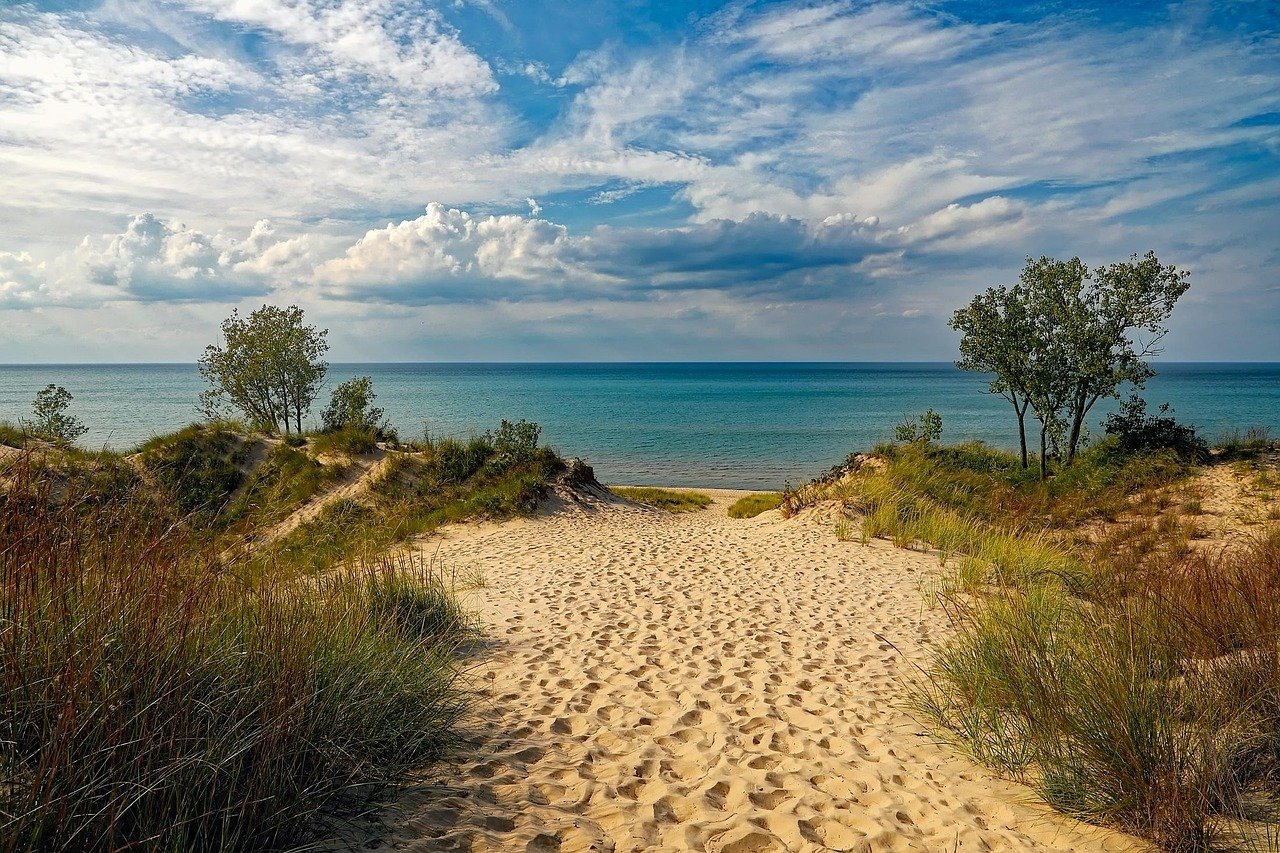
Indiana Dunes became a full national park in 2019, and the upgrade drew visitors who had never heard of it before. Many left scratching their heads. The park protects 15 miles of Lake Michigan coastline and 50 miles of trails – which sounds genuinely promising until you arrive and find an industrial skyline on the horizon and parking lots that simply cannot handle the demand the new designation created.
One visitor’s review captured the experience cleanly: “Whether a beach visitor or an avid hiker, I would recommend that you skip this National Park. There are no awe-inspiring sights and hardly any parking.” Hikers accustomed to trails that lead somewhere spectacular are especially let down – the park’s most talked-about trail rewards you with views of power lines, nearby railroads, and the sound of passing freight trains. Not exactly what the brochure emphasizes.
At a Glance
- Borders the Burns Waterway Harbor industrial complex – steel mills are visible from the beach
- Upgraded from national lakeshore to national park in February 2019
- Parking capacity has not kept pace with the surge in visitors since the designation change
- Trail 9 – the most Instagrammed route – crosses active railroad tracks and passes through a residential neighborhood
#13 – Pinnacles National Park, California: Rock Formations with a “So What?”
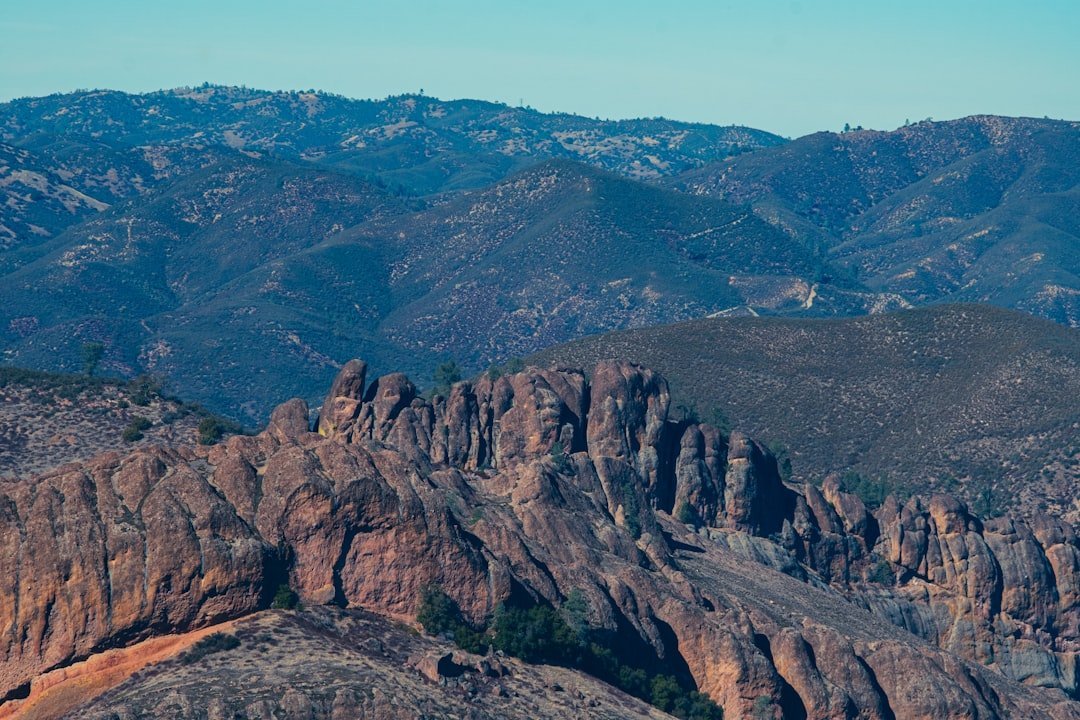
Pinnacles was upgraded from national monument to national park in 2013, and it genuinely has interesting geology – ancient volcanic spires, talus caves, and one of the few reliable California condor habitats in the country. But it consistently shows up on traveler lists as a park that fails to land its big punch. It’s sandwiched between far more spectacular California destinations, and most visitors spend the drive home quietly wondering if they took a wrong turn.
One Reddit traveler captured the consensus: “Although I have had great experiences in all the national parks I’ve visited, Pinnacles was not as worth visiting as all the others. There were some nice rock formations and a small cave, but some national monuments were more interesting.” The condor sightings are genuinely thrilling when they happen – but on many visits they don’t, and what remains is a short loop trail through a rocky landscape that most visitors describe as underwhelming given the drive required to reach it.
#12 – Gateway Arch National Park, Missouri: It’s Just an Arch
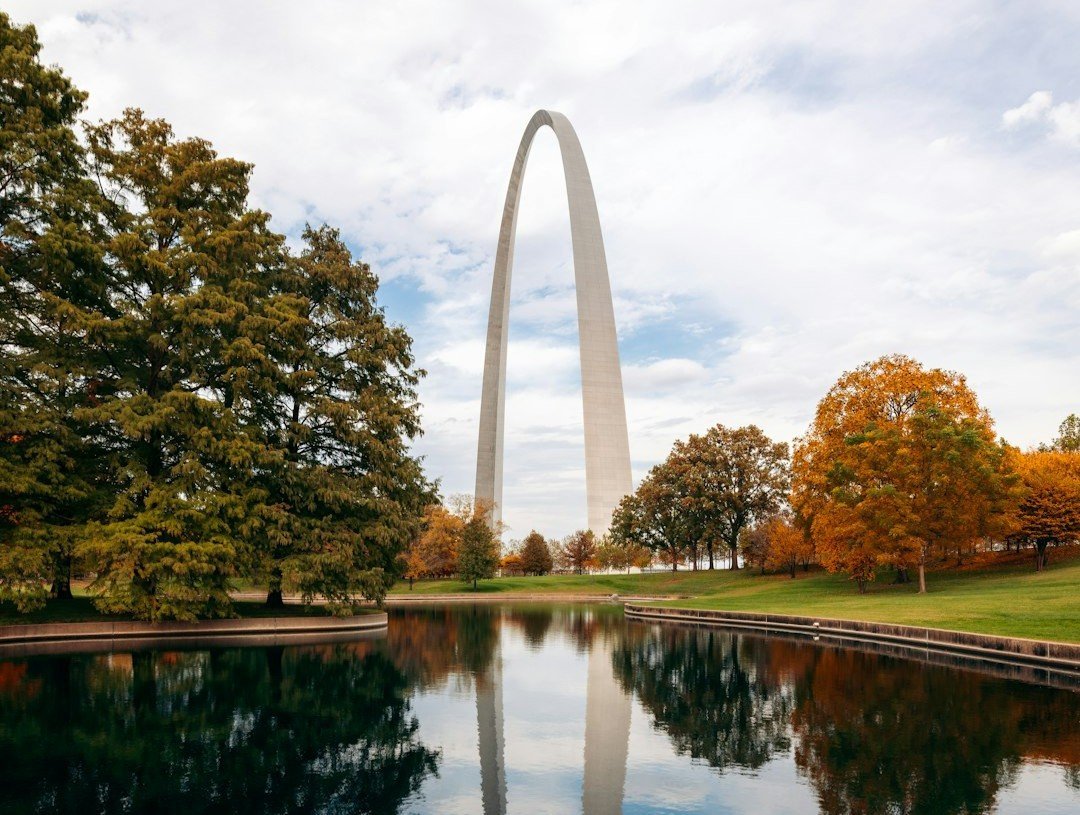
To be fair to the Gateway Arch: it is an extraordinary piece of engineering and a legitimate chapter in American history. But as a “national park,” it occupies a category of its own – and not in a good way. There is no wilderness, no hiking, no wildlife. It’s a man-made monument surrounded by a lawn. Visitors who love American history genuinely enjoy it. Everyone else stands at the base for about ten minutes, takes a photo, and wonders why they drove three hours.
The ride to the top – a cramped, tilting egg-shaped capsule that hasn’t been significantly updated since the arch opened in 1967 – doesn’t help. Most visitors describe it as a novelty that wears off fast. The view from the top is impressive, but a national park needs more than one thing to look at, and the Gateway Arch, as memorable as it is, asks you to do a lot of justifying on its behalf.
#11 – Everglades National Park, Florida: Gators Playing Hide-and-Seek
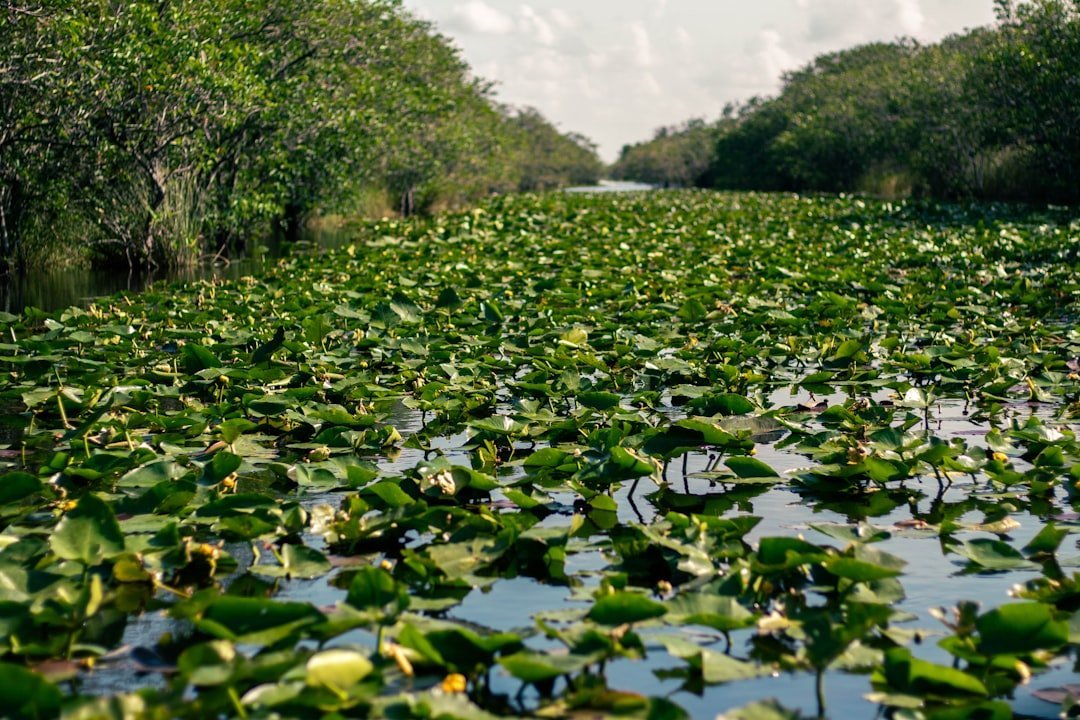
The Everglades has a serious branding problem. Visitors arrive expecting a dramatic, teeming wilderness of crocodilians and exotic wildlife – and the park, which genuinely is the largest subtropical wilderness in the United States, often just refuses to cooperate. A huge chunk of the negative reviews come from winter visitors who didn’t know that alligators are generally inactive when temperatures drop below 55 degrees. “Didn’t see a single gator. Overrated.” The wildlife is absolutely there. It just doesn’t perform on command.
The infrastructure problems compound the frustration. Rental bikes described as ancient, poorly maintained beach cruisers being offered for 15-mile rides. Boardwalk trails that feel underwhelming unless you catch the park at exactly the right moment. For most casual visitors, the Everglades is one of those places that rewards deep knowledge and patience – neither of which the average road-tripper shows up with. The payoff simply doesn’t match the promise unless you know exactly what you’re looking for.
Quick Compare: Best vs. Worst Times to Visit the Everglades
- December–April (dry season): Best wildlife viewing, manageable heat, low mosquito activity – this is when the park actually delivers
- May–November (wet season): Extreme humidity, insects, and afternoon storms push most wildlife deep into the interior
- Winter cold snaps below 55°F: Alligators go dormant and disappear from view entirely – the most common trigger for “didn’t see anything” reviews
- Sunrise tours: Far more rewarding than midday visits; most wading birds and gators are active in the early morning hours
#10 – Wind Cave National Park, South Dakota: When the Cave Is Closed
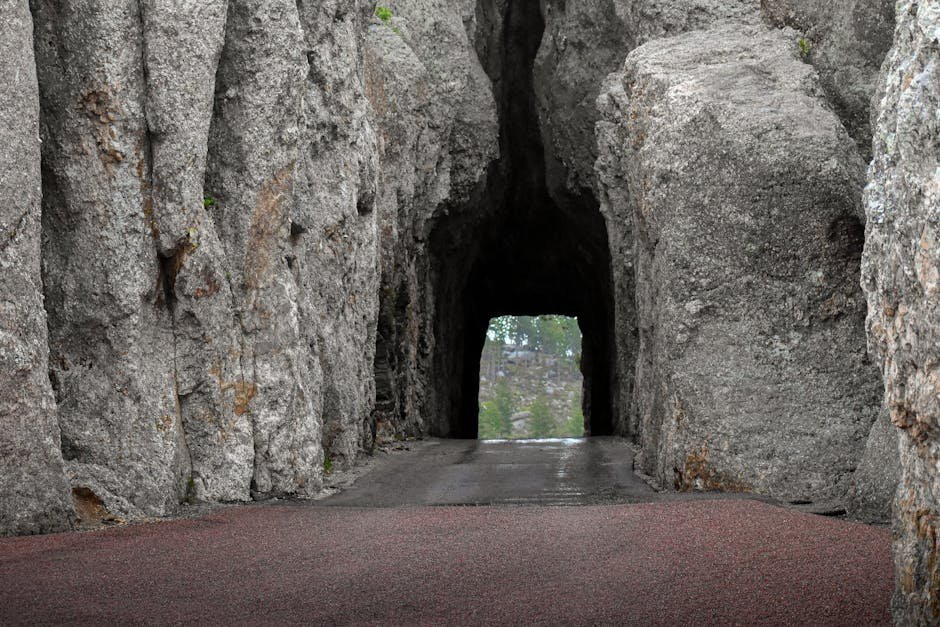
Wind Cave has a genuinely compelling pitch: one of the longest and most complex cave systems in the world, hidden beneath the rolling prairies of the Black Hills. The problem is actually getting inside it. Guided cave tours are the park’s entire reason for existing, and when those tours sell out – which they do, fast – or when the elevators break down, visitors are left standing in a parking lot staring at grassland they did not drive hundreds of miles to see.
The park scores around 4.44 out of five stars overall, which confirms that most visitors who get inside genuinely enjoy it. The regret belongs almost entirely to those who couldn’t get in. It’s a park where logistics are the enemy – the cave can accommodate between 40 and 110 guests per tour, and peak-season demand far outpaces capacity. Wind Cave is a victim of its own singular attraction: when the one thing is unavailable, there is no backup plan.
#9 – Mammoth Cave National Park, Kentucky: Cold, Dark, and Oversold
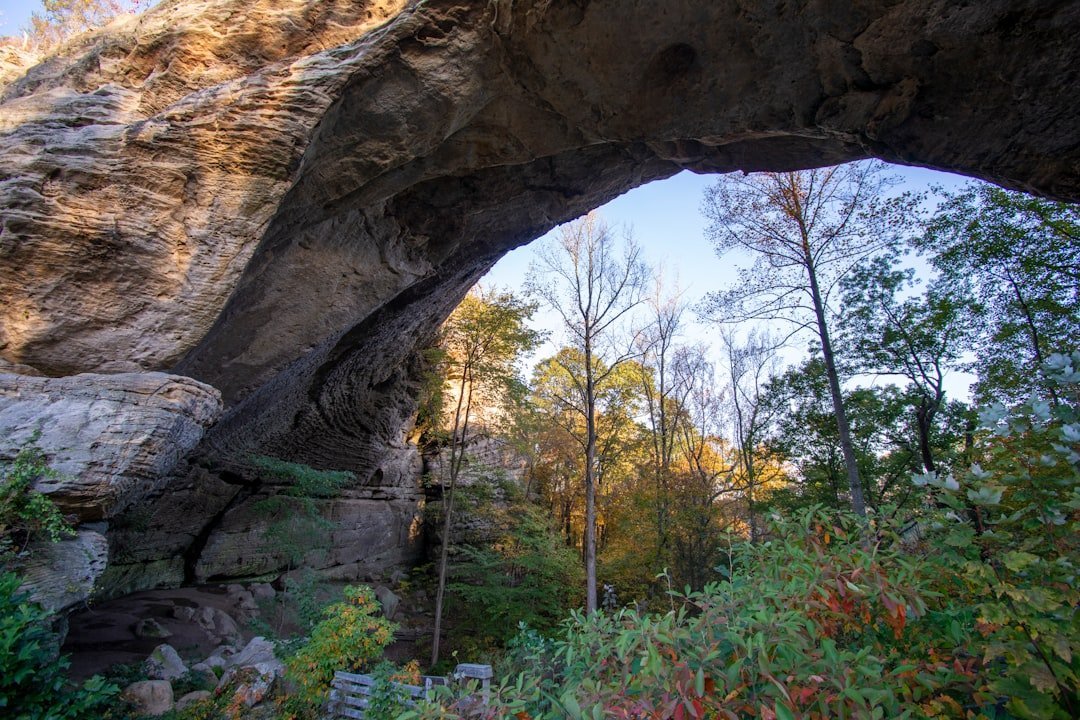
Mammoth Cave has the credentials: the world’s longest known cave system, a UNESCO World Heritage Site, and an International Biosphere Reserve. What it delivers on the ground is an experience that deeply divides visitors. The cave itself has earned the immortal description “cold, dark, damp, and stinky” in multiple independent reviews – and that’s from people who made it inside. The geology is real, but the visual drama of stalactites and stalagmites that visitors imagine? Much of the cave is a relatively bare limestone passage.
The park has actually leaned into this reputation with self-aware humor, with marketing that has encouraged visitors to enjoy activities that will leave them “unfulfilled” and to discover nothing “other than trees” on over 80 miles of trails. That’s a funny bit. But at peak season, with tours cramming 40 to 110 people into narrow passages, the experience can feel more like a crowded subway tunnel than a natural wonder. The cave system is legitimately historic and scientifically extraordinary – it just rarely looks the way people picture it.
Worth Knowing
- Mammoth Cave is the world’s longest known cave system – over 420 mapped miles and still being explored
- Most passages lack the dramatic stalactites and stalagmites visitors expect; formations are sparse compared to many smaller caves
- Tour groups of 40–110 people move through narrow tunnels together, making the experience feel crowded at peak times
- Average cave temperature is a constant 54°F year-round – bring a jacket even in July
- The Historic Tour, at 2 miles and about 2 hours, is the most popular – and the most likely to sell out days in advance
#8 – Shenandoah National Park, Virginia: Pretty Enough, Not Profound

Shenandoah gets enormous foot traffic thanks to its proximity to the Washington D.C. metro area, and the Skyline Drive is legitimately beautiful in fall foliage season. But for visitors expecting the kind of geological drama that defines America’s most celebrated parks, Shenandoah consistently falls flat. The park is known for lush forests, rocky peaks, and a long section of the Appalachian Trail – and that description, accurate as it is, is essentially where the excitement ends for most first-timers.
One TripAdvisor reviewer delivered the verdict plainly: “It was a mountainous area with trees, and some nice shrubbery, but unfortunately it wasn’t that entertaining. Underwhelming.” The park has loyal fans who return every October for the fall color show, and rightly so. But for visitors who drove five hours expecting a life-changing wilderness experience, Shenandoah regularly delivers something closer to a very long, very pleasant scenic drive through the Appalachians – which is not nothing, but is not what most people came for.
#7 – Petrified Forest National Park, Arizona: The Trees Are Logs, Actually
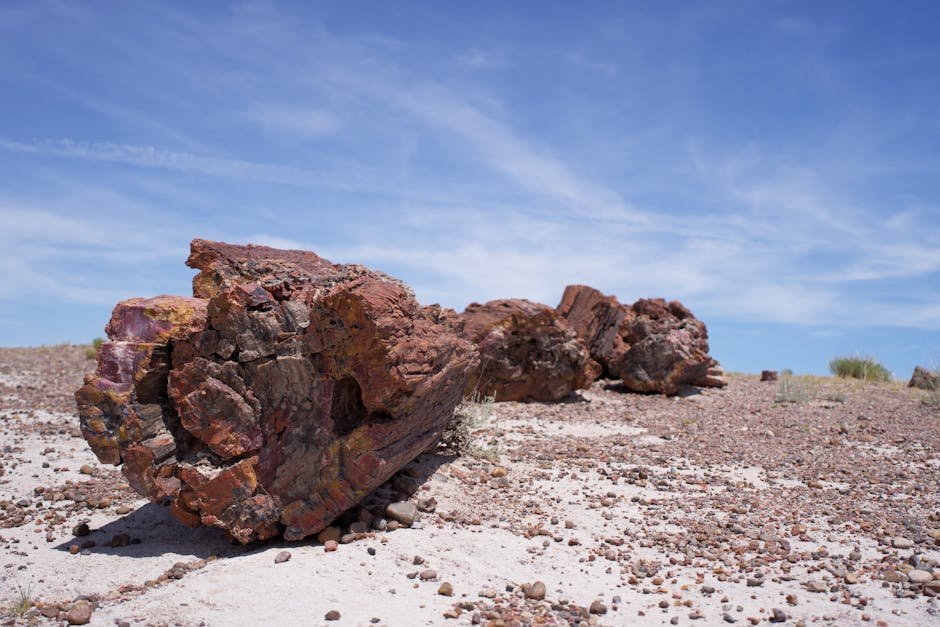
Petrified Forest has one of the most misunderstood names in the national park system, and that misunderstanding drives almost all of its negative reviews. The park recorded 9.2 percent of reviews expressing disappointment – the second-highest rate in the entire 63-park system. The core problem is a mismatch between name and reality: visitors picture a standing forest of stone trees and arrive to find something considerably less cinematic spread across a flat, open landscape.
One Reddit reviewer captured the experience exactly: “Petrified Forest National Park. Visited there this summer. I was very underwhelmed. In my mind the trees were petrified and standing. It was basically a bunch of chopped-up petrified wood chunks in piles.” The science really is remarkable – logs over 200 million years old, dating back to the late Triassic period – but scientific remarkability doesn’t always survive contact with what you actually see on the ground. Geology nerds and photographers love it. Most family road-trippers do not.
#6 – Great Smoky Mountains National Park, Tennessee/North Carolina: America’s Most Crowded Park
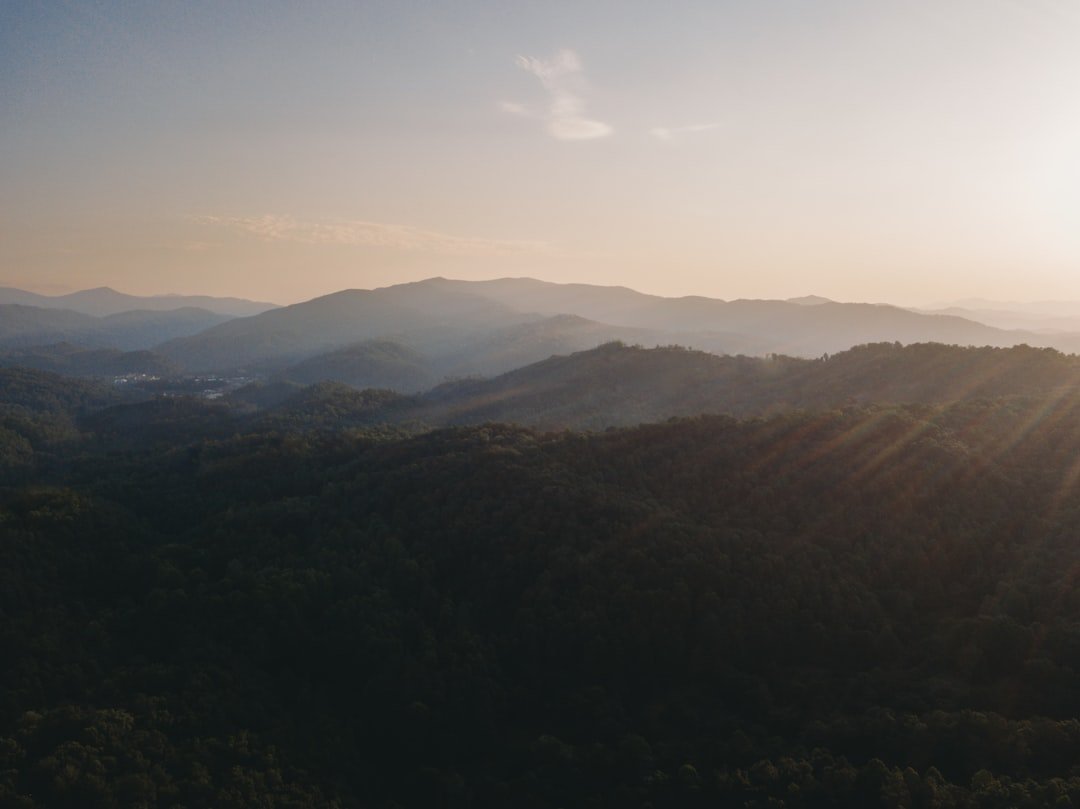
Great Smoky Mountains is the most visited national park in the country, and that single fact explains almost everything about why it disappoints so many people. The park protects 500,000 acres and is genuinely recognized as one of the most biodiverse landscapes in North America. That’s a real, staggering achievement. The visitor experience, however, can feel like a traffic jam with trees – especially in summer and fall when the roads lock up completely.
The park’s popularity has more to do with its location in the heavily populated Southeast than with its raw spectacle compared to western parks. There is biodiversity and real beauty here, but nothing geographically unique unless you catch the low clouds that earned it the “smoky” name. And Gatlinburg, just outside the park entrance, is widely considered one of the tackiest tourist traps in the country. One Google reviewer’s verdict has become almost legendary: “This is the Walmart of national parks.” Harsh. Widely quoted. Not entirely wrong.
At a Glance: Great Smokies by the Numbers
- Consistently draws more than 12–13 million visitors per year – roughly double the next most visited park
- No entrance fee, which drives even higher casual visitation from nearby cities
- Gatlinburg, TN – the main gateway town – has more pancake restaurants per block than any place on Earth (unofficially)
- Over 800 miles of trails, but most visitors never leave the Cades Cove loop or Newfound Gap Road
- Black bears are real and present; seeing one in a traffic jam is a genuine possibility
#5 – Glacier National Park, Montana: The Reservation Nightmare
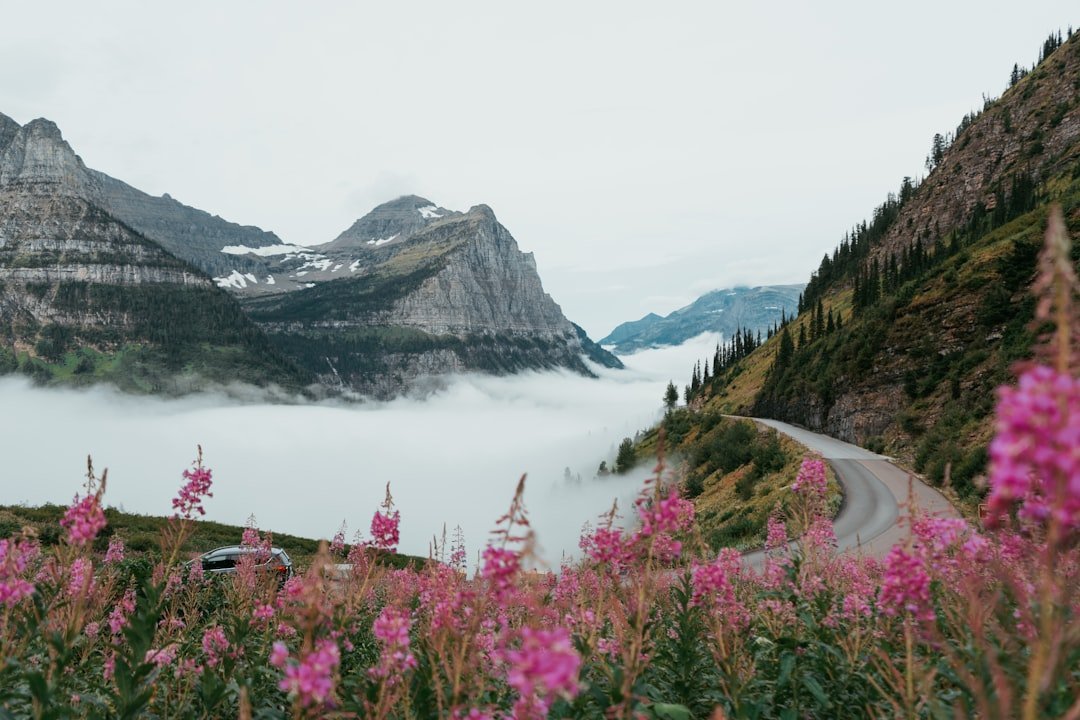
Glacier might be the most visually spectacular park on this entire list. The Going-to-the-Sun Road, the jagged peaks, the impossibly blue lakes – this place earns every superlative thrown at it. It’s also one of the most logistically maddening national park experiences in America, and the gap between those two facts is where all the regret lives. In 2024, more than 3 million people visited Glacier through the first nine months of the year alone – a nearly 9 percent jump from 2023 – and the park’s vehicle reservation system has been at war with that demand ever since.
Many visitors arrive without fully understanding the reservation requirements and simply can’t get in. In 2025, Glacier moved to a timed-entry system requiring visitors to book a specific two-hour window – 7–9 a.m., 9–11 a.m., 11 a.m.–1 p.m., or 1–3 p.m. – just to drive the Going-to-the-Sun Road corridor. Reservations open 120 days in advance on Recreation.gov. Others get in but find Logan Pass gridlocked and illegal parking spilling onto roadsides. When you spend a year dreaming about Glacier and arrive to find it locked behind a reservation system you didn’t know existed, the disappointment is real, lasting, and entirely preventable – if only the hype machine bothered to mention it.
#4 – Grand Canyon National Park, Arizona: “Just a Big Hole in the Ground”
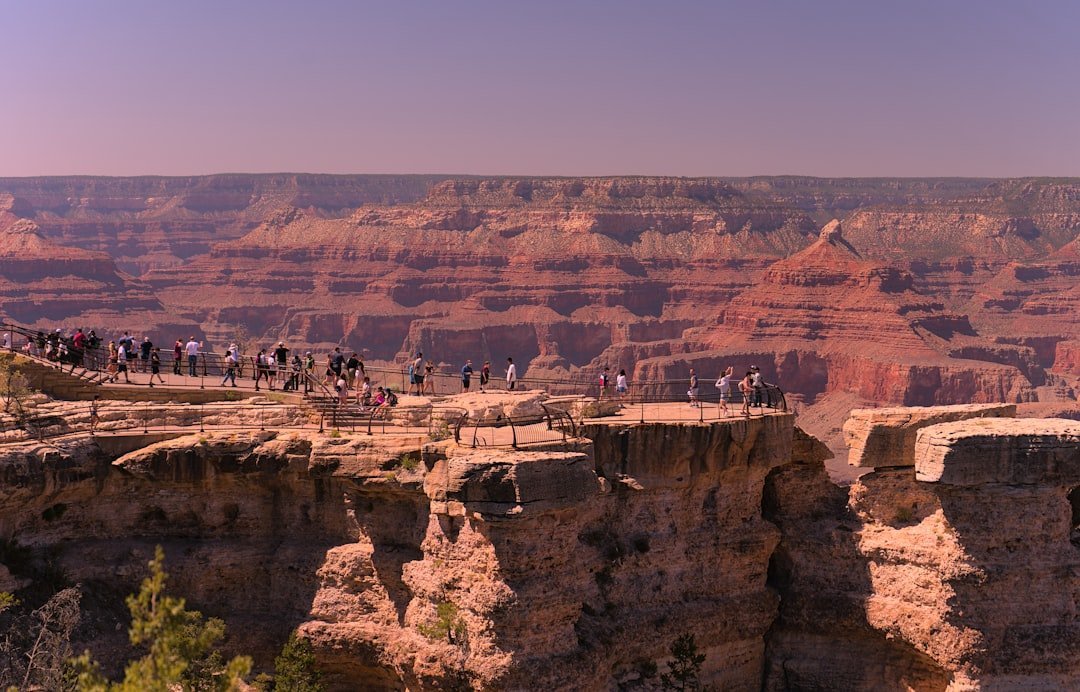
Here is a controversial opinion the data actually supports: the Grand Canyon is deeply disappointing to a significant share of its visitors. One reviewer put it plainly: it’s “a hole. A very, very large hole.” The problem isn’t the canyon itself – it is exactly as massive and ancient and geologically staggering as advertised. The problem is that standing on the South Rim and looking into a static geological feature is, for many people, a five-minute experience stretched across a two-day trip.
The South Rim attracts crowds like a free outdoor concert, and the limited rim space turns what should be a moment of awe into something resembling a busy theme park entrance. The people who hike down into the canyon – into the actual living ecosystem below the rim – almost universally call it transformative. The majority who peer over the edge, snap a photo, and shuffle back to the parking lot sometimes wish they’d stayed home. The canyon rewards commitment. It punishes everyone who treats it like a drive-through.
#3 – Zion National Park, Utah: The Park That Ate Itself

Zion is one of the genuinely beautiful places on this planet. The sandstone walls, the Virgin River cutting through the Narrows, the views from Angels Landing – on paper and in photographs, it’s perfect. It’s also one of the most viscerally frustrating national park experiences in America, and the gap between those two facts is where all the regret lives. Zion has hosted over 5 million visits in a single year. Five million people chasing the same canyon slot. The math is brutal, and the trails feel it.
Securing a permit to hike Angels Landing – the experience most visitors came specifically for – now requires entering a lottery on Recreation.gov, with only about 47 percent of applicants receiving a permit in 2024. Many visitors can’t get permits at all, leaving them on crowded shuttle buses circling a canyon they can see but not fully access. Hiking Angels Landing without a permit carries a fine of up to $5,000. You came for the sacred silence of ancient red rock and got a lottery instead. Zion hasn’t changed. The experience of visiting it has changed completely, and not for the better.
Worth Knowing: The Angels Landing Permit Reality
- A permit is required 24 hours a day, 7 days a week, every day of the year to hike past Scout Lookout
- Only about 47% of seasonal lottery applicants received a permit in 2024
- Two lottery types: Seasonal (quarterly, opens 1–3 months out) and Day-Before (opens at 12:01 a.m. daily)
- Application fee: $6 non-refundable per group; $3 per person if a permit is issued
- Hiking without a permit is a federal violation punishable by a fine up to $5,000 and/or six months in jail
- Visitors who can’t get a permit can still hike to Scout Lookout without one – most people don’t know this
#2 – Yosemite National Park, California: The Traffic Jam With Waterfalls
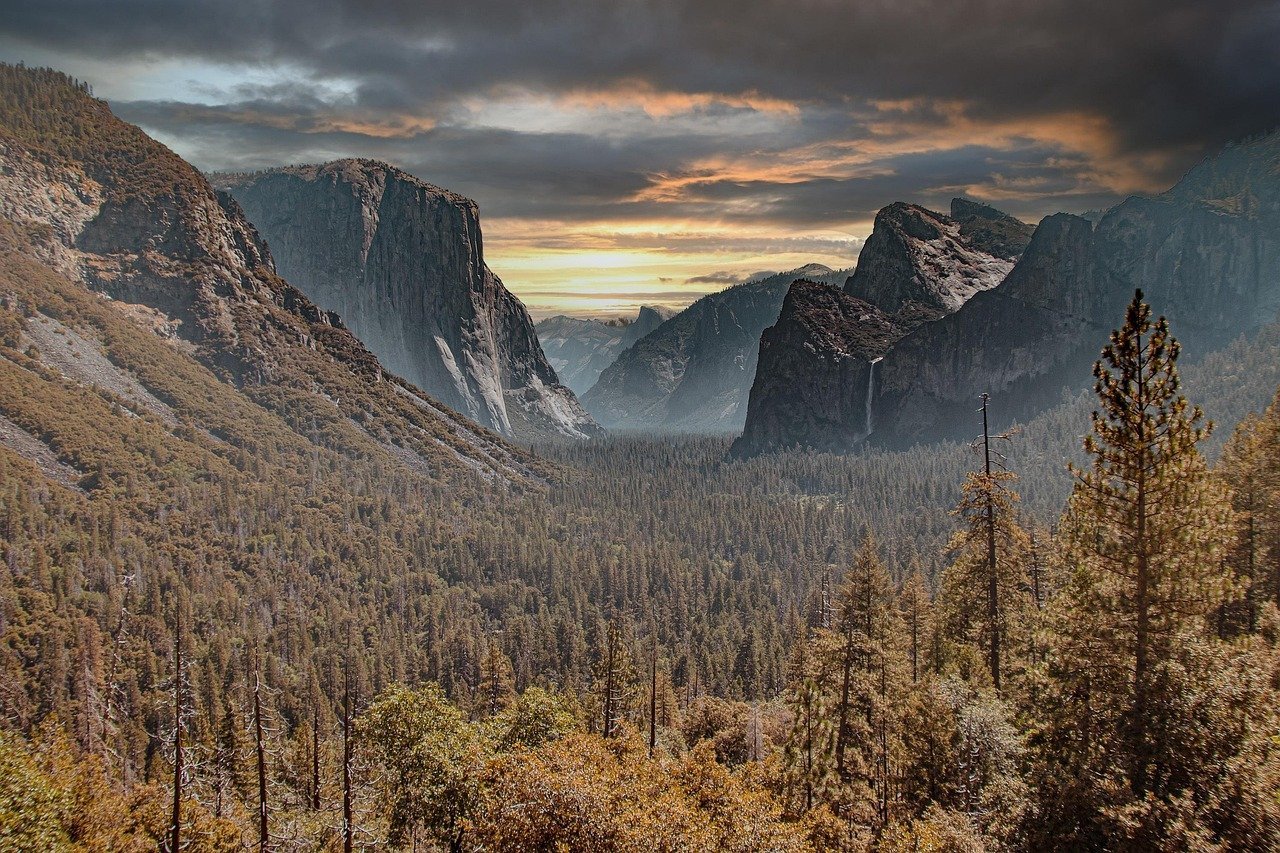
Yosemite is genuinely one of the most spectacular landscapes on Earth. El Capitan. Half Dome. Bridalveil Fall. Ancient sequoias. The park offers granite monoliths that have made grown adults cry on first sight – and yet it keeps showing up near the top of every disappointment list, year after year. The reason is always the same: Yosemite Valley has one way in and one way out, limited parking, and a volume of summer visitors that turns the whole operation into something closer to a gridlocked theme park than a wilderness refuge.
The reviews that accumulate on Yosemite are both funny and genuinely sad. One TripAdvisor reviewer declared: “Scenery is not breathtaking.” A Yelp reviewer asked: “I need someone to explain to me the hype of this place. This looks like any place with mountains and trees. Too many people, not enough stores, not enough places to buy food.” Yosemite visitation is up again in 2026, with the park tracking more visitors than any year since 2019. The park is extraordinary. Arriving to find the parking lot full two hours before you got there is something else entirely.
#1 – Death Valley National Park, California: The Most Reviewed Disappointment in America

Here it is. The national park that, according to the largest independent analysis of visitor sentiment conducted on the subject, generates more documented regret than any other park in the country. Death Valley recorded the highest negative sentiment rate of any park in the 63-park system – 12.3 percent of all reviews expressing disappointment – with the most common complaints being “packed,” “overpriced,” and simply “disappointed.” That margin isn’t close.
The reasons stack up fast. Death Valley welcomed 1,440,484 visitors in 2024, contributing $146 million to the local economy – but also packing a park with limited shade, far-apart services, and infrastructure that can’t absorb the numbers. The park is located roughly 150 miles west of Las Vegas and is renowned for temperatures that can reach a scorching 120–125°F, with the highest temperature ever recorded in North America – 134°F – set right here. Visitors who arrive in summer encounter something genuinely dangerous. One TripAdvisor reviewer delivered the verdict that somehow captures everything: “The rock formation is not that great, quite dusty, hot, etc. Feels like an open pit mine.” And yet people keep going – and keep being surprised by exactly what they find.
Fast Facts: Death Valley’s Extremes
- 1,440,484 visitors in 2024 – the most in the park’s recorded history
- Highest recorded air temperature in North America: 134°F (56.7°C) – set at Furnace Creek
- Ground-level temperatures in summer can exceed 200°F – hot enough to fry an egg on the pavement
- Average annual rainfall on the valley floor: just 1.9 inches
- Largest national park in the lower 48 states, at approximately 3.4 million acres
- 93% of the park is federally designated wilderness – yet most visitors never leave the paved roads
“I think they’re so funny because people had really high expectations, and nature doesn’t always cooperate.”
Amber Share, creator of the viral Subpar Parks project
The honest takeaway from this list isn’t that these parks are failures. It’s that the modern machinery of travel hype – social media algorithms, bucket-list culture, perfectly lit photos that edit out the crowds and the heat – has trained millions of people to expect perfection from places that are wild, unpredictable, and completely indifferent to human expectations. The parks that disappoint the most aren’t necessarily the worst ones. They’re often the ones carrying the heaviest weight of impossible promises. Go anyway. Go with realistic expectations and a flexible plan. And whatever you do, skip Death Valley in July.