
Every year, millions of Americans pack the car, burn a tank of gas, and haul the family halfway across the country to stand in front of a landmark they’ve seen a thousand times – only to realize, within about four minutes, that the real thing is nothing like the postcard. The crowds are worse. The thing itself is smaller. The area around it smells like a funnel cake stand and a strip-mall gift shop had a baby. That feeling isn’t bad luck. It’s a pattern, and it happens at the same places, over and over again.
Here’s what the tourism industry doesn’t want you sitting with too long: some of America’s most famous landmarks built their reputations decades ago, and reality has never quite caught up with the myth. A few of these spots are genuinely moving – but a lot of them are coasting entirely on nostalgia and a well-placed highway billboard. We’re counting down all 14, starting with the merely disappointing and working toward the ones that are, honestly, a borderline scam.
#14 – Lombard Street, San Francisco: The “Crooked Street” That Isn’t Worth Crooked Traffic
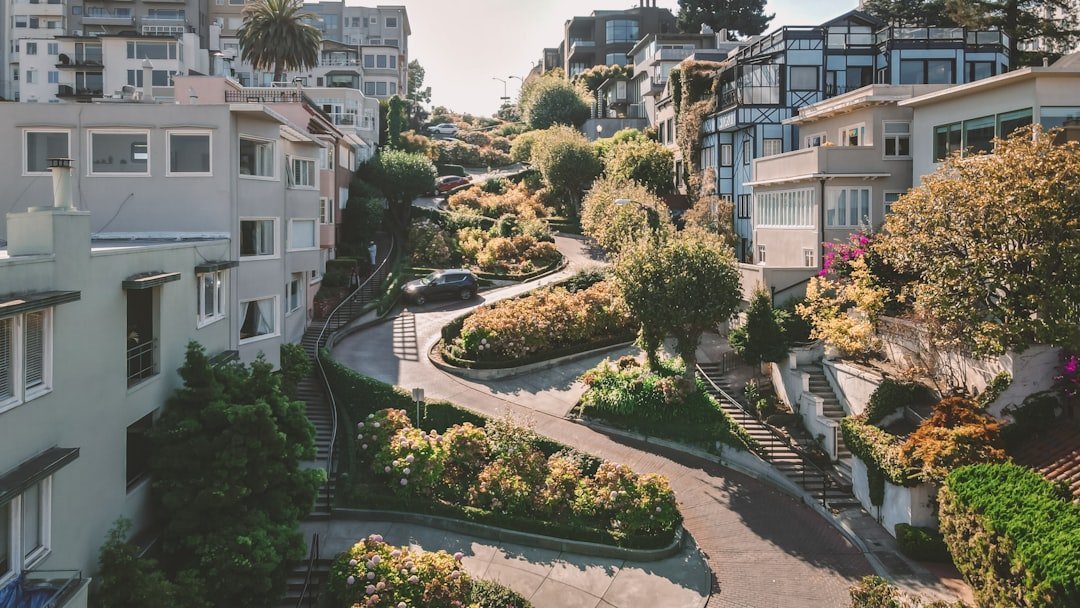
Lombard Street gets billed as the “most crooked street in the world,” and yes, the one-block zigzag lined with hydrangeas looks gorgeous in photos. But actually visiting it is a completely different story. There is always an endless line of cars waiting to inch down its eight tight hairpin turns – which is perfect if you love being stuck in gridlock on a residential hill while locals visibly wince at the tour buses clogging their neighborhood. The walk down on foot is genuinely pleasant in the off-season. That’s the best-case scenario.
The whole thing is one block. One very short, very crowded block. Yes, the zigzagging design is charming, but San Francisco has jaw-dropping viewpoints, iconic bridges, and world-class food – and Lombard Street is not the reason to go. The two million annual visitors who funnel through this single block have turned what should be a neighborhood detail into an outdoor queue. There are much better views elsewhere in the city, and you won’t be annoying anyone to get them.
Fast Facts
- ~2 million visitors per year; up to 17,000 on a single busy summer weekend
- Peak waits: 20–30 minutes just to enter the one-block stretch by car
- Speed limit on the crooked block: 5 mph – slower than most parking lots
- The crooked section is only about 600 feet long from top to bottom
- San Francisco proposed a $5–$10 per-vehicle toll to manage the congestion
#13 – Mall of America, Bloomington, Minnesota: It’s Just a Mall

Somewhere along the way, America decided that “the biggest mall in the country” was worth a dedicated road trip. It is not. Mall of America sounds grand, but the novelty evaporates the second you recognize every single store from your local shopping center back home – because they’re literally the same stores. The same chains, the same food court smells, the same slightly-too-bright lighting.
It tries to justify the trip with a Nickelodeon play area and an aquarium, but both feel underwhelming compared to their dedicated rivals. The indoor roller coaster is fine for a Tuesday when you’re already in Minneapolis – but driving hours specifically for this? It’s a hard no. West Edmonton Mall is a superior spectacle, and Minneapolis’s actual neighborhoods offer far more satisfying experiences than anything inside this glorified super-center.
#12 – The Hollywood Sign, Los Angeles: Look, But Don’t You Dare Get Close
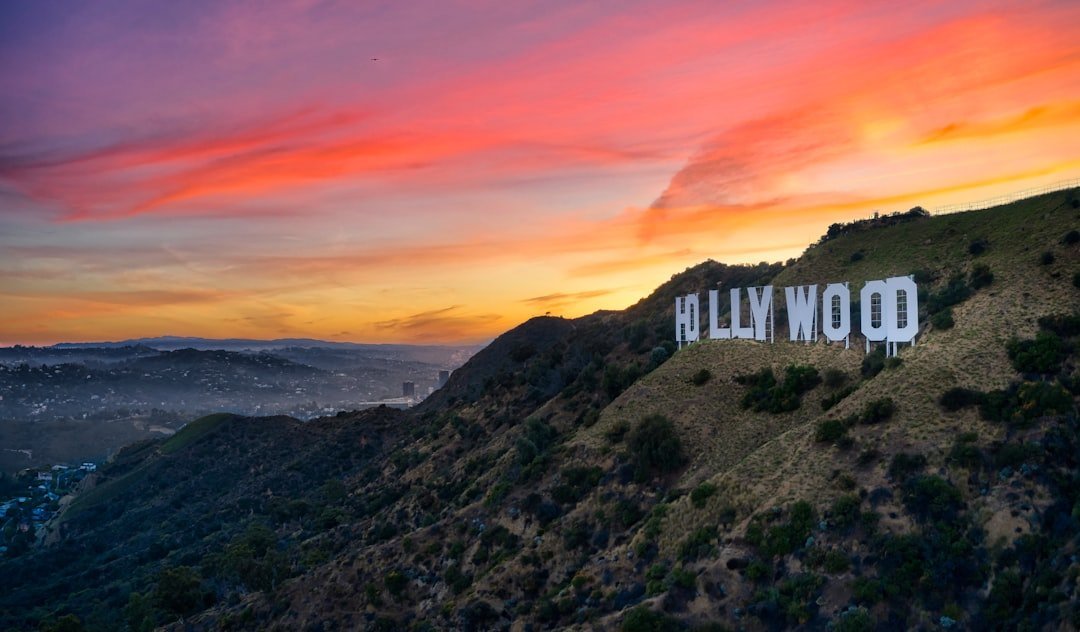
The dirty secret about the Hollywood Sign is that you can’t actually get close to it. Many visitors don’t realize this until they’re already halfway up a sweaty trail through Beachwood Canyon – and even then, the closest legal access point leaves you roughly half a mile away, squinting at giant white letters on a hillside. That’s the payoff. After two to four hours of LA traffic, a chaotic mess of tour buses, and a full hike: some letters, at a distance, with other disappointed tourists doing the same awkward zoom-and-squint beside you.
The sign has no visitor experience, no museum, no context – just the letters, far away. If you actually want the iconic shot, visit Griffith Observatory instead. You get the sign in the background, the entire LA skyline in front of you, and a legitimate reason to be there – for free. The Hollywood Sign hike ends with a shrug. The Observatory ends with one of the best views in Southern California.
#11 – Fisherman’s Wharf, San Francisco: A Postcard That Smells Like Regret
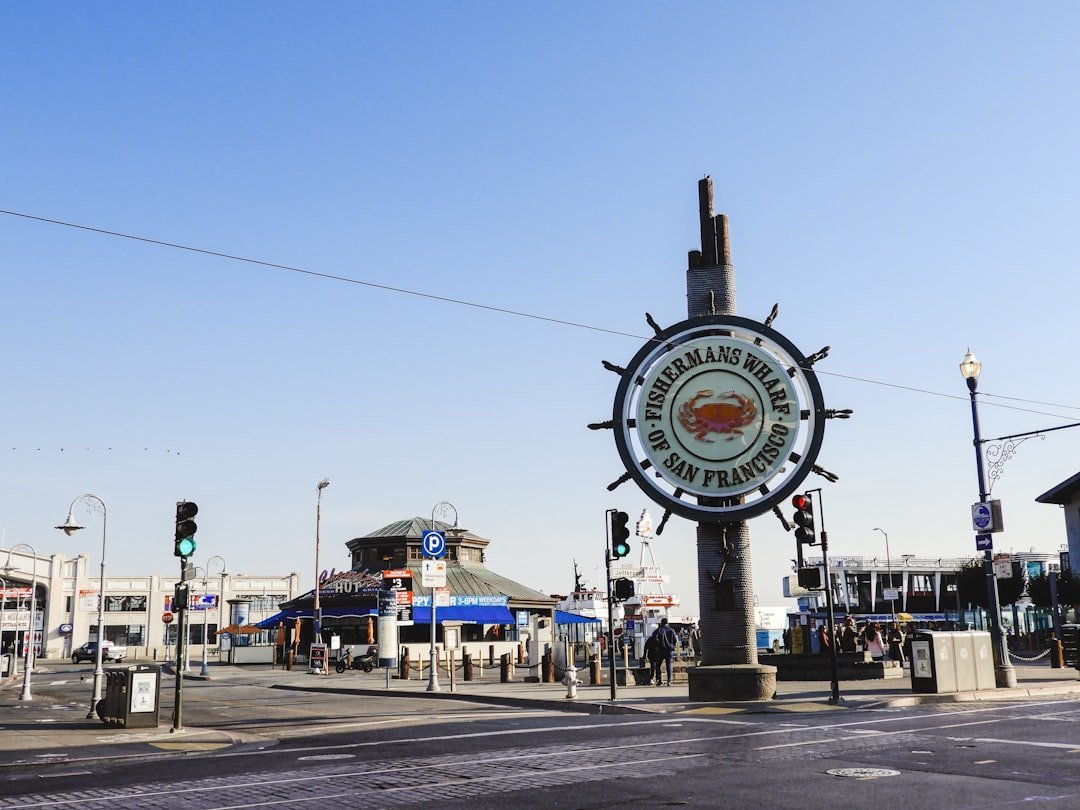
Ask a San Francisco local where they’d send a tourist and watch their eyes flicker away from Fisherman’s Wharf like it’s the sun. The Wharf is one of the city’s most-visited spots – a bustling corridor of seafood restaurants, souvenir shops, and street performers that has been aggressively commercialized for decades. The clam chowder in a bread bowl sounds great in theory, but you’ll be eating it wedged between an “Alcatraz Inmate” hoodie shop and a guy in a Shrek costume asking for tips.
The actual seafood quality at the Wharf’s tourist-facing restaurants rarely justifies the markup. The views of the Golden Gate and Alcatraz are real, but you can find those views from less crowded spots throughout the city without the performance of it all. The best part of Fisherman’s Wharf – honestly, genuinely the best part – is the sea lions at Pier 39, and they’re free. Everything else is a tax on not knowing San Francisco better.
The Reality Check: US Landmarks Quiz
Think you know which American landmarks are worth the trek? Test your knowledge on the reality behind these famous postcards versus the actual visitor experience.
Think you caught the key details? Take the quick quiz and see how sharp your instincts really are.
#10 – The Las Vegas Strip: A 24/7 Sensory Assault That Costs Everything
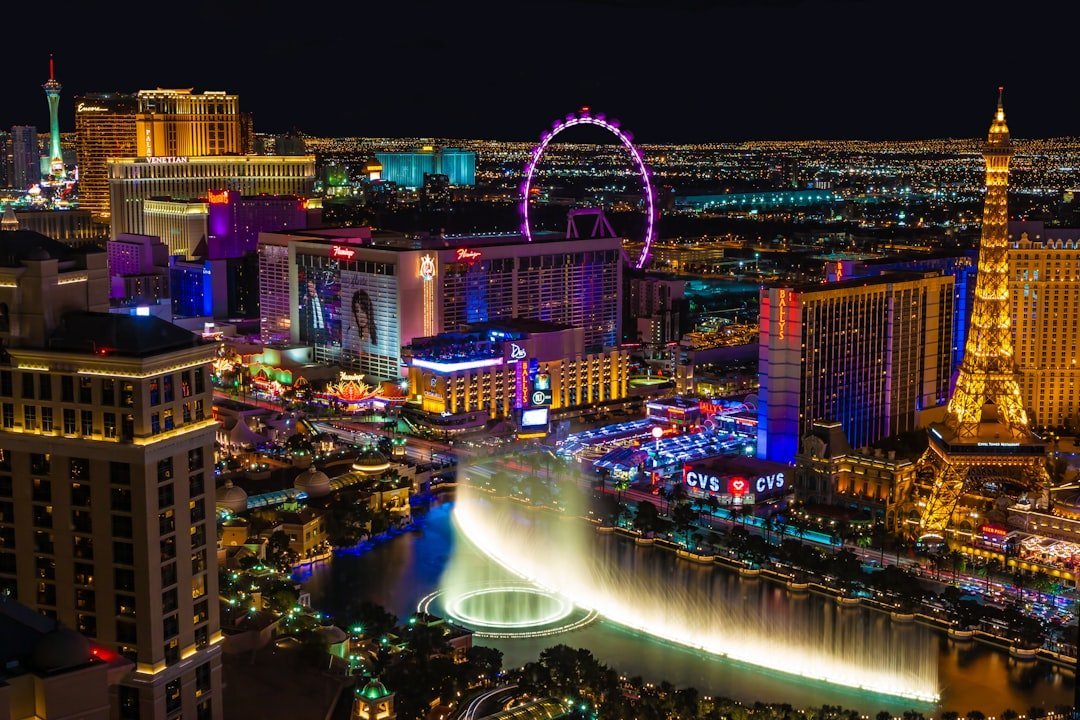
The Strip looks incredible in photos taken at 11 p.m. through an Instagram filter. In actual daylight, standing on the sidewalk in 105-degree heat, getting shoulder-checked by a bachelor party while a flyer for a buffet gets shoved into your hand – it’s something else entirely. The crowds, the heat, and the constant assault on your wallet create an experience that looks nothing like the glamorous escape being advertised on every billboard from here to the state line.
The city’s larger-than-life hotels are a sight to behold, but gambling and crowded nightclubs are essentially all the Strip itself has to offer. Hidden resort fees, $22 cocktails, and zero natural light inside the casinos are the real product being sold. Vegas as a weekend trip can genuinely be a blast – but the Strip as a landmark you need to experience? Walk two blocks off it and you’ll find a very different, much lonelier city that makes the whole thing feel like an elaborate set.
Quick Compare
- The Strip promise: Electric glamour, cinematic skyline, nonstop energy
- The Strip reality: Resort fees, $22 drinks, and a sidewalk so crowded you can barely move
- Better nearby: Fremont Street Experience (free light show), Red Rock Canyon (30 min away), Valley of Fire State Park
#9 – Bourbon Street, New Orleans: The Real NOLA Is Everywhere Else
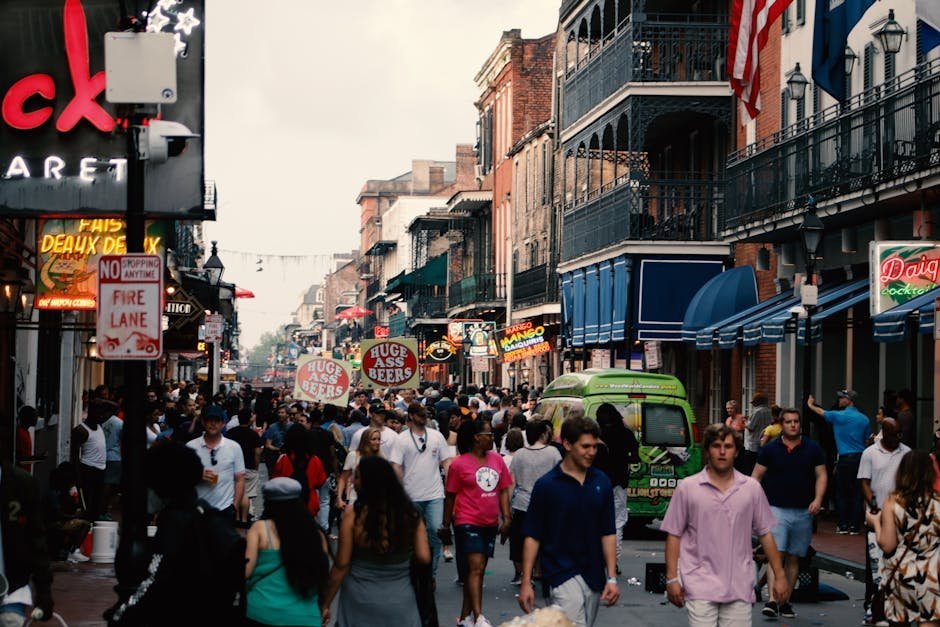
New Orleans is a genuinely extraordinary city – and Bourbon Street is what most tourists use as a proxy for the whole experience, which is a tragedy. The French Quarter surrounding it is historic and beautiful, but Bourbon Street itself is a sticky, loud, overpriced corridor of cover bands playing for tourist dollars and bars serving watered-down drinks in novelty plastic cups. That can be fun once. It is not New Orleans culture.
What used to be a neighborhood with actual character has been slowly replaced by expensive retail and tacky gift shops that exist entirely for people passing through. Locals will tell you to walk 10 minutes to the Marigny, find a second-line parade, and grab a po’boy from a corner spot. That’s the real city. Bourbon Street is just the loading screen – loud, familiar, and completely disposable once you know what’s just beyond it.
#8 – Plymouth Rock, Massachusetts: The Most Famous Rock That Isn’t Even the Right Rock
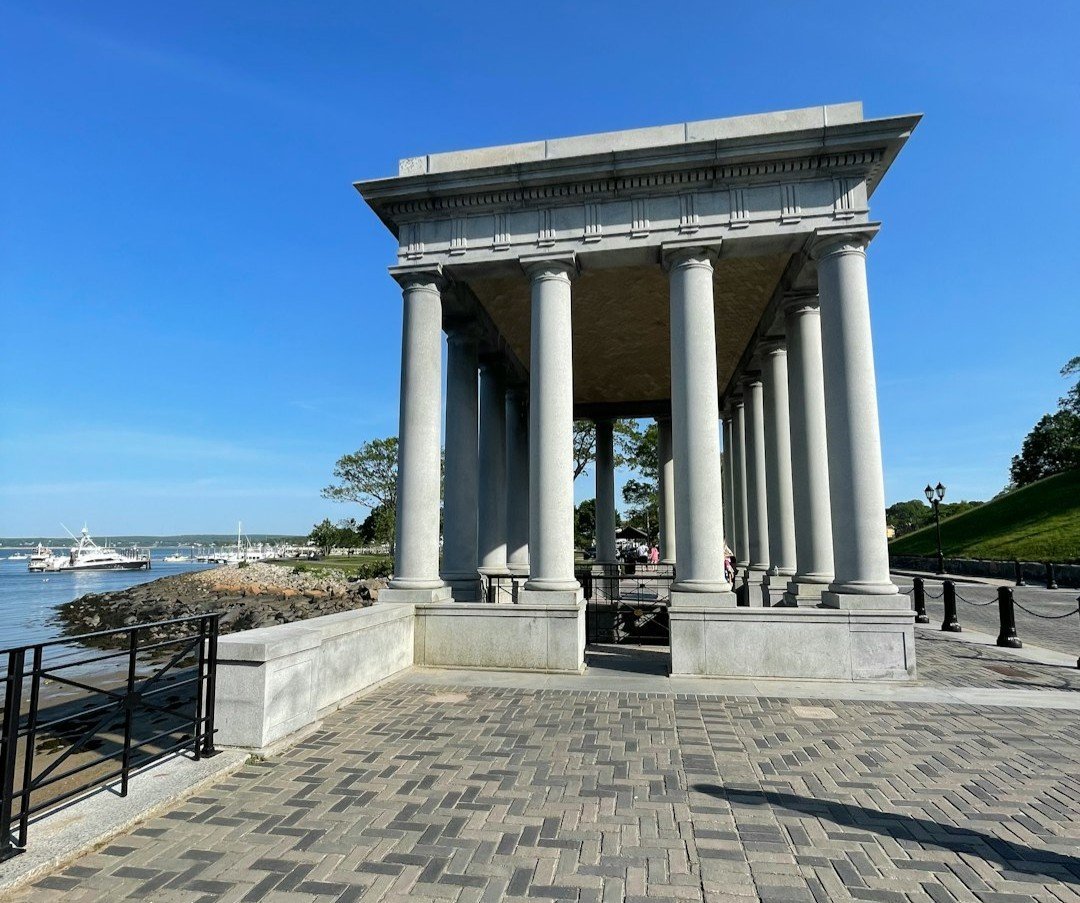
For generations, American schoolchildren have been taught that Plymouth Rock is where the Pilgrims first set foot in the New World. Here’s what the brochure leaves out: they probably didn’t land there at all. Historians widely note that the Pilgrims first disembarked at Provincetown Harbor, on the opposite side of Cape Cod Bay – not at Plymouth. The two most significant primary sources on the founding of Plymouth Colony – Edward Winslow’s account and William Bradford’s history – never once mention Plymouth Rock. So you’re driving to see a rock that may not be historically accurate, to look at something that, even if it were, is not impressive.
It sits in a pit. It’s surprisingly small. It’s often encased behind a cage. Feeling completely let down by this landmark is apparently a rite of passage for most New England schoolchildren – which tells you everything you need to know. The harbor town of Plymouth is genuinely charming, and nearby Cape Cod is beautiful, but making the Rock the centerpiece of your itinerary means driving somewhere to look at a medium-sized stone behind bars and then wondering what just happened to your afternoon.
Worth Knowing
- The rock was first identified as the Pilgrims’ landing spot in 1741 – 121 years after the Mayflower arrived
- It has been moved multiple times, broke in half in 1774, and was mortared back together in 1880
- The Pilgrims actually first landed at Provincetown Harbor, five weeks before reaching Plymouth
- Neither of the two main Pilgrim historical accounts ever mention Plymouth Rock by name
- Upwards of a million people visit it each year – and most leave underwhelmed
#7 – The Alamo, San Antonio: Smaller Than Your Imagination, Louder Than It Should Be
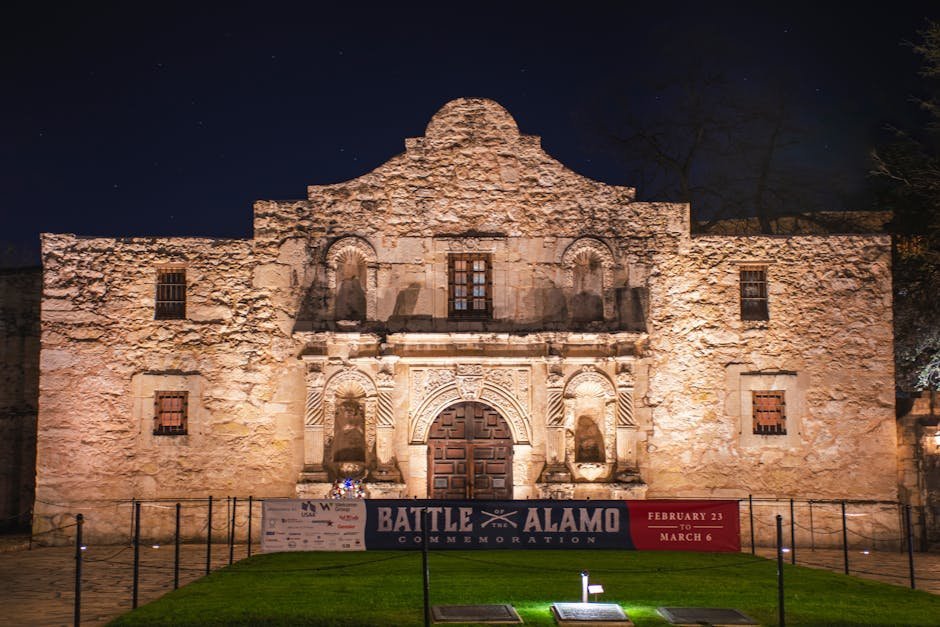
The Battle of the Alamo is one of the most dramatic events in American history – 189 defenders holding off thousands of troops for 13 days in 1836. The site deserves reverence. What you actually get when you show up is a mission church roughly the size of a suburban place of worship, surrounded by downtown San Antonio traffic and souvenir shops selling foam fingers and coonskin caps. The buildup in your head does not survive contact with reality.
The entire complex can be absorbed in under 10 minutes, and the commercialization surrounding it dilutes whatever solemnity remains. What was once the site of a pivotal moment in American history now competes with tchotchke vendors for your attention. The River Walk right next door is genuinely lovely, scenic, and free – and it makes for a far better afternoon than standing in the footprint of a building that’s smaller than your office park back home.
#6 – Niagara Falls (U.S. Side): The Water Is Real, the Experience Isn’t
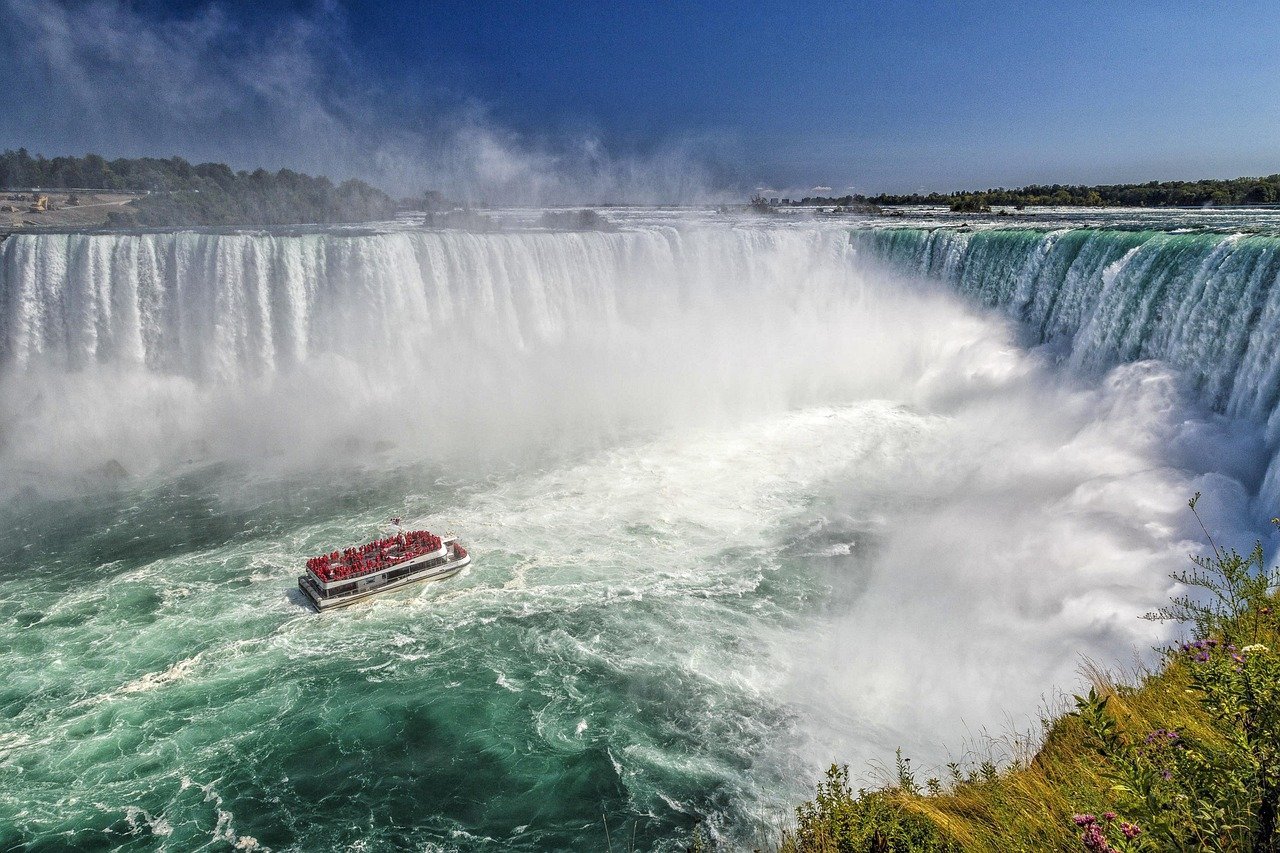
The falls themselves are legitimately awe-inspiring. Some of the most powerful moving water on earth, and you’ll feel it in your chest when you get close enough. Nobody is arguing with the water. The problem is everything around the water. Unlike most of America’s great natural wonders, this area was never placed under full national park protection – leaving it free to become a tourist corridor that, aside from the falls themselves, more closely resembles Branson, Missouri than Yellowstone. Wax museums, haunted houses, and Ripley’s Believe It or Not all compete for your dollar within walking distance of one of the natural wonders of the world.
If you can only visit one side, choose Canada without hesitation. The Canadian side offers the iconic horseshoe-shaped view that appears in every famous photograph, while the American side gives you a more limited perspective surrounded by far more aggressively tacky infrastructure. There is no charm to the U.S. side of Niagara Falls – just the sensation of something beautiful being treated like a carnival midway. Go in the off-season if you must, but the falls are not going anywhere, and neither is the disappointment.
#5 – The Liberty Bell, Philadelphia: A Cracked Bell Behind Glass That Takes All Day
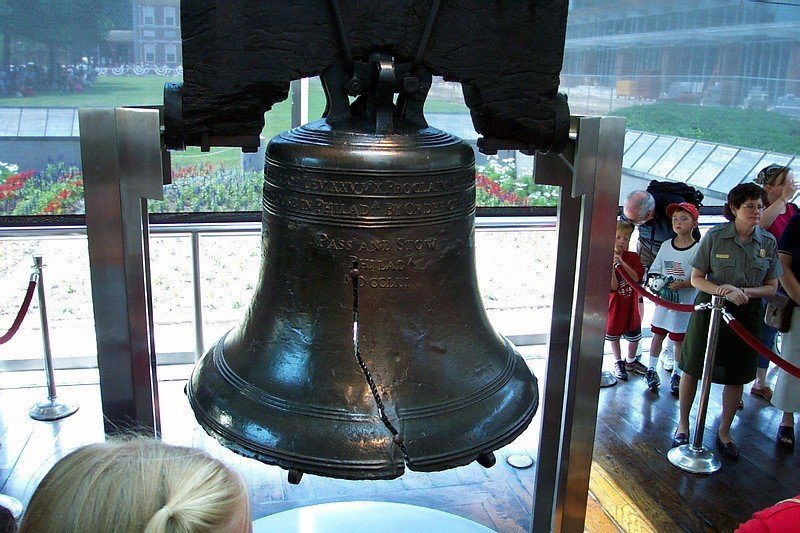
Philadelphia is genuinely one of America’s great cities – extraordinary food, deep history, world-class museums, and a civic identity that’s completely its own. And yet the thing most out-of-towners make a beeline for is a broken bell in a glass box. Strip away the larger-than-life symbolism for a second and what you’re left with is a smaller-than-expected, craggly piece of discolored metal with a crack in it, surrounded by people taking the same photo. The story behind it is genuinely interesting. The act of seeing it is not.
The long wait to enter a small exhibit leaves many visitors feeling like they spent more time in line than they spent learning anything. A far better option is Independence Hall, right next door – where both the Declaration of Independence and the Constitution were debated and signed, and where you can absorb far more actual history without the bottleneck. And honestly? A Philly cheesesteak from a proper corner spot will do more for your sense of place than that bell ever could.
#4 – Mount Rushmore, South Dakota: Four Presidents, Five Minutes, Six Hours of Driving
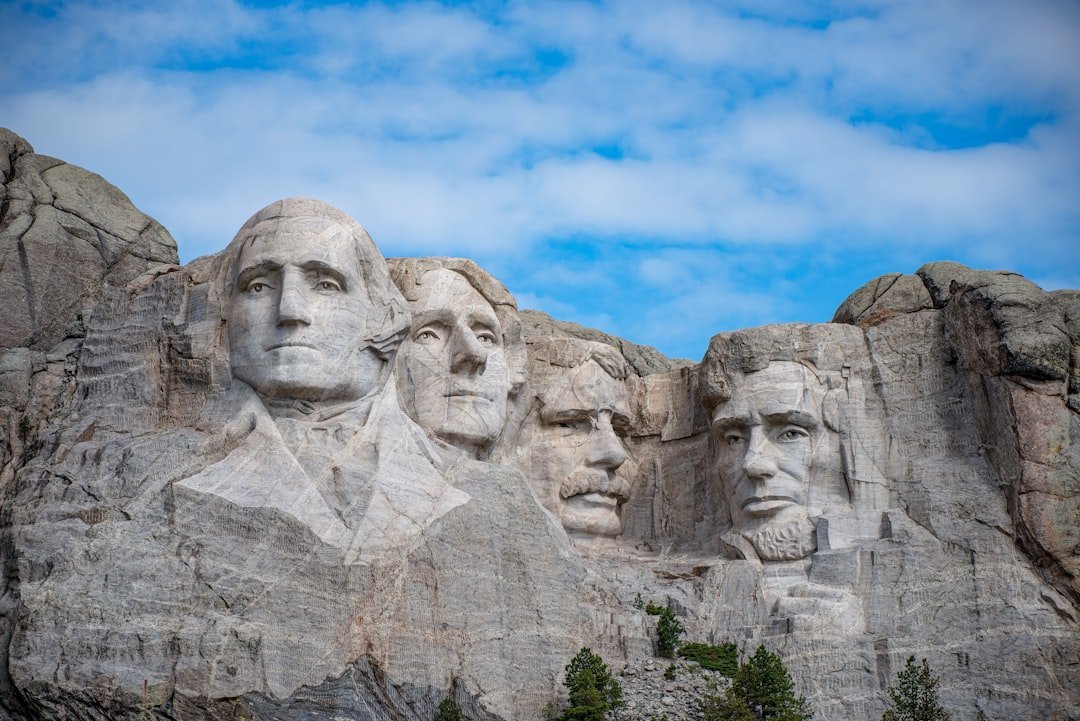
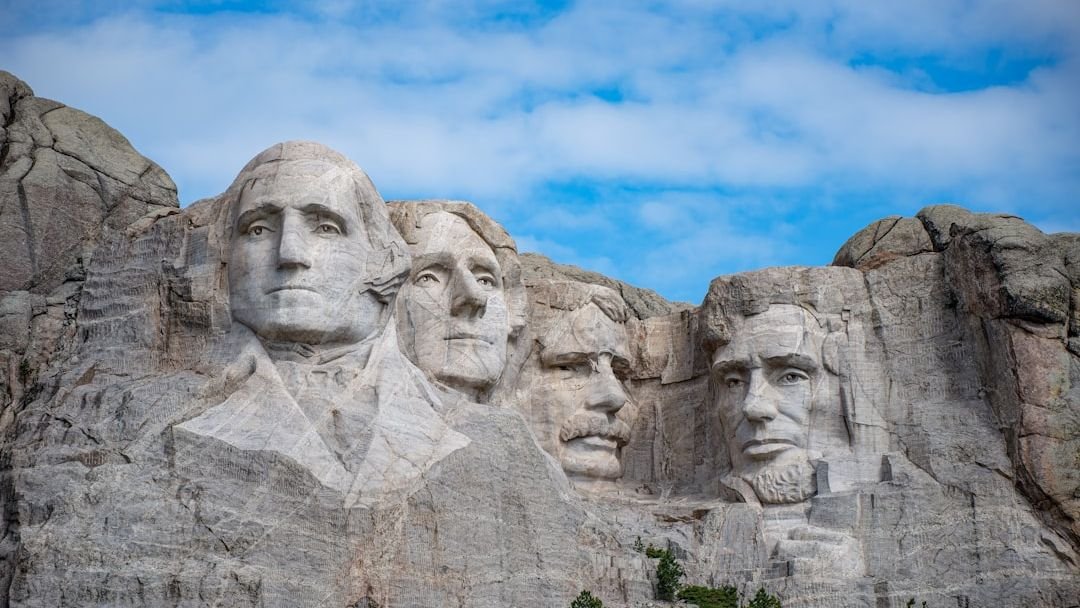
Mount Rushmore has a reputation so enormous it’s nearly impossible to live up to – and reliably, it doesn’t. The granite sculpture draws more than two million visitors a year, and a significant number leave feeling underwhelmed. Up close, the carvings are smaller than you’d expect, and the experience absorbs in roughly five minutes. After that, you can walk a nature trail, look at some state flags, and visit an average museum. That is genuinely the whole day you drove to the middle of South Dakota for.
The problem isn’t that Mount Rushmore is bad – it’s that it demands an enormous amount of effort for a very brief payoff, and it sits in a region that offers genuinely world-class landscapes nearby. Badlands National Park delivers dramatic lunar terrain, incredible wildlife, and hiking that actually rewards you. If you’re going to make the trip, build it around the Badlands, the Custer State Park Wildlife Loop, and Sylvan Lake. Visit Rushmore on the way through. Do not let it be the destination.
At a Glance
- Mount Rushmore: 2M+ visitors/year, ~5 min of actual viewing, then a gift shop
- Badlands National Park: 244,000+ acres of dramatic terrain, wildlife, and real hiking
- Custer State Park: 1,500-strong free-roaming bison herd, scenic Wildlife Loop Road
- Sylvan Lake: One of the most stunning alpine lakes in the entire Midwest – and almost no one outside South Dakota talks about it
#3 – The Hollywood Walk of Fame, Los Angeles: Dirty Stars and Broken Dreams
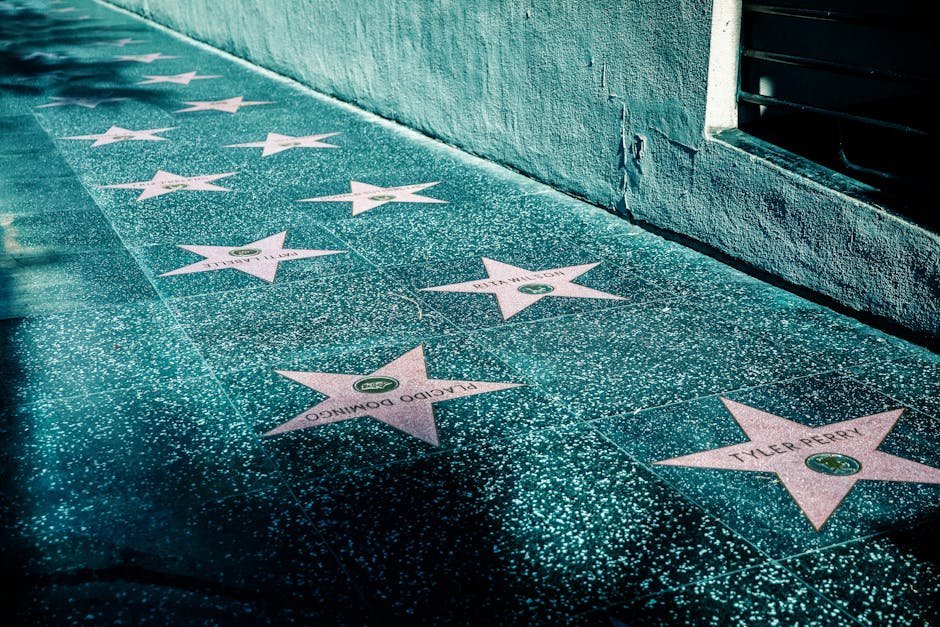
If you’ve ever pictured Hollywood Boulevard as a glamorous stretch of old-school movie magic – golden light, cinematic history hanging in the air – prepare for a hard correction. The Walk of Fame’s star-lined sidewalks attract tourists from everywhere, and the vast majority leave thoroughly disappointed. It’s grimy, the surrounding blocks are lined with aggressive scammers and costumed characters demanding tips, and the overpriced retail shops and tattoo parlors surrounding those 2,500-plus sidewalk stars look nothing like the dream being sold.
Many of the stars themselves are in a serious state of disrepair, cracked and faded beneath foot traffic and neglect. The 2025 analysis by AOL listed the Hollywood Walk of Fame among the top global tourist traps, citing overcrowding and a near-total absence of genuine Hollywood charm. Tourists who come seeking cinema magic consistently leave feeling cheated. The fix is simple: go to Griffith Observatory instead. The view of Los Angeles from up there is the real thing – and it costs nothing.
#2 – Times Square, New York City: The Bright Lights Nobody Actually Enjoys
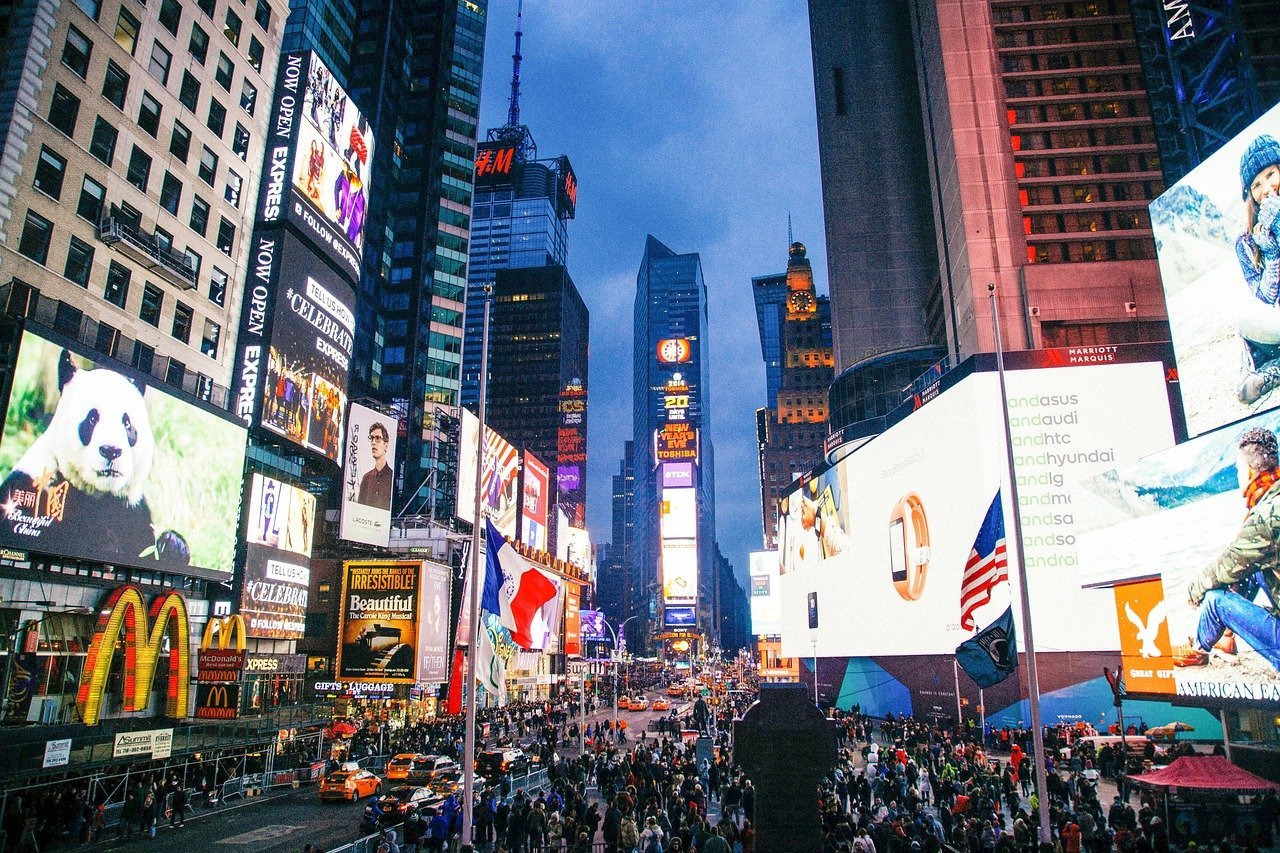
Times Square is the single most-visited tourist attraction in the United States – and experienced travelers just as consistently name it one of the most overrated places in the entire country. Despite its massive digital billboards and reputation as the “heart of New York,” the area is almost universally described by those who’ve actually spent time there as overwhelming, exhausting, and aggressively commercialized. The lights are real. The magic is not.
Once you’ve absorbed the spectacle for five minutes, what’s left is the struggle to walk ten feet without being elbowed, aggressively approached by costumed characters, or steered into an Applebee’s. The restaurants are overpriced chains you can find at home. The energy is less “electric city” and more “crowded airport terminal with neon.” New York has an almost incomprehensible number of extraordinary things to experience – and Times Square, specifically, is the one you can skip without losing a single thing.
Why It Stands Out (For All the Wrong Reasons)
- Most-visited tourist spot in the U.S. – and one of the most consistently panned by repeat visitors
- Chain restaurants dominate: Olive Garden, Applebee’s, Bubba Gump – nothing you can’t find at home
- Costumed characters legally entitled to request tips after photos – and some are aggressive about it
- Better New York alternatives within 20 minutes: High Line, Brooklyn Bridge, The Met, Central Park, Smorgasburg
The Reality Check: US Landmarks Quiz
Think you know which American landmarks are worth the trek? Test your knowledge on the reality behind these famous postcards versus the actual visitor experience.
Think you caught the key details? Take the quick quiz and see how sharp your instincts really are.
#1 – The Four Corners Monument: The Most Anticlimactic Drive in America
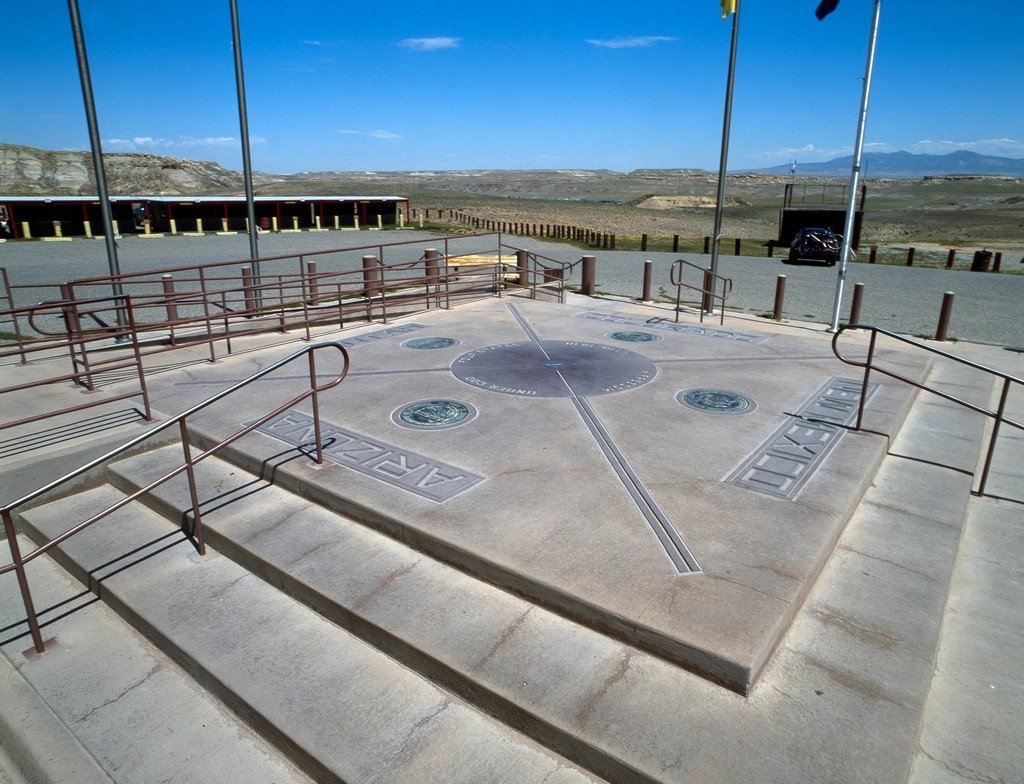
Nothing on this list captures the full arc of tourist disappointment quite like the Four Corners Monument. You drive for hours through remote desert – no cell signal, no gas stations, no services – to reach a concrete slab embedded in the ground where four states technically meet. You crouch down with one limb in each state. You take the photo. You stand up. You look around. There is nothing else. Around 250,000 people make this pilgrimage every year, drawn by the novelty of standing in four states at once. The novelty lasts about 45 seconds.
Then there’s the kicker: the monument may not mark the precise geographical point Congress originally intended. Surveys have confirmed it sits roughly 1,800 feet from the originally intended intersection – though all four states have legally accepted the monument’s location as the official boundary, so you are technically in the right spot. Cold comfort when you’re crouching on a concrete disc in the middle of nowhere. Nearby Monument Valley is one of the most breathtaking landscapes in North America – ancient sandstone buttes rising out of the desert floor in colors that don’t seem real. Go there instead, and you’ll wonder how the concrete slab ever crossed your mind.
The landmarks that disappoint most aren’t the obscure ones – they’re the famous ones, marketed so relentlessly for so long that reality could never keep up. Before you build your next road trip around any of these, ask a local what they’d actually recommend. Nine times out of ten, it won’t be on this list. And if we missed one that wasted your time and your gas money, drop it in the comments.