

Most people step onto a cruise ship convinced the real experience starts the moment they hit the pool deck. But for the crew already stationed at the gangway, your vacation story is being written the second you walk through that terminal door. They’re not being nosy. Reading thousands of passengers quickly and accurately is literally the job – and they’re very good at it.
Some of what they notice is obvious. A lot of it isn’t. A few things on this list will make you rethink every cruise boarding you’ve ever done – and one or two might make you genuinely grateful someone was paying that close attention.
#17 – Whether Your Documents Are Ready or a Complete Disaster

Before you say a single word, staff has already clocked how you’re handling your paperwork. Passengers who arrive at the check-in desk still digging through a tote bag of loose papers instantly signal they haven’t done the prep work. It takes about four seconds, and the impression sticks. The first stop is a cruise agent who checks your boarding documents and passport to confirm you’re an actual passenger – and it moves fastest when one person in your party has everything in hand before they even reach the desk.
Crew members have processed thousands of embarkation days. A passenger who produces a neat, organized document packet gets mentally tagged as someone who won’t create friction later – a micro-impression that quietly shapes every interaction for the rest of the sailing. The person still hunting for their passport at the counter? They get a different kind of attention from that point forward.
At a Glance
- Have passport, boarding pass, and ID accessible before you reach the desk – not buried in a bag
- One person in your group should hold all documents to avoid the multi-pocket scramble
- Printed backups of e-tickets are smart – terminal Wi-Fi can be unreliable
- Visas must match your itinerary: staff sees document problems at every single sailing
#16 – Whether You Booked Last Minute
You might think a late booking is just a personal scheduling choice. The crew already knows about it before you arrive – and specific protocols kick in automatically. Bookings made within 24 hours of sailing trigger mandatory secondary screening. At check-in, those guests must present their boarding pass, photo ID, and full citizenship documents including any required visas, and then wait for a more thorough review.
That secondary screening flags you to security staff the moment you enter the terminal. Carry-on and checked luggage can be opened for inspection. If a prohibited item turns up, the options are surrendering it, returning it to your vehicle, or shipping it home at your own expense – and possession of illegal items can mean denial of boarding or a handoff to local authorities. Late bookers get a noticeably different welcome than everyone else, even the completely innocent ones. That’s worth knowing before you chase a last-minute deal.
#15 – What’s Actually Inside Your Carry-On
You’re getting X-rayed, full stop. Every carry-on goes through a security scanner at the checkpoint, and checked bags may be searched before they reach your cabin. The staff watching those monitors are trained to spot things that look perfectly innocent to the naked eye – and they’re not skimming the screen casually.
Banned items go well beyond the obvious. Weapons and fireworks are a given, but the list also includes candles, clothing irons, and anything that produces a flame. Royal Caribbean bans martial arts gear, baby monitors, and extension cords. Carnival bans handcuffs. Sniffer dogs check luggage before it’s loaded onto the ship. That bag you packed in twenty minutes on a Tuesday night is receiving a more deliberate review than you probably imagined.
#14 – How You Treat the People Around You in Line
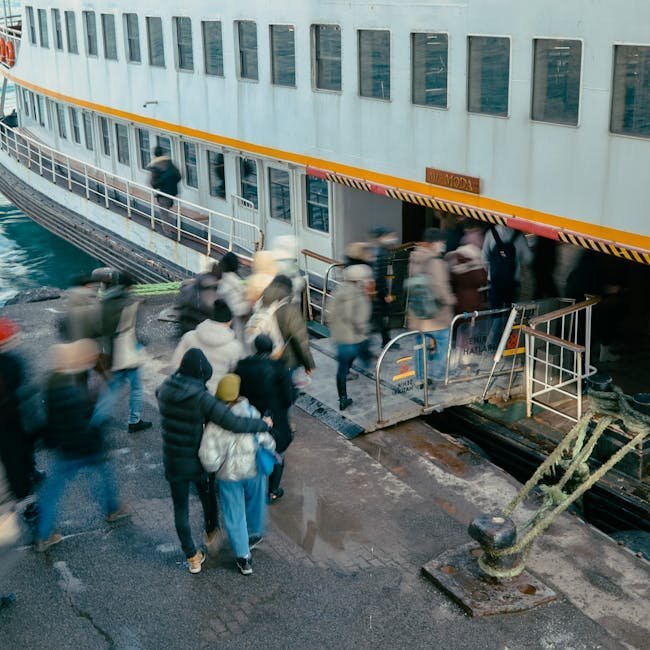
Embarkation lines can stretch for an hour or more, and how you behave in that line is one of the clearest personality reads available to staff. Crew members are trained to stay polite regardless of what they encounter – which creates the illusion that their patience is bottomless. It isn’t. Passengers who are brief, clear, and respectful move through the system more smoothly, and that’s not a coincidence.
The passengers who are short with staff, cut in line, or make the check-in process harder than it needs to be get mentally noted – because that behavior almost always continues on board. Consequences for seriously disruptive behavior during a sailing include fines, removal from the cruise, or involvement of local authorities at the next port. The embarkation line isn’t a waiting room. For the crew, it’s the first read they get on who you are.
#13 – How You Handle Your Luggage
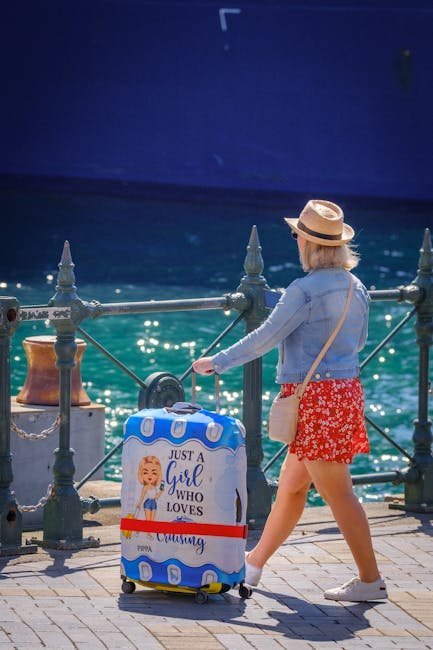
A seasoned traveler moves their bags with the quiet efficiency of someone who’s done this before. A first-timer tends to show it – wrestling an oversized suitcase through the check-in queue, uncertain where to go, unsure who to hand things off to. Staff uses this as practical intelligence, not a character judgment. It tells them who will need more guidance once the ship leaves the dock.
The system is straightforward: hand your larger bags to the porters when you arrive at the terminal, and they’ll deliver them to your cabin. You’re not required to use the luggage drop, but dragging four suitcases through check-in and around the ship while waiting for your room to open is exactly the kind of thing that broadcasts first-timer status from across the terminal. Knowing the system ahead of time is one of the most quietly powerful moves you can make on boarding day.
Quick Compare
- Checked bags (porters): Delivered to your cabin – usually by late afternoon; pack a carry-on with anything you need for the first few hours
- Carry-on bags: Stay with you through check-in and security; go straight to your cabin when it opens
- Pro move: Label every bag with your name, cabin number, and sailing date – porters handle hundreds at once
The Art of the Embarkation: What the Crew Really Sees
Stepping onto a cruise ship is more than just a vacation start; it's a first impression that sets the tone for your entire voyage. From your paperwork habits to your luggage handling, here is what the staff notices the moment you arrive.
Think you caught the key details? Take the quick quiz and see how sharp your instincts really are.
#12 – Your Group Size and Family Dynamic
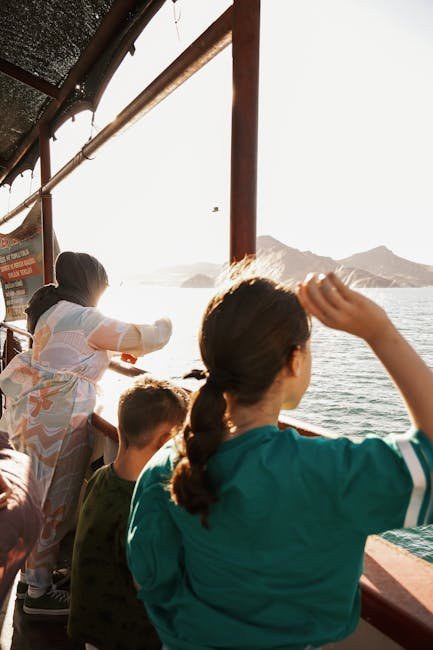
Solo traveler, couple, family of five, multigenerational reunion of twenty – staff reads the composition of your group almost instantly, and it immediately affects what they’re preparing behind the scenes. Large groups often require split cabin assignments, accessible accommodations, or special activity bookings, and those puzzles start getting solved the moment you walk in together.
Families traveling with young kids get a specific kind of attention right at the door. Lines are long, kids get restless, and a child melting down at the check-in desk creates a ripple effect for everyone behind you. Experienced staff anticipates this – which is also why they notice the families who showed up prepared with snacks, entertainment, and a plan. That small detail already says something about how the rest of the week will go.
#11 – Whether Anyone in Your Party Seems Unwell
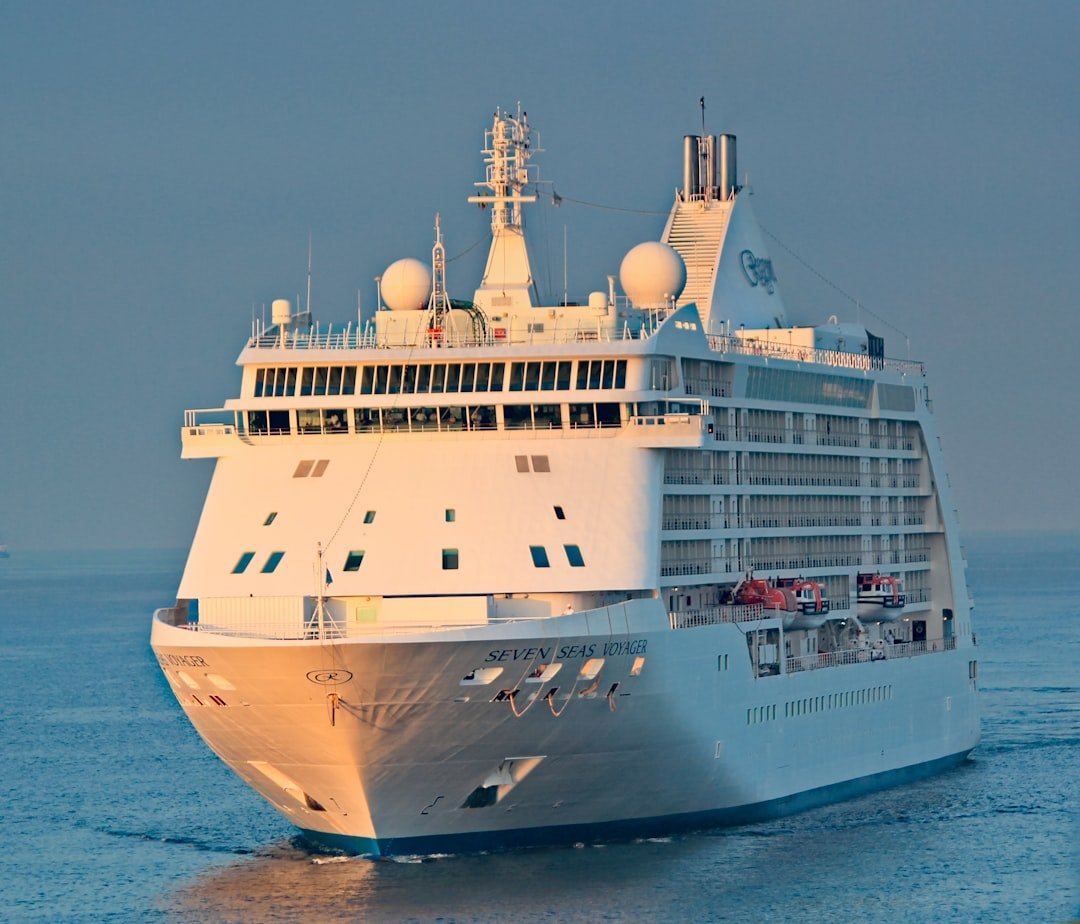
Cruise lines don’t just ask you to fill out a health questionnaire as a formality – they take it seriously enough to also watch you. Temperature scanning and health screenings happen before boarding, and crew members at the gangway are specifically trained to look for signs of illness: persistent coughing, pale or clammy skin, passengers who look unsteady on their feet. They’re looking because they have to.
Norovirus outbreaks are the cruise industry’s most dreaded operational event. The CDC’s Vessel Sanitation Program reported 16 confirmed gastrointestinal disease outbreaks on cruise ships through 2024 – the largest number in 12 years – and 2025 saw that figure climb even higher, with 22 reported incidents, a 22% jump over the prior year. Saying you feel fine when you don’t isn’t just a personal risk – it’s a risk to every passenger and crew member on that ship. Experienced staff can often tell the difference between vacation nerves and something more serious. And they are absolutely paying attention.
Worth Knowing
- Norovirus can incubate up to 48 hours before symptoms appear – making early detection at boarding critical
- Research found that “ill passenger prior to embarkation” was a common risk factor in multiple documented cruise outbreaks
- The CDC defines an outbreak as 3% or more of passengers or crew reporting GI symptoms on voyages calling U.S. ports
- Quarantine of sick passengers to their cabin is mandatory and non-compliance can result in fines or removal from the ship
#10 – Your Loyalty Status and Cruise History
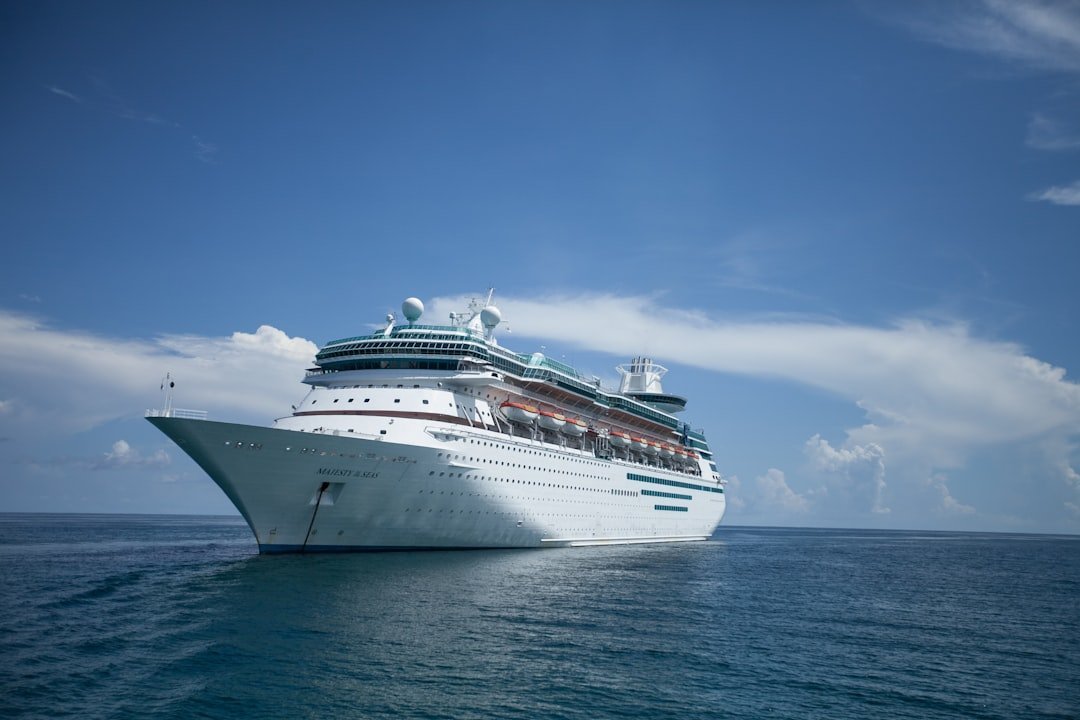
Your loyalty tier is already loaded into the system before you reach the terminal. High-status passengers and suite guests are directed to shorter lines or separate waiting areas the moment their status is confirmed – a perk that’s invisible to everyone who hasn’t earned it. The major cruise lines offer elite-tier benefits that can include complimentary drinks, specialty dining credits, priority boarding, reserved show seating, free internet, and even a complimentary cruise.
The moment your cruise card is scanned, staff can see exactly how many sailings you’ve taken, what tier you’ve reached, and what perks apply to your cabin. Your steward is briefed on that information before you arrive. You are not anonymous at the check-in desk. You are a named passenger with a documented history, and the crew treats you accordingly from the first interaction onward.
#9 – Whether You’re Celebrating Something Special
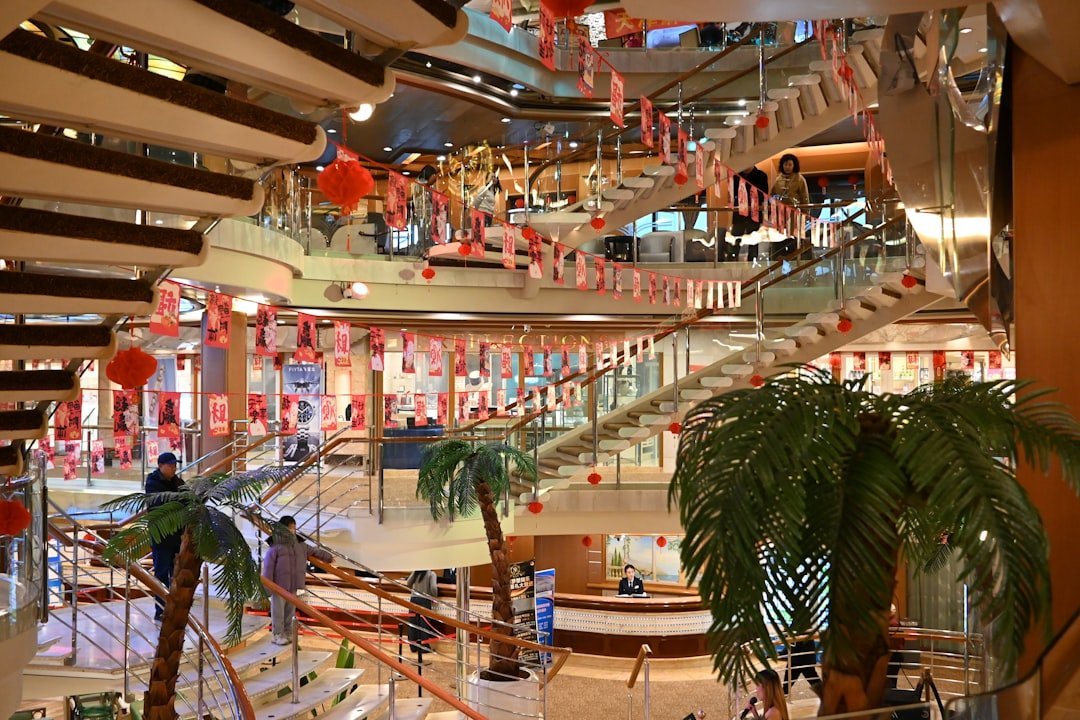
Mentioned a honeymoon, a 50th anniversary, or a milestone birthday during booking? That note has already traveled through multiple departments by the time you board. Special occasion flags get passed from reservations to cabin stewards to dining staff well before embarkation day. Stewards sometimes decorate a cabin, arrange signature towel art, or have a small surprise waiting when you open the door for the first time.
The crew’s awareness of your celebration before you even step on board is one of the most quietly impressive things about how modern cruise hospitality operates. It feels like magic. It’s actually logistics – and it starts at boarding. If you forgot to mention a special occasion during the reservation process, the check-in desk is your last realistic window to get that information into the system before the ship sets sail.
#8 – Whether You Have Medical Equipment or Accessibility Needs

Guests with implanted cardiac devices like pacemakers or defibrillators are asked to inform security staff at embarkation so that safe, alternative screening can be arranged. That’s just one layer of how medical information shapes crew preparation before you even unpack. Wheelchair users, guests who require oxygen concentrators, and passengers needing refrigerated medication all trigger specific protocols that are ideally in place well before boarding day.
Most cruise lines ask for accessibility and medical accommodation requests at least 30 days before departure. Without prior notice, the crew may simply not be set up to help effectively. But if something wasn’t disclosed in advance, the security checkpoint at embarkation is the right moment to speak up – and staff is trained to handle it quickly and without drawing attention. They’ve seen it many times before.
#7 – How Confident (or Completely Lost) You Look in the Terminal
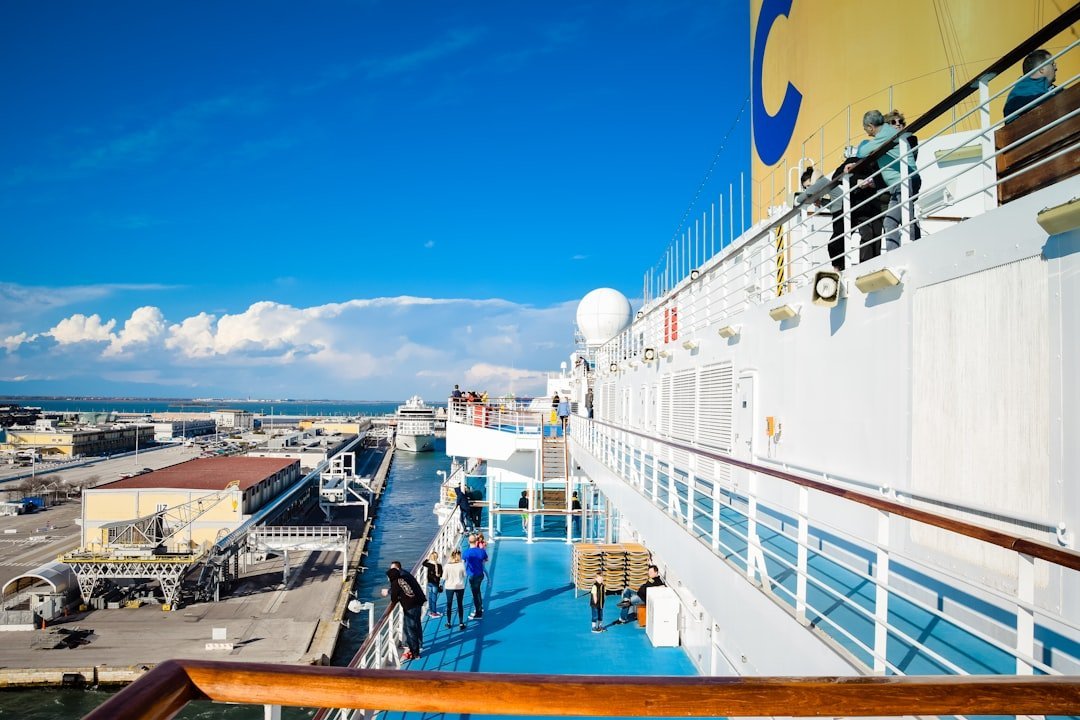
A veteran cruiser moves through the terminal with the quiet momentum of someone running a familiar errand. First-timers tend to stall – hesitating at signage, second-guessing the luggage drop, drifting into the wrong line. Staff doesn’t judge this, but they absolutely notice it. It shifts how they interact with you from that moment forward, and it’s one of the fastest reads they can make about your experience level.
Some passengers arrive with a printed itinerary and a plan for every hour of the trip. Others show up ready to figure it out as they go. Both approaches are visible at boarding, and crew members calibrate their level of proactive assistance based on what they see. The passengers who look genuinely lost at the terminal entrance tend to be the same ones staff quietly checks in on throughout the first day at sea – which, if you’re new to cruising, is actually a benefit worth accepting.
#6 – What Time You Decide to Show Up
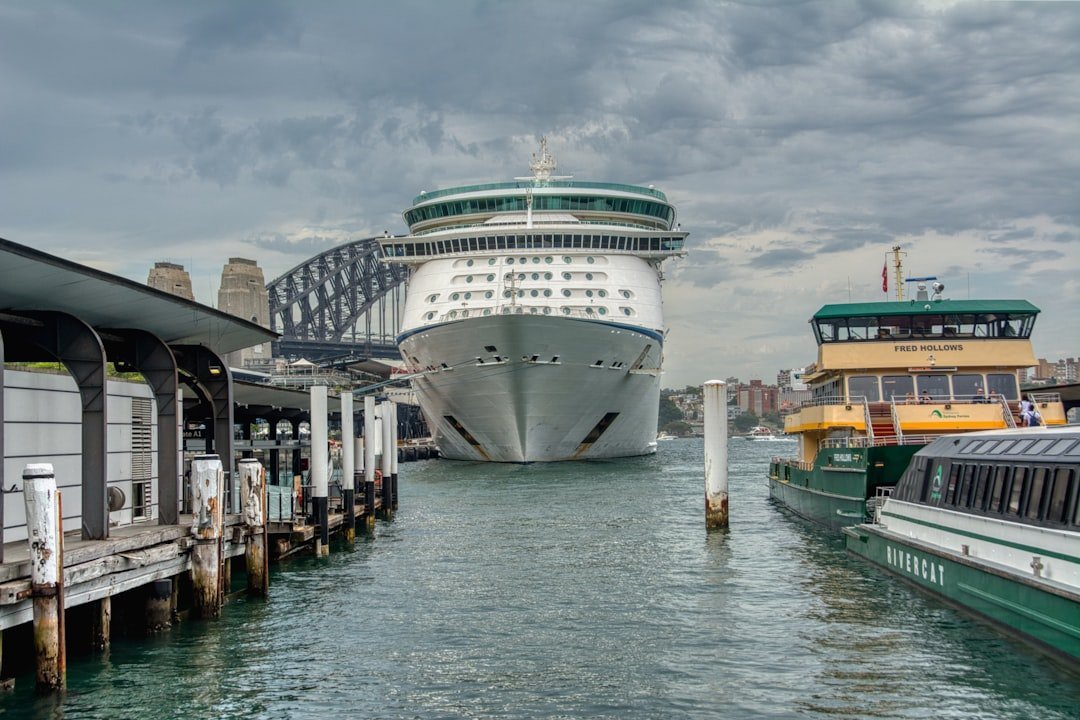
Cruise lines assign boarding windows for a reason. The busiest surge typically hits between noon and 2 p.m., and showing up right in the middle of that rush means longer waits, more crowded check-in desks, and a slower start to your vacation. Arriving just before or after that window is the move most frequent cruisers know well – and staff can tell who figured that out and who didn’t.
Showing up too early creates its own problem: the previous sailing may still be disembarking, and you’ll wait in the terminal regardless. Showing up too close to the cutoff is worse. If you miss the final boarding window – even by minutes – you likely will not be allowed to board, and the ship will sail without you. The passengers who arrive at the wire cause a cascade of rushed processing that stresses the entire check-in operation. Arriving in the calm window signals that you understand how embarkation actually works, and crew members notice that kind of quiet competence.
Fast Facts
- Peak boarding congestion: typically noon to 2 p.m. – arrive early or wait it out
- Arriving too early (before your window): you’ll sit in the terminal until the previous voyage fully disembarks
- Missing the cutoff by even minutes usually means the ship leaves without you – no exceptions
- Some lines offer early boarding perks to suite guests and top-tier loyalty members that bypass the rush entirely
#5 – Whether You’re Trying to Sneak Alcohol On Board

It happens on every sailing, and the crew has seen every version of it. Most cruise lines allow passengers to bring a modest amount of wine, champagne, or non-alcoholic beverages for cabin consumption – but the allowance has limits, and security is specifically trained to spot attempts to exceed them. Oversized liquids flagged at the X-ray machine are pulled aside for a closer visual inspection at a side table – a standard step in the screening process.
The mouthwash bottle filled with vodka, the shampoo container packed with rum, the water bottle that isn’t water – these tricks have been in the security training materials for years. Getting caught doesn’t just mean losing the bottle. It means your name gets flagged at security before you’ve seen your cabin, and that’s not a great way to start a week at sea. Marijuana and related products are also prohibited on all cruise ships, regardless of legality in your home state – and that one carries consequences well beyond a confiscated bottle.
#4 – Whether You’re Already Angling for an Upgrade at Check-In
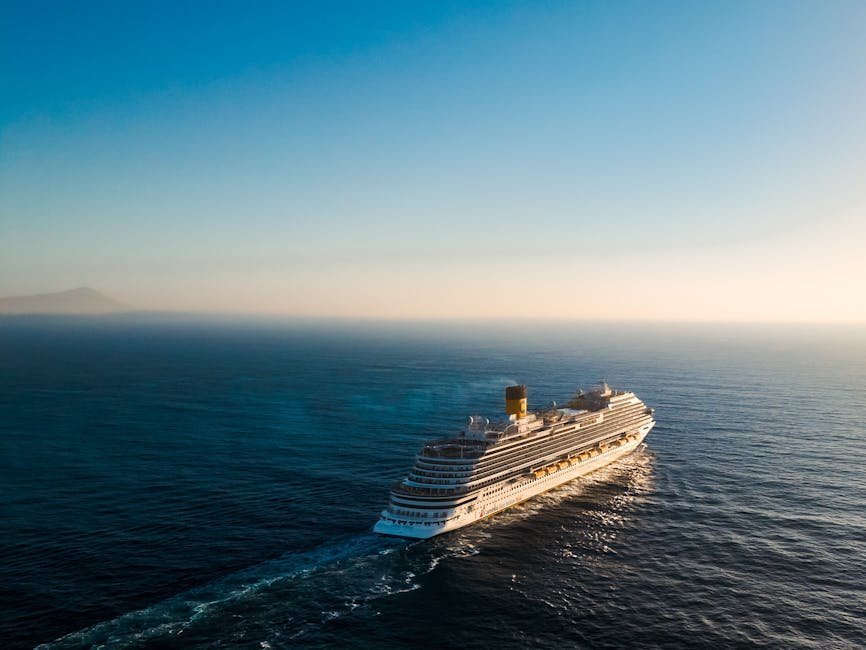
Some passengers walk into the terminal with a strategy: find the right crew member, work the angle, and land a better cabin before they even reach their assigned one. Experienced staff sees this approach coming from twenty feet away – and the reality is that it almost never works. Cabin upgrades are handled through bidding systems before the ship sails, and by embarkation day, every cabin assignment is already locked. The rare empty cabins are held for operational emergencies, not charming requests at the check-in desk.
The passenger who arrives making demands – especially one who name-drops their loyalty tier while doing it – gets quietly labeled as high-maintenance before the ship leaves the dock. Embarkation day is one of the most operationally intense days of any cruise, with crew racing to turn over hundreds of cabins in a narrow window. Demanding exceptions on the most chaotic day of the ship’s week is the fastest way to mark yourself as a difficult passenger before the voyage even begins.
#3 – Your Photo at the Gangway
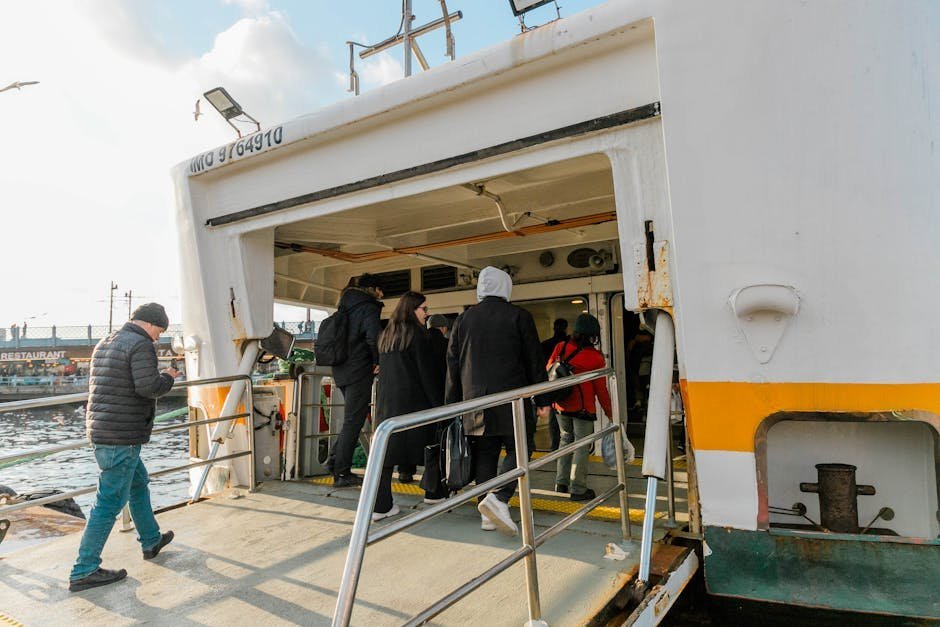
The photo taken at check-in isn’t a souvenir moment – it’s a security tool baked into the ship’s entire access control system. At embarkation, staff photographs every passenger and links that image to their cruise card. That card functions as your boarding pass, cabin key, and onboard payment method for the entire sailing. The photo is what makes the system work as an identity check rather than just a key swipe.
Every single time you scan your card to re-board the ship at a port of call, a crew member is watching a screen that displays your boarding photo alongside your passenger profile. Your face is being verified in real time. It’s seamless enough that most passengers never think about it – but it means your image is one of the first and most permanent things locked into the crew’s records about you the moment you board. You are recognized. Every time.
#2 – How You Treat the Crew at Your Very First Interaction

That first exchange at the check-in desk – whether it’s warm, distracted, or dismissive – travels further than most passengers realize. Crew members are trained to remain professional regardless of how they’re treated, which can make it easy to mistake their politeness for indifference. It isn’t. The passengers who are genuinely courteous in that first moment get remembered, and that impression moves quietly through departments for the rest of the trip.
Cruise crew members often spend months at sea, away from their families, working long hours to make a stranger’s vacation feel effortless. A real greeting, eye contact, and a simple thank you at check-in costs nothing – and it registers more than most passengers know. Kindness at boarding is the one upgrade no bidding system can buy, and the crew notices exactly who arrives with it.
People will forget what you said, people will forget what you did, but people will never forget how you made them feel.
Maya Angelou
The Art of the Embarkation: What the Crew Really Sees
Stepping onto a cruise ship is more than just a vacation start; it's a first impression that sets the tone for your entire voyage. From your paperwork habits to your luggage handling, here is what the staff notices the moment you arrive.
Think you caught the key details? Take the quick quiz and see how sharp your instincts really are.
#1 – Whether You’re a First-Timer or a Seasoned Veteran

This is the one that shapes everything else on this list. Experienced crew can identify a first-time cruiser from a returning passenger in under thirty seconds – and it immediately calibrates how they approach that person for the rest of the sailing. According to the Cruise Lines International Association’s 2025 State of the Industry report, 34.6 million ocean cruisers sailed on member lines in 2024, nearly double the 18.4 million who sailed a decade earlier. With repeat passenger volume that large, loyalty and experience levels are woven into every layer of how ships operate.
Cabin stewards review their assigned passengers before boarding day like a teacher reviewing a class roster before the first day of school. They know your name, your history, your tier, and – if you’ve mentioned it – your occasion. They’ll knock on your door on embarkation day to introduce themselves, explain the cabin, and ask what you need. A first-timer gets proactive orientation. A veteran gets acknowledged as a known quantity who’s done this before. Both are treated well – but only one signals that they need guidance. The most powerful thing you can be on boarding day isn’t experienced or impressive. It’s simply prepared.
Why It Stands Out
- 34.6 million passengers sailed on CLIA member lines in 2024 – staff has seen every passenger type imaginable
- Your steward reviews your sailing history and loyalty tier before you arrive at the ship
- First-timers get proactive guidance; veterans get acknowledged – both matter, but staff calibrates each differently
- Organized, courteous, and prepared passengers consistently have smoother sailings – across every line, every route
The moment you enter a cruise terminal, you stop being a ticket number. You become a personality, a travel profile, a security consideration, and – if you arrive the right way – a welcome face in a crew member’s very long day. The passengers who move through boarding with the least friction aren’t always the most experienced or the highest status. They’re the ones who showed up organized, treated people with basic dignity, and understood that embarkation day is the most operationally intense few hours of any sailing. Everything from how you carry your bags to your tone of voice at the check-in desk is already telling a story the crew will carry through the entire voyage. Did any of these catch you off guard – or did you spot yourself in one of them?