
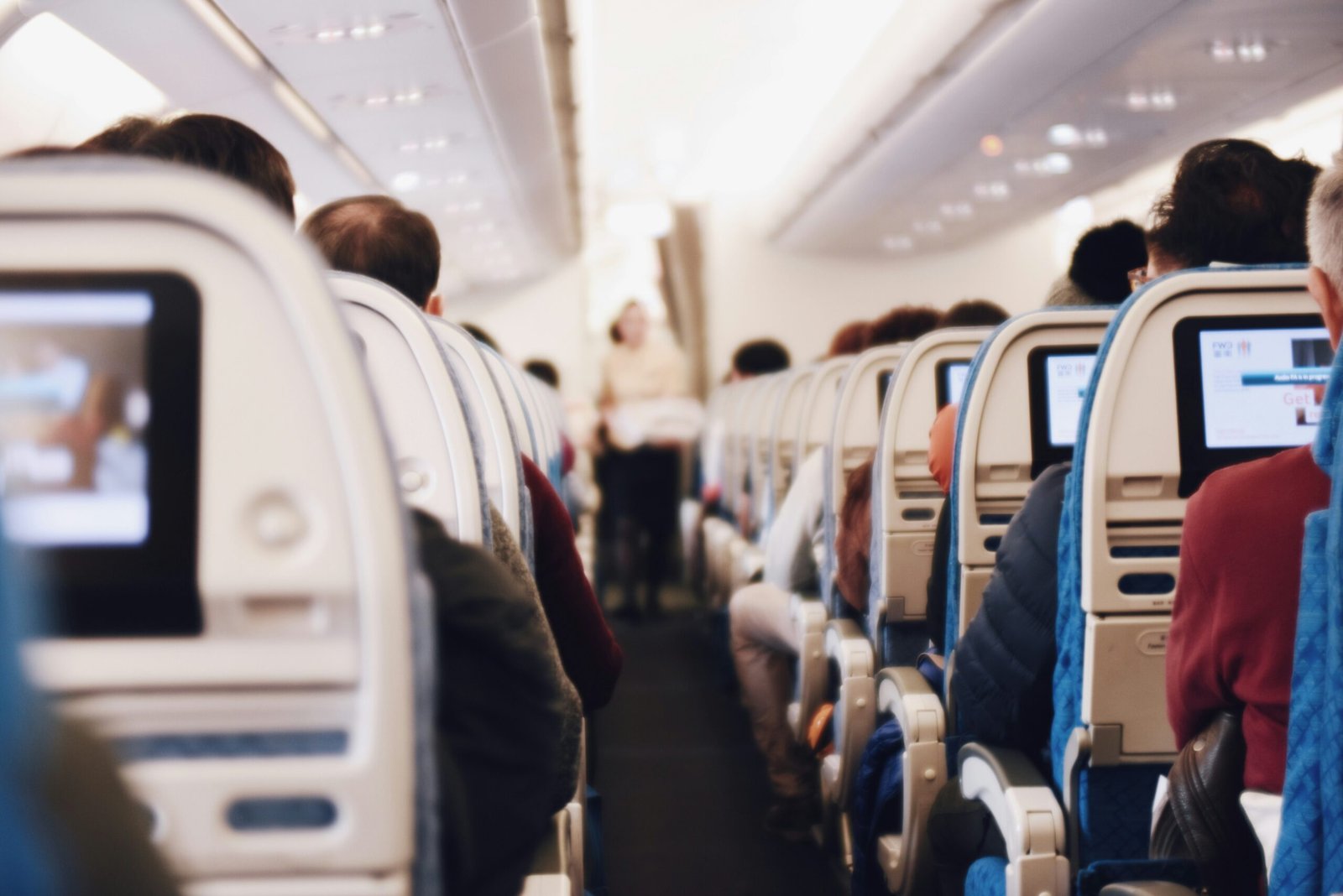
Most people think the greeting at the cabin door is just good manners – a friendly smile, a quick ticket scan, a polite point toward row 24. It’s not. That three-to-four-second exchange is one of the most calculated moments of your entire flight. Flight attendants are trained to read passengers almost instantly – and they’ve already formed an opinion before you’ve touched the overhead bin.
What they’re clocking isn’t random. There’s a real mental checklist running behind every “welcome aboard” – one that covers your shoes, your bags, your body language, and a few things that would genuinely catch you off guard. Some of it is routine. Some of it can get you removed from the plane entirely. Here’s what veteran cabin crew say they’re actually watching for.
#17 – Whether You Made Eye Contact at the Door
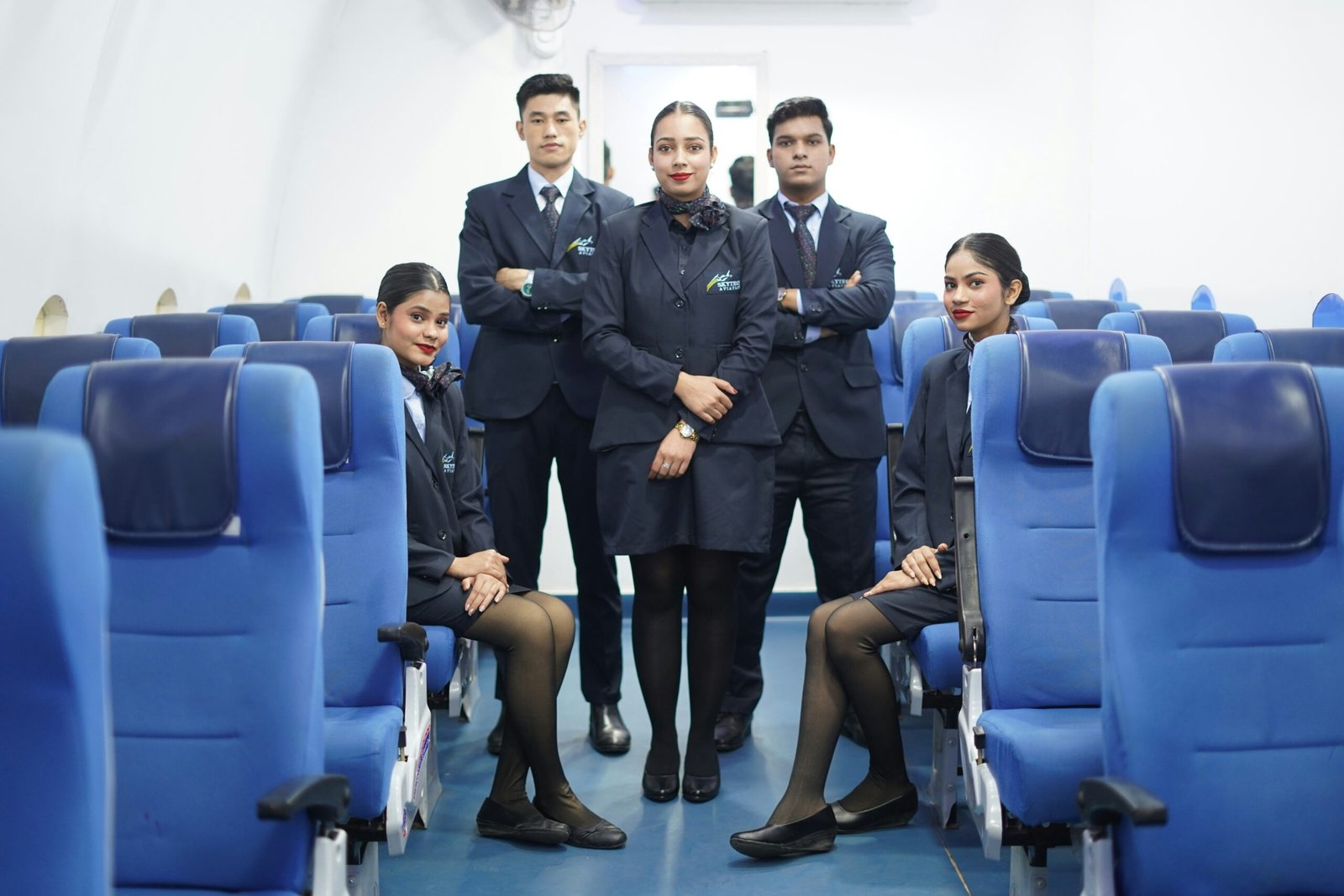
That brief moment at the cabin door tells flight attendants a lot more than you’d expect. They’re reading your body language, tone, and eye contact in real time. A warm smile and a simple hello creates instant trust. Avoiding eye contact or boarding with visible irritation raises concern – and it gets remembered.
This isn’t just a vibe check. Flight attendants are specifically trained to spot tension, fear, or low-grade aggression early. Passengers who seem agitated before the plane even pushes back get mentally flagged for extra attention throughout the flight. You’ve barely stepped inside, and the assessment has already started.
Fast Facts
- Flight attendants assess each passenger in roughly 3 to 4 seconds at the door – less time than it takes to find your boarding pass.
- The greeting doubles as a formal safety and security screening, not just hospitality.
- Agitated or evasive body language is one of the earliest red flags crew are trained to catch.
- The assessment continues past the door – cabin crew stationed inside the aircraft keep observing as you find your seat.
#16 – Your Shoes (Yes, Really)
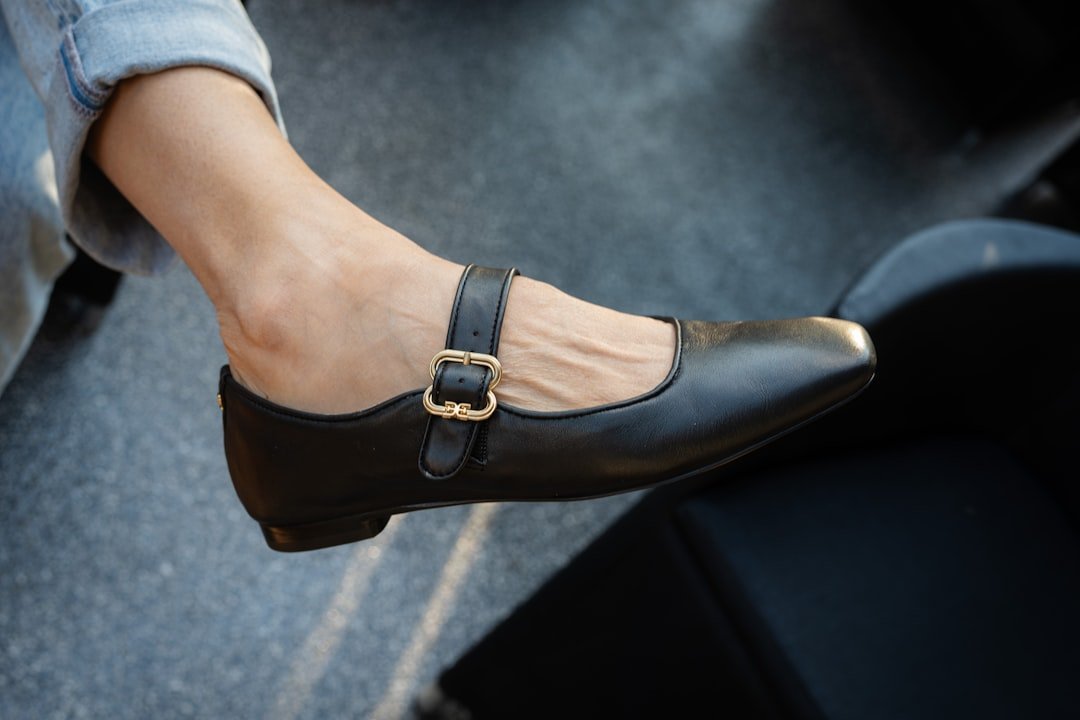
Flight attendants don’t have a fashion obsession – there’s a genuine safety reason they glance at your feet. Amy Caris, a flight attendant and director of in-flight for JSX, puts it plainly: “I always look at what kind of shoes a customer is wearing to determine whether they can run quickly and easily in them. If I see someone wearing high heels during boarding, I can make a note to add in an emergency command about removing them if the need arises.”
“I always look at what kind of shoes a customer is wearing to determine whether they can run quickly and easily in them.”
Amy Caris, Flight Attendant and Director of In-Flight, JSX
Sharp items and high heels can both puncture an evacuation slide – which is why they’re watching before you’ve even found your row. They also notice passengers heading to the lavatory barefoot. That cabin floor is genuinely filthy, and walking on it without shoes is a bigger hygiene risk than most travelers want to think about.
#15 – How Many Bags You’re Carrying
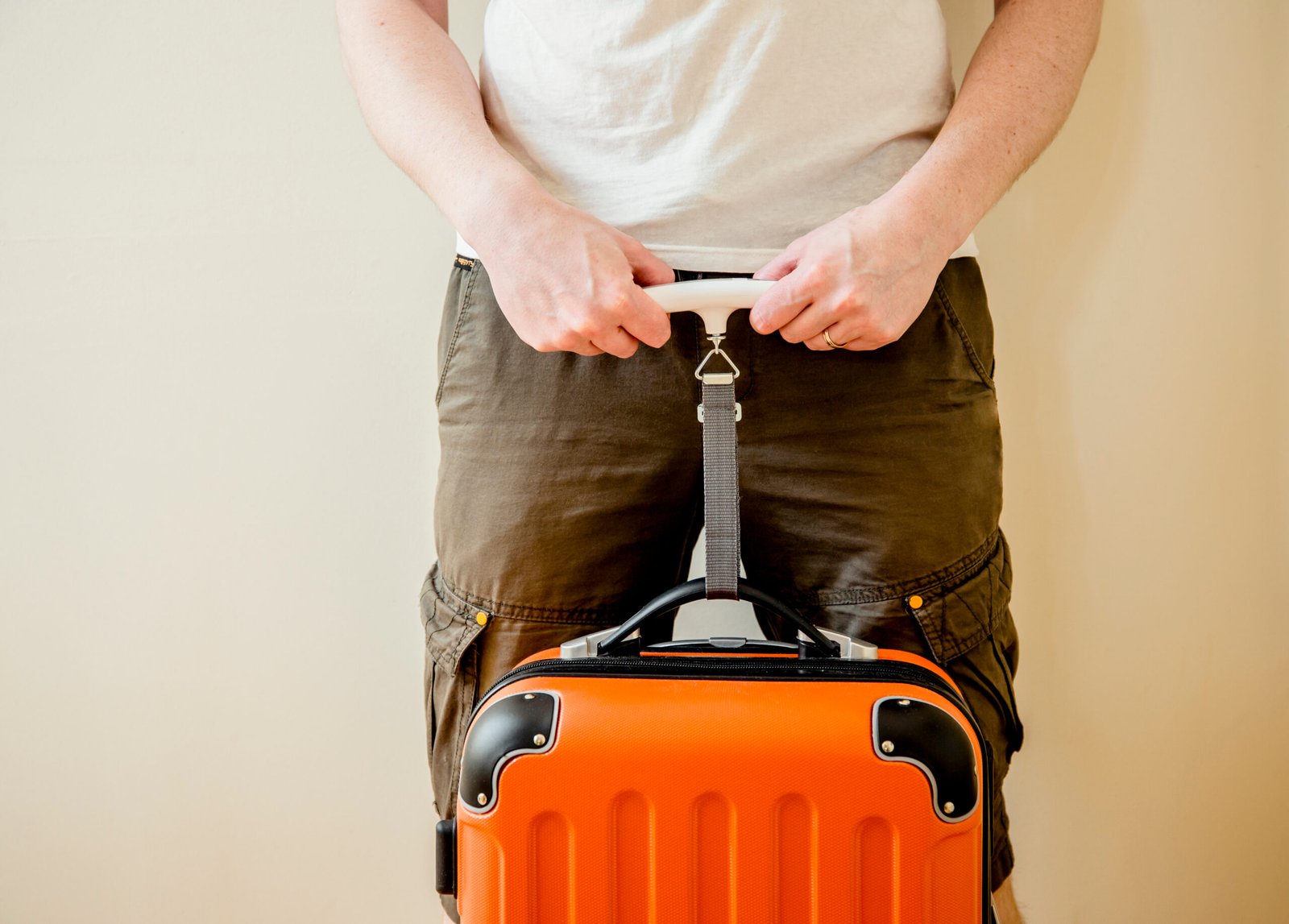
The moment you step onto the jet bridge, your carry-on situation is already being assessed. Flight attendants are the last line of defense against passengers who try to board with too many bags or luggage that’s too large to fit overhead. Delta flight attendant Reginald D. Dominique says, “I try to pay as much attention to bags as possible. Does anything look a little off? Is the luggage too large to fit in an overhead compartment? I also check whether bags have been tagged to be put in cargo or have hazard labels on them.”
This matters beyond the rules. An oversized roller bag spotted at the door can delay an entire planeful of passengers – and the crew knows exactly who brought it. If a bag has a hazard label or looks structurally wrong, it gets flagged before it ever makes it into the cabin. What looks like a casual glance is actually a quick customs-style scan.
#14 – Signs That You’re a First-Time Flyer
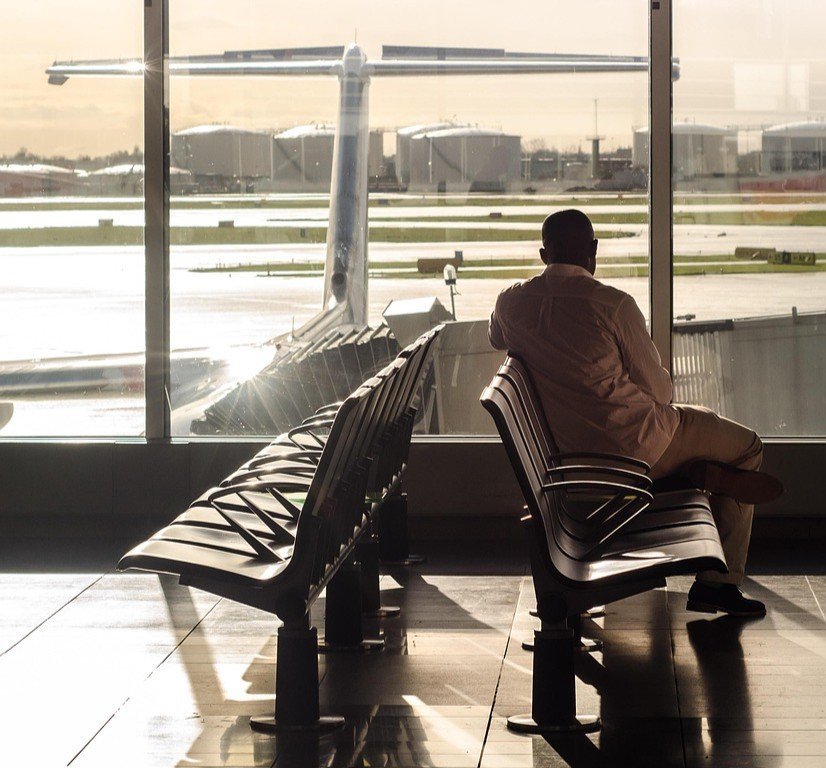
Experienced travelers move differently. They know where they’re going, stow their bag without blocking the aisle, and don’t freeze mid-shuffle. Flight attendant Kimberly Sullivan described it directly: “We can detect if they are experienced customers by the way they board the plane. If they are holding up the aisle and have tunnel vision, we know they are rookie travelers.”
This isn’t judgment – it’s safety planning. Passengers who struggle to hoist a suitcase overhead increase the chance of minor injuries and slow boarding for everyone behind them. More importantly, first-time flyers tend to freeze at exactly the worst moment during an emergency. Noticing them early lets flight attendants plan where to direct their attention if things go wrong at altitude.
#13 – Whether You’re Already Ignoring Everything
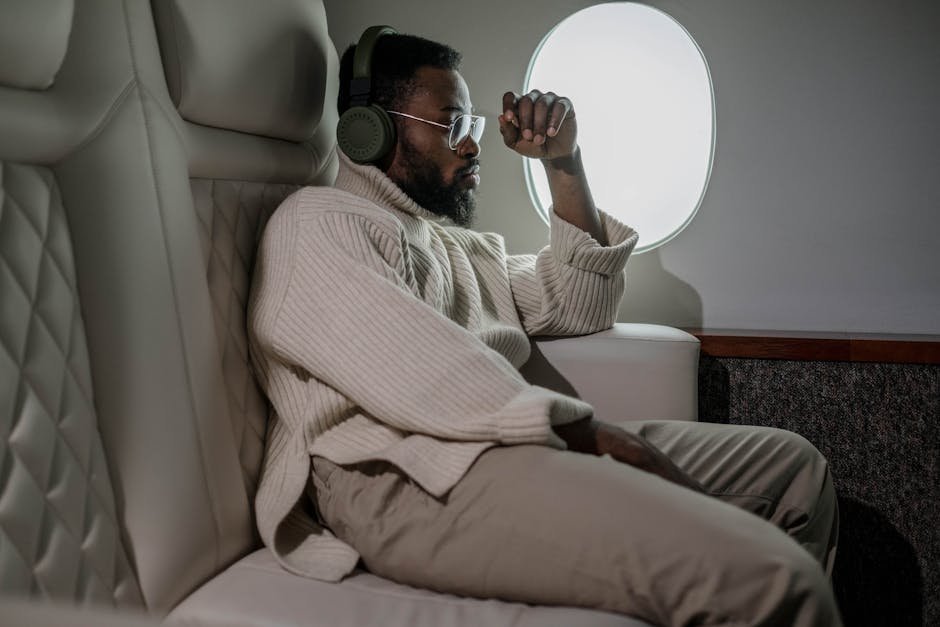
Walking on board with both AirPods in and your face in your phone sends a specific signal – and it’s not a good one. Passengers wearing headphones or glued to a screen are flagged as less likely to hear the safety demonstration and less likely to follow crew instructions. That assessment starts the second you step through the door, not when the demo begins.
Flight attendant Smith-Lihas said he genuinely notices when passengers are actually paying attention: “I’m just so used to seeing so many people not paying attention, with their headphones in, or their heads down.” A passenger who can’t hear an evacuation command is a liability – and they’re mentally catalogued as such before the boarding door even closes.
The Cabin Door Scan: What Flight Attendants Really See
That brief greeting at the aircraft door is more than just a polite welcome—it's a high-speed security and safety assessment. Test your knowledge on what the crew is actually looking for before you reach your seat.
Think you caught the key details? Take the quick quiz and see how sharp your instincts really are.
#12 – Your Attitude Toward the Crew Before You’ve Sat Down
Entitled passengers don’t stay invisible for long – they announce themselves early. Flight attendant Ryan described it plainly: “We can see them coming down the passenger boarding bridge and know that as soon as they get on the plane, they’re going to start asking for things. Sometimes they’ll start asking before they even make it on the plane.” Flight attendant Irizarry adds: “Sometimes we’ve already noticed them at the gate talking to the agent, or they come on asking for special treatment or complaining.”
It doesn’t disappear after boarding. Passengers who are rude to the crew can have that behavior noted in their passenger record and flagged for future flights with the airline. At the extreme end, it can lead to a ban. That brief dismissive comment at the door? It can follow you across future bookings. The crew isn’t shrugging it off.
Worth Knowing
- The FAA logged over 2,100 unruly passenger cases from U.S. airlines in 2024 – up from 2,076 in 2023.
- Fines can reach up to $43,658 per violation, and a single incident can trigger multiple charges.
- The FAA collected $7.5 million in fines from disruptive passengers in 2024 alone.
- Serious cases are referred to the FBI for criminal prosecution – and can affect your TSA PreCheck eligibility.
- Unruly behavior can land you on an airline’s internal no-fly list, even before any legal action begins.
#11 – If You’re Traveling with Small Children or Elderly Passengers
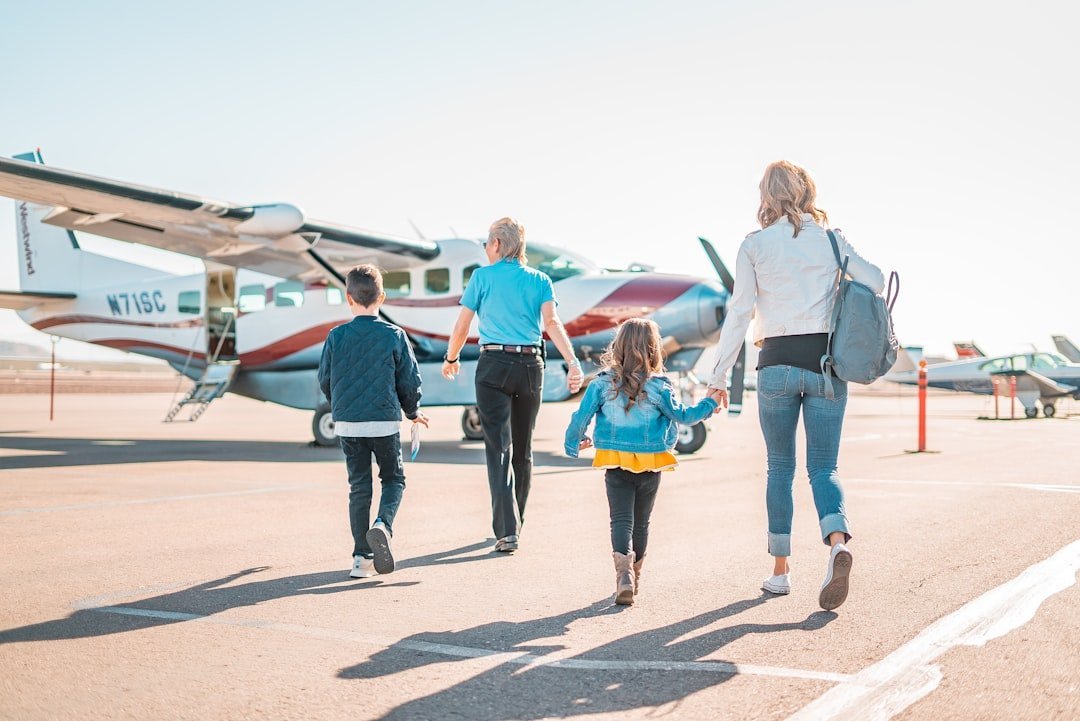
Your travel group gets catalogued almost immediately. Flight attendants note who you’re boarding with – small children, an elderly relative, a passenger with a mobility aid – primarily to know where to direct help if it’s needed. An unaccompanied minor or a passenger using a wheelchair gets logged as a priority before the door closes.
It’s also useful for emergency planning. Knowing who’s traveling together helps cabin crew manage evacuation flow and ensure families aren’t separated in a crisis. It’s also why flight attendants sometimes quietly rearrange seating to keep parents and young children together, even when check-in didn’t manage it. It looks like a small favor. It’s actually standard procedure.
#10 – Visible Signs of Pregnancy
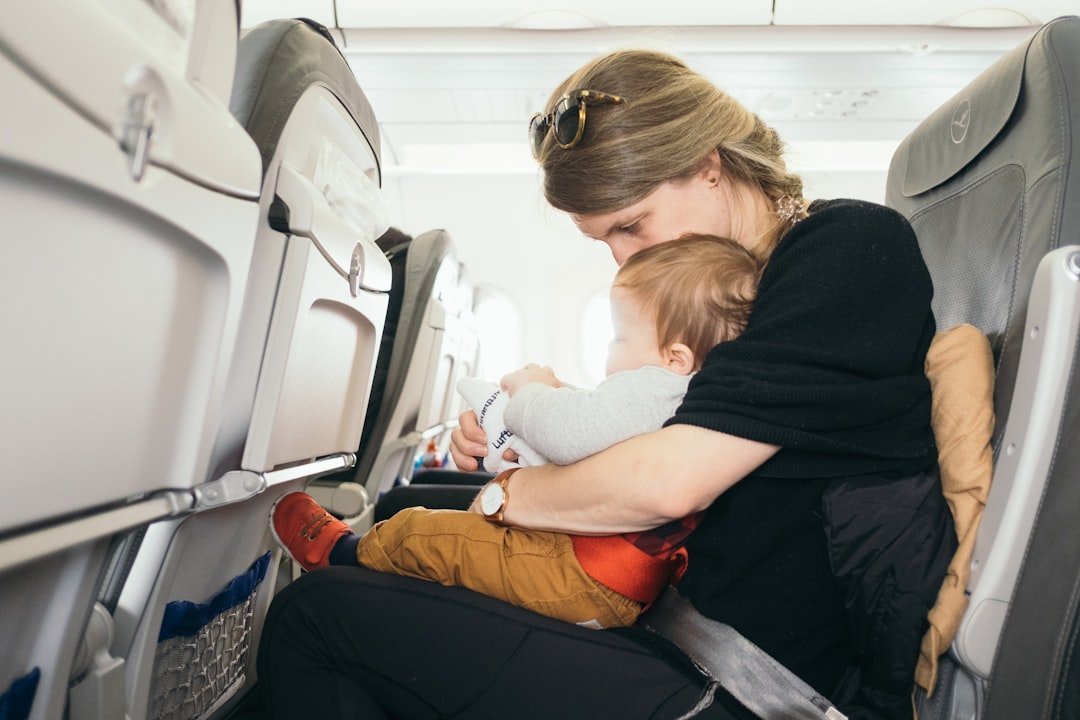
Flight attendants keep close watch on pregnant passengers from the moment they step on board – and there’s a firm medical reason for it. It’s generally considered safe to fly until the 36-week mark, but passengers past that point typically need a doctor’s letter confirming they’re fit to travel. Without it, a heavily pregnant passenger can be turned away at the gate entirely.
Beyond the paperwork, there are real comfort measures cabin crew can arrange: extra legroom seating, a seat close to the bathroom, or an aisle assignment. Flight attendants are watching for this during boarding so they can act early rather than scramble mid-flight. A late-stage pregnancy on a long-haul flight is one of the situations they genuinely want to get ahead of.
#9 – Signs That You’ve Been Drinking
The airport bar is no secret – and neither is the smell of it. Flight attendants are on alert for any passenger who appears intoxicated or smells of alcohol the moment they board. Every cabin crew member has experience with a drunk passenger turning aggressive mid-flight, and removing someone before takeoff is far easier than managing a scene at 35,000 feet.
In 2024, U.S. airlines reported over 2,100 cases of disruptive or unruly passengers – and alcohol was a documented factor in a meaningful share of them. In just the first half of that year, 106 of the 915 reported incidents were specifically tied to passenger intoxication. Not every passenger who’s had a drink becomes a problem, and flight attendants know that. But if someone can barely stand, they are well within their rights to refuse boarding. One visibly drunk passenger can trigger a diversion that strands 200 people.
#8 – Your Clothing Choices
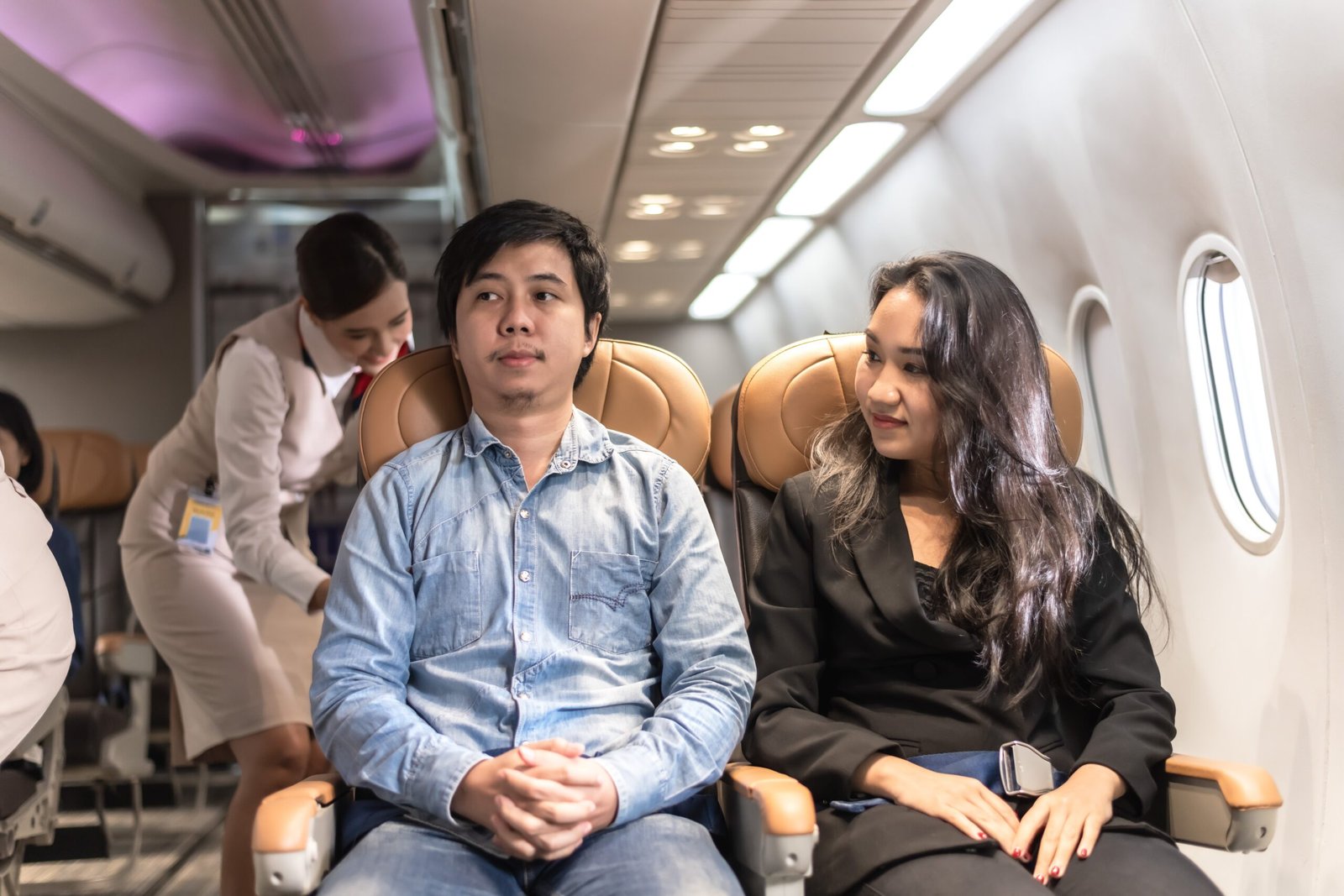
Flight attendants aren’t fashion critics – but your outfit genuinely affects emergency planning. They’re scanning for anything loose, hanging awkwardly, or potentially hazardous: big hoop earrings, tight jumpsuits, high heels, synthetic fabrics. Flight attendant Ryan put it directly: “I’m not a prude, but I always notice when passengers are in miniskirts or very short shorts because they will have a difficult time evacuating.”
The reasoning is practical. Polyester and synthetic fabrics are flammable – natural fibers are far safer in a fire. Shoes should stay on during takeoff and landing to protect feet from sharp edges and heat. A tight jumpsuit sounds like a minor style choice until you’re trying to move fast down an evacuation slide. At that point, it becomes everyone’s problem.
At a Glance: What Crew Flag About Your Outfit
- High heels: Can puncture evacuation slides and slow rapid egress.
- Synthetic fabrics: More flammable than natural fibers like cotton or wool in a fire scenario.
- Tight jumpsuits or restrictive clothing: Limit movement speed on evacuation slides.
- Large hoop earrings or dangling jewelry: Flagged as potential snag hazards.
- Bare feet: Noted as a hazard – sharp debris and heat are real risks during emergency egress.
#7 – Who You’re Sitting With and How You’re Acting Together
Couple and group dynamics get noticed – and this one goes well beyond routine people-watching. Flight attendant Caris is direct about why: “I’m mindful of even the way a couple behaves with each other. Human traffickers have used flights as a means to facilitate trafficking, and observing signs and indicators could save someone’s life.”
Indicators include unusual pairings – a young passenger with an older, controlling companion – or subtle distress signals like unusual hand gestures or a passenger who won’t make eye contact independently. Anything suspicious is reported to the captain, who can arrange for security to meet the aircraft on arrival. This is one of the most serious things flight attendants are trained to catch – and they’re looking for it before you’re ever seated.
#6 – Whether You’re in the Right Seat (Especially the Exit Row)
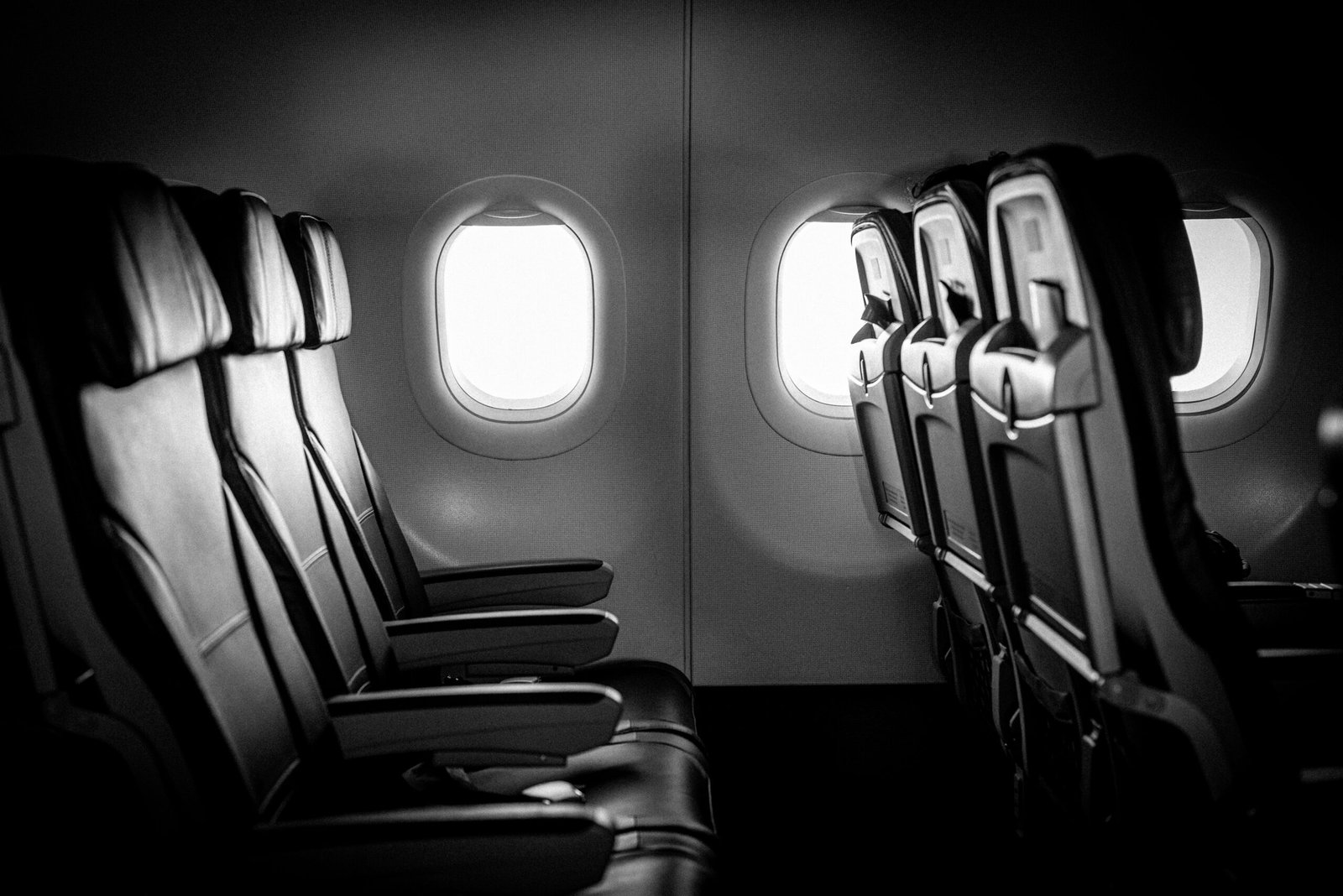
Your seat assignment isn’t just an administrative detail – especially if it’s the exit row. Flight attendants scan boarding passes specifically to check who’s sitting in emergency exit positions, and they’re assessing whether you can actually do the job. To sit in an exit row, passengers must be physically capable of operating the emergency exits, able to read and understand emergency procedures, and willing to convey instructions to others under pressure.
Mistakes happen at check-in – an elderly passenger, someone with a cast, or a child can end up assigned to an exit row without anyone catching it. Cabin crew fix those errors during boarding, not after. If you’re seated there and tell a flight attendant you’re not comfortable opening that door, you’ll be moved. The exit row isn’t a legroom upgrade. It’s a job – and they’re quietly interviewing you for it when you walk past.
#5 – Whether You Look Like Someone Who Could Help
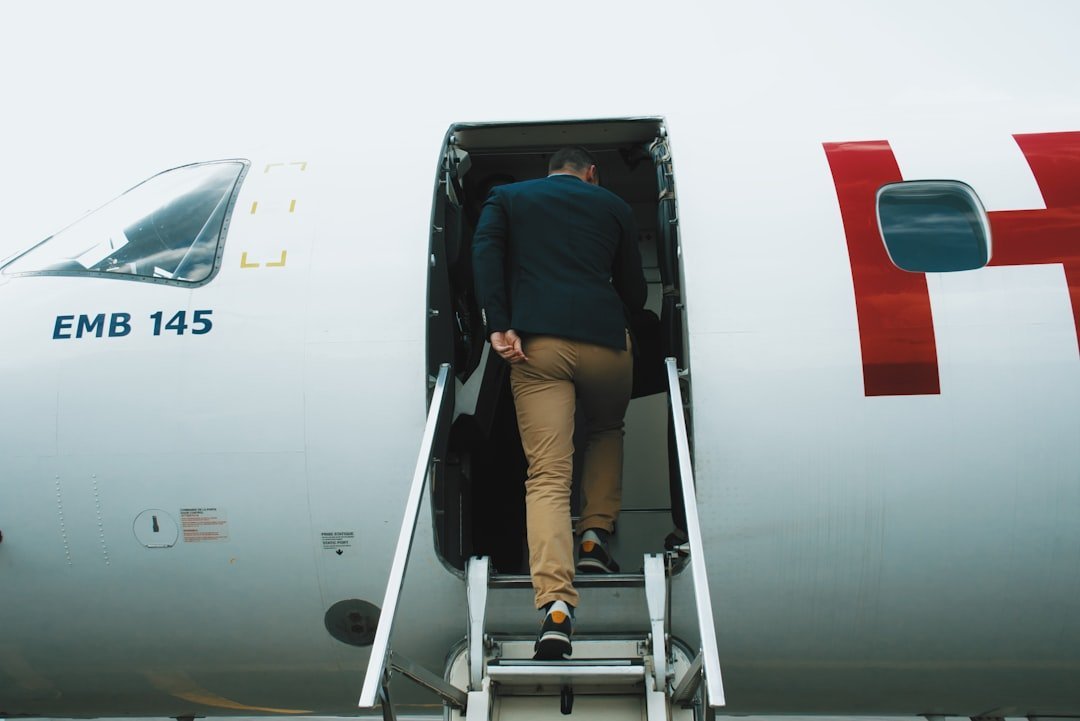
This one genuinely surprises most passengers: flight attendants are actively scanning for people who could assist them in a crisis. Dominique explains: “I look for customers I believe can assist me in the event of an emergency. So I pay attention to physical build. Or if someone tells me they can be of any type of help in an emergency situation, I’ll make a note of where they are seated.”
These passengers are called able-bodied passengers, or ABPs, and they’re a real part of emergency planning. They may be asked to operate an emergency exit, help people off the slide, hold the slide steady if it deflates, or move passengers away from the aircraft. Firefighters, police officers, doctors, and pilots are ideal candidates – and doctors and pilots are often already flagged on the passenger information list before boarding even begins. They know who you are .
Quick Compare: Who Counts as an Able-Bodied Passenger (ABP)?
- Ideal: Off-duty pilots, flight attendants, firefighters, law enforcement, military personnel.
- Also flagged: Doctors, nurses, or any medical professional who self-identifies to crew.
- Key requirements: No physical restrictions, able to understand crew instructions, can communicate clearly under pressure.
- Possible tasks: Operating an emergency exit door, guiding passengers down the slide, holding a deflated slide, moving people away from the aircraft.
- How to help: Simply tell a flight attendant before departure – they will note your seat number.
#4 – Visible Signs of Illness
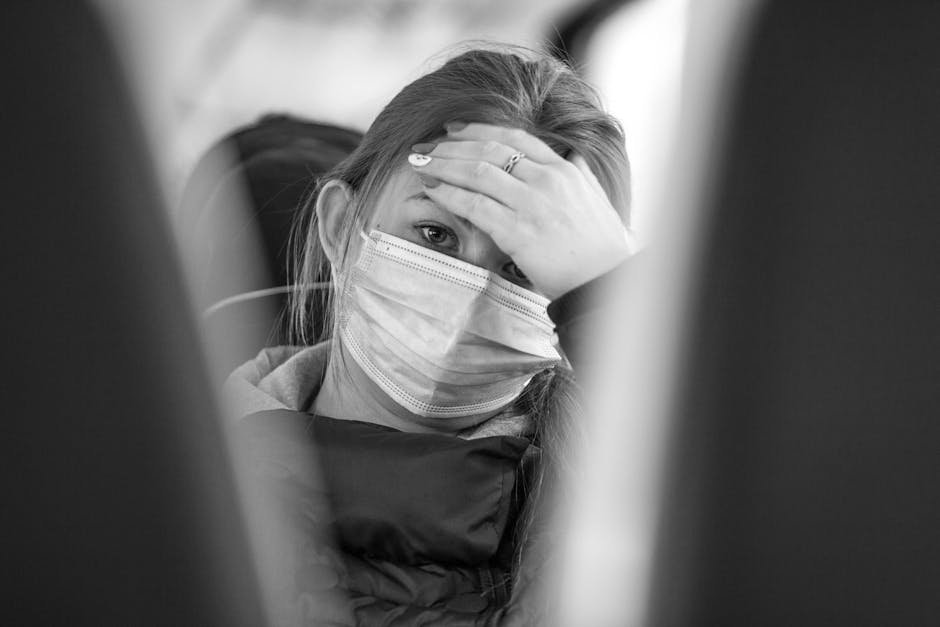
A plane cabin is essentially a sealed tube recycling air shared with hundreds of strangers – so a visibly sick passenger is a serious concern, not just an inconvenience. Flight attendants watch for signs of illness during boarding because catching it at the door is infinitely easier than managing a medical emergency mid-flight. According to the National Institutes of Health, roughly one in every 212 flights involves a medical emergency, with 1.7% of those leading to a diversion.
In an enclosed environment, easily transmissible illnesses – measles, norovirus, COVID-19 – are a genuine threat to every person on board. If a passenger is suspected of carrying a communicable disease, they can be removed from the flight as a risk to others. Showing up visibly sick isn’t just uncomfortable for everyone around you – it can get you offloaded before a single announcement has been made.
#3 – Your Phone and Headphone Situation
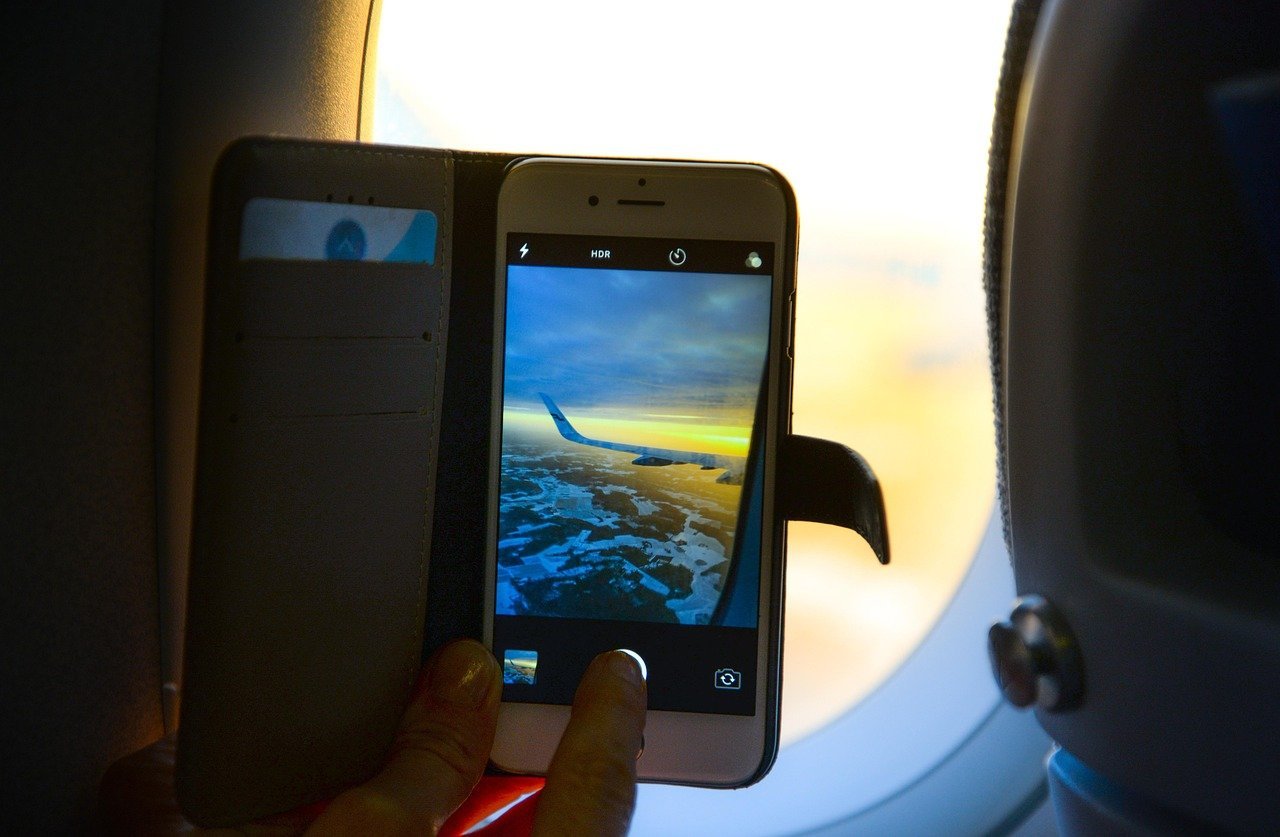
Boarding with both AirPods locked in and your eyes on a screen signals one specific thing to cabin crew: this passenger won’t hear instructions. Former flight attendant Lou Rod Cueva explains: “We look to see if a passenger is texting or talking on their phone and holding up the boarding process. Are they completely distracted? It’s important for the operating crew to get the aircraft out on time.”
Beyond boarding delays, there’s a real safety dimension. A passenger who can’t hear the safety demo, an intercom announcement, or a direct crew instruction during an emergency is a liability – and they’re catalogued as one. Flight attendant Ryan put it simply: “We really appreciate it when you take off your headphones or AirPods while we are doing the preflight safety instructions.” This is one of the most consistently mentioned frustrations among real cabin crew – and it’s almost entirely avoidable.
#2 – Whether You’re a Nervous Flyer
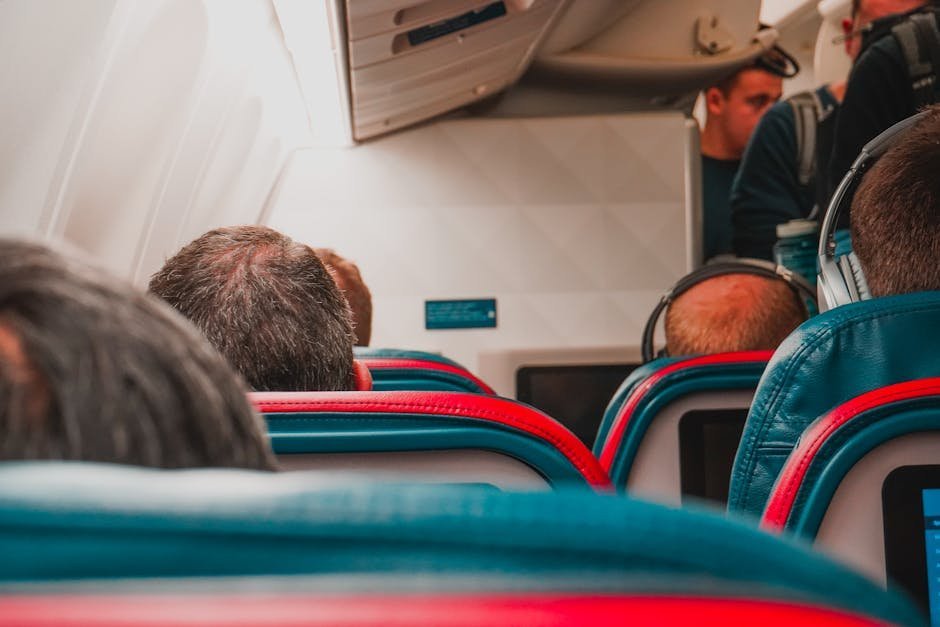
Fear of flying is far more common than most people admit out loud. The Cleveland Clinic estimates over 25 million adults in the U.S. have some fear of flying – and flight attendants are trained to spot it the moment you step through the door. Hesitation at the aircraft entrance, a white-knuckle grip on a bag, or anxious scanning of the cabin are all readable signals. A short, calm conversation from crew can shift the entire experience for those passengers.
Flight attendants genuinely have a plan for this. Nervous flyers are sometimes moved toward the center of the aircraft, over the wing, where turbulence is noticeably less intense. A crew member may sit nearby and quietly narrate what the sounds and movements mean. The center-over-wing seat is legitimately the most stable position on the plane during turbulence – and nervous flyers can often get it just by mentioning their anxiety at the door. It’s worth saying something.
Why It Stands Out: What Happens When You Tell Crew You’re Nervous
- Crew can reseat you over the wing, the aircraft’s most turbulence-stable position.
- A flight attendant may check in on you during the flight – proactively, not just when called.
- They can walk you through what normal flight sounds mean before they happen.
- Fear of flying affects an estimated 25+ million U.S. adults – crew see it constantly and are specifically trained to respond.
The Cabin Door Scan: What Flight Attendants Really See
That brief greeting at the aircraft door is more than just a polite welcome—it's a high-speed security and safety assessment. Test your knowledge on what the crew is actually looking for before you reach your seat.
Think you caught the key details? Take the quick quiz and see how sharp your instincts really are.
#1 – Whether You Smiled or Said Hello
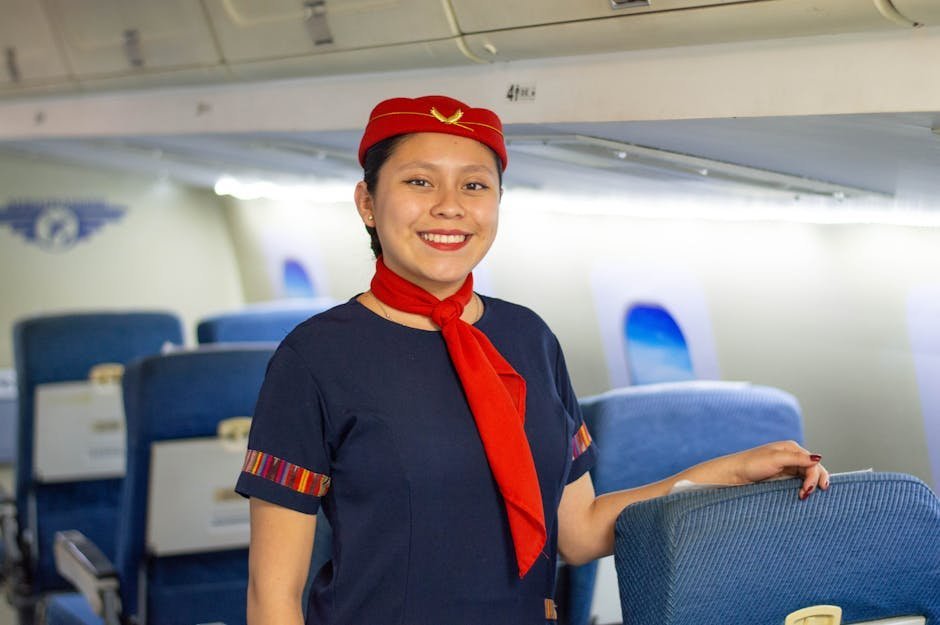
Of everything on this list, this is the one flight attendants actually talk about the most. It costs nothing, takes under a second, and it genuinely changes how you’re perceived for the entire flight. Flight attendant Anne said it simply: “It would just make everyone’s day a tiny bit better if we could say a ‘hello’ to each other.” Passengers who board with a real smile and a basic greeting are remembered – warmly – for the whole journey.
It sounds almost too simple. But friendly passengers consistently receive warmer engagement, faster service, and more goodwill from the crew. On a tough travel day, a small human moment at the door can quietly shift the entire atmosphere of a flight. “Small gestures of goodwill are always so appreciated and certainly do not go unnoticed,” one flight attendant said. The easiest upgrade available on any flight requires no points, no fees, and no app. It just requires a hello.
The next time you step through that cabin door, the smile you get back is real – but so is everything happening behind it. Flight attendants are running a full mental scan in the time it takes you to say your seat number: safety risks, passengers who need help, people they can count on if the situation turns serious. Most of it never affects your flight at all. Some of it absolutely does. And now you know exactly what they’re looking for.