
You saved up, drove hours, stood in line, paid the parking, bought the overpriced souvenir – and came home feeling like you’d been had. It’s happening to millions of American travelers every year, and it’s happening at the exact places that were supposed to be the highlights. The bucket-list spots. The postcard icons. The places your parents swore were worth the trip.
What’s wild is which destinations made the list. These aren’t obscure letdowns – they’re places still featured in every travel magazine, still tagged millions of times on Instagram, still pulling in massive crowds. The gap between the reputation and the reality has never been wider. Here’s what travelers are actually saying in 2025 and 2026.
#18 – Niagara Falls, New York
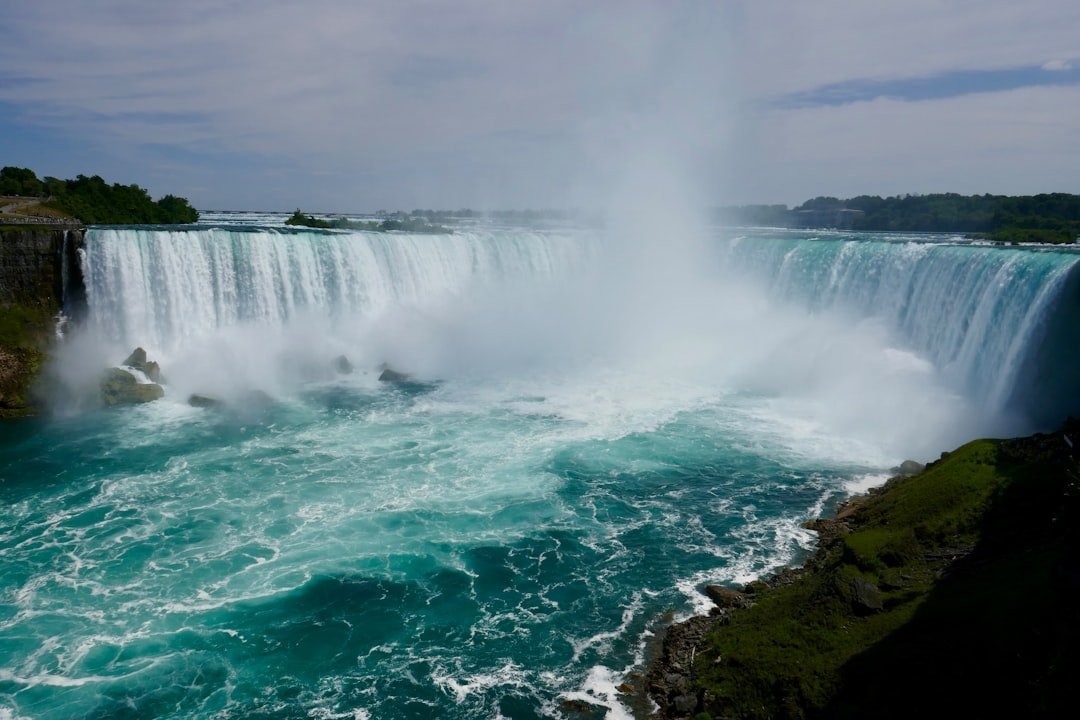
Niagara Falls pulls in roughly 14 million visitors a year, which sounds impressive until you show up and can barely see the water through the crowd. The Canadian side gets the most attention but is famously overdeveloped – casinos, chain restaurants, and wax museums stacked up right against one of nature’s genuine marvels. The American side is more pristine, but both share the same core problem: it’s a natural wonder that now feels like a theme park queue with a waterfall backdrop.
Parking is a nightmare, nearby hotels are overpriced for what you get, and the surrounding town offers little beyond souvenir shops. Travelers who make the long drive from major East Coast cities frequently report feeling underwhelmed once they actually get to the viewpoint. The Finger Lakes region, just a couple of hours south, offers stunning waterfalls, wineries, and gorges with almost none of the tourist crush – and almost nobody talks about it.
At a Glance
- ~14 million visitors per year crowd a viewpoint that takes about 10 minutes to fully see
- Canadian side: casinos and chain restaurants tower directly over the falls
- American side: more natural, but surrounded by the same infrastructure problems
- Finger Lakes region nearby offers comparable waterfall scenery with a fraction of the crowds
- Parking, tolls, and hotels routinely add $100+ to the day before you’ve bought anything
#17 – Atlantic City, New Jersey
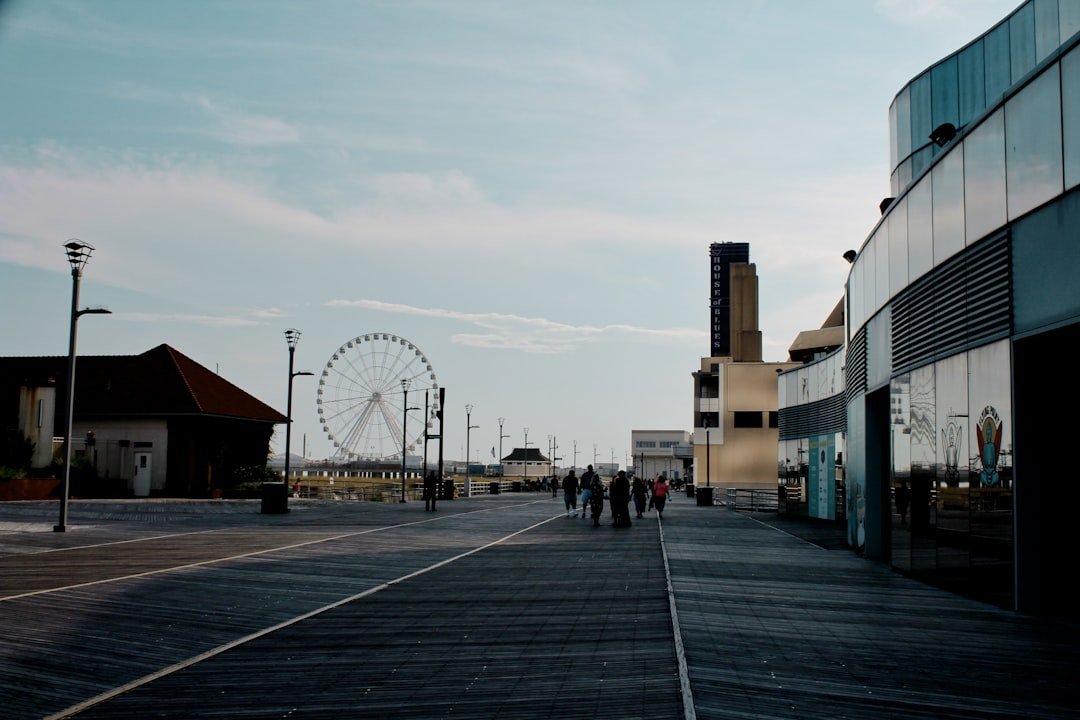
Atlantic City was once America’s answer to Las Vegas – a glittering boardwalk, world-class shows, a buzzing casino scene that drew crowds from up and down the Eastern Seaboard. The reality in 2025 is a different story entirely. Several major casino properties have closed in recent years, leaving gaps in the skyline and a hollow feeling on once-lively streets. Visitors report feeling unsafe, and the combination of crime and visible homelessness consistently shows up in reviews as a dealbreaker.
The boardwalk is still standing, but the energy that made Atlantic City a genuine destination has largely evaporated. Travelers who go expecting a mini Vegas frequently describe it as a cautionary tale – what happens when a resort economy stops reinvesting in itself for a generation. Philadelphia is less than an hour away and offers dramatically more for your money, your safety, and your time.
#16 – Mount Rushmore, South Dakota
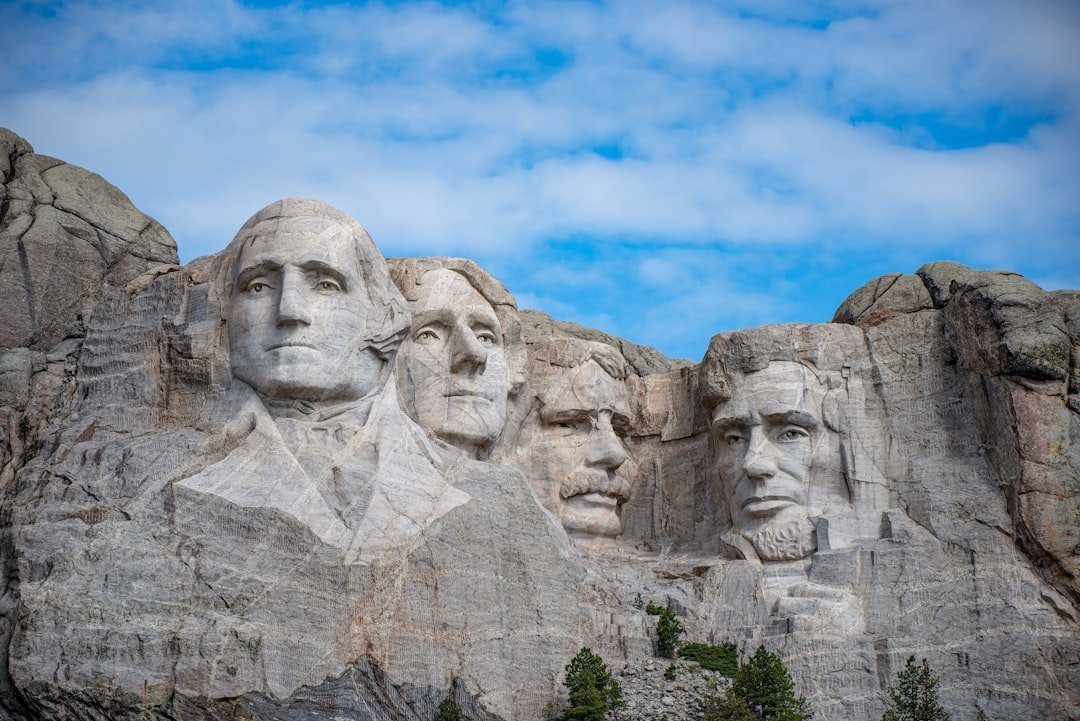
Mount Rushmore sounds incredible in theory – four presidents carved into a granite mountain in the Black Hills of South Dakota. In practice, it consistently ranks among America’s biggest travel disappointments. The faces are genuinely far smaller than almost every visitor expects. Photos create a false sense of scale, and the limited viewing angles mean there’s essentially one spot to stand before you’ve seen everything the monument has to offer.
Beyond the size letdown, some Native American groups have long criticized the monument for being built on sacred Lakota land and for promoting a narrow version of American history – context that the visitor experience largely ignores. The nearby Badlands National Park, by contrast, delivers jaw-dropping alien landscapes that actually exceed expectations. Mount Rushmore checks a box. The Badlands changes how you see the world.
#15 – Branson, Missouri

Branson built its reputation as a family-friendly live entertainment hub nestled in the Ozarks, and for a certain generation, that promise still holds a kind of nostalgic warmth. For everyone else, the shine has worn completely off. In a survey asking Americans to name the biggest tourist trap in the country, Branson ranked among the most-cited responses – alongside Las Vegas, Orlando, Niagara Falls, and Myrtle Beach.
The main strip is wall-to-wall with discount show ticket kiosks, aggressive timeshare salespeople, and attractions that feel like they peaked in 1997. Travelers expecting authentic Ozark culture find a commercial machine instead. The genuine beauty here – Table Rock Lake, the surrounding hills, the slower pace of Ozark life – is real. It’s just buried under layers of tourist infrastructure that have almost nothing to do with the place itself.
#14 – The Las Vegas Strip, Nevada

Vegas is a complicated one. It still draws massive crowds, but the satisfaction story is getting harder to ignore. According to the Las Vegas Convention and Visitors Authority, the city welcomed approximately 38.5 million visitors in 2025 – a 7.5% drop from 2024 and the lowest annual total since the post-pandemic rebound in 2021. Resort fees, food costs, and entertainment prices have all surged dramatically: a cup of coffee can run $6-$7, domestic beers hit $10 or more, and cocktails made with well liquor can top $25 – a price reality that has pushed budget-conscious travelers toward other destinations.
For travelers who aren’t into gambling or high-end nightlife, the Strip increasingly feels engineered to extract money rather than create experiences. The spectacle is still there. But more and more visitors are coming home with lighter wallets and a nagging sense that the whole thing was designed for someone else. Vegas hasn’t lost its shine entirely – it’s just become harder to justify the price of admission.
Quick Compare: Vegas Then vs. Now
- 2016: Record 42.9 million visitors; resort fees manageable; blackjack odds favorable
- 2024: 41.7 million visitors; prices rising but crowds holding steady
- 2025: 38.5 million visitors; 7.5% drop; 12 straight months of year-over-year declines
- Coffee: Used to come with the room. Now costs $6-$7 at hotel cafes.
- Who stayed home: Mid- and lower-income travelers, especially visitors in their 20s
The Reality Check: America’s Most Overrated Destinations
From the neon lights of Times Square to the red rocks of Sedona, some of America's most iconic landmarks are losing their luster. Test your knowledge on why travelers are trading these bucket-list staples for more authentic experiences.
Think you caught the key details? Take the quick quiz and see how sharp your instincts really are.
#13 – Fisherman’s Wharf, San Francisco
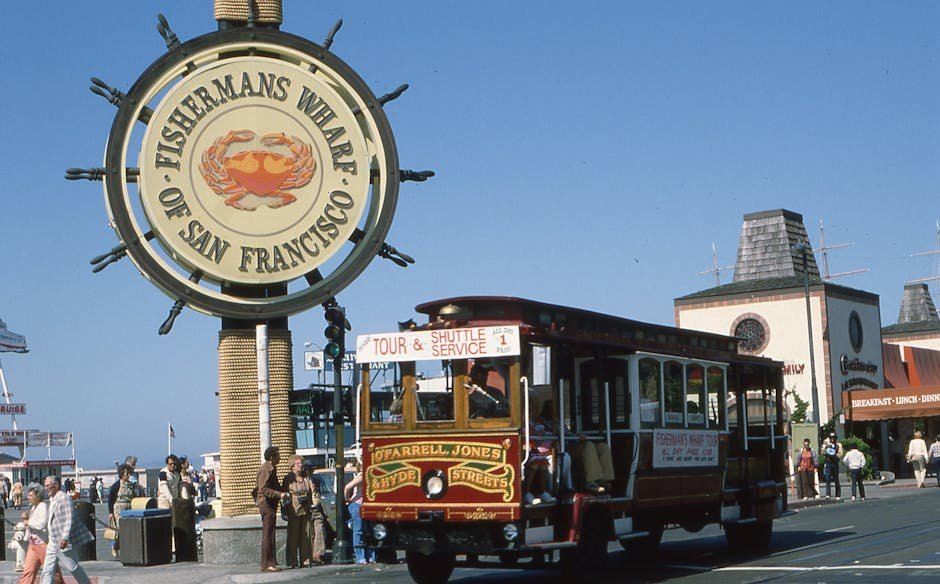
San Francisco is one of the most genuinely beautiful cities in America. Fisherman’s Wharf, however, has become a cautionary tale about what happens when tourist infrastructure fully colonizes a neighborhood. In a 2025 global analysis of tourist traps, Fisherman’s Wharf tied for the top spot – labeled a tourist trap 1,000 times across travel review platforms. By 2026, that complaint count had climbed further to 1,109 – the highest of any attraction on earth, according to the same study. That’s not a random fluctuation. That’s years of accumulated disappointment becoming a consensus.
The famous clam chowder in a sourdough bowl will run you upward of $20. The shops sell the same tchotchkes you’ll find in tourist districts from coast to coast. Locals haven’t voluntarily gone near the Wharf in years. Meanwhile, the Mission District, the Ferry Building Marketplace, and Golden Gate Park are all infinitely more representative of the real San Francisco – and none of them require $30 to park.
#12 – Myrtle Beach, South Carolina
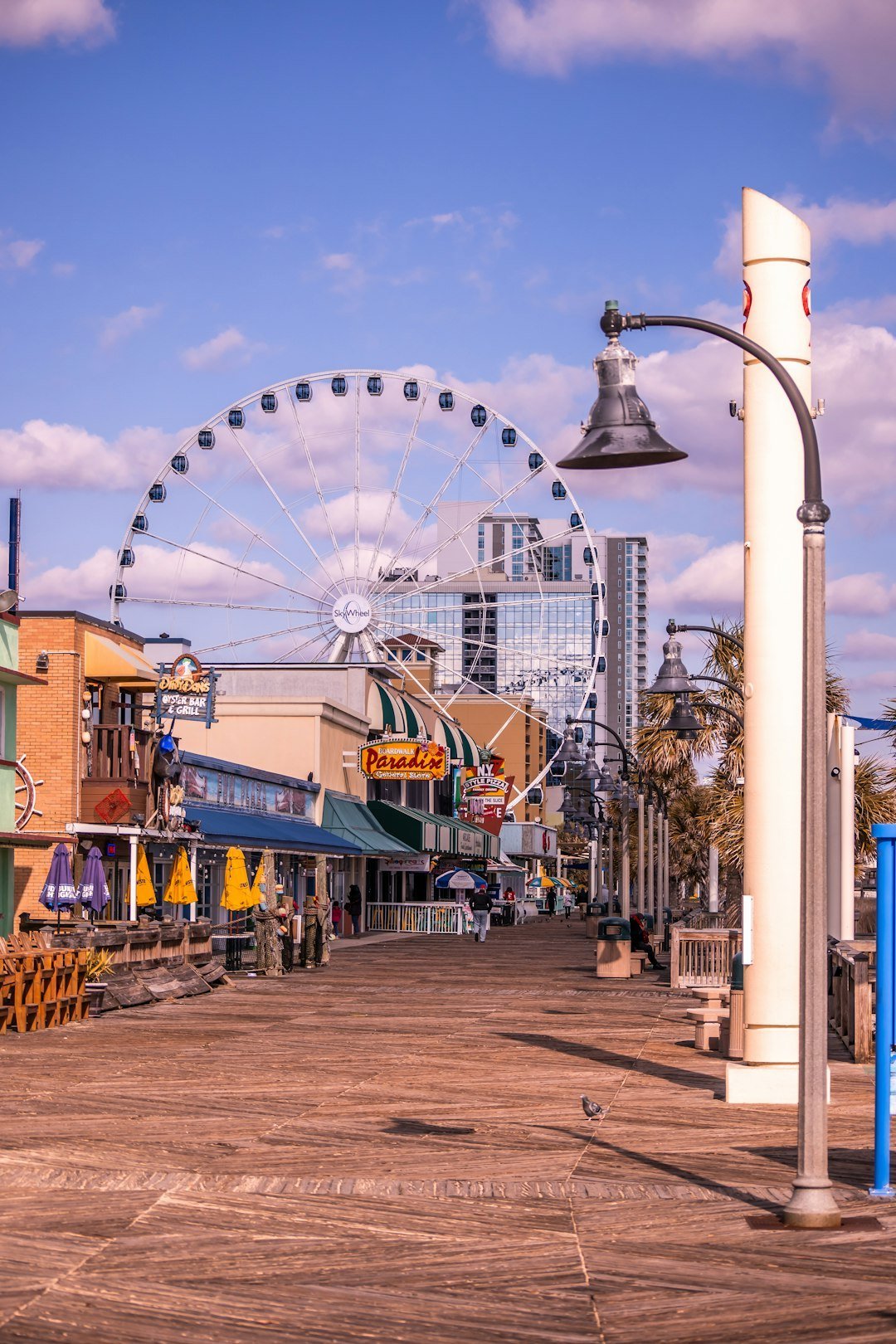
Myrtle Beach draws roughly 18.2 million visitors a year and generates over $13 billion in direct visitor spending – numbers that suggest a thriving destination. The reviews tell a different story. The area is now synonymous with gridlocked coastal traffic, aggressively overdeveloped beachfront, and a boardwalk experience that feels less like a beach town and more like a permanent state fair. Hotel occupancy dipped approximately 3.3% in 2025 compared to 2024, a sign that the tide may be turning.
Visitors expecting a classic, laid-back Southern beach town find instead a strip of mini-golf courses, outlet stores, and oversized chain restaurants competing for attention with neon signs. The beaches themselves can still be genuinely lovely – wide, warm, and right there. It’s everything built around them that’s the problem. A short drive north to the Outer Banks or south toward Charleston buys a completely different version of a coastal Carolina trip.
#11 – Bourbon Street, New Orleans, Louisiana
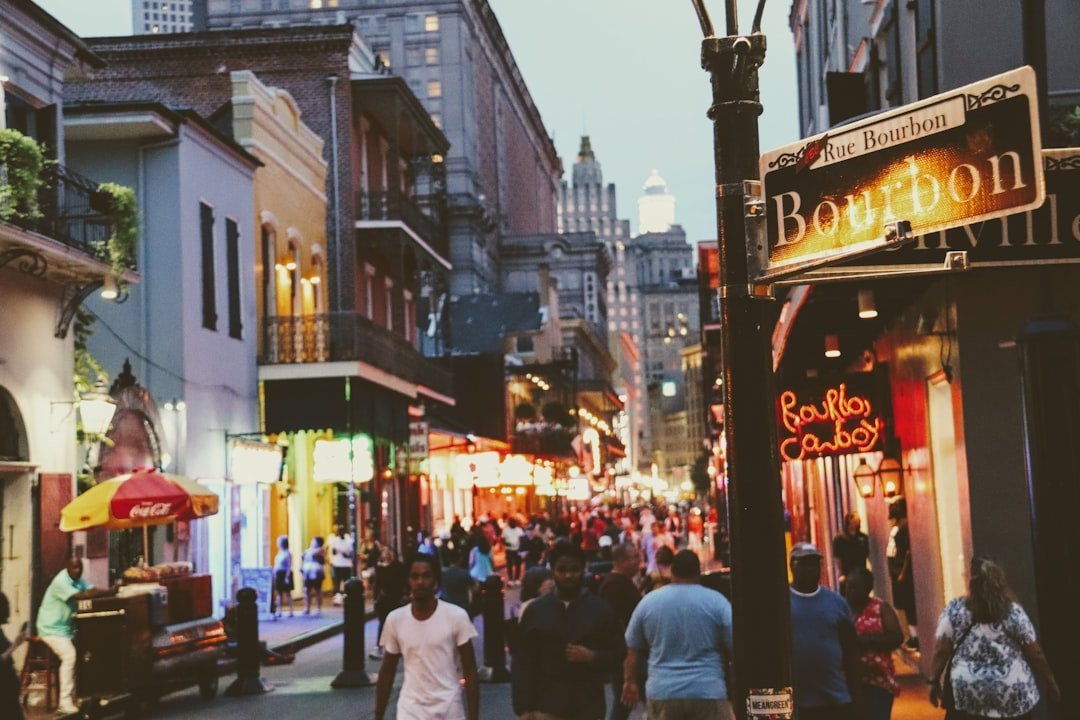
New Orleans is a genuinely extraordinary city – more culture, food, music, and living history packed into its neighborhoods than almost anywhere in America. Bourbon Street is the part that most visitors come to first and that most locals quietly dread. The street is essentially a gauntlet of overpriced go-cups, bead vendors, and cover bands cycling through the same six songs on a loop. Reviewers describe it as trashy, overpriced, and depressing once the novelty wears off – usually around hour two.
The real tragedy is that Bourbon Street actively redirects visitors away from what makes New Orleans worth the flight. The best food, the best jazz, and the most interesting people are all one or two blocks off Bourbon – in Faubourg Marigny, in the Garden District, in the spots that don’t smell like last night’s bad decisions. Travelers who spend their entire trip on Bourbon Street leave thinking they’ve seen New Orleans. They haven’t even scratched the surface.
Worth Knowing
- Frenchmen Street, a 10-minute walk away, offers live jazz without a cover charge most nights
- The Garden District has some of the most beautiful architecture in the American South
- Bourbon Street drink prices routinely run 2-3x what you’d pay two blocks away
- Most locals navigate around Bourbon Street entirely, not through it
#10 – Sedona, Arizona
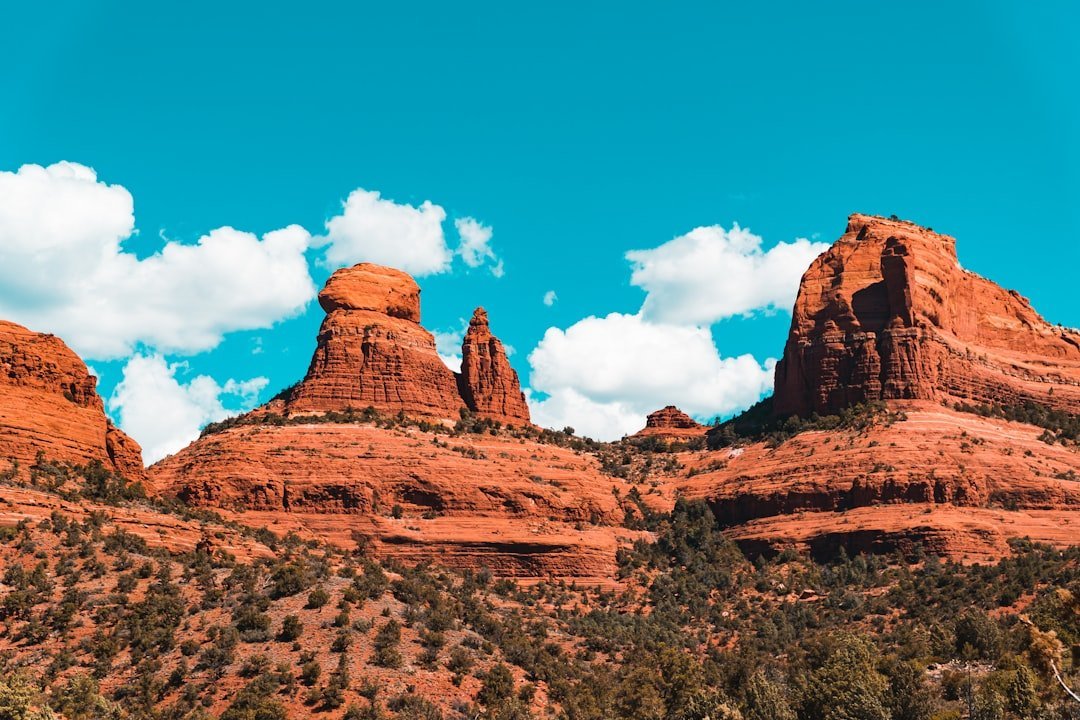
Sedona’s red rock landscapes are among the most stunning natural settings in the American Southwest – and that’s precisely why the experience has become so hard to actually enjoy. The town now draws over 3 million visitors per year, fueling a $1 billion tourism economy and a 25% recent jump in high-income tourists. Parking at major trailheads requires advance timed reservations. Traffic on the two main roads through town backs up for miles on weekends. The quiet, meditative desert energy that originally put Sedona on the map is now genuinely hard to find.
The wellness and “vortex” tourism industry has inflated prices to levels that feel almost satirical – basic resort stays run several hundred dollars a night, crystal shops outnumber grocery stores, and the word “transformative” appears on roughly every third menu. Visitors expecting a peaceful desert escape increasingly describe the experience as more stressful than the city they left behind. Nearby Prescott and the Verde Valley offer similar red rock scenery with a fraction of the crowd and none of the performance.
#9 – Gatlinburg, Pigeon Forge, Tennessee

The Smoky Mountains themselves are spectacular – legitimately among the most visited and most beautiful national parks in the country. The two gateway towns are where the reviews get ugly. Gatlinburg and Pigeon Forge rank as national leaders in online complaints about tourist traps, gathering more votes than any other hotspot when American travelers were asked to name the country’s worst. The disconnect between the mountain wilderness just up the road and the commercial strip at its entrance is jarring every single time.
Wax museums, pancake houses, go-kart tracks, and T-shirt shops line the main drag for miles. Traffic on summer weekends backs up so badly that the drive through Gatlinburg itself can take longer than the hike you came to do. Locals avoid the strip entirely and navigate around it to reach the quiet parts of the mountains. The national park is glorious. It’s the towns that betray the whole experience – and most visitors don’t realize it until they’re already stuck in the gridlock.
#8 – Big Sur, California
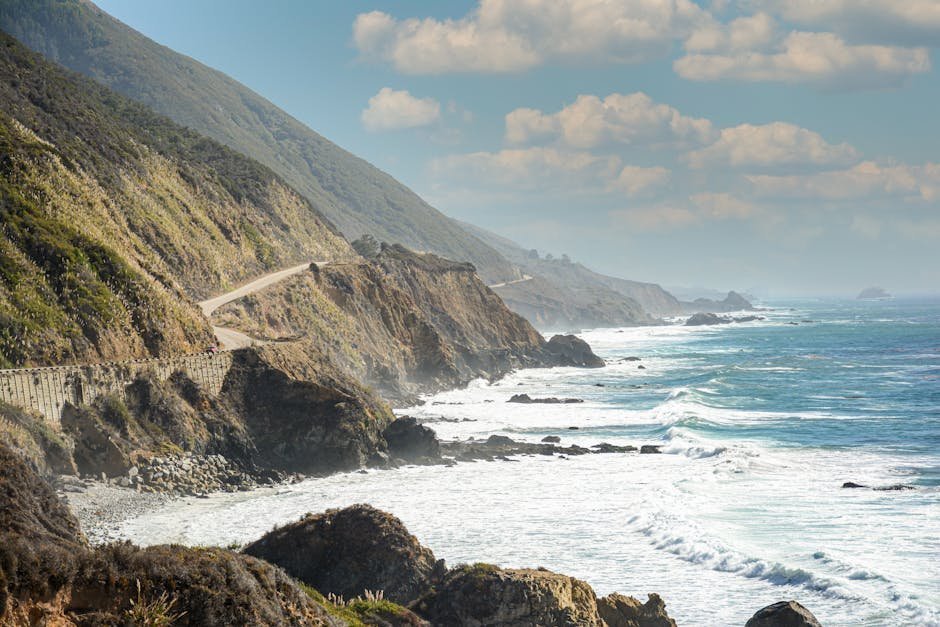
Big Sur is one of the most photographed coastal stretches in the world, and the photos genuinely do not lie – the cliffs, the fog, the redwoods, the Pacific crashing against the rocks below Highway 1. The problem is getting there, staying there, and dealing with how thoroughly the experience has been broken by a combination of natural disaster and overtourism. A major landslide in 2024 kept the southern section of Highway 1 closed through much of 2025, with full reopening projected for 2026. Travelers approaching from the south regularly run into dead ends with no warning.
For travelers who do make it through, the cost of the experience has become almost absurd. Ninety percent of the local economy depends on tourism, and that dependency has driven prices skyward – glamping sites run $500 a night, there’s zero cell service for emergencies, and the environmental strain is visible. The combination of road closures, eye-watering accommodation costs, and genuine logistical uncertainty has turned what should be a dream road trip into something that requires a spreadsheet and a backup plan.
Fast Facts
- Highway 1 southern section: closed by landslide in 2024, full reopening projected for 2026
- Glamping sites near the coast: $400-$500/night in peak season
- Cell service: essentially nonexistent through most of the corridor
- 90% of the local economy depends directly on tourism revenue
- No gas stations for long stretches – plan fuel stops before you leave Carmel or San Simeon
#7 – Lake Tahoe, California/Nevada
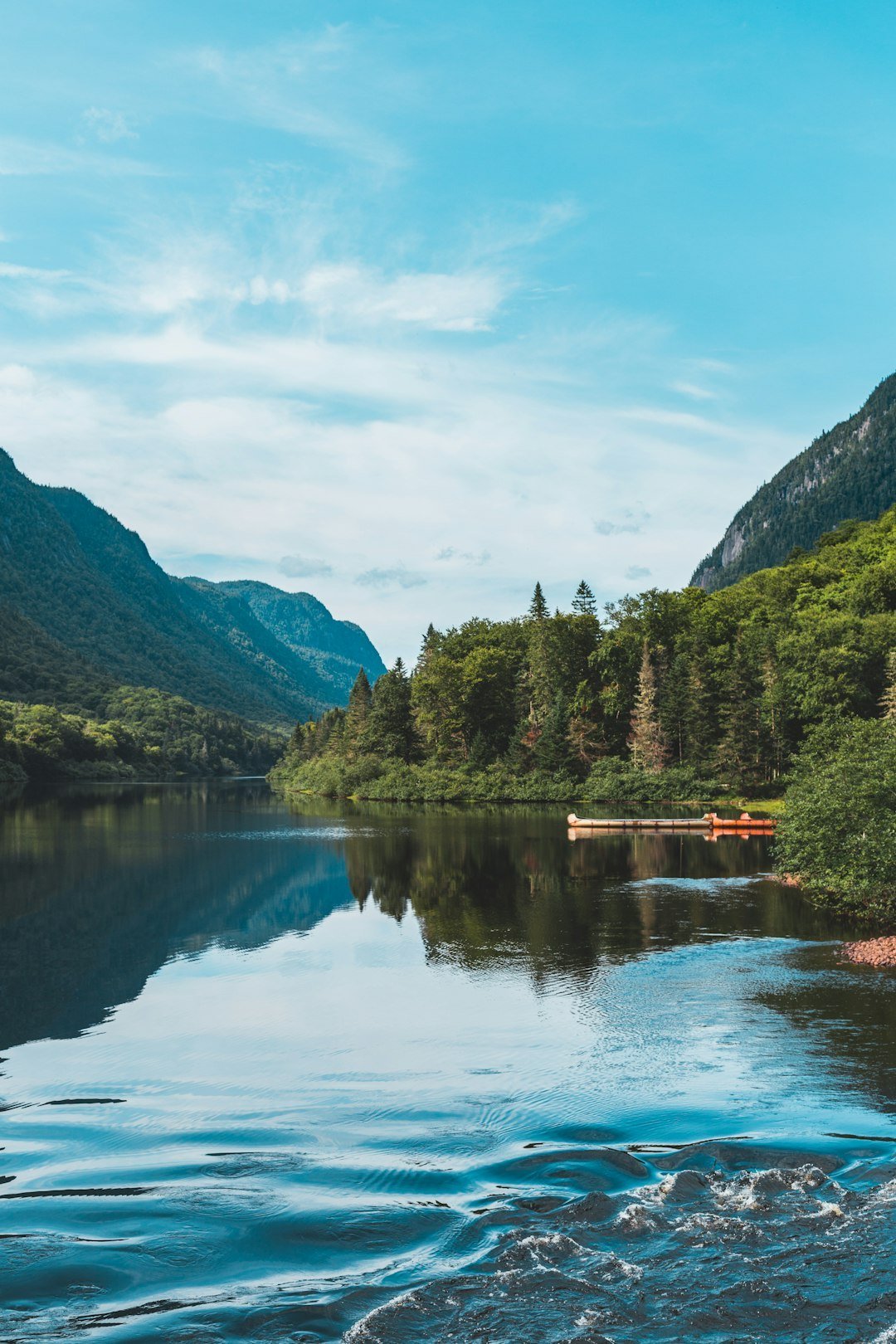
Lake Tahoe has one of the most genuinely beautiful natural settings in North America – a clarity and scale of mountain lake that stops people cold the first time they see it. What it no longer has is any semblance of affordability or tranquility. The lake sees over 15 million visitor days per year and $4.1 billion in tourism spending. Surrounding towns are gridlocked on summer weekends. Chain stores and casinos crowd out the peaceful spaces that made Tahoe worth the drive in the first place.
The famous blue water clarity that defines Tahoe’s identity has measurably declined – a direct consequence of runoff and overuse. After busy summer weekends, trash accumulates along the shoreline faster than it can be cleared. Travelers who visited ten or fifteen years ago and return today often describe feeling genuinely sad at what they find. The lake is still there, still technically stunning. But the experience – the peace, the pristine quality, the sense that you’ve found something rare – is not what it was.
#6 – The Hollywood Walk of Fame, Los Angeles
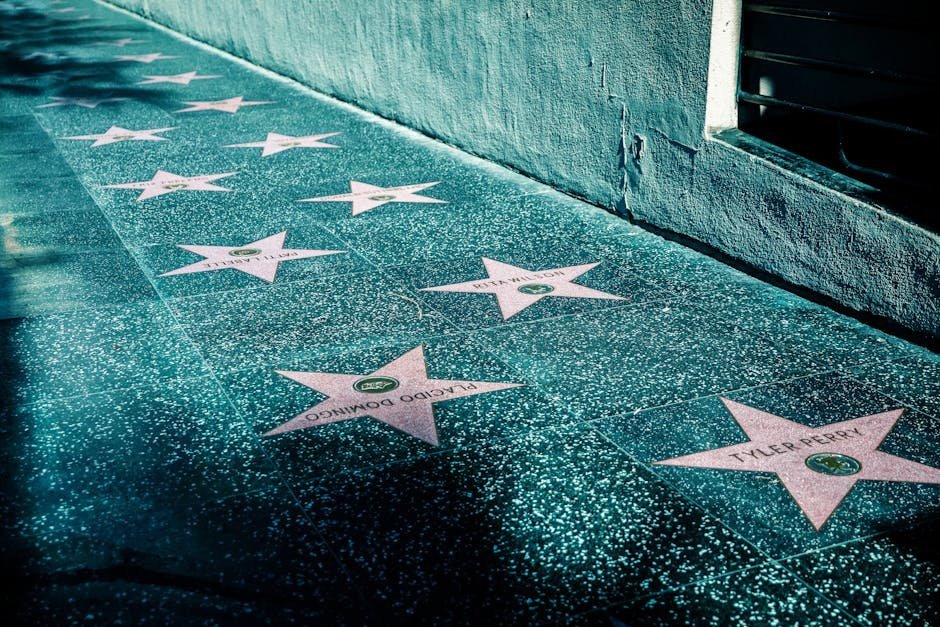
The Hollywood Walk of Fame is one of those ideas that sounds much better in the planning stage than it ever feels on the sidewalk. A 2025 global attraction analysis ranked it the single worst tourist attraction in the world, scoring just 2.67 out of 10. It pulled the lowest Google rating and safety score among all global attractions studied – a remarkable achievement for one of the most famous streets on the planet. Visitors cited overcrowding, cleanliness problems, aggressive costumed street performers, and the dawning realization that there is genuinely nothing to do once you’ve looked at some stars embedded in concrete.
The area around the Walk has been criticized for years for its grit and inauthenticity – a sharp contrast to the glamour that tourists envision when they picture Hollywood. Instead of movie magic, most visitors encounter someone in a knockoff Spider-Man suit asking for tips standing directly on the star they came to see. The real Los Angeles – its food, its neighborhoods, its actual film and art scene – is all somewhere else entirely.
#5 – The Alamo, San Antonio, Texas

The Alamo is a legitimate piece of American history, a site where real sacrifice happened and where a pivotal chapter of Texas statehood played out. The problem is that the experience of visiting it bears almost no relationship to that historical weight. The structure itself is dramatically smaller than almost every visitor imagines – photographs have created a completely false impression of its scale. It sits in the middle of downtown San Antonio, surrounded by a busy urban landscape and souvenir shops that feel deeply at odds with the solemnity of what happened there.
The World Travel Index identifies it as one of the most consistently disappointing American attractions, citing both its modest physical size and the heavy tourist traffic that dilutes any sense of quiet reflection. Most visitors stand in front of it, check it against the mental image they’d built up over years, and spend a few minutes trying to reconcile the two. The surrounding River Walk is pleasant enough. But travelers expecting a moving, immersive historical experience regularly leave the Alamo feeling strangely deflated.
#4 – The Four Corners Monument

Standing in four states at once genuinely sounds like one of the cooler road trip ideas in the American West. The Four Corners Monument – where Arizona, Colorado, Utah, and New Mexico converge – topped USA Today’s list of overrated American attractions, and it earned that ranking through sheer anticlimactic force. The monument itself is a flat bronze disc embedded in the ground. Around it: a handful of vendor booths selling jewelry and snacks. Beyond that: empty high-desert stretching to the horizon in every direction.
Getting there requires an hours-long drive on remote highways, and once you arrive, there is genuinely nothing else to do. Travelers describe it as worth about ninety seconds of their time after a four-hour detour – a ratio that says everything. The surrounding Navajo and Ute tribal lands, by contrast, contain some of the most dramatic and culturally rich landscapes in the American Southwest. If you’re making the drive out there, the monument is the least interesting thing along the route.
Why It Stands Out (For the Wrong Reasons)
- The “monument” is literally a flat disc in the ground – no elevation, no structure
- Nearest major town is Cortez, CO or Farmington, NM – each roughly an hour away
- Average time spent on-site by most visitors: under 5 minutes
- Monument Valley is ~60 miles west and delivers a genuine visual payoff
- Bears Ears and Canyon de Chelly are nearby and profoundly more rewarding
#3 – Wall Drug, South Dakota

Wall Drug is a roadside phenomenon built almost entirely on the power of anticipation. The billboards start appearing hundreds of miles out across the Great Plains – promising free ice water, a five-cent coffee, a legendary stop you absolutely cannot miss. In a 2025 global analysis of tourist traps, Wall Drug tied for the top spot worldwide, labeled a tourist trap a staggering 1,000 times across travel platforms. One thousand separate instances of travelers feeling compelled to warn others.
The destination itself is a large gift shop and diner complex in a small South Dakota town. The marketing is genuinely impressive – possibly some of the most effective roadside advertising ever conceived. The payoff is a strip mall selling rubber tomahawks, jackalope photo ops, and overpriced coffee. Badlands National Park is just down the road and costs almost nothing to visit. It is, without exaggeration, one of the most otherworldly landscapes in the country. Wall Drug is why you drove. The Badlands is why the drive was worth it.
#2 – Miami Beach, Florida

Miami Beach was once exactly as good as its reputation – the Art Deco architecture, the turquoise water, a food scene that rivaled any American city, a nightlife that actually delivered. The gap between that version and what most visitors experience today has become one of the widest in American tourism. Miami hosted 27.2 million visitors in 2023 and has been flagged as one of the world’s most overtouristed destinations. Spring Break brings a particular strain that has pushed city officials to take emergency crowd-control measures in recent years following high-profile incidents of violence.
Hotel prices in South Beach have reached levels that rival Manhattan and San Francisco, while the experience itself has skewed younger, louder, and more chaotic. Mid-tier rooms in peak season regularly run over $400 a night – a price point that buys something genuinely luxurious in almost any other Florida coastal city. Fort Lauderdale and St. Pete Beach offer comparable beaches with dramatically less attitude, dramatically less noise, and a fraction of the cost. Miami Beach is still beautiful. It’s just stopped being worth what it charges.
The Reality Check: America’s Most Overrated Destinations
From the neon lights of Times Square to the red rocks of Sedona, some of America's most iconic landmarks are losing their luster. Test your knowledge on why travelers are trading these bucket-list staples for more authentic experiences.
Think you caught the key details? Take the quick quiz and see how sharp your instincts really are.
#1 – Times Square, New York City
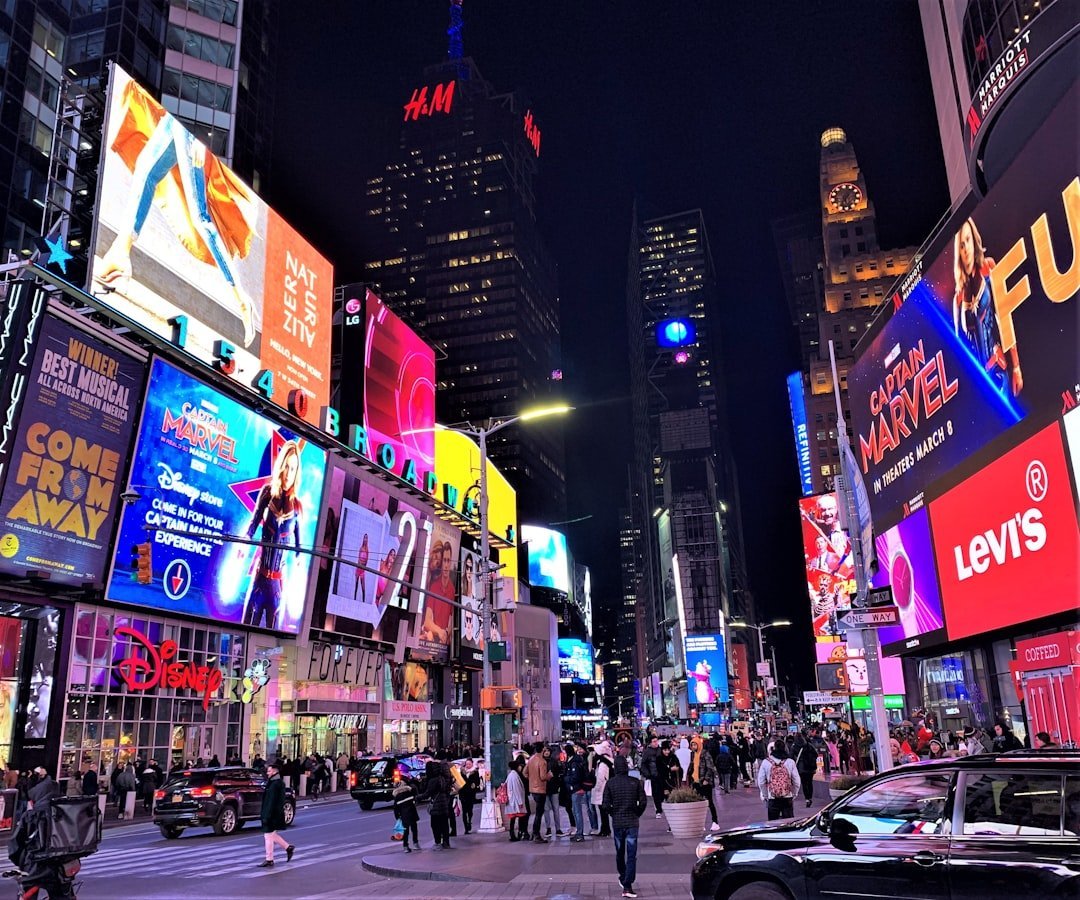
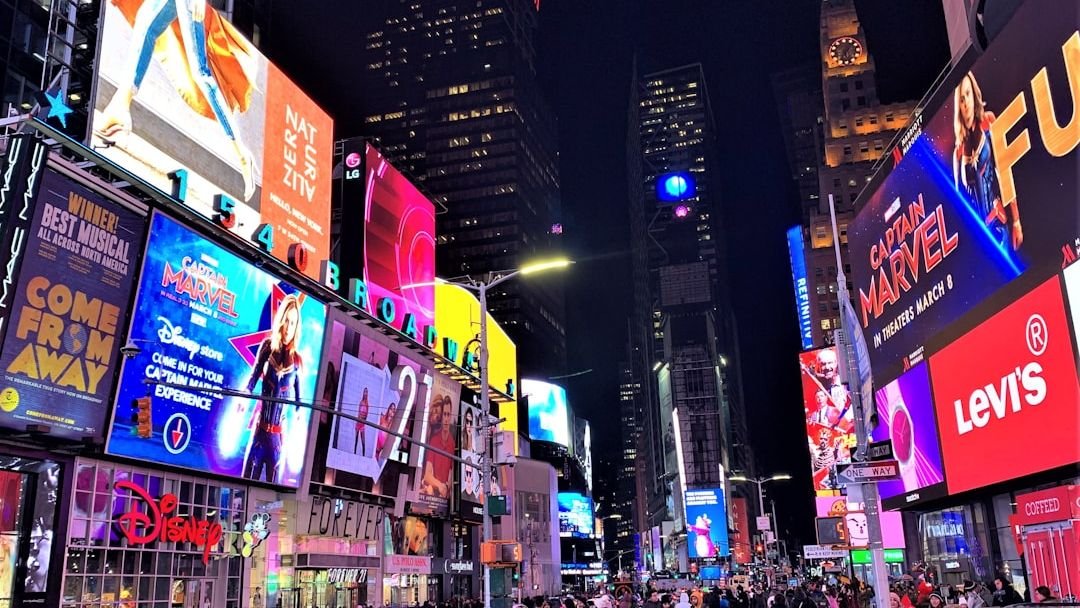
No destination in America generates more first-timer excitement and more repeat-visitor regret than Times Square. A 2025 ranking named it the single worst tourist trap in the United States, ahead of SeaWorld, the Hollywood Walk of Fame, and Plymouth Rock. That’s not a fringe opinion – it’s a verdict backed by an overwhelming volume of data. Research tracking online travel language found 1,761 reviews specifically calling Times Square “overrated” or “underwhelming” – more than any other destination studied. By 2026, a separate global study tracked Times Square’s “tourist trap” mentions surging from 675 to 1,008 – one of the sharpest rises of any attraction on earth.
Between 250,000 and 300,000 pedestrians pass through Times Square daily, with peak days exceeding 400,000 – all compressed into roughly five city blocks. The bright lights and massive digital billboards are real. So is the crushing density of crowds, the costumed characters aggressively soliciting tips, and the sense that every square foot has been optimized for extracting money from people who don’t know the city. Real New Yorkers have a word for Times Square: avoidable. Turns out the most visited intersection on the planet is also the one most people wish they’d skipped.
Fast Facts: Times Square by the Numbers
- #1 worst tourist trap in the U.S. (LoveExploring.com, 2025)
- 1,761 reviews calling it “overrated” or “underwhelming” – most of any destination studied
- 250,000-300,000 pedestrians pass through daily; peaks hit 400,000+
- 5 blocks – the entire area that generates all that foot traffic and frustration
- “Tourist trap” mentions: jumped from 675 to 1,008 in a single year (2025 to 2026)
The pattern connecting every destination on this list is the same: a real experience buried under decades of commercialization, overcrowding, and prices that stopped making sense. The reputation stayed. The thing that built the reputation often didn’t. More than half of American travelers now say they’d actively choose lesser-known, less crowded destinations over the overtouristed icons – and the smartest ones already have. The question isn’t whether these places were ever worth it. Most of them were, once. The question is whether they still are.