

Most people spend months dreaming about a vacation, weeks planning it, and thousands of dollars booking it – then quietly sabotage the whole thing with a handful of completely avoidable mistakes. From simple oversights to costly errors, travel mishaps can turn a dream vacation into a logistical nightmare – whether it’s booking the wrong airport, underestimating cultural norms, or trusting misleading reviews, these common blunders cost more than money. They cost time, comfort, and sometimes the entire trip. The worst part? Most of these mistakes happen before you ever board a plane.
What’s most surprising is that many travelers repeat the same mistakes over and over, completely unaware that a few small changes could prevent hours of stress. Often, these errors stem from rushing through planning or relying too heavily on assumptions based on past experiences. Here’s what travel insiders actually know – and most vacationers find out the hard way.
#21 – Booking the Cheapest Flight Without Reading the Fine Print

That $89 fare looks incredible until you realize it comes with zero included luggage, no seat selection, and a “budget terminal” 45 minutes from the main airport. Cheap flights can hide expensive surprises in the fine print. Airlines hide restrictions in the small print, so it looks like you’re getting a great deal until you check in online and realize you have to pay extra to sit with your travel buddy. By the time you add bags, seat fees, and a taxi from the secondary airport, that “cheap” fare cost more than the direct flight.
The rule serious travelers follow: always calculate the total door-to-door cost, not just the ticket price. A $200 flight with one checked bag often beats a $130 flight with $80 in add-ons – plus the psychological tax of being nickel-and-dimed the entire journey. **Budget airlines bank on the fact that most people only look at the headline number.** Check the full fare breakdown before you click confirm, every single time.
#20 – Overpacking (and Paying the Price Literally)

Overpacking is one of the most universal travel mistakes, and it costs people in more ways than one. Overpacking is one of the most common travel mistakes. Many travelers panic-pack, bringing unnecessary items “just in case.” While this may seem harmless, it can result in your luggage exceeding the weight limit and requiring an additional baggage fee. And that’s before you’re hauling it up four flights of stairs in a Rome walk-up with no elevator.
It’s tempting to bring outfits for every possible occasion, but it makes it difficult to haul your luggage around, and you may get stuck with high baggage fees for accidentally exceeding the weight limit. Instead, pack your bag as usual, then take out half the clothes you originally planned. You won’t wear all of them, you don’t have to sacrifice style, and you can always do laundry on the road. **The golden rule most road warriors swear by: if you can’t carry it comfortably for three blocks, you packed too much.** But that’s nothing compared to what we found about #19…
#19 – Eating Right Next to Every Major Attraction

The restaurant steps from the Colosseum, the café right on the plaza overlooking the cathedral, the diner facing the beach boardwalk – they almost always serve overpriced, mediocre food designed for people who won’t be back. Many tourist sites aren’t surrounded by the highest-quality restaurants, and you’ll often pay more for the subpar food. Tourists eat there because it’s convenient, not because it’s good, and the owners know it.
Sure, it’s convenient to eat just outside the Vatican or the Louvre, but if you want great food at a great price – without the lines or frustrated waitstaff – it’s best to walk a couple of blocks away. One travel writer had one of the worst pizzas of their life just outside the Vatican. Conversely, one of the best meals they’d ever eaten was on a quiet street in Paris, a mere 10-minute walk from the Champ de Mars. **Two blocks of walking can be the difference between a meal you forget and one you talk about for years.** But that’s nothing compared to what we found about #18…
#18 – Skipping Travel Insurance and Gambling With Thousands

It feels like an unnecessary expense – until your appendix ruptures in Bangkok, your luggage disappears in Lisbon, or a hurricane shuts down your resort for the week you’d saved up all year to book. If you knew you were going to be spending over $3,000 on your next trip, why wouldn’t you pay the extra $29, $59, or even $100 to guarantee coverage if something goes wrong? Travel is unpredictable, and nothing ruins a trip faster than a stolen passport, missing luggage, or sudden injury. Certain types of travel insurance will even reimburse you for things like an extra meal at the airport if your flight was delayed.
The math is almost embarrassingly simple. A solid travel insurance policy typically runs 4–8% of your total trip cost. That’s around $200 on a $4,000 trip – less than two dinners out. **Most people who skip it do so exactly once.** The travelers who’ve actually had to use it never skip it again. And yet millions of people every year board flights completely unprotected, assuming nothing will go wrong. But that’s nothing compared to what we found about #17…
#17 – Never Checking If Your Passport Is About to Expire

Trying to board an international flight with an expired passport is an obvious disaster. The one that actually trips people up, though, is subtler and far more common. Trying to board an international flight with an expired passport is the top passport mistake to avoid. But many countries could also deny you entry if your passport expires within the next six months. Though you can pay extra for an expedited passport renewal, it still takes two to three weeks, not including mailing time.
This happens to experienced travelers too – not just first-timers. You renewed it ten years ago, assumed it was fine, and never looked again. **The six-month rule catches people off guard constantly.** Your passport might technically be “valid,” but if it expires within six months of your travel date, several countries – including popular ones – will turn you away at the border. Check the expiration date right now, not the week before you fly. But that’s nothing compared to what we found about #16…
#16 – Ignoring Visa Requirements Until It’s Too Late

Most Americans assume they can show up almost anywhere with a U.S. passport and walk right in. That assumption is increasingly wrong and getting more expensive to find out the hard way. Before you book a flight, research whether you’ll need a visa or an electronic travel authorization to enter a country. This is becoming increasingly common, and the rules are constantly changing: Brazil now requires a mandatory visa costing $80.90 for U.S. citizens, and the U.K. is raising the fee for its new ETA.
While the Brazilian visa and U.K. ETA take just days – or mere hours – to process, some visas can take up to a month to complete, and you’ll never know when you could face unexpected delays. It’s best to start the process immediately, since some countries will put you on the first return flight if you arrive without a visa. In 2019, a senior travel writer was deported from Pakistan when he arrived before his significantly delayed e-Visa was processed. **A deportation stamp on your passport is not a souvenir anyone wants.** But that’s nothing compared to what we found about #15…
The Savvy Traveler's Audit
Test your travel IQ and see if you're making the common blunders that quietly sabotage even the most expensive vacations.
Think you caught the key details? Take the quick quiz and see how sharp your instincts really are.
#15 – Choosing a Hotel Based on Price Alone and Ignoring Location

A hotel that’s $40 cheaper per night sounds like a win – until you realize it’s 40 minutes by taxi from everything you came to see, and those daily taxi rides now cost you $80 extra. Location is the most underrated variable in any hotel decision, and most people only realize its importance after they’ve wasted half a day commuting. Two hotels might have the same price, but they don’t necessarily have the same value. Two hotels cost the same, but one looks cleaner while the other is within walking distance of an amusement park or attraction you’re going to.
Beyond the financial math, being badly located drains vacation energy in a way that’s hard to quantify. You go back to the hotel less. You skip things because the commute feels exhausting. You stop exploring after dinner because getting home feels like a production. **The travelers who feel like they “saw everything” on a trip almost always stayed somewhere central.** Research the neighborhood before you book – not just the star rating. But that’s nothing compared to what we found about #14…
#14 – Assuming Vacation Rentals Are Always Cheaper Than Hotels

The idea that Airbnb or VRBO automatically saves money over a hotel was mostly true several years ago. Today, it depends heavily on the destination, the length of stay, and the hidden fees that don’t show up until checkout. A vacation rental isn’t always a better deal than a traditional hotel. Travelers often assume that a vacation rental like Airbnb or VRBO will be more affordable than a hotel, but that’s not always the case. Cleaning fees of $200–$400 on a two-night stay can flip the math completely.
There’s also the scam risk that hotels simply don’t carry. A hallmark red flag of a vacation rental scam is a host who attempts to lure you off the protected platform with the promise of a discount or deal. Always book through a reputable platform that has built-in protections for its customers. Otherwise, you could arrive at your destination without a place to stay and also lose a lot of money. **Arriving at your “rental” to find it doesn’t exist is a trip-ender that hotels simply cannot do to you.** But that’s nothing compared to what we found about #13…
#13 – Booking Too-Short Layovers to Save $30
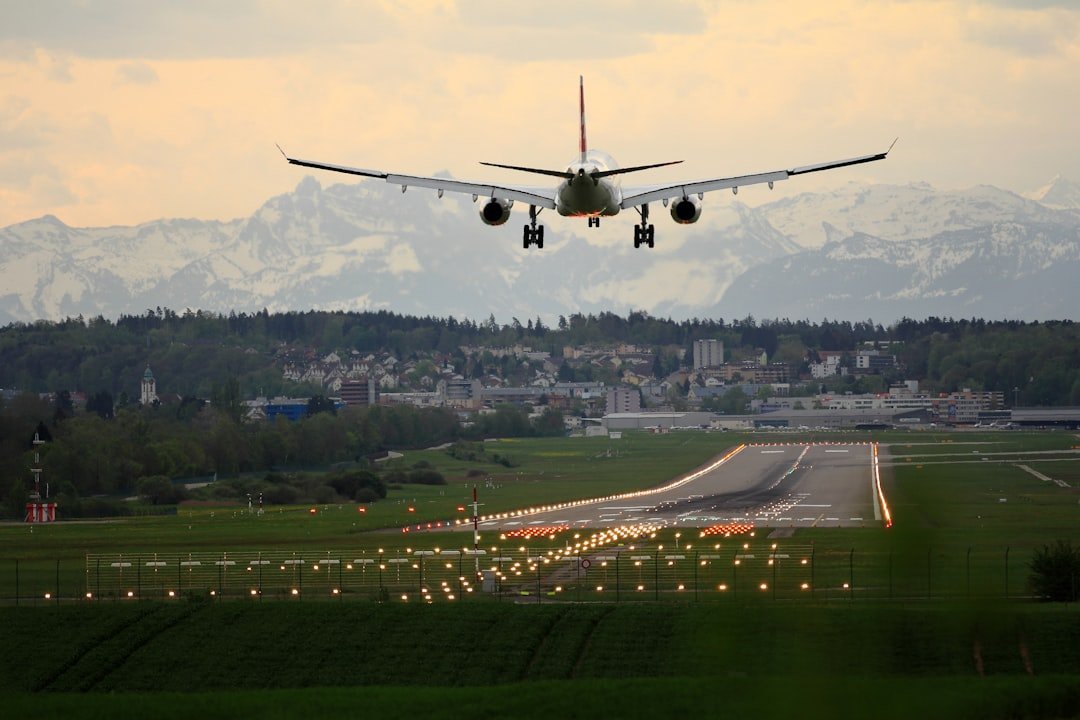
A 45-minute connection looked doable on paper. It is not doable when your first flight is delayed 20 minutes, you land at Gate A and need Gate D, and the airline’s app is spinning. Short connections are usually a huge mistake. If your first flight is delayed even 15 minutes – and let’s be honest, what flight isn’t? – it could spell disaster for the rest of your trip. If there’s a choice, go with the longer layover. The $30 saved on the tighter itinerary often turns into $400 for a last-minute rebooking and a night in an airport hotel.
Most travel experts recommend at least 90 minutes for domestic connections and two hours minimum for international ones. **The airport is not a sprint course, and checked bags move even slower than passengers do.** Airlines are not legally required to rebook you on the next flight if you miss a connection because of a layover you chose yourself – they only owe you rerouting when the delay was their fault. Read the fine print on your ticket before you chase the cheaper itinerary. But that’s nothing compared to what we found about #12…
#12 – Using the Airport Currency Exchange Kiosk
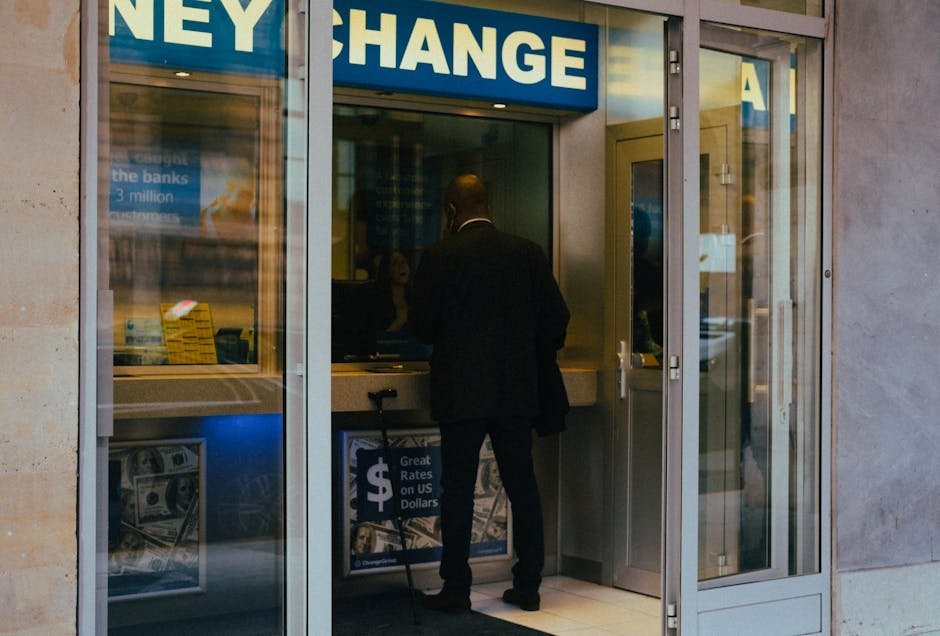
Those shiny currency exchange booths in international arrivals halls look convenient because they are – for the company running them. For travelers, they’re one of the most reliably bad financial decisions you can make before your trip has even technically started. Exchanging currency at an airport kiosk means getting the worst rates – use an ATM instead. The margin these kiosks build in can run 10–15% above the mid-market rate.
The smarter move is simple: use an ATM at the destination that pulls directly from your bank account at the real exchange rate. Better yet, open a checking account that refunds ATM fees – several travel-friendly banks offer this. Many credit cards charge a 3% international transaction fee, and if you’re using that card for everything for a week or two on vacation, the fees really add up. Get a card with no transaction fee, even if you only use it for travel. **Currency mistakes quietly cost travelers hundreds of dollars per trip without them ever noticing a single large charge.** But that’s nothing compared to what we found about #11…
#11 – Trusting Outdated Travel Information

That blog post ranking the ten best things to do in the city was published in 2018. The restaurant it ranked number one closed in 2021. The museum it called a “hidden gem” now has a two-hour line. Many travel mistakes come from following outdated or misleading advice. For example, the idea that you should book flights six months in advance is no longer true for most destinations. Travel changes fast, and advice that was golden three years ago can now actively mislead you.
Outdated information leads to costly mistakes – like getting fined for not validating your train ticket – and simple faux pas. It can also waste your time, sending you to a museum that’s closed for renovation or to wait for a bus that no longer runs. **Always check the publication date on every travel article you use for planning – a 2019 review is archaeological history in travel terms.** Prioritize recent sources, official tourism board websites, and forums with active recent posts. But that’s nothing compared to what we found about #10…
#10 – Planning an Itinerary So Packed It Stops Being a Vacation

There’s a certain type of traveler who returns from a two-week trip more exhausted than when they left. They saw everything on the list. They checked every box. They also spent the entire trip in transit between things, eating fast, and sleeping less than they do at work. Over-scheduling is just as bad as not planning anything. If you try to cram too much in, your holiday will feel more stressful than relaxing, which defeats the purpose.
The travelers who consistently report the best vacations tend to do fewer things more deeply rather than more things more shallowly. Sitting in one café for two hours, getting lost on purpose, staying at a museum until you actually feel something – these experiences don’t fit neatly on a spreadsheet itinerary, but they’re the ones people remember. Plan one to two priorities for each day, so you have a loose idea of what to do, and include plenty of time for rest and spontaneity. **The best travel memory you’ll ever make probably wasn’t on the original schedule.** But that’s nothing compared to what we found about #9…
#9 – Standing in Line for Hours When You Didn’t Have To

This one is pure, avoidable pain. Millions of people stand in two- and three-hour lines at major attractions every single day when advance tickets that skip the queue exist and cost the same – or sometimes even less. There are two types of travelers: those who queue and those who don’t. Crowds are unavoidable at big attractions like the Eiffel Tower or Anne Frank’s house – but what is avoidable is standing in line for hours to buy tickets.
These days, most popular sights sell advance tickets that guarantee admission at a certain time, often with a small booking fee that’s well worth it. While hundreds of tourists are sweating in long lines, those who’ve booked ahead can show up at their reserved time and breeze right in. **A two-hour wait is two hours you spent at your destination not actually experiencing your destination.** Book timed entry tickets in advance for any major attraction – it takes five minutes online and saves hours on the ground. But that’s nothing compared to what we found about #8…
#8 – Never Leaving the Tourist Zone

The main square. The famous street. The hotel restaurant. The gift shop district. Some travelers go on international trips and never once interact with the place they actually flew to – they interact with a tourist-facing simulation of it, priced and curated for people who don’t know any better. Many travelers eat dinner on the most touristy street at the most high-profile restaurant with the most aggressive sales pitch, then are upset by the big bill and disappointing food. The smarter move is wandering the back streets, away from the main tourist area. Old Town Square may be a mob scene, but six blocks away you’ll find fewer crowds and eateries full of happy locals.
Social media pressures travelers to plan around photos rather than real experiences. Chasing viral locations often leads to disappointment, overcrowding, and superficial interactions with the local culture. The desire to replicate a stranger’s highlight reel makes people forget to travel for themselves. **The real city – the food, the rhythm, the people – is almost always one or two streets over from where the tourists are standing.** But that’s nothing compared to what we found about #7…
#7 – Falling for Destination Scams That Are Already Widely Known

Here’s the humbling part: most tourist scams are extremely well-documented online. They’re listed on every major travel forum, written up in dozens of articles, and warned about on government travel advisories. And yet travelers fall for them by the thousands every single day. In early travel days, many travelers get suckered by local scams – and each time the scam was already widely documented and could have been avoided. For example, the “Golden Temple is closed today” scam in Bangkok leads tourists to a local silk shop, and the camel-at-the-Great-Pyramids situation leaves people unable to get down until they hand over money.
Pickpockets are rife in big tourist cities, especially around crowded transportation areas like airports, train stations, and subways. One traveler was pickpocketed in Madrid right after withdrawing €300 from an ATM, distracted by a couple of rambunctious kids while another lifted the wallet. **The most effective scams always involve a distraction, a sense of urgency, or an appeal to helpfulness – three things decent people are naturally susceptible to.** Spend 20 minutes researching common scams at your destination before you go. But that’s nothing compared to what we found about #6…
#6 – Skipping the Local Season Research

Plenty of people book a vacation to a dream destination, then land to find the beach is closed, the attraction is under annual renovation, or it’s raining sideways every day because they happened to book during monsoon season. While there are places that can be enjoyed in both summer and winter, sometimes research first is essential. You can end up booking a trip to India in summer without realizing it’s full monsoon season. You don’t know rain covers most of the country in mid-July unless you do your research first.
Another example is wanting to travel to Norway in summer with the idea of seeing the northern lights. It’s practically impossible – with the midnight sun it never fully darkens, and darkness is a must for aurora viewing. **Choosing the wrong season for a destination doesn’t just affect comfort – it can eliminate the very reason you chose to go.** The best time to visit a place is almost never the most obvious time. Dig into seasonal guides, not just pretty photos. But that’s nothing compared to what we found about #5…
#5 – Not Checking Your Phone Plan Before You Land

The moment you land internationally and your phone loses service – or worse, racks up $15-per-megabyte roaming charges – your entire navigation, communication, and backup plan evaporates simultaneously. It’s important to know what your plan covers to avoid data roaming fees. Not covered? Turn off your data before you get on the plane and leave your phone in airplane mode – you’ll still be able to connect to Wi-Fi. But relying entirely on Wi-Fi spotting is its own kind of gamble.
The smarter play is adding an international day pass before your trip, or picking up a local SIM or eSIM at the destination. Many carriers now offer affordable global plans that activate automatically when you land. **Being stranded without working maps in an unfamiliar city – especially when you don’t speak the language – turns a minor inconvenience into a genuine crisis very quickly.** This is one of those $10-per-day problems that feels completely unnecessary in hindsight, every single time. But that’s nothing compared to what we found about #4…
#4 – Booking a Cheap Flight to the Wrong Airport

London has six airports. Paris has two major ones. Rome has two. Tokyo has two – one of which is significantly farther from the city center than the other. Many large cities have a secondary budget airport that sounds close but isn’t, and airlines price tickets to these airports lower specifically because most travelers don’t realize the catch until they’ve already booked. Booking the wrong airport is one of the most common and costly travel errors, and it eats into both your time and your budget.
The consequences compound: you booked a hotel near the city center for one airport, only to land at the other one an hour away. Now you’re paying for a longer taxi or a train connection you didn’t budget for, arriving late and frazzled, and starting the trip in a worse mood than you left home in. **Always confirm which city airport your flight uses before you finalize any accommodation booking.** It’s a five-second check that saves hours of stress. But that’s nothing compared to what we found about #3…
#3 – Traveling Without Any Backup Copies of Important Documents

Your passport is stolen in a Barcelona market. Your phone – which had every booking confirmation – falls into the Trevi Fountain. Your wallet with your one credit card disappears on a subway. Any single one of these situations is manageable if you have backups. Without them, each one becomes a trip-ending crisis that can strand you in a foreign country with no money, no ID, and no way to prove who you are. Losing access to documents abroad can turn stressful fast. Lost phones and stolen bags are among the most stressful situations that can happen on vacation. Unfortunately, these experiences aren’t always avoidable, as pickpockets are rife in many cities worldwide. But you can prepare for the worst by backing up your important documents.
The fix is genuinely simple and takes about ten minutes: photograph your passport, your visa, your travel insurance card, and every booking confirmation. Email them to yourself and store them in cloud storage. **Write down your bank’s international emergency number on paper – because if your phone is stolen, you won’t remember it from memory.** Carry one backup credit card in a separate bag from your wallet. These aren’t paranoid habits – they’re the habits of every experienced traveler who’s been through it once. But that’s nothing compared to what we found about #2…
The Savvy Traveler's Audit
Test your travel IQ and see if you're making the common blunders that quietly sabotage even the most expensive vacations.
Think you caught the key details? Take the quick quiz and see how sharp your instincts really are.
#2 – Packing Your Vacation Full of “Should-See” Spots Instead of What You Actually Want

Social media has created an entirely new category of vacation regret: the trip where you saw all the right things and enjoyed almost none of them. Many travelers get carried away by Instagram when making travel decisions – where to eat, what to visit, or even from which exact angle to take a photo with a monument in the background. Several reports have shown that a large percentage of travelers now choose their holiday destination based on its “instagrammability.” The result is a vacation optimized for a social feed, not for the person living it.
The most underrated travel move is asking yourself, before you book a single thing: what do I actually want to do with my body and brain for seven days? If the honest answer is “read books on a quiet beach,” then Machu Picchu is the wrong trip. If it’s “eat extraordinary food,” a resort with a swim-up bar will leave you hollow. It’s hard not to set sky-high expectations when you’ve spent tons of hard-earned money and weeks of saved-up vacation time, but you really need to set a reasonable bar. Nothing is as perfect as it seems in a brochure or online enticement. **Plan the trip you want, not the trip that photographs well.** But the single biggest mistake of all? That’s #1…
#1 – Letting One Thing Go Wrong Ruin the Entire Trip

The flight was delayed six hours. The hotel room smelled weird. The restaurant got your order wrong. It rained on the day you planned the boat tour. Any one of these can become the lens through which an entire vacation is remembered – if you let it. Worry is the evil twin of high expectations, and both will suck the joy out of a vacation faster than you can say “bon voyage.” Mistakes and mishaps are bound to happen – but you can’t spend your time worrying about things that are out of your control. Don’t let a missed flight, lost suitcase, nasty restaurant, or any other unpleasant experience ruin your trip.
Experienced travelers know that the worst travel days often become the best stories. The detour that wasn’t planned. The place you found because you were lost. The stranger who helped you when everything went sideways. Even after countless trips, seasoned travelers still get lost, miss train connections, and get shortchanged by taxi drivers. But with each slip-up, you learn something. **The trip isn’t ruined until you decide it is – and that decision is always yours to make.** The destination can disappoint. The logistics can fail. The weather doesn’t care about your plans. But how you respond to all of it? That’s the actual vacation.
The quiet truth behind every ruined vacation is that almost none of them were ruined by the destination. They were ruined by preventable mistakes made before boarding, poor decisions made in the moment, and – most of all – the refusal to adapt when things didn’t go according to plan. The good news: every single mistake on this list is fixable with a little awareness and a lot less assumption. Travel smarter, pack lighter, read the fine print, and for the love of everything – check your passport expiration date. Which of these have you made? Drop it in the comments.