
Every week, thousands of first-time cruisers step onto a ship buzzing with excitement – and within 24 hours, half of them have already made a mistake that every seasoned passenger spots from across the Lido deck. It’s not about intelligence. Cruise ships are floating cities with their own unwritten rules, hidden costs, and quiet traps. Nobody hands you a playbook at the gangway. And the result? Rookie moves that bleed money, waste hours, and telegraph newcomer status to everyone around you.
The thing is, almost every one of these mistakes feels completely logical – right up until it costs you. Some will surprise you. A few will sting. And at least one is so common that cruise lines quietly count on first-timers never figuring it out. Here’s what veteran cruisers, travel agents, and crew members actually say gives new passengers away the moment they board – counting down to the one that hits hardest of all.
#20 – Flying Into the Departure Port on Embarkation Day

This is arguably the most expensive rookie move on the entire list, and thousands of people make it every single sailing season. Even a perfectly timed morning flight carries too much risk – a delay, a cancellation, a gate change – and the ship will not hold for you. Not for an hour. Not for ten minutes. The gangway goes up, and your entire vacation investment sails away without you.
The fix is simple: fly in the night before and book a hotel near the port. Yes, it costs extra. But it costs a fraction of what it takes to chase your ship to the next port city via last-minute flights and hotels – which is exactly what stranded passengers end up doing. Fly in early, sleep near the pier, and start embarkation morning relaxed instead of white-knuckling a connecting flight. Veterans treat this as non-negotiable.
Fast Facts
- Most cruise lines will not delay departure for missed passengers, regardless of the reason.
- Chasing a ship to its next port typically requires last-minute airfare, a hotel, and ground transfers – often $500–$1,500+ per person.
- Flying in the night before costs a fraction of that and eliminates the risk entirely.
- Book a hotel within 5–10 minutes of the terminal to make embarkation morning as stress-free as possible.
#19 – Ignoring the Cruise Line’s App Until You’re Already Onboard
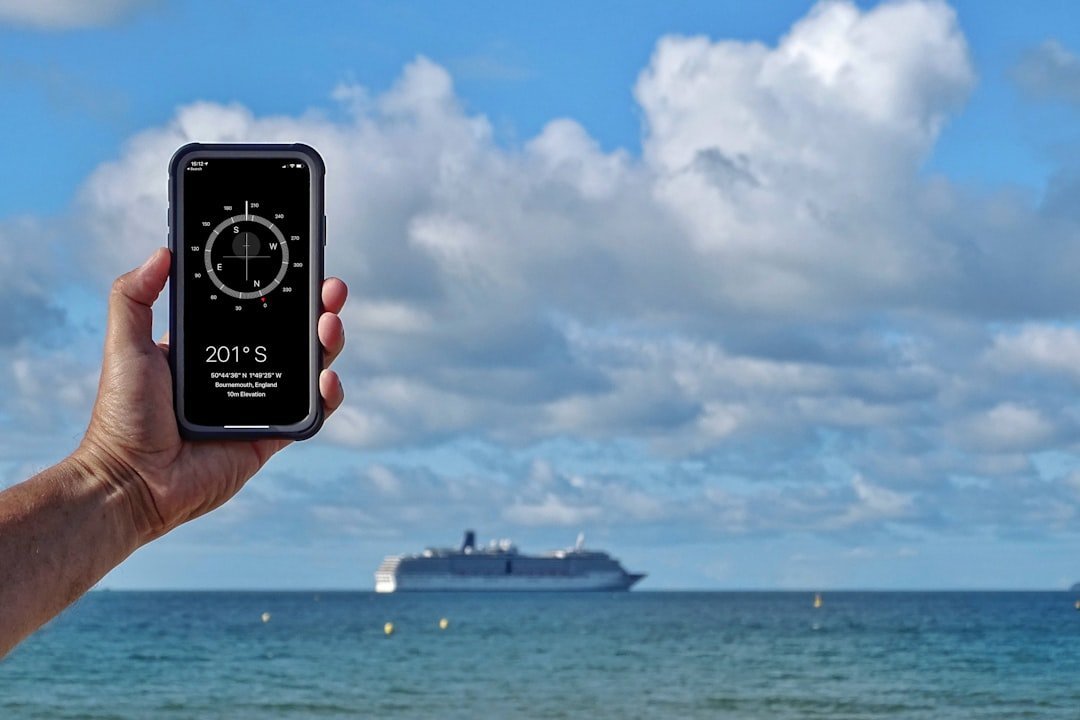
First-timers treat the cruise app like an afterthought – something to download once they’re already hunting for shipboard Wi-Fi. That’s a costly miscalculation. Download the app and complete your online registration weeks before you sail. Shore excursions, specialty restaurants, spa appointments, beverage packages, show reservations – all of it is available to browse and book before you ever leave your driveway.
Popular show reservations and prime specialty restaurant tables disappear before the ship even leaves port. Many first-timers don’t realize this until they’re standing at a fully booked restaurant on night one, staring at a waitlist. Shipboard Wi-Fi is also slow and expensive, making in-app browsing a frustrating experience once you’re at sea. The app is your secret weapon – use it three weeks out, not three hours out.
#18 – Showing Up to the Terminal Without Completing Online Check-In
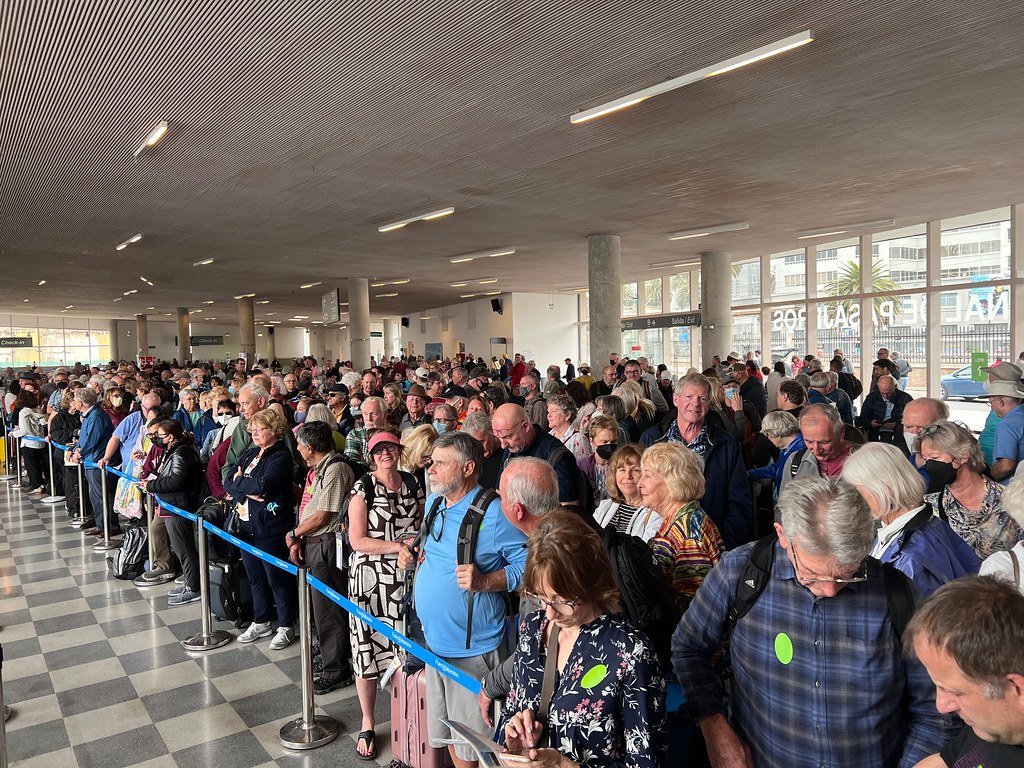
Arriving at the cruise terminal without checking in online is the maritime version of showing up to an airport and expecting a boarding pass to appear by magic. Most cruise lines let you check in through their app well before sailing day – uploading your travel documents, payment details, and even your embarkation photo from home. Doing this in advance genuinely cuts your time in the terminal line.
Speaking of that photo: the ones taken at the port are rarely flattering, shot under fluorescent lighting while you’re sweaty and slightly frantic. Take a clean, centered selfie at home – passport-style, face forward – and upload it through the app beforehand. Skipping this step alone can stall your check-in and hold up everyone behind you. It takes four minutes at home and saves twenty minutes at the pier.
#17 – Packing Your Luggage Tags Inside Your Suitcase
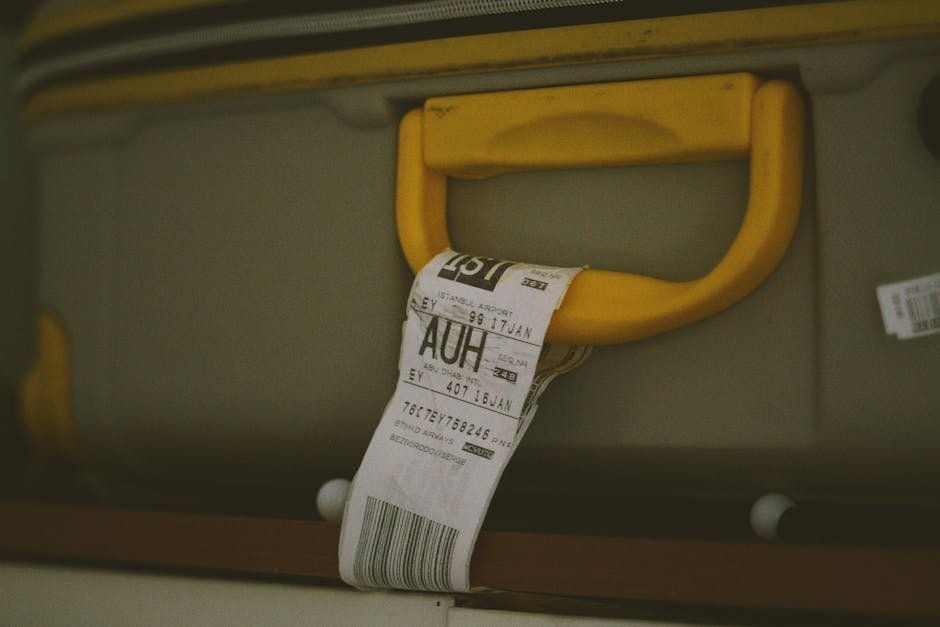
It sounds like a joke. It is not. At every single sailing, at least a handful of first-timers carefully print their luggage tags, fold them neatly, and tuck them right into the suitcase they’re about to hand to a porter – where they are completely, utterly useless. Your luggage tag needs to be attached to the outside of the bag before you hand it over. It contains your name, your ship, and your cabin number. Without it, your bag enters a black hole.
A suitcase without a legible, securely attached tag can spend hours in a holding bay or end up at entirely the wrong cabin. Attach your tags right before you leave for the port – that’s the sweet spot between “too early and the tag gets torn off” and “forgot entirely.” Bring a small roll of clear tape, wrap it tightly around a handle, and you’re done. It’s a two-minute task that protects everything else in that bag.
#16 – Dragging Your Giant Suitcase Through the Ship on Boarding Day

The moment you see someone wrestling a massive rolling suitcase down a narrow ship corridor at noon on embarkation day, you know immediately: first-timer. Large luggage is meant to be surrendered to the porters outside the terminal – tagged, checked, and delivered to your stateroom while you explore. Cabins typically aren’t ready until 1–2 p.m. anyway, which means hauling your own bags means hauling them around a crowded ship for hours with nowhere to put them.
Pack a carry-on with everything you’ll need for the first six to eight hours: medications, valuables, travel documents, a swimsuit, and any essentials. Your checked bags may not arrive at your stateroom until early evening. First-timers who bury their swimsuit in their checked suitcase miss the entire first afternoon at the pool while veterans are already on their second drink. Small carry-on, big payoff.
#15 – Arriving Way Too Early and Standing Outside in the Heat

First-timers assume that arriving as early as possible gives them a head start. It doesn’t. Most cruise lines assign passengers staggered boarding windows for exactly this reason. Show up before your window and you’re not getting onboard faster – you’re just waiting outside, often in direct sun with no water, no restrooms, and nowhere to sit, while your excitement quietly curdles into mild sunburn and boredom.
The heaviest congestion at most ports runs roughly between 11:30 a.m. and 1:00 p.m. Arriving between 10:00–11:30 a.m. or after 1:00 p.m. – depending on your assigned window – tends to move fastest. Check your cruise documents, honor the window you were given, and you’ll walk through check-in smoothly. The staggered system isn’t a formality. It’s the entire reason embarkation doesn’t turn into a two-hour standstill every single sailing.
The Savvy Cruiser's Knowledge Check
Think you can navigate the high seas like a veteran? Test your knowledge on the hidden costs, logistical traps, and unwritten rules that separate the pros from the first-timers.
Think you caught the key details? Take the quick quiz and see how sharp your instincts really are.
#14 – Skipping Travel Insurance Because “Nothing Will Go Wrong”

This is the one that turns a rough day into a financial catastrophe. First-timers see travel insurance as an unnecessary upsell and skip it without a second thought. Then a medical emergency happens at sea, or a flight delay causes a missed embarkation, or a family situation forces a last-minute cancellation. The bill that follows makes the insurance premium look laughably small.
Most domestic health insurance plans do not cover you in international waters, and medical evacuation costs can range from $15,000 to over $200,000 depending on distance and the equipment required. A single airlift from a ship at sea – without coverage – can wipe out years of savings. Travel insurance with strong emergency medical and evacuation coverage isn’t paranoia. For anyone sailing internationally, it’s the smartest purchase on the entire pre-cruise checklist.
Worth Knowing
- Medicare does not cover care in international waters – a fact that catches many retirees completely off guard on Caribbean sailings.
- Medical evacuation from a remote cruise location can exceed $250,000 according to multiple insurance industry sources.
- Comprehensive cruise travel insurance typically costs 4–8% of your total trip cost – a fraction of a single emergency bill.
- Look for policies with at least $100,000 in emergency medical coverage and $250,000 or more in medical evacuation coverage.
- Buy as soon as you book – early purchase can unlock coverage for pre-existing conditions and weather-related cancellations.
#13 – Sailing Internationally Without a Passport Book
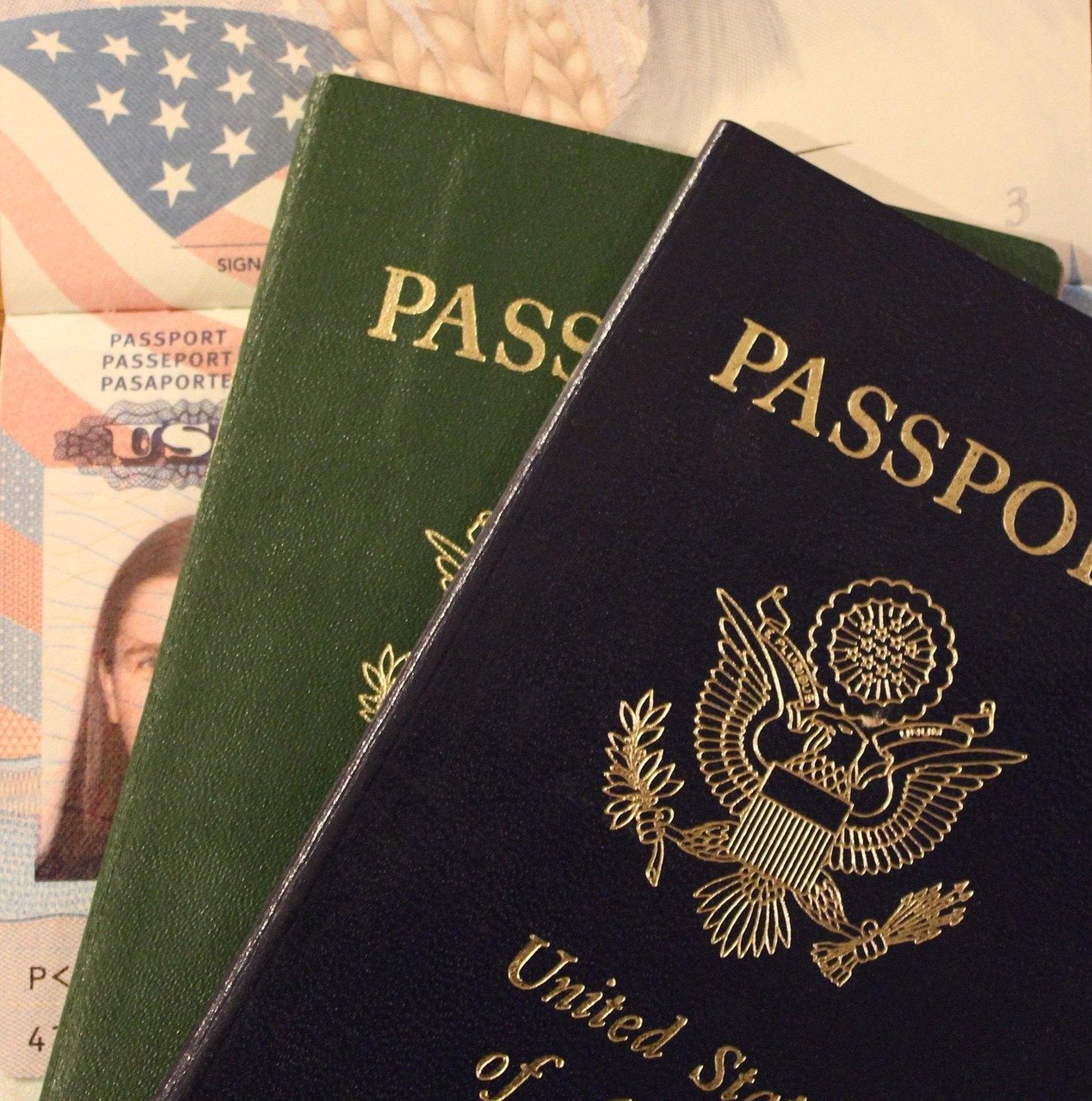
Some first-timers board a Caribbean cruise with only a birth certificate and a driver’s license, feeling perfectly fine about it – until something goes sideways. If you get sick and need to fly home from a foreign port, or miss the ship and need to catch up in another country, only a passport book gets you on an international flight. A birth certificate cannot do that. A passport card cannot do that either, despite what some people believe.
Even if your passport is technically valid, many countries require at least 3–6 months of remaining validity beyond your travel dates – and they will turn you away without it. As of recent estimates, standard U.S. passport renewal takes 4–6 weeks; expedited service runs about 2–3 weeks with an extra $60 fee. Don’t discover your passport expired two weeks before sailing. Check it now, renew it early, and travel without that particular cloud hanging over you.
#12 – Assuming All the Food Is Free
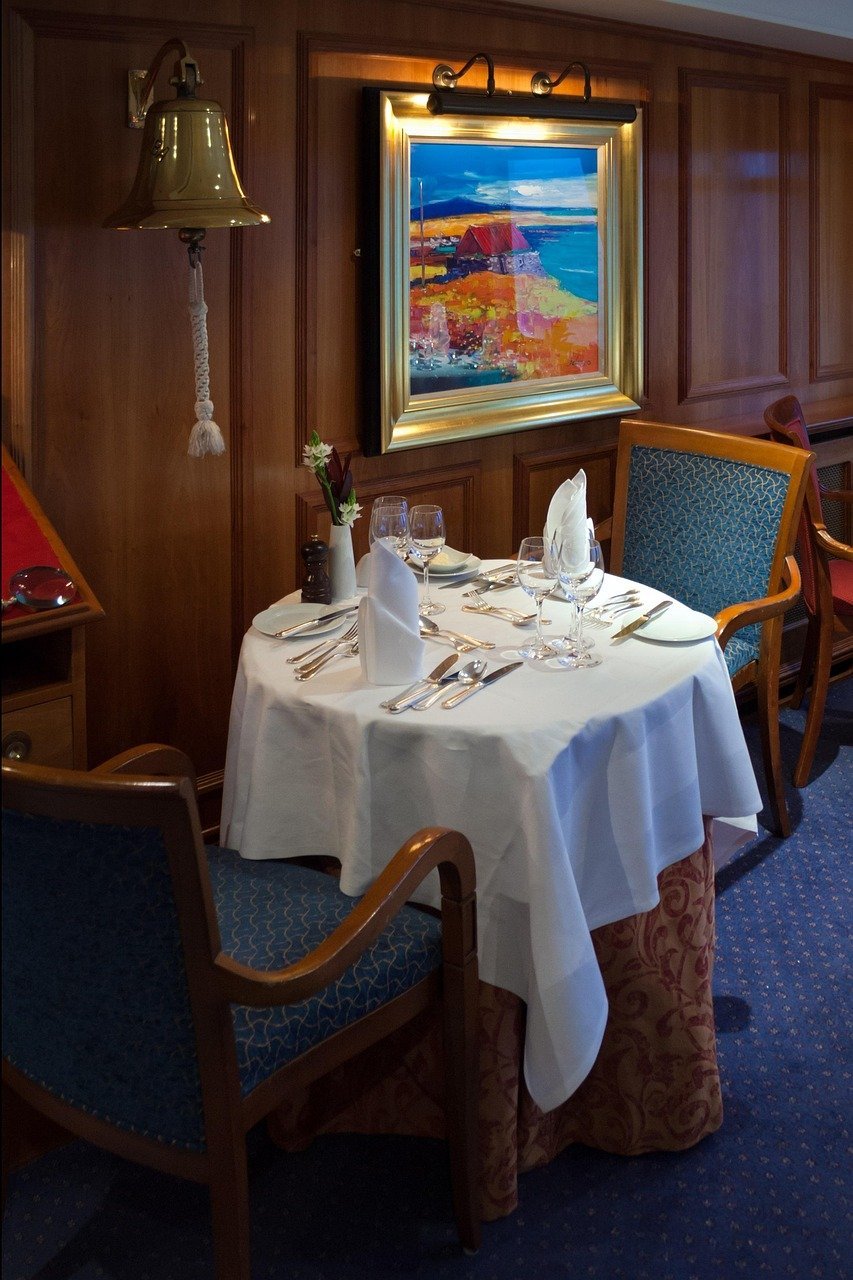
The “all-inclusive” mythology around cruising is one of the most persistent misconceptions in travel. First-timers step aboard assuming every plate of food is covered by their fare, then get quietly blindsided. Many ships now charge for room service – something that used to be universally free. Certain menu items in the main dining room carry surcharges. Specialty restaurants almost always require an additional per-person cover charge on top of your base fare.
Royal Caribbean is a clear example: continental breakfast via room service is free, but order any cooked items – even just a couple of sausages – and you’ll see a $7.95 charge appear. Specialty dining can run $30–$60 per person for a single dinner. Those restaurants are genuinely worth experiencing – intimate, quieter, far better service than the massive main dining room – but they need to be in your budget, not a surprise on your final bill. Know what’s covered before you board and you’ll spend smarter, not more.
#11 – Not Budgeting for Drinks (Because They’re Not Included)
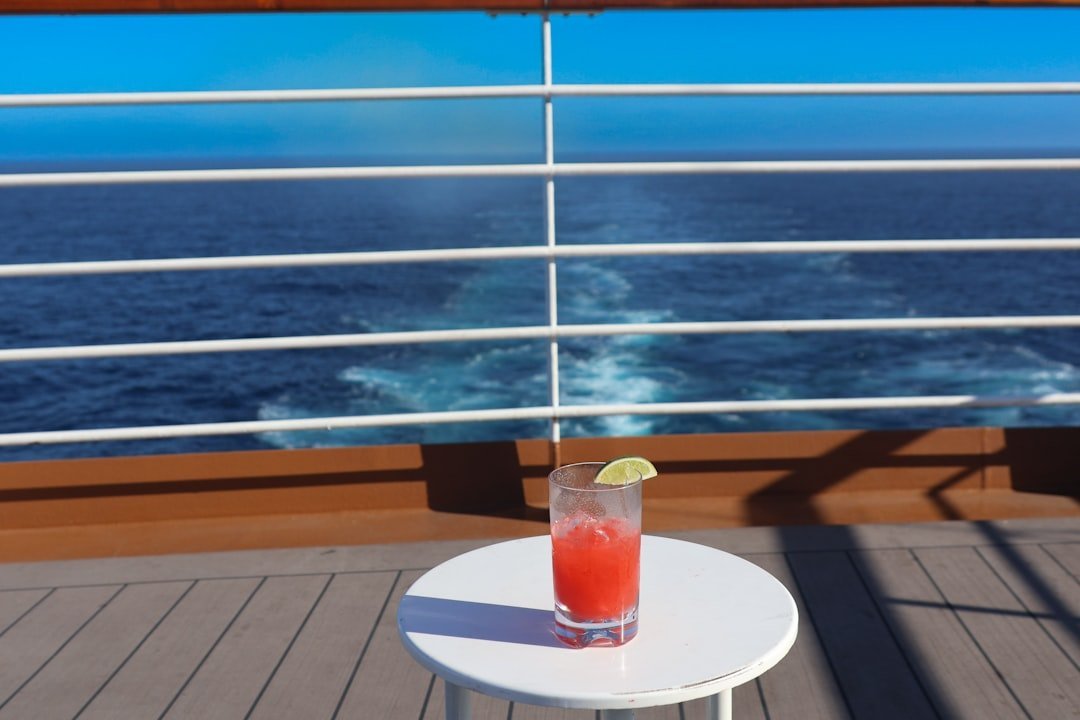
Nothing exposes a first-timer faster than the stunned look on their face when the poolside bartender hands them an itemized bill. Drinks – cocktails, wine, beer, soda, specialty coffee – are almost universally not included in your base cruise fare. Most lines offer a small selection of complimentary beverages like tap water, basic juices, and drip coffee at breakfast. Everything else has a price tag attached.
Expect to pay roughly $10–$14 per cocktail, $6–$14 per glass of wine, $6–$9 per beer, and around $3 per soda, plus an automatic 18–20% gratuity on each. On a seven-night sailing, that adds up startlingly fast. Pre-purchasing a beverage package before you sail typically saves 20–30% versus buying à la carte – but run the honest math on how much you actually drink first, because the packages aren’t cheap either. Going in blind is what turns a “budget cruise” into a sticker-shock experience.
Quick Compare
- Cocktails: ~$10–$14 each + automatic 18% gratuity
- Wine by the glass: ~$6–$14 + gratuity
- Beer: ~$6–$9 + gratuity
- Soda: ~$3 per can + gratuity
- Beverage package (pre-purchased): typically 20–30% cheaper than à la carte – but do the math before buying
#10 – Leaving Cell Data On and Coming Home to a Brutal Bill
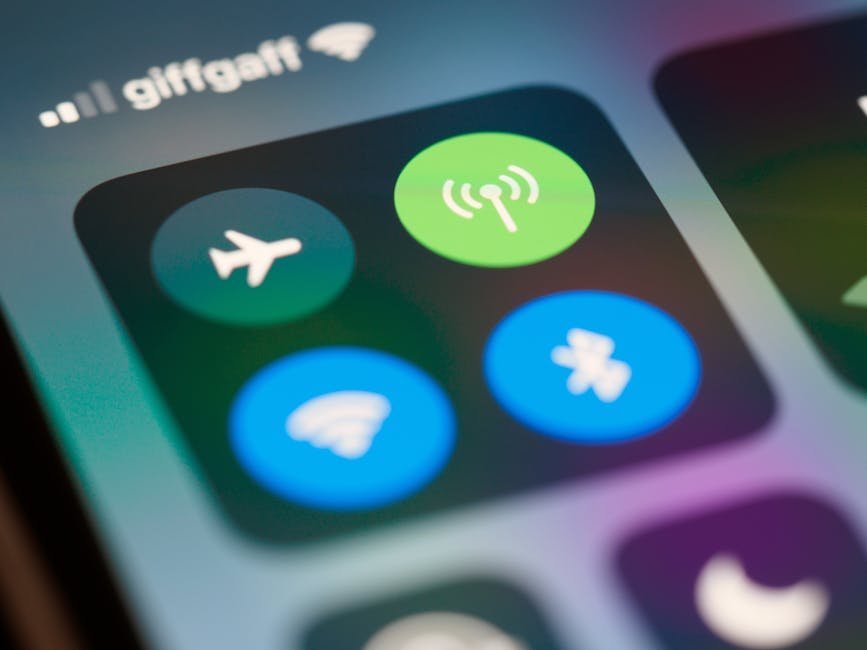
This mistake doesn’t announce itself until you’re back home and your carrier’s bill arrives. First-timers leave cell data running throughout the voyage, assuming the ship’s Wi-Fi handles everything or that their plan has some international coverage. It doesn’t – and your carrier’s standard plan almost certainly does not cover international waters. Satellite roaming fees can exceed $100 for a single day at sea without a single warning notification.
The move is simple: the moment your ship starts pulling away from the dock, flip your phone to airplane mode and turn off data roaming entirely. Download anything you’ll want – playlists, podcasts, movies, maps – before you leave home. If you need to stay connected at sea, purchase the ship’s Wi-Fi package. It’s not cheap, but it’s predictable. A surprise four-digit roaming bill on top of your vacation spending is the kind of thing that follows you home long after the tan fades.
#9 – Blowing Off the Muster Drill
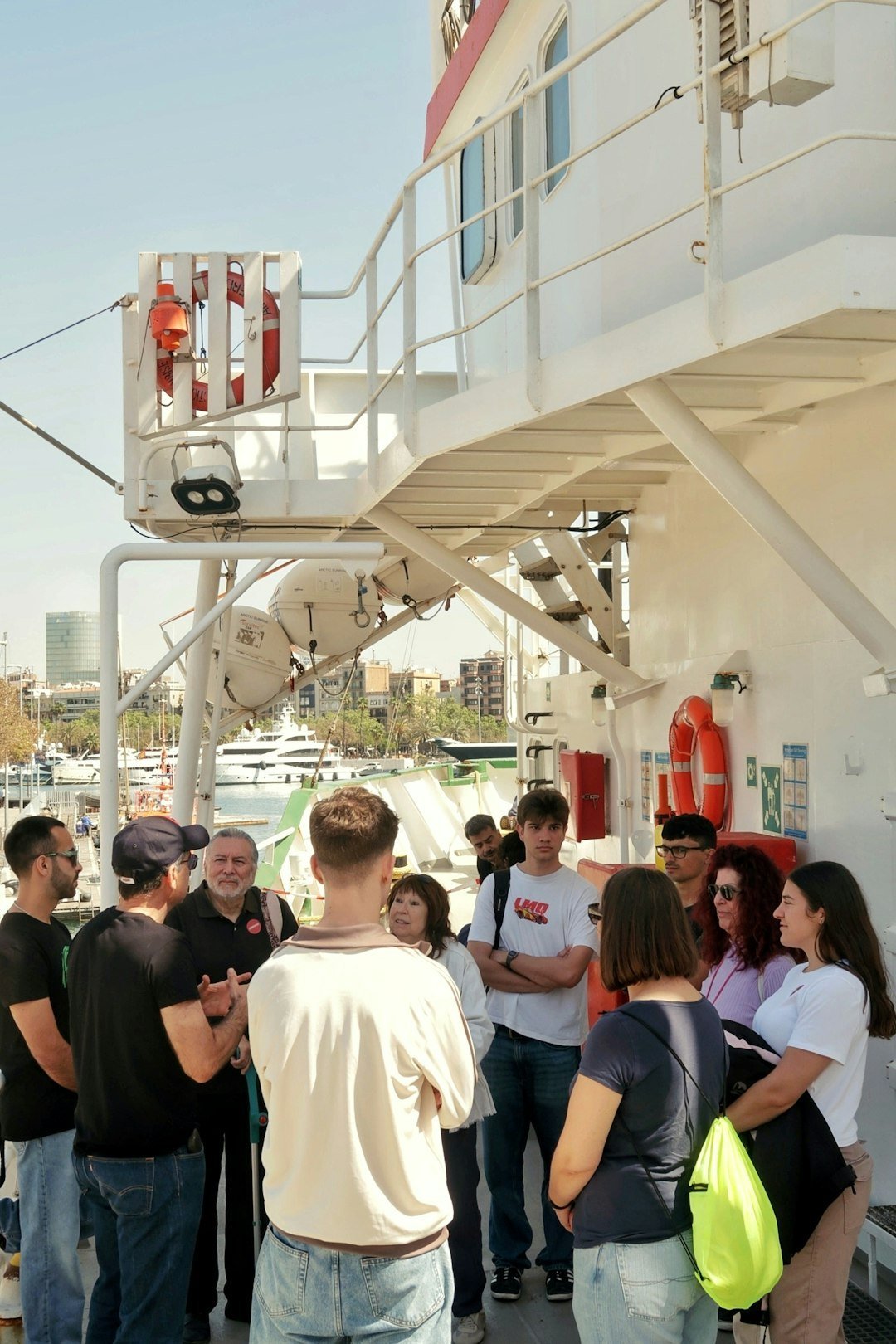
Skipping or sleepwalking through the muster drill is a classic first-timer move – and quietly one of the most reckless things you can do on a ship. International maritime law requires all passengers to complete a safety drill within 24 hours of embarkation. Crew members guide you to your emergency muster station, explain procedures, and walk you through life jacket use. It exists because emergencies at sea happen, and the difference between a calm response and a panicked one is familiarity.
Fail to complete the drill and your name and cabin number get announced over the ship’s PA system – in front of thousands of fellow passengers who are already at their stations wondering who’s holding everything up. Nothing marks a first-timer quite like a public summons over the intercom. Modern muster drills on most major lines now take under 20 minutes and can be partly completed via the app before you even board. There is genuinely no excuse for skipping it, and the reasons to take it seriously are very real.
#8 – Racing Straight to the Buffet the Moment You Board

The buffet looks magnetic on boarding day – it’s right there, it’s free, it’s enormous, and everyone is hungry after traveling. Which is exactly why everyone heads there simultaneously, turning it into a shoulder-to-shoulder, tray-bumping chaos zone within the first hour of boarding. First-timers flood it. Veterans quietly walk past it entirely and find somewhere far better.
On Royal Caribbean’s Oasis-class ships, for example, the Park Cafe in Central Park serves made-to-order sandwiches and bagels with almost no line. Johnny Rockets on these ships serves breakfast at no extra charge. The Solarium Bistro is another consistently overlooked option with a calm atmosphere. Most mega-ships have five to ten dining alternatives open on boarding day that 90% of first-timers never discover simply because they defaulted to the obvious choice. Ask a crew member where the quiet lunch spot is. The answer takes ten seconds and saves thirty minutes of buffet-line misery.
#7 – Booking Every Shore Excursion Through the Cruise Line
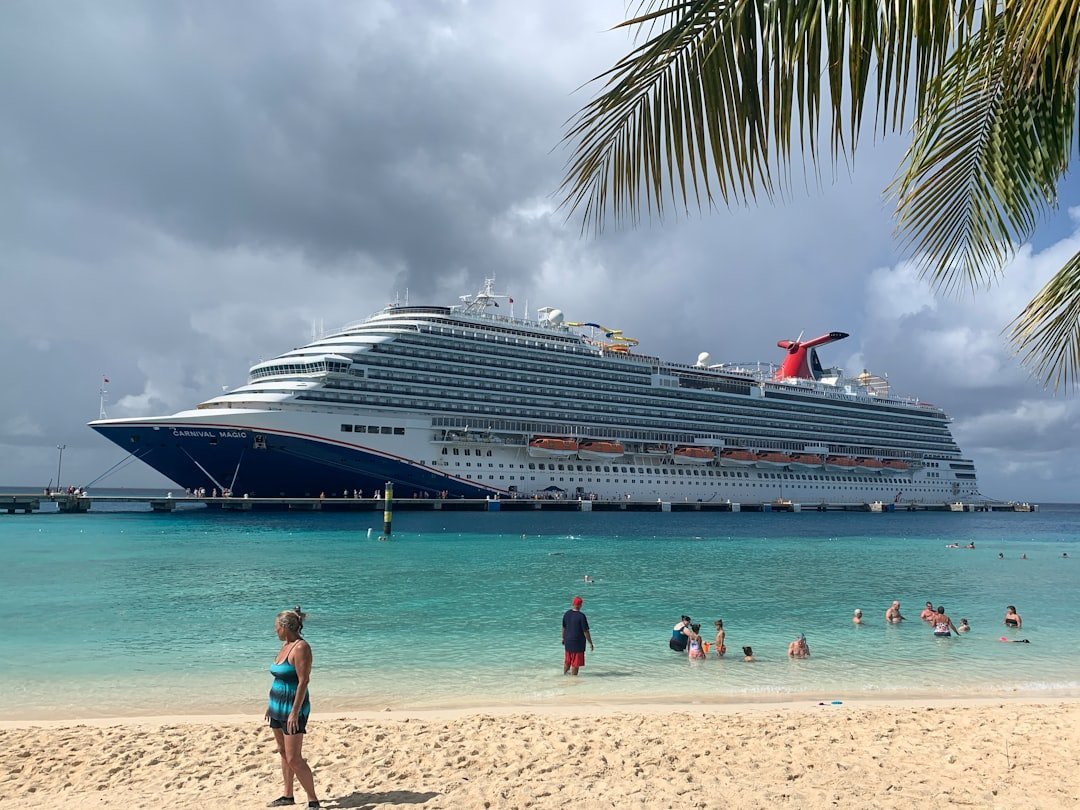
The ship’s shore excursion desk feels safe and official, so first-timers book everything through it without questioning the price. That comfort costs real money. Cruise line excursions consistently run significantly higher than comparable independent tours with local operators offering the exact same experience – sometimes double the price for an identical activity.
The one genuine advantage of booking through the ship: if the excursion runs long and you return late, the ship will wait for you. That guarantee has real value in remote or complicated ports. In a busy tourist hub with easy navigation, though, going independent can save a family of four hundreds of dollars. The critical rule: if you book third-party, build in a serious time buffer before all-aboard. The ship will absolutely not wait for an independent tour that ran over. Know what you’re trading and make the call consciously – not out of default.
At a Glance: Cruise Line vs. Independent Excursions
- Cruise line excursions: Higher cost, but ship waits if the tour runs late
- Independent tours: Often 30–50% cheaper, same or better experience – but you’re on your own for timing
- Best for cruise line booking: Remote ports, tender ports, or destinations you’ve never visited
- Best for independent booking: Well-known ports like Cozumel, Nassau, or Juneau where navigation is easy
- Golden rule either way: Be back at the pier at least 60–90 minutes before the posted all-aboard time
#6 – Treating All-Aboard Time Like a Rough Suggestion
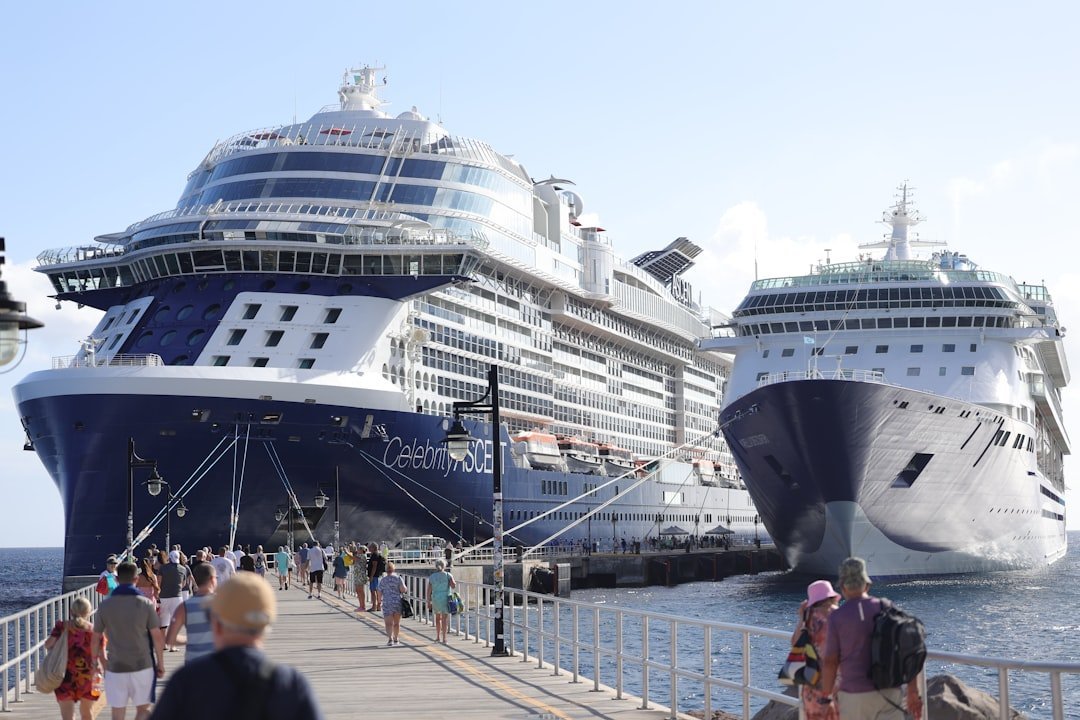
Every cruise itinerary lists an all-aboard time at each port of call. Rookies consistently treat it as a rough guideline. It is not. Harbor pilot fees, tidal windows, and port agreements mean the ship departs on schedule – not when the last straggler comes sprinting down the pier. The infamous “pier runners” who make the security footage every sailing are almost always first-timers who didn’t take the clock seriously enough.
Miss the cutoff and you are responsible for your own transportation to the next port. That means last-minute flights, hotels, meals, and transfers – costs that can run into thousands of dollars for a family, easily dwarfing what the entire shore excursion was worth. Seasoned cruisers build a 60–90 minute buffer before the posted all-aboard time. First-timers cut it to the minute, then run. Set an alarm, leave earlier than you think you need to, and let the pier runners be someone else’s story.
#5 – Not Knowing What’s Actually Included in Your Fare

One of the most defining first-timer moves is stepping onto a ship with no clear picture of what they’ve already paid for versus what costs extra. Cruises can look like an extraordinary deal at first glance. Then you’re onboard and the extras start appearing: gratuities, Wi-Fi, specialty dining, beverages, shore excursions, spa treatments. Each one individually feels manageable. Together, they can dwarf the original fare.
Prices for add-ons like drink packages, internet plans, and specialty dining are almost always lower when pre-purchased through the cruise line’s website before you sail. Once you’re on the ship, you’re paying on-demand pricing. Packages bundling dining, drinks, Wi-Fi, and excursions together often deliver genuine savings – but only if you research them before you board. Veterans price out the full trip before they pack a single bag. First-timers discover the real total when the bill slides under the cabin door on the last night.
#4 – Being Rude or Difficult With the Crew

This isn’t just a social mistake – it has actual, tangible consequences for your vacation. Crew members who encounter a passenger who snaps at them, treats them like servants, or melts down at guest services over a minor inconvenience will always do their job professionally. But they will not be motivated to go a single step further. And on a cruise ship, the extra steps are where the magic happens.
Invitation-only events like captain’s dinners, special behind-the-scenes tours, and complimentary upgrades don’t get announced over the PA. They’re extended quietly, to passengers the crew likes. Many crew members work 10-hour days, seven days a week, far from their families, for contracts that can stretch six to nine months. The passenger who acknowledges that – who says thank you, remembers a name, treats people like people – consistently has a better cruise than anyone around them. That’s not a soft observation. It’s a pattern every veteran cruiser understands.
The single biggest thing you can do to improve your cruise experience costs nothing at all: be kind to the crew.
A commonly shared insight among veteran cruisers and travel writers across cruise communities
#3 – Anchoring Yourself to the Pool Deck and Missing the Whole Ship
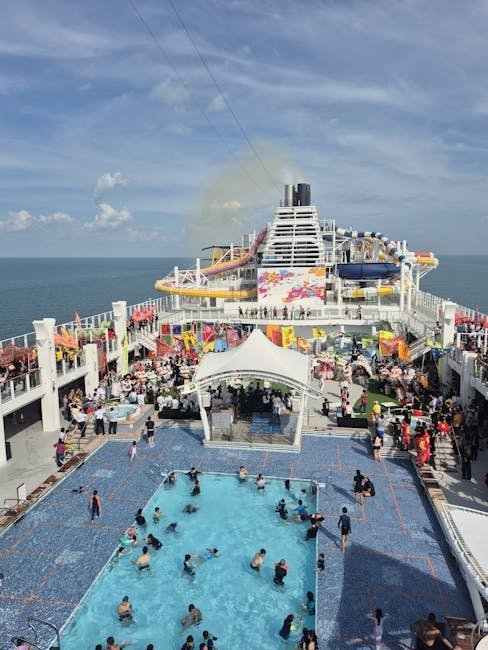
It’s the most visible real estate on the ship, so first-timers plant themselves there for the entire voyage and call it a cruise. Meanwhile, veterans are quietly discovering everything else. On a modern mega-ship, the pool deck is one of the loudest, most crowded, most chaotic spaces onboard – packed shoulder to shoulder on sea days, with music blaring and chairs claimed by towels at dawn.
Ships like Wonder of the Seas have entire neighborhoods – Central Park, the Boardwalk, hidden aft decks on lower levels – that most passengers never find. The aft of Deck 5 on Oasis-class ships is a genuinely peaceful spot most first-timers sail past for a week without ever noticing. Promenade walking paths, rooftop terraces, quiet adult-only areas, tucked-away bars – all of it is on the ship you paid for, all of it free to access. Staying in the same lounge chair all week isn’t a relaxing cruise. It’s a very expensive sunburn.
#2 – Not Checking Your Onboard Account Before the Last Night
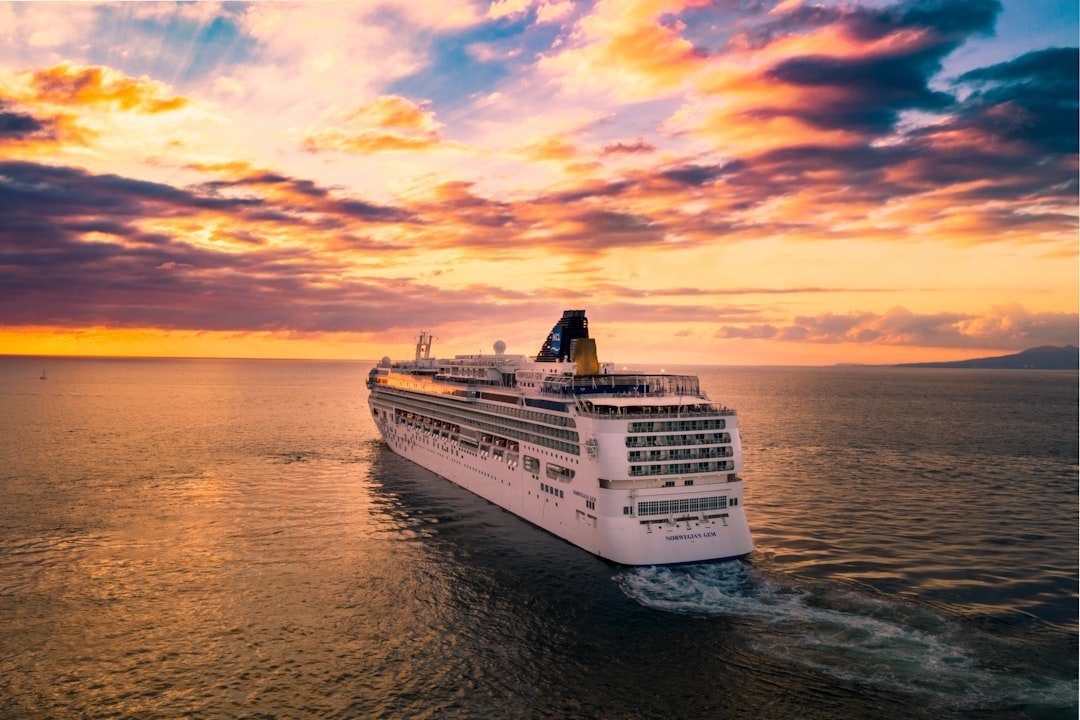
Disembarkation morning is the most chaotic window of any cruise. First-timers who haven’t reviewed their onboard account are the ones standing in a 45-minute guest services line at 6:30 a.m. while everyone else is calmly eating their last breakfast. Billing errors happen on every sailing – a drink charged to the wrong cabin, a shore excursion that appeared twice, a specialty dinner that didn’t reflect a promotion. These are trivially easy to fix mid-cruise. On turnaround morning, you’re fighting the clock.
Most cruise apps let you view your running account balance in real time. Pull it up every day or two, flag anything that looks off, and handle it at guest services during a quiet midday window – not at dawn on the last day. Check-out times run as early as 7:30 a.m. on some ships, staggered by deck and cabin category, and you’ll be notified roughly 24 hours out. Know your number, handle your disputes early, and disembark like someone who has done this before.
The Savvy Cruiser's Knowledge Check
Think you can navigate the high seas like a veteran? Test your knowledge on the hidden costs, logistical traps, and unwritten rules that separate the pros from the first-timers.
Think you caught the key details? Take the quick quiz and see how sharp your instincts really are.
#1 – Thinking the Cruise Fare Is the Whole Price
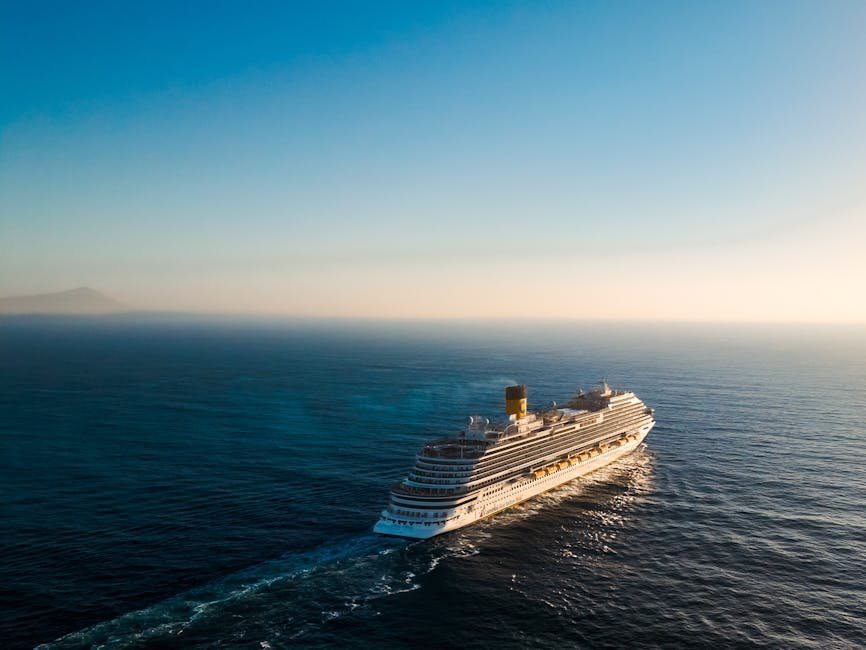
This is the single mistake that defines the first-time cruiser experience above all others – and it lands hardest, at the worst possible moment. The advertised fare is the entry ticket, nothing more. Taxes and port fees get added at checkout. Gratuities – which now range from roughly $16 to $20+ per person, per day across major lines like Carnival, Royal Caribbean, and Norwegian – are either auto-charged daily or added to your final bill. Then come drinks, Wi-Fi, specialty dining, excursions, and spa services. None of it is in that headline number that made the cruise look so affordable.
The cumulative sticker shock of that final account statement – when passengers realize they spent nearly double their “cheap” base fare – is the single most common complaint across every cruise forum, review site, and comment section on the internet. Experts consistently say to budget 50–100% on top of your base fare to get a realistic picture of your actual cruise cost. Walk in with that honest number in your head, pre-purchase what makes sense, and something shifts. You stop feeling nickeled-and-dimed and start feeling like someone who planned well. That’s the whole difference between a frustrating first cruise and one you can’t wait to repeat.
Fast Facts: What Gratuities Actually Cost in 2026
- Royal Caribbean: $18.50/person/day (standard); $21 for suites
- Norwegian: $20/person/day (standard); $25 for suites and The Haven
- Disney: $16/person/night (standard); $27.25 for Concierge/Suite guests
- Family of four on a 7-night Royal Caribbean sailing: potentially $500+ in gratuities alone – before a single drink is ordered
The passengers who move through a cruise ship with effortless confidence weren’t born knowing any of this. They made most of these same mistakes once – sometimes more than once. The difference is they learned. They fly in early, pack smart, budget honestly, treat the crew with genuine respect, and spend their sea days actually exploring the ship instead of guarding a deck chair. Every single one of these 20 mistakes is fixable before you ever leave home. The ones who figure that out before they board are the ones who come back with stories – not complaints.