

Most people believe that hitting a “Top 10” global bucket list site is a rite of passage, yet a staggering 60% of modern travelers report feeling disappointed by the world’s most famous landmarks. The reality of 2024 travel is that “Instagram vs. Reality” has become a genuine crisis, where hours of queuing and shoulder-to-shoulder crowds have replaced the magic of discovery. From Europe’s aging monuments to tropical paradises lost to over-tourism, several iconic spots have officially reached a breaking point. Here’s what the data and seasoned global insiders actually say about where your wanderlust might be leading you astray.
#24 — The Mona Lisa, Paris
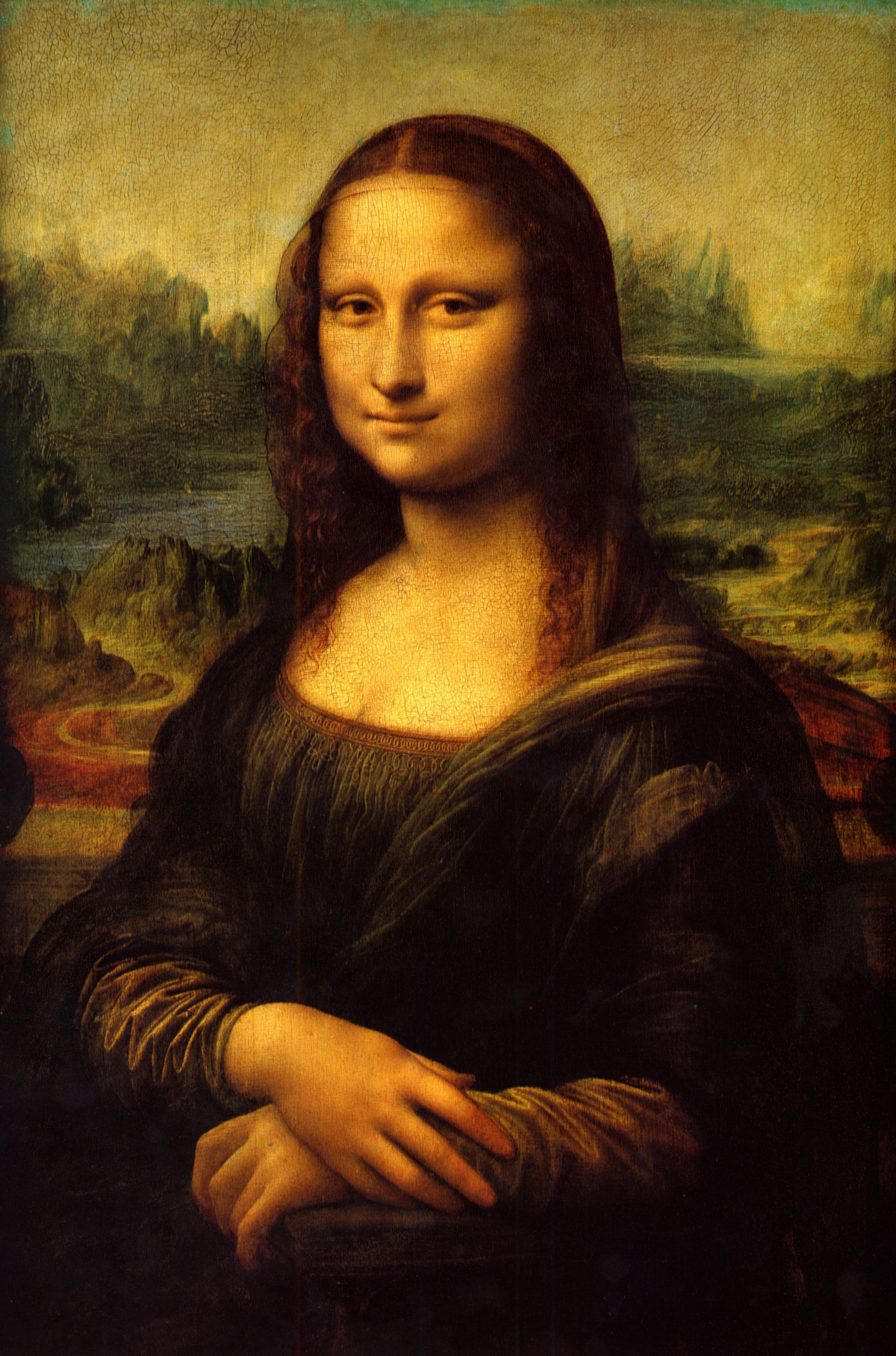
The world’s most famous painting is arguably the world’s biggest logistical nightmare for art lovers.
While you expect a moment of quiet reflection with Da Vinci’s masterpiece, the reality is a 40-minute wait to stand behind a wooden barricade 15 feet away from a portrait that is only 30 inches tall. You aren’t looking at the brushstrokes; you are looking at the back of three hundred smartphones held by tourists vying for the same blurry selfie.
Security guards constantly usher you along, giving you roughly 30 seconds of “viewing time” before you are pushed toward the exit. Museum experts often suggest that the Louvre’s other 35,000 works are far more impressive, yet the crowd density remains concentrated in this one humid, high-pressure room. It is quite literally the least enjoyable way to experience Italian Renaissance art.
But that’s nothing compared to the territorial battle for a photo that happens at #23…
#23 — The Trevi Fountain, Rome

You’ve seen the movies where a lone starlet tosses a coin into the shimmering blue water, but the reality is a mosh pit of selfie sticks.
The Trevi Fountain is tucked into a tiny piazza that was never designed to hold the 1,000+ people that occupy it at any given moment. Local authorities have recently considered installing a glass barrier or a one-way pedestrian system just to keep the crowd moving. The romantic “dolce vita” vibe is completely lost to the sound of whistles from police officers shouting at tourists to stop sitting on the marble.
If you want a photo without a stranger’s elbow in your ear, you have to arrive at 4:30 AM. Even then, you’ll likely find a professional wedding shoot already occupying the best spot. Rome has over 2,000 fountains, many of which are architectural marvels, yet tourists continue to crush into this single square.
Wait until you see how commercialized the “cradle of democracy” has become at #22…
#22 — The Acropolis, Athens
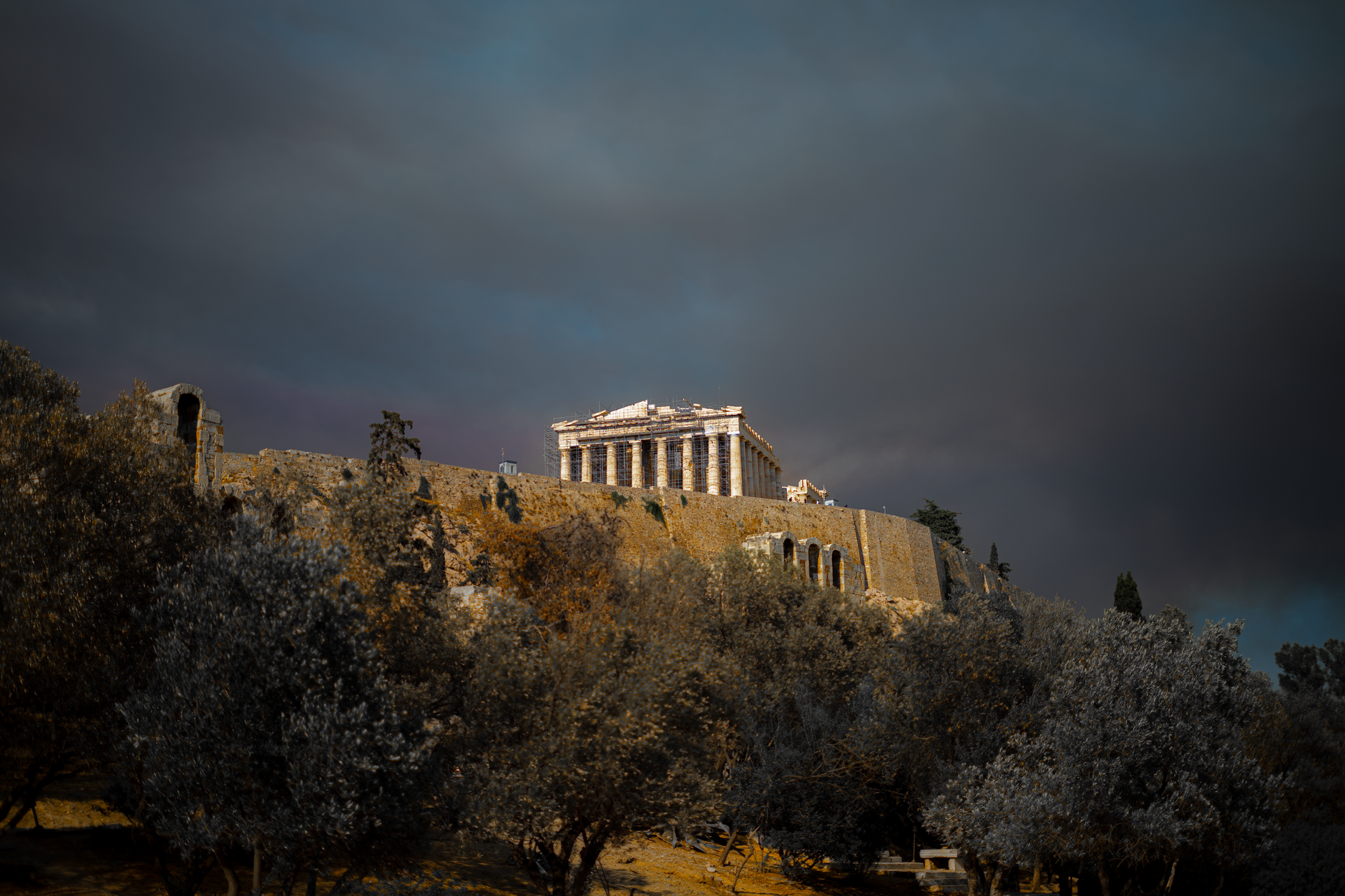
Climbing the ancient steps to the Parthenon should feel like a spiritual journey, but it usually feels like a crowded subway commute.
Temperatures at the summit regularly exceed 100°F during the summer, and the gleaming white marble reflects the heat directly into your face. The Greek government was recently forced to implement a 20,000-visitor daily cap because the overcrowding became a safety hazard for the ancient stones. You spend more time navigating around tour groups with matching hats than you do admiring the Doric columns.
The constant reconstruction means the Parthenon is almost always covered in scaffolding and heavy cranes, which ruins the “ancient” aesthetic. Many travelers now argue that the Acropolis Museum provides a better view from its air-conditioned cafe than the actual site does. You’ll leave with dusty shoes and a sense of “is that it?”
But at least there’s air there, unlike the claustrophobic nightmare at #21…
#21 — The Taj Mahal, India
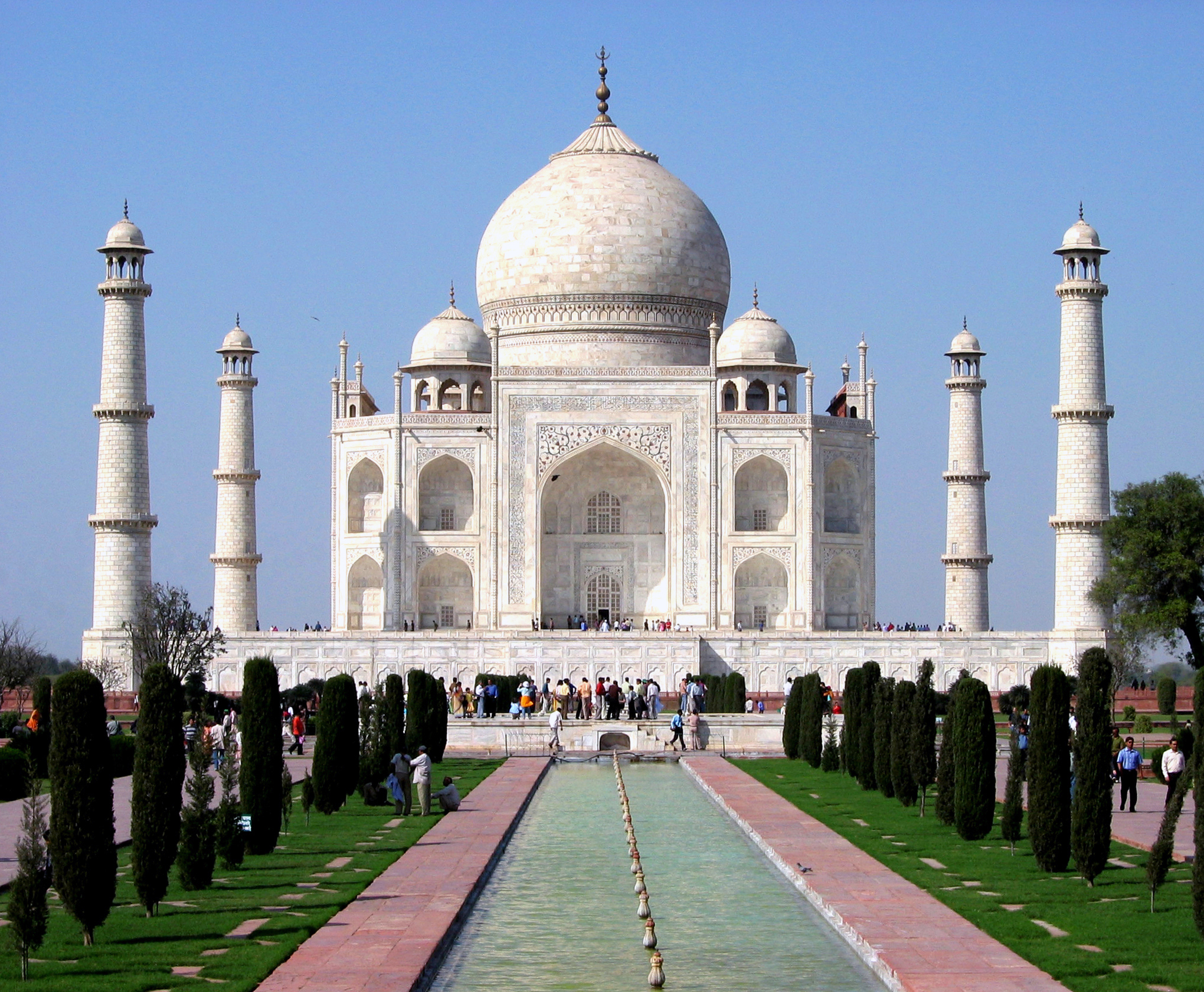
The “Monument to Love” is currently facing a massive battle against environmental decay and human traffic.
The Taj Mahal is so overwhelmed that officials have introduced “timed tickets” that expire after three hours, with fines if you stay too long. Pollution has turned the once-pristine white marble a sickly shade of yellow and green, requiring constant “mud pack” treatments that often leave sections of the building covered in brown sludge during your visit.
The interior of the tomb is a dark, cramped, and incredibly loud space where guards blow whistles to keep the line moving. You are prohibited from taking photos inside, yet the humidity from thousands of breathing visitors is visibly damaging the delicate floral inlays. It is a masterclass in how over-tourism can physically dismantle a world wonder.
But even this architectural feat can’t compete with the “tourist trap” reputation of #20…
#19 — Bali’s “Gate of Heaven” (Lempuyang Temple)
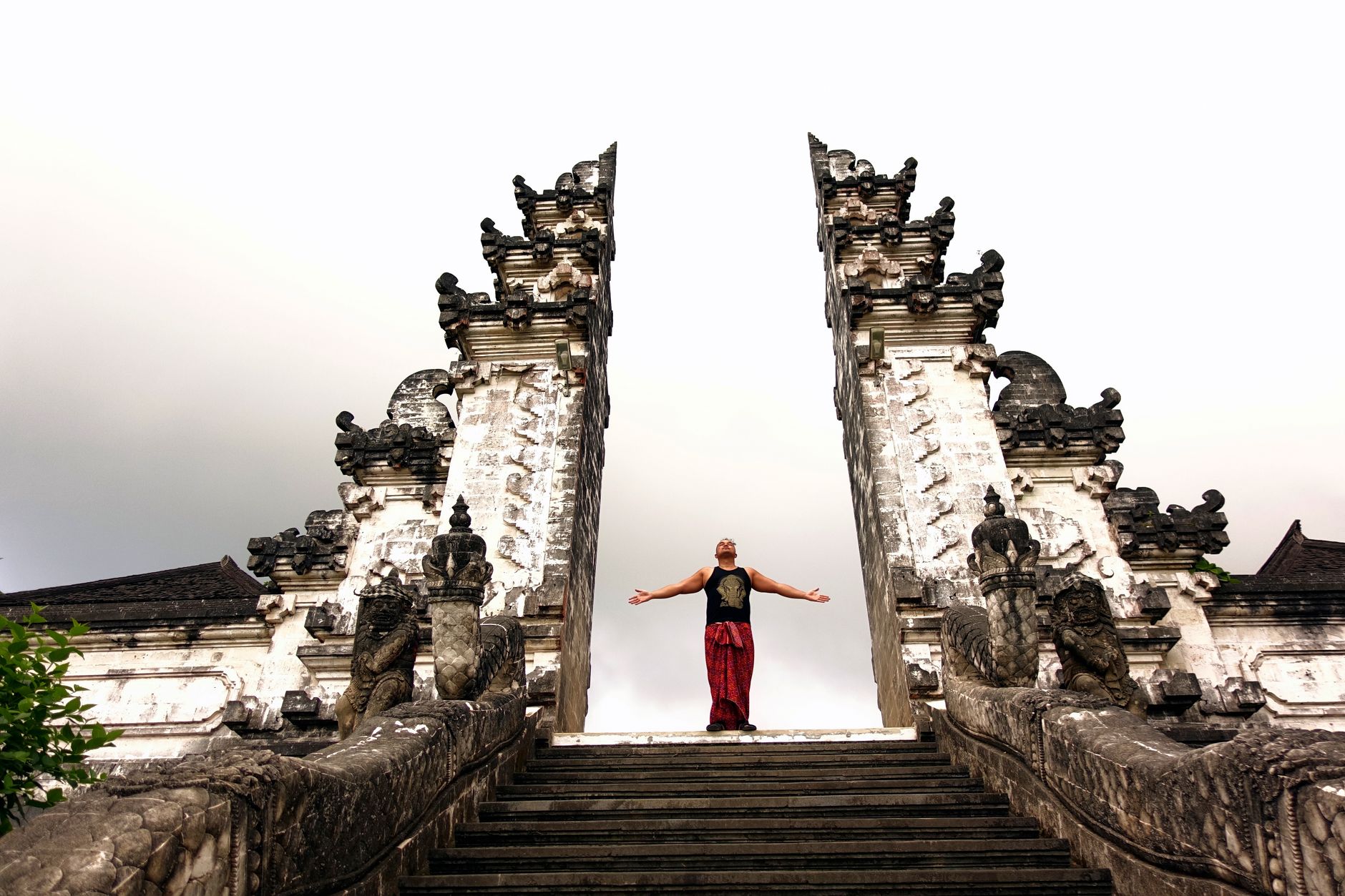
This might be the single biggest lie on social media today, and travelers are paying the price in wasted hours.
The famous “reflection” photos you see on Instagram suggest a mystical lake at the foot of the temple gates. In reality, there is no water; a local guy holds a small mirror under your phone camera to create the illusion for a fee. Travelers routinely wait 3 to 4 hours in the scorching sun for a 10-second photo op, only to realize the “sacred” experience is a giant assembly line.
While the view of Mount Agung is admittedly beautiful, the sheer commercialization of the site has stripped it of its spiritual significance. Most visitors don’t even enter the temple, as they are only there for the manufactured “reflection” shot. It is the definition of “doing it for the ‘gram” and regretting the time lost.
The “lost city” at #18 is facing a similar crisis of identity…
#18 — Machu Picchu, Peru

Getting to this Incan citadel is a grueling journey that often ends in a highly regulated, frustrating experience.
To protect the ruins, the Peruvian government has implemented strict one-way circuits. Once you pass a certain point, you are legally forbidden from backtracking, meaning if you missed a photo or didn’t see a specific stone, you’re out of luck. You are herded through the site like cattle by guides who are under pressure to keep their groups moving to make room for the next wave.
The cost of the train from Cusco and the bus up the mountain makes this one of the most expensive day trips in South America. Recent “strikes” by locals protesting the ticketing system have also left many travelers stranded. Many seasoned hikers now suggest the Choquequirao trek as a more “authentic” and empty alternative to the Machu Picchu circus.
But if you think that’s a long walk for a disappointment, look at the “climb” at #17…
#17 — The Spanish Steps, Rome

For decades, tourists dreamed of sitting on these steps with a gelato, but doing so today could cost you a fortune.
In a desperate bid to manage crowds and preserve the stone, Rome officially banned sitting on the Spanish Steps in 2019. If you try to recreate the famous scene from Roman Holiday, police officers will blow whistles at you and issue fines up to €400 ($430). It is now a place where you can only walk up or down—no lingering allowed.
The area is also a magnet for high-pressure street vendors trying to force “friendship bracelets” or roses into your hands before demanding cash. The sheer density of people makes it impossible to see the actual architecture of the staircase. It has transformed from a romantic meeting spot into a stressful transit corridor.
You’ll find a similar “look but don’t touch” vibe at the overcrowded landmark at #16…
#16 — The Little Mermaid, Copenhagen

This is perhaps the most famous “is that all?” attraction in Northern Europe.
The statue is tiny, sitting on a rock in a fairly industrial-looking part of the harbor that requires a long walk from the city center. The Little Mermaid has been decapitated, spray-painted, and doused in dye so many times by vandals that she is now under constant video surveillance. You have to fight through three rows of tourists just to see a bronze figure that is barely four feet tall.
Most travelers spend more time walking to the statue than they do actually looking at it. Copenhagen locals generally avoid the area entirely, steering visitors instead toward the vibrant Nyhavn district. It is a classic example of a “checkbox” destination that provides very little payoff for the effort involved.
Speaking of checkboxes, the “Great” site at #15 is often a great big letdown…
#15 — The Great Wall of China (Badaling Section)

If you visit the Badaling section of the Great Wall, expect to see more human heads than ancient stonework.
Badaling is the most accessible part of the wall from Beijing, which means it is permanently inundated with massive tour buses. On peak days, the wall is so packed you literally cannot move your arms, creating a dangerous crush on the steep, uneven stairs. The “majestic solitude” depicted in documentaries is nowhere to be found here.
The area is also heavily commercialized, featuring a “Bear Zoo,” KFC, and North China’s most aggressive souvenir hawkers. Travelers who genuinely want to see the wall are better off traveling further to Mutianyu or Jinshanling, where the crowds thin out. At Badaling, you aren’t walking on history; you’re walking on a human conveyor belt.
But even that isn’t as neon-soaked and chaotic as the nightmare at #14…
#14 — Times Square, New York City
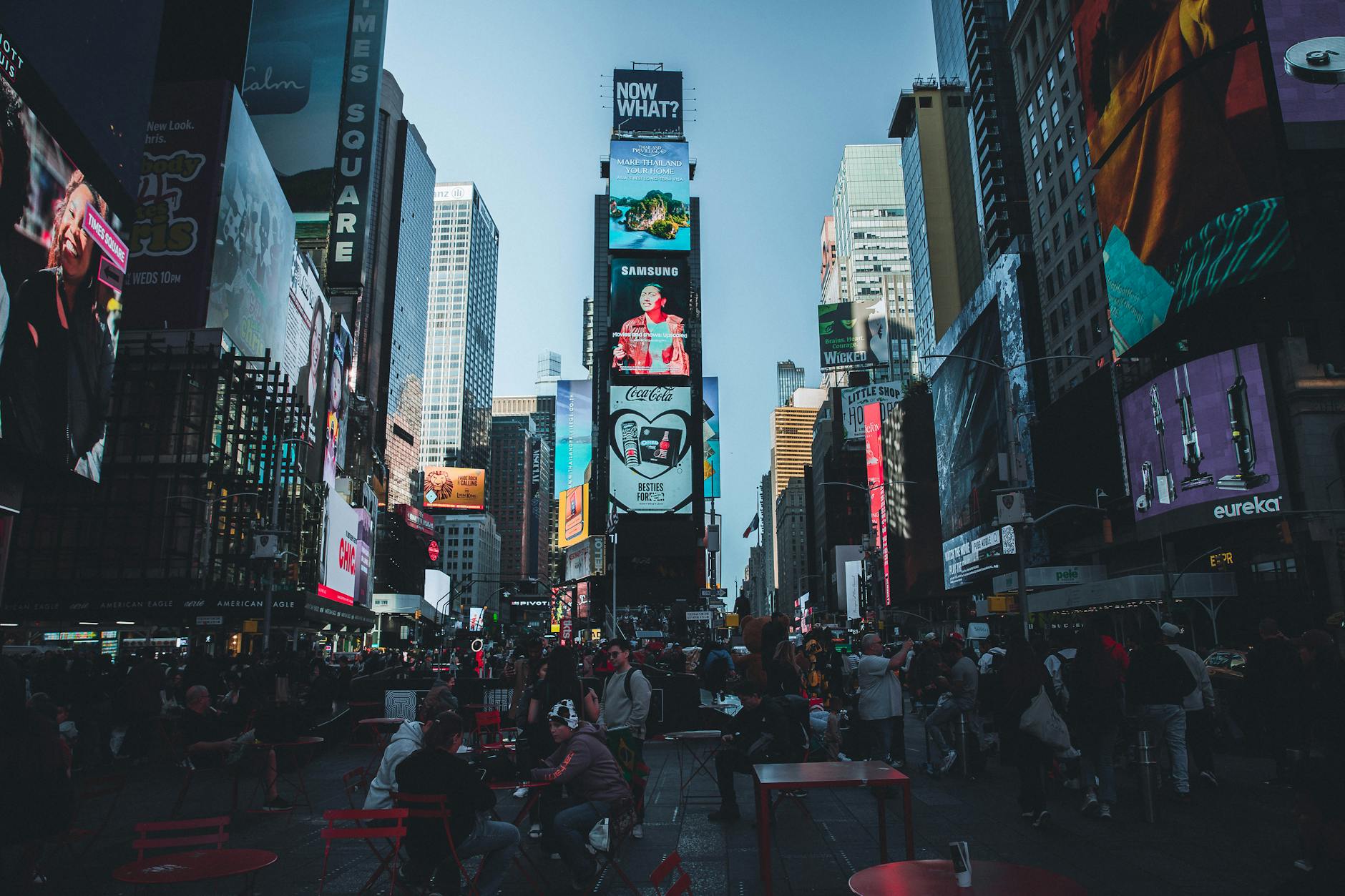
The “Center of the Universe” is a place most New Yorkers wouldn’t visit unless they were being paid to be there.
The sensory overload is intended to be iconic, but the reality is a claustrophobic maze of slow-moving tourists, aggressive “costumed characters,” and overpriced chain restaurants. The cost of a simple hot dog or soda can double once you cross into the Times Square “zone.” It is a place designed specifically to separate tourists from their money as quickly as possible.
The “M&M World” and “Bubba Gump” experiences are identical to those in any suburban mall, yet people travel thousands of miles to stand in line for them. The aggressive nature of the street performers who force themselves into your photos and then demand tips creates a high-stress environment. Most visitors leave feeling more exhausted than inspired.
Wait until you see how they’ve ruined the “romance” of the canal at #13…
#13 — The Gondolas of Venice, Italy

The dream of a romantic, singing gondolier is a highly expensive myth that usually ends in a water-based traffic jam.
Venice’s canals are so clogged that gondolas often spend half their time bumping into each other in narrow, smelly passageways. The official price is €80 for a 30-minute ride (increasing to €100 after 7 PM), but many tourists report being pressured into paying even more for “extra” services like singing. When the tide is low, the smell of the canals is far from romantic.
Because of the sheer volume of boats, you are rarely “alone” with your partner; you are usually in a line of ten other boats, with tourists on the bridges above taking photos of you. Many travelers now recommend the “Traghetto”, a public gondola used by locals to cross the Grand Canal that costs only €2. It’s the same boat, without the inflated price tag and the pretension.
The “lost city” vibes are also disappearing fast at #12…
#12 — Santorini, Greece

The blue-domed churches and white-washed walls are stunning, but you’ll be sharing that view with 10,000 cruise ship passengers.
Santorini has become the poster child for over-tourism in Europe. In Oia, the famous sunset spot is so crowded that people begin staking out chairs five hours in advance. Once the sun actually sets, the “exodus” of thousands of people trying to leave the village at once through narrow alleys creates a genuine safety risk.
The influx of “influencer” culture has led to locals putting up signs begging tourists not to climb on their private roofs for photos. Prices on the island have skyrocketed to the point of absurdity, with basic Greek salads costing triple what they do on neighboring islands. It’s a beautiful place that has become a victim of its own aesthetic.
The “tropical paradise” at #11 tells a similar story of environmental strain…
#11 — Maya Bay, Thailand

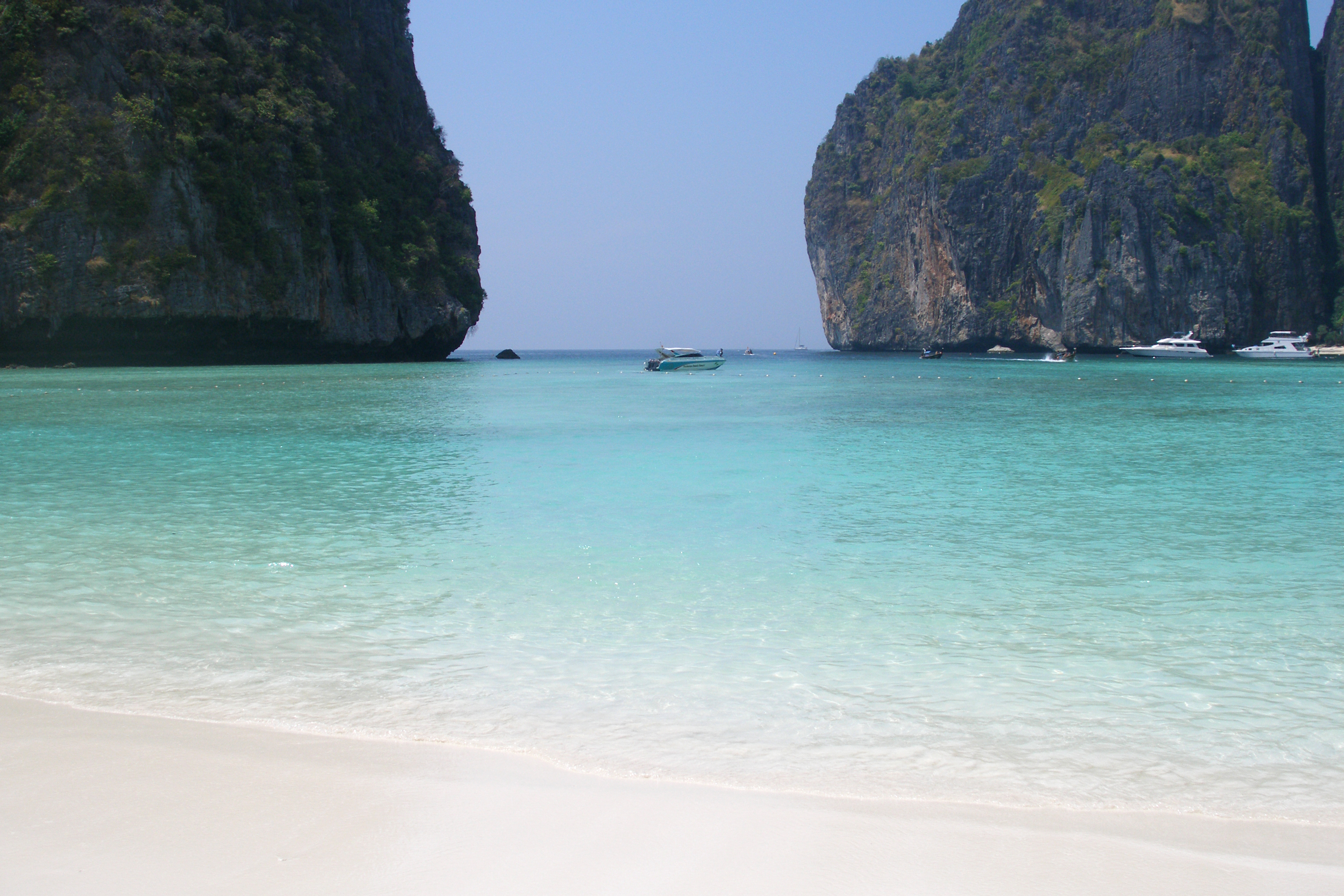
Famous as the filming location for The Beach, this cove became so “loved to death” that the government had to shut it down for years.
Even though it has reopened with stricter rules, the experience is highly curated and restrictive. You are no longer allowed to swim in the bay, and boats must dock on the other side of the island. You walk through a wooden boardwalk, take a photo from a designated platform, and are ushered back out within an hour.
The days of feeling like Leo DiCaprio discovering a hidden Eden are long gone. The coral reefs are still in a fragile state of recovery, and the constant drone of tourist chatter kills the serene vibe. It’s a beautiful spot, but the “adventure” has been replaced by a strictly managed outdoor museum.
But that’s nothing compared to the 5-hour wait for a 5-minute view at #10…
#10 — The Empire State Building, NYC
![View of the Empire State Building in New York City from the Top of the Rock at 30 Rockefeller Plaza during sunset. The tower was illuminated in green in honor of Climate Week NYC.[1]](https://upload.wikimedia.org/wikipedia/commons/0/05/View_of_Empire_State_Building_from_Rockefeller_Center_New_York_City_dllu.jpg)
While it’s an Art Deco icon, the observation deck experience is often a series of increasingly expensive lines.
You wait for security, you wait for the “official photo” you didn’t ask for, you wait for the first elevator, and then you wait for the second. By the time you reach the 86th floor, you are surrounded by hundreds of people jostling for a view through a cramped chain-link fence. The 102nd floor “Top Deck” costs even more and is entirely enclosed in glass, which creates a frustrating glare for photos.
Many frequent travelers now argue that Top of the Rock (Rockefeller Center) offers a better experience because it gives you a view of the Empire State Building itself. Standing on the icon means you can’t actually see it. For $40 to $80 per person, many visitors leave feeling like they’ve been through a vertical cattle ranch.
The “history” at #9 also feels a bit staged these days…
#9 — Checkpoint Charlie, Berlin

Once a symbol of the Cold War and the divide between East and West, this site is now the “Disneyland” of Berlin.
The original guard house was removed long ago; what you see now is a replica built in 2000. The “soldiers” standing in front are actually actors who charge you money for a photo, often quite aggressively. The surrounding area is filled with tacky “Red Menace” souvenir shops and fast-food joints.
There is almost no educational value left at the actual intersection. Travelers interested in the real history are better off visiting the Berlin Wall Memorial at Bernauer Strasse, which is somber, authentic, and free. Checkpoint Charlie has become a hollow photo-op that trivializes the very history it claims to represent.
Wait until you see the “Natural Wonder” at #8 that’s being choked by plastics…
#8 — Ha Long Bay, Vietnam
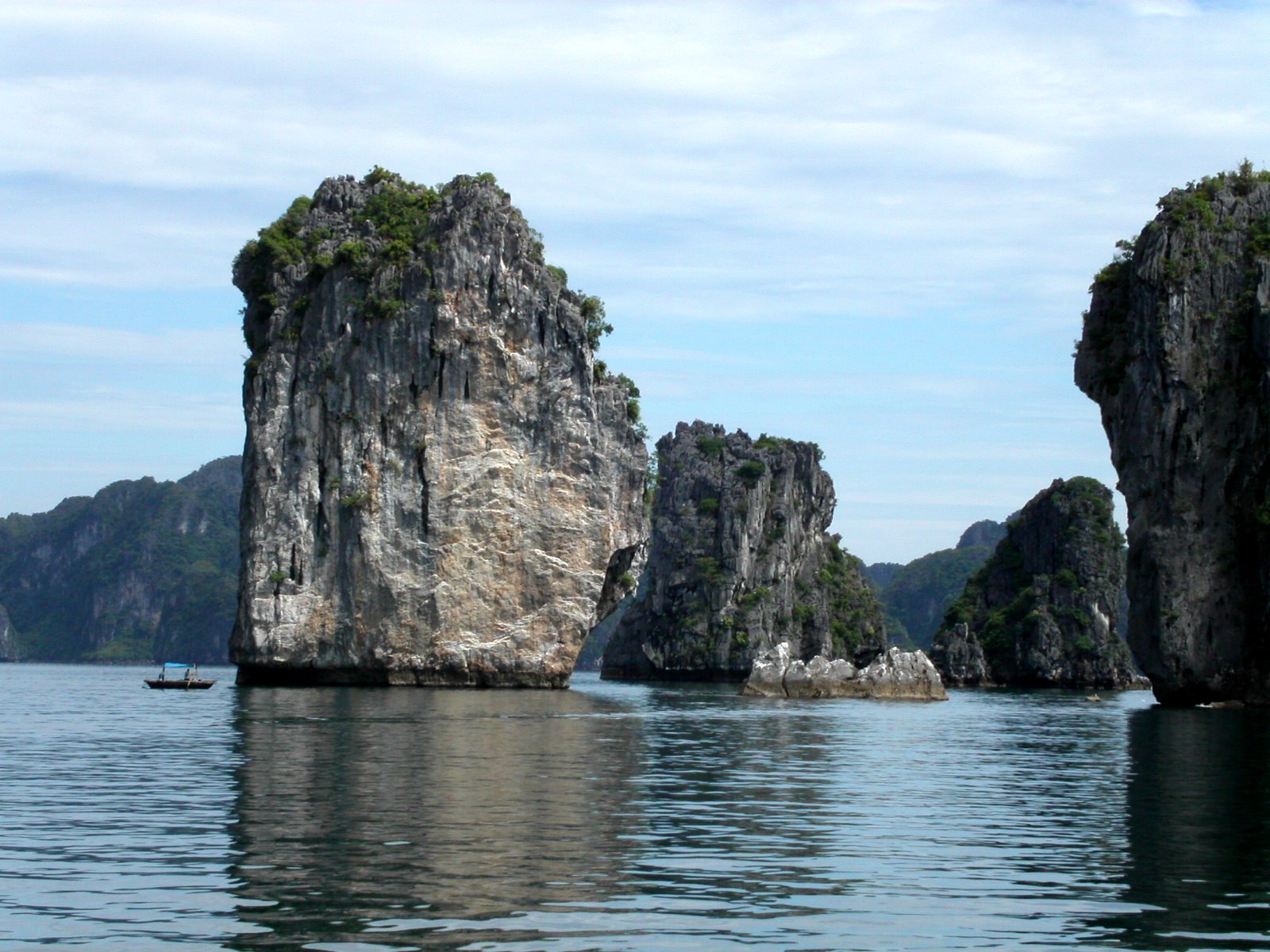
The limestone pillars are legendary, but the sheer volume of cruise boats is turning the water into an oily mess.
With over 500 boats operating in the bay, you are never truly “alone” with nature. The water in the most popular areas is often littered with plastic waste and diesel fuel, a direct result of the massive tourist influx. Most “luxury” cruises follow the exact same route, leading to “traffic jams” of boats all anchoring at the same caves and beaches.
The caves themselves are often lit up with gaudy neon lights that make the ancient stalactites look like they’re in a cheap nightclub. Savvy travelers are now pivoting to Lan Ha Bay, which offers the same stunning topography but with a fraction of the boat traffic. Ha Long Bay is a classic case of a bucket list item being “too popular for its own good.”
But the crowds at #7 make a boat trip look like a vacation…
#7 — The Blue Lagoon, Iceland

It’s the most famous spa in the world, but it’s actually a man-made runoff from a nearby geothermal power plant.
While the milky blue water is mineral-rich and good for the skin, the experience is far from a “natural” spring. You are required to book months in advance, and entry can cost over $100 per person, which doesn’t even include a meal. You are given a plastic wristband and ushered into a locker room that feels more like a high-end gym than a Nordic escape.
The lagoon is often so crowded that you are essentially “bathing with 500 strangers.” Iceland is full of “Secret Lagoons” and natural hot springs that are either free or a fraction of the price. If you want the “Icelandic experience,” sitting in a crowded pool next to a power plant might not be it.
The “mysterious” site at #6 is also losing its charm…
#5 — Pyramids of Giza, Egypt
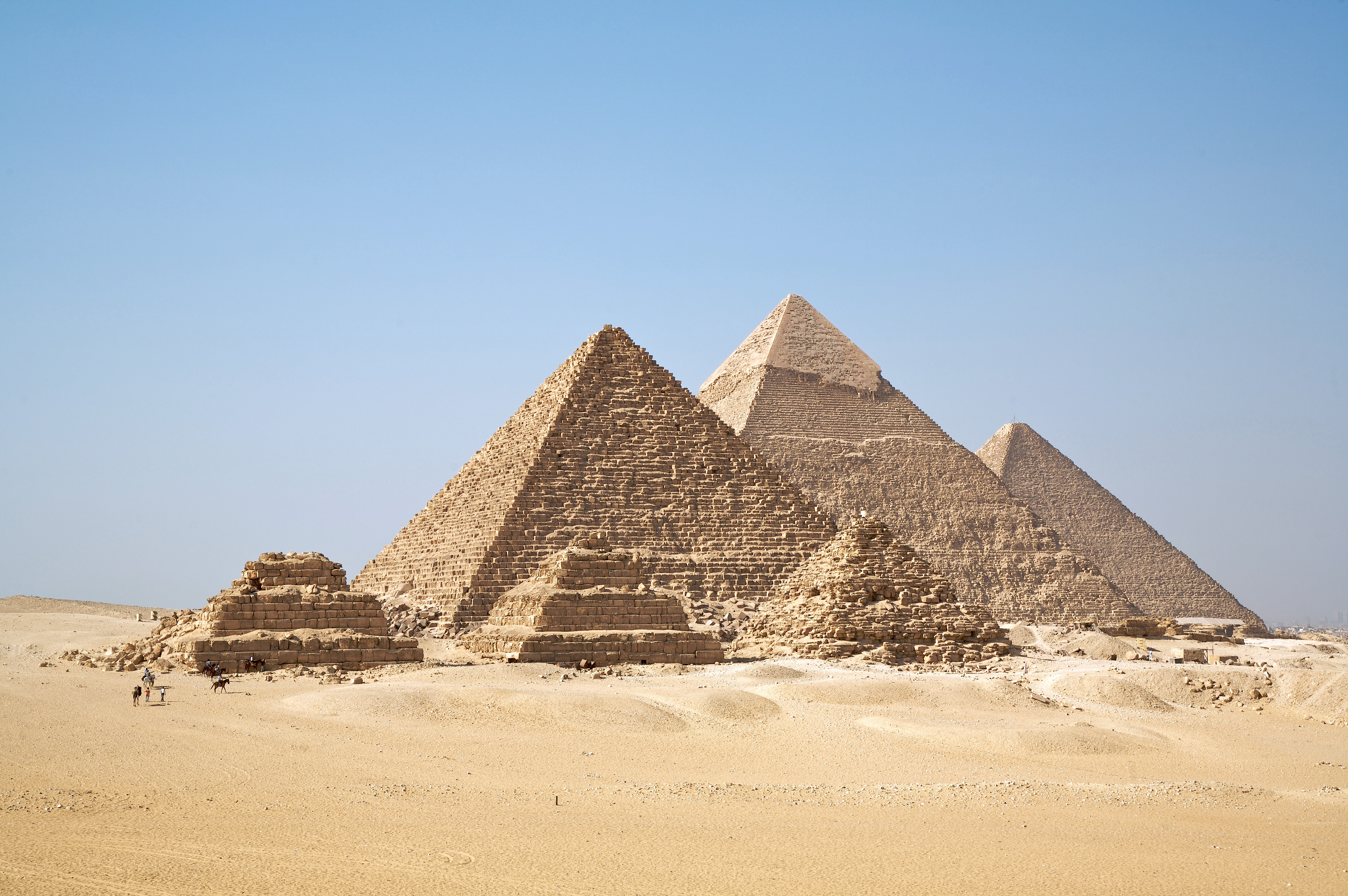
The only remaining Wonder of the Ancient World is undeniably impressive, but the “vibe” on the ground is pure chaos.
The Pyramids are not located in the middle of a vast, empty desert as the movies suggest; they are right on the edge of the sprawling, noisy city of Giza. You can literally see a Pizza Hut and a KFC from the Sphinx. The constant barrage of aggressive touts, camel handlers, and “guides” who won’t take no for an answer makes it impossible to enjoy the history in peace.
If you choose to enter the Great Pyramid, be prepared for a cramped, airless, and steep climb through a narrow tunnel that results in seeing a literal empty stone box in a dark room. Most travelers find that the outdoor experience is marred by the relentless haggling and the lack of crowd control. It’s a site that requires “nerves of steel” to navigate.
Wait until you see why the “City of Lights” is a “City of Lines” at #4…
#4 — Versailles Palace, France
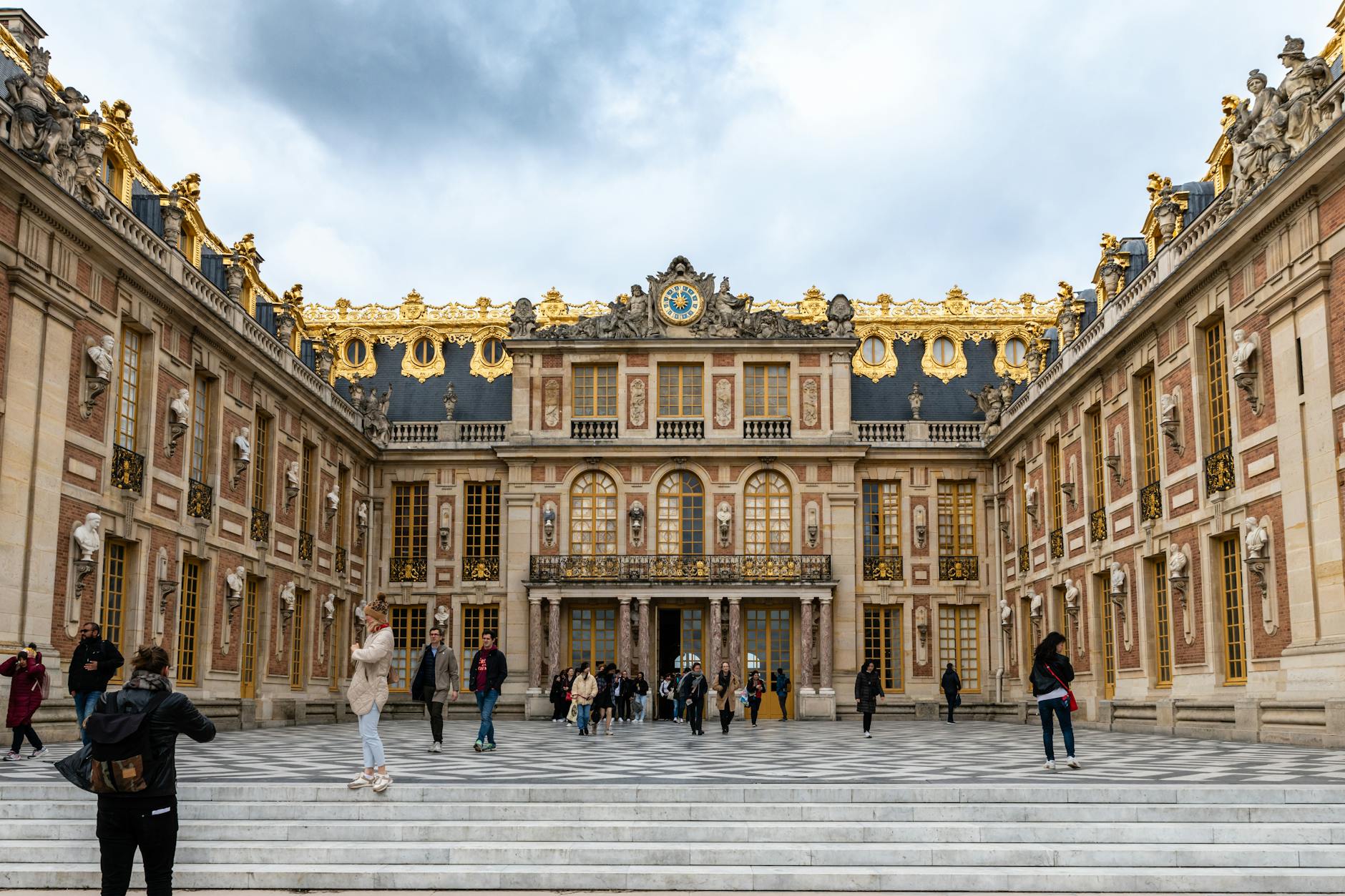
Walking through the Hall of Mirrors was once the height of royal luxury, but today it is a test of human endurance.
Unless you arrive at the crack of dawn, you will likely wait 2 hours in a snake-like line outside the gates, even with a pre-booked ticket. The Hall of Mirrors is so packed that you can barely see your own reflection, let alone the ornate ceiling paintings. The humidity from the crowds often makes the air inside the palace thick and uncomfortable.
The gardens are spectacular, but they are so vast that many tourists spend all their energy just getting to the Marie Antoinette estate. The “Grand Eaux” fountain shows require an extra ticket and only run at specific times, often leading to more confusion and crowds. It is a place of immense beauty that is currently being suffocated by its own fame.
The “holy” site at #3 is also a struggle for space…
#3 — Vatican Museums, Vatican City
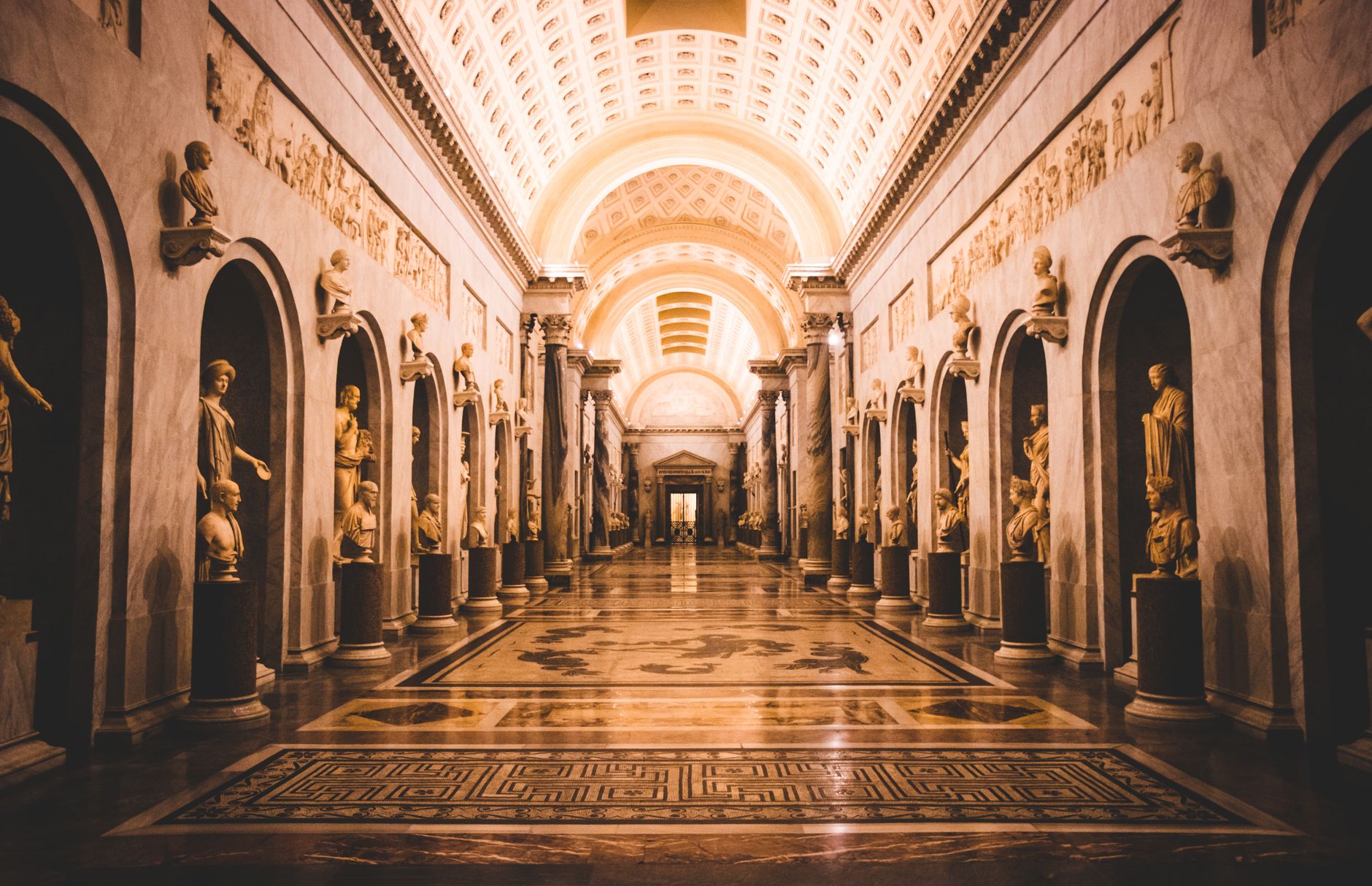
The collection of art is unparalleled, but the “mandatory” route to the Sistine Chapel is a grueling trek.
You are forced through miles of corridors in a “one-way” system that prevents you from slowing down. The Sistine Chapel itself is a “no-talking” zone that is irony-rich, as the sound of guards shouting “No photos! Silenzio!” is louder than any tourist chatter. You are packed into the chapel like sardines and told to keep moving after only a few minutes.
Because the Vatican welcomes nearly 20,000 people a day, the experience feels more like a conveyor belt than a museum visit. Many people leave feeling “Art Exhaustion” because they were forced to see so much while being pushed by the crowd. It is a beautiful trial of patience that many travelers say they only ever want to do once.
But even the Pope’s backyard isn’t as crowded as the “City of Bridges” at #2…
#2 — Venice, Italy (The Entire City)

Venice is the first city in the world to implement an “entry fee” just for day-trippers because the overcrowding is so severe.
The city is losing its permanent residents at an alarming rate, replaced by Airbnbs and souvenir shops selling “Murano” glass made in China. During the summer, the main thoroughfares between St. Mark’s Square and the Rialto Bridge are so jammed that the city has to implement “one-way” walking rules. You aren’t exploring a city; you are navigating a theme park that is slowly sinking.
The prices for basic amenities have become predatory, and the local culture is increasingly difficult to find beneath the layers of tourism. Many experts suggest that Venice is better visited in the “dead of winter,” even with the risk of flooding, just to see the city without the crushing weight of the crowds. It is a masterpiece that is being loved to death.
And finally, the #1 spot that defines “Instagram Regret”…
#1 — Maya Bay, Thailand
While we mentioned it earlier, Maya Bay deserves the #1 spot because it represents the definitive “overcrowded bucket list” tragedy.
Even with the new environmental protections, the site has been transformed into a “look but don’t touch” photo backdrop. You are managed at every second of your stay, and the pure white sand is often obscured by the sheer number of people standing in a line to take the exact same photo. The irony of The Beach—a story about a secret, untouched paradise—is that the movie itself ensured the beach would never be secret or untouched again.
Travelers who spend hours on speedboats to get here often find the experience hollow. There are dozens of other islands in the Andaman Sea that offer the same stunning limestone cliffs and turquoise water without the crowds or the restrictions. Maya Bay is the ultimate proof that just because a place is famous on social media doesn’t mean it will provide a meaningful travel experience.
The Bottom Line
The hard truth of 2024 travel is that “famous” does not equal “enjoyable.” As global tourism continues to surge, the world’s most iconic sites are struggling to balance preservation with the sheer volume of visitors. While the Eiffel Tower or the Taj Mahal are architectural marvels, the logistical stress of visiting them often outweighs the “magic” they provide.
The best way to save your vacation? Look for the “second city” or the “alternative site.” Instead of the Taj Mahal, try the stunning forts of Rajasthan; instead of the Blue Lagoon, seek out a local hot spring in the Icelandic highlands. True adventure is found when you step out of the “top 10” lists and into the unknown. Did we ruin one of your dream destinations, or did we miss a site that you think is even more overrated? Drop your travel horror stories in the comments below!