
Every summer, millions of Americans pack their cars, book their hotels, and drive toward destinations they’ve been promised are magical. Then they arrive. The parking lot is the size of a small city, the souvenir shops outnumber the trees, and the “breathtaking natural wonder” is framed on all sides by a Ripley’s Believe It or Not and a wax museum charging $22 a head. The gap between what was advertised and what you’re actually standing in can be genuinely stunning.
What makes this list different from your usual travel warning is that these aren’t obscure mistakes. These are the places that show up on “best summer destinations” roundups every single year. The hype machine never stops spinning for any of them. A few have real beauty buried under the commercialization. Most have perfected the art of extracting your vacation budget while delivering the minimum possible peace. Here are 20 spots that deserve an honest look before you commit.
#20 – Waikiki Beach, Hawaii
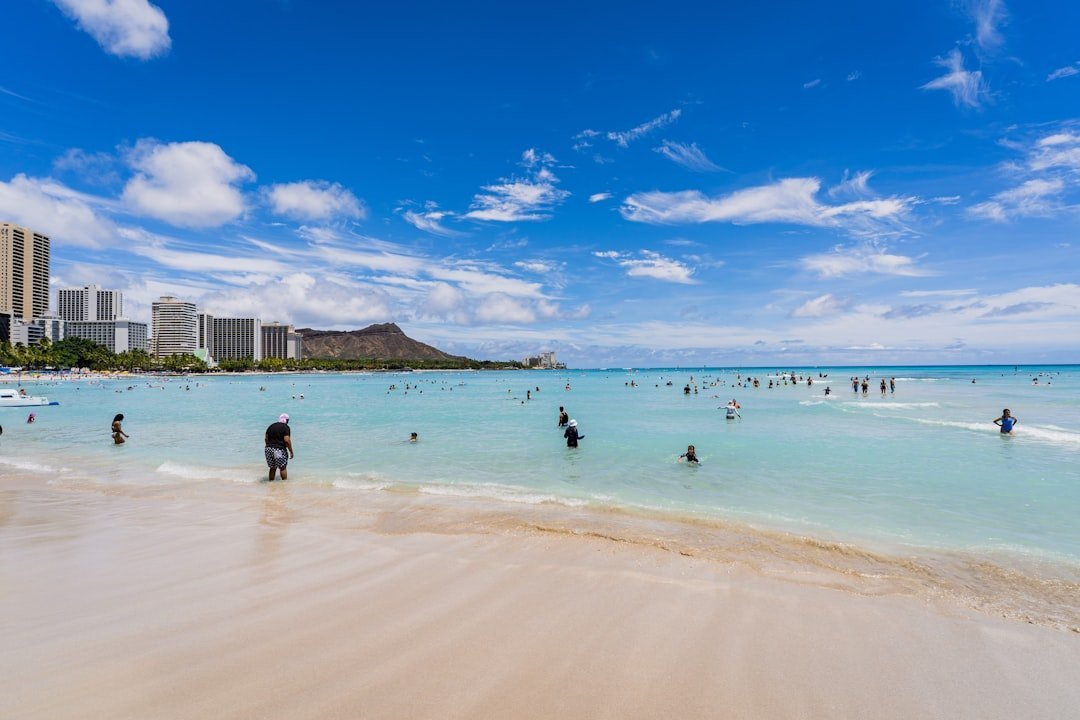
Most people picture Waikiki as a swaying-palm paradise with empty sand and perfect surf. The reality lands much harder. The beach is surprisingly narrow for its legendary status, flanked by a wall of concrete hotels that block every ocean breeze. Chair and umbrella rentals, overpriced shave ice, and the near-guarantee of sharing your towel with a complete stranger make it feel less like a Hawaiian escape and more like a very expensive crowded pool deck.
Hawaii has genuinely breathtaking beaches — Lanikai, Kailua, Papailoa — and none of them require you to fight through O’ahu’s most congested neighborhood to reach the water. Waikiki earned its reputation decades ago and has been coasting on it ever since. The island of O’ahu is extraordinary. This particular mile of it just isn’t worth the premium anymore.
At a Glance
- Waikiki draws roughly 4 million visitors per year — all funneling onto a narrow strip of sand
- July is O’ahu’s single busiest month, with over 552,000 visitors recorded in July 2024 alone
- By 10 a.m. on a summer day, tour buses and rental chairs already line the shoreline end to end
- Quieter alternatives — Lanikai, Kailua, Papailoa — sit less than 30 minutes away by car
#19 – Roswell, New Mexico

A 1947 UFO incident turned a small New Mexico town into one of America’s most recognizable novelty destinations. That sounds more exciting than it is. The International UFO Museum and Research Center — which sounds legitimately intriguing — turns out to be mainly newspaper clippings, blurry photographs, and testimonials displayed on poster boards that haven’t been updated in decades. The whole thing has the energy of a middle school science fair project about a topic nobody graded seriously.
Outside the museum, Roswell is an unbroken stretch of gift shops selling identical green alien merchandise: alien keychains, alien plush toys, alien hot sauce. Every storefront commits fully to the bit. If you want a photo with an inflatable extraterrestrial, this is absolutely your place. If you came hoping for a genuinely strange and thought-provoking experience about one of American history’s most enduring mysteries, you’ll leave distinctly shortchanged.
#18 – Fisherman’s Wharf, San Francisco
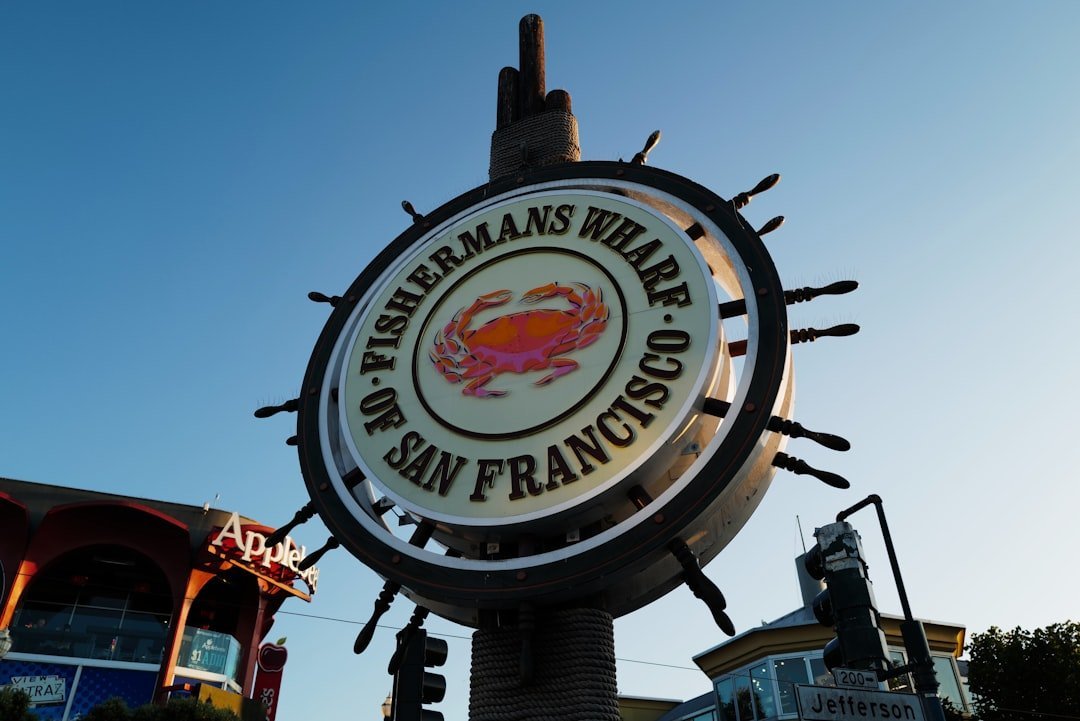
Fisherman’s Wharf sounds like the kind of place where you eat fresh Dungeness crab right off the boat, watch sea lions pile onto the docks, and feel the authentic pulse of a working waterfront. In practice, it’s mostly a block-long souvenir gauntlet with aggressive restaurant hawkers stationed at every entrance. The sea lions at Pier 39 are genuinely entertaining for about ten minutes. Then you’re back in the crowd, paying $22 for clam chowder in a bread bowl.
The views of the Golden Gate Bridge and Alcatraz from here are real — but you can get a better, quieter view from Crissy Field, the Marin Headlands, or a dozen other spots around the bay. San Francisco is one of America’s most fascinating cities, packed with neighborhoods worth an entire afternoon each. Fisherman’s Wharf is the version of San Francisco built for people who won’t stray more than two blocks from the tour bus, and it charges accordingly.
#17 – The Las Vegas Strip in Summer
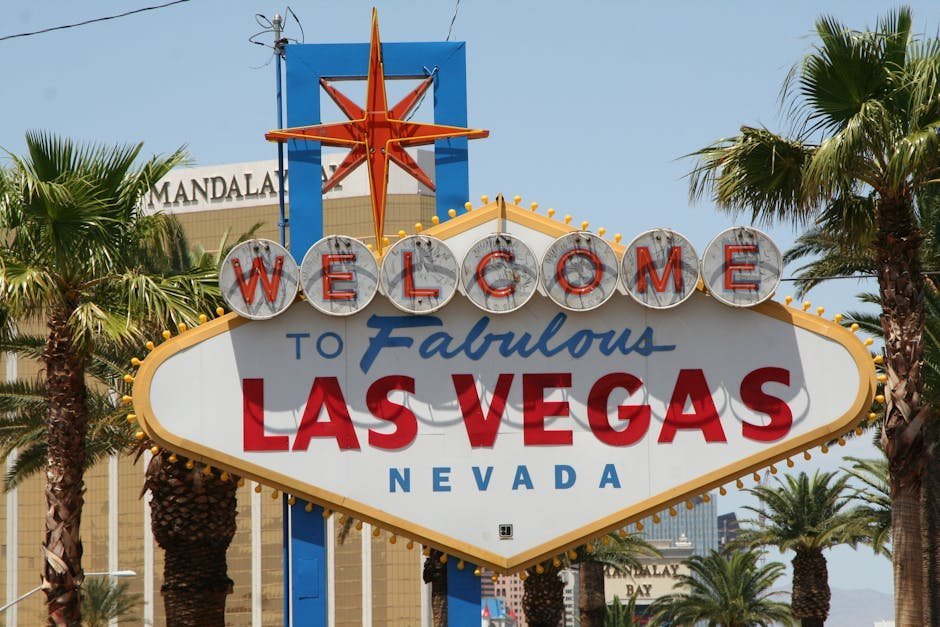
Vegas in October? Manageable, even fun. Vegas in July is a different creature entirely. Summer 2024 was officially the hottest on record in Las Vegas, with the city logging an all-time high of 120°F on July 7th — shattering the previous record of 117°F — and enduring seven consecutive days at or above 115°F. The casinos pump their air conditioning to arctic levels to compensate, meaning you’re either sweating through your shirt outside or freezing inside a windowless room designed to disorient you into spending more money.
The Las Vegas Strip functions like a theme park that’s also pretending to be a city — and the novelty wears off faster than most people anticipate. The food and drink prices escalate sharply once you’re inside, the crowd skews heavily toward bachelor parties and frat groups in summer, and the glittery promise of the place evaporates quickly under the actual conditions. It works as an experience. It just works considerably better in November than in August.
Fast Facts: Vegas Summer Heat
- 120°F — the all-time Las Vegas record, set July 7, 2024
- 7 consecutive days at or above 115°F during July 2024
- 35 days at or above 110°F in summer 2024, smashing the old record of 29
- Average summer daily temperature hit 96.2°F in 2024 — the hottest summer ever recorded in Las Vegas
- Triple-digit heat typically persists through mid-September
#16 – Salem, Massachusetts
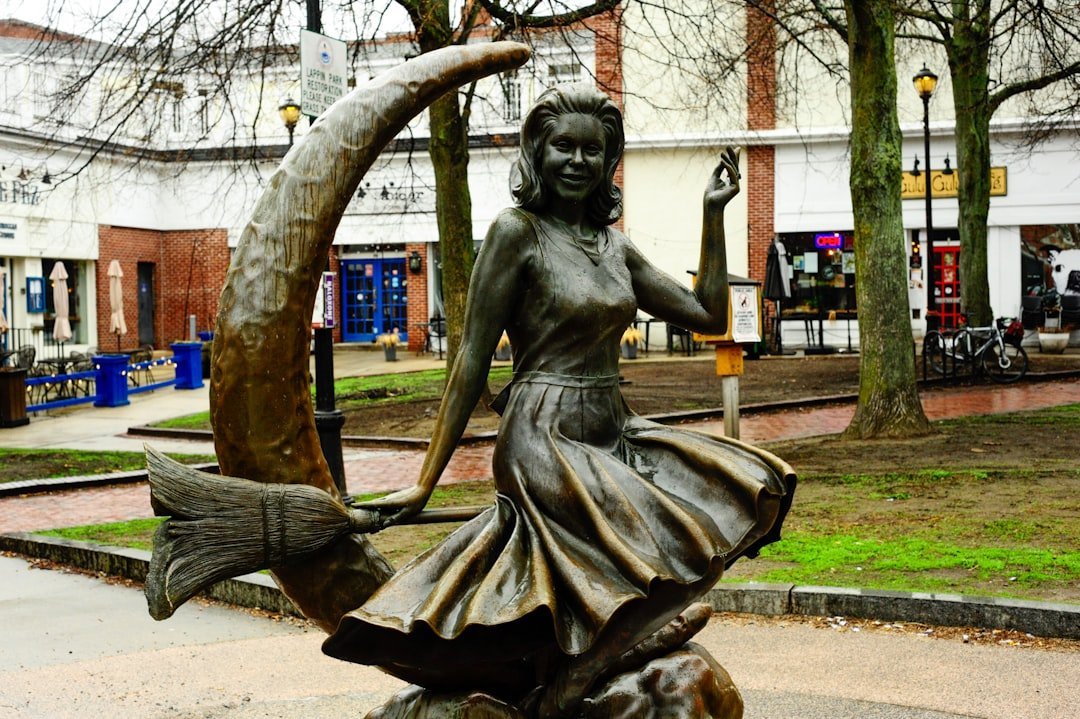
Salem gets put on summer itineraries because the Halloween-energy-in-July concept sounds genuinely fun. What greets you is one of the most aggressively commercialized small cities in New England, built almost entirely on a very dark tragedy. The 1692 witch trials killed 20 people. Salem’s modern tourist economy has processed that history into witch-hat keychains, cursed candle sets, and “I Got Bewitched in Salem” shot glasses available in approximately 40 shops within a three-block radius.
The genuinely important history is in there somewhere — the Peabody Essex Museum holds real historical documents worth your time, and a few of the smaller, serious museums treat the trials with appropriate gravity. But reaching them requires wading through an obstacle course of fudge shops and haunted house ticket hawkers. Most visitors who make the trip leave feeling like they paid boutique prices to walk through a Halloween Spirit pop-up that somehow became a permanent city.
#15 – Mount Rushmore, South Dakota
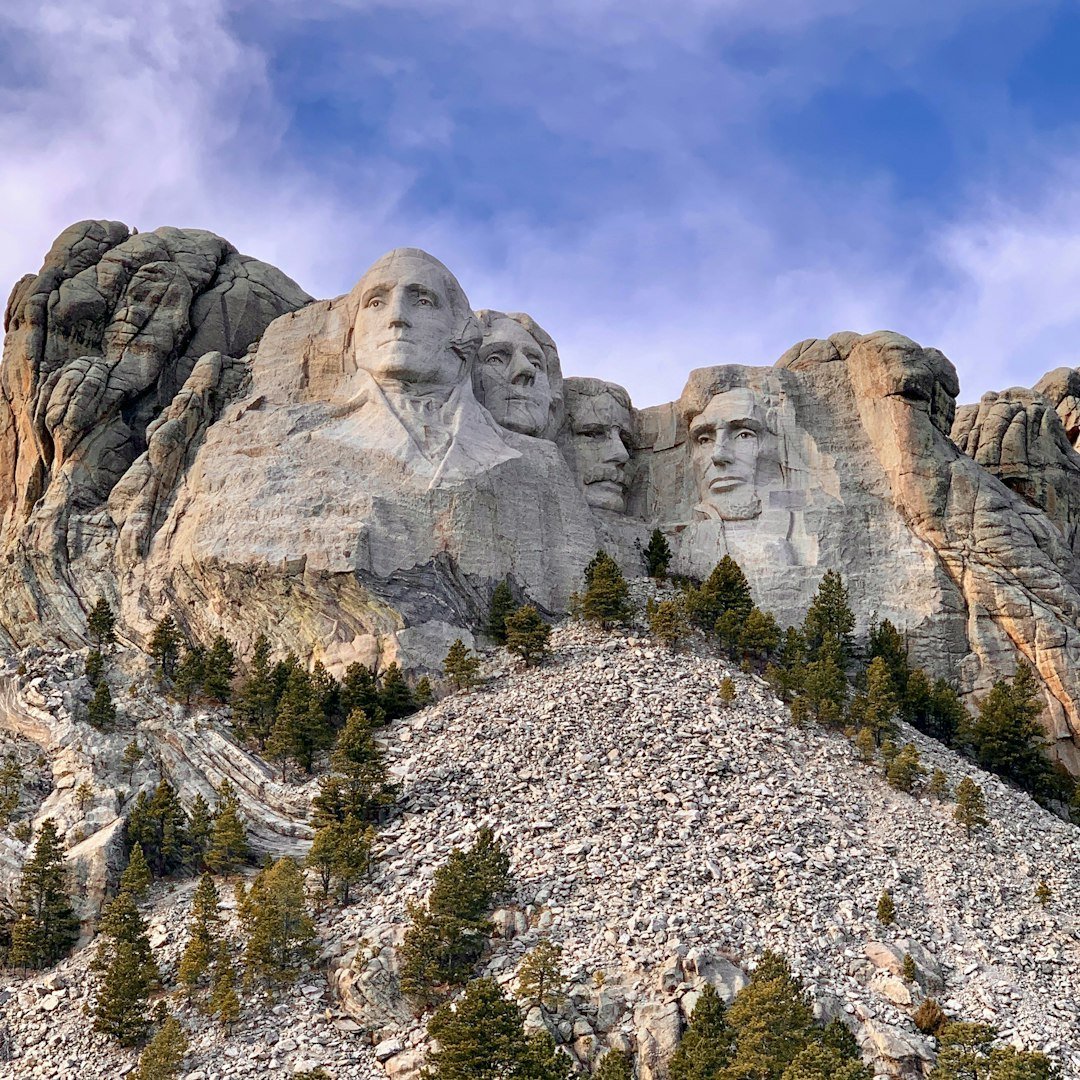
Driving across South Dakota’s wide-open plains toward Mount Rushmore feels like a pilgrimage. Then you arrive, walk up the steps, look at the granite faces, and realize you’ve absorbed the entire experience in roughly five minutes. The sculpture is smaller than most people expect, and once you’ve seen it, there’s a modest nature trail, some state flags, and an average museum to fill whatever time remains. The monument is real and historically significant. The visit itself is frequently described as one of America’s biggest anti-climaxes.
The surrounding region tells a far more complicated story that the on-site experience largely ignores — the Black Hills are sacred to the Lakota Sioux, and the history of how the U.S. government seized the land is conspicuously absent from the visitor center. The broader area has genuine wonders: Custer State Park, Jewel Cave, the Needles Highway. Those are worth the drive. Mount Rushmore itself is worth a photo, but probably not worth making the centerpiece of a summer vacation.
The Summer Tourist Trap Audit
Think you've found the perfect summer getaway? From record-breaking heat in the desert to $100 parking fees on the coast, many of America's most famous destinations are hiding a less-than-magical reality. Test your knowledge of the spots travel experts suggest you might want to skip this season.
Think you caught the key details? Take the quick quiz and see how sharp your instincts really are.
#14 – Niagara Falls, New York (U.S. Side)
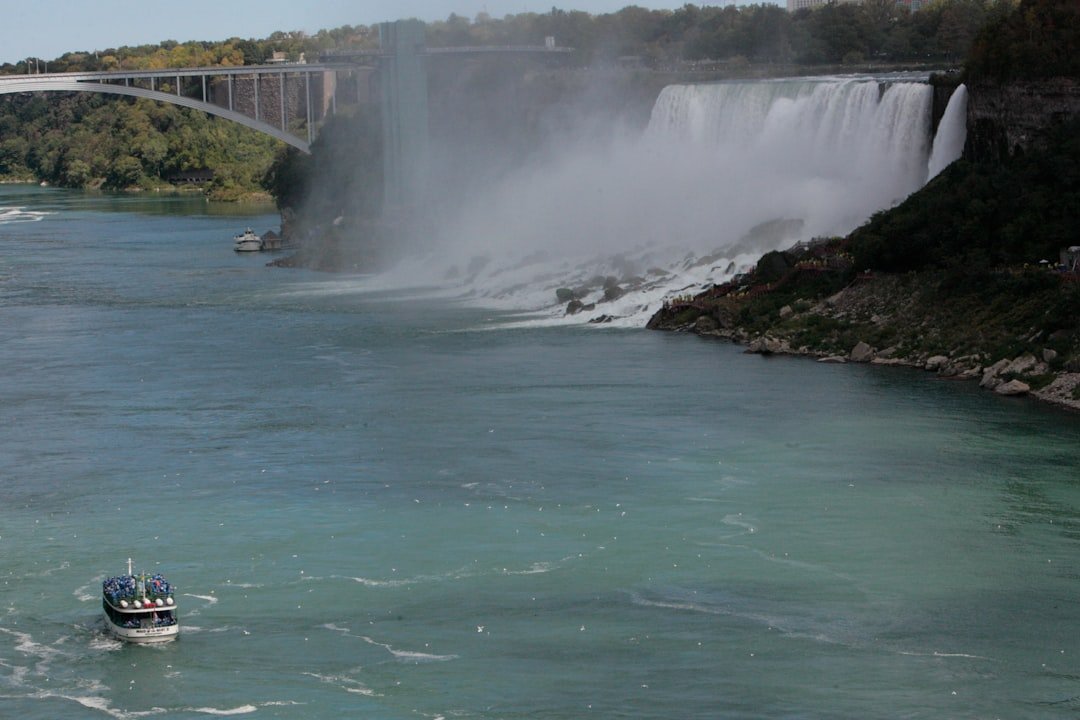
The waterfalls themselves are one of North America’s great natural spectacles — genuinely thunderous, genuinely humbling, genuinely worth seeing at least once. The U.S.-side tourist town built around them is another story entirely. Overpriced restaurants with mediocre food line every approach. The observation areas become so densely packed in summer that actually glimpsing the falls requires strategic elbowing through a crowd of tour groups.
Tacky souvenir shops hawking plastic trinkets manufactured nowhere near New York fill every remaining storefront. The falls will take your breath away. Everything built around them will take your wallet. If you’re determined to make the trip, cross the border — the Canadian side offers dramatically superior views and at least marginally less commercial chaos. The waterfall is a gift from nature. The experience of visiting it in summer is a tax on that gift.
#13 – Hollywood Walk of Fame, Los Angeles
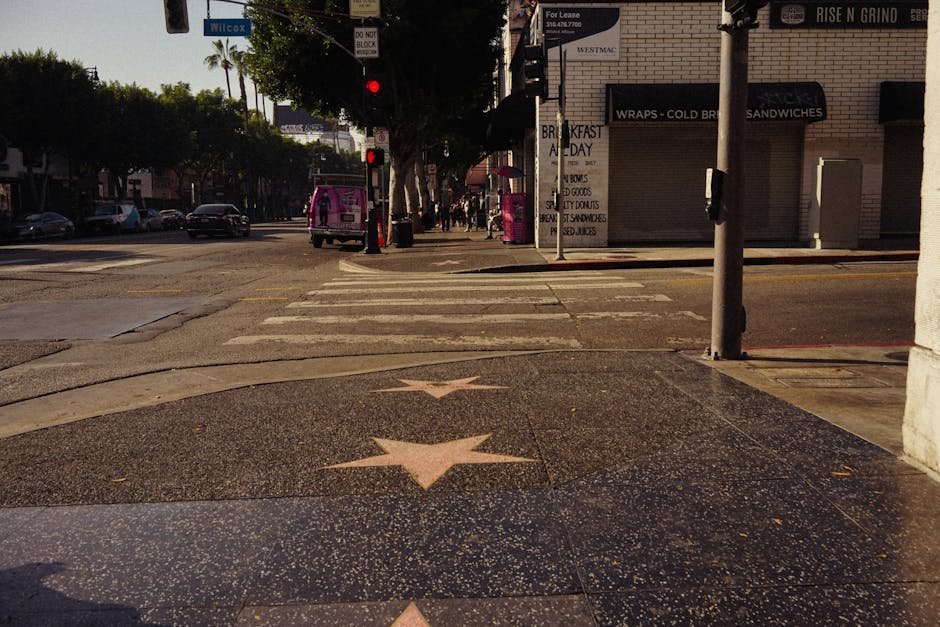
Millions of tourists show up to Hollywood Boulevard every year expecting glamour, celebrity energy, maybe a star they actually recognize underfoot. What they find is something considerably grimmer. The Walk of Fame is, at its core, a dirty sidewalk lined with names — many of which most visitors don’t recognize — while costumed performers in aging superhero suits aggressively pursue tips and street vendors work every angle they can find. It was recently ranked among the worst tourist destinations in the world by travel review aggregators, and the ranking isn’t hard to understand once you’ve been there.
The stars themselves are interesting for about four minutes. After that, you’re standing on a hot, crowded sidewalk, wondering why you’re not at Griffith Park, or the Getty, or literally anywhere else in Los Angeles. The Hollywood sign looks better from a distance anyway, and the city’s actual cultural riches — the architecture, the food, the neighborhoods — are almost entirely off this particular strip. Hollywood Boulevard is where the idea of L.A. lives. The real city is everywhere else.
#12 – Times Square, New York City
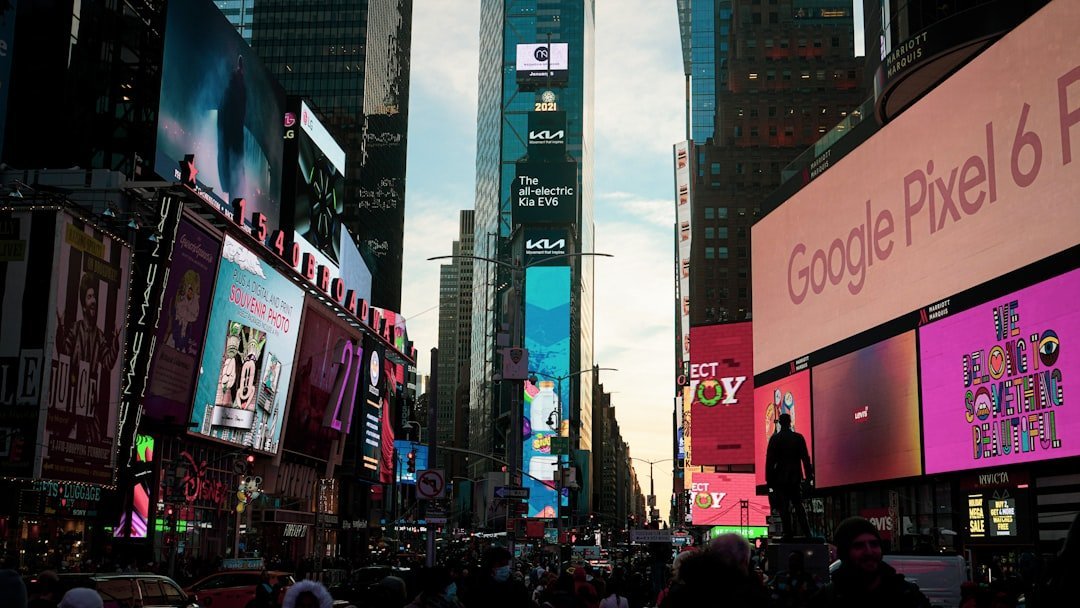
There’s a reason every New Yorker routes around Times Square like it’s a traffic accident. The giant LED billboards are visually impressive for about 90 seconds. After that, you’re standing in a dense crowd of people staring at advertisements for Broadway shows and chain restaurants, surrounded by characters in knockoff Elmo suits and sketch artists aggressively quoting prices before you’ve agreed to anything. The sensory overload is real, and it’s relentless.
New York City has world-class experiences in virtually every direction from Times Square — the High Line, the West Village, Smorgasburg, Central Park, the Brooklyn waterfront. All of it is accessible and genuinely rewarding. Times Square is most useful as a landmark to navigate around, not a destination to linger in. First-time visitors who spend meaningful time there often feel, in retrospect, like they traded their New York hours for a very loud version of an airport food court.
#11 – Venice Beach, California
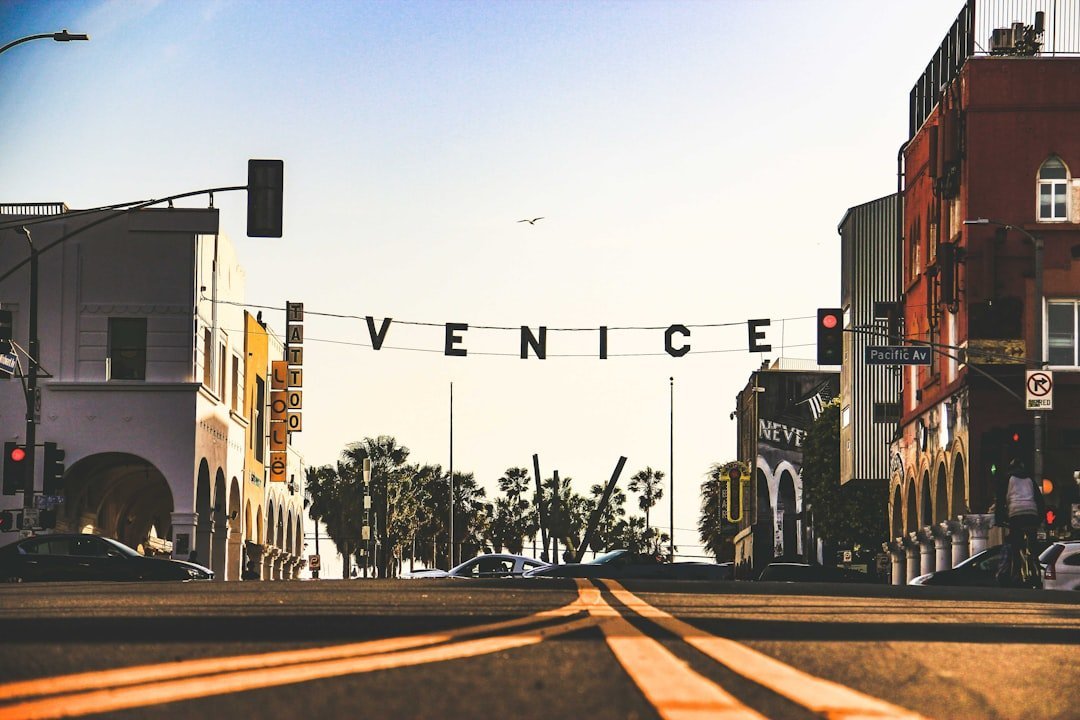
Venice Beach had a real identity once — eccentric artists, bodybuilders at Muscle Beach, skaters carving the boardwalk, the kind of American weirdness that felt specific and alive. That version exists mostly in nostalgia now. The boardwalk that once hosted genuine counter-culture has become a chaotic flea market atmosphere: persistent street vendors, aggressive sales pitches, and a homelessness crisis that local officials have struggled to address meaningfully for years. The creative spirit is still there in traces. It’s just harder to find.
The beach itself is long and the Pacific sunsets are legitimate — but getting there, parking, and navigating the boardwalk in peak summer requires a patience level most vacationers aren’t bringing. Cleanliness complaints are a consistent theme in visitor reviews, with litter and odor issues making the experience less than idyllic. First-timers often leave wondering why they didn’t just go to Malibu or El Matador instead. The answer is usually that nobody told them those options existed.
#10 – Atlantic City Boardwalk, New Jersey
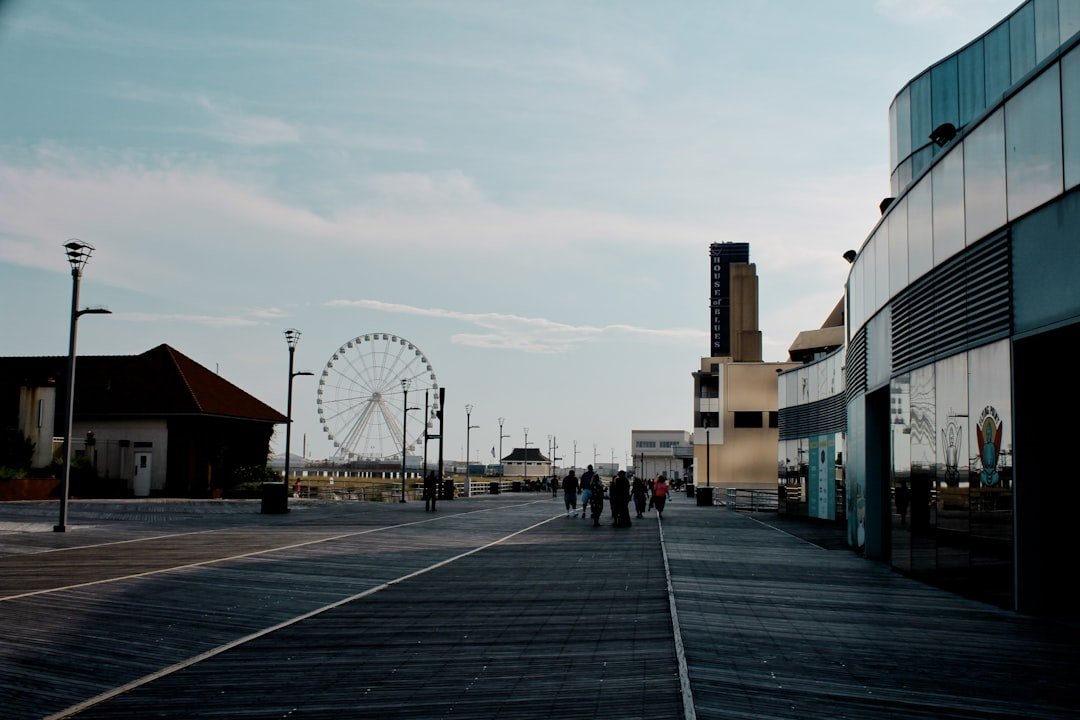
Atlantic City’s boardwalk dates back to 1870 and in its heyday was genuinely glamorous — a place where East Coast society came to promenade and be seen. That era is gone, and the boardwalk it left behind feels like a city-sized reminder of what happens when the economy that sustained a place collapses and something rawer moves in. Reviewers consistently describe it as run-down, with eyesore casinos, tacky souvenir shops, and crime rates that make the surrounding area feel unsafe after dark.
The casinos that were supposed to revitalize Atlantic City have largely hollowed it out instead, creating a boardwalk that feels simultaneously overstimulating and deflating. There are genuinely better Jersey Shore options within easy driving distance — Asbury Park has real energy and great food, Cape May has genuine historic charm. Atlantic City still has its defenders, and on a good day the boardwalk has a certain battered grandeur. But a good day here requires work that most summer vacationers don’t want to put in.
#9 – Myrtle Beach, South Carolina
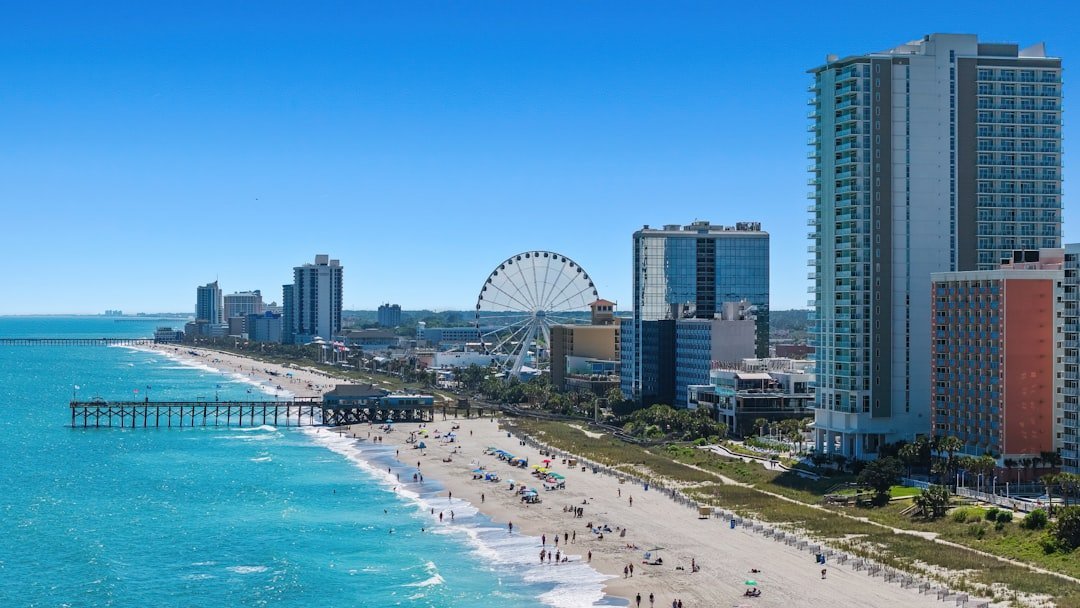
Myrtle Beach is the most-searched beach destination in 18 states — a number that sounds like a glowing endorsement until you’ve actually been there in July. The “Dirty Myrtle” nickname has followed this South Carolina resort town for decades, and over time its meaning has drifted away from local marketing control toward the swimming advisories issued when water quality fluctuates. South Carolina’s beaches have historically been among the dirtiest in the nation when it comes to fecal indicator bacteria, according to Environment America’s annual “Safe for Swimming” reports, and Myrtle Beach has made that list in recent years.
The strip of hotels, mini-golf courses, all-you-can-eat seafood buffets, and souvenir shops stretches so far that it stops feeling like a beach town and starts feeling like a theme park without a theme. Finding a clean patch of sand in peak summer is a competitive sport involving overpriced parking, long waits for everything, and the kind of crowd density that makes relaxation feel hypothetical. It’s budget-friendly, which explains the loyal following — but the value proposition becomes harder to defend the longer you’re there.
Quick Compare: Myrtle Beach vs. a Better Alternative
- Myrtle Beach: Wall-to-wall commercial strip, recurring water quality advisories, peak-summer crowds
- Huntington Beach State Park (45 min south): Undeveloped shoreline, cleaner water, camping available, far fewer crowds
- Isle of Palms, SC (2 hrs south): Quieter, cleaner, and consistently rated higher for water clarity
- Price difference: Comparable or cheaper once you factor out Myrtle’s overpriced parking and resort fees
#8 – Clearwater Beach, Florida
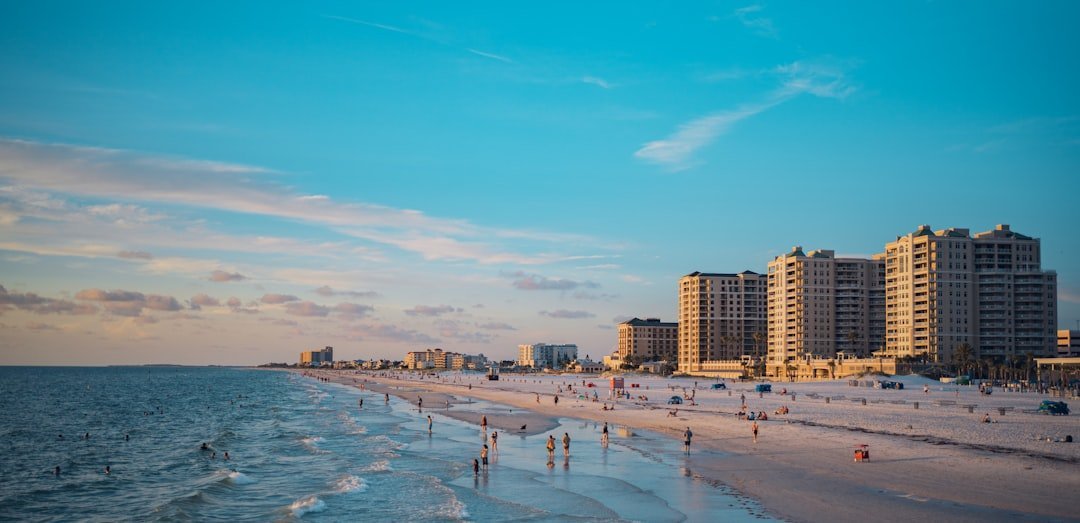
Clearwater Beach has legitimately beautiful sand — soft, white, Gulf-side powdery goodness that photographs like a postcard. The problem is that everyone knows it, and everyone shows up at once. Clearwater ranks among the five most-searched beach destinations in the entire country, and the summer crowds reflect that status entirely. Overcrowding accounts for the majority of negative visitor reviews, and the dense commercial corridor surrounding the beach — chain restaurants, souvenir outposts, time-share pitch booths — doesn’t make the approach more pleasant.
Here’s what most visitors never discover: Caladesi Island State Park sits just three miles away on a barrier island, accessible by ferry, and offers the exact same stunning Gulf sand and clear water with a fraction of the crowds. It’s consistently rated one of the best beaches in America by people who know it exists. The secret is right there in plain sight. Most people stuck in Clearwater Beach traffic never take it.
#7 – Gatlinburg, Tennessee
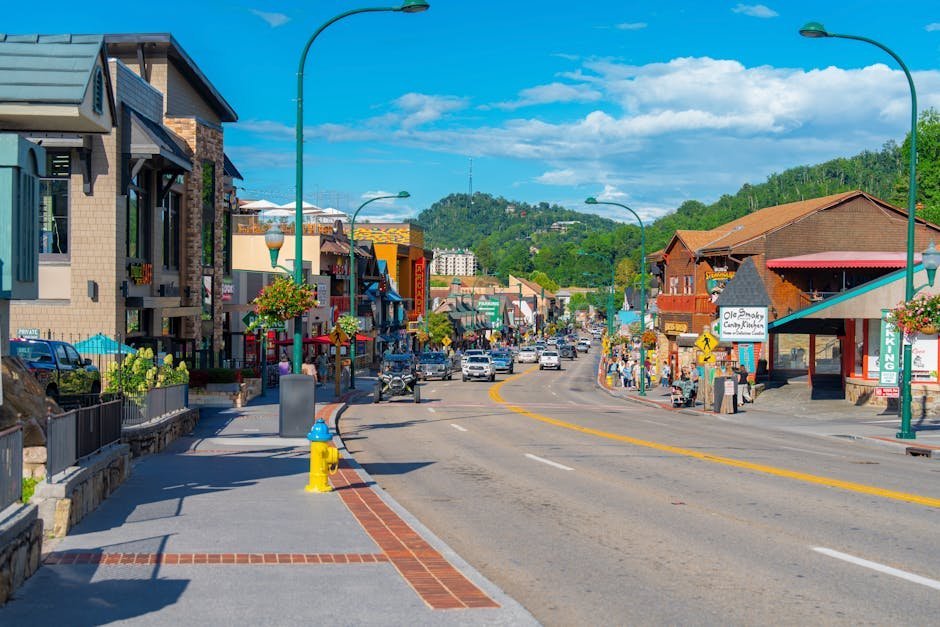
Gatlinburg sits at the entrance to Great Smoky Mountains National Park — the most visited national park in the entire country, with more than 13 million visitors annually. That proximity should make it a gateway to something extraordinary. Instead, it’s become the toll booth in front of the extraordinary thing. The approach into Gatlinburg is a wall of billboards, arcades, old-time photo studios, and souvenir shops so dense that it can take an hour to travel three miles in summer weekend traffic. A single antique car show once turned a 10-minute drive into a 90-minute ordeal.
The advice from people who’ve done it right is simple: drive straight through. Everything you actually came for — the ridgelines, the waterfalls, the elk meadows at Cataloochee — is on the other side of this commercial corridor. Gatlinburg is perfectly calibrated to intercept you before you get there, relieve you of money and time, and send you into the park already tired and over-budget. The mountains behind it are extraordinary. The town in front of them is a beautifully designed trap.
Worth Knowing: What’s on the Other Side of Gatlinburg
- Great Smoky Mountains is the most visited national park in the U.S. — free admission, no reservation required for most areas
- Cataloochee Valley: resident elk herd, virtually no crowds, requires a short detour around Gatlinburg entirely
- Alum Cave Trail: one of the park’s best hikes, less than 20 minutes past the Gatlinburg commercial strip
- Entering the park from the Townsend "Peaceful Side" entrance bypasses both Gatlinburg and Pigeon Forge completely
#6 – Wisconsin Dells, Wisconsin
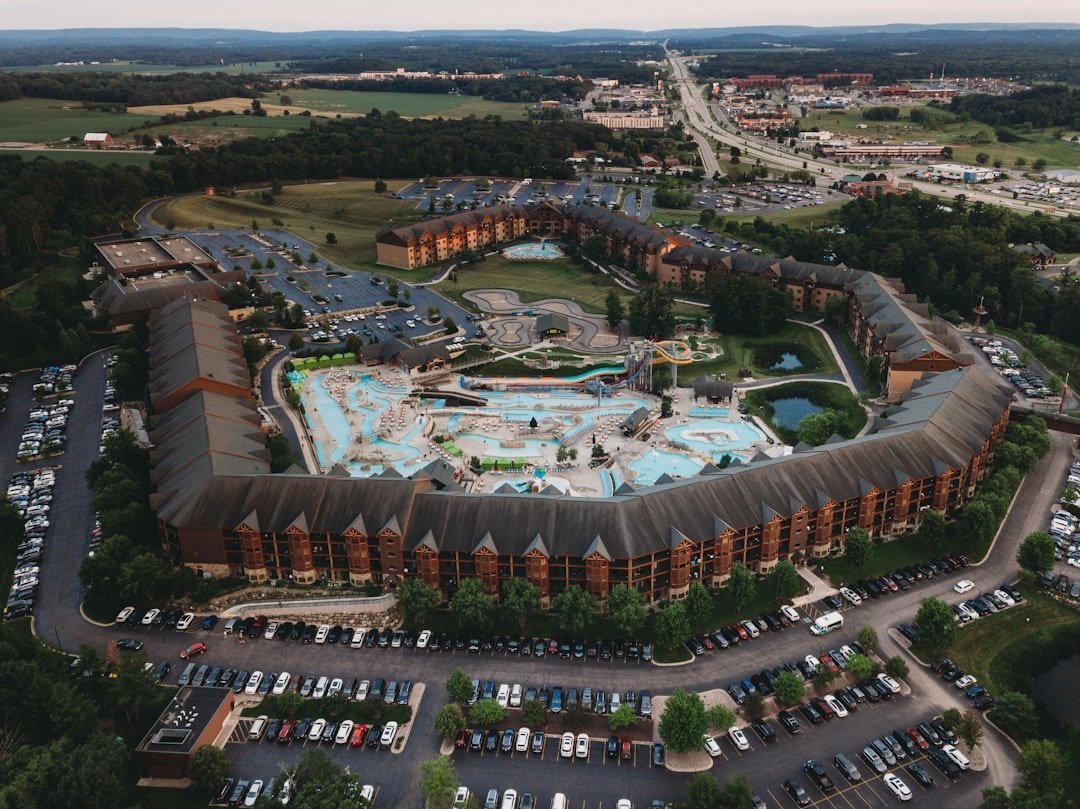
Wisconsin Dells pitches itself as the water park capital of the world, and it delivers on that exact and very specific promise. The problem is that outside the water parks — Noah’s Ark, Kalahari, Mt. Olympus — there’s almost nothing that isn’t a tourist extraction mechanism. The approach roads are carpeted in billboards for miles. The town itself is a relentless loop of mini-golf courses, go-kart tracks, a Ripley’s Believe It or Not, casino floors, and souvenir shops waiting to intercept families who’ve briefly stopped moving.
The genuine natural attraction here — the sandstone gorges carved by the Wisconsin River, legitimately striking geological formations — is almost entirely buried under the commercial apparatus built to distract you from it. A quiet canoe trip through those gorges on a calm morning is genuinely beautiful. The town that grew up around those gorges is one of the most aggressively commercialized stretches in the Midwest. Most families who make the trip see the water park and nothing else, which is probably the intended outcome.
#5 – The Niagara Falls Tourist Corridor (Both Sides)
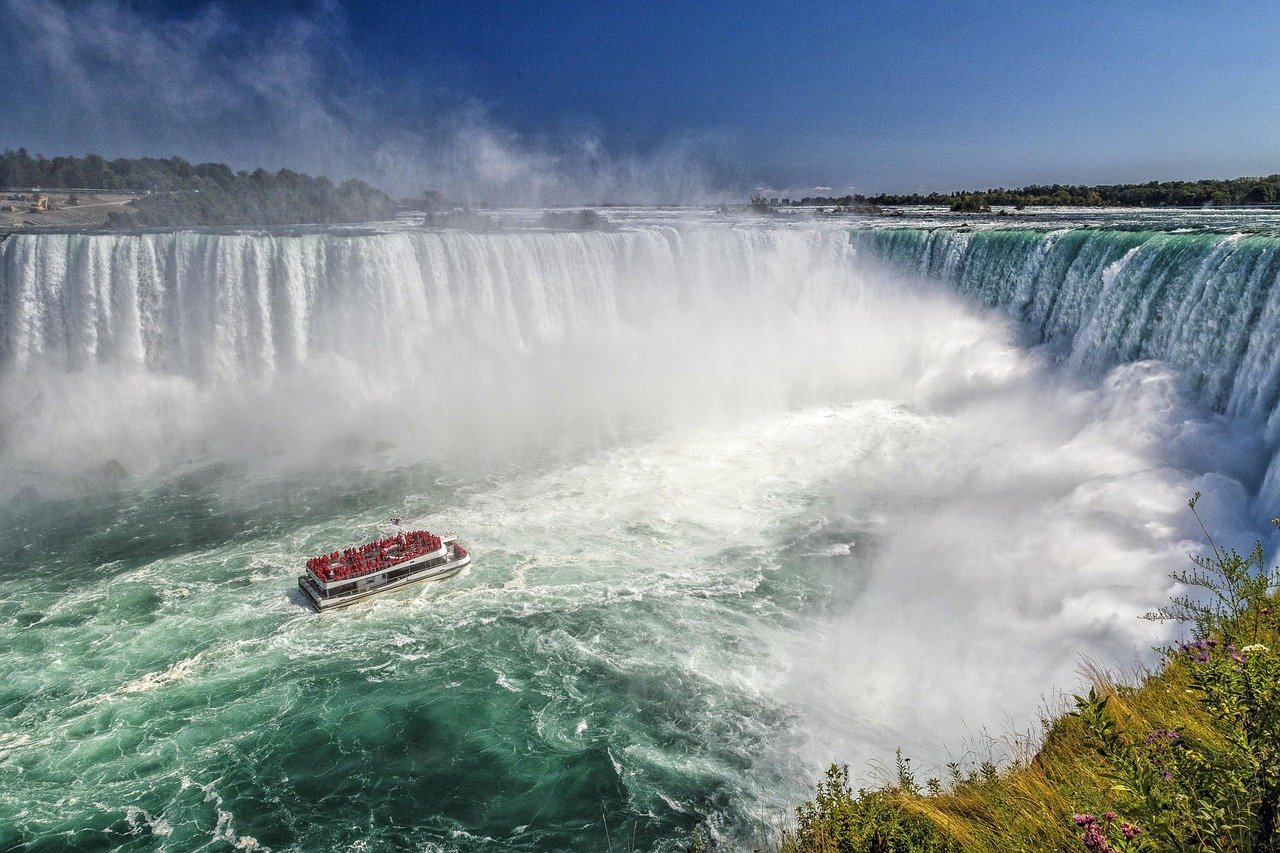
We already covered the American observation areas, but the broader Niagara Falls tourist experience — the full corridor on both sides of the border — deserves its own entry because the scale of commercialization here is almost impressive in its totality. The falls themselves are genuinely one of nature’s most spectacular gifts: thunderous, misting, overwhelming in the best possible way. The mile radius around them is casino towers, Hard Rock Cafes, wax museums, Ripley’s franchises, overpriced boat ride queues, and hotels stacked so close to the gorge edge that they block the natural views from the surrounding streets.
The Canadian side is the better choice — that’s well established — but even from Niagara Falls, Ontario, you’re looking at casino towers looming directly over the viewpoint, with a commercial strip behind you that would feel more at home in a highway rest stop. Visit at dawn before the tour buses arrive, or accept the chaos as the price of admission to one of the world’s great waterfalls. Just don’t let the surrounding experience become the memory. The falls deserve better than that.
#4 – Branson, Missouri
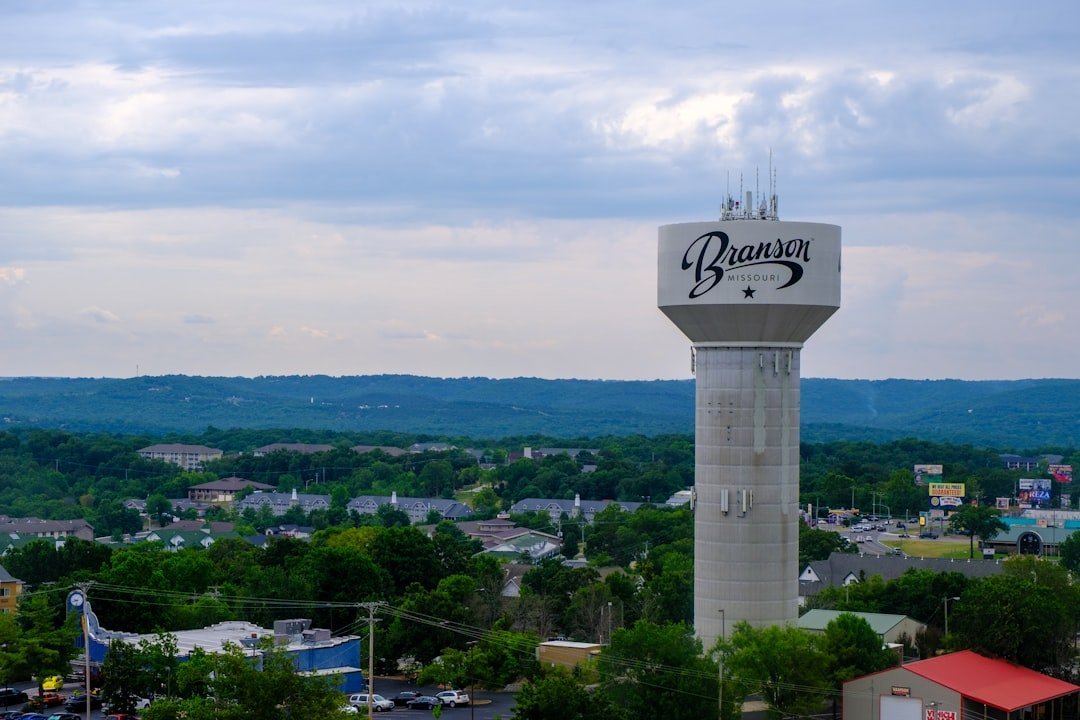
Branson is genuinely beloved by its audience, and it delivers exactly what it promises — live theater shows, outlet shopping, and a very specific brand of Ozark Mountain entertainment built around family-friendly variety acts and Christian-themed performances. If that’s your thing, Branson will not disappoint. For everyone else, the 76 Country Boulevard strip is among the most aggressively commercialized corridors in middle America: an unbroken wall of theater marquees, airbrushed tour buses, chain restaurants, and billboards that begins miles before you reach the town center.
The shows range from genuinely talented performers to variety acts that feel like they’ve been running since 1987 without updates. Summer traffic is legendarily bad, with backups stretching miles toward theaters and attractions. Table Rock Lake, just minutes away, is gorgeous and almost entirely peaceful by comparison. Most visitors who come for the strip never make it there. Branson will absolutely deliver on its promise — just make sure its promise is what you actually wanted.
#3 – South Beach, Miami
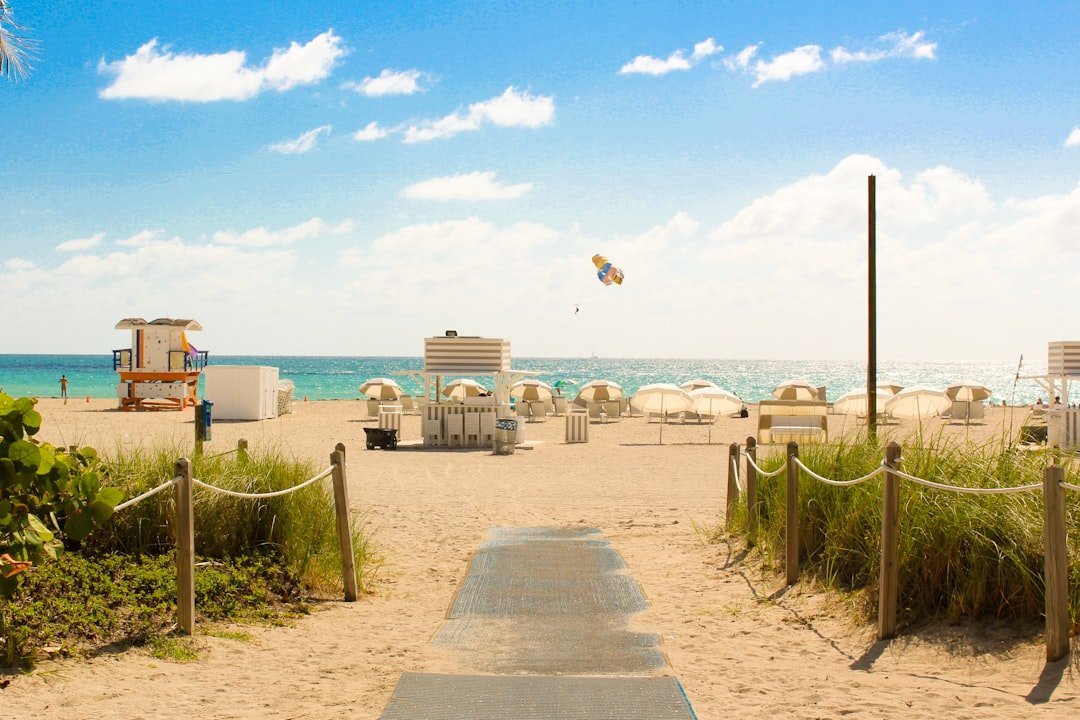
South Beach in the photographs looks like a glamorous oceanfront playground where Art Deco architecture meets turquoise water and everyone is effortlessly cool. South Beach in peak season is something different entirely. In 2024, Miami Beach declared an emergency curfew covering all of South Beach, implemented DUI checkpoints, bag searches at beach entrances, and charged $100 parking fees — all in an effort to control crowds and violence. In 2025, the city doubled down with the same measures, with Miami Beach’s mayor publicly stating: “We’re still broken up with Spring Break, and we’re done.” A beach destination that requires a government crackdown to manage its own reputation is telling you something important.
The beach itself is beautiful — that’s not in dispute. But the combination of summer heat, wall-to-wall crowds, and some of the most inflated food and drink prices in Florida means you’re paying maximum dollars for minimum peace. The Florida coastline has extraordinary, quieter alternatives within a few hours in every direction. South Beach is the version of Florida that gets the most Instagram coverage and the least actual relaxation.
Fast Facts: South Beach Crowd Control (2024–2025)
- Emergency midnight curfew imposed March 2024, covering the full South Beach zone from 23rd Street to Government Cut
- $100 flat-rate parking fees throughout March 2025 to discourage crowds
- Curfews, bag searches, DUI checkpoints, and early beach closures repeated in 2025
- Ocean Drive sidewalk seating was closed on peak spring break weekends in 2025
- City officials confirmed 18 law enforcement agencies assisted during peak 2024 season
The Summer Tourist Trap Audit
Think you've found the perfect summer getaway? From record-breaking heat in the desert to $100 parking fees on the coast, many of America's most famous destinations are hiding a less-than-magical reality. Test your knowledge of the spots travel experts suggest you might want to skip this season.
Think you caught the key details? Take the quick quiz and see how sharp your instincts really are.
#2 – The Mall of America, Minnesota
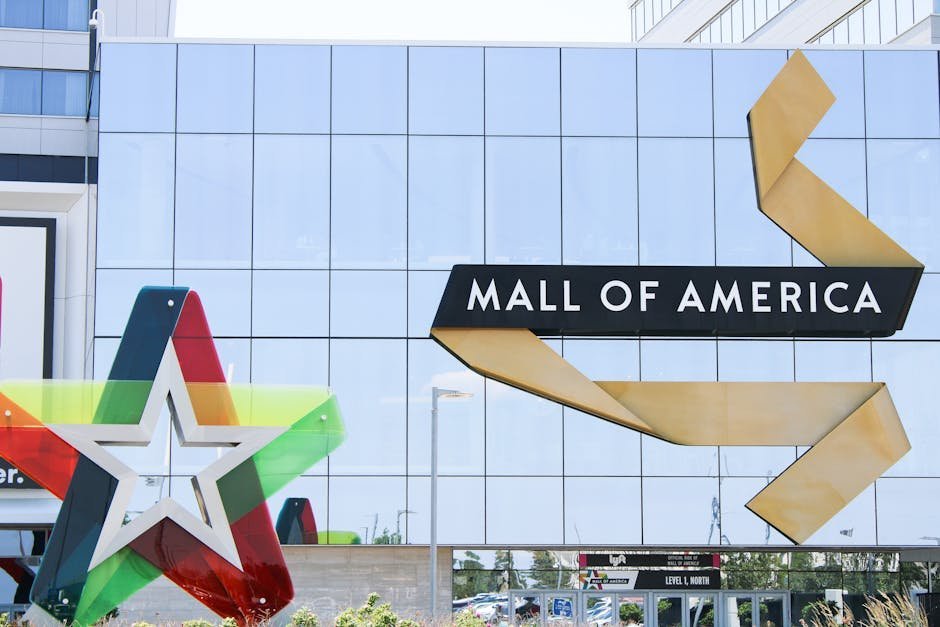
Every summer, families load into minivans and drive meaningful distances to visit the largest shopping mall in the United States — as if the stores inside are somehow different from the mall back home. They are not. The Mall of America draws roughly 40 million visitors per year, making it one of the most visited destinations in the entire country and, for a significant number of those visitors, one of the most regretted. It is, ultimately, a very large shopping mall in a state full of genuinely extraordinary things to see and do.
The indoor Nickelodeon Universe theme park and the aquarium inside the mall are real draws for families with young children — that much is fair. But the experience of navigating 500-plus stores in peak summer crowds, with food court lines snaking past the Cinnabon and a parking structure that can add 45 minutes to your arrival time, is the definition of a good idea that scaled past the point of enjoyment. Minnesota has boundary waters, the North Shore of Lake Superior, and the Mississippi River headwaters within driving distance. The mall is right there too, if that’s genuinely the choice.
#1 – Pigeon Forge, Tennessee
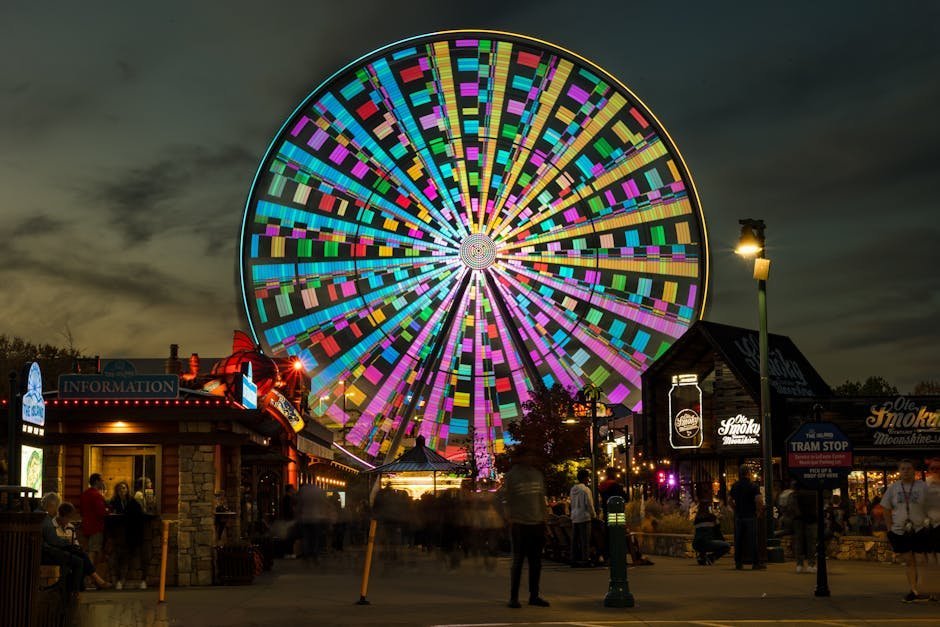
If Gatlinburg is the appetizer of Tennessee tourist-trap culture, Pigeon Forge is the full entrée — an 11-mile commercial corridor where every inch of roadway has been monetized, every natural asset has been packaged, and the very concept of “getting away from it all” has been replaced with paying for the illusion of getting away from it all. Go-kart tracks, dinner theaters, four separate Ripley’s franchises, pancake houses open at 6 a.m., and souvenir shops selling the same black bear keychains in 400 slightly different configurations line both sides of the highway without interruption.
Dollywood, the Dolly Parton-anchored theme park at the far end of the strip, is legitimately one of the better regional theme parks in the South — the rides are good, the food is surprisingly solid, and the craft traditions on display are genuine. It earns its reputation. The surrounding infrastructure built to intercept visitors before and after, however, is the single most concentrated stretch of American roadside tackiness in a region that borders the most visited national park in the country. The Smokies are right there. Thirteen million people pass through this corridor every year to reach them. Most spend more time and money on the approach than on the mountains themselves.
Twenty spots. Some still have real beauty underneath the commercialization — the falls are still thunderous, the Smokies are still breathtaking, the Gulf sand is still white. The problem isn’t the natural attractions. It’s everything built between you and them. For almost every entry on this list, there’s a quieter, cheaper, and more rewarding alternative a short detour away. The trick is knowing it exists before you’ve already paid for parking.