
You saved up, planned the route, hyped yourself up for months – and then you stood in line for two hours to stare at a cracked bell behind plexiglass for thirty seconds. Or paid $85 to walk through a dead celebrity’s living room. Or got cornered by a guy in a Spiderman costume who would not let you leave without handing over cash. Tourist traps don’t just waste your money. They drain something harder to get back: the energy and goodwill you brought to the trip.
What’s genuinely surprising is which destinations cause the most real frustration. It’s not just roadside kitsch. Some of the most exhausting traps on this list are world-famous icons that millions of people visit every single year – which is exactly the problem. A few of them have something genuinely worth seeing buried underneath the chaos. Most of them have just gotten very good at charging you to be disappointed. Here’s the ranked breakdown, from mildly maddening all the way to pure, uncut frustration.
#12 – The Mall of America, Bloomington, MN: 40 Million People Going Nowhere Fast
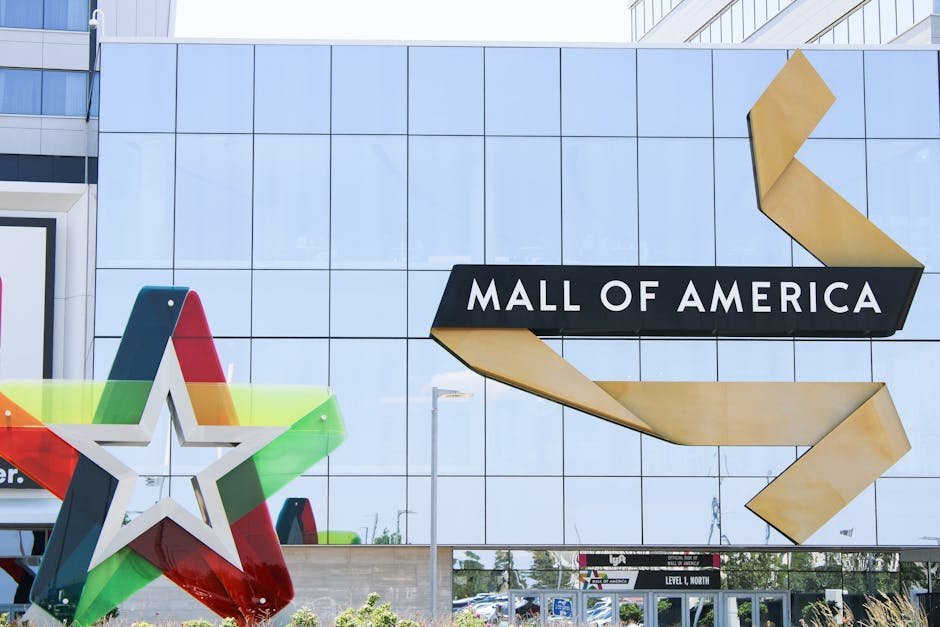
Here’s a number that should stop you cold: 40 million people travel to the Mall of America in a typical year – to shop at stores they almost certainly have back home. Forty million people loading into minivans and boarding planes to visit a Gap and a Cheesecake Factory in Minnesota. The mall does have an indoor amusement park and over 500 stores, but the sheer scale means most visitors end up exhausted before they’ve hit a quarter of the floor plan. The promise is endless fun. The reality is sore feet and a parking garage that feels like a puzzle designed by someone who hates you.
Locals will say it straight: there’s nothing here you can’t find closer to home. The novelty fades after the first hour, the food court lines are relentless, and navigating between wings starts to feel like an endurance event. If you’ve got kids who want the amusement park, that’s a legitimate reason to go. If you’re treating it as a travel destination in its own right, you’ll be asking yourself a hard question on the drive back.
Fast Facts
- Over 500 stores spread across 5.6 million square feet of total space
- Indoor amusement park (Nickelodeon Universe) has more than 30 rides
- Parking structures hold over 12,750 cars – and still fill up on busy weekends
- Average visit length: 3+ hours, yet most visitors see less than half the mall
- Anchored by the same national chains found in malls across every U.S. state
#11 – Wall Drug, Wall, SD: Free Ice Water, Expensive Regret
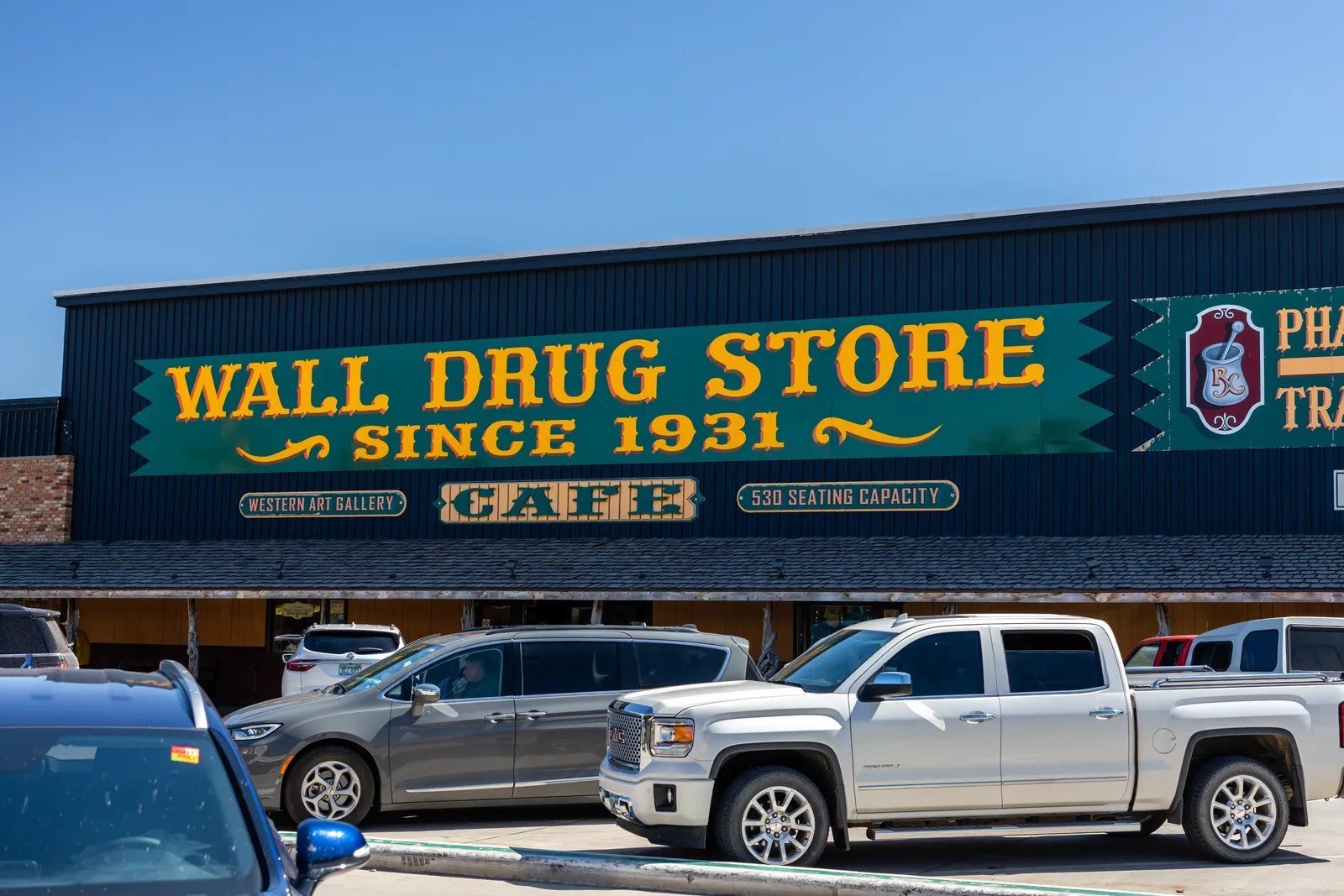
Wall Drug starts working on you 500 miles before you arrive. The billboards are relentless, clever, and genuinely funny – and by the time you pull off the highway, you feel like you’ve earned something. What you’ve actually arrived at is a large gift shop with dinosaur statues out front. The free ice water is real. The 5-cent coffee is real. The 80-foot dinosaur and the giant jackalope are real. But the experience of being there – jammed into crowded aisles, watching prices climb on everything around you – hits very differently than the billboards promised.
More than 1,000 reviews label Wall Drug a tourist trap, with visitors describing it as “very crammed and tacky” and warning that the surrounding town is priced for maximum extraction. The nostalgia and Americana are genuine – this roadside pharmacy really did save itself from bankruptcy in 1931 by offering free ice water to travelers crossing the plains, and that’s a great story. It’s just not a great two-hour stop. If you’re passing through on a road trip, pull over, drink the water, take a photo with the jackalope. Just don’t make it the destination.
#10 – The Liberty Bell, Philadelphia, PA: A Long Line for a Cracked Bell Behind Glass
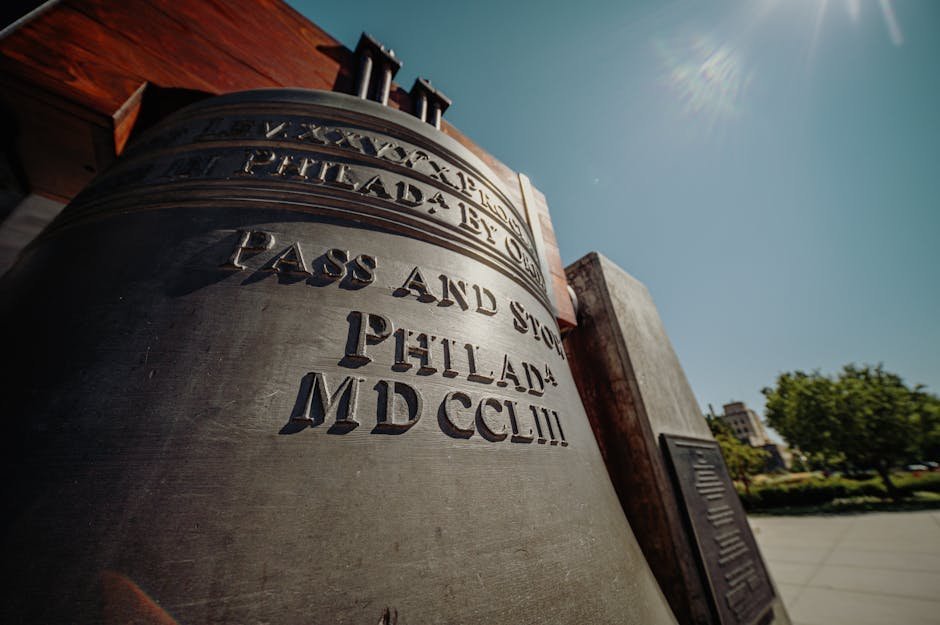
The historical significance of the Liberty Bell is completely real. It tolled on the first public reading of the Declaration of Independence. That matters. But knowing that doesn’t make standing in a surprisingly long line, shuffling through a building, and then staring at damaged metal through plexiglass for thirty seconds feel like a payoff. Over 2 million people make this pilgrimage to Philadelphia every year, and a notable percentage of them leave with the same quiet, deflated feeling: it’s smaller than expected, and the experience around it doesn’t do the history any justice.
The visit is free, which softens the blow financially. But time is the real cost here – the line, the security, the shuffle through the exhibits, and the brief, anticlimactic moment at the bell itself. The crack everyone comes to see is real, of course, but you’re viewing it from a distance, surrounded by other people also trying to see the crack. Philadelphia’s Independence Hall, just steps away, is genuinely more immersive and more moving. See that first. Let the bell be a quick stop, not the whole trip.
The Tourist Trap Survival Quiz
Test your travel savvy and see if you can spot the world's most exhausting destinations before they drain your vacation budget.
Think you caught the key details? Take the quick quiz and see how sharp your instincts really are.
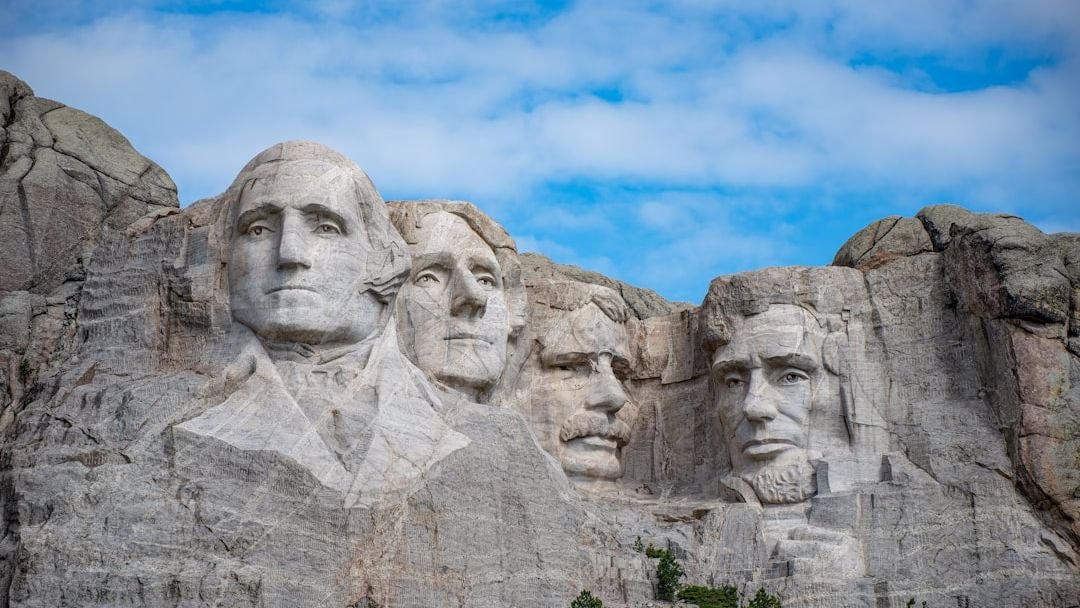
#9 – Mount Rushmore, SD: Four Famous Faces, Fifteen Minutes of Payoff
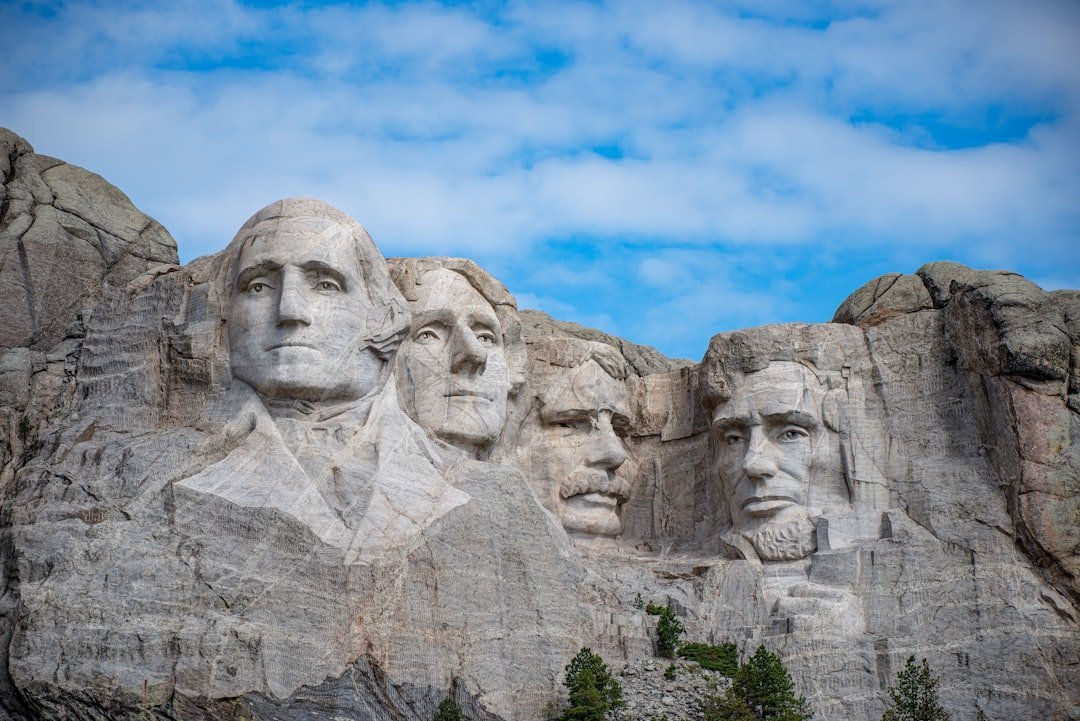
Mount Rushmore is genuinely impressive in photographs. In person, the experience has a cruel mathematical problem: after driving hours through remote South Dakota, often through flat, featureless terrain, you arrive at a viewing area where you can take in everything worth seeing in roughly fifteen minutes. The carved faces are only about 60 feet tall – far smaller than the scale of the postcards and travel posters suggests. The viewing area is limited, the trails are short, and the parking fees add up fast. Many visitors describe an honest sense of regret after making this their primary destination.
The monument is a real feat of engineering and has genuine historical weight. But its immediate surroundings don’t offer much beyond a couple of brief hiking trails and a gift shop. The frustration isn’t that Mount Rushmore is bad – it’s that the gap between the buildup and the fifteen-minute payoff is enormous. If you’re already in the region, it’s worth a stop. If you’re driving hours out of your way specifically for this, consider that Badlands National Park is just down the road and delivers a far more lasting, more vast, and more memorable experience for less effort.
Quick Compare
- Mount Rushmore: ~15-min viewing payoff, $10+ parking fee, short trails, heavy crowds in summer
- Badlands National Park: 244,000 acres, 60+ miles of trails, dramatic landscapes, separate entry fee but far more to explore
- Custer State Park (nearby): 71,000 acres with bison herds, wildlife loops, and far fewer lines
#8 – Graceland, Memphis, TN: The Most Expensive Admission on This List
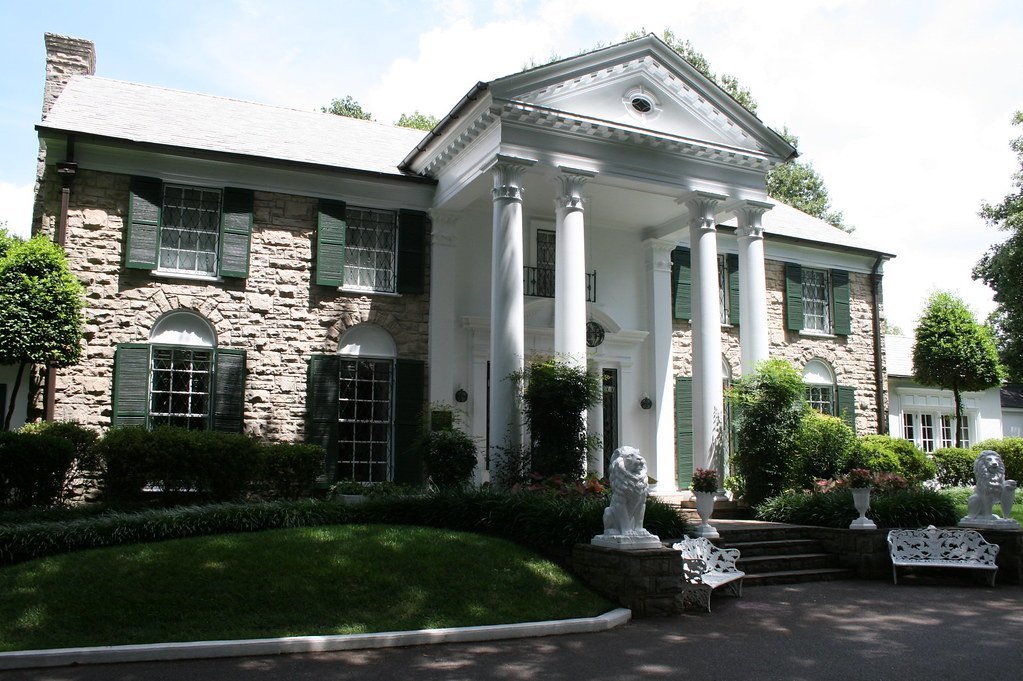
Devoted Elvis fans will get their money’s worth at Graceland. That’s a genuine exemption. But for everyone else, the pricing is a hard stop: the standard Elvis Experience runs $85 for adults, with premium tiers climbing significantly higher. For a tour of someone’s former home – even someone as iconic as Elvis Presley – that price point lands with a thud. The mansion itself is smaller than most people expect, and the surrounding neighborhood doesn’t add the glamorous Memphis atmosphere you might have imagined on the drive in.
Travel analysts consistently flag Graceland as one of the most expensive tourist traps in the country, and the visitor experience backs that up. Crowds are significant, the surrounding area is run-down, and the gift shop – which is enormous – tells you something about where the business priorities actually lie. If Elvis is genuinely important to you, go, and go all in. If you’re a casual visitor expecting a cultural landmark experience that justifies the price, you’ll likely feel the gap between what you paid and what you got before you’ve even made it back to the parking lot.
#7 – The Space Needle, Seattle, WA: Iconic Structure, Brutal Value Proposition

The Space Needle looks exactly like it should. It’s one of the most recognizable structures in American architecture, and riding the glass elevator up while Seattle spreads out beneath you has a genuine wow factor – for about four minutes. Then you’re on an observation deck, the view is beautiful but brief, and the math starts to hit: tickets run upwards of $35 per person, the deck visit lasts under 30 minutes for most visitors, and Kerry Park – a free public overlook – offers an arguably better iconic Seattle shot with the Space Needle itself in the frame.
Locals claim the Space Needle consistently falls into the tourist obligation category rather than the genuine experience category. Nearby Pike Place Market earns far higher satisfaction ratings and costs nothing to walk through. Complaints focus almost entirely on the price-to-experience ratio – it’s not that the views aren’t real, it’s that the same city is visible from several free vantage points. The structure deserves its fame. The ticket price does not quite deserve the experience it delivers. See it from the outside. Photograph it from Kerry Park. Spend the $35 on Pike Place seafood instead.
At a Glance
- Space Needle observation deck: $35+ per adult, average visit under 30 minutes
- Kerry Park viewpoint: free, open to the public, Space Needle in the frame
- Pike Place Market: free to walk, open since 1907, one of the oldest farmers markets in the U.S.
- Space Needle height: 605 feet – impressive, but Seattle has taller buildings with cheaper (or free) views
#6 – Niagara Falls, NY/ON: The Falls Are Real, the Surrounding Trap Is Worse
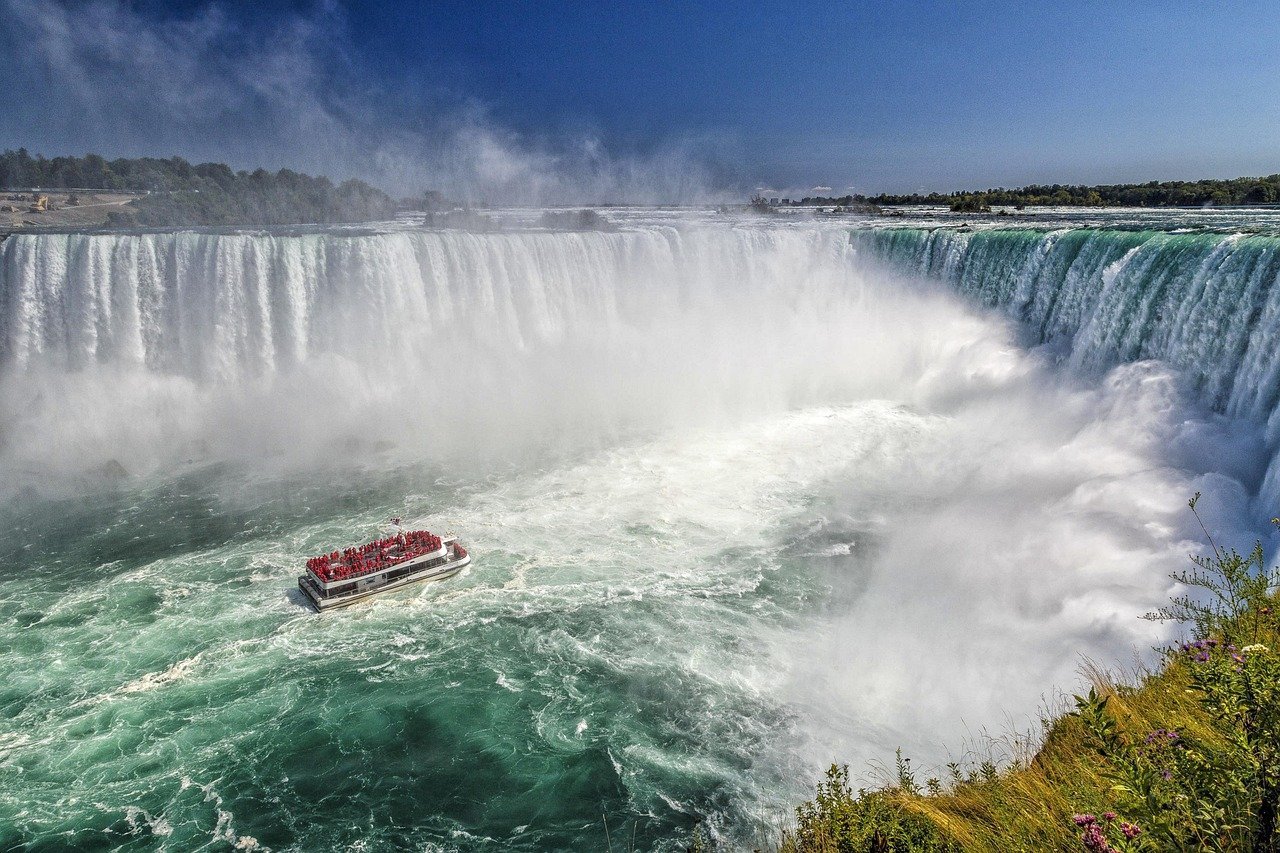
Here’s the honest twist with Niagara Falls: the falls themselves are genuinely breathtaking. No hype required. The problem is everything built around them. The restaurants near the falls charge prices that have become legendary in their own right – one reviewer documented paying $55 for an Outback Steakhouse special that costs $17.99 at their local franchise. Another noted that IHOP pancakes near the falls came with a view surcharge that defied all reasonable logic. The commercial corridor flanking this natural wonder is one of the most aggressively transactional tourism environments in North America.
Nobody can charge you to look at the falls, so instead hundreds of hotels, restaurants, novelty attractions, and casinos have positioned themselves between you and the water to collect the fee in installments. Reviewers describe the overall experience as “everything is overpriced – everything is a scam.” The falls are among the most powerful in North America and absolutely worth seeing. The strategy is to get in close – Maid of the Mist boat tour, walking paths, the free overlooks – and then leave before the surrounding corridor drains what the experience gave you.
#5 – Las Ramblas, Barcelona: Europe’s Most Pick-Pocketed Promenade
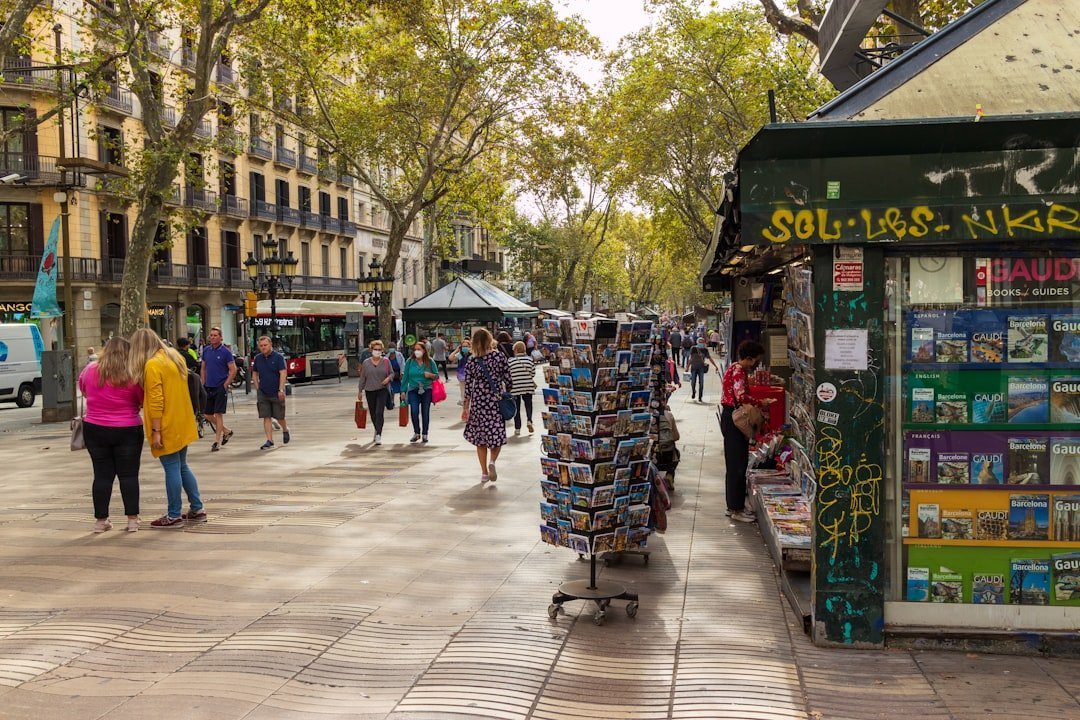
Las Ramblas sounds perfect on paper: a long, tree-lined pedestrian boulevard cutting through the heart of one of Europe’s most beautiful cities, lined with cafes and flower stalls and street performers. The reality is that it has earned the reputation as the world’s most pick-pocketed street – a label that travel advisories still actively warn about – and that reputation has been meticulously earned over decades. Over 826 visitor reviews specifically call it a tourist trap, making it one of the most warned-about streets in the world. It’s not just petty theft risk; it’s the complete displacement of anything authentic by infrastructure designed entirely around extracting money from visitors who aren’t paying attention.
Barcelona made international headlines in summer 2024 when frustrated residents turned water pistols on tourists to protest being squeezed out of their own city, as 32 million annual visitors have driven local rents up dramatically and converted neighborhoods into short-term rental zones. The tension on Las Ramblas is palpable – you can feel it. The authentic Barcelona that originally drew people to this city is increasingly invisible on this particular street. The Gothic Quarter one block over, the Eixample neighborhood, the local markets – that’s where the city actually lives. Las Ramblas is where it performs for people who don’t know any better.
Worth Knowing
- Las Ramblas runs 1.2 kilometers through central Barcelona – short enough to walk end-to-end in 20 minutes
- Pickpocket teams often work in pairs or groups; keep bags in front and phones out of back pockets
- The Gothic Quarter starts just one block east and costs nothing to explore
- Barcelona’s La Boqueria market (on Las Ramblas) is worth a peek, but buy food from stalls toward the back – not the tourist-facing front rows
- 32 million annual visitors to Barcelona have fueled resident-led anti-tourism protests since 2024
#4 – Checkpoint Charlie, Berlin: Cold War History Reduced to a Costume Photo Op
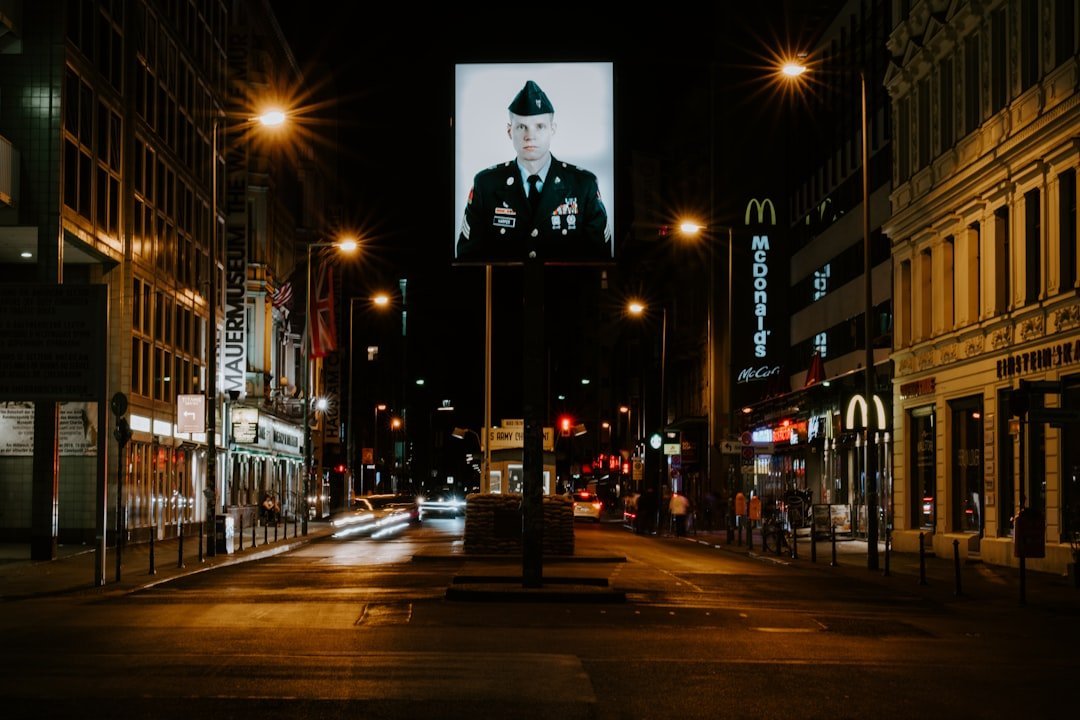
Checkpoint Charlie was one of the most charged and historically significant border crossings in modern history – a place where the tension between East and West Berlin was literally embodied in concrete and armed guards. What stands there today is a reproduction. The real checkpoint is in a museum. What replaced it on the actual site is a photo backdrop flanked by souvenir stalls and actors in replica military uniforms, available for a tip. Over 680 visitor reviews label it a tourist trap, and the frustration isn’t just about the commercialization – it’s about the specific, almost disrespectful gap between what this place was and what it has become.
You’ll queue, pose for a photo with a stranger in a costume, browse overpriced Cold War memorabilia, and leave with something that feels closer to guilt than history. Virtually no original Cold War infrastructure survives on the site – it was dismantled after reunification. What remains is performance history aimed entirely at revenue. The DDR Museum nearby, by contrast, is specific, genuinely immersive, and worth every minute. If the Cold War and Berlin’s division actually interest you, go there instead and let Checkpoint Charlie be a two-minute drive-by acknowledgment of what once stood.
#3 – Fisherman’s Wharf, San Francisco, CA: A Thousand Warnings and Counting
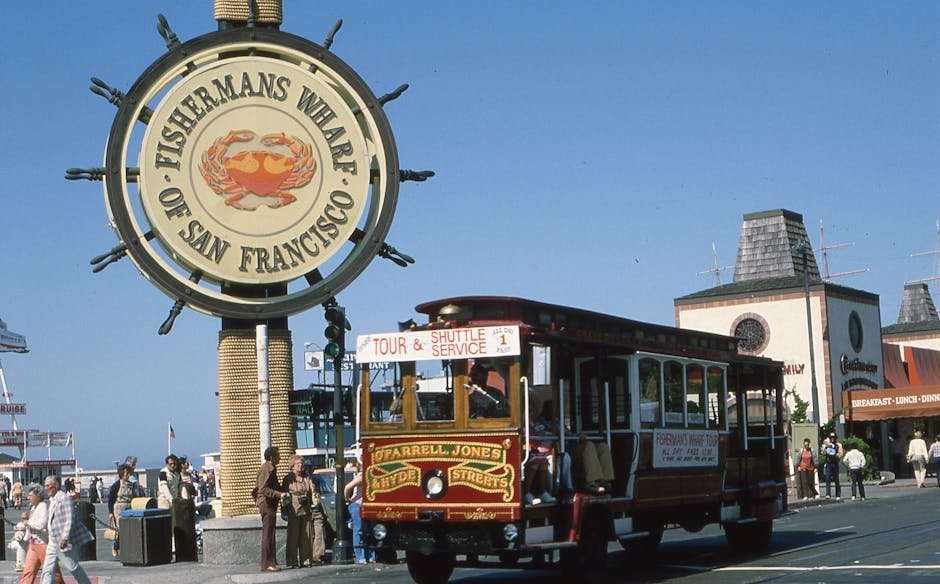
The numbers here are remarkable. For the second consecutive year, Fisherman’s Wharf led a global tourist trap study as the destination with the most “tourist trap” labels of any attraction worldwide – with over 1,000 separate reviews from people who felt compelled to warn the next traveler. On paper, the Wharf has all the hallmarks of a waterfront must-see: sea lions lounging at Pier 39, clam chowder in sourdough bread bowls, postcard views of Alcatraz. In practice, roughly 12 million people a year arrive to find shoulder-to-shoulder crowds, mediocre food at premium prices, and souvenir shops stacked so tightly together you can’t tell where one ends and the next begins.
A native San Franciscan told SF Gate that locals actively avoid Fisherman’s Wharf, describing it as “overcrowded with tourists, tacky souvenirs, and overpriced food that isn’t good.” When residents of a city refuse to set foot in one of its most famous neighborhoods, that’s not a warning sign – that’s a verdict. Visitors lambast it as “disappointing,” “washed up,” and “overrated,” with the sea lions at Pier 39 frequently singled out as the only genuinely worthwhile thing. The clam chowder in the bread bowl is fine. But the entire enterprise of Fisherman’s Wharf exists for one purpose: extracting your money before you’ve fully registered what’s happening.
#2 – The Trevi Fountain, Rome: A Baroque Masterpiece Buried Under a Selfie Scrum
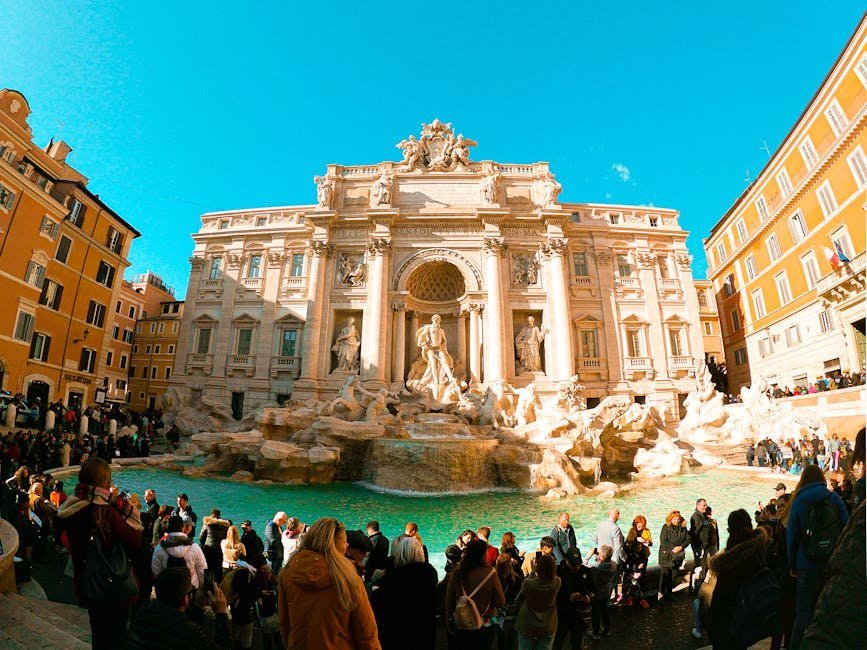
The Trevi Fountain is one of the most legitimately beautiful pieces of public art ever constructed. It deserves every ounce of its fame. The problem isn’t the fountain – it’s that visiting it in person has become one of the most reliably frustrating experiences in all of European tourism. A 2025 survey found that nearly a quarter of visitors reported a negative experience at the Trevi Fountain, with overcrowding and mobility cited as the dominant issues. What visitors plan as a romantic Roman moment – toss a coin, make a wish, absorb the Baroque grandeur – is what they actually get: a shoulder-to-shoulder crowd fighting for a phone angle, pickpocket warnings on every sign, and approximately ninety seconds of actual fountain-viewing before someone’s elbow ends the moment.
In 2024, Rome began piloting timed entry slots and a small fee for the fountain area specifically to manage the chaos that had built up over years of unchecked visitor volume. People build entire Rome itineraries around a coin toss. What they get instead is a rugby scrum with selfie sticks. The fountain itself is extraordinary – genuinely worth seeing – but the experience of seeing it has been almost entirely consumed by the machinery of mass tourism. Go very early in the morning, before the tour buses arrive, or accept what you’re walking into. The fountain deserves better. So do you.
“Crowds are the enemy of wonder.”
Pico Iyer
The Tourist Trap Survival Quiz
Test your travel savvy and see if you can spot the world's most exhausting destinations before they drain your vacation budget.
Think you caught the key details? Take the quick quiz and see how sharp your instincts really are.
#1 – Times Square, New York City: The World’s Most Stressful Tourist Trap
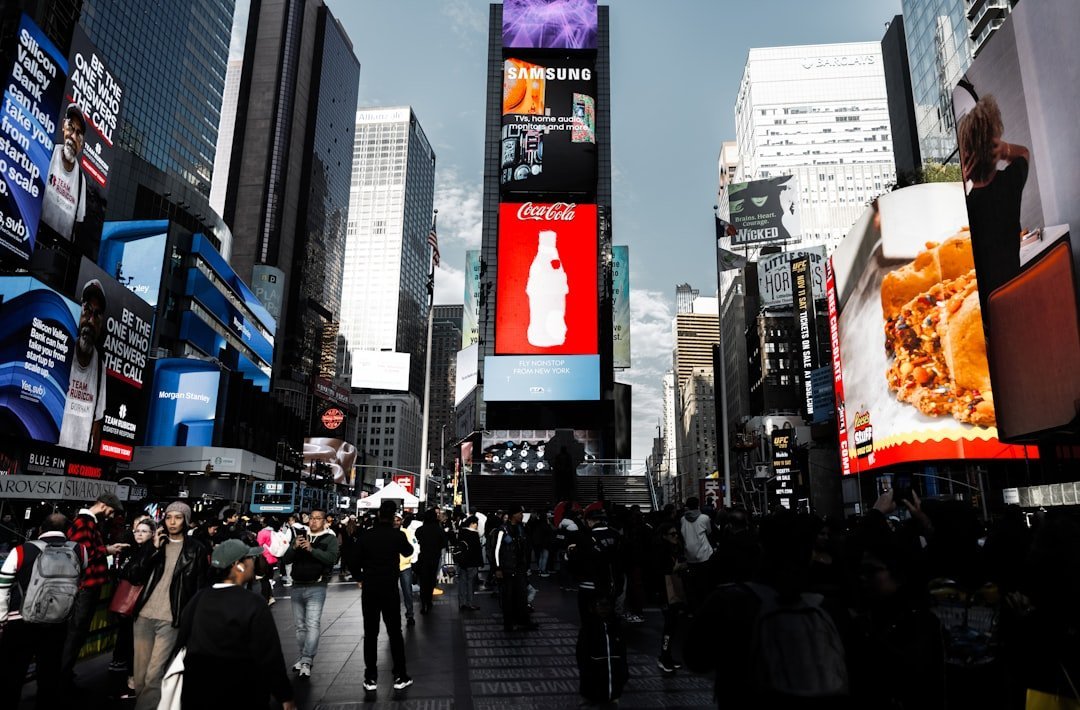
This one isn’t close. Times Square tops every global ranking of exhausting, disappointing, and overwhelming tourist destinations. In 2024, roughly 220,000 pedestrians entered Times Square each day – with peak days hitting 330,000. The costumed characters – Elmo, Spider-Man, various Disney figures – wave you in for a photo and then corner you for cash, sometimes aggressively, sometimes in groups. Agree on a tip before the photo or skip the interaction entirely. The Times Square–42nd Street subway station processed over 57.7 million riders in 2024 alone, making it the busiest in the entire city, which tells you something about the sheer, unavoidable density of the place.
Travelers consistently cite aggressive vendors, overwhelming noise, flashing billboards, and a general atmosphere of controlled chaos as the defining experience. The lights are undeniably spectacular for about four minutes. Everything after that is survival mode – dodging people, navigating overpriced chain restaurants, and wondering why you’re here instead of anywhere else in a city with dozens of genuinely extraordinary neighborhoods within walking distance. Times Square is, by nearly every available metric, the single most exhausting place an American tourist can willingly walk into. See it once, briefly, at night when the lights hit hardest. Then leave and go find the New York City that people who actually live here love.
Why It Stands Out
- ~220,000 pedestrians pass through on an average day in 2024; up to 330,000 on peak days
- Busiest subway station in NYC sits directly underneath: 57.7 million annual riders in 2024
- Costumed character encounters: always agree on a tip amount before posing for a photo
- Most chain restaurants in the immediate area charge 20–40% more than their standard menu prices
- Best time to visit: early morning (5–7 AM) for clear sightlines and dramatically better photos
Almost every trap on this list has something real at its core – a genuine wonder, an actual piece of history, a landmark that earned its fame honestly. The frustration isn’t that these places are frauds. It’s that the original thing worth seeing has been buried under layers of commercialization, overcrowding, and inflated prices until the experience itself barely survives. The best defense is knowing what you’re walking into before you get there – and knowing which corner of the same city or region delivers the real version of what the trap was pretending to offer.