
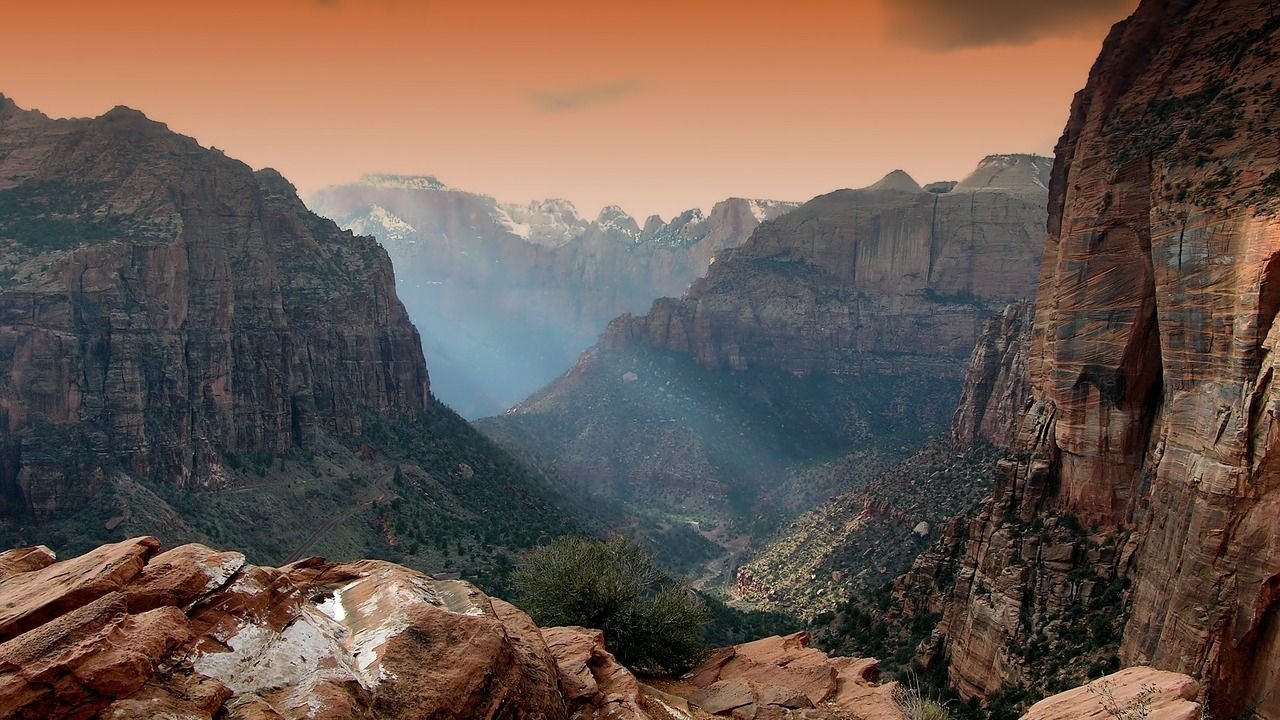
Most people plan a national park trip expecting serenity – wide open skies, empty trails, that deep exhale you can only get in the wild. What they actually get, at least at the parks on this list, is a two-hour entrance line, a parking lot that filled up at 7 a.m., and a ranger who looks like they haven’t slept since Memorial Day. The National Park Service recorded 331.9 million recreation visits in 2024, smashing the all-time record – and the gap between what visitors expect and what they actually experience at America’s most iconic parks has never been wider.
But “stressful” isn’t just about raw visitor numbers. Yellowstone spans 2.2 million acres. Bryce Canyon covers just 35,835. A small park crammed with millions of visitors is a completely different nightmare than a sprawling one – and some of the worst offenders on this list will genuinely surprise you. This ranking weighs crowding density, reservation chaos, parking horror stories, traffic gridlock, and staffing cuts that have quietly made the experience worse at nearly every park here. The #1 spot isn’t who most people guess.
#12 – Shenandoah National Park: The “Easy Drive” That Secretly Grinds to a Halt
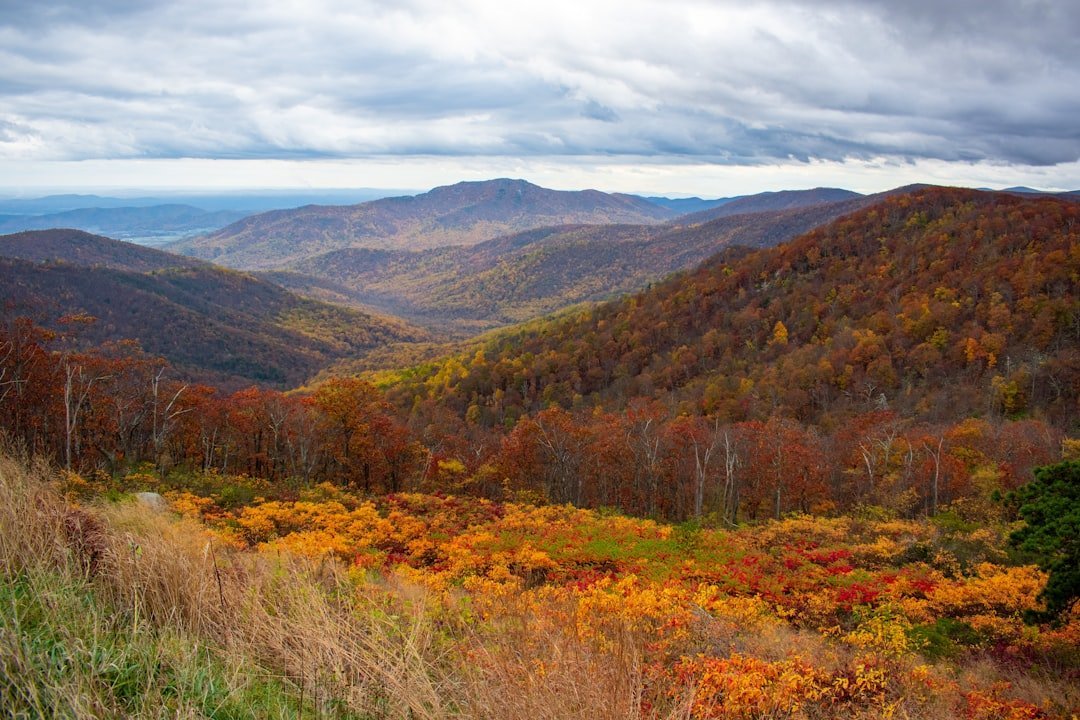
Shenandoah gets sold to East Coasters as the relaxed alternative to the big western parks – a simple Skyline Drive weekend, no complicated logistics required. That reputation is increasingly outdated. The park sits within a few hours of Washington D.C., Baltimore, and Richmond, which means fall weekends turn the 105-mile Skyline Drive into a slow-rolling parking lot with stunning views. Leaf-peeping season in October is when things get genuinely chaotic, with bumper-to-bumper traffic stacked at every popular overlook.
Shenandoah is also among the parks that now require reservations or permits for certain access points – a logistical layer that stuns visitors who assumed a casual day drive was permit-free. The surge in popularity is hitting at the worst possible moment: federal workforce cuts froze seasonal staff hiring, and that hit parks like Shenandoah hard during their busiest months. Many visitors show up expecting full visitor center services and find reduced hours, a single ranger stretched across multiple duties, and no one to answer the questions piling up at the trailhead.
Fast Facts
- Skyline Drive: 105 miles, one road in, one road out – no alternate routes in fall peak season
- Location pressure: Within 2–3 hours of D.C., Baltimore, and Richmond simultaneously
- Peak chaos window: Mid-October through early November (leaf season)
- Staffing hit: Seasonal hiring freezes reduced ranger presence during the busiest weekends
- Permit surprise: Some access points now require reservations that day-trippers don’t expect
#11 – Olympic National Park: Three Parks in One, Three Times the Stress
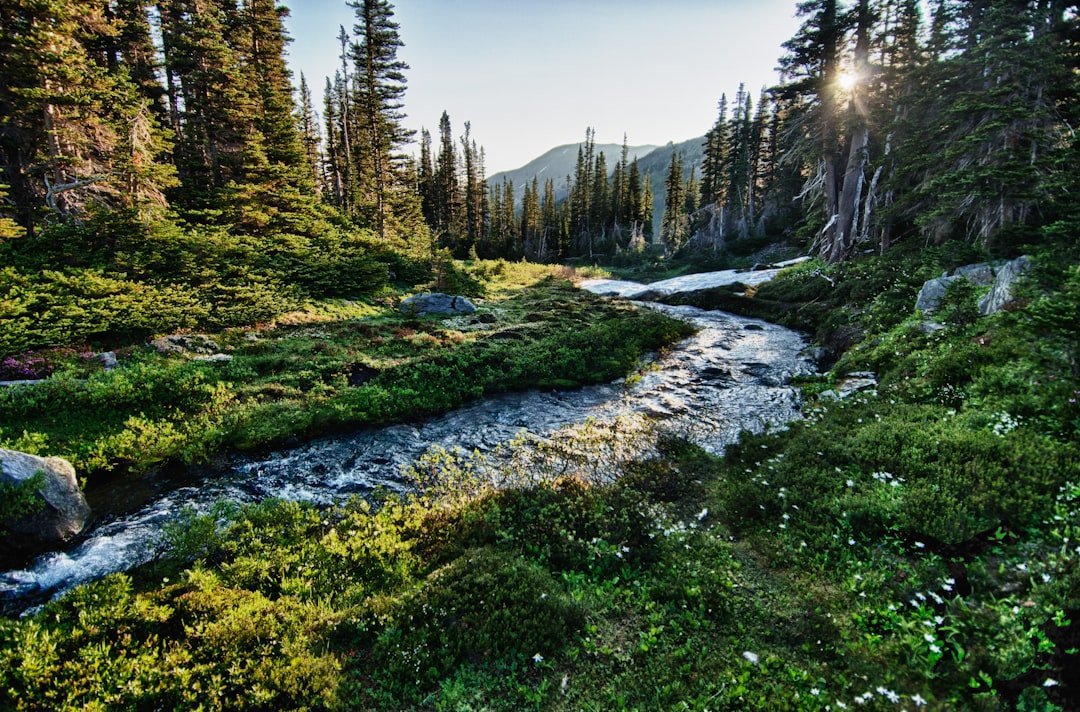
Olympic is one of the most geographically bizarre national parks in the system – a temperate rainforest, a rugged Pacific coastline, and glacier-capped peaks all inside the same boundary. That diversity is exactly why it draws enormous crowds, and exactly why the stress is so unevenly concentrated. Visitors cram into the Hoh Rain Forest, the Hurricane Ridge corridor, and the coastal strip at Rialto Beach all at once, overwhelming parking areas that were never engineered for modern traffic volumes.
Olympic drew roughly 3.7 million visitors in 2024. The Hurricane Ridge road is the cruelest chokepoint – a single narrow road climbing to a high-elevation meadow with no alternate route when the lot fills. Visitors who drove three or four hours to reach the park can find themselves turned away at the top with nothing to show for it but a U-turn. Federal workforce reductions have hit Olympic’s seasonal staffing too, meaning fewer rangers are managing more people across one of the most physically complex parks in the country.
#10 – Grand Teton National Park: The Parking Nightmare Next Door to Yellowstone
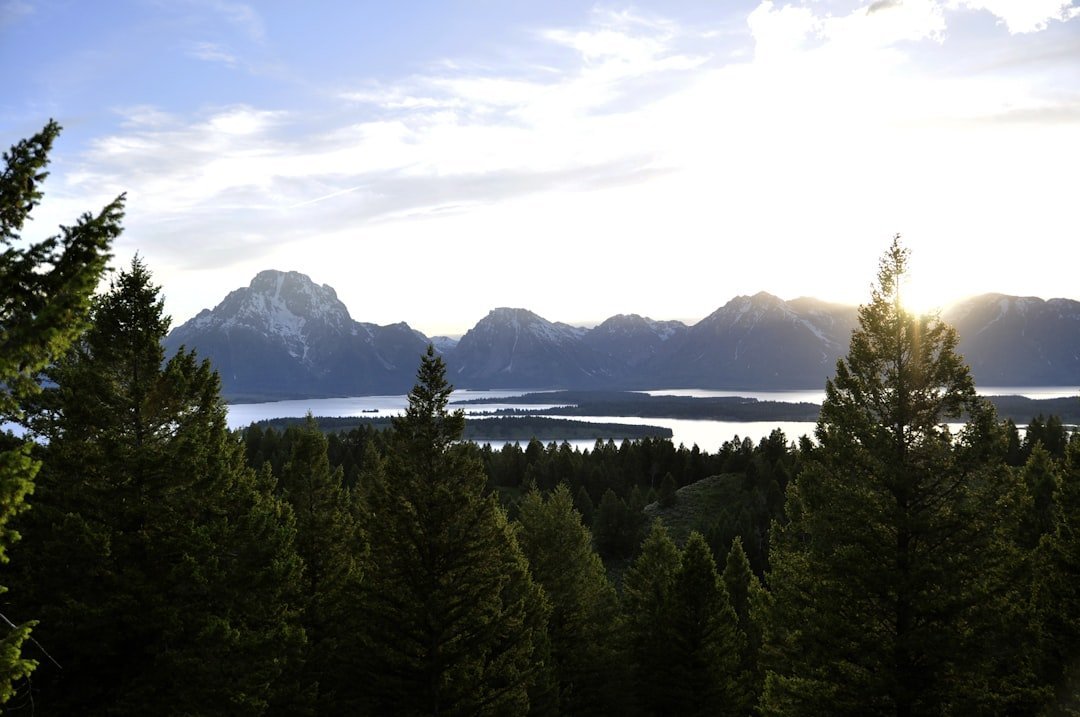
Grand Teton benefits enormously from its proximity to Yellowstone – and suffers enormously because of it. Millions of visitors on a Yellowstone road trip treat the Tetons as an automatic add-on, flooding the park with traffic that wasn’t really planned around it. The result is a park where the iconic Jenny Lake Trailhead lot regularly fills before 8 a.m. in summer, and frustrated visitors end up circling gravel pullouts or parking miles away and hiking in on the shoulder of the road.
Nearly 3.6 million people explored the Tetons in 2024. Seasoned park travelers increasingly argue that the summer experience is badly overrated – the solitude that makes this landscape feel transcendent simply does not exist from June through August. You’re either waking up before sunrise to beat the crowds, or you’re watching the mountains from your car while waiting for a parking space that isn’t coming. The views are still world-class. The experience around them is increasingly not.
The Stress Test: America's Most Crowded National Parks
From two-hour entrance lines to parking lots that fill before dawn, America's most iconic landscapes are facing record-breaking crowds. Test your knowledge of the logistical hurdles facing the National Park Service today.
Think you caught the key details? Take the quick quiz and see how sharp your instincts really are.
#9 – Bryce Canyon National Park: Tiny Park, Massive Traffic Problem
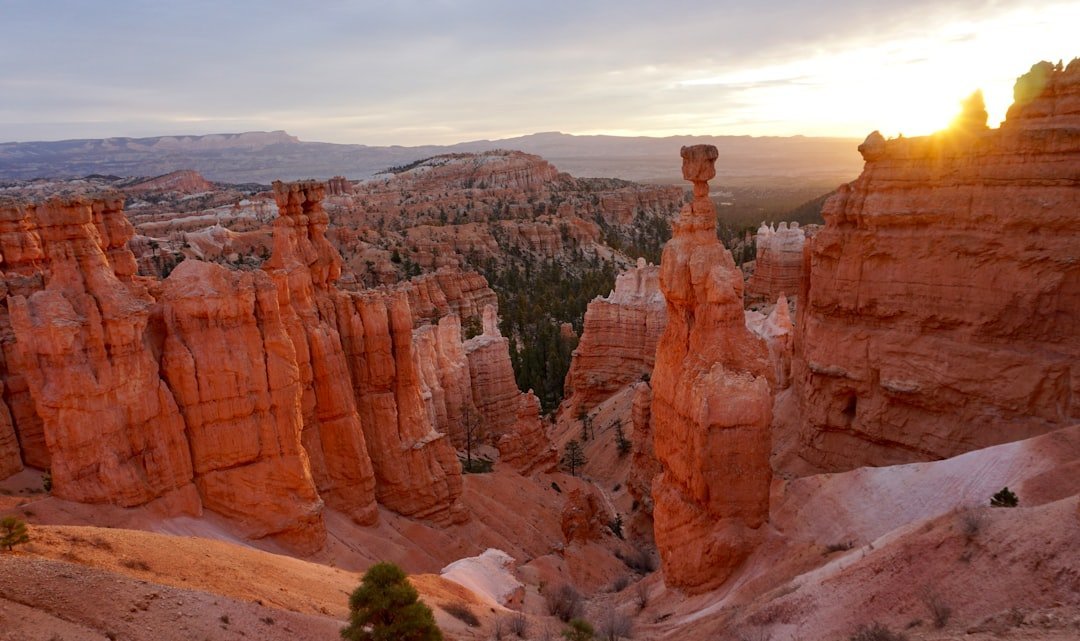
Bryce Canyon covers just 35,835 acres – one of the smallest parks in the American West. It is also one of the most visually arresting, with hoodoo-filled amphitheaters that look like another planet rendered in red and orange stone. That combination of compact size and jaw-dropping scenery creates a pressure-cooker environment where every viewpoint, every trailhead, and every inch of the main road gets saturated with visitors during peak season. There is essentially one road in and one road out, with no real pressure valve.
Bryce welcomed roughly 2.5 million visits in 2024. A shuttle system helps ease parking gridlock at Sunrise and Sunset Points starting in April, and it’s included with admission – but the shuttle itself gets packed, and visitors who skip it face waits that can stretch 45 minutes or more just to park. The density of people squeezed into such compact viewpoints makes this one of the most claustrophobic experiences in the national park system, which is a strange thing to say about a place surrounded by open sky and ancient rock formations.
Quick Compare: Small Western Parks vs. Their Crowd Problem
- Bryce Canyon: 35,835 acres – ~2.5M visitors in 2024 – one main road, no bypass
- Arches: ~76,679 acres – ~1.4M visitors in 2024 – timed entry required spring–fall
- Zion: ~147,000 acres – ~4.9M visitors in 2024 – shuttle-only canyon, permit hikes
- Grand Teton: ~310,000 acres – ~3.6M visitors in 2024 – parking fills by 8 a.m. in summer
#8 – Mount Rainier National Park: The Park That Finally Cracked Under Pressure
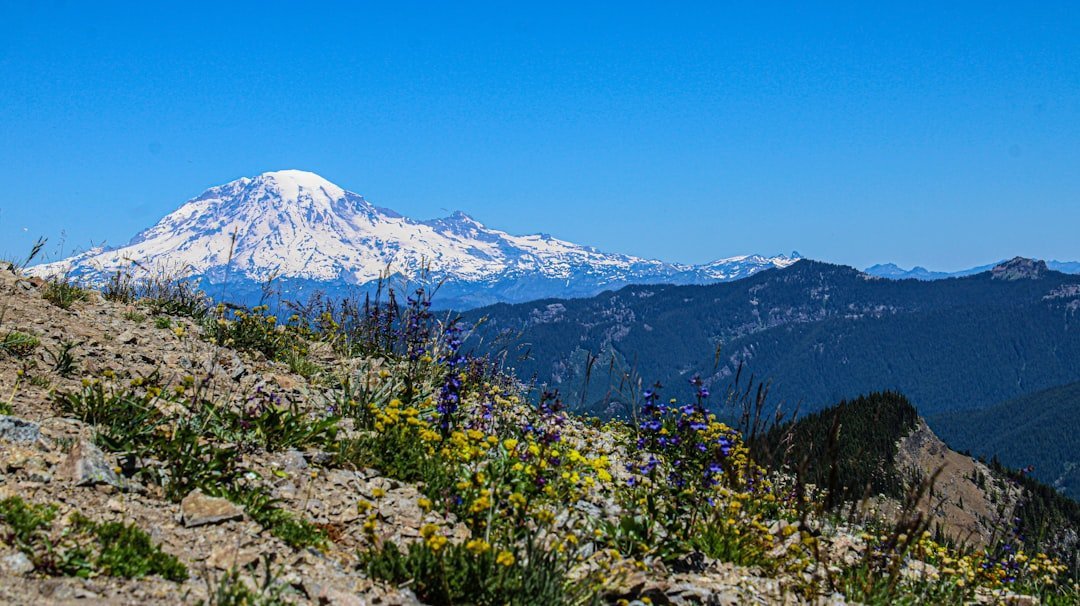
Mount Rainier is a Pacific Northwest icon, and for years it absorbed its growing crowds with relative grace. That grace period ended. The park’s Paradise area – the most visited subalpine meadow in the United States – became so overwhelmed that visitors were routinely sitting in idling cars for hours just trying to get in, then circling jammed parking lots with no realistic chance of finding a space. The meadows were getting loved to death one car at a time.
For the first time in its history, Mount Rainier implemented a reservation system in summer 2024. Visitors had been sitting in idling cars for hours at entrance stations, then making lap after lap through parking lots hoping for an empty space that never materialized. Mount Rainier ranks fourth for the longest lines and most packed parking lots in negative visitor reviews across the entire park system. In 2026, the park is among those discontinuing timed-entry reservations – and many park advocates warn that without them, conditions will snap right back to chaos.
#7 – Acadia National Park: The Small Island That Can’t Handle Its Own Fame
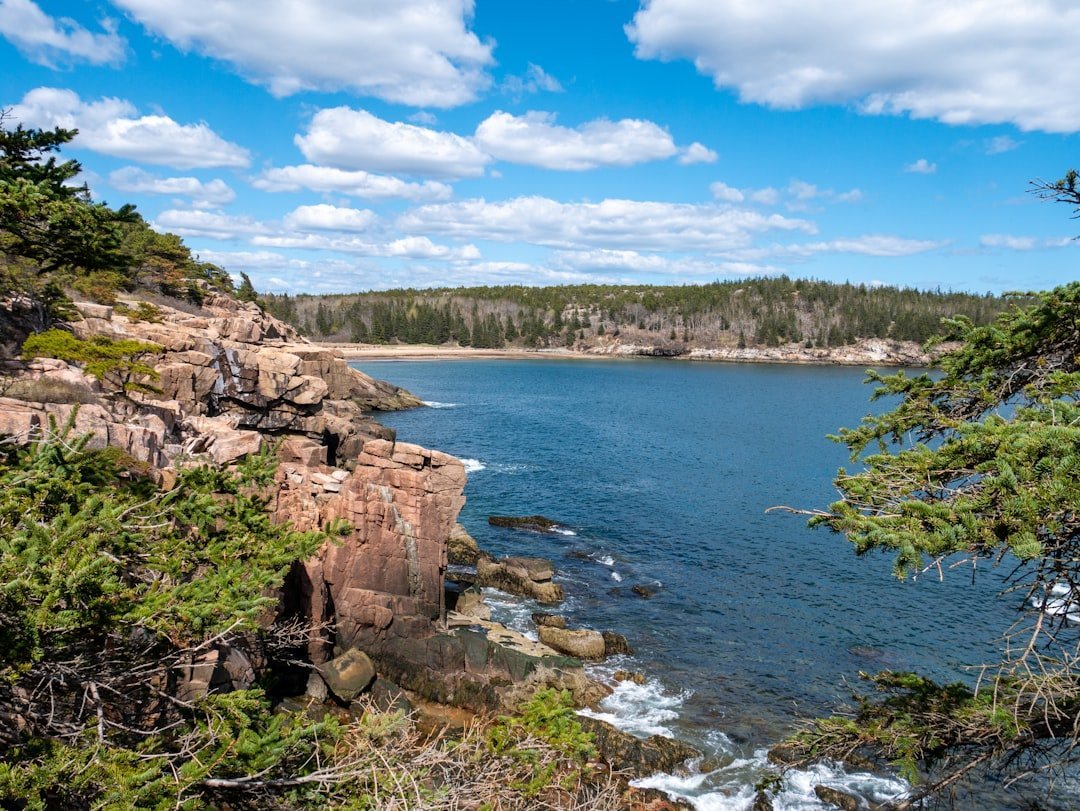
Acadia sits on a small island off the coast of Maine, which sounds like it should naturally limit how many people can realistically show up. It does not. Acadia’s 49,075 acres on Mount Desert Island hosted 3,961,661 visitors in 2024 – an extraordinary density of people packed onto a tiny landmass. The single-road infrastructure of Mount Desert Island means traffic jams can snake through downtown Bar Harbor and into the park simultaneously, turning what should be a coastal escape into a slow-motion gridlock.
August is the worst month. The park implemented a timed-entry reservation system for Cadillac Summit Road starting in 2021, which helped – but Park Loop Road lots still fill by 9 a.m. in peak summer. Acadia ranks third among all national parks, with 24.17% of negative reviews flagging long lines and crowded conditions. In August 2025 alone, Acadia recorded more than 844,000 visitors in a single month. For a park that size, that number is almost incomprehensible – and it shows in every trailhead, every pullout, and every overflowing parking area from July through Labor Day.
At a Glance: Acadia by the Numbers
- Park size: 49,075 acres on a small Maine island
- 2024 visitors: 3,961,661 – roughly 81 people per acre annually
- Worst month: August – lots fill by 9 a.m., Bar Harbor traffic backs up into the park
- Reservation required: Cadillac Summit Road (May–October) since 2021
- Negative review flag rate: 24.17% mention long lines or crowding – 3rd highest in the system
#6 – Rocky Mountain National Park: The Reservation Maze That Broke a Million Plans
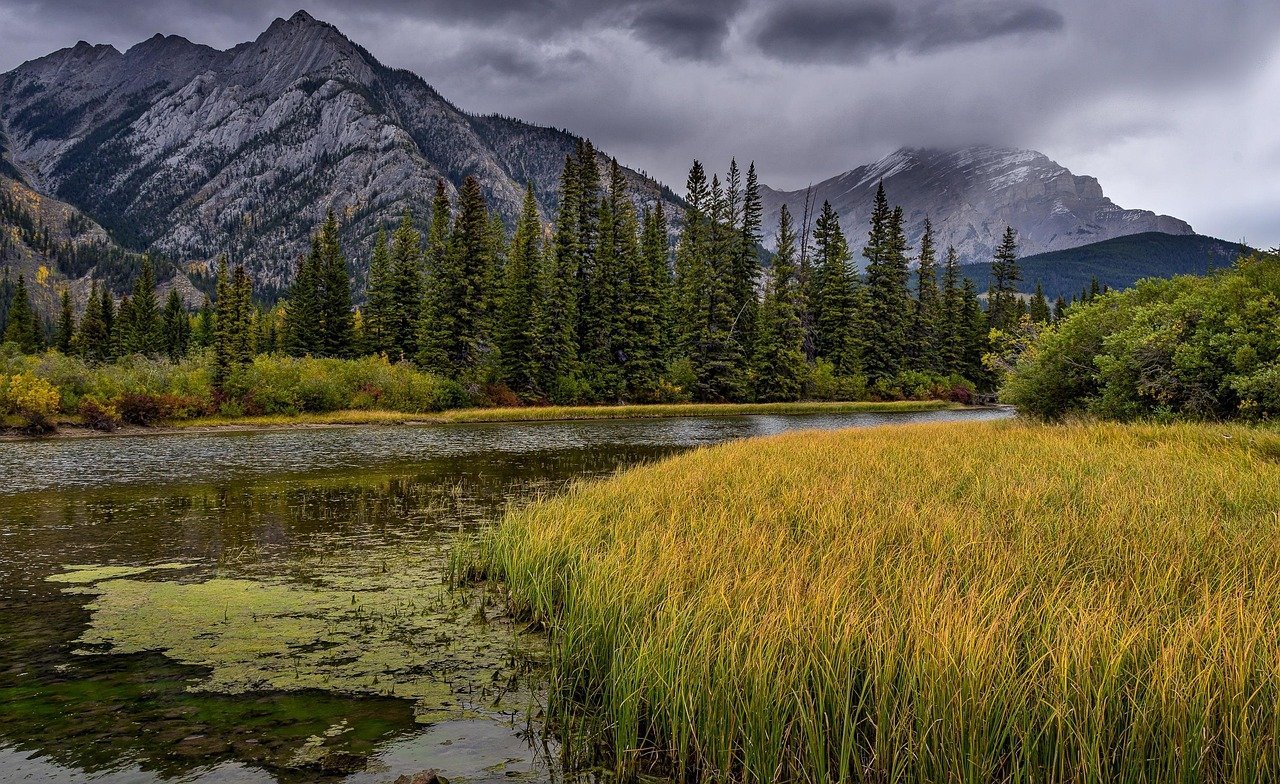
Rocky Mountain is the park that turned reservation stress into a competitive sport. For years, snagging a timed-entry slot was the only realistic way to see the park without spending hours in an entrance queue – and those reservations vanished within minutes of going live. The park sits less than two hours from Denver, making it the most accessible major wilderness park in the country. That accessibility is precisely the problem. When a massive city of millions has a world-class national park in its backyard, the results are predictable.
Rocky Mountain attracted over 4.15 million visitors in 2024, ranking fifth on the most visited list. If you concentrate your time on the east side – near Bear Lake, Trail Ridge Road, and the popular corridor closest to Denver and Fort Collins – it can feel like you’re sharing a trail with a small city. Timed-entry reservations for peak season have become essentially non-negotiable for summer visits, and when the reservation window opens, the scramble is real. When a park sees 4.1 million visitors in a year, chaos isn’t an accident. It’s a standard feature.
#5 – Glacier National Park: The “Last Best Place” Is Also the Hardest to Actually See
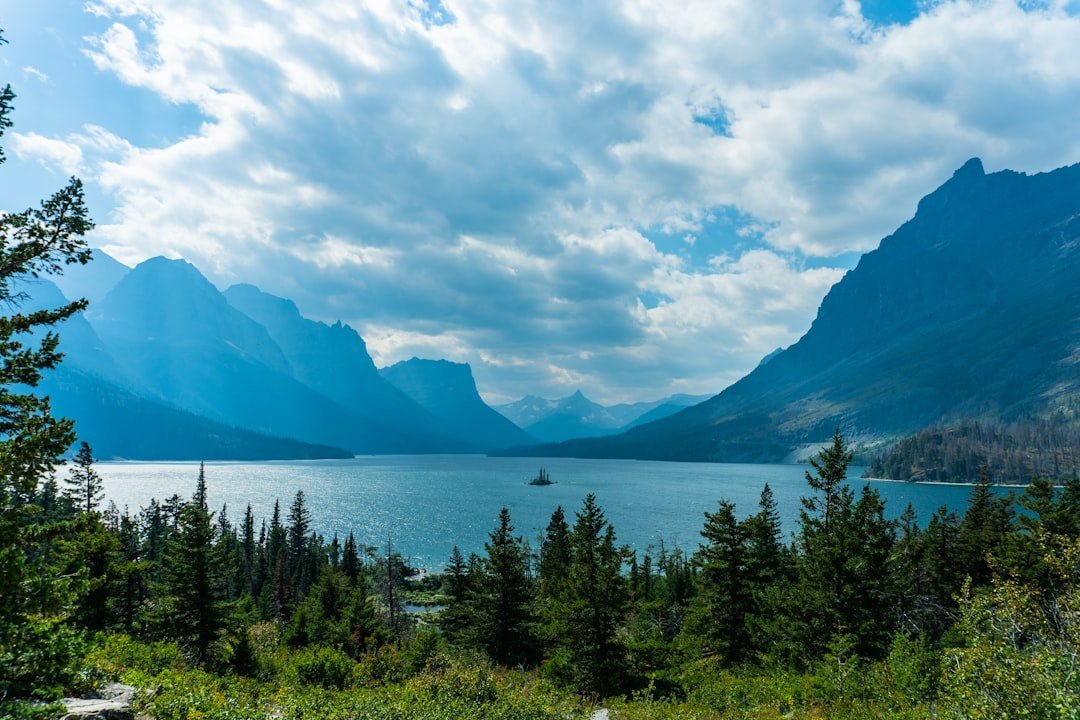
Glacier has a problem uniquely its own: its most famous road, the Going-to-the-Sun Road, is a narrow, breathtaking 50-mile traverse built in the 1930s – long before anyone imagined millions of modern tourists trying to drive it simultaneously. There is no detour. There is no alternate route. When that corridor fills up, the entire park experience grinds to a halt, and visitors who planned their whole trip around it are simply out of luck, staring at a line of RVs that isn’t moving.
Glacier drew 3.2 million visitors in 2024, and even snagging a day-use vehicle reservation can feel like winning a lottery. The park experienced its busiest May on record in 2025, up 12% year over year. For 2026, Glacier has dropped its reservation requirement – and many conservationists are bracing for the consequences. The mountains are jaw-dropping and the lakes are crystal clear, but without crowd management tools, visitors should expect traffic jams, packed parking lots, and crowded trails where a once-in-a-lifetime trip gets buried in gridlock.
#4 – Yellowstone National Park: The Bison Traffic Jam Capital of America
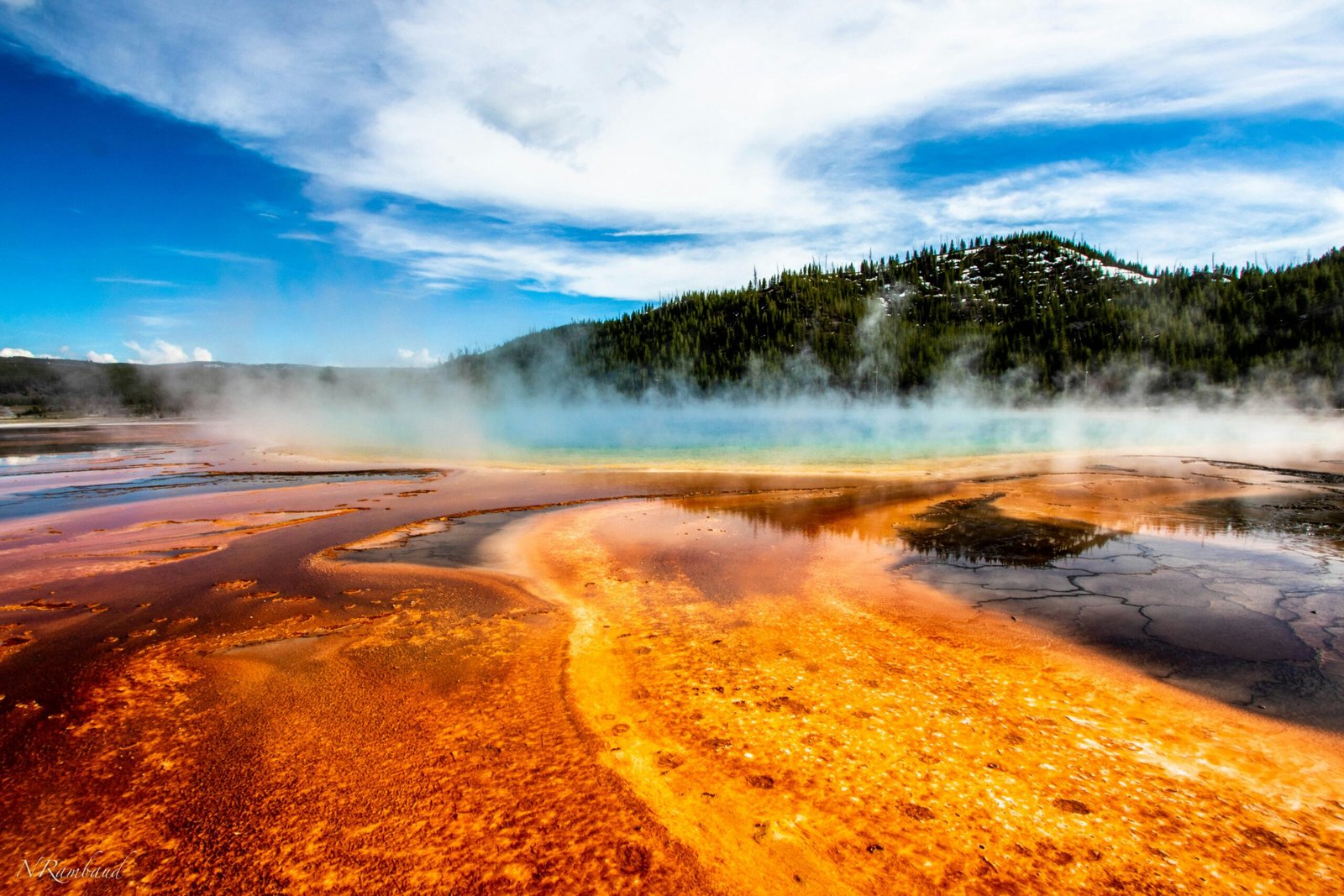
Yellowstone is the park everyone pictures when they think “national park overcrowding,” and the reputation is earned – just not quite in the way most people expect. The park is genuinely enormous, spanning 2.2 million acres across three states. The stress isn’t spread evenly across all that land; it’s ferociously concentrated at Old Faithful, the Grand Prismatic Spring overlook, and anywhere a bison or bear wanders near the roadside. One roadside grizzly sighting can create a traffic backup stretching miles in both directions within minutes.
Yellowstone’s 4,744,353 visitors in 2024 pack those bottlenecks hard. The park tops the list for worst traffic among all national parks, with 4.58% of all negative visitor reviews mentioning traffic jams – the highest rate in the entire system. May 2025 was Yellowstone’s busiest May on record, with 566,363 recreational visits – an 8% increase from the year before and nearly 20% above May 2021. The wildlife is real, the geysers are astonishing, and the traffic around both of them is a special kind of maddening.
Worth Knowing: Where Yellowstone’s Crowds Actually Concentrate
- Old Faithful: Boardwalks packed shoulder-to-shoulder at every predicted eruption, year-round
- Grand Prismatic Spring: Overlook trail jammed; the famous aerial view requires a separate hike most visitors miss
- Wildlife jams: A single bear or bison sighting near the road can freeze miles of Grand Loop Road traffic in minutes
- Hidden relief valve: Backcountry permits often go unused even in peak season – venture a mile from a lot and crowds thin fast
- Peak month: July – plan arrivals before 8 a.m. or after 5 p.m. for any realistic shot at parking
#3 – Arches National Park: The Park That Needs a Reservation Just to See a Rock
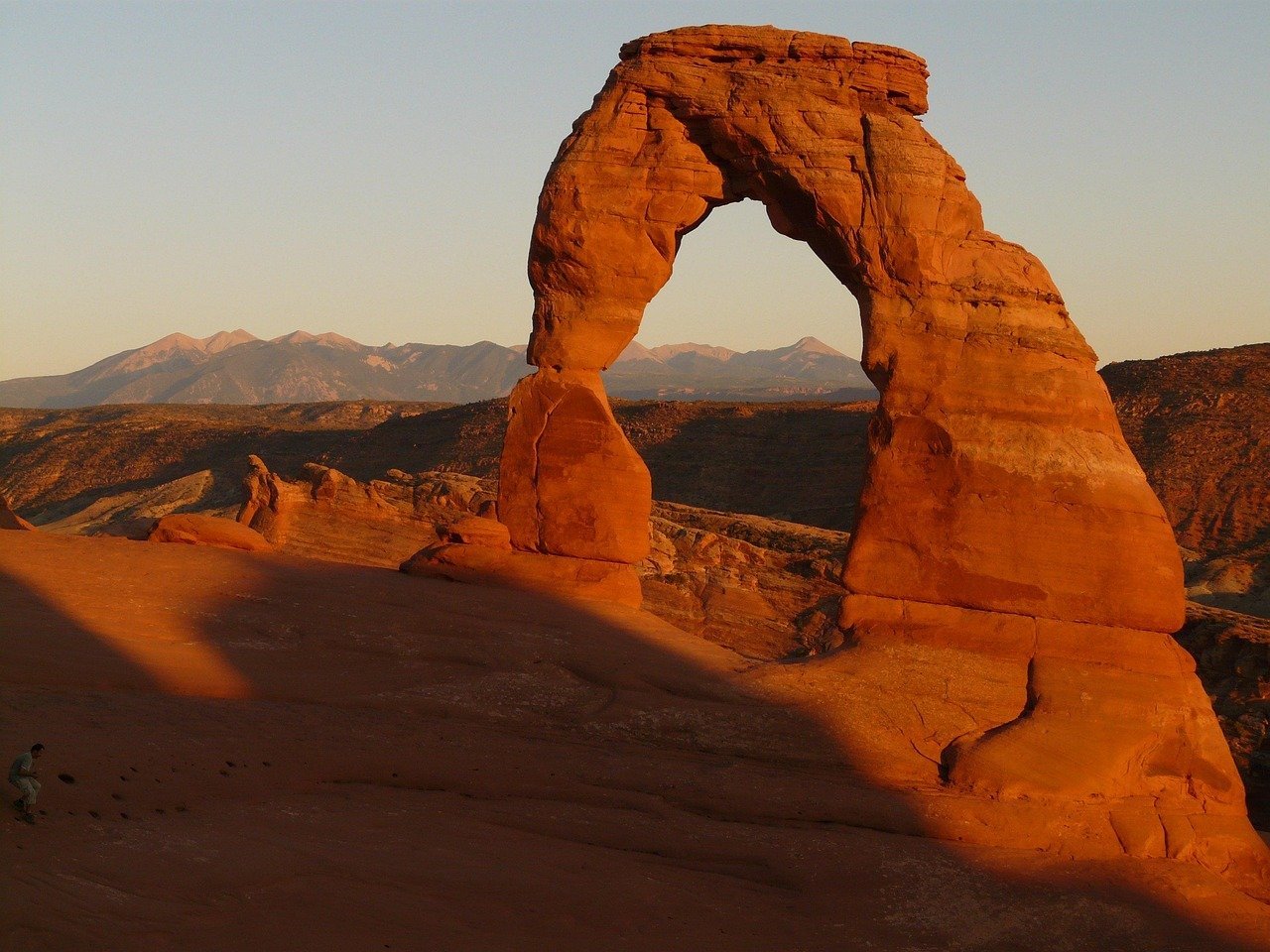
Arches has arguably the most justified reputation for stress of any park in Utah – and that is saying something. The park contains the highest concentration of natural stone arches on Earth, more than 2,000 documented formations crammed into a relatively compact landscape. That world-class geology became a magnet that eventually turned unmanageable. Visitation increased 74% between 2011 and 2021, when it hit a record 1.8 million visitors, and the NPS eventually implemented a timed-entry system just to keep the entrance road from becoming a permanent traffic jam.
Even with controls in place, Arches attracted 1.4 million people in 2024, and park officials warn that visitors arriving between March and October could wait roughly an hour just to enter. Budget cuts have led the park to remove trash cans and picnic tables from day-use areas to reduce maintenance load. The Fiery Furnace area has faced closures. In 2026, the timed-entry reservation requirement was dropped entirely – and many park advocates warn that without it, the entrance road will revert to a permanent standstill. The arches themselves are still magnificent. Everything surrounding the experience of reaching them has quietly gotten worse.
“Traffic, long lines, and blocked views can ruin a once-in-a-lifetime trip.”
National Parks Conservation Association
#2 – Yosemite National Park: The Valley That Became a Traffic Experiment
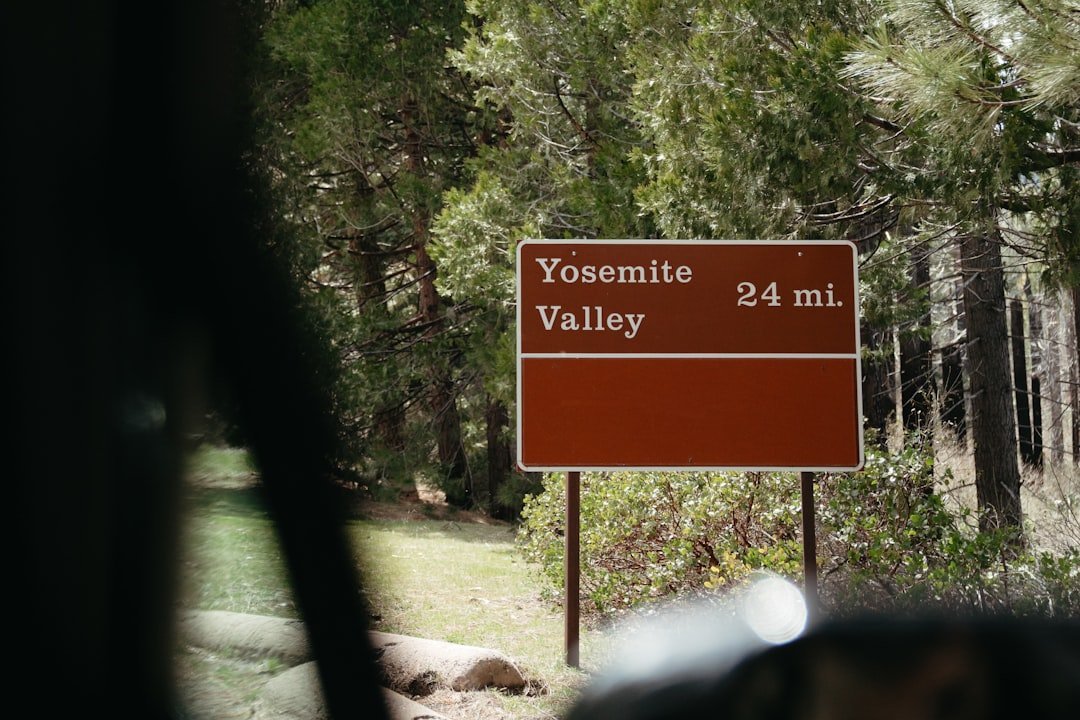
Yosemite Valley is one of the most photographed places on Earth, and the stress that comes with visiting it in summer is proportionate to its fame. The valley floor – where El Capitan, Half Dome, and Bridalveil Fall are concentrated – is a narrow glacial corridor with limited roads, limited parking, and essentially unlimited demand. For years, a timed-entry reservation system helped manage the crush. Then in 2026, the NPS dropped that system entirely, betting on real-time traffic management instead of advance reservations. Nobody knows yet whether that bet will pay off.
Yosemite drew nearly 4.1 million visits in 2024, putting it among the busiest years in recent memory. It ranks fourth for the most packed parking lots in the entire national park system. The Half Dome permit lottery – required just to hike the cables on its most iconic trail – remains one of the most competitive permits in all of outdoor recreation, with thousands of applicants losing every single day. Arriving without a plan at Yosemite in July is less a hiking trip and more an endurance test in a parking lot surrounded by extraordinary scenery.
The Stress Test: America's Most Crowded National Parks
From two-hour entrance lines to parking lots that fill before dawn, America's most iconic landscapes are facing record-breaking crowds. Test your knowledge of the logistical hurdles facing the National Park Service today.
Think you caught the key details? Take the quick quiz and see how sharp your instincts really are.
#1 – Zion National Park: The Most Stressful National Park in America
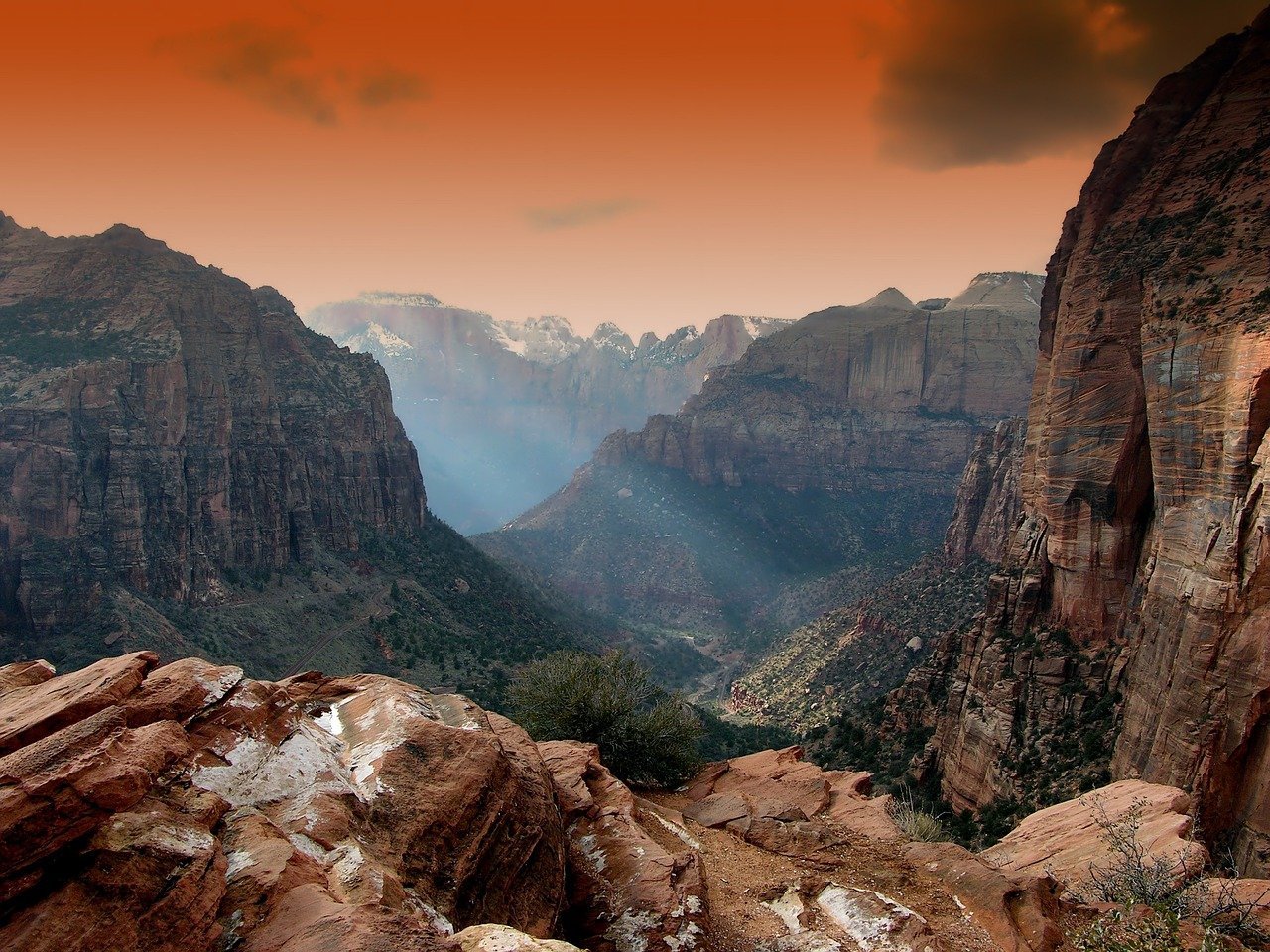
Zion earns the top spot by almost every measurable standard. It’s not the most visited park by raw headcount – that title belongs to Great Smoky Mountains – but it’s the park where limited geography, explosive crowd growth, and infrastructure bottlenecks combine into the most consistently overwhelming experience in the system. The main canyon is accessible by a single road with one entrance and one exit. In peak season, that road becomes a slow-motion procession of shuttle buses, hikers spilling onto the pavement, and first-timers who had no idea it would feel like this.
Zion saw 4,946,592 visitors in 2024 – second highest among all national parks. It ranks first nationally for long waits, with 29.29% of negative reviews mentioning lines and wait times, the highest rate of any park in the country. Visitation in 2025 was up another 7% over a year that was already the second highest on record. Even the Angels Landing hike – the park’s most famous trail – requires a lottery permit that thousands of applicants lose every single day. Every expert who studies park overcrowding lands in the same place: Zion is the most stressful national park experience in America, and the data backs that up every single time.
Why It Stands Out: Zion’s Stress Factors at a Glance
- #1 for wait times: 29.29% of negative reviews cite lines – highest rate of any U.S. national park
- #2 in raw visitors: Nearly 4.95 million in 2024, behind only Great Smoky Mountains
- One-road canyon: A single road in, a single road out – no escape route when shuttle queues back up
- Angels Landing permit: Lottery required; thousands of applicants are rejected every single day
- Still climbing: 2025 visitation was up another 7% over an already record-breaking 2024
The painful irony is that these parks are stressful precisely because they’re extraordinary. The same landscapes that make Zion, Yosemite, and Glacier bucket-list destinations are what funnel millions of people into the same narrow corridors every summer. The National Park Service recorded nearly 332 million visits in 2024 – a historic high – and that surge is colliding directly with federal staffing cuts, frozen seasonal hiring, and shrinking maintenance budgets. More people, fewer rangers, less infrastructure. That’s not a recipe for serenity. If you’ve visited one of these parks and come home more exhausted than rested, you weren’t doing it wrong. The system is just genuinely that strained.