
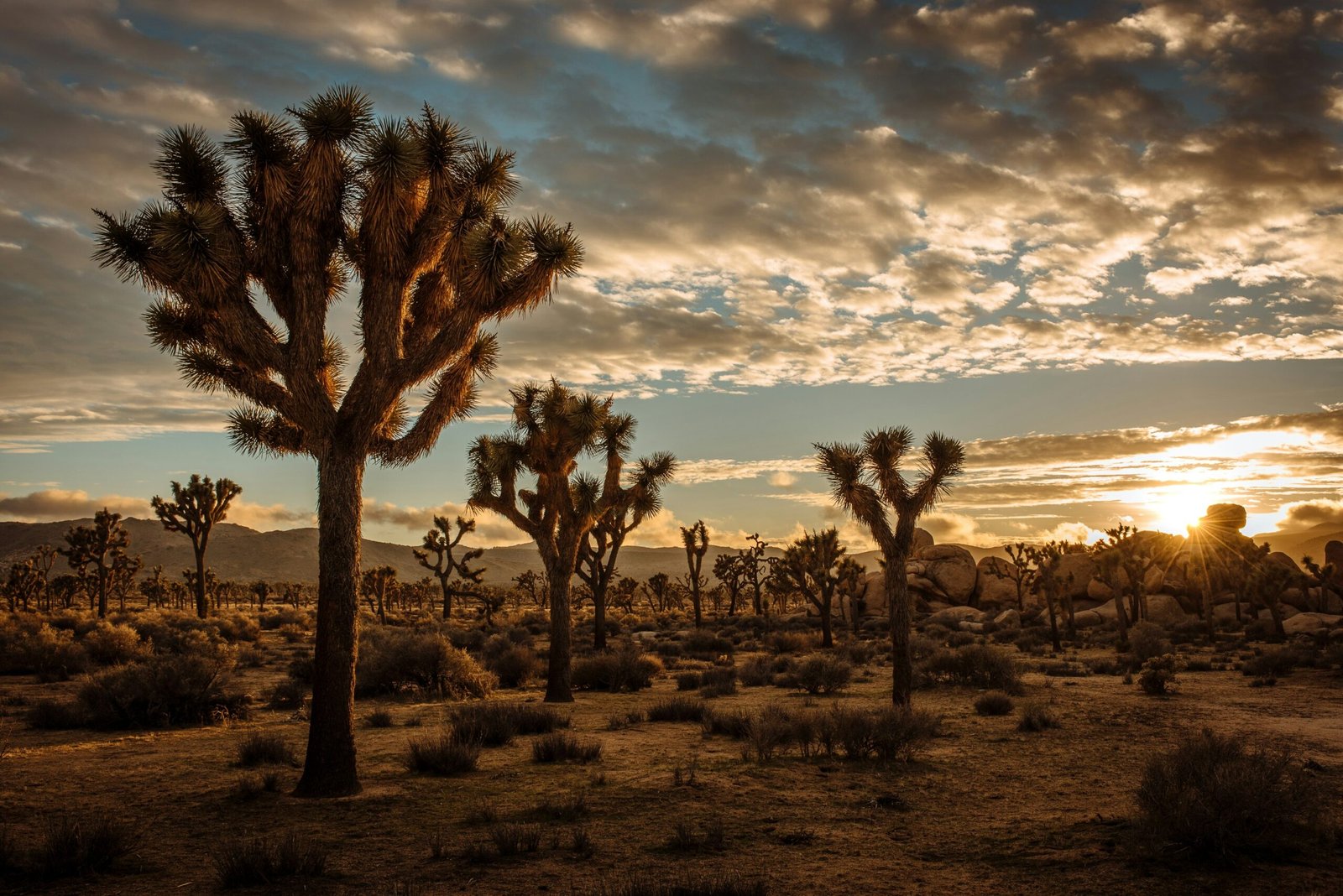
America’s national parks are quietly breaking under the weight of their own popularity – and the rangers who actually work there are starting to say things out loud that the travel industry would rather you never hear. The National Park Service recorded 331.9 million recreation visits in 2024, the highest number ever. On the ground, that translates to eroded trails, harassed wildlife, parking lots that fill before sunrise, and search-and-rescue teams stretched so thin that getting help in an emergency can mean waiting hours. The problem isn’t loving these places. It’s loving them to death, at exactly the wrong moment.
What makes the situation more alarming is the timing. Visitation is surging at the same moment the National Park Service is experiencing a full-blown staffing crisis. Since January 2025, the NPS has lost 24% of its permanent staff – roughly 4,000 people – a reduction that has left parks scrambling to operate with bare-bones crews during peak season. Visitor centers are cutting hours. Ranger-led tours are vanishing. Timed-entry systems that protected fragile landscapes are being stripped away. The parks on this list aren’t just crowded – they’re fragile in ways the Instagram photos will never show you. Some of what rangers are dealing with right now is genuinely shocking.
#15 – Great Smoky Mountains: America’s Most Visited Park Hides a Dirty Secret
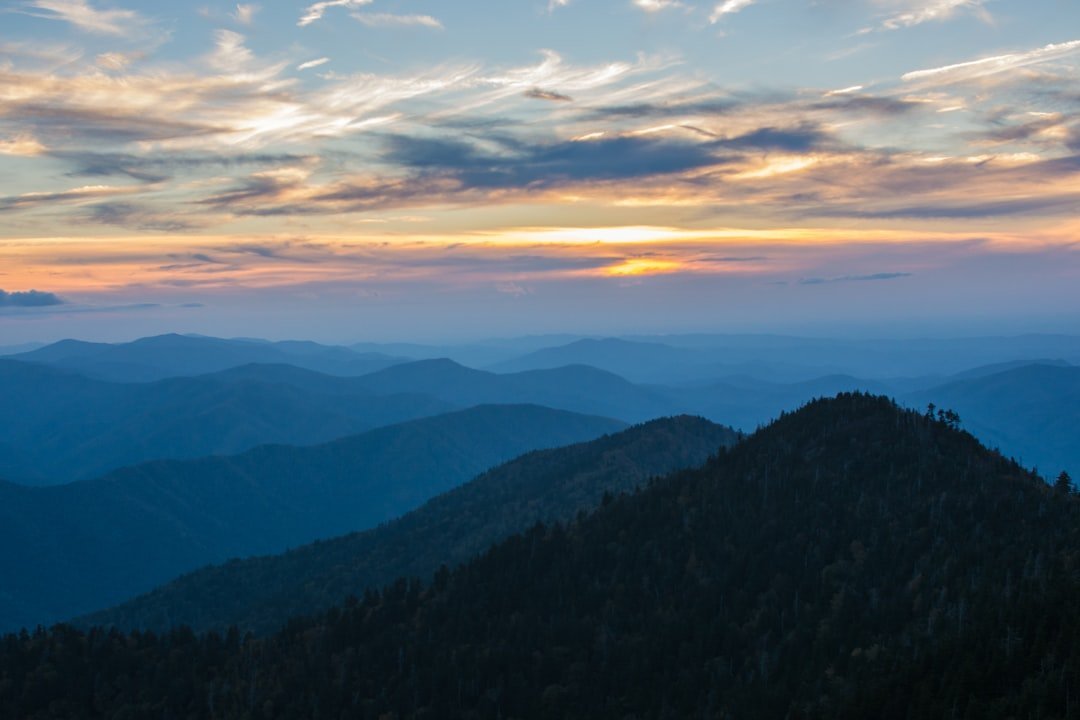
Most people assume the Smokies must be the most overwhelmed park in the country because it logs more visitors than any other – 12.2 million in 2024. But the real problem isn’t the total number; it’s where those millions go. Nearly all of them funnel through a handful of chokepoints: Newfound Gap, Cades Cove, and the Laurel Falls trail. The other 500,000-plus acres? Often nearly empty while the same three spots get crushed.
The Cades Cove loop road – an 11-mile, one-way route – routinely locks up in bumper-to-bumper standstills for three to four hours on fall weekends. Rangers report that visitors regularly stop in the middle of the road to photograph deer, blocking emergency vehicles from getting through. Because the park has no entry fee, there’s zero friction for underprepared day-trippers who arrive without water, maps, or any plan at all – and rangers are the ones left dealing with the consequences.
Fast Facts
- 12.2 million visits in 2024 – more than any other national park
- Roughly 1,900 black bears call the Smokies home – one of the densest populations in the U.S.
- No entry fee and no reservation requirement – zero throttle on the crowds
- Cades Cove loop: 11 miles, one-way, and regularly gridlocked for 3–4 hours on peak weekends
- Federal law: approaching a bear within 150 yards can result in a $5,000 fine and up to 6 months in jail
#14 – Gateway Arch: The Most Densely Packed National Park Nobody Talks About
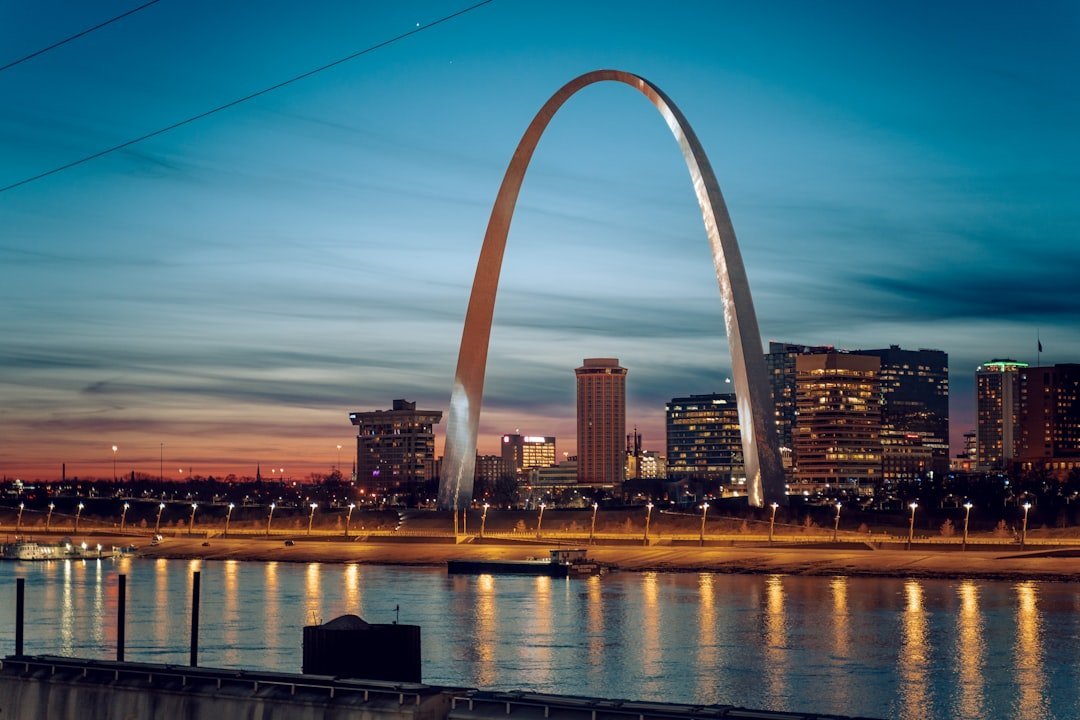
Most people don’t even realize Gateway Arch in St. Louis qualifies as a national park. Almost nobody puts it on a “most overcrowded” list. That’s a serious mistake. At just 192 acres, it’s the smallest unit in the entire national park system – and it draws 2.5 million visitors a year. Do the math and you get roughly 2,777 visitors per acre in peak July. That density dwarfs Yellowstone, the Grand Canyon, and Yosemite by a margin that’s almost hard to believe.
The problem is structural. There is no way to spread 2.5 million people across 192 acres without creating a pressure cooker. Tram lines to the top regularly see wait times exceeding two hours on summer weekends. Rangers stationed inside have described the experience as managing a theme park with national park budgets and staffing. Gateway Arch is the clearest proof that the real overcrowding story isn’t about raw visitor numbers – it’s about density. And by that measure, this sleek stainless-steel arch on the Mississippi is the most stressed site in the system.
#13 – Indiana Dunes: The Fastest-Exploding Crisis in the System
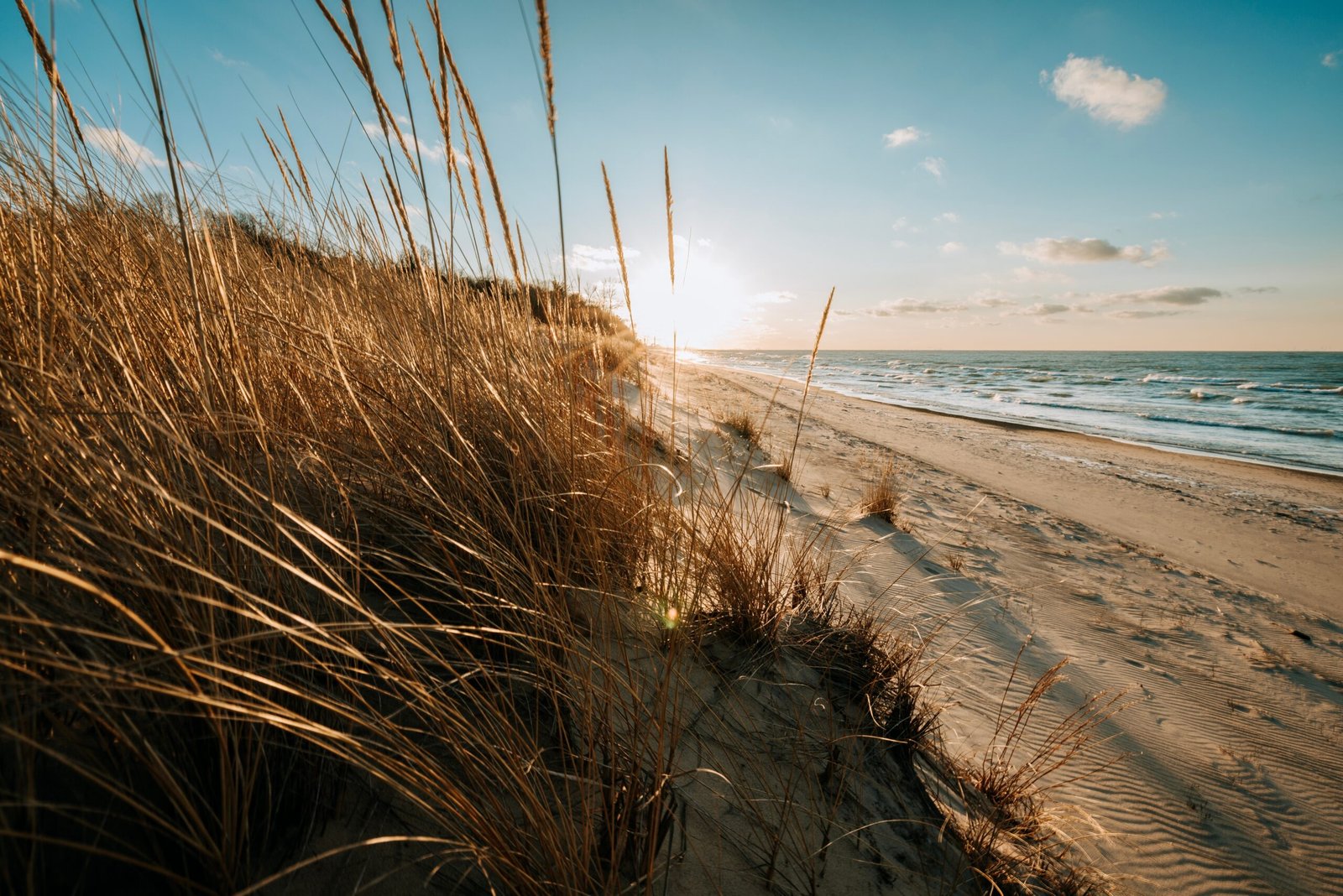
Indiana Dunes is a genuine emergency hiding behind a pleasant name. When Congress redesignated it from a national lakeshore to a full national park in 2019, attendance roughly doubled in five years. The NPS did not double its budget. It did not double its staff. That gap – dramatically more visitors, same crumbling infrastructure, same ranger count – is exactly the equation that turns a manageable park into a dangerous one.
Visitation climbed from 1.76 million in 2019 to 2.7 million in 2024, a 54% jump in five years across just 16,000 acres along Lake Michigan’s southern shore. Then came the staffing cuts. Ranger-led tours were slashed from 575 to approximately 100 in a single year. Four of six supervisors in the interpretive division retired in a wave, taking decades of institutional knowledge with them. Visitors are arriving in record numbers to a park that is rapidly losing the people who know it best – and the people who know how to keep them safe.
At a Glance: Indiana Dunes vs. the Hype
- Redesignated from lakeshore to national park in 2019 – popularity exploded almost overnight
- 54% visitation surge in 5 years: 1.76M (2019) → 2.7M (2024)
- Ranger-led programs collapsed from 575 to ~100 in a single year
- Just 16,000 acres to absorb nearly 3 million annual visitors
#12 – Acadia: Maine’s Most Beautiful Park Has a Hidden Emergency Problem
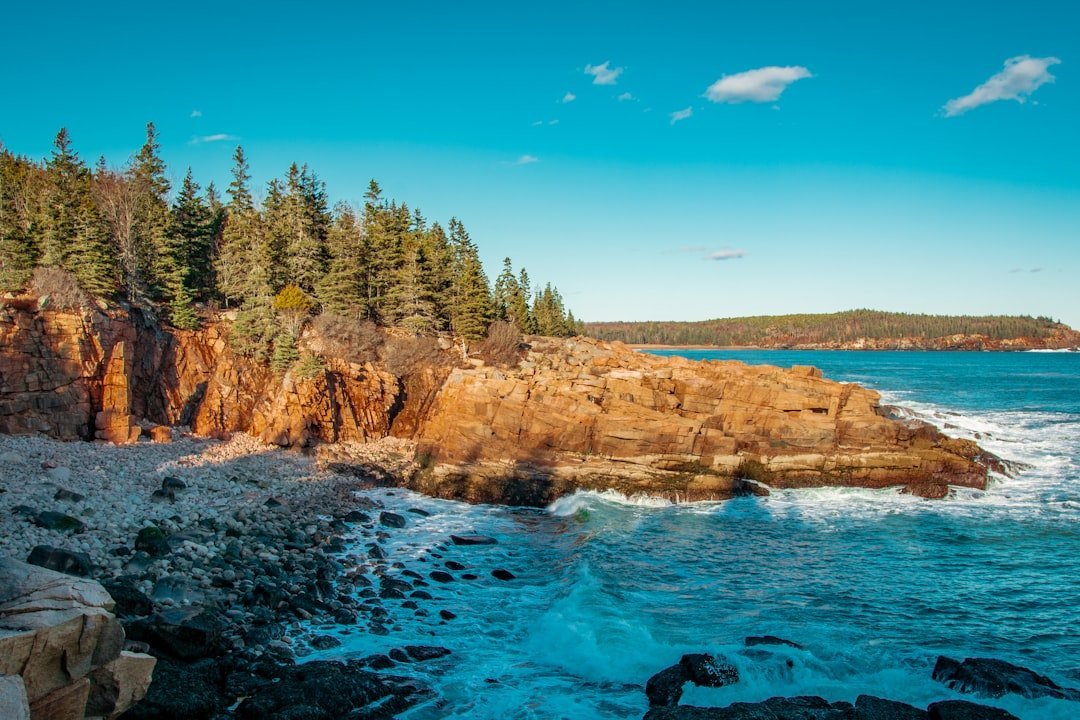
Acadia National Park looks serene in every photograph you’ve ever seen – rocky coastline, quiet carriage roads, morning fog over the ocean. Peak August in reality is something else entirely. Acadia’s 49,000 acres on Mount Desert Island hosted nearly 4 million visitors in 2024. Parking lots along the Park Loop Road fill by 9 a.m. in July and August. The park implemented a timed-entry reservation system for Cadillac Summit Road in 2021, which helped some, but the pressure hasn’t eased.
The most alarming consequence here isn’t inconvenience – it’s emergency response. Gridlock inside the park has caused documented delays in getting emergency vehicles to people who needed help. Rangers have repeatedly flagged this as the single most dangerous side effect of Acadia’s overcrowding, and yet summer visitor counts keep climbing. When a traffic jam inside a national park means a medical emergency gets a slower response, overcrowding has crossed from an annoyance into a life-threatening problem.
The National Park Overcrowding Crisis
As visitation hits record highs, America's most iconic landscapes are facing a staffing and ecological breaking point. Test your knowledge on the current state of the National Park Service.
Think you caught the key details? Take the quick quiz and see how sharp your instincts really are.
#11 – Rocky Mountain: The Guardrails Just Came Off
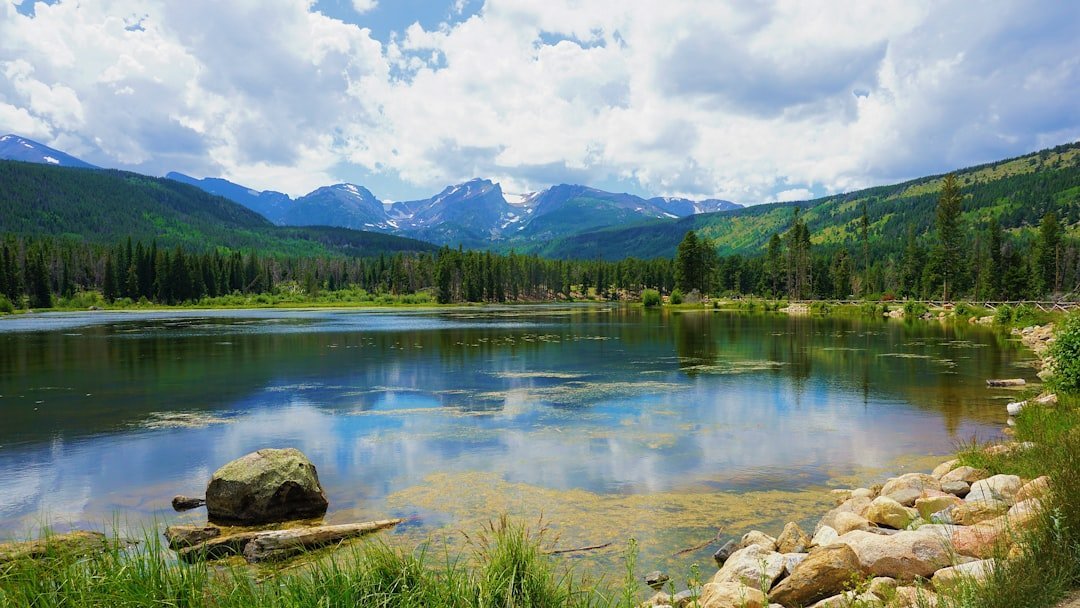
Rocky Mountain National Park earns every superlative – tundra ecosystems, massive elk herds, alpine peaks that feel like the edge of the world. It also earned a timed-entry reservation system specifically designed to protect those fragile high-elevation environments from being overwhelmed. That system is now gone. The National Park Service eliminated timed-entry reservations at Rocky Mountain, and conservation groups reacted with alarm. The crowds that were already straining the park’s infrastructure are coming back without any throttle.
Rocky Mountain’s accessible trailheads and scenic drives concentrate enormous numbers of visitors into a small number of entry points, creating traffic congestion and parking gridlock that rangers are poorly equipped to manage without crowd-control tools. Trail erosion and wildlife disruption were the exact problems the reservation system was designed to address. Without those guardrails, rangers are left scrambling – watching the damage accumulate in real time with fewer tools and fewer colleagues than they had even two years ago.
#10 – Joshua Tree: Instagram Created a Slow-Motion Desert Emergency
Joshua Tree wasn’t always a household name. Then social media turned it into a bucket-list destination, and the desert started paying the price. The core problem with desert overcrowding is ecological: a temperate forest can bounce back from foot traffic in a season. A Mojave Desert ecosystem crushed by millions of footsteps can take decades – sometimes longer – to recover. The strange, twisted trees and fragile cryptobiotic soil crusts that make Joshua Tree iconic are being quietly dismantled by the crowds who come to see them.
Staffing cuts have made the crisis harder to manage. Rangers at Joshua Tree are among those struggling with search and rescue, law enforcement, and even basic medical services as a direct result of the NPS-wide cuts. Fewer visitors are getting the safety briefings that help prevent accidents, and the absence of rangers is fueling a rise in unauthorized camping, litter, and trail damage. Search-and-rescue call-outs are expected to increase as a direct result. The desert that lured millions with its otherworldly beauty is now one of the system’s most vulnerable and understaffed parks.
#9 – Bryce Canyon: Tiny Park, Massive Damage Hiding in Plain Sight
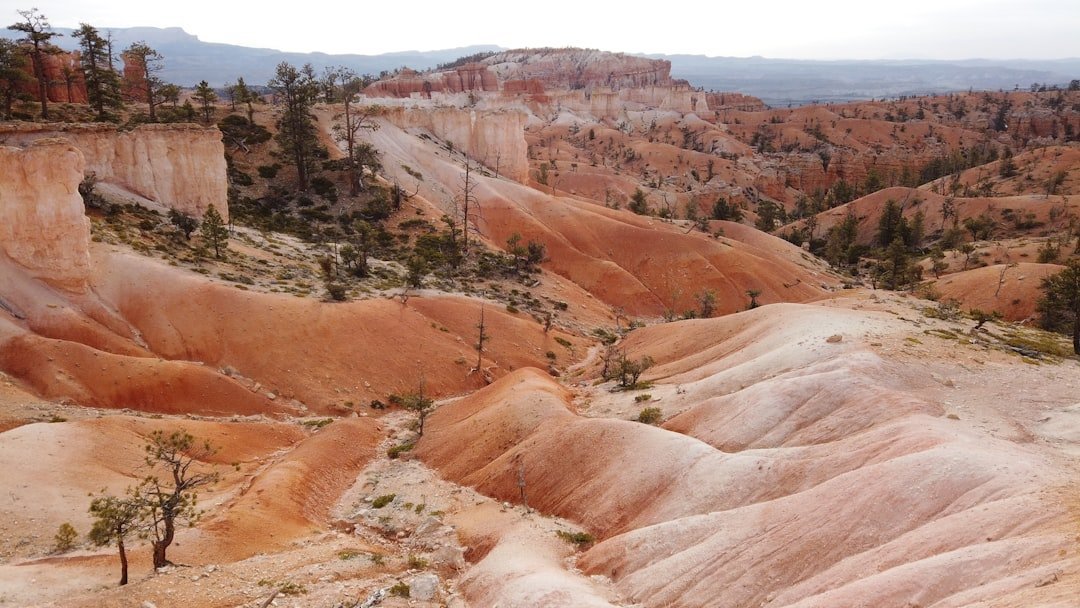
Bryce Canyon is one of the most geometrically spectacular places on earth. The hoodoos, the amphitheaters, the pink-and-orange glow at sunrise – it looks like a planet that doesn’t exist. It’s also, acre for acre, one of the most overcrowded parks in the West, and most visitors have absolutely no idea. At 35,835 acres, Bryce is the second-smallest of Utah’s “Mighty Five” parks. It drew nearly 2.5 million visitors in 2024. That’s a density problem no shuttle system can fully solve.
The damage that density causes is both heartbreaking and irreversible on any human timescale. The hoodoos – those famous orange rock spires – are being physically worn away faster than they would naturally erode, and rangers are watching it happen in real time. Heavy foot traffic is accelerating erosion at the very formations people drove hundreds of miles to see. The brutal irony: the act of visiting is destroying the reason to visit. Bryce Canyon is a place where the math of mass tourism has become genuinely cruel.
Quick Compare: Utah’s “Mighty Five” by Crowding Pressure
- Zion – 5M+ visits, narrow canyon corridors, shuttle system at capacity
- Arches – Timed-entry system eliminated; gate-to-gate backups documented
- Bryce Canyon – 2nd smallest park, ~2.5M visits, hoodoos eroding faster than natural rate
- Canyonlands – Far less visited; rangers consistently recommend it as the smarter alternative
- Capitol Reef – Still largely uncrowded; the overlooked gem of the five
#8 – Glacier: The Reservation System Is Gone and Rangers Are Bracing
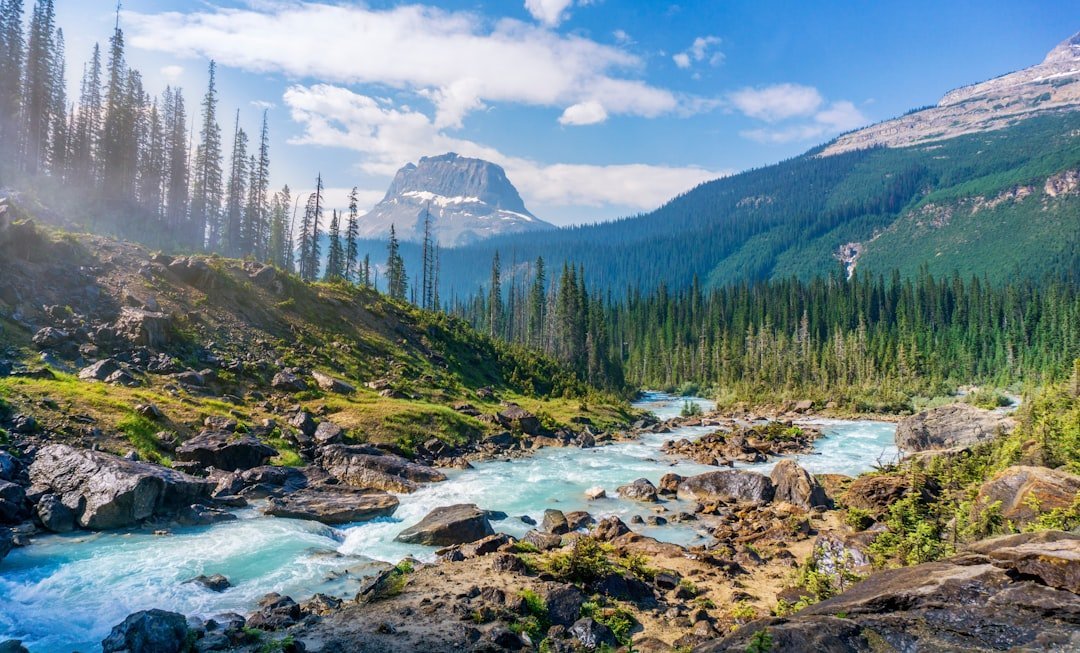
Glacier National Park in Montana is one of the most breathtaking places in North America – and it’s heading into one of its most chaotic visitor seasons in years. The Department of the Interior lifted timed-entry reservation requirements at Glacier, a decision that alarmed rangers and conservationists alike. During a previous period when the reservation system was suspended, visitors reported spending more than two hours in car lines just to reach the entrance gate. Glacier also experienced its busiest May on record in 2025, up 12% from the prior year – and in 2026, those crowds return without advance reservations to manage them.
Glacier is also, as its name implies, disappearing. The park’s glaciers have been shrinking for decades, and the science tracking that loss depends on access and stability that an overwhelmed visitor environment makes harder to maintain. Human activities – hiking off designated paths, improper waste disposal, soil compaction – exacerbate environmental damage that the park’s dwindling ranger staff struggles to address. At times in 2025, entrance stations at Glacier went entirely unstaffed during normal hours, impacting the fee revenue the park relies on to pay remaining staff. Rangers have described the current situation as trying to protect something that’s already shrinking while managing a crowd that doesn’t fully realize what they’re about to lose.
#7 – Shenandoah: The East Coast’s Quietly Exploding Crisis
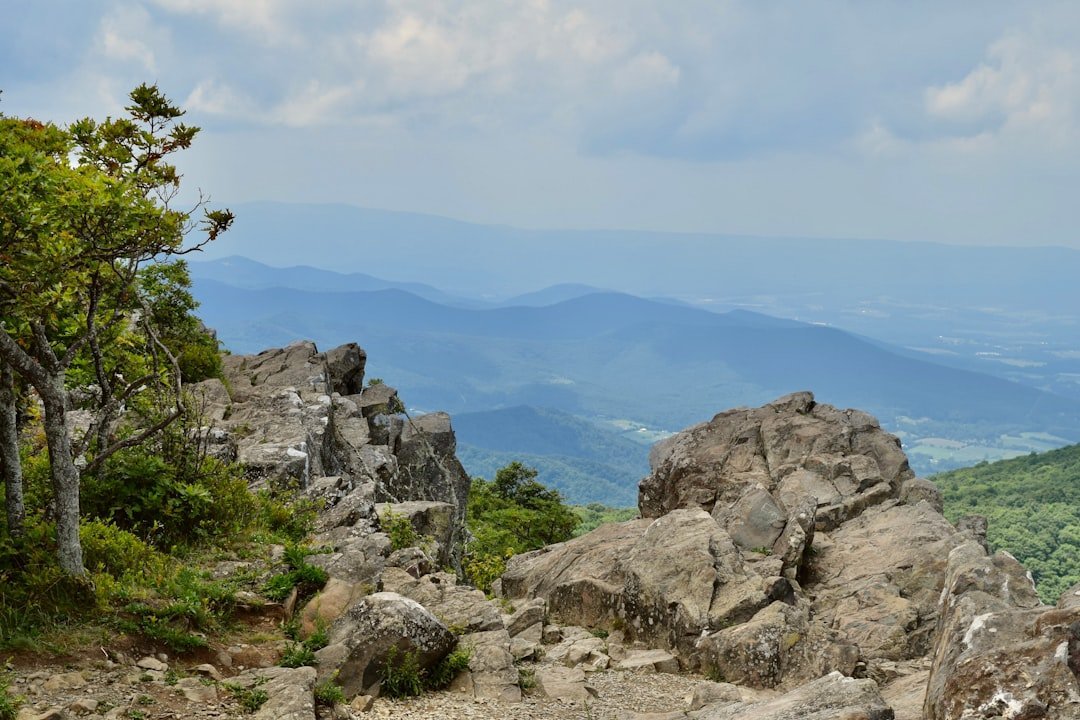
Shenandoah doesn’t get the viral attention of the western parks, but it’s been quietly exploding in popularity – and the consequences are mounting fast. Visitation jumped more than 20% compared to 2019, one of the steepest growth rates in the eastern park system. Easy access from Washington D.C., Baltimore, and Richmond means the park absorbs huge weekend surges with limited infrastructure to handle them. Parking lots overflow, trail congestion peaks on summer and fall weekends, and Skyline Drive – the 105-mile scenic road that forms the park’s spine – regularly resembles a suburban highway in October.
A timed-entry reservation system has been used to try to control the flow, but staffing cuts have complicated enforcement and reduced the number of rangers available to manage the crowds that do arrive. Fee collectors and trail maintenance employees were among those laid off, raising concern that trails could become dangerously difficult to pass after heavy rains. For millions of East Coasters, Shenandoah is the first national park they’ve ever set foot in. Right now, with understaffed facilities and overcrowded trails, it isn’t exactly making the case for why these places deserve to be protected.
#6 – Grand Canyon: Plague Monitoring Has Been Suspended
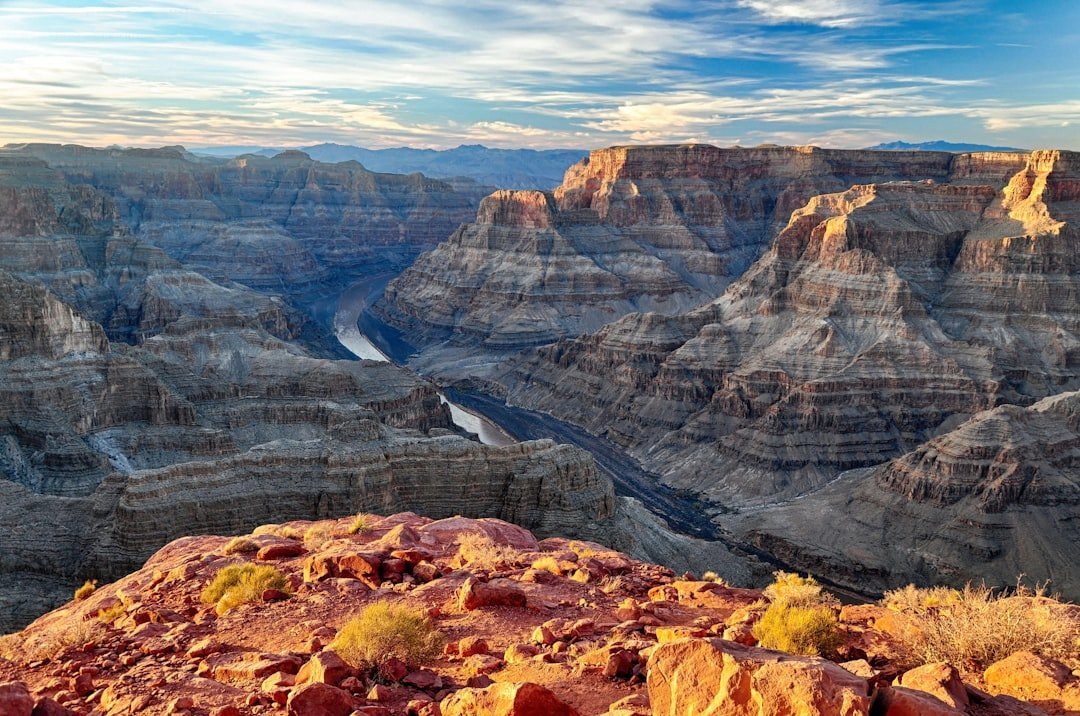
The Grand Canyon is one of the seven natural wonders of the world, and it is being stressed in ways that would stun the geologists who first mapped it. Overcrowding at rim viewpoints and along the Rim Trail has made it difficult for staff to ensure safety and preserve the fragile environment. Hiking trails experience severe erosion in summer months. Trash accumulation and human interference with wildlife threaten native species. These are serious problems – but they’re not the most alarming thing happening at Grand Canyon right now.
Staffing cuts have suspended plague monitoring at the park. That’s not a bureaucratic footnote. Plague is endemic in Grand Canyon’s rodent population, and rangers have historically managed the risk to visitors through active surveillance and response. Fewer rangers also means reduced ability to respond to visitor-wildlife interactions, less pest management, and diminished monitoring for rabies, hantavirus, and other zoonotic diseases. One of the most visited places in America is now operating with fewer public health safeguards than it had five years ago – and most visitors arriving at the South Rim have no idea.
“Park Rangers are doing the work of multiple people, visitor centers are closing, and morale has never been lower.”
Association of National Park Rangers
#5 – Yellowstone: The Bison Selfie Problem Has Gotten Measurably Worse
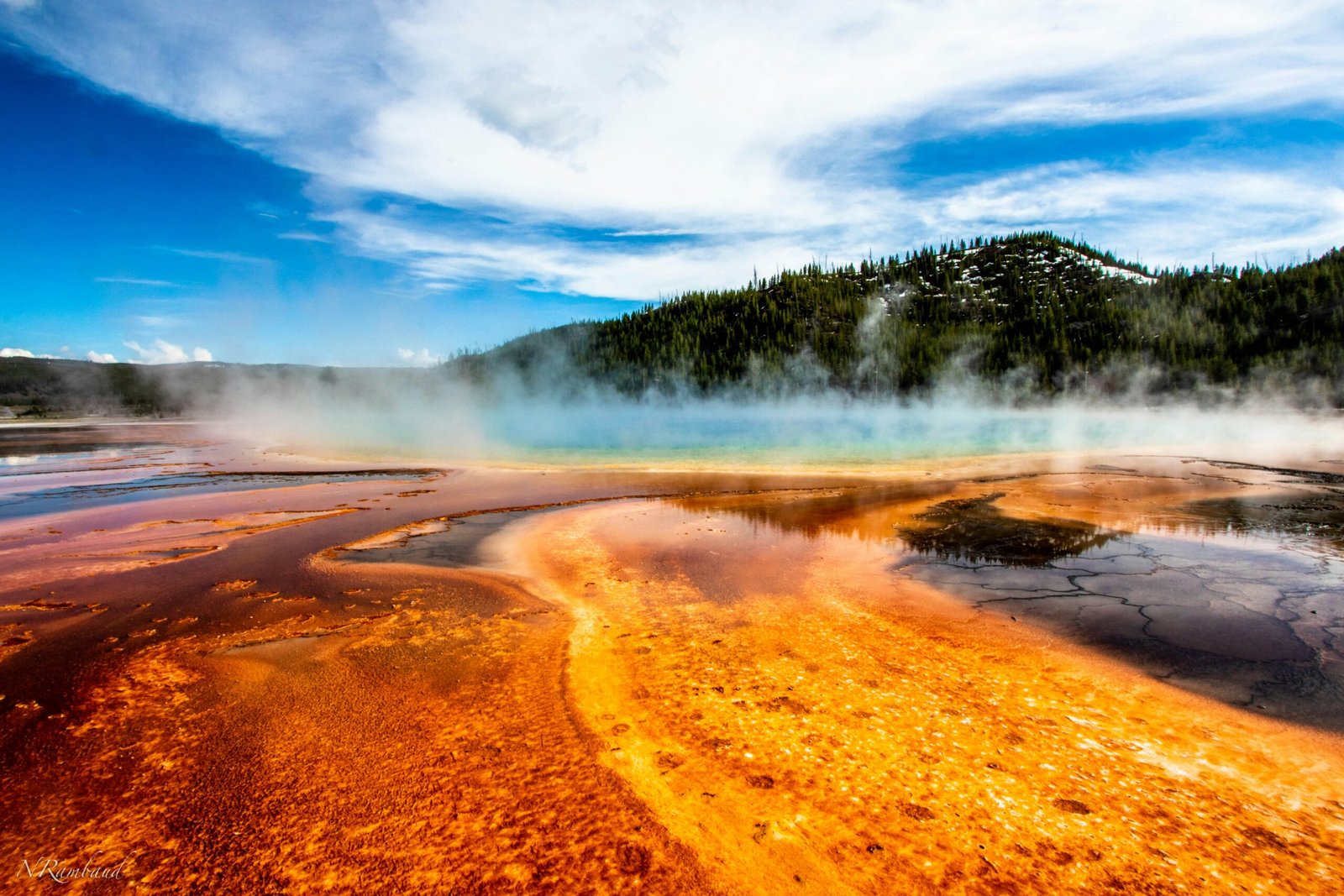
Yellowstone is the park most Americans picture when they hear the words “national park,” and it has become ground zero for a specific kind of visitor behavior that drives rangers to the edge of their patience. Approaching bison for photographs. Tossing objects into hot springs. Hiking off boardwalks in thermal areas where the ground can collapse without warning. Rangers describe the bison approach problem as an almost daily occurrence in summer months. Visitors who see a 2,000-pound animal as a photo opportunity don’t understand what’s about to happen – and rangers are left managing the aftermath of decisions they had no chance to prevent.
Annual visitation at Yellowstone has climbed more than 40% since 2008. May 2025 was the park’s busiest May on record, with 566,363 visits – nearly 20% more than May 2021. And yet backcountry permits regularly go unused even at peak season. The crowds aren’t spreading across Yellowstone’s 2.2 million acres. They’re concentrating on the paved roads and famous pullouts, creating unbearable pressure in a tiny fraction of the park while the wilderness sits largely empty. Rangers know the backcountry is the answer. Most visitors never even consider it.
#4 – Arches: The Timed-Entry System Is Gone and the Damage Is Already Documented
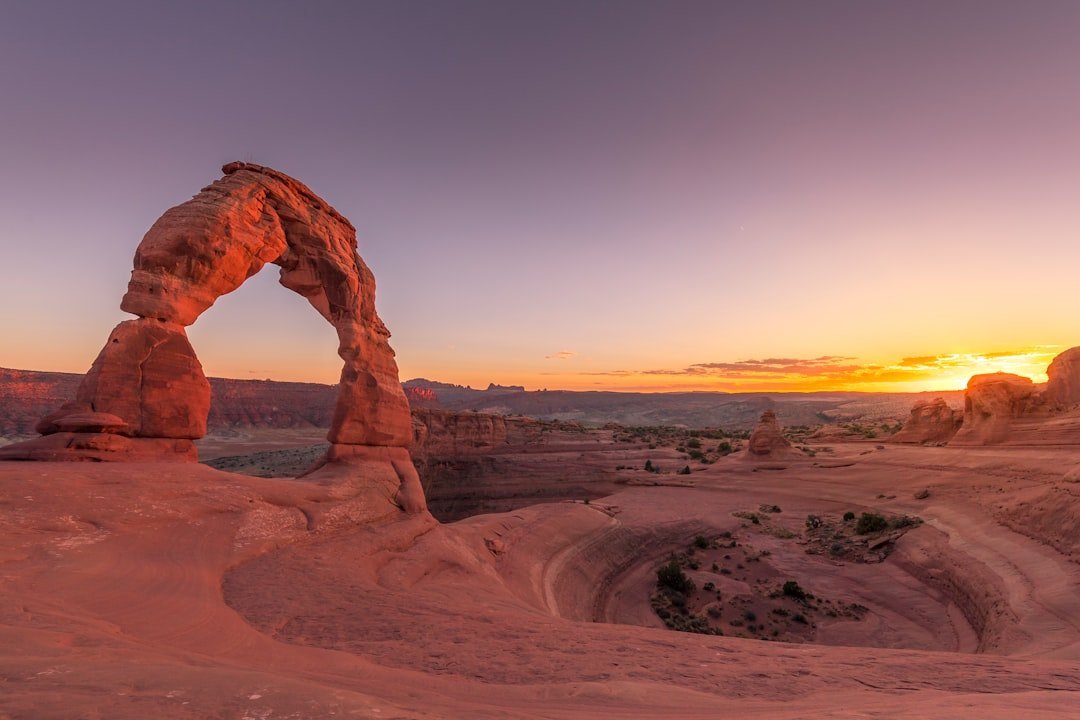
Arches National Park in Utah contains some of the most photographed rock formations on earth, and it spent years fighting a losing battle against its own viral fame – then lost a key weapon. The timed-entry reservation system introduced in 2022 has been eliminated. Before that system existed, cars backed up at the entry gate for close to a mile on busy days. Parking lots jammed. Trail congestion became so severe that on the busiest days, rangers had to shut the gates and turn visitors away – including people who had traveled internationally to be there.
The formations that define Arches are irreplaceable in any practical sense. The delicate sandstone arches can be affected by soil compaction, vibration from nearby foot traffic, and the slow damage of millions of visits accumulating over time. Once compromised, they do not heal. The National Parks Conservation Association has warned that without any crowd management in place, visitors can expect traffic jams, packed parking lots, and congested trails all summer. Rangers know what’s coming. The question isn’t whether the damage will worsen – it’s how much, and how fast.
#3 – Yosemite: The Giant Sequoias Are Being Quietly Killed by Kindness
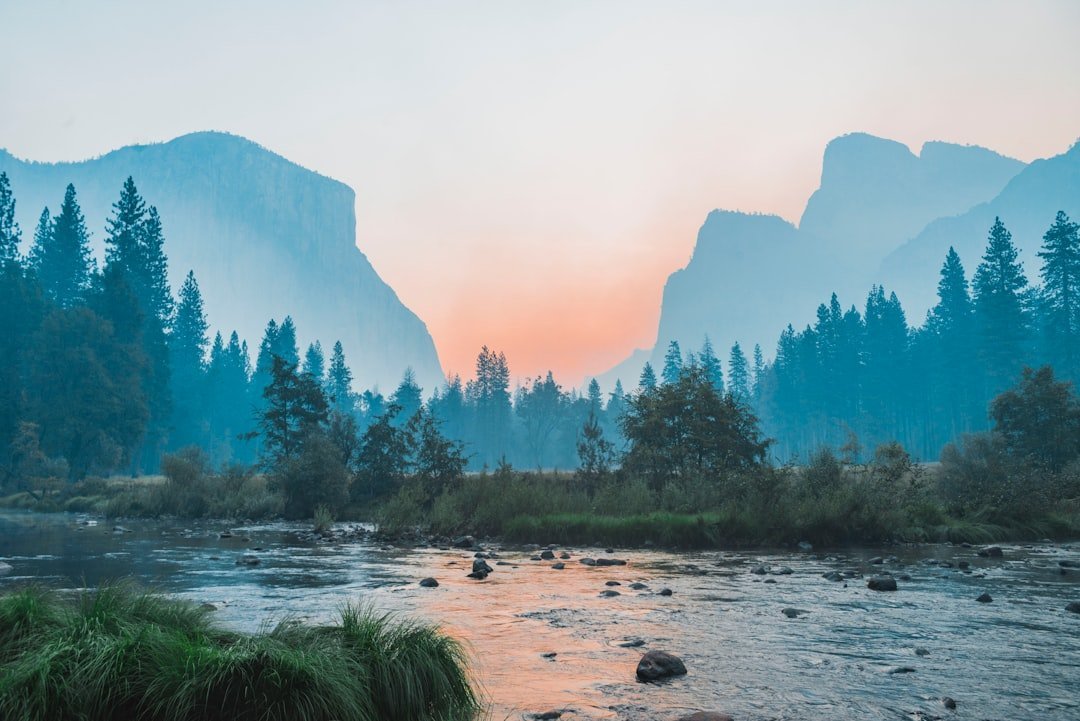
Yosemite is the park that launched the entire national park idea. John Muir fought for it. Congress enshrined it. And right now, the giant sequoias that help define it are being damaged by the sheer volume of people who come to stand beneath them. Overcrowding was documented as damaging the shallow root systems of the sequoias long before the current staffing crisis. The NPS built a raised walkway to partially address the problem, but foot traffic, vehicle congestion, and soil compaction around the trees remain ongoing concerns. Some of these trees are over 3,000 years old. The idea that weekend tourism is compressing their roots should alarm anyone who’s ever looked up at one.
The timed-entry reservation system that helped manage Yosemite’s crowds has been dismantled, effective through peak summer. One gate employee reported his team dropped from 14 to 9 members as a result of government staffing policies – and because of hiring delays, there “wasn’t a lot of time to get the information out there” about how visitor systems even work. And here’s the detail that makes the crowding problem especially concentrated: Yosemite Valley covers just seven square miles of the park’s 1,169 square miles, yet absorbs roughly 80% of all visitor traffic. The damage isn’t spread across the park. It is piled, intensely, onto the most ecologically sensitive terrain in the whole reserve.
Worth Knowing: What Yosemite’s Staffing Cuts Actually Mean on the Ground
- Gate teams have shrunk by 35% or more at some entry points since early 2025
- Yosemite’s hospitality contractor was rated “unsatisfactory” by NPS inspections in 2024
- Ranger-led programs suspended at times due to staff shortages – volunteers are filling the gaps
- Sequoias in Mariposa Grove are over 3,000 years old; root compaction damage from foot traffic is irreversible
- Yosemite Valley = 7 sq. miles absorbing ~80% of all park traffic in 1,169 total sq. miles
#2 – Zion: The Park Rangers Called “Disneyland” Before People Died on the Trail
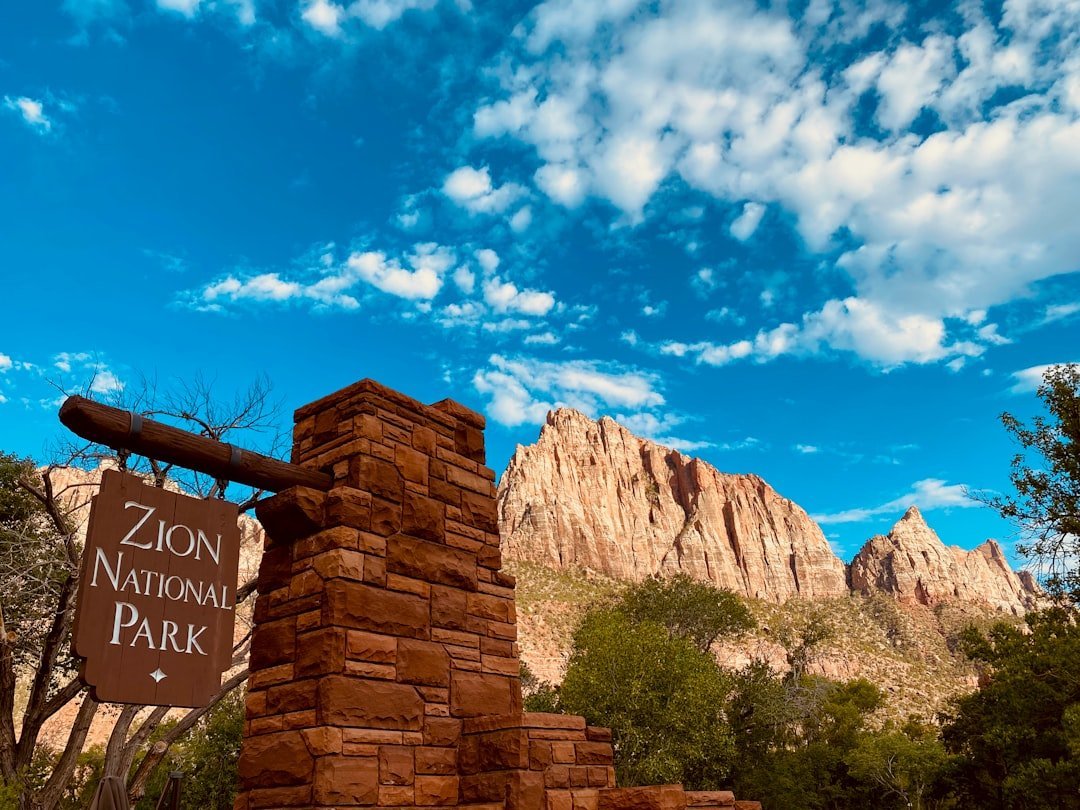
Rangers at Zion National Park watched their wilderness sanctuary transform into something unrecognizable – and they started saying so out loud. The phrase they landed on was “the Disneyland of national parks.” Shuttle buses packed tighter than rush-hour subway cars haul visitors through the canyon. The famous Narrows hike, one of the most extraordinary slot canyon experiences in the world, now sees hundreds of people wading up the riverbed simultaneously. The solitude that once defined Zion isn’t just diminished; for most visitors during peak season, it’s completely gone.
The Angels Landing crisis put a sharper edge on what overcrowding actually costs. Zion logged over 5 million visitors in 2021. Thousands flocked to Angels Landing each day, creating wait lines snaking three-quarters of a mile down from the summit chains. Overcrowding has been cited as a contributing factor in approximately 16 deaths on that trail since 2000 – and the NPS eventually introduced a lottery permit system specifically to make the hike survivable. People died on this trail, in part, because it was too crowded for anyone to move safely. That’s not a metaphor for what overcrowding does to the national parks. It’s a documented, literal consequence.
The National Park Overcrowding Crisis
As visitation hits record highs, America's most iconic landscapes are facing a staffing and ecological breaking point. Test your knowledge on the current state of the National Park Service.
Think you caught the key details? Take the quick quiz and see how sharp your instincts really are.
#1 – Great Smoky Mountains in October: Rangers Call It the Worst Experience in the System
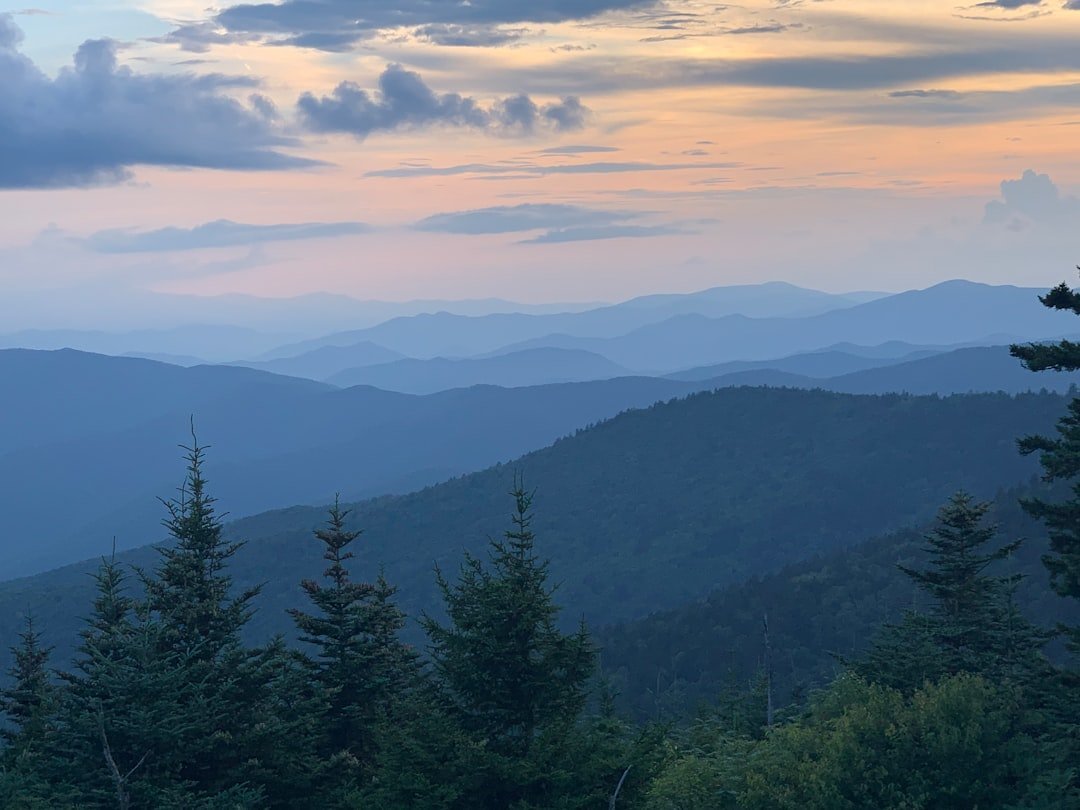
Pick any park on this list and you’ll find overcrowding. But rangers – current, former, and retired – consistently describe one specific scenario as the single worst visitor experience in the entire national park system: Great Smoky Mountains in October. This isn’t anecdotal grumbling. The Smokies draw over 12 million people annually with no entry fee, no reservation requirement, and a ranger force that has been reduced at the exact moment it needs to grow. In October, the foliage-chasing crowd multiplies every existing problem – congestion, wildlife harassment, trail erosion, illegal parking – and concentrates it across a three-to-four-week window with no relief valve.
The wildlife toll is where it gets hardest to read. In 2024, there were a near-record number of bears euthanized by Tennessee wildlife authorities because they had become public safety risks after being food-conditioned by visitors. The Smokies are home to roughly 1,900 black bears – one of the densest populations in the country – and when humans keep feeding or approaching them, the bear pays the price, not the tourist. Native wildflowers disappear as visitors step off designated paths for a better angle, destroying plant communities that took centuries to establish, in seconds. With staffing reduced, every search-and-rescue call stretches capacity to its limit. The rangers who used to be stationed nearby to warn you – about the bear, the trail condition, the weather rolling in – may simply no longer be there.
The national parks belong to every American. That’s the whole point, and it’s worth defending. But rangers across the country are sounding an alarm that the travel industry and social media keep drowning out: overcrowding is damaging the parks themselves, not just the visitor experience. The most powerful thing you can do right now isn’t to stop visiting forever – it’s to go in shoulder season, go on a weekday, explore somewhere that isn’t on every influencer’s checklist, and give the iconic spots a moment to breathe. These landscapes took millions of years to form. They deserve better than what’s happening to them right now.