
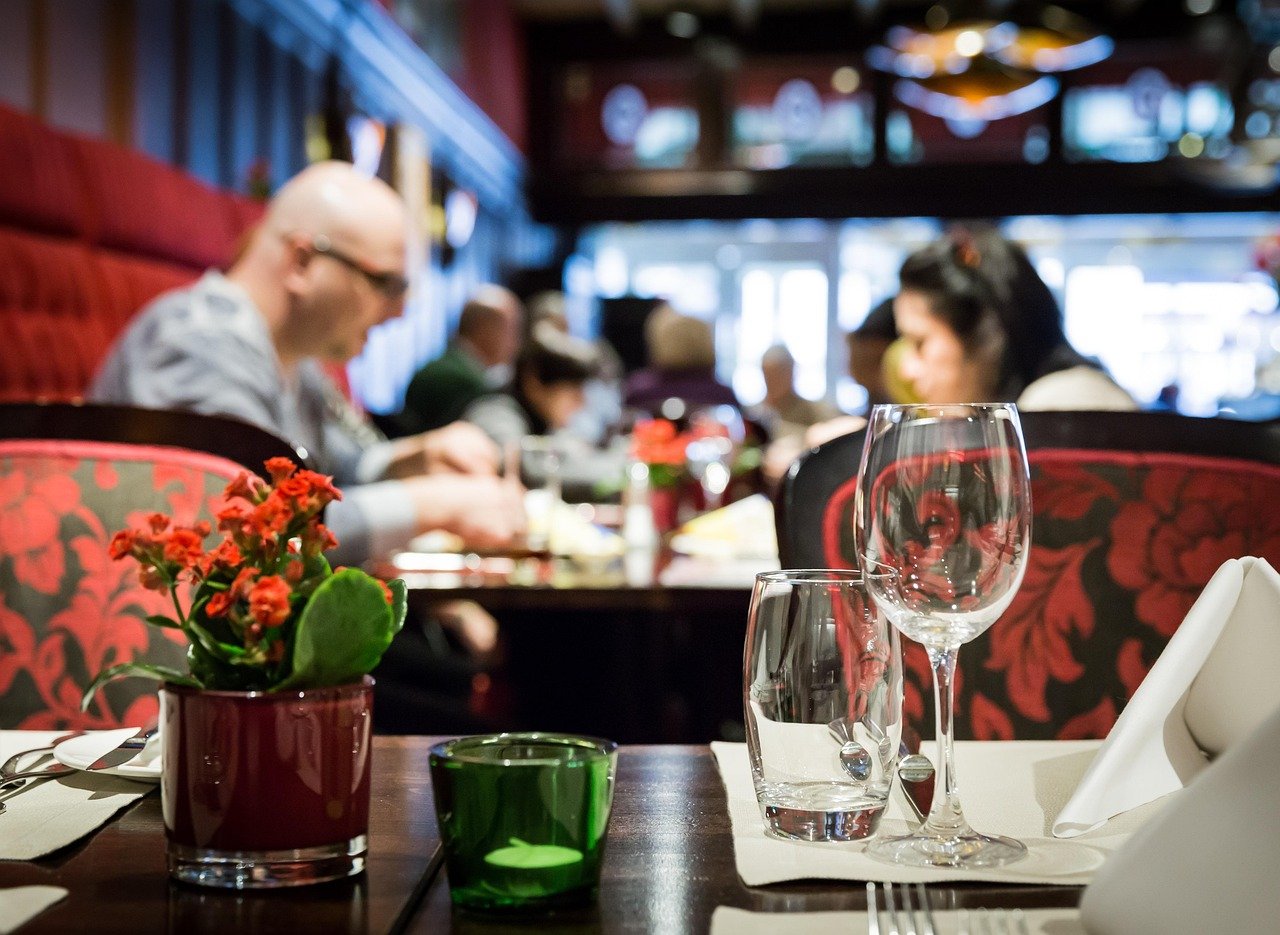
You haven’t touched the menu. Nobody’s taken your drink order. The waiter is still three tables away. And yet – you’ve already been sized up. Experienced servers build a mental profile of every table the moment guests walk through the door, and by the time they say “Hi, my name is…” they’ve already answered a dozen quiet questions about who you are and what kind of table you’re going to be.
Some of what they notice will genuinely surprise you. A few of it will make you rethink the last restaurant visit you had. And at least one item on this list will change how you walk into a dining room for the rest of your life. Here’s exactly what servers have already clocked before they ever say hello – counting down to the one that matters most.
#16 – How You Walked Through the Door
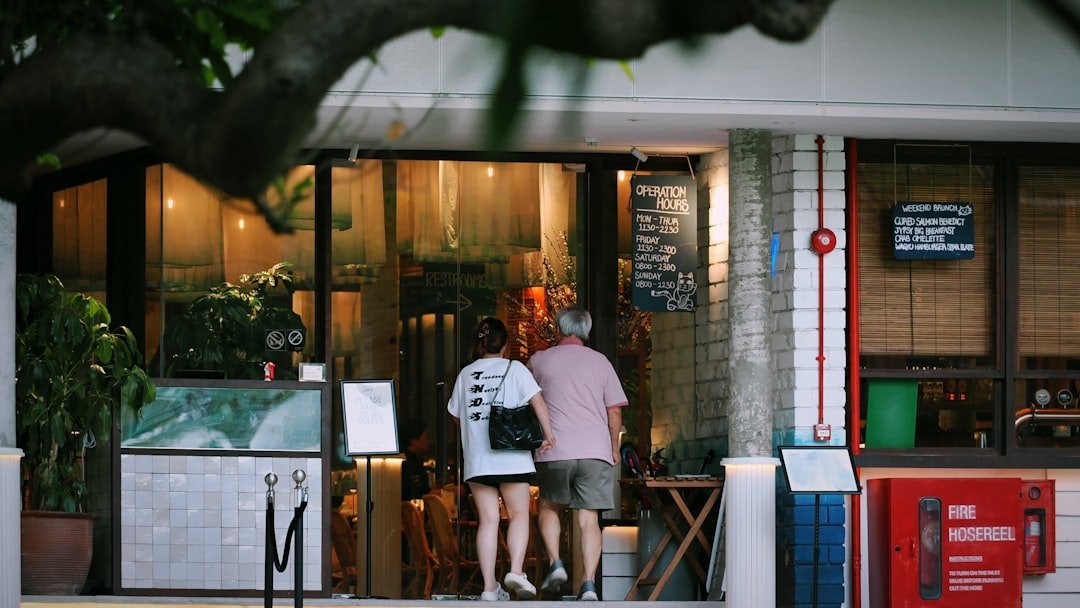
Your entrance is the opening line of a story your server is already reading. A guest who strides in and scans the room with purpose signals something completely different from someone who shuffles in looking like they’re not sure they want to be there. Servers aren’t being judgmental – they’re being efficient. Your walk tells them whether to expect someone decisive or someone who’s going to need hand-holding through every course.
Pace and posture in those first few seconds also hint at urgency. Someone moving quickly and checking the time is probably on a schedule. Someone drifting in and taking in the room is in no rush whatsoever. Before a single word is exchanged, your entrance has already answered one of the server’s most important questions: how much energy is this table going to require?
At a Glance
- Fast stride + room scan = decisive guest, likely efficient order
- Slow drift + eyes wandering = relaxed diner, no rush, open to suggestions
- Checking phone or watch at the door = time-pressured, needs quick pacing
- Hesitant shuffle, looking lost = possible first-timer, guide them early
#15 – Your Posture the Moment You Sit Down
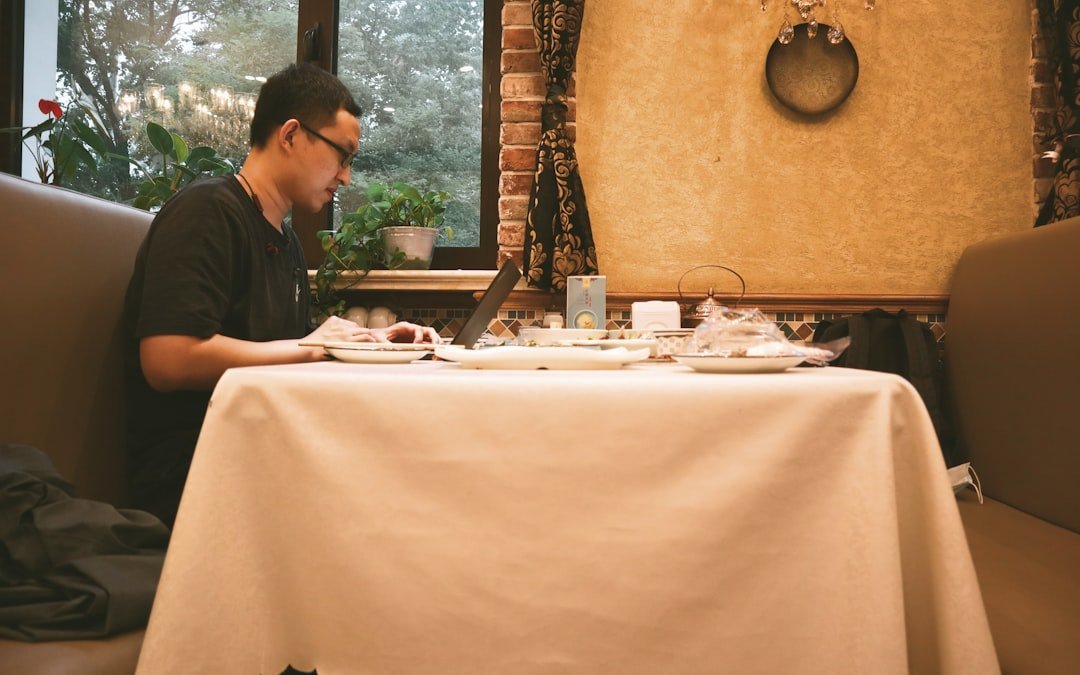
The second you pull out your chair, your body is already talking. Crossed arms and minimal eye contact often signal a diner who’s already frustrated – or at minimum, not in a generous mood. Relaxed shoulders and open gestures signal someone easygoing. Servers use this to decide how to calibrate their opening energy: warmer and chattier, or crisp and efficient. It’s not a character judgment. It’s a service decision.
Experienced servers will tell you that a closed-off posture can quietly change the texture of the whole meal – not out of spite, but because a good server knows when to give someone space and when to lean in. A tense guest pushed into cheerful small talk usually gets more uncomfortable, not less. Your body language is essentially sending a service preference before you’ve ordered a glass of water.
#14 – Whether You Acknowledged the Host
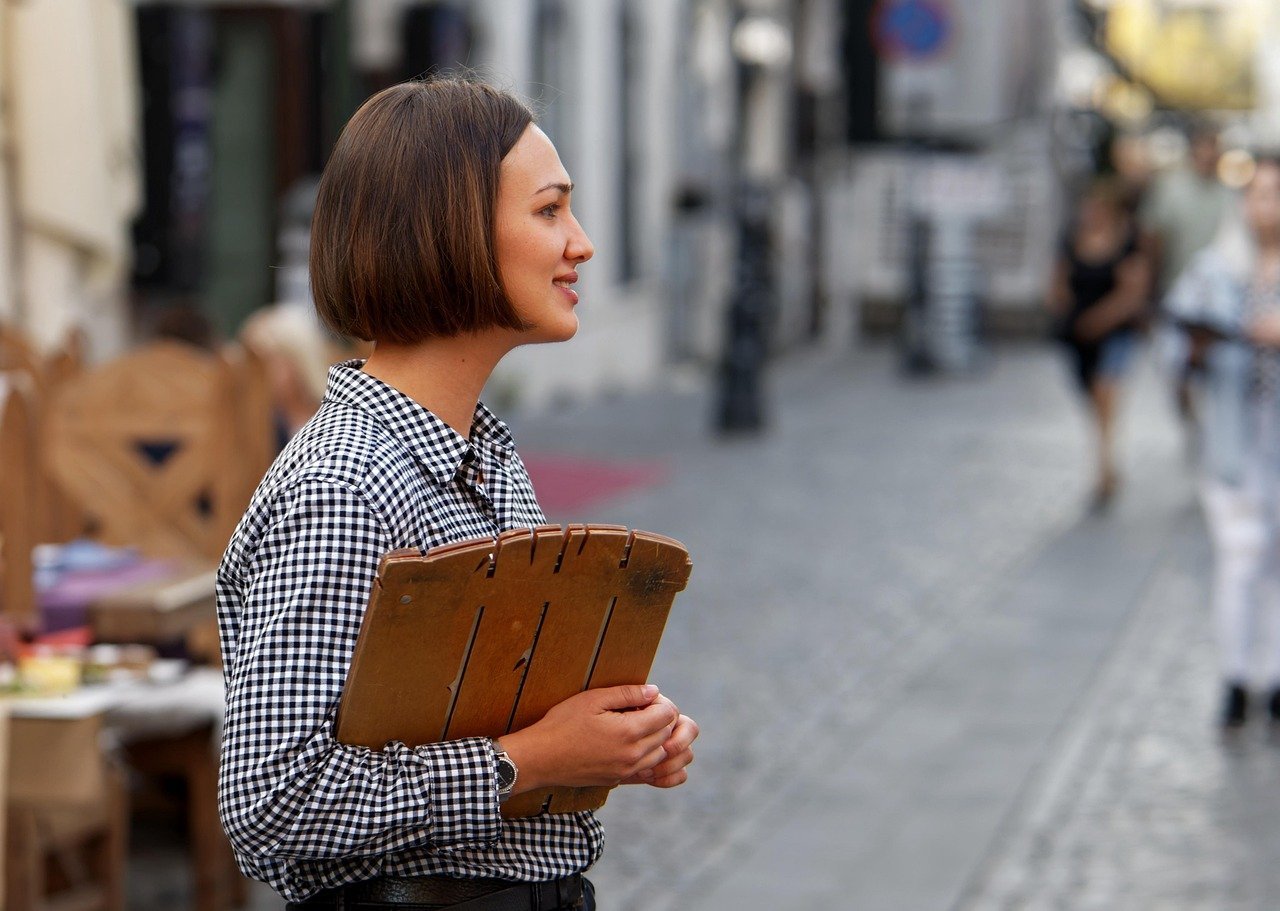
Here’s one that catches people off guard: your server may already know exactly how you behaved at the host stand before they’ve laid eyes on you. Restaurant floor staff communicate constantly, and if you were impatient, dismissive, or demanding about wait times at the front, that information travels fast. One experienced server put it plainly: “I can tell from the moment they walk in the door if they acknowledge the host politely or if they come in entitled.”
There’s a meaningful difference between someone who’s genuinely having a rough day and someone who treats support staff like obstacles. Servers understand that. But when a guest snaps at the host about seating or talks over them mid-sentence, the server is already bracing for a difficult table before the greeting even happens. The front-of-house team is exactly that – a team. And they talk.
#13 – The Size and Composition of Your Group
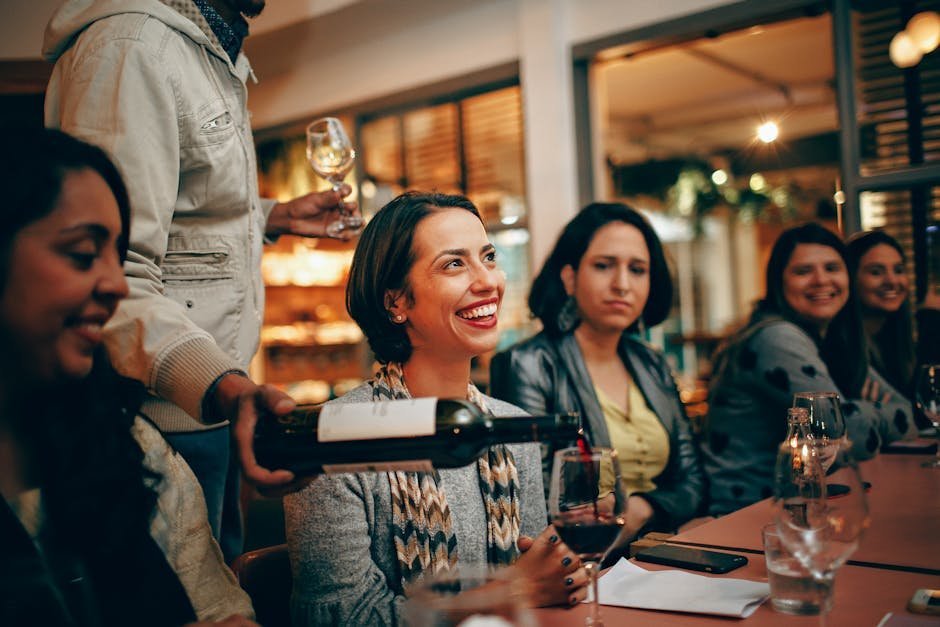
Servers don’t see “a table of six.” They see a logistics puzzle that needs solving before anyone says hello. A table of coworkers in business clothes at noon signals a paced, professional lunch. A multigenerational family showing up at 6 p.m. on a Sunday signals kids’ meals first, extra napkins, and someone who’s going to need the check split four different ways. The group composition tells an experienced server almost everything about what the next ninety minutes will look like.
Large, unannounced groups are one of the fastest ways to signal that a shift is about to get complicated. A party of twelve walking in without a reservation during dinner rush – and then acting surprised there’s a wait – is a story every server has lived at least a hundred times. The size and dynamic of your group is clocked the second you walk in, and the mental prep work starts immediately.
Quick Compare
- Solo diner → prompt service, minimal interruption, often seat at bar or small table
- Couple (date night) → slower, relaxed pace; server stays light-touch
- Business lunch group → efficiency first, separate checks likely, watch the clock
- Large family or multigenerational party → kids’ food fast, extra napkins, expect check chaos
- Walk-in party of 8+ → immediate logistics alert for the whole floor team
#12 – Your Clothing and How You’re Dressed
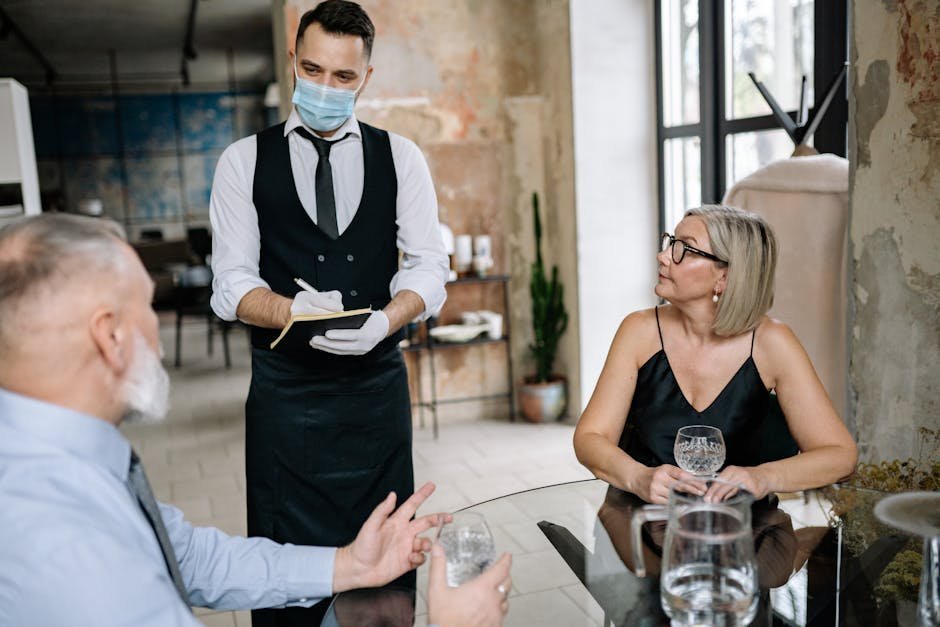
Servers notice what you’re wearing – not to judge your taste, but to read context. A couple dressed up at 5:30 on a weeknight is probably pre-theater and needs to move at pace. Vacation clothes on a family suggest tourists who might want recommendations. A jersey or team hat is a conversational opening. Tattoos, jewelry, and even shoe choices are all quiet data points that help servers find a connection and figure out how to make your experience feel personal rather than transactional.
That said, smart servers have long since learned not to make financial assumptions based on appearance. Veterans of the industry will tell you that the guest in the expensive suit isn’t always the big tipper, and the guy in the worn-out T-shirt sometimes leaves the most generous tip in the room. Clothing is a context clue, not a verdict – and experienced servers know the difference.
The Silent Language of Dining
Before you even open the menu, your server has already built a profile of your table. Test your knowledge on the subtle cues that experienced restaurant staff use to anticipate your needs and calibrate their service.
Think you caught the key details? Take the quick quiz and see how sharp your instincts really are.
#11 – Whether There Are Kids at the Table
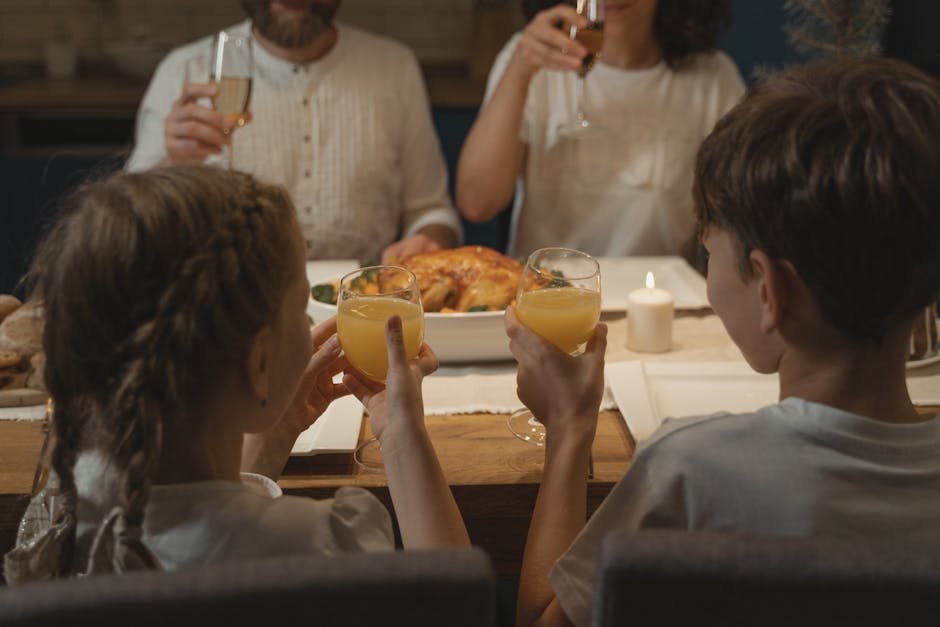
The presence of children at a table activates an entirely separate mental checklist. An experienced server immediately starts calculating: How old are the kids? How are the parents managing them? Will there be crayons on the floor and crackers ground into the booth, or is this a family that keeps things tidy? The answers shape how closely the table gets monitored, how quickly food needs to come out, and what the post-meal cleanup situation is going to look like.
Servers who are genuinely good at their jobs don’t ignore children – they make them feel included, and parents notice. Acknowledging the kids, talking to them directly, and helping keep them comfortable almost always results in a more relaxed table and a more generous tip. Servers spot the difference immediately between families who want extra attention for their kids and those who’d rather handle things themselves. A table where the parents are visibly in survival mode gets a very different service rhythm than one where everyone’s settled and calm.
#10 – The Mood Between the People at Your Table
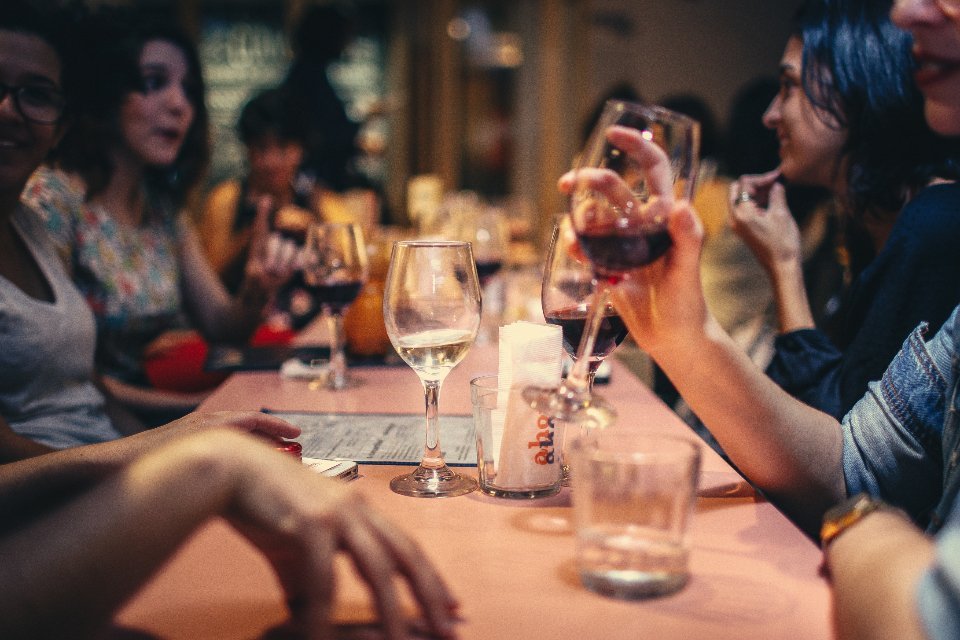
Server veterans are essentially amateur relationship analysts, and they become fluent in table dynamics within seconds of approaching. Are you on a first date? A business lunch? Celebrating something? Mid-argument? Each scenario calls for a completely different service approach – how often to check in, whether to crack a joke, how long to linger. First-date tables get lighter intrusion. Business tables get precision and efficiency. A clearly celebratory table gets energy matched to the mood.
The tension version of this is just as readable. A table where two people are clearly in the middle of a disagreement before the menus even arrive is one of the most universally dreaded situations in the industry – and servers identify it before they’ve introduced themselves. One longtime server said it plainly: “If someone is dismissive of their spouse, their date, or their kids, then you don’t have much hope that they’re going to treat you better.” How you treat the people you chose to dine with is one of the clearest previews of how you’ll treat the help.
Worth Knowing
- Servers gauge table mood from a distance before deciding on their opening energy
- Celebratory tables (birthdays, anniversaries) tend to get more spontaneous, warmer service
- Visible tension between diners is one of the most universally dreaded signals on the floor
- A table full of genuine laughter is one of the best signals a server can receive all shift
#9 – Where You Put Your Phone

This one matters more than most diners would guess. A phone placed face-down on the table reads completely differently from one propped up playing a video. Someone scrolling silently while their dining companion tries to hold a conversation sends a signal that has nothing to do with the server – but servers notice it anyway, because it tells them exactly how engaged this table actually is. Small detail, big conclusion.
When everyone at the table is lit-up and scrolling, servers often shift into a more transactional mode – check in, take the order, deliver the food, stay out of the way. A table fully engaged with each other tends to get more genuine interaction and warmer service in return. And if someone’s propping their phone up like a centerpiece to livestream or shoot video of every dish, that too changes the texture of the service. Phones face-up and glowing is a universal signal that the table isn’t fully present – and servers read it fluently.
#8 – Your Patience Level Before Anyone Arrives
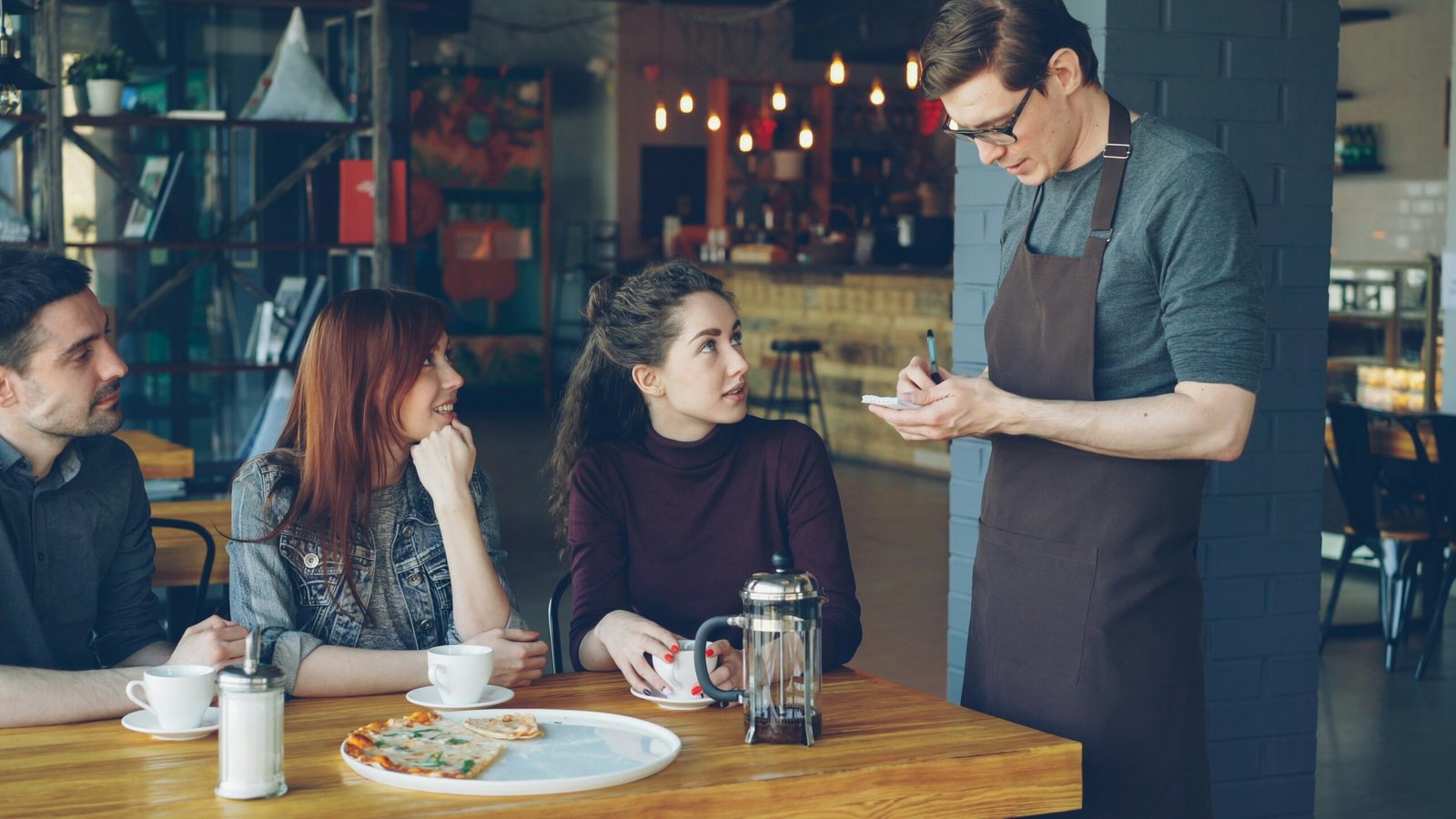
Servers are watching long before they approach. And one of the things they’re watching most closely is how you handle the standard pause between sitting down and being greeted. A guest who calmly settles in, looks over the menu, and trusts that someone is coming gets flagged as low-maintenance before the waiter has taken a single step toward the table. A guest who starts scanning the room, sighing audibly, or craning their neck to flag someone down in the first two minutes gets a very different mental tag.
The reality is that even a perfectly run restaurant will have a brief gap before the greeting – servers are juggling multiple tables, and the timing rarely lines up perfectly. Your reaction to that normal pause is one of the earliest and most reliable indicators of whether you’ll be understanding when ordinary service delays happen, or whether every minor wait is going to become a point of friction. Patience in the first five minutes tends to predict the whole meal.
#7 – Whether You’re a Regular
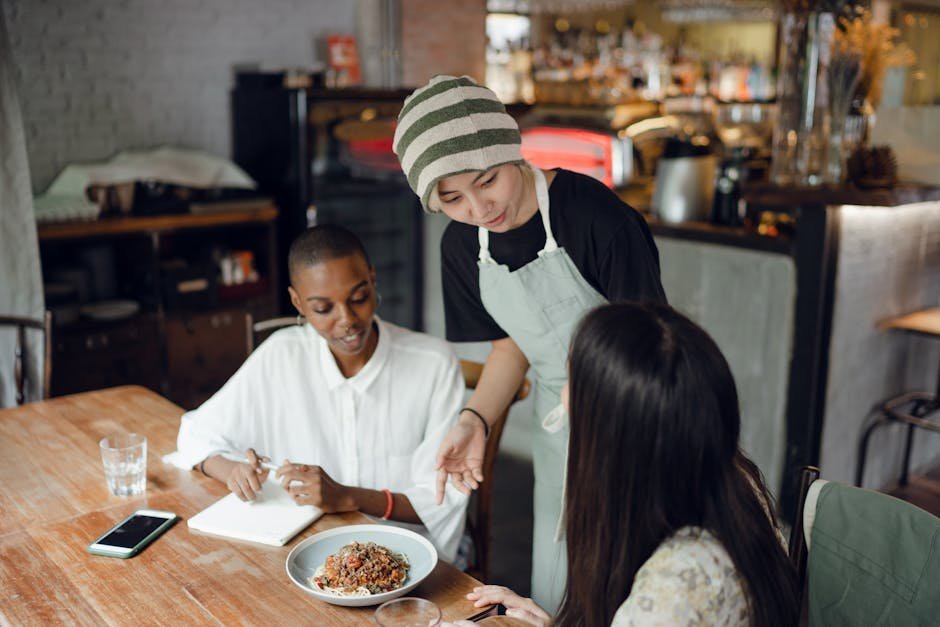
Walk-in strangers and familiar faces get processed in entirely different ways the moment a server spots them across the dining room. Regulars don’t just get recognized – they carry a full history. Servers remember usual orders, preferred tables, past complaints, whether someone is grumpier than they look, and whether they’re actually one of the best tippers in the building despite seeming difficult. That history is a cheat code. You’ve already passed every invisible test before you sit down, and the service reflects it from the first second.
What’s interesting is that regulars teach servers one of the most important lessons of the job: don’t judge on first impressions. Some of the best customers in any restaurant’s history seemed crotchety or closed-off the first few visits, then turned out to be extraordinarily loyal, generous, and kind once trust was established. Being a regular doesn’t just mean getting your usual order remembered. It means starting every visit already in the good graces of everyone on the floor.
Fast Facts
- Tips make up about 58.5% of a full-service server’s total hourly earnings on average
- Full-service restaurant tips averaged around 19.4% in early 2024, per Toast data
- 70% of American restaurant-goers say they always tip their sit-down server, per Bankrate
- The federal tipped minimum wage has remained $2.13/hour since 1991 – tips aren’t optional for servers, they’re survival
#6 – Who’s in Charge at the Table
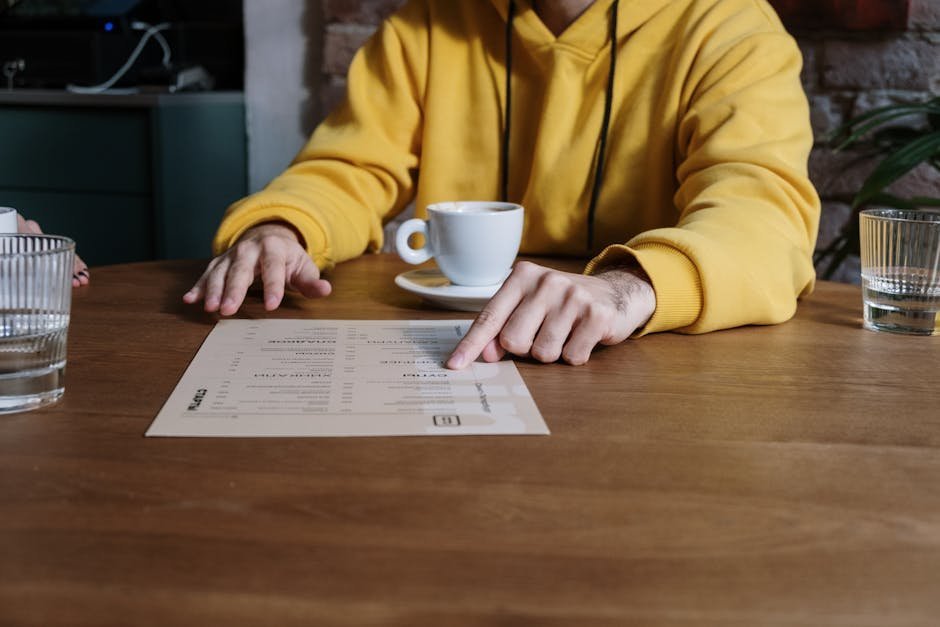
Within moments of seating a group, experienced servers quietly identify the decision-maker. Who picked up the menu first? Who are the others looking to when a question comes up? Who asked about the specials before being offered them? This person tends to get slightly more eye contact and directed attention – not out of favoritism, but because they’re usually the one steering the order and eventually signing the check. Spotting them early makes everything run smoother.
Understanding the table’s hierarchy also helps servers navigate the awkward moments – like who gets handed the check without making it weird, or whose approval to read when recommending a second bottle of wine. Someone who orders for the whole table without asking others, or who speaks over everyone to redirect the server’s attention, sends those signals loud and clear. The person who picked up the menu first is almost always the person the server is mentally directing the meal toward – and they’ve already identified them before saying a word.
#5 – Your Facial Expressions and Visible Mood
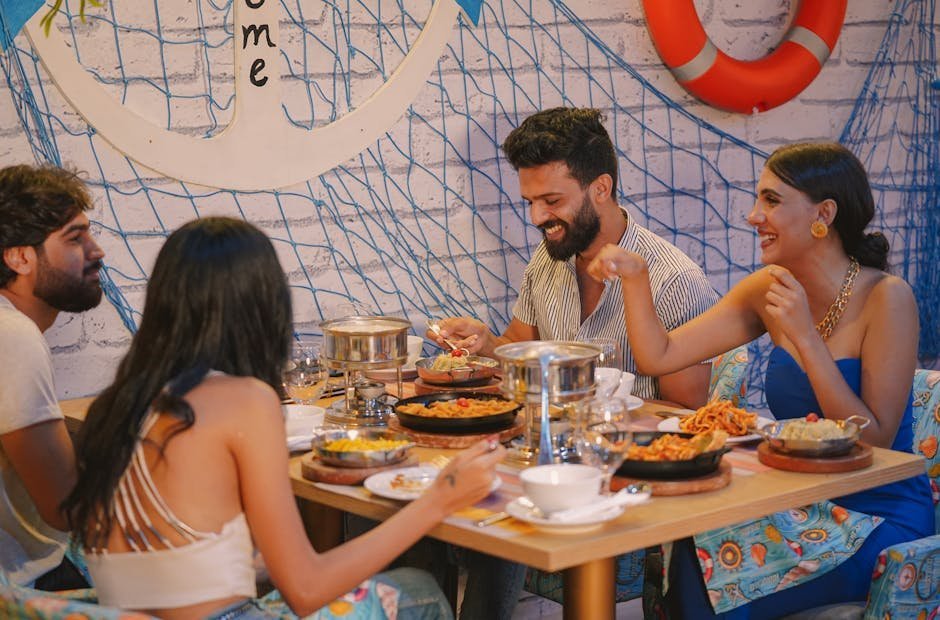
Servers are reading your face before they’re anywhere near your table. A guest who looks visibly upset, stressed, or on the verge of tears signals that a light and speedy approach is smarter than a warm, chatty one. Someone who looks relaxed and happy is a green light for genuine connection. Servers who miss these cues – who launch into enthusiastic small talk at a clearly distressed table – often make things worse without realizing it, and wonder later why the table turned sour.
This is practical, not superficial. If someone seems irritable, a skilled server prioritizes speed and minimizes friction. Subtle facial reactions can even guide servers on what to recommend and what to steer clear of, helping them shape the experience before a single preference has been stated out loud. You’re broadcasting your expectations before you’ve said a word – and experienced servers are completely fluent in that language.
#4 – Whether You Look Like You Know the Restaurant
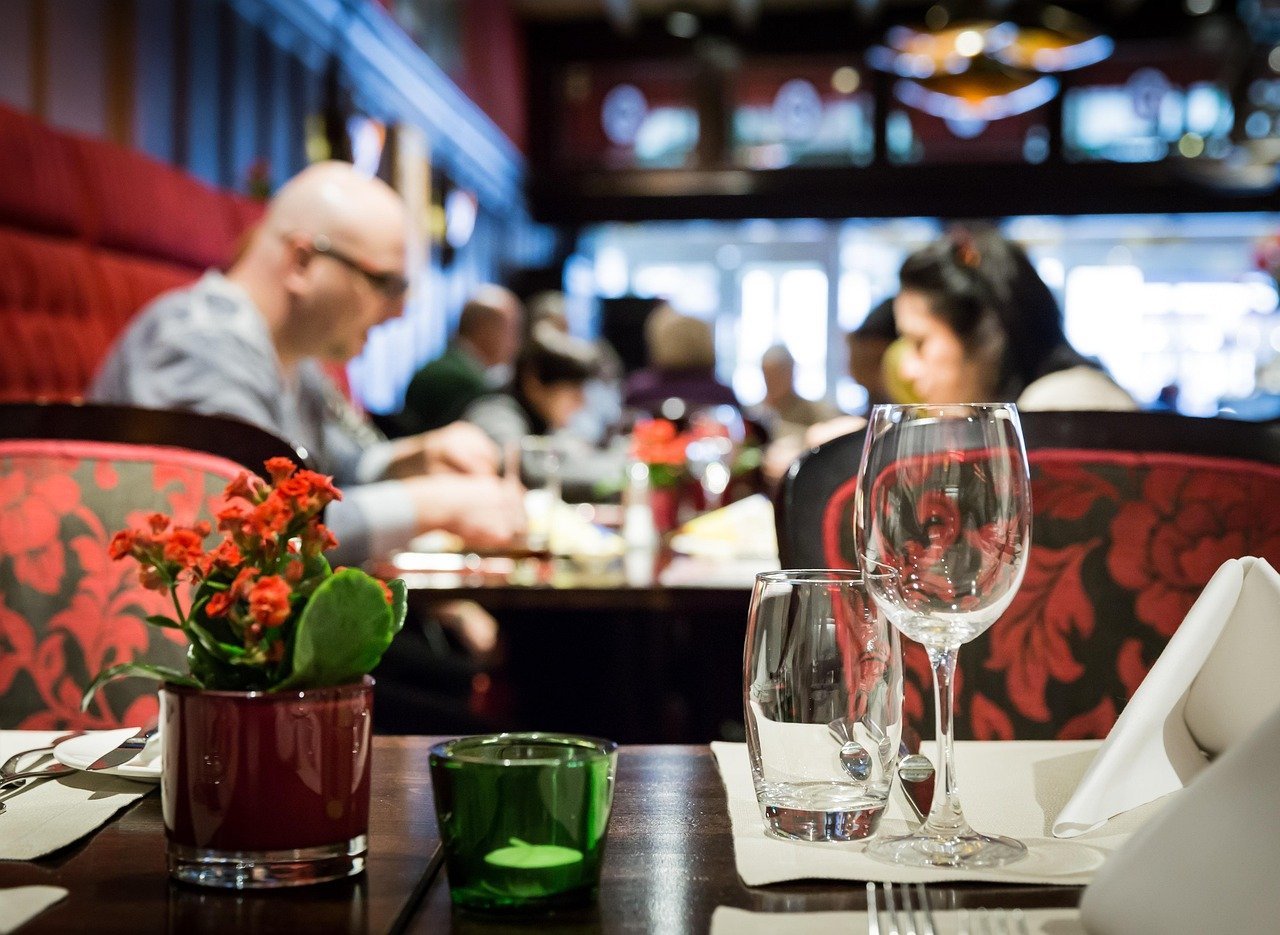
Servers can spot a first-timer from across the room, and they adjust accordingly. Tentative menu handling, frequent glances around the room for cues, uncertain posture at a multi-course setting – these are all tells that someone’s navigating unfamiliar territory. Good servers treat this as a green light to step in and quietly make the experience better, not a reason to condescend. One server who worked a high-end restaurant put it simply: “I’d hate for someone’s business deal to go sideways because they weren’t sure how to use a finger towel.”
Being a newcomer isn’t a strike against you – it’s actually a signal that you might genuinely benefit from a little guidance, and most experienced servers are glad to provide it. A perceptive server will proactively offer recommendations, explain the menu flow, or flag anything worth knowing about a dish before you order it. Noticing that you’re new to the space is one of the most useful observations a server can make – and they make it fast.
Why It Stands Out
- First-timers who look uncertain are more likely to follow a server’s recommendations – which can mean a better meal and a higher check average
- Regulars need almost no guidance; first-timers are an opportunity for a server to genuinely shine
- Scanning the room nervously, handling the menu like a puzzle, or skipping the drink menu entirely are the three fastest tells of a newcomer
- A great server uses first-timer cues to anticipate needs – not to judge, but to rescue the experience before anything goes wrong
#3 – How You Treated the Last Person Who Helped You
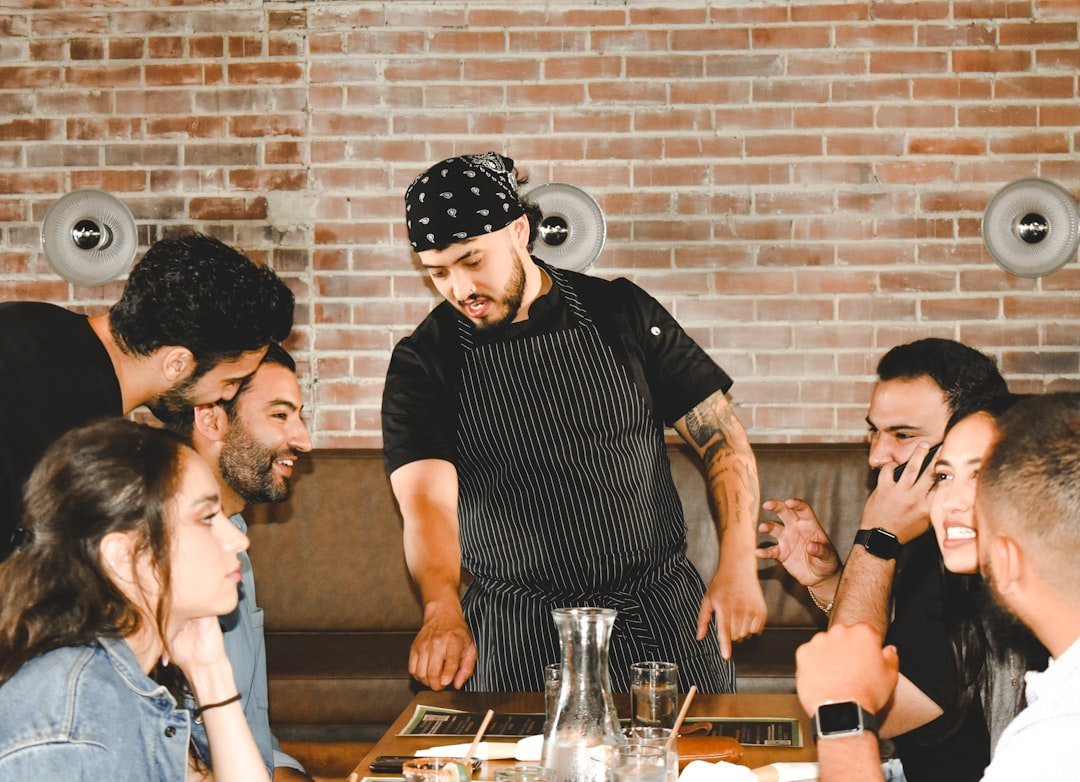
Servers communicate. Always. If a busser brought you water and you dismissed them without a glance, there’s a real chance that information has quietly circulated before your server arrives. The restaurant floor is a small ecosystem, and the way you treat every single person in it – the host, the busser, the food runner – gets logged. As Chuck Anderson, who spent about twenty years as a server, recalled: even just calling your server by name and saying “please” and “thank you” goes a long way. Basic courtesy is remembered. The absence of it is remembered just as clearly.
This isn’t about servers holding grudges – it’s about pattern recognition. Someone who’s dismissive of support staff but suddenly warm with the server isn’t fooling anyone. The way you treat every person who approaches your table before the greeting tells a complete story about who you are in a restaurant. By the time your waiter introduces themselves, they may have already received a full, quiet report on you from the rest of the team.
#2 – Your Body Language Toward Your Dining Companions
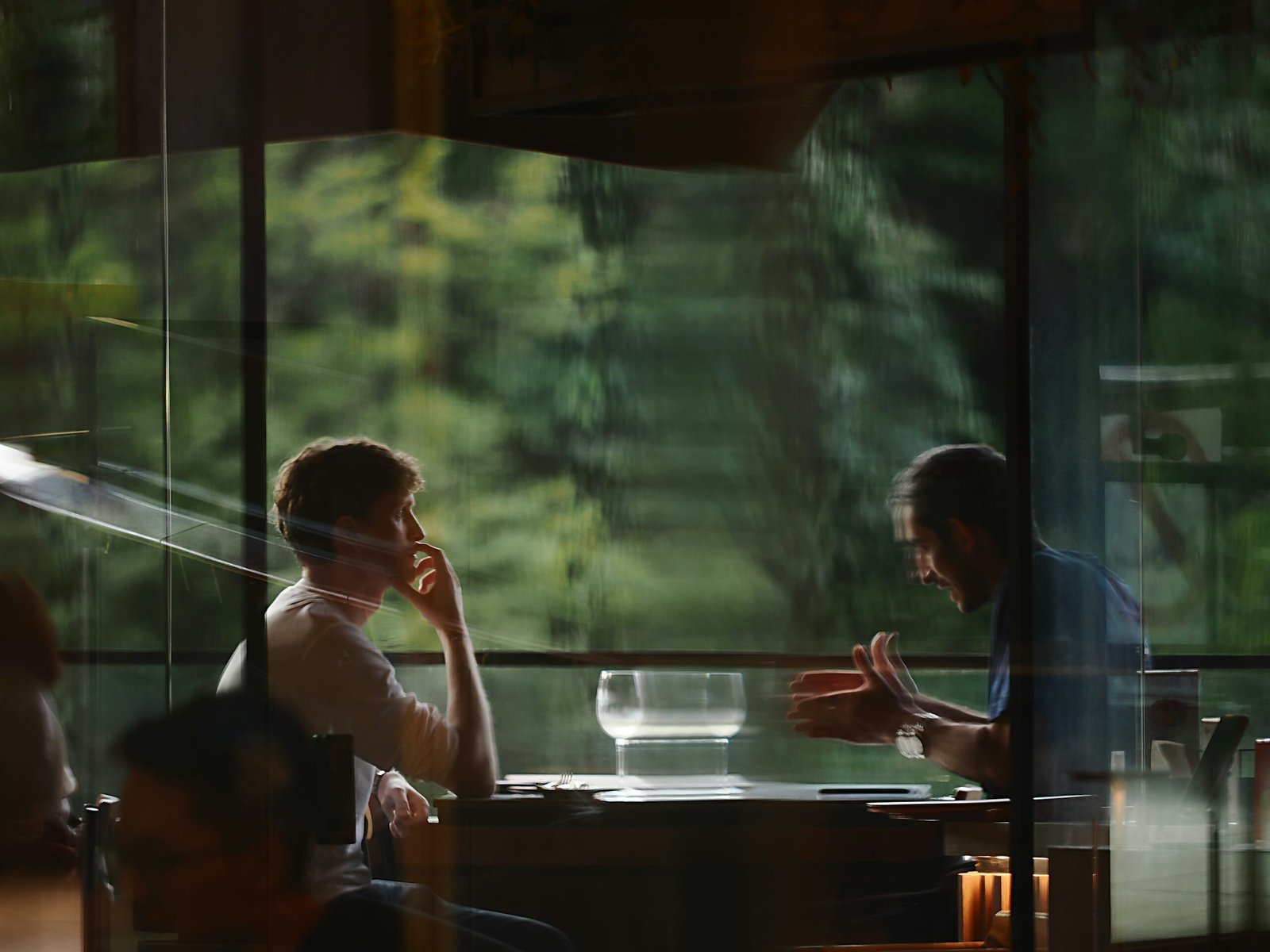
One of the most revealing things a server notices before greeting you has nothing to do with you alone – it’s about how you interact with whoever you’re with. The person who orders for others without asking. The quiet guest being talked over by someone louder. The one staring at their phone while everyone else is engaged. Servers read these power dynamics in seconds, and they use them to navigate the whole meal – who gets the check, how to handle separate requests, whose reaction to read when recommending something.
A table where two people are clearly mid-argument before the menus even arrive is one of the most universally dreaded scenarios in the business – and servers identify it before they’ve said hello. On the flip side, a table full of genuine warmth and laughter is one of the best signals a server can receive. Groups that show real consideration for each other almost always extend the same courtesy to the staff. How you treat the people you chose to be with that night is one of the clearest possible previews of how you’ll treat everyone else in the room.
The Silent Language of Dining
Before you even open the menu, your server has already built a profile of your table. Test your knowledge on the subtle cues that experienced restaurant staff use to anticipate your needs and calibrate their service.
Think you caught the key details? Take the quick quiz and see how sharp your instincts really are.
#1 – Whether You Make Eye Contact
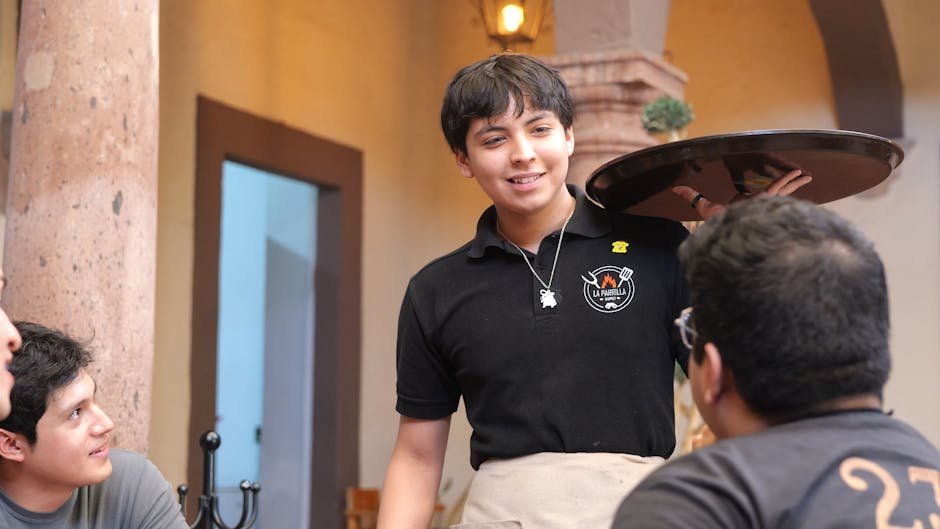
Every server account, every firsthand story, every industry conversation eventually lands on the same thing as the single biggest tell before a greeting: eye contact. Or the complete, deliberate absence of it. Darron Cardosa, a former server of about twenty-five years, said it directly: “To me, the biggest indicator that someone was going to be friendly, or at least nice, is eye contact.” It costs nothing. It takes a fraction of a second. And it changes absolutely everything about how the next hour unfolds.
To me, the biggest indicator that someone was going to be friendly, or at least nice, is eye contact.
Darron Cardosa, server of 25 years
Whether you make eye contact when a server approaches, when you order, when food arrives – it tells them immediately how you view the person standing in front of you. A quick, genuine glance that says “I see you” is the most powerful signal a diner can send before a single word is spoken. Servers are human beings doing a physically and emotionally demanding job, and they notice – every single time – whether you acknowledge that or not. The guests who do almost always get a better meal. Not because servers play favorites, but because genuine recognition brings out the best in people on both sides of the table.
The performance starts before you open the menu. Servers aren’t sizing you up to judge you – they’re doing what every skilled professional does when reading a room: gathering information so they can do their job well. The good news is that almost everything on this list can be shaped in about ten seconds with nothing more complicated than basic presence and ordinary human decency. Walk in like you’re glad to be there. Acknowledge the people around you. Make eye contact. The rest tends to follow.