
Walk into the right home and you can tell, almost to the decade, when the person who lives there grew up. Not from their photo albums. Not from their music. From the stuff sitting on their shelves, hanging on their walls, and tucked into kitchen cabinets. That sunburst clock. That particular shade of green on the refrigerator. Those stacked Pyrex bowls. Each one is a timestamp pressed into the daily life of a very specific American generation.
The surprising part? Most people have no idea these objects are doing it. They think they’re just holding onto things they love. But what you kept is a shockingly accurate map of when you were formed. Some of the entries near the bottom of this list will stop people cold. Keep reading – because a few of these are worth real money now, and you might have one sitting in your cabinet right now.
#18 – The Sunburst or Starburst Wall Clock
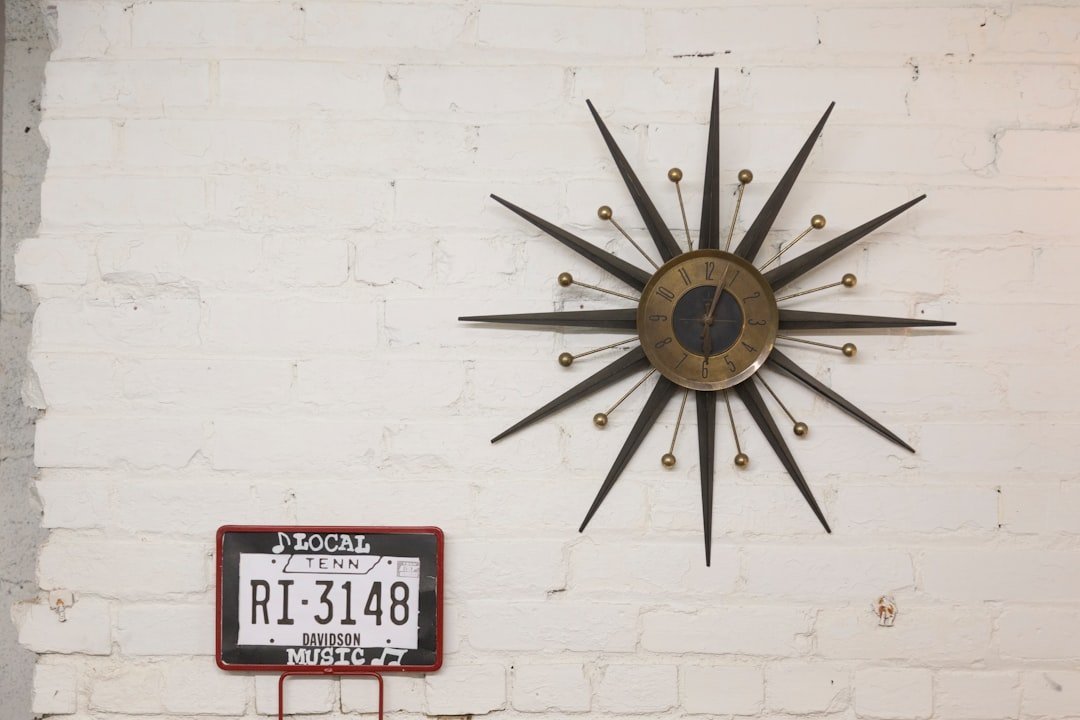
If there’s one object that practically shouts “I grew up in the late 1950s or 1960s,” it’s the starburst clock. The original design was developed in the late 1940s – George Nelson’s iconic Ball Clock, conceived in his New York City offices, was the first of more than 150 clock models in that style. Starburst clocks burst onto the scene culturally around 1950, and their peak stretched deep into the ’60s. The design is unmistakable: a central mirror or clock face ringed by golden rays radiating outward like a frozen explosion. If your mother or grandmother had one centered above the sofa, you remember it in your bones – not because it was unusual, but because it was simply always there.
Today, starburst clocks are back in a big way, snapped up at antique markets and mounted above gallery walls by interior designers who were born decades after the trend peaked. But there is a meaningful difference between the original that never left the wall and the thrift-store find someone bought last spring. One reveals a Gen Z aesthetic moment. The other says you haven’t redecorated since the Eisenhower administration – and that’s not necessarily an insult. It’s a document.
Fast Facts
- The starburst clock design originated in the late 1940s and peaked culturally through the 1950s and 1960s.
- George Nelson’s Ball Clock – brass spokes, birch orbs, no numerals – was the style’s design blueprint.
- Original brass examples from makers like Junghans, Seth Thomas, and Atlanta Clock Co. now sell as collectibles.
- The terms “sunburst” and “starburst” are used interchangeably by collectors and auction houses.
- Modern reproductions sell for as little as $50; verified 1950s originals can command several hundred dollars.
#17 – Avocado Green or Harvest Gold Kitchen Appliances
No single color combination pins down a 1970s upbringing quite like avocado green and harvest gold. These weren’t niche choices or bold risks – they were the default. Appliance manufacturers offered refrigerators, stoves, and dishwashers in both colors as standard options throughout the entire decade. Turning down avocado green in 1973 would have been like refusing stainless steel in 2005. It was simply what kitchens looked like.
The appliances were also nearly indestructible, which is why so many survived long after the colors went out of style – still humming in the same kitchen, still the same shade of green, outlasting every trend that replaced them. If you still have one of these in the kitchen – not as a retro purchase, but because it was just always there – you were almost certainly born before 1975. And if the smell of your parents’ Sunday dinner is permanently attached to the color of that refrigerator, you already know exactly what this list is doing.
#16 – Shag Carpet (or the Rake That Came With It)

If you know what a carpet rake is – not because you looked it up, but because you personally used one – you grew up in the 1970s. Shag carpet was the defining textile of the decade, and it required its own maintenance tool: a long-handled rake that sat in every living room corner like a tiny, slightly embarrassed lawn implement. Dropping a coin in shag carpet was a genuine loss event. You watched it disappear and made a mental note to look for it during the annual move-the-furniture cleaning. That excavation was its own household occasion.
Wall-to-wall shag in vibrant shades of orange, avocado green, and mustard yellow defined 1970s interiors. It was notorious for trapping everything and releasing nothing. What almost nobody realized at the time was that shag carpet also functioned as serious acoustic insulation – its long fibers naturally deadened echo in rooms built before modern insulation standards. Nobody knew that. They just liked how it felt under bare feet in front of the console TV, which, not coincidentally, is also on this list.
#15 – Faux Wood Paneling (In the Den or Basement)
You didn’t choose it. Your parents didn’t either, really. It just came with every basement in America between 1968 and 1979. Pre-finished wood paneling became a mass-market product in the 1950s, but it hit its cultural peak across that eleven-year stretch. Manufacturers marketed it as a low-maintenance alternative to plaster and paint, and for an entire decade, the American public agreed enthusiastically. If this is the wallpaper of your childhood memories, you were almost certainly born between 1962 and 1975.
The paneling itself was usually a thin sheet of pressed wood printed to resemble real walnut or mahogany. It made every room feel like the interior of a ship’s cabin, which somehow seemed to be the point. Dark, slightly moody, instantly cozy – it turned unfinished basement concrete into a “den” overnight. The real tell isn’t whether you remember it. It’s whether you can still smell it when you close your eyes. That specific smell – compressed wood, slight mustiness, and something indefinably ’70s – is burned into a generation’s memory.
#14 – Macramé Wall Hangings or Plant Hangers
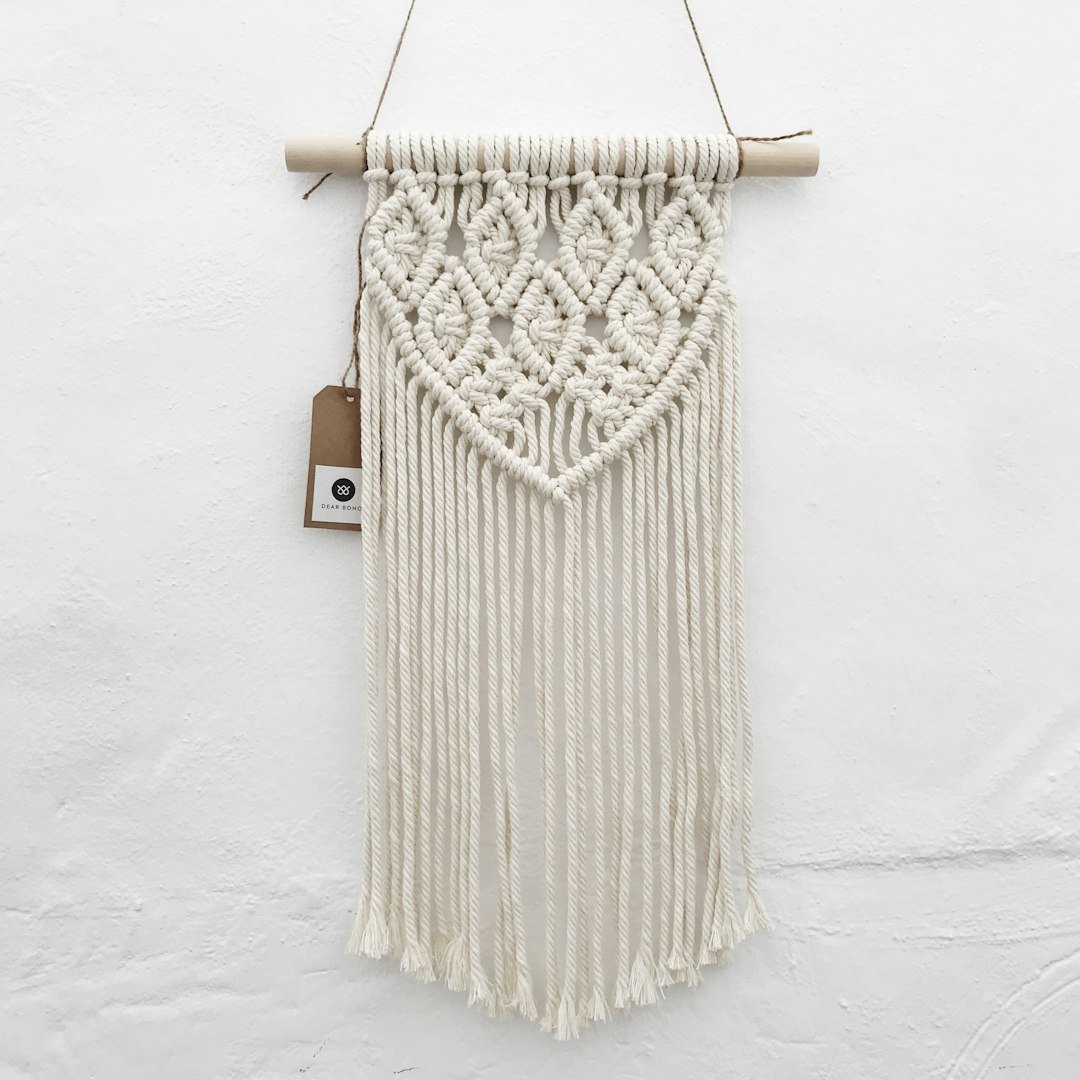
Nothing placed someone’s childhood in the early-to-mid 1970s faster than a knotted macramé hanging above the sofa or a spider plant dangling from the ceiling in a woven rope holder. The “indoor jungle” trend swept through American homes and macramé was its vehicle – intricate, hand-knotted, earthy, and almost always the result of a craft kit someone ordered from the back of a magazine. If your mother made one, you know exactly which era this was.
The ’70s resurgence of handmade craft reflected a broader cultural turn toward the personal and the tactile. Macramé wall hangings celebrated craftsmanship in a way that felt like a quiet rebellion against mass production. Today’s macramé revival is genuinely trendy – you can find it in boutique hotels and Anthropologie. The original stuff was just Tuesday. One tells people you have an eye for decor. The other tells people when you were born, quietly and precisely, every single day it hangs on that wall.
The Vintage Decor IQ Test
From starburst clocks to avocado-colored appliances, the objects in our childhood homes serve as a permanent timestamp of our formative years. Test your knowledge of these iconic American design relics.
Think you caught the key details? Take the quick quiz and see how sharp your instincts really are.
#13 – The Lava Lamp
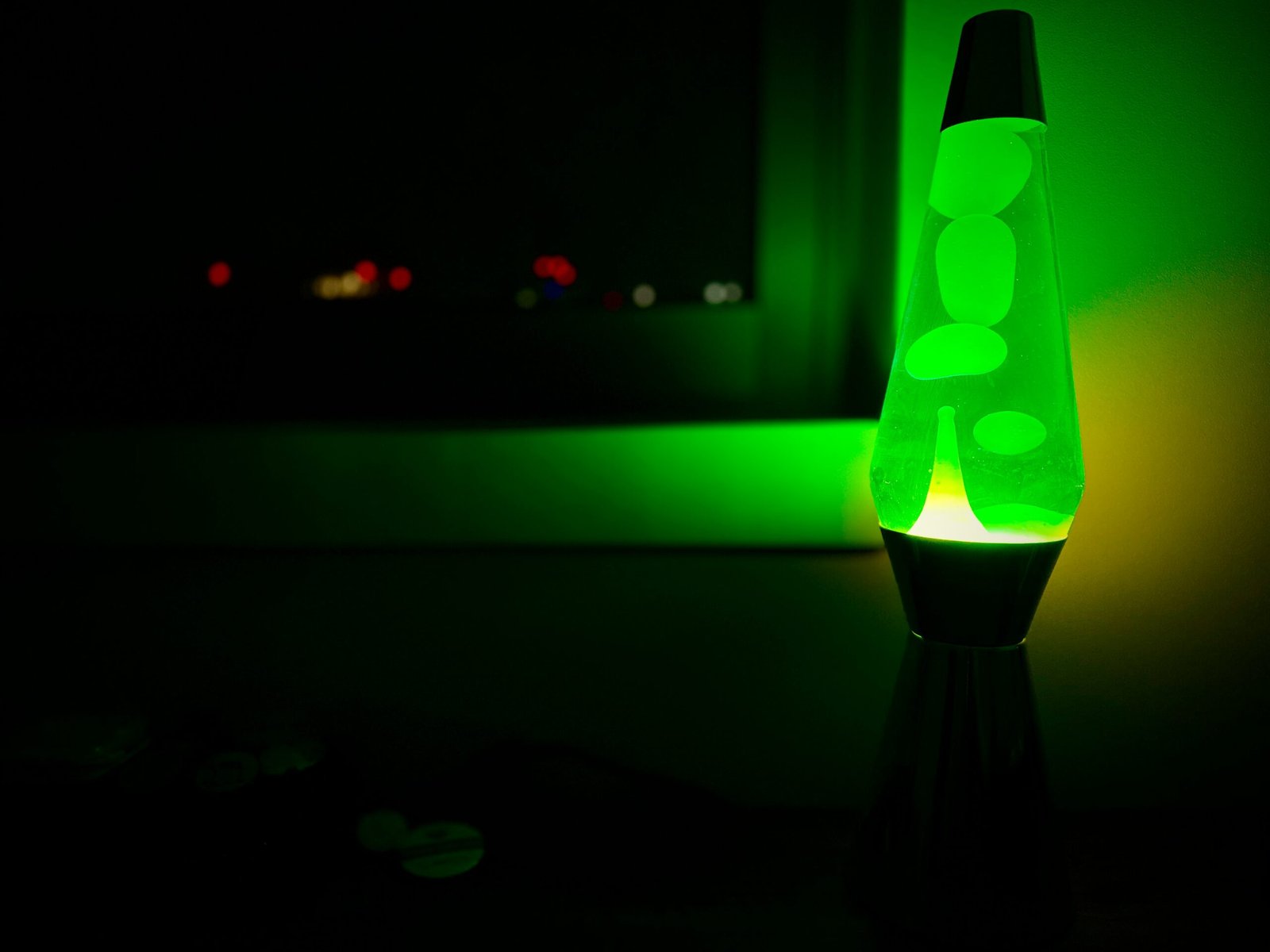
If the lava lamp in your house wasn’t a retro purchase – if it was just always there – that tells a very specific story. British manufacturer Mathmos invented the lava lamp in 1963, and it sold steadily through the 1970s before resurging hard in the ’90s. Which decade yours belongs to depends almost entirely on where it lived: in the living room, you’re a ’70s kid. In a teenager’s bedroom next to a Nirvana poster, you’re a ’90s kid. Both are telling. The lamp is the same. The context is the timestamp.
In the 1970s, lava lamps were considered legitimately stylish adult decor – hypnotic, ambient, and perfect for the era’s love of organic movement and warm light. By the 1990s they had migrated entirely to teenage bedrooms, where they glowed beside black-light posters and CD towers. The slow-moving wax blobs were, in both eras, genuinely mesmerizing – the kind of thing you could watch for ten minutes without noticing. That hasn’t changed. What changed is who was watching, and how old they were, and what music was playing in the background.
Quick Compare
- Lava lamp in the living room → purchased new in the early-to-mid 1970s → owner born in the 1940s or ’50s
- Lava lamp in a teenager’s bedroom → bought during the 1990s revival → owner born in the late 1970s or early ’80s
- Lava lamp as a “fun find” → purchased ironically or as decor after 2010 → owner born after 1990
#12 – Decorative Ceramic Cookie Jars
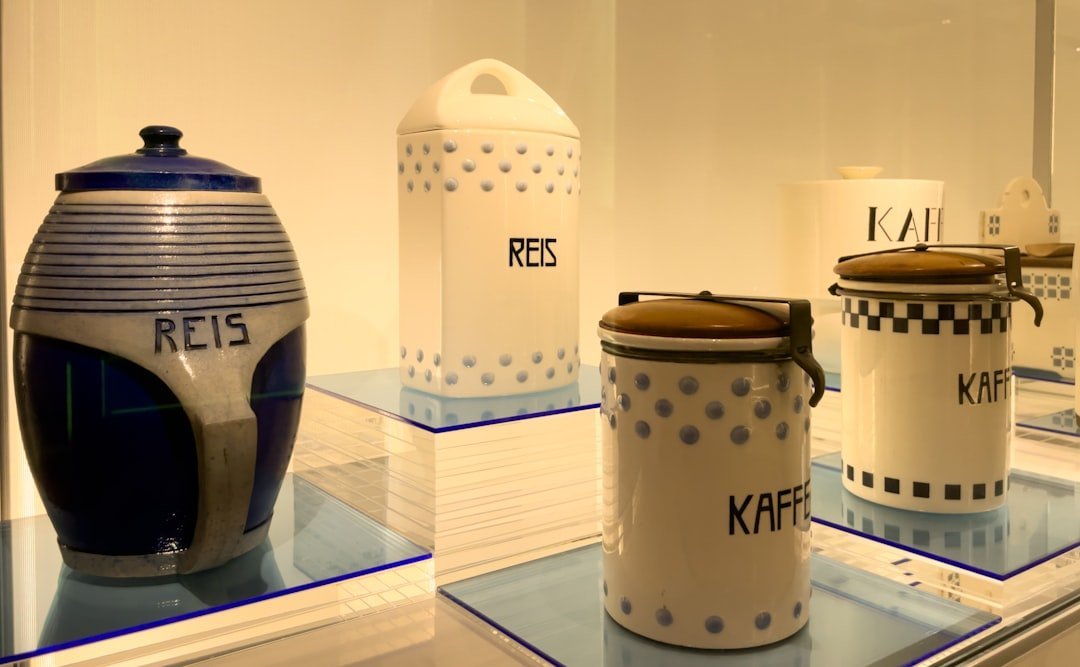
The cookie jar on your grandmother’s kitchen counter wasn’t random. It was a generational timestamp baked right into the glaze. Cookie jars have sat on American countertops for decades, but the character on the jar is almost always the real tell. McCoy pottery animals place a kitchen squarely in the 1950s. Pop-culture character jars – cartoon figures, novelty shapes – peg the ’60s. Country-style crocks with roosters or barns arrived in the ’80s and stayed through the ’90s.
Expensive vintage cookie jars that serious collectors hunt include Brush Pottery Company novelty pieces, Glen Appleman Automobile jars, and early mushroom-shaped ceramics. Some of these fetch hundreds or thousands at auction. But the real value for most people isn’t monetary. It’s the specific, involuntary feeling that hits when you spot your grandmother’s exact jar at a flea market – the one you reached into without asking, the one whose lid made a specific sound when it came off. That jar knows exactly when you were a child. It remembers.
#11 – Colorful Patterned Pyrex Bowls
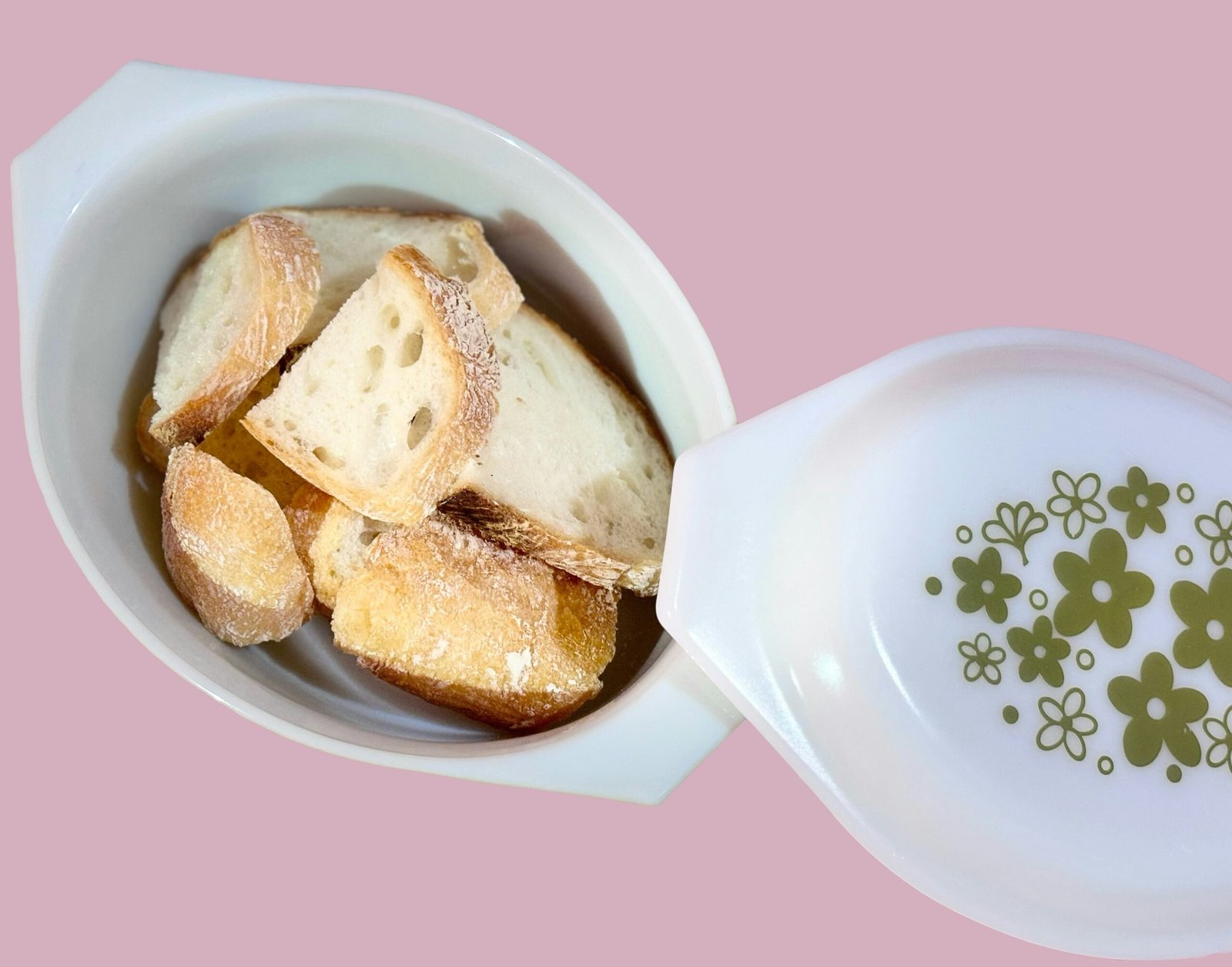
If seeing a stack of pink-and-white or turquoise Pyrex bowls at an estate sale gives you a physical reaction – a small, involuntary jolt of recognition – you already know where you fall on the timeline. Corning introduced colored Pyrex in 1947, and the brand produced decorated opal glass sets with silkscreened patterns well into the 1980s. The specific pattern your family owned places them inside a roughly ten-year window of American domestic history. Every pattern has a decade. Every decade has a pattern.
Vintage Pyrex has quietly become one of the hottest collectible categories in American kitchenware. Some rare patterns now sell for extraordinary amounts. The ultra-rare “Lucky in Love” pattern – a 1959 limited release printed on a one-quart casserole dish – has sold at auction for over $4,000, and one record-breaking sale on eBay reached $22,100. Collectors call it the “holy grail of Pyrex.” Before your next garage sale, check your cabinets. The bowls your grandmother used for potato salad every Fourth of July might be worth considerably more than they look.
Worth Knowing
- Pyrex patterns are classified as Standard (made 2+ years) or Promotional (limited runs) – promotional pieces are far more valuable.
- The Lucky in Love pattern (1959) is so rare that the Corning Museum of Glass calls it “one of the most elusive Pyrex designs ever created.”
- A single Lucky in Love casserole dish sold for a record $22,100 on eBay in July 2022.
- Other sought-after patterns include Garden Harvest, Spice of Life, and the 1975 Country Festival.
- The Blue Cornflower CorningWare pattern (introduced 1958) is the most widely recognized by non-collectors – and still triggers instant nostalgia.
#10 – The Macramé Owl
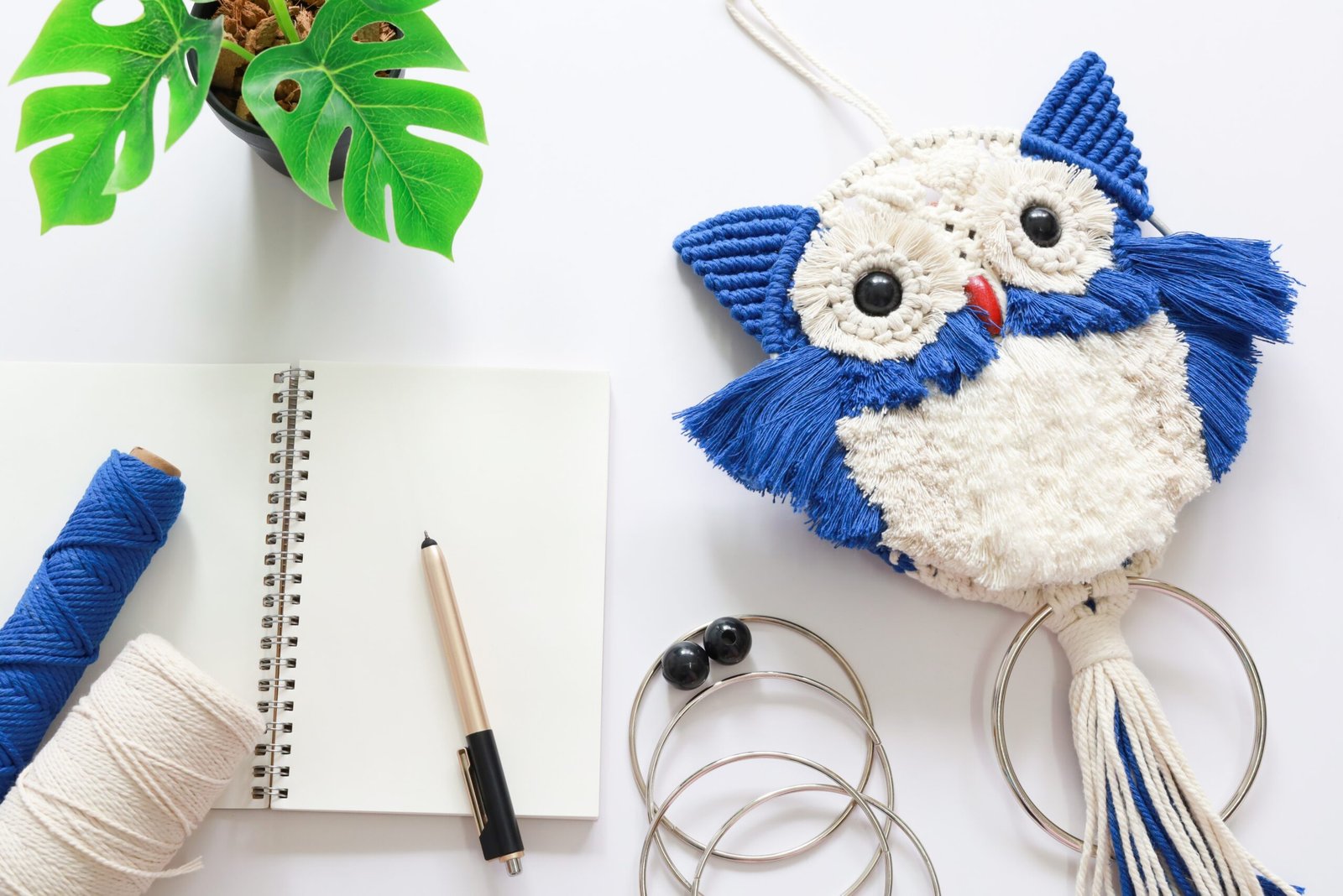
The macramé owl deserves its own entry – separate from general macramé – because it is arguably the single most precise age-dating object in the history of American interior decor. If it hung in your childhood home, you were born between 1968 and 1980. There is almost no other possible window. Not a single person in a 1970s living room questioned the macramé owl. It hung there with the quiet authority of a family portrait, completely unironic, completely at home.
Owls were everywhere in the early 1970s – on jewelry, on wallpaper, on coffee mugs, and especially in hand-knotted fiber form on the living room wall. They represented the era’s love of handcraft, nature, and DIY home expression, intersecting perfectly with the decade’s bohemian, back-to-the-earth aesthetic. Crochet and macramé items gained particular cultural weight during the ’60s and ’70s as handcrafted decor became a hallmark of eclectic interiors. If yours is still hanging on a wall unironically, that is not a decorating choice. That is a birth certificate made of rope.
#9 – The Console Record Player (Hi-Fi Cabinet)
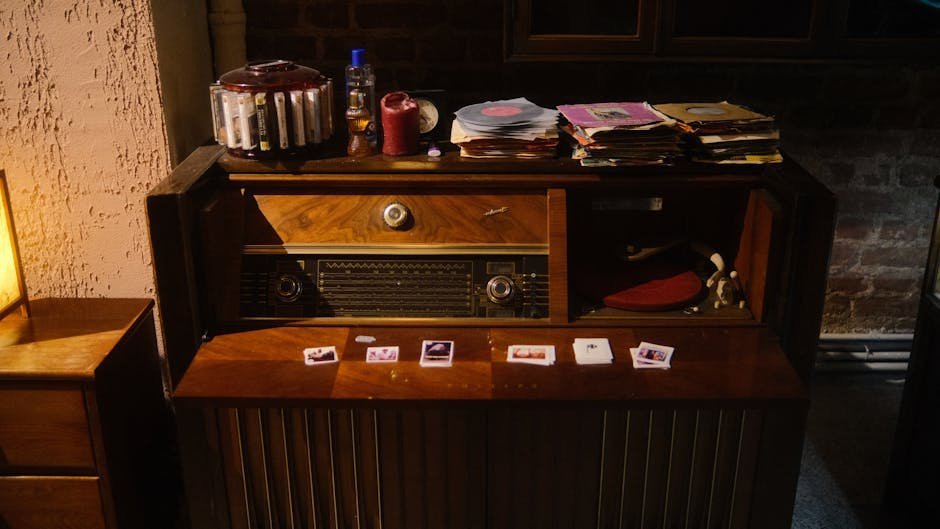
A piece of furniture that was also a music machine – the console record player was the centerpiece of the American living room for two full decades. Long before Spotify, the family’s music collection lived inside a massive wooden cabinet that doubled as a sideboard. It had built-in speakers, a heavy lid, and a turntable underneath that required a specific touch to lower the needle correctly. If you remember the weight of that lid and the static crackle before the music started, you were formed somewhere in the 1950s or ’60s.
By the mid-1980s, the component stereo system had largely replaced the console. CDs arrived commercially in the mid-’80s, and suddenly the music lived in a jewel case instead of a sleeve, played from a slim tray instead of a felt-lined platter. Then streaming arrived and the CD collection became a relic too. The format you remember as simply “normal” – vinyl, cassette, or CD – is your age rendered in audio form. Each one represents not just a technology but an entire domestic ritual that the next format quietly erased.
#8 – Bean Bag Chairs
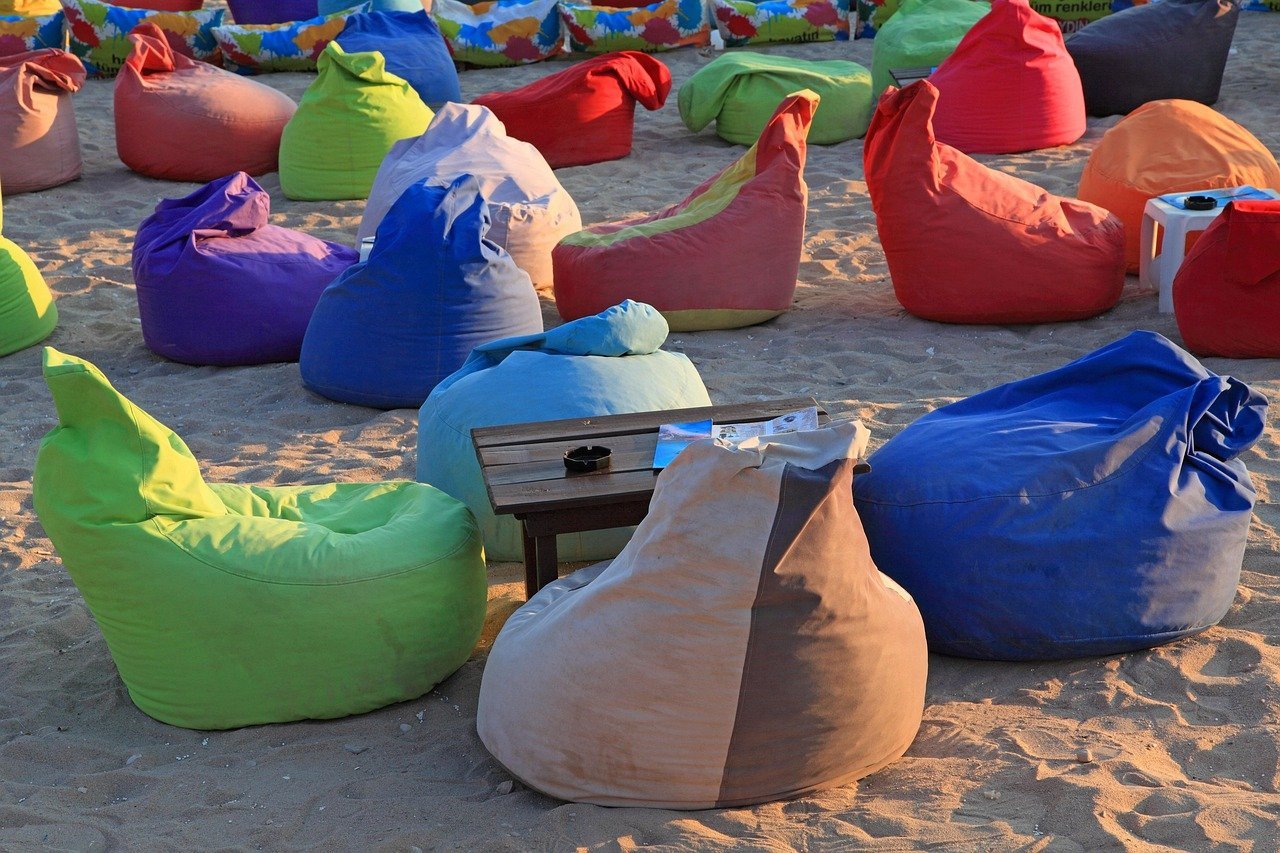
You either grew up with a bean bag chair as a legitimate piece of living room furniture, or you encountered it purely as a novelty. That distinction alone places you inside or outside a very specific era. The original bean bag chair arrived in 1968 – designed by Italian designers Gatti, Paolini, and Teodoro as a deliberate challenge to traditional furniture – and it peaked hard through the 1970s. Plush, malleable, available in colors that had no business being in a living room, it embodied an entire decade’s casual philosophy about how people should sit.
The bean bag chair belonged to an era that deliberately broke furniture rules – low to the floor, informal, anti-establishment in a way that felt like a small domestic revolution. If you remember a bean bag chair that slowly deflated over several years and nobody ever replaced the filling, you grew up in a very specific kind of American household in a very specific decade. The people who bought them new were born in the ’50s. The people who grew up flopped across them were born in the ’60s and ’70s. The people who think they’re quirky and fun were born much, much later.
#7 – Waterfall Furniture (Depression-Era Bedroom Sets)
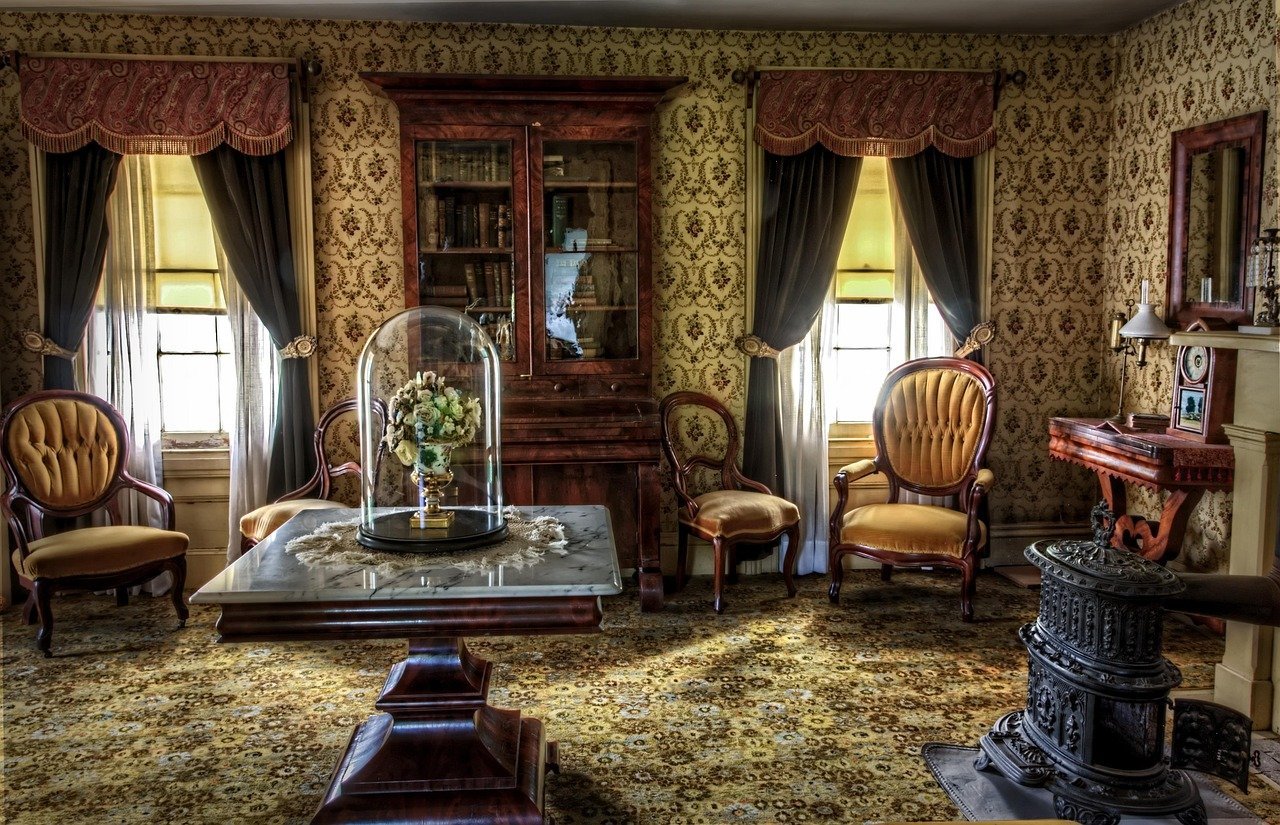
Waterfall furniture refers to the rounded, streamlined bedroom sets that were enormously popular from the late 1920s through the 1940s – characterized by curved veneer edges that flow over the tops of dressers and headboards like a slow wave. If your childhood bedroom held one of these sets, your parents or grandparents almost certainly purchased it between 1930 and 1950. Seeing one in the wild today triggers an extremely specific sensory memory for anyone who slept beside one as a child: old wood, cedar, and something that smells exactly like time passing.
These pieces were built to last, which is exactly why so many survived long enough to furnish the bedrooms of Baby Boomers who inherited them from Depression-era parents. The person who bought that dresser new in 1938 and the grandchild who inherited it in 1971 both left impressions on the same wood. You can feel both of them when you run your hand across the top drawer. Waterfall furniture is the ultimate hand-me-down time machine – and for anyone who grew up sleeping beside one, it is one of the most emotionally loaded objects on this entire list.
#6 – The Swag Lamp
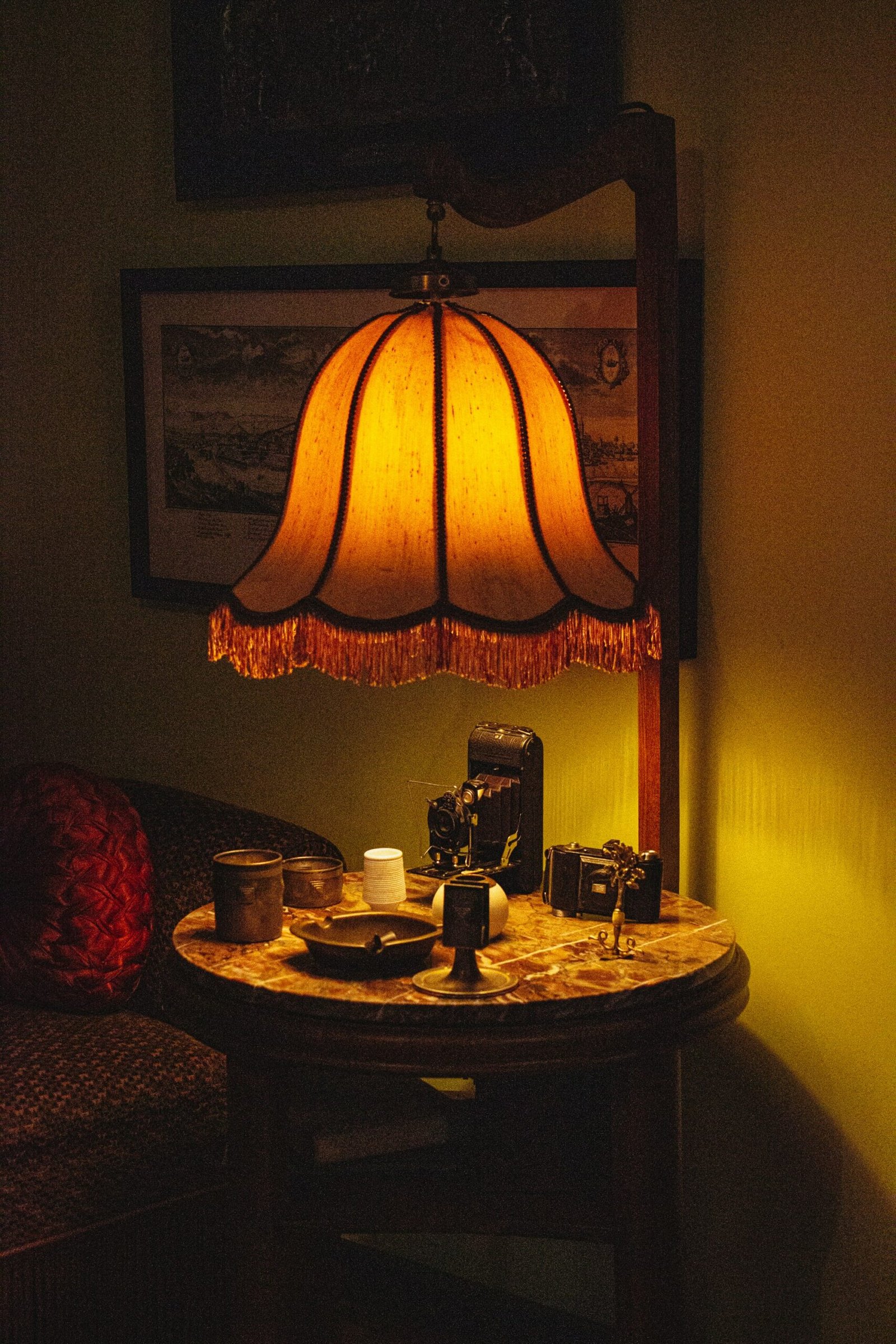
Not a ceiling fixture. Not a floor lamp. A lamp that hung from the ceiling via a single hook, with its cord draping theatrically down the wall to an outlet. No hardwiring. No structural commitment. Just a hook, a cord, an amber globe, and complete confidence. The cord running along the ceiling and down the wall was always slightly visible, always slightly concerning, and always completely ignored by everyone in the room. This was considered finished decorating. Nobody questioned it.
Swag lamps peaked in the late 1960s and through the 1970s, featuring amber or smoked glass globes, macramé shades, or Tiffany-style stained glass in rich colors that complemented the era’s earth tones beautifully. The amber light they cast was warm, flattering, and completely impractical for reading – which was entirely the point. These rooms were designed for conversation, not tasks. If your family had a swag lamp, they understood that instinctively. The light said: slow down, stay a while, you’re not going anywhere tonight.
#5 – CorningWare with the Blue Cornflower Pattern
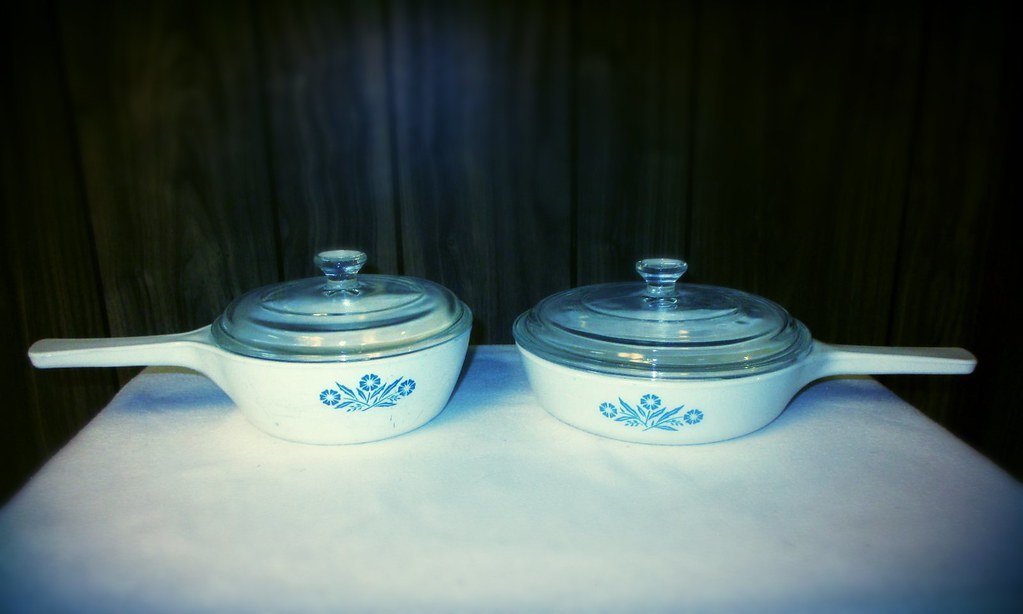
The Blue Cornflower pattern on CorningWare is one of the most quietly iconic pieces of American kitchen history. Introduced in 1958 and produced for decades, it is the casserole dish of an entire generation of home cooks. If you grew up watching Sunday roasts or green bean casseroles emerge from the oven in a Blue Cornflower dish, you were almost certainly born between 1955 and 1980. It was on the table at holidays, at potlucks, and on random Tuesday nights when someone made something that needed to go from oven to table without a second pan.
What almost nobody knew at the time – because it was just what the dish did – was that CorningWare could go directly from freezer to oven, a genuine materials engineering achievement in 1958. Families used it daily without thinking twice about the technology involved. Other recognizable vintage patterns like Garden Harvest, Spice of Life, and the 1975 Country Festival are now actively sought at thrift stores and estate sales. But the Blue Cornflower is the one that stops people cold at flea markets – because for an entire generation, it isn’t a collectible. It’s just dinner.
#4 – Crocheted Afghans Draped Over the Sofa
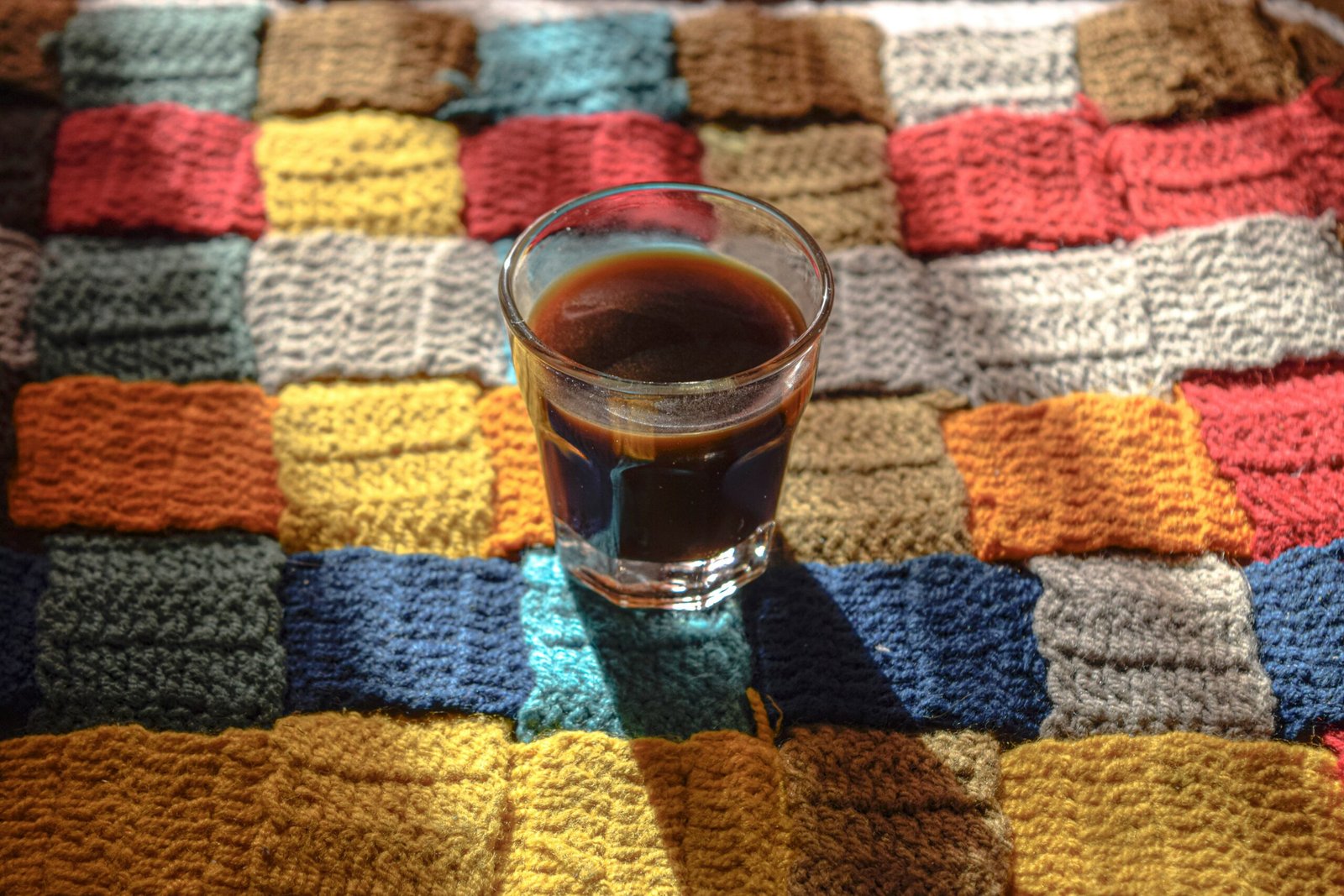
If there was a hand-crocheted blanket permanently draped over the back or arm of the couch in your childhood home, someone in your family was born before 1955. This wasn’t decorating in any intentional sense. It was what you did with your hands in the evenings while the television was on. Handmade crocheted afghans in bold, slightly aggressive color combinations – rust orange and cream, brown and olive, turquoise and white – draped over sofas and rocking chairs across America for decades, each one made by someone who never thought of themselves as an artist.
The specific color combination is a private calendar. It places the maker in a specific decade and the home in a specific era, instantly and precisely. Designers today suggest draping throws casually over sofas for that “authentic vintage feel.” But there is a profound difference between a styled throw and an actual crocheted afghan made by an actual grandmother in actual colors that no committee would have approved. One is an aesthetic choice. The other is a record of evenings, winters, television programs, and the particular patience of a woman who made something beautiful out of whatever yarn was on sale.
#3 – The Peacock Chair
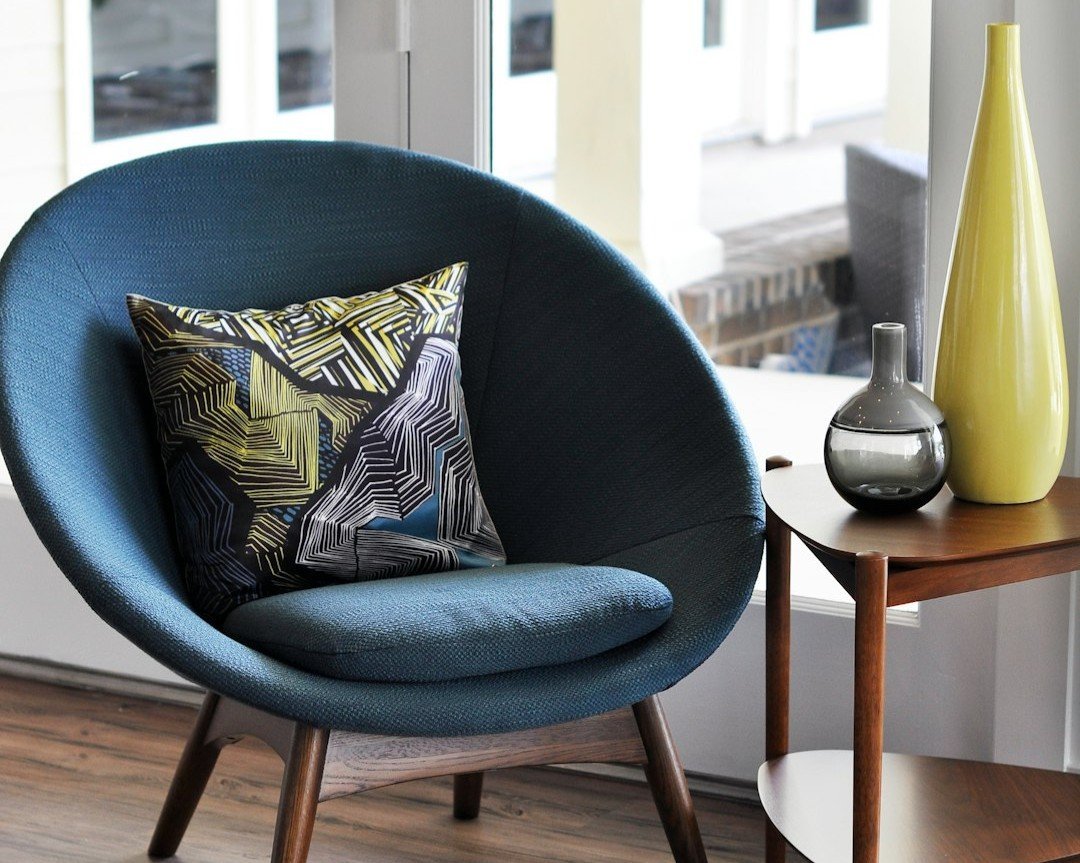
One rattan chair with a dramatically oversized fan back, and you can date the occupant almost exactly. Originally popular in the 1960s and ’70s, the peacock chair became a genuine cultural symbol – partly through its association with the counterculture, partly through iconic photographs of the era that placed it front and center. If your family had one – not because they found it at an antique market last year, but because it was simply always in the den – it was almost certainly purchased between 1965 and 1978. Probably closer to 1972.
The peacock chair sits exactly at the intersection of two adjacent decades: bold enough for the ’60s, natural enough for the ’70s. The 1960s went dramatic with experimental shapes and Op Art energy; the 1970s pulled everything back toward earth tones, rattan, and texture. The peacock chair managed to belong to both, which is probably why it survived in so many living rooms long after the trends that birthed it had passed. Today it has been reclaimed as a design statement. But if yours came with the house and you’ve never once thought of it as a statement, that’s different. That’s just your chair.
#2 – Genuine Teak or Walnut Mid-Century Modern Furniture
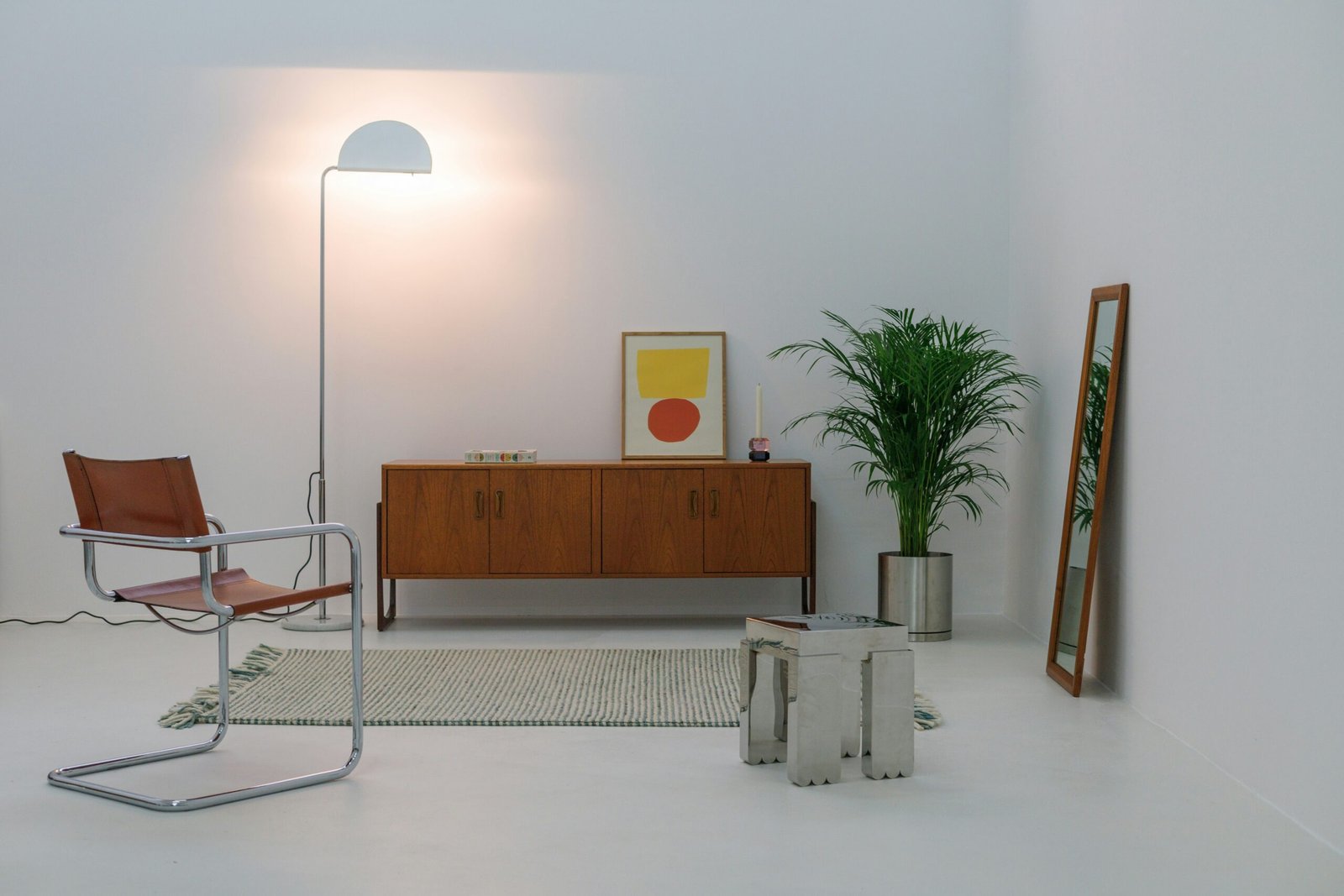
Here’s what most people get wrong about mid-century modern furniture: it wasn’t considered “vintage” when it was purchased. It was just furniture. The clean lines and warm wood tones of Danish modern pieces – teak sideboards, walnut coffee tables, sculptural lounge chairs – were the contemporary furniture of their time. Your parents didn’t buy a “mid-century credenza.” They bought a credenza. It happened to be 1961. The fact that design history now treats their everyday purchase as a landmark is something they would find genuinely baffling.
The irony is that the furniture Baby Boomers grew up dismissing as “old” is now the most coveted category at any estate sale. Patina matters enormously here – as collectors and appraisers note, “the patina that develops on well-maintained teak and walnut pieces adds character that can’t be replicated in modern reproductions.” If you have a genuine teak sideboard or walnut credenza that has been in your family since the early 1960s, it is almost certainly worth far more than you think. And it tells any designer or appraiser who walks through the door exactly when your parents were setting up their first home together.
At a Glance: What Makes Vintage MCM Furniture Valuable
- Material: Solid teak, walnut, rosewood, or oak – not veneer over particleboard.
- Joinery: Dovetail joints and tight drawer action signal quality construction that holds value.
- Maker: Pieces by Wegner, Eames, Jacobsen, Saarinen, or from Herman Miller and Knoll command the highest prices.
- Patina: Decades of warm grain development cannot be faked – it’s a key value marker appraisers look for first.
- Location: The same Danish teak sideboard can fetch a premium in Los Angeles or New York and sell for a fraction of that in a small Midwestern town.
The Vintage Decor IQ Test
From starburst clocks to avocado-colored appliances, the objects in our childhood homes serve as a permanent timestamp of our formative years. Test your knowledge of these iconic American design relics.
Think you caught the key details? Take the quick quiz and see how sharp your instincts really are.
#1 – The Console Television Set
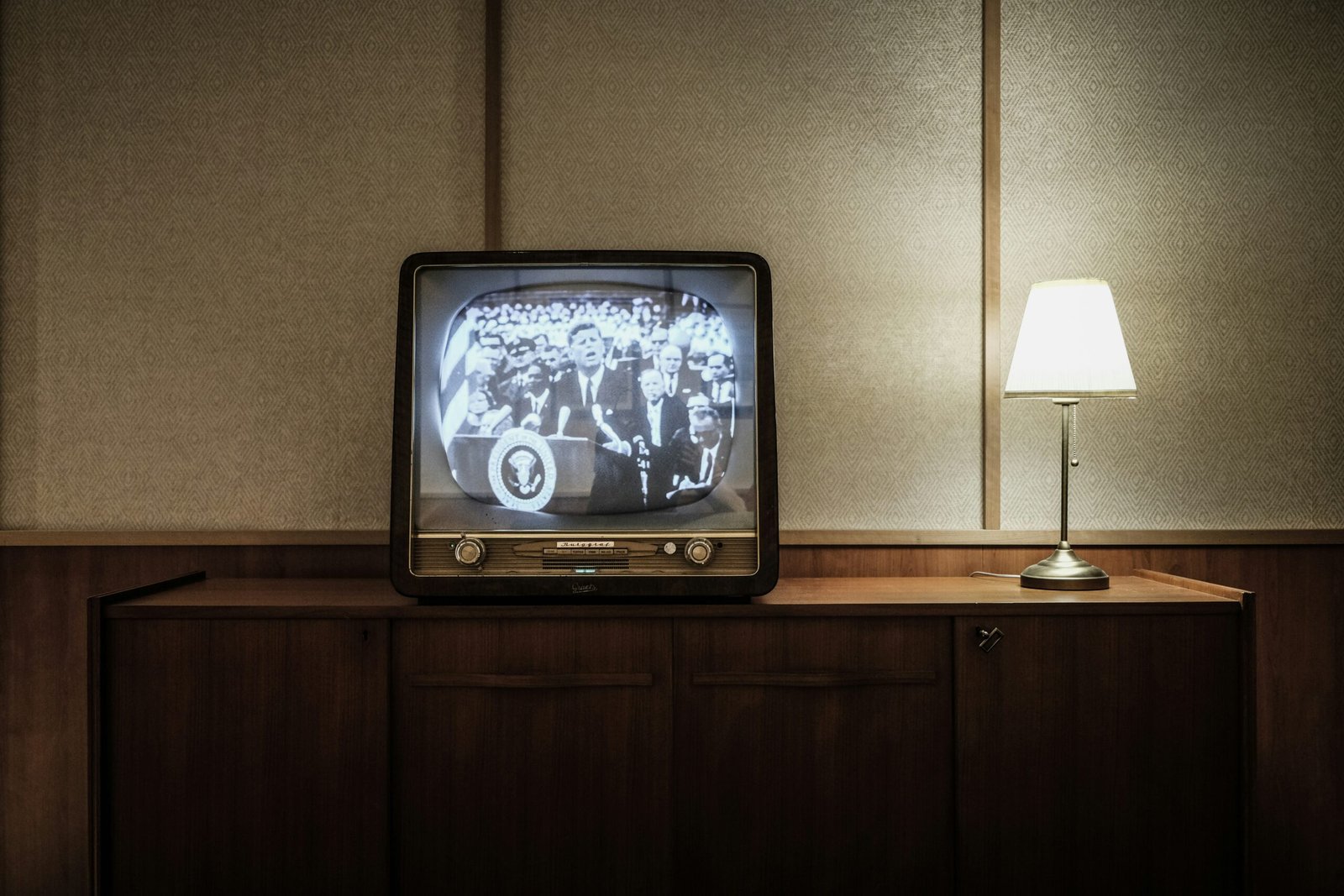
Nothing in the history of American home decor is a more accurate age-dating device than the console television set – not because of the technology, but because of what it meant architecturally and socially. Console televisions were not just screens. They were furniture: wood-encased, speaker-integrated, substantial enough that you helped move it once and remembered it for the rest of your life. The furniture in the room was arranged around it. Family photos lived on top of it. It was the hearth of the modern American living room, and it was treated with corresponding seriousness.
If the console TV was the undisputed center of your childhood living room – the thing with the manual dial you were told not to touch too fast, the thing that made a specific warming-up sound when it came on – you were born before 1975. Its eventual replacement by wall-mounted flatscreens didn’t just change the technology. It changed the entire spatial logic of how living rooms are organized and what they’re for. The console TV was built into furniture because that generation took television in the home seriously enough to give it a permanent, dignified place. It wasn’t a screen. It was a commitment. And for everyone who grew up beside one, it still is.
Put two or three of these together – the shag carpet, the CorningWare, the crocheted afghan – and you’ve got a remarkably precise picture of when someone grew up, who raised them, and what the air inside their childhood home felt like. Vintage decor isn’t just aesthetics. It’s memory made physical. The pieces people hold onto longest are almost never the ones they bought intentionally. They’re the ones that arrived before they had a say – the ones that became the background of their most formative years, and that still have the power, decades later, to put them right back in that room. Which one from this list is still in your home?