
You’ve seen the commercials. Crystal-blue water, a towering ship, couples laughing at sunset with drinks in hand. You book the cruise, you get the “deal,” and you board feeling like you’ve cracked the code on affordable luxury travel. Then day three hits. You check your onboard account and the number staring back at you doesn’t match anything you planned for. It happens to first-timers constantly – not because they’re careless, but because cruise lines are genuinely world-class at showing you everything except the bill.
Experienced cruisers don’t just know the ships – they know the game. There’s a wide gap between what cruise lines put on the front of the brochure and what they expect you to quietly figure out on your own. Some of these surprises are annoying. A few are genuinely expensive. And one or two of them can turn a dream vacation into a stressful final morning. Here’s what the cruise line won’t volunteer before you sail.
#1 – The Advertised Price Is Almost Never the Real Price
That headline fare you spotted online? It’s a starting point, not a finish line. A seven-day Caribbean cruise in a balcony stateroom might show $1,199 per person on the booking page. That number is the cruise fare – not the total cost of taking the cruise. Port fees, government taxes, and daily gratuities all pile on top, and none of them tend to get equal billing in the ads. By the time you actually confirm your booking, the number has climbed considerably.
Port fees alone can add $100 to $250 or more per person depending on your itinerary – Alaskan ports tend to run significantly higher than Caribbean ones. Then come the gratuities, which we’ll get to next. The habit every smart first-timer should build: always price out the full, confirmed total before comparing cruise deals. The advertised fare is real – it’s just only part of the picture.
#2 – Daily Gratuities Are Charged Per Person, Not Per Room
This is the one that stuns families the hardest. Most first-timers assume gratuities work like a hotel resort fee – one flat charge per room, per night. That’s not how it works on a cruise ship. Automatic gratuities are charged per person, every single day, and they apply to every passenger in the cabin including children on most lines. Rates vary by line and have been rising steadily – Royal Caribbean charges $18.50 per person, per day for standard staterooms, while Norwegian runs $20 per person, per day, and suite passengers on some lines pay even more.
A family of four on a single-cabin cruise can easily see more than $70 a day in automatic service fees added to their onboard account. Over a seven-night cruise, that’s roughly $500 – before a single drink is ordered or a single shore excursion is booked. Most mainstream lines including Carnival, Celebrity, Holland America, Norwegian, and Royal Caribbean add this fee automatically unless it’s prepaid before sailing. Prepaying is almost always the smarter move; it locks in the current rate before any future increases and doesn’t show up as a shock on the last morning.
#3 – Your “Free” Drink Package Still Costs You Real Money

Cruise lines love to pitch free or discounted beverage packages as booking incentives, and the pitch works because it sounds like a genuine win. But seasoned cruisers know the actual math. Even a “free” drink package – one bundled into a promotional offer – typically requires you to pay the mandatory gratuity on the full retail value of that package. Service charges on most lines run 18% to 20%, and they apply to drink packages just as they apply to spa treatments and specialty dining.
On Carnival, a standard drink package runs $88.44 per person, per day as of recent pricing – and it must be purchased for every day of the voyage, not just the days you plan to drink heavily. An 18% gratuity on top of that is not a small number. Before you assume the package beats paying drink by drink, do the honest math: divide the total package cost by the number of days, estimate how many drinks you’ll actually consume, and compare. For light drinkers, paying as you go almost always wins.
The First-Timer's Guide to Cruise Costs
Navigating the hidden fees and logistical quirks of a modern cruise requires more than just a booking confirmation. Test your knowledge on the real price of life at sea.
Think you caught the key details? Take the quick quiz and see how sharp your instincts really are.
#4 – Room Service Isn’t Free Anymore on Most Major Lines
Calling room service at midnight used to feel like one of the classic cruise luxuries. That era is largely over on mainstream lines. Royal Caribbean – the world’s largest cruise line by passenger capacity – now charges a $7.95 service fee per room service order, even if all you’re ordering is a single side of toast or a bowl of cereal. That fee exists whether you order at 7 a.m. or 2 a.m., and it posts to your onboard account automatically.
Then an 18% gratuity gets stacked on top of the service charge. What feels like a small, casual indulgence – a late-night snack, a coffee before you’re ready to face the world – can easily land as a $15 to $20 charge for something that cost nothing just a few years ago. The good news: the main buffet on most ships runs very late and sometimes around the clock, which is free. But if the convenience of in-cabin delivery matters to you, budget for it honestly and don’t let it catch you off guard.
#5 – Even the “Free” Main Dining Room Has Upcharges Now
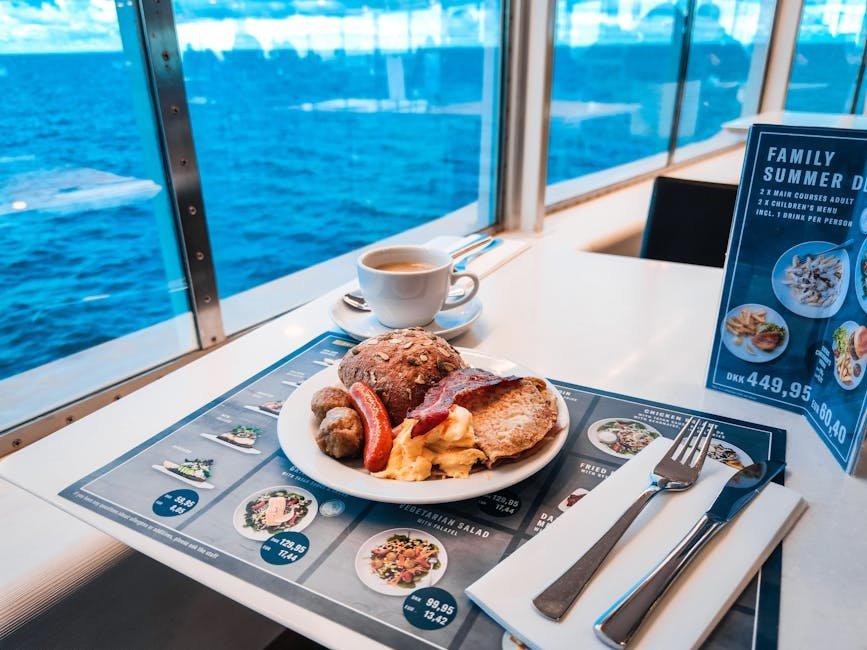
The included main dining room is still a real perk – nobody’s taking that away. But what cruise lines quietly don’t advertise is that the main dining room now has its own à la carte surprises tucked into the menu. Carnival and Royal Caribbean have both started charging extra for specific premium entrées – filet mignon, lobster, and surf-and-turf combinations – inside the same main restaurant that your fare supposedly covers.
It’s a strange experience the first time it happens: you’re sitting in a dining room you already paid for, and the server explains that the item you want carries a supplemental charge. The included meal is absolutely real and perfectly solid – it’s just no longer the full story. The best cuts and the most coveted menu items have increasingly migrated either to specialty restaurants or to upcharge status within the included venues. Know this going in and you won’t feel ambushed when the menu has two different price columns.
#6 – Specialty Dining Fees Come With an Automatic Gratuity on Top
If you’re planning to treat yourself to the ship’s steakhouse, sushi bar, or Italian trattoria, you’ve already accepted there’s a cover charge. What most first-timers genuinely don’t realize is that a substantial gratuity gets added automatically on top of that cover. Depending on the line and the restaurant, cover charges range from roughly $20 to $80 per person. Royal Caribbean, for example, adds an automatic 18% gratuity on specialty dining in addition to the cover charge itself.
So a $50-per-person dinner becomes a $59 dinner before you’ve even looked at the wine list. There is one genuine insider move here worth knowing: pre-booking specialty dining online before you sail almost always comes at a lower price than booking at the restaurant podium once you’re on the ship. The best tables and the best deals go fast, and the ship’s own app usually lets you lock them in during the weeks before departure. Book early, know the full cost including gratuity, and the experience is still worth it – just not at the walk-up price.
#7 – Wi-Fi Costs Can Exceed a Full Month of Home Broadband

Nobody in the cruise brochure mentions what staying connected is actually going to cost. The speeds have genuinely improved in recent years – most major cruise lines have upgraded to SpaceX’s Starlink, which has made shipboard internet dramatically faster and more reliable than the notoriously sluggish connections of a few years ago. Carnival finished its fleet-wide Starlink rollout by May 2024, and Royal Caribbean completed installation across its entire fleet by early 2024. But passengers paying for that improved service are paying a real premium for it, and prices have quietly risen alongside demand.
Carnival raised its pre-purchase Wi-Fi prices in late 2025. The Social Plan starts at $20.40 per person per day, the Value plan at $23.80, and the Premium plan at $25.50. Carnival’s Premium Multi-Device package – which covers up to four devices – now starts at $90 per day. For a family on a seven-night cruise, that number compounds fast. The one rule that every experienced cruiser follows without exception: buy your Wi-Fi package before you board. Onboard pricing is almost always higher than the pre-sail rate, sometimes significantly so.
#8 – Your Phone Will Rack Up Roaming Charges the Second You Leave Port
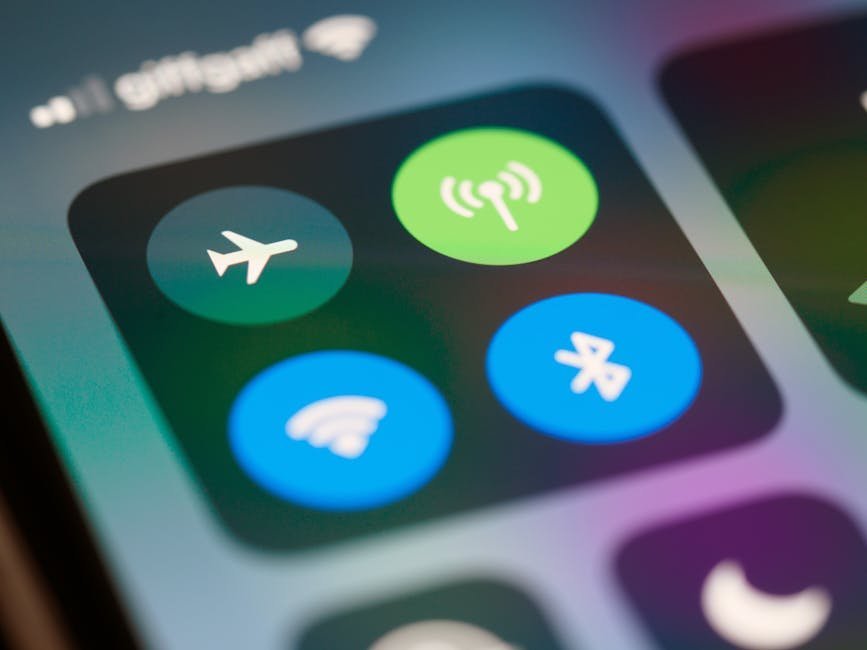
This catches first-timers completely off guard, and the bills that follow can be genuinely alarming. Most people assume they’re safe because they turned off international roaming – or because they’re “just on vacation.” But the moment a cruise ship clears U.S. territorial waters, your phone is effectively operating in international territory, and standard domestic cell plans don’t apply out there. The charges that accumulate while you’re asleep, while apps sync in the background, are real and they add up fast.
The fix is simple and takes about ten seconds: put your phone on airplane mode before the ship leaves the embarkation port, then connect only through the ship’s Wi-Fi when you need data. Stories of $500 to $1,000 roaming bills after a single cruise are not rare – they’re a well-known first-timer trap. Use messaging apps over the ship’s Wi-Fi connection and you’ll stay in touch with family back home without any ugly surprises when you land.
#9 – The “Adults-Only” Deck Areas Often Cost Extra

Those serene, sun-drenched photos of adults-only pool decks look incredible in the marketing materials. What the brochure quietly omits is that many cruise lines charge a premium for access to those quieter zones. The promise of escaping the kid chaos is real – but on several major lines, that escape comes with a daily surcharge or a spa-area access fee that isn’t mentioned until you try to walk through the gate.
If you want an adults-only area without the extra charge, Disney Cruise Line and Carnival both offer complimentary adults-only spaces. Virgin Voyages doesn’t allow passengers under 18 at all, so every deck is effectively adults-only. Worth tempering another expectation while we’re here: cruise ship pools are notoriously small by design – a stability consideration for a vessel at sea – and the popular ones fill up fast. If pool time is central to your cruise vision, get there early on sea days or prepare to settle for a chair nearby and call it good.
#10 – Shore Excursions Through the Cruise Line Are Massively Marked Up
The shore excursion desk on board is a profit center, plain and simple. Cruise lines sell excursions through local operators but take a significant cut in the middle. The breakdown is striking: of a $150 shore excursion booked through the ship, the cruise line typically keeps about half. The local tour company receives the other half – and often subcontracts the actual guide or driver, who ends up with roughly $35 to $40 of your original $150. You’re paying premium prices for someone else’s margin.
Independent operators booked in advance through reputable review platforms can cut that cost dramatically while often delivering a better, smaller-group experience. The one real trade-off is worth understanding clearly: if an independent tour runs long and you’re late back to the pier, the ship will not wait for you. On a ship-sponsored excursion, it will. Research independent operators carefully, know your ship’s all-aboard time cold, and build in a buffer. That one habit removes virtually all the risk from going independent – and saves real money.
Fast Facts: Ship Excursion vs. Independent Tour
- Ship excursion: Higher cost, ship waits if you’re late, less flexibility
- Independent tour: Lower cost, smaller groups, ship will NOT wait – know your all-aboard time
- Cruise line margin: Roughly 50% of your excursion dollar stays with the ship
- Best of both worlds: Book independent for port-heavy itineraries; use ship tours for remote or tender ports where timing risk is highest
#11 – The Spa Looks Relaxing Until You See the Bill
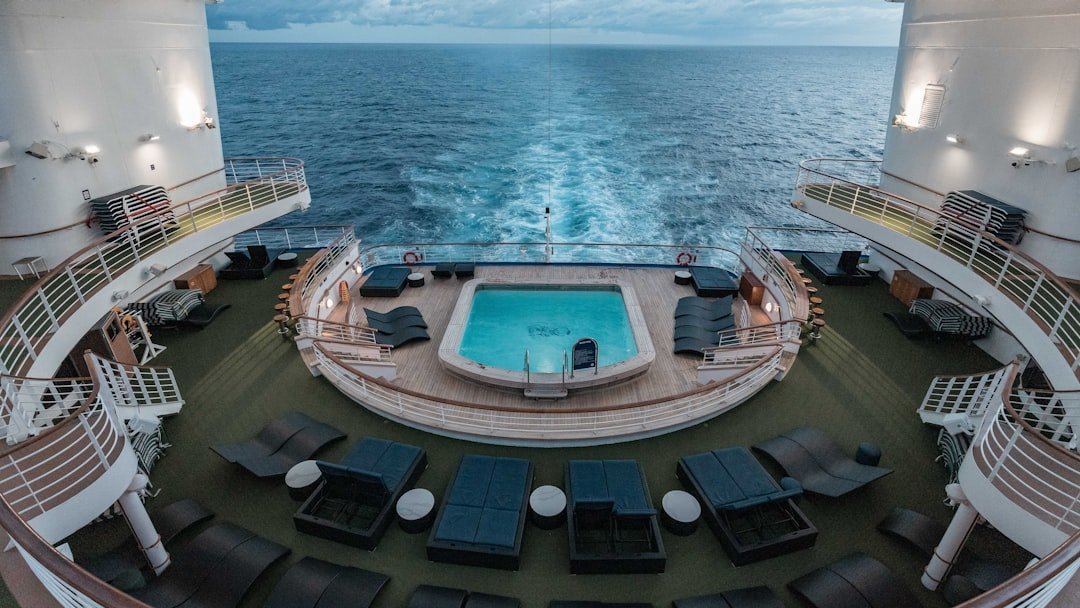
The spa is one of the most beautifully presented spaces on any cruise ship, and the marketing photography does it full justice. What the photography doesn’t show is the itemized receipt. A single massage can run up to $300 on premium ships, and an automatic 18% gratuity is added on top of that before the slip is handed to you. Most passengers don’t register the gratuity as a separate line item until they’re already signing.
There is a legitimate insider move, though. On port days, when a significant portion of the ship’s passengers have gone ashore, spas frequently offer discounts on single treatments to fill empty appointment slots – sometimes steep ones. Check your daily cruise newsletter or ask the spa desk directly on port mornings. Multi-day spa passes sound luxurious but often go underused on port-heavy itineraries. Targeting one or two discounted port-day treatments, plus taking advantage of free amenities like Carnival’s complimentary saunas, is a much smarter strategy for most passengers.
#12 – Your Luggage Won’t Be in Your Cabin When You Board
Every first-timer makes this mistake at least once: they pack their swimsuit and sunscreen in their checked bag, hand it to the porter at the pier, then spend the first four hours on board watching other people enjoy the pool while they wait in their cabin in street clothes. Checked luggage on a cruise ship goes through a sorting system serving thousands of passengers simultaneously. It will arrive – typically before dinner – but it is never guaranteed to be there the moment you walk into your stateroom.
The fix is so simple it feels obvious in hindsight: pack a carry-on bag for embarkation day. Medications, travel documents, valuables, a change of clothes, your swimsuit, sunscreen, and sunglasses should all travel with you onto the ship, not in your checked bag. Also worth knowing: the porters handling your luggage at the pier work for tips, not for the cruise line. A few dollars per bag is the standard, and it’s genuinely earned – those folks are moving thousands of bags in the heat before the ship sails.
Why It Stands Out: Embarkation Day Carry-On Essentials
- Swimsuit, sunscreen, and sunglasses – don’t let them vanish into checked bags
- Prescription medications and any must-have toiletries
- Passport, boarding documents, and credit card on file for your onboard account
- A change of clothes – checked bags often arrive hours after you do
- Cash for pier porters ($1–$2 per bag is the standard; more is always appreciated)
#13 – The Casino and Shops Stay Closed Until the Ship Is at Sea
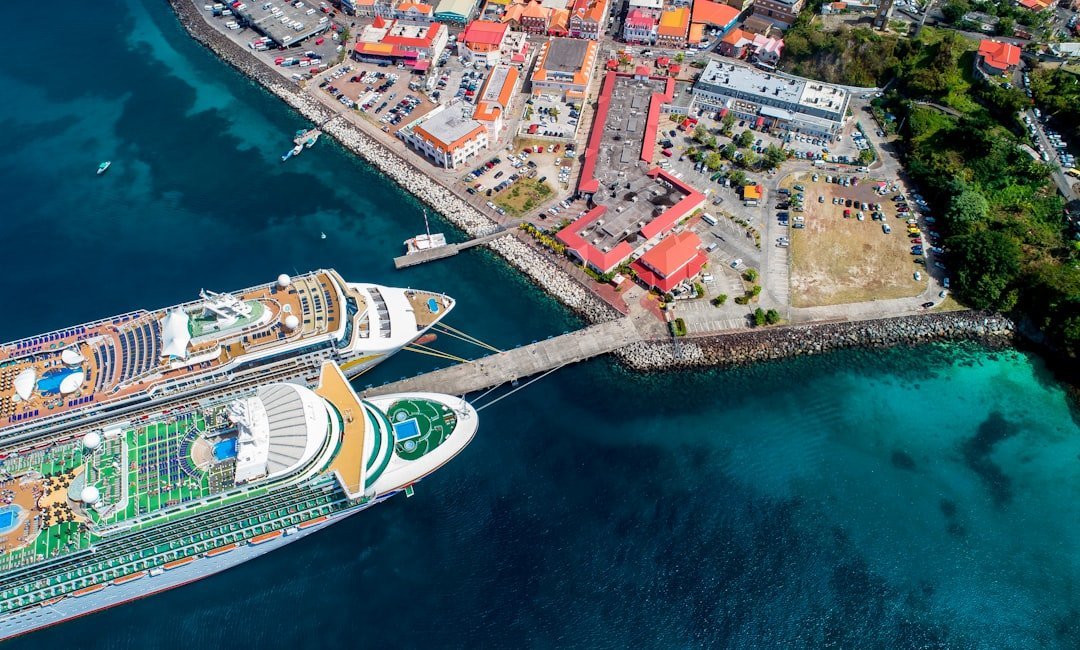
A lot of first-timers board expecting a fully operational floating city from the moment the gangway drops. But a few things are notably dark on embarkation day: the casino and the onboard shops remain closed until the ship clears the port. This isn’t a cruise line policy – it’s an international regulation. The casino and duty-free stores can only operate legally once the ship is in international waters. No amount of asking nicely at the casino cage will change that.
Use that first afternoon differently. Specialty restaurants frequently offer some of their best lunch pricing on embarkation day – multi-course meals at some venues run around $20 per person, a fraction of the dinner rate, and most passengers don’t know to look. It’s one of the genuinely great deals hiding in plain sight on day one. Book a specialty lunch, get oriented on the ship, and you’ve already gotten ahead of the game before most passengers have finished unpacking.
The First-Timer's Guide to Cruise Costs
Navigating the hidden fees and logistical quirks of a modern cruise requires more than just a booking confirmation. Test your knowledge on the real price of life at sea.
Think you caught the key details? Take the quick quiz and see how sharp your instincts really are.
#14 – Your Onboard “Tab” Is Shockingly Easy to Lose Track Of
This is the hidden trap that ruins the most first-time cruise vacations – not because of any single charge, but because of how the entire system is engineered. From the moment you board, your cruise keycard is your wallet. Every drink, spa treatment, specialty dinner, and arcade token flows through it silently, with no cash exchanging hands and no receipt handed to you in real time. The psychological effect is well-documented among experienced cruisers: when spending doesn’t feel like spending, you spend more. A lot more.
Some families end up spending more on onboard extras than on the actual cruise fare itself – not because they were reckless, but because nobody told them to pay attention. Every major cruise line now offers an app that lets you monitor your onboard account in real time; checking it every day or two takes sixty seconds and eliminates the final-morning shock entirely. Set a daily extras budget before you board, check the app regularly, and the cashless system works in your favor instead of against you. The cruise itself can be an extraordinary experience. Just go in knowing what the full game actually looks like.
Cruising genuinely can be one of the best travel values out there – spectacular ships, nonstop entertainment, and the luxury of waking up somewhere new every morning without repacking your bag. But the gap between the advertised price and the real cost is one of the most consistent surprises in all of travel. Budget honestly for gratuities, Wi-Fi, drinks, and a couple of excursions, and you’ll have an incredible time. Walk on board assuming the headline number is all you’ll spend, and the last morning’s bill will feel like a gut punch. You’ve been warned – in the way the cruise line never will.