
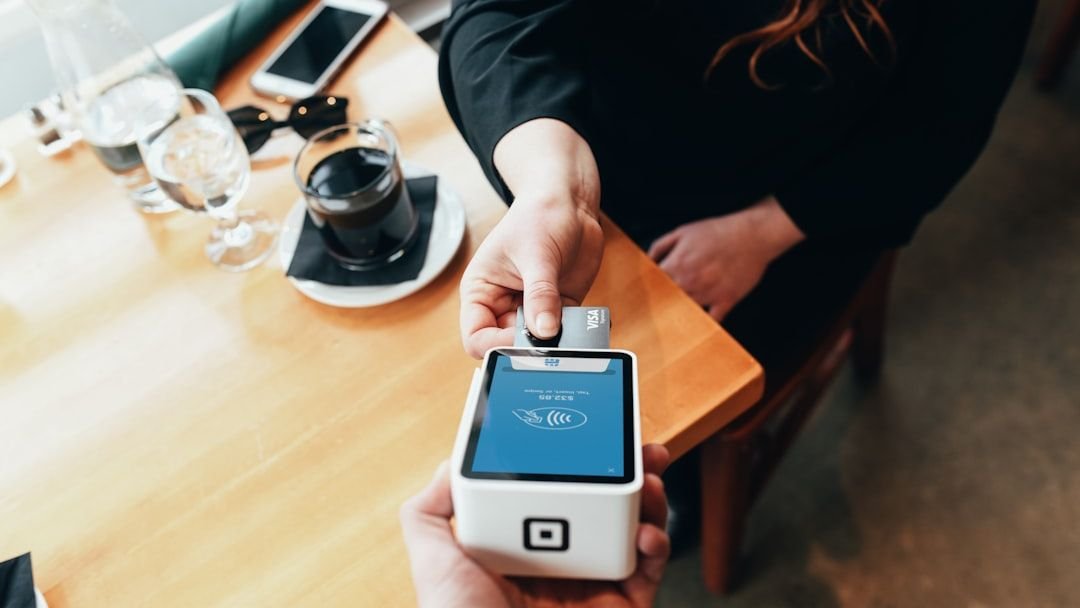
Most Americans who travel internationally are well-meaning, excited, and genuinely curious about the world. But there’s a short list of dead-giveaway habits that locals clock within about 30 seconds – habits so deeply baked into everyday American life that most travelers don’t even realize they’re doing them. Things like the volume of a voice in a restaurant, the way someone waves down a server, or the assumption that a dollar bill is universally accepted. None of them are moral failures. They’re just cultural blind spots that instantly telegraph “first timer” to everyone in the room.
The tricky part? Locals in most countries are too polite to say a word. People in most countries are extremely polite – they would never tell you that what you are doing is offensive or socially unacceptable. Instead, they will most likely smile and nod, before quickly changing the topic, running away, or ghosting you. So you can spend an entire two-week trip thinking everything went beautifully while quietly committing a dozen faux pas a day. Here are the 16 things that give it away every time.
#16 – Speaking English at Full Volume and Full Speed
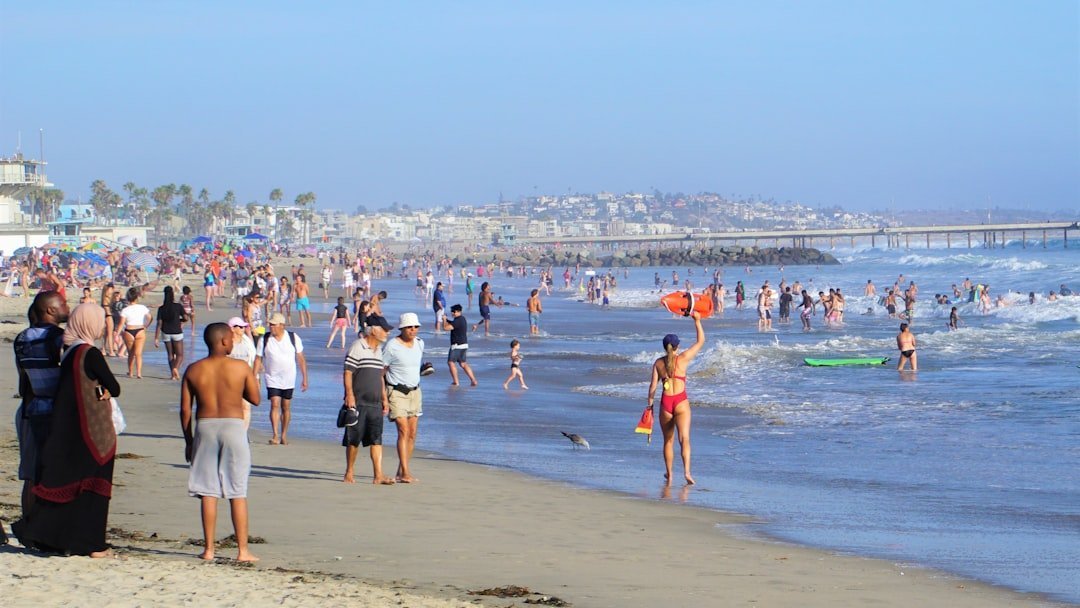
It’s one of the most recognizable rookie moves on the planet, and it happens in every country, every season. “American tourists would walk into a shop in Prague or a market in Ho Chi Minh City and just start speaking English at full volume and full speed,” says etiquette expert Daniel Grainger, “often getting louder when they weren’t understood, as though volume were a universal translator.” The instinct to repeat yourself louder makes total sense back home. Abroad, it just makes the situation worse and the local more uncomfortable.
What makes this extra visible is that the volume itself is the tell, even before the language. What’s considered a perfectly acceptable volume for conversations in the U.S. is often louder than Europeans would consider polite. In a recent survey, 70% of European respondents described Americans as “loud.” Turning the dial down and learning even three words in the local language changes the entire interaction – and the way locals treat you for the rest of the trip.
#15 – Assuming Everyone Speaks English

There’s a real difference between hoping someone speaks English and assuming they should. “One thing that I’ve been told grates is to just start speaking English in a foreign country. Yes, it’s likely that a lot of people, especially in touristy spots, will speak English, but the presumption that they do is really obnoxious.” The presumption is the problem – not the language itself. Most seasoned travelers know to ask first, softly, before launching into a full sentence.
Although you’ll likely meet some people who speak English, it’s rude to expect everyone to. “It tells the person on the other end of the conversation that their language, their culture and the place they call home isn’t worth five minutes on Google Translate,” says Grainger. It pays to pick up a few phrases in the local language, as not everyone is going to speak English. The European Union alone recognizes 24 official languages, and there might be as many as 200 to 300 others spoken across the continent as a whole.
#14 – Pulling Out Dollars Instead of Local Currency

This one has a surprisingly long history of causing awkward standoffs at cash registers around the world. Americans have been seen whipping out their dollar bills at foreign markets only to be met by shopkeepers’ blank stares. Assuming local vendors will accept American currency is both presumptuous and impractical. Most businesses abroad operate in their own currency, and expecting them to accommodate yours shows a lack of preparation. It’s not just inconvenient – it signals to every person in the shop exactly how prepared (or not) you are.
Asking “How much is that in dollars?” out loud can make a simple purchase feel like a performance, and it sometimes pressures staff to do math that is not their job. In street markets, taxis, and small shops, it can also signal uncertainty about value, which invites haggling games, confusing exchange-rate shortcuts, or an inflated quote. Grab local cash from an ATM before you need it. It takes five minutes and removes the single most visible rookie signal at any market or small restaurant.
#13 – Tipping 20% Everywhere (Or Not at All)
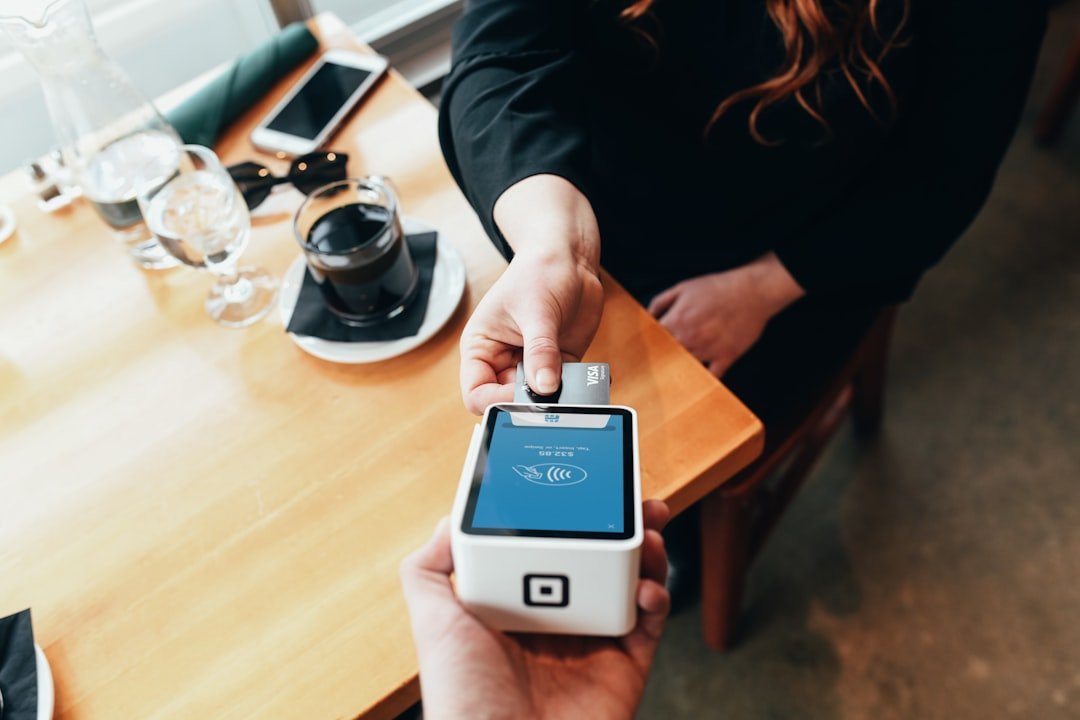
American tipping culture is so deeply embedded that most travelers don’t think to question it abroad – and that’s exactly the problem. Travel expert Rick Steves warns that American-style tipping in Europe can backfire, calling it “bad style” that disrupts local customs. A 5% to 10% tip is often considered sufficient. In fact, tipping 15% to 20% can be seen as excessive. Ironically, over-tipping in places where servers earn a full living wage can feel patronizing rather than generous.
But it goes the other way too. In Japan, tipping after a meal isn’t part of the culture and can even be seen as offensive. Exceptional service is the standard, so leaving a tip might suggest that the service wasn’t already up to scratch, which can embarrass the server or chef. Countries where tipping is uncommon include Sweden, Norway, Iceland, South Korea, and Finland. Countries like Japan and China may not expect tipping, as excellent service is standard. Research the norm before you land – it takes 60 seconds and saves genuine embarrassment.
Are You a Travel Pro or a Rookie?
Think you've mastered the art of international travel? Test your knowledge on the subtle cultural cues and etiquette shifts that separate the seasoned globetrotters from the first-timers.
Think you caught the key details? Take the quick quiz and see how sharp your instincts really are.
#12 – Wearing the Full Tourist Uniform

You know the look. Bright white sneakers, baseball cap, cargo shorts, fanny pack, and a T-shirt that proclaims which theme park you visited in 2019. Criminals can often spot an American a mile away by either their accent or their fashion – khakis, golf shirts, sneakers, baseball hats, and white socks are usually dead giveaways. This isn’t just an aesthetic issue – it’s a safety one. Standing out as a tourist in a crowd is an open invitation to pickpockets and overpriced “deals.”
Try your best to fit in with a country’s style of dress and customs by ditching the fanny packs, visors, dark socks with sandals, and Hawaiian shirts – and not using your outdoor voice. “The golden rule of travel is that blending in and conformity are a form of flattery,” says Lisa Grotts, author of A Traveler’s Passport to Etiquette. Most European cities have a fairly easy dress code to follow: dark, fitted, walking-appropriate clothes. The fanny pack debate is real, but consider a crossbody bag instead.
#11 – Showing Up to Sacred Sites in Beach Clothes
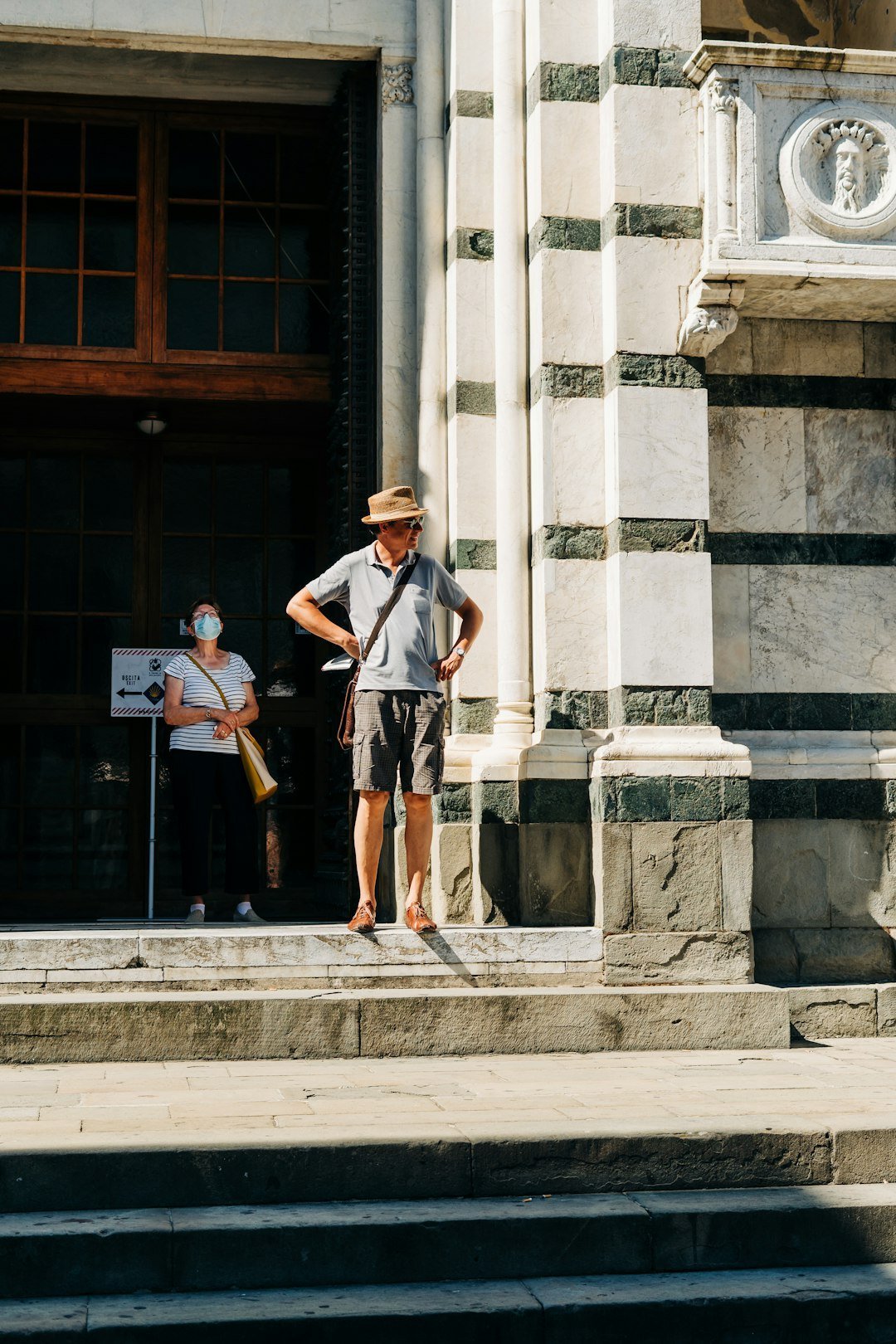
Walking into churches with shorts and tank tops or wearing shoes in temples shows disrespect for local religious customs. Many Americans don’t research basic etiquette before visiting sacred or formal places. This lack of preparation can be offensive to locals and embarrassing for other American visitors. Every summer, staff at the Vatican turn away tourists in sleeveless shirts and short skirts – a scene that plays out daily and is completely avoidable with two minutes of research.
In pretty much any culture, when you’re visiting churches, temples, mosques, or other sacred spaces, you should cover your shoulders and knees. In Thailand, for example, wear clothing that covers your arms and legs when visiting Buddhist temples. The fix is simple: carry a light scarf or a pair of lightweight pants in your bag. It weighs almost nothing and solves the problem in literally any religious site on earth.
#10 – Asking for the Check Before the Meal Is Over

In the U.S., a server dropping the check while you’re still eating is considered attentive. In most of Europe and Latin America, it’s considered rude – from the restaurant’s side, not yours. Europeans embrace the concept of “slow” in all its forms – dinner in many countries tends to be a social affair that lasts all evening. Don’t expect servers to rush you or the check to appear while there’s still food on the table – you’ll have to ask for it. Sitting and waiting for a check that isn’t coming is one of the most commonly reported moments of confusion for American travelers abroad.
Locals notice when Americans constantly look at their watches or try to hurry servers along. Speed-eating your meal or immediately asking for the check can come across as rude in cultures that prioritize a leisurely dining experience. The meal is the event – not something to fit between other events. Let it run. Flag the server when you’re actually ready to leave. That shift alone makes the whole dining experience feel completely different.
#9 – Ordering a Cappuccino After Lunch in Italy

This one is so specific it sounds like a joke – but it is absolutely real and it will get you clocked as a tourist instantly. Meal times, coffee culture, and social habits can be very different from the U.S. In Italy, dinner rarely starts before 8 p.m., and ordering a cappuccino after lunch immediately marks you as a tourist. Italians drink cappuccinos in the morning, full stop. The milk is considered too heavy for after a meal, and ordering one at 2 p.m. is the culinary equivalent of wearing socks with sandals.
In many destinations abroad – especially places like Italy, France, or Spain – coffee is more of a slow, sit-down experience. Espresso drinks are usually smaller, stronger, and meant to be savored. You won’t see locals rushing around with huge to-go cups very often, if at all. The giant iced coffee carried around for an hour is another instant tell. In many places abroad, especially across Europe, asking for extra ice still reads as distinctly American. Rick Steves has written that ice cubes with meals are one of the habits that make travelers stand out because many restaurants simply do not serve drinks that way.
#8 – Cramming 10 Countries Into 7 Days

American tourists often try to see ten countries in seven days, rushing from landmark to landmark without truly experiencing anything. This hurried approach means they miss out on genuine cultural interactions and deeper understanding. Locals can sense when visitors are just checking items off a list rather than genuinely engaging with their community. The photo taken at the Eiffel Tower after 45 minutes in Paris tells a different story than the one taken after a full afternoon wandering Montmartre.
With so much to see and relatively little paid time off, American tourists can be forgiven for wanting to rush around ticking off the sights. But consider the emerging trend of slow travel, which encourages spending more time in each place so you can really take it in. Americans are sometimes noticeably in a rush compared to European tourists – almost as if on some kind of timetable, maybe because many only have 8–10 days of holiday a year. That’s understandable. But two cities done deeply beats seven cities done in Instagram-only mode every time.
#7 – Skipping Basic Greetings Before Getting to Business

Walk into a shop in France or a market stall in Jamaica without saying hello first, and you’ve already started badly. “Jamaica is very big on pleasantries,” explains Houston Moncure, managing director of Bluefields Bay Villas. “Jamaicans will always start a conversation with ‘good morning’ or ‘good afternoon’ before getting into anything else. Many American visitors will walk into a shop and just start asking questions like, ‘How much is that?'”
“Nothing will show you don’t live here faster than this,” Moncure says, “and failure to abide will result in bad service.” It’s considered rude to walk into a store, shop, or restaurant and not greet the person working there. This applies across France, much of Southern Europe, the Caribbean, and most of Africa. A simple “Bonjour,” “Buongiorno,” or even just a warm “Hello, good morning” before launching into your request is the difference between being treated like a local and being treated like a transaction.
#6 – Using American Hand Gestures Without Knowing What They Mean

The thumbs up. The OK sign. Beckoning someone over with a curled index finger. These feel completely neutral in the U.S. – they are absolutely not neutral everywhere else. A thumbs-up, the OK sign, pointing, beckoning with one finger for someone to come to you – depending on where you are, these can all be seriously offensive. The OK sign, for instance, is an obscene gesture in Brazil and parts of Southern Europe. The thumbs up carries a rude connotation in parts of the Middle East.
Beckoning with a curled index finger is common in the U.S., but in the Philippines, Japan, and Singapore, it is seen as disrespectful. Even subtle gestures like crossing your arms can cause negative assumptions. In Finland, it’s a sign of arrogance and can lead to people disliking you. The safest move is to watch how locals signal and mirror them, especially in markets where hand gestures replace words. When in doubt, a neutral open palm gets the point across without the risk.
#5 – Comparing Everything to Back Home Out Loud

“The pizza is better in New York.” “You should see how we do brunch in Austin.” “This would never fly in the States.” Saying “In America, we do it this way” frames a local custom as a mistake to be corrected, even when it’s meant as harmless small talk. It can sour a moment in restaurants, on transit, or at hotel desks, because it recenters the exchange around the United States. Locals hear this constantly from American visitors and it lands worse each time.
Saying “back home we…” or “this would never happen in America” comes off as condescending and rude. Travel is about experiencing new perspectives, not comparing everything to your home turf. Whether it’s the way people queue, the pace of service, or how meals are prepared, different cultures have different approaches. Comparing everything to American norms is a fast track to offending locals. The traveler who says “this is different and I want to understand it” gets a completely different trip than the one who says “this isn’t how we do it.”
#4 – Ignoring Local Dress Codes at Religious Sites

This is one of the most visible and most avoidable rookie signals, and it goes beyond just looking underdressed. Dressing inappropriately for the setting is one of the rudest things you can do while traveling. “When what you’re wearing is in direct opposition to local norms or the tone of a public space, it can draw attention in a way that feels disrespectful – for example, places with clear dress expectations, like the Vatican in Italy.” Vatican guards turn away thousands of tourists every year for bare shoulders and short skirts, even during peak summer months.
In North Africa, the Middle East, and South Asia, modest clothing is expected. Women are generally expected to cover their shoulders, cleavage, and legs above the knee, while men typically wear long trousers instead of shorts. In Thailand, Buddhism is the predominant religion and monks are very highly regarded. Do not make physical contact with monks, especially if you are a woman. These aren’t arbitrary rules – they are deeply held cultural and religious expectations, and ignoring them communicates that you didn’t think the destination was worth looking up beforehand.
#3 – Expecting the Same Customer Service Speed as at Home

In America, fast service is good service. That equation does not translate. One of the most debated aspects of American travel culture is the assumption that “the customer is always right.” While this may fly in U.S. service industries, it often backfires abroad, where workers don’t tolerate entitlement and are less likely to bend over backward for tourists. Expecting the same level of convenience, speed, or friendliness can make Americans appear impatient or rude.
An American arguing with hotel staff in London insisted “the customer is always right” – which is actually a very American approach to customer service and not a globally-shared thought pattern. In Japan, Germany, France, and most of Southern Europe, the service relationship is more formal and less performatively warm than Americans expect. A server who doesn’t smile and check on you every three minutes is not being rude – that’s just not how it works there. In the U.S., speed and efficiency are highly valued. Other cultures take things slower – especially around mealtimes, coffee breaks, and social events.
#2 – Not Knowing One Single Word in the Local Language

This one genuinely stings for locals in a way most Americans don’t realize. Not knowing how to say “please,” “thank you,” or “excuse me” in the local language shows laziness and disrespect. It’s not about fluency – nobody expects a two-week tourist to be conversational. It’s about the five minutes of effort it takes to learn three words before boarding a plane. That effort, visible the moment you open your mouth, changes how every single interaction goes for the rest of the trip.
On a trip to South Korea, one traveler made a point to bow slightly when greeting new people and noticed that this small gesture made interactions smoother, with locals responding warmly. It showed that even simple attention to etiquette can turn ordinary encounters into meaningful connections. “Merci,” “Grazie,” “Arigatou,” “Shukran” – these words cost nothing and earn genuine warmth. English is widely spoken, but not making any effort will just make everyone dislike you. “If at all possible, at least say a greeting in the other person’s language, and then say, ‘Do you speak English?’ right after that.”
Are You a Travel Pro or a Rookie?
Think you've mastered the art of international travel? Test your knowledge on the subtle cultural cues and etiquette shifts that separate the seasoned globetrotters from the first-timers.
Think you caught the key details? Take the quick quiz and see how sharp your instincts really are.
#1 – Treating the Whole Trip Like a Checklist

The most deeply recognizable rookie move of all isn’t about volume or tipping or clothes. It’s about mindset. American travelers are not usually spotted by one big, embarrassing mistake. More often, they are recognized through small habits that feel completely normal back home: the way a meal is ordered, the pace expected from a server, the clothes chosen for a long city day, or the assumption that water, coffee, and tipping work the same everywhere. All of those habits flow from one root: treating international travel as an American experience that happens to be set overseas.
If you’re an international traveler, you have at least one memory that makes you cringe – at least one instance when you unintentionally committed a cultural faux pas. Things that are unremarkable in your own country may be rude, or even illegal, elsewhere. The travelers who come home with the best stories aren’t the ones who saw the most landmarks. They’re the ones who slowed down, paid attention, and let the place be what it actually is – not a backdrop for content, but someone else’s home. That shift in attitude irons out almost everything else on this list automatically.
So which of these rang the most true? Have you caught yourself doing one of these without realizing it – or spotted a fellow American committing a classic faux pas abroad? Drop it in the comments. We’ve all been there.