
Frequent fliers can spot a first-time traveler from fifty feet away – and it has nothing to do with the matching luggage set. It’s the behavior. The frantic bag-digging at security. The slow shuffle toward the gate. The deer-in-headlights stare at the departure board. These aren’t just embarrassing moments. Some of them cost you real money, real time, and sometimes your actual flight.
The worst part? Most of these mistakes are completely invisible to the person making them. You think you’re doing fine. Meanwhile, the road warrior behind you in line is quietly losing his mind. Here are 17 things the pros never do at an airport – and that experienced travelers clock immediately when someone else does them.
#17 – Wearing Lace-Up Boots and a Belt Through Security

Nothing announces “I’ve never done this before” quite like someone frantically unlacing knee-high boots at the security checkpoint while 30 irritated travelers pile up behind them. Experienced fliers dress for the airport like it’s a process to move through, not a fashion show. TSA PreCheck members get to keep their shoes and belts on – but even without PreCheck, the unspoken rule is simple: slip-ons on travel day, always.
Belts with heavy metal buckles are a reliable way to trigger the scanner and add three minutes to everyone’s wait. Save the chunky jewelry and the elaborate outfit for when you land. The veteran traveler at the front of the line is through the scanner and re-packed before you’ve gotten your second boot off.
Fast Facts
- At major hubs like ATL and LAX, standard security lines average 25-27 minutes – every delay you add hits the people behind you just as hard.
- Slip-on shoes, a belt-free waistband, and minimal metal jewelry can cut your personal security time by 2-4 minutes.
- Items that most reliably slow the lane: lace-up boots, heavy belt buckles, chunky necklaces, and jacket-with-zipper layering.
- Dressing strategically isn’t about looking casual – veterans have been known to wear tailored travel outfits that happen to be completely security-friendly.
#16 – Leaving Your Liquids and Laptop Buried in Your Bag

The TSA liquid rule has been around since 2006. And yet, every single day, travelers reach the front of the security line and start frantically excavating their carry-on for a forgotten toiletry bag – as if they’ve never heard of it. Smart travelers pack with security in mind, keeping laptops and liquids at the very top of their bag so they can be pulled out in one smooth motion. No excavation required.
The same logic applies to your documents. Your passport, ID, and boarding pass should live in an outer pocket you can reach without stopping. Treating your bag like a clown car at the security conveyor belt is one of the clearest signals that you have no idea what you’re doing – and the ten people behind you will absolutely notice.
#15 – Checking In at the Counter When the App Does It in 30 Seconds
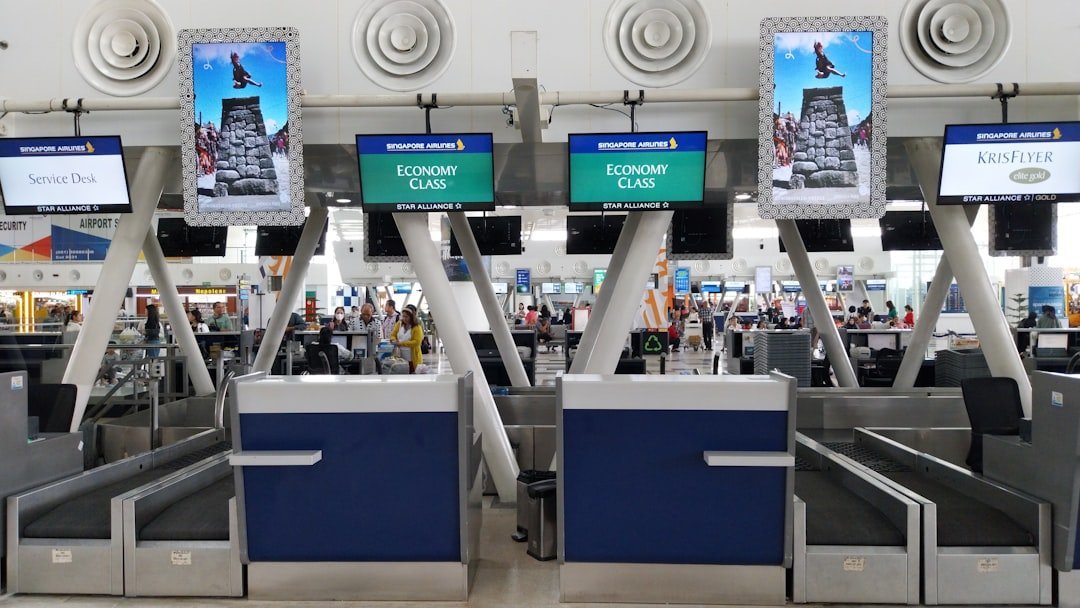
Walking straight to the check-in counter to print a boarding pass is the travel equivalent of calling customer service when there’s a perfectly good app. Airlines let you check in online up to 24 hours before departure. Doing this confirms your seat, gives you a digital boarding pass, and – if you have no checked bags – lets you skip the counter line entirely. That’s a savings of 30 to 45 minutes, minimum.
That’s 30 to 45 minutes you could spend at the gate, grabbing food, or sitting quietly instead of inching forward in a queue behind someone whose suitcase is six pounds overweight. It takes about a minute. First-time travelers skip it constantly and then wonder why the airport feels so chaotic.
#14 – Piling Your Bags Across Every Seat at a Packed Gate
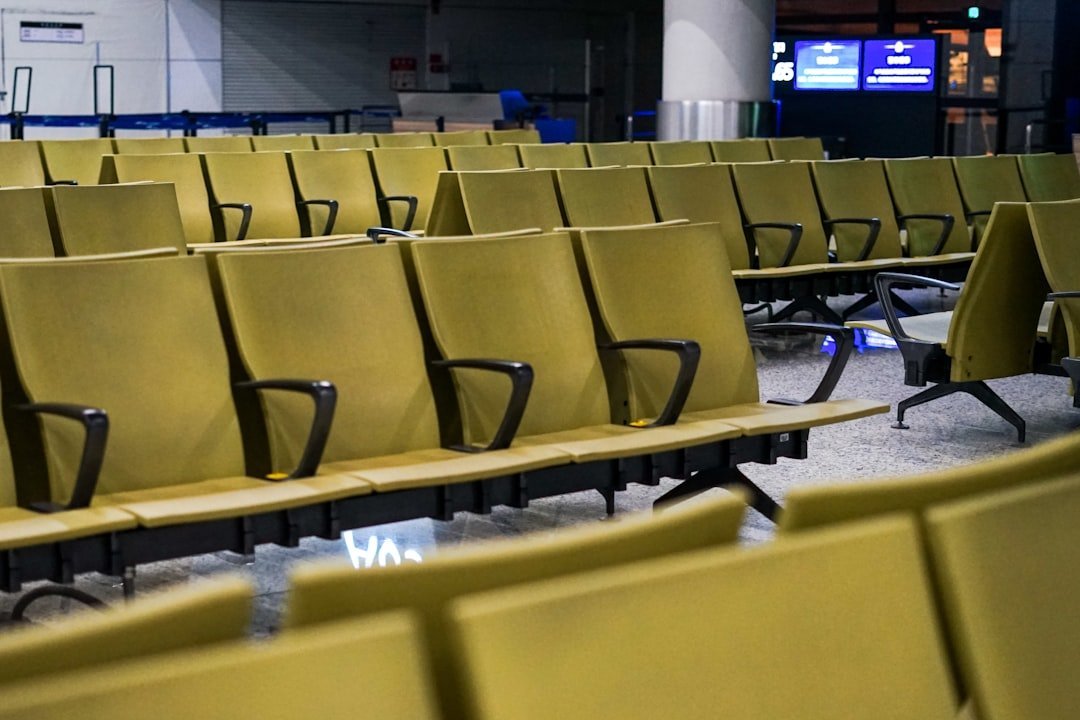
This one isn’t just a tourist tell – it’s genuinely inconsiderate. But it screams inexperience because frequent travelers know exactly how fast a gate area fills up and how quickly the social contract breaks down when seats disappear. Spreading across two or three chairs with your roller bag, your coat, your coffee, and your carry-on while a family of four scans desperately for space? That’s the move of someone who doesn’t fly enough to know better.
Experienced travelers treat the gate area like a shared space with unspoken rules. They tuck bags under their feet, stay compact, and read the room. During quieter periods it may be fine – but when the gate fills up, regulars move their stuff without being asked. It’s a small thing that says everything.
#13 – Using Airport Wi-Fi Without Any Protection
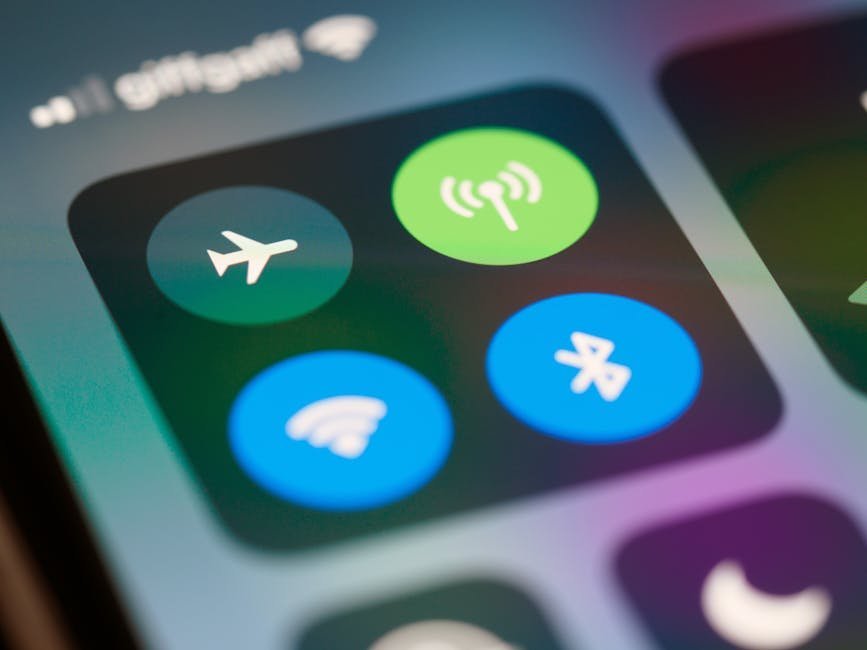
Here’s one most casual travelers never think about – and it can cost them far more than a missed upgrade. Airport Wi-Fi networks are among the most notoriously unsecured public networks in existence. Checking your bank account, logging into email, or booking a hotel on that free airport connection is exactly the kind of move that makes scammers very happy. The Federal Trade Commission has reported hundreds of millions of dollars lost annually to travel-related scams, and airports are a prime hunting ground.
Frequent travelers either run a VPN without a second thought or simply switch to their phone’s cellular data and skip the airport network entirely. What makes airport scams so effective is timing – you’re tired, disoriented, and operating on autopilot. That’s precisely when your guard is lowest and theirs is highest.
Worth Knowing
- “Evil twin” hotspots – rogue networks designed to look like official airport Wi-Fi – are a documented and growing threat at major terminals.
- A VPN encrypts your connection and takes about 30 seconds to switch on; most top-rated options cost under $4/month.
- Banking apps and email are the highest-value targets for public-network snoopers – avoid them both unless you’re on cellular.
- If you must use airport Wi-Fi, stick to browsing static content and avoid logging into any account with financial or personal data.
The Frequent Flier's Airport Etiquette Quiz
Do you navigate the terminal like a seasoned road warrior or a first-time tourist? Test your knowledge of the unspoken rules and strategic habits that define the experienced traveler.
Think you caught the key details? Take the quick quiz and see how sharp your instincts really are.
#12 – Standing Under the Departure Board Instead of Checking the App
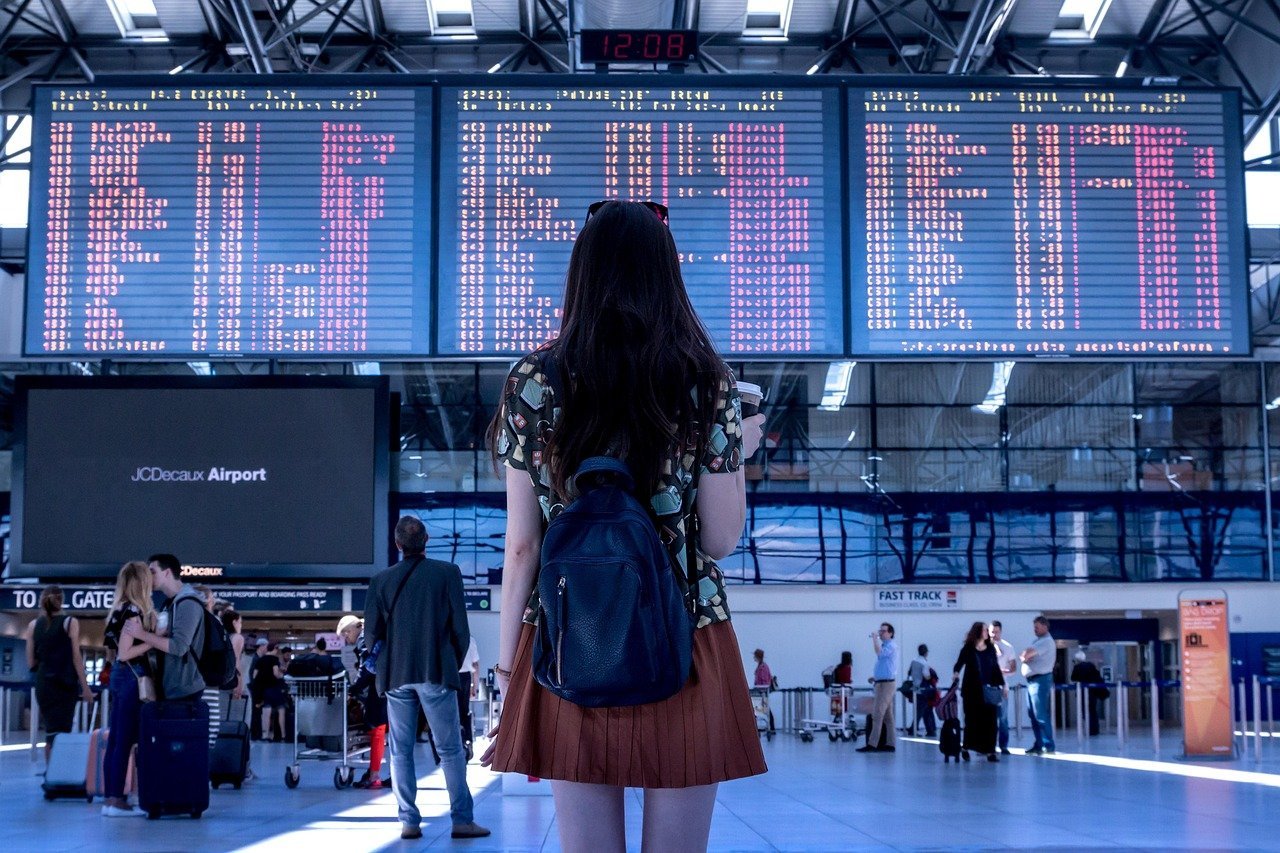
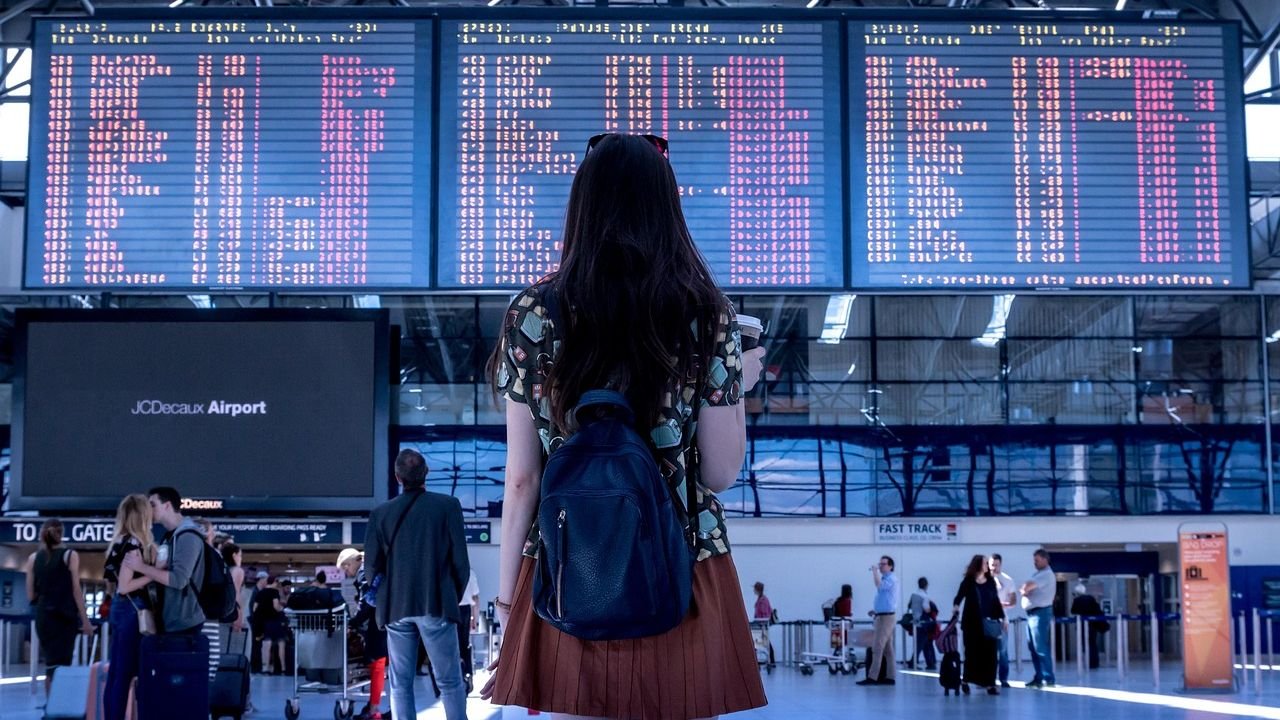
There’s a very specific tourist behavior that involves planting yourself directly below the departure board, craning your neck upward, and waiting for a flight number to appear – then pointing at it loudly. It happens at every major airport, every day. Experienced travelers don’t do this because their phone already told them everything they need to know, including gate changes, before they even got to the terminal.
Gate changes are one of the most stressful moments for infrequent travelers precisely because they’re not expecting them. Regulars know gate changes happen constantly and stay glued to the airline app. When a flight gets disrupted and the airline sends rebooking options or hotel vouchers directly to your phone, the people who downloaded the app before they left the house are the ones who get the good rooms.
#11 – Arriving Four Hours Early or Sprinting in With Ten Minutes to Spare
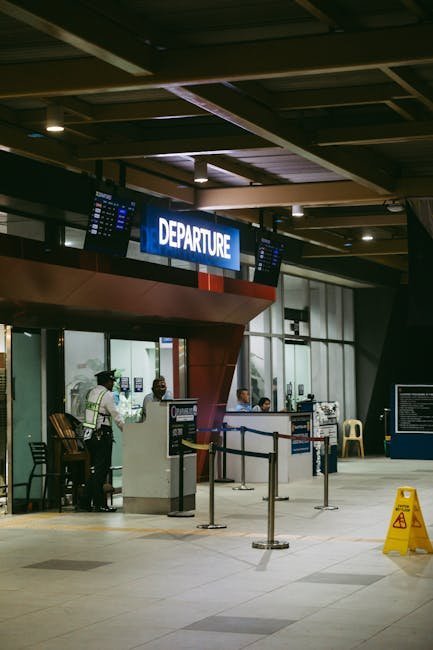
Both extremes are a dead giveaway. The traveler who shows up four hours early for a domestic flight and sits staring at the wall for two hours has clearly been burned before and overcorrected wildly. But the one sprinting through the terminal with a rolling bag bouncing off every shin in the corridor? Everyone can see that one coming from the moment they burst through the doors.
For domestic flights, two hours from departure is the professional answer. For international, three. At major U.S. airports, security lines can easily take an hour on a busy day – and if you’ve only given yourself 60 minutes total, there’s a very real chance you’re watching your flight push back without you. Two to three hours. Not four. Not one.
At a Glance: How Early Should You Really Arrive?
- Domestic, no checked bags + TSA PreCheck: 60-90 minutes is usually enough at most airports.
- Domestic, checked bags, standard security: 2 hours is the sweet spot – more at peak travel days.
- International flights: 3 hours is the consistent pro answer, no matter how seasoned you are.
- Holidays and summer Fridays: Add 30-45 minutes to any of the above – security lines at major hubs spike fast.
#10 – Yelling at Gate Agents Over Things They Can’t Control
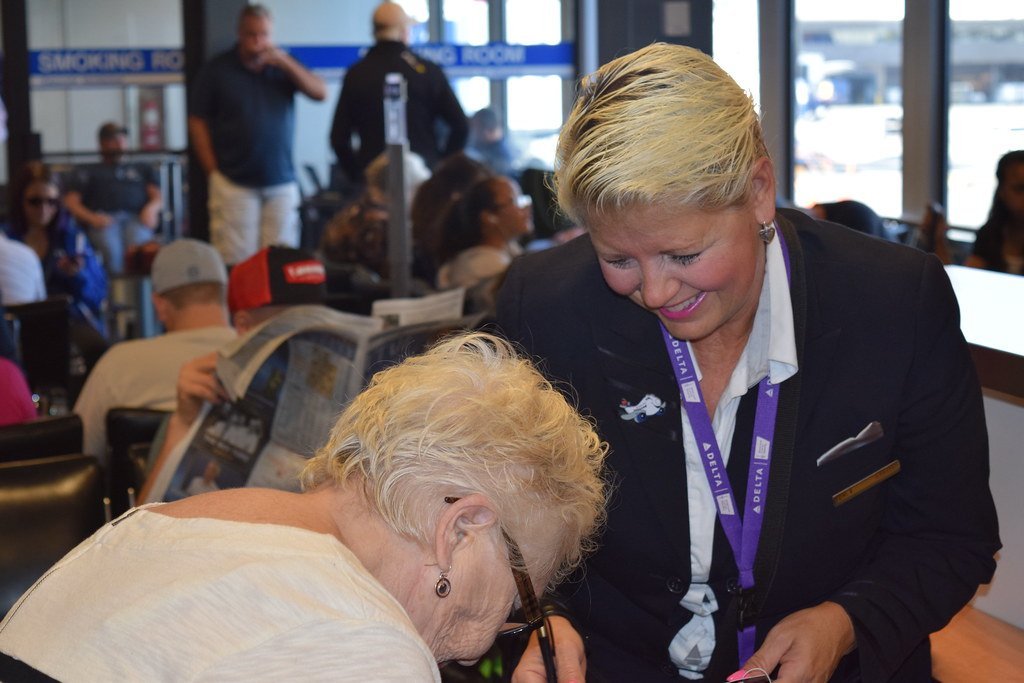
A flight gets delayed, a seat assignment gets scrambled, a connection looks dangerously tight – and someone plants themselves at the gate podium to deliver an angry monologue at an agent who has zero power over the weather. It’s painful to watch. And it almost never works. Airlines have increasingly empowered staff to deny boarding or flag passengers for future restrictions when situations escalate, and it happens more than most people realize.
What frequent fliers understand that casual travelers don’t: the gate agent is your best friend in a crisis, not your target. The traveler who stays calm, makes eye contact, and says “I know this isn’t your fault – what are my options?” is far more likely to get bumped into a better seat, rebooked on the earlier flight, or handed a voucher that wasn’t technically on offer. Kindness is a travel hack.
#9 – Checking Bags Without Treating Them Like They Might Disappear

Casual travelers check bags without a second thought and then act shocked when something goes wrong. According to SITA’s 2025 Baggage IT Insights report, airlines worldwide mishandled 33.4 million bags in 2024 – costing the industry an estimated $5 billion in recovery and compensation. The mishandling rate dropped to 6.3 bags per 1,000 passengers, an improvement, but still far from zero. Of those mishandled bags, lost or stolen bags made up roughly 8% of all cases.
Experienced travelers rarely check anything they can’t afford to lose. Keys, medications, passports, and electronics go in the carry-on – always. Delayed bags alone accounted for 74% of all mishandling incidents in 2024, meaning even a “found” bag may not arrive when you do. Putting an irreplaceable prescription or your only copy of a visa document into a bag you’re handing to a stranger at the curb is the single most avoidable baggage disaster in travel.
#8 – Booking Through a Third-Party Site and Expecting the Airline to Fix It
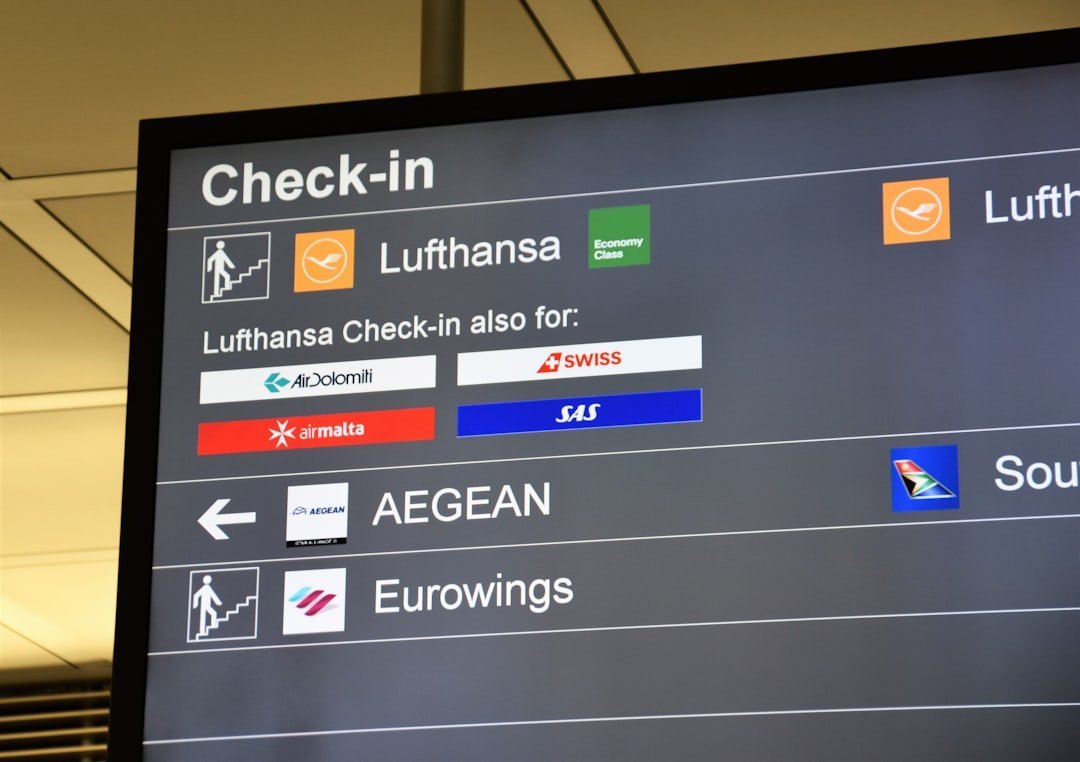
Booking through a discount third-party site looks like a smart money move – right up until the moment something goes wrong. And at airports, things go wrong. Travelers who book through third parties regularly arrive at check-in to find their seat wasn’t actually confirmed, their name is slightly misspelled, or their “deal” came with restrictions buried in the fine print. When that happens, the airline’s hands are often tied. You booked through someone else. That someone else is now their problem.
What happens when you need to change your flight date? The airline can’t help, and reaching the third-party’s customer service is notoriously slow and frustrating – exactly when you have no time to spare. Book directly through the airline’s own website. If a storm rolls through and 300 people are scrambling to rebook, the ones who booked direct get priority. That small difference becomes enormous in a crisis.
#7 – Leaving Bags Unattended – Even for Two Minutes
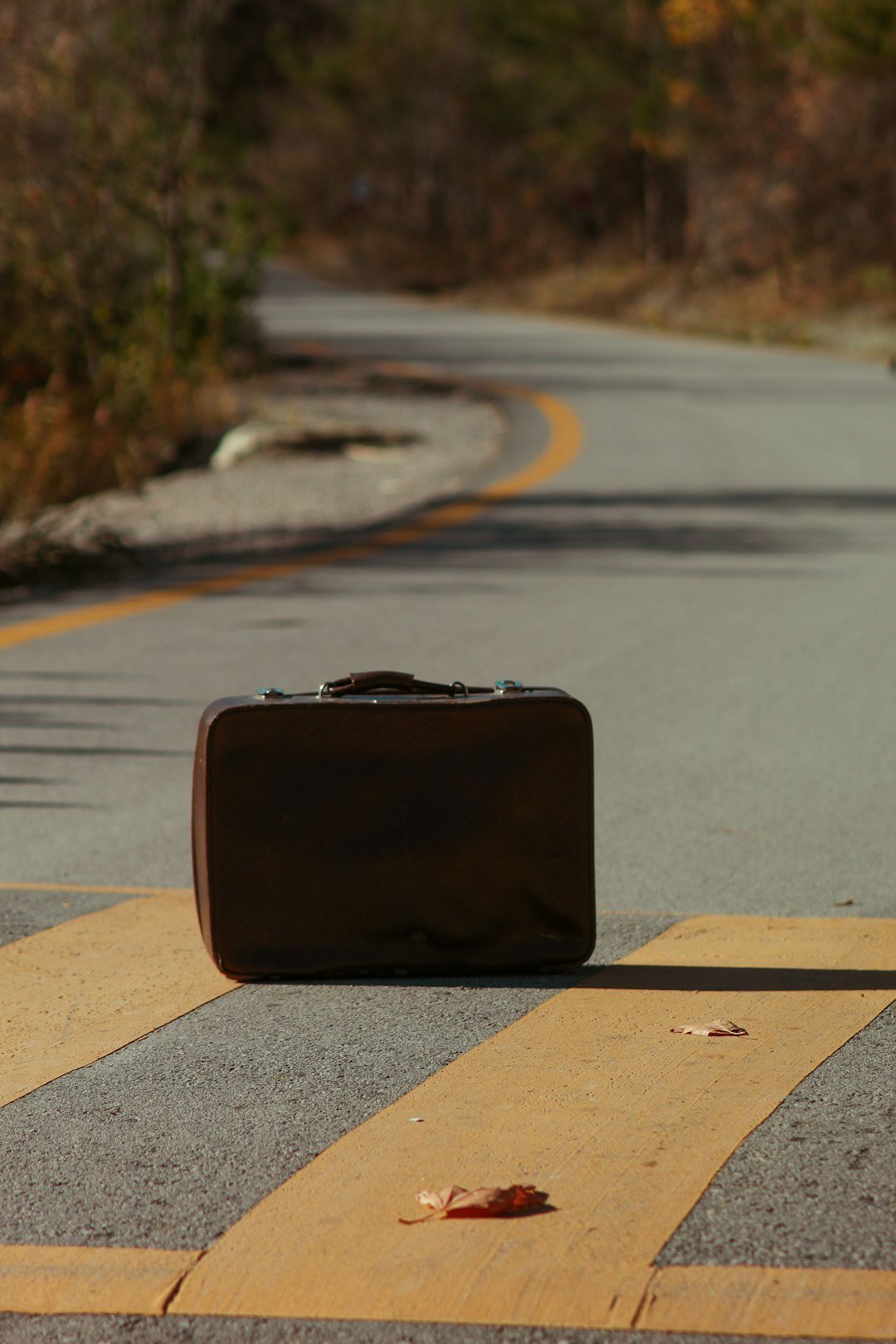
You’ve seen the signs. You’ve heard the announcements on loop. And yet tourists still leave their carry-on by a charging station while they wander to the bathroom, or park their bag in the boarding area while they run for coffee. Security personnel flag and remove unattended items – that’s not a bluff. Even a brief, well-intentioned absence can trigger a response that delays your entire section of the terminal.
Beyond the security response, unattended bags are a genuine theft risk. The black rolling suitcase left alone for three minutes looks identical to a hundred other black rolling suitcases – and that’s exactly what makes it a target. Experienced travelers stay compact, keep their bags within arm’s reach, and never treat the terminal like a storage room. Your bag is your responsibility the moment it leaves check-in.
Quick Compare: What Happens vs. What Tourists Expect
- Tourist expects: “I’ll just leave it here for 2 minutes.” Reality: Security can flag, isolate, or destroy unattended items – no warning required.
- Tourist expects: “Someone would notice if it was stolen.” Reality: Busy terminals are ideal cover – theft takes seconds in a crowd.
- Tourist expects: “The bag has my name on it.” Reality: A luggage tag doesn’t deter a thief or stop a bomb squad response.
- Pro move: Take your bag with you – always. A single crossbody or personal item that never leaves your body solves all of this instantly.
#6 – Getting Drunk at the Airport Bar Before Boarding

There’s a certain type of traveler who treats the airport bar like a pre-game for the flight – and it reliably ends badly. At altitude, your body absorbs alcohol differently, dehydration sets in faster, and judgment gets impaired in ways that feel subtle until they suddenly aren’t. Gate agents and flight crew are specifically trained to spot intoxicated passengers before they board, and they are absolutely authorized to turn you away at the jetway. Airlines have denied boarding to thousands of passengers in recent years for exactly this reason.
Beyond the boarding risk, the physiology is working against you. Planes maintain cabin humidity between roughly 10% and 20% – far below the 30% to 60% your body is used to on the ground. Alcohol accelerates dehydration at precisely the moment you’re most vulnerable to it. A drink or two to take the edge off is common. Showing up to the gate visibly impaired is how you end up stranded in Terminal C with a cancelled itinerary and a story you won’t want to tell.
#5 – Assuming Your Passport Is “Fine” Without Actually Looking at It
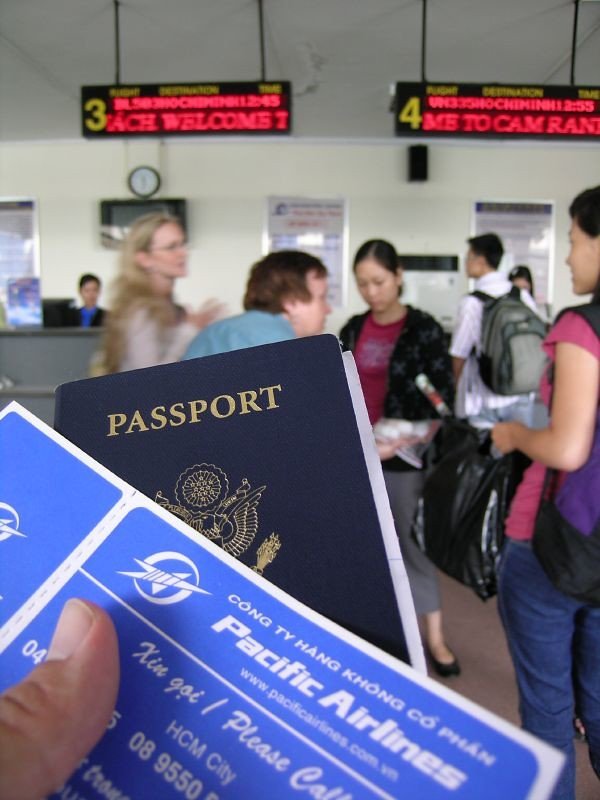
This is the mistake that ends trips before they start – and it happens to people who genuinely thought they were prepared. Almost every country requires at least six months of remaining passport validity beyond your travel dates. Some countries, like South Africa, also require a minimum number of blank pages. Airlines are required to verify this before boarding international flights. Passengers get left at the gate in tears over this one more than you’d think.
Check two things at least a month before any international trip: your passport’s expiration date and the specific entry requirements for your destination. Don’t assume you can get a visa on arrival – verify it through the U.S. Department of State’s official travel website. Experienced travelers know their passport expiration date the way they know their own birthday. First-timers find out at the check-in counter. That is the entire difference.
#4 – Getting Into a Random Cab Instead of a Verified Ride
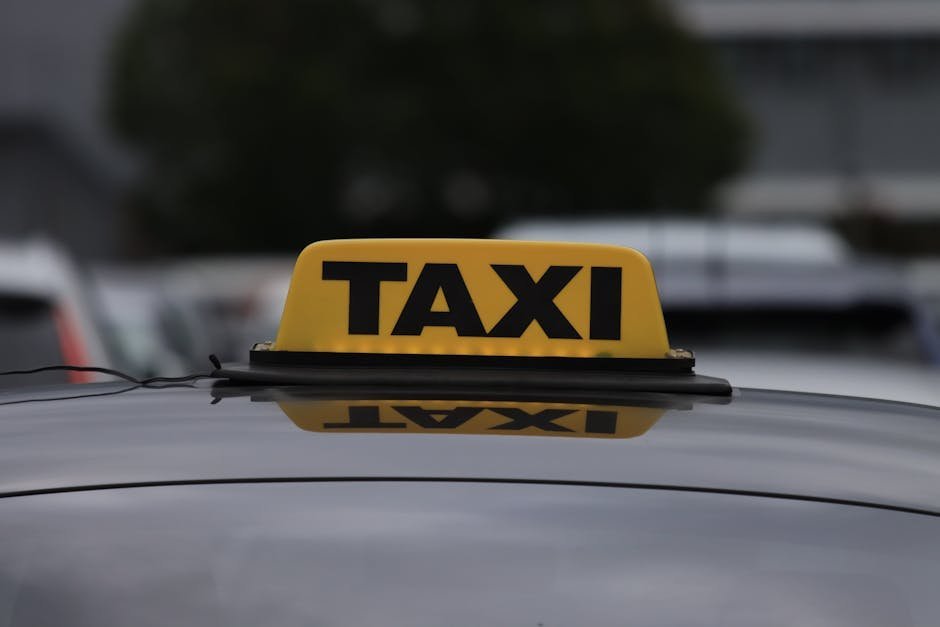
You just landed, you’re exhausted, you have four bags, and someone in a semi-official-looking jacket walks straight up to you and offers a ride. Tourists say yes. Regulars don’t. Fake or unlicensed taxi drivers at major airports are one of the oldest and most persistent travel scams in the world – they target people who look disoriented, and they work because tired travelers want the path of least resistance. The scam usually involves an inflated fare revealed mid-ride or a deliberately long route that triples the cost.
One traveler arriving at Paris Charles de Gaulle was shown a fake meter app reading 360 euros – when the official flat-rate taxi to central Paris runs 55 to 60 euros. The same pattern repeats at JFK, where unlicensed drivers have been a documented problem for years. Book your ride before you land, use the official taxi stand, or confirm your rideshare app shows the correct driver name and plate. Walk past anyone who approaches you unsolicited in the arrivals hall. Every time.
#3 – Not Knowing Your Baggage Allowance Until You’re at the Counter
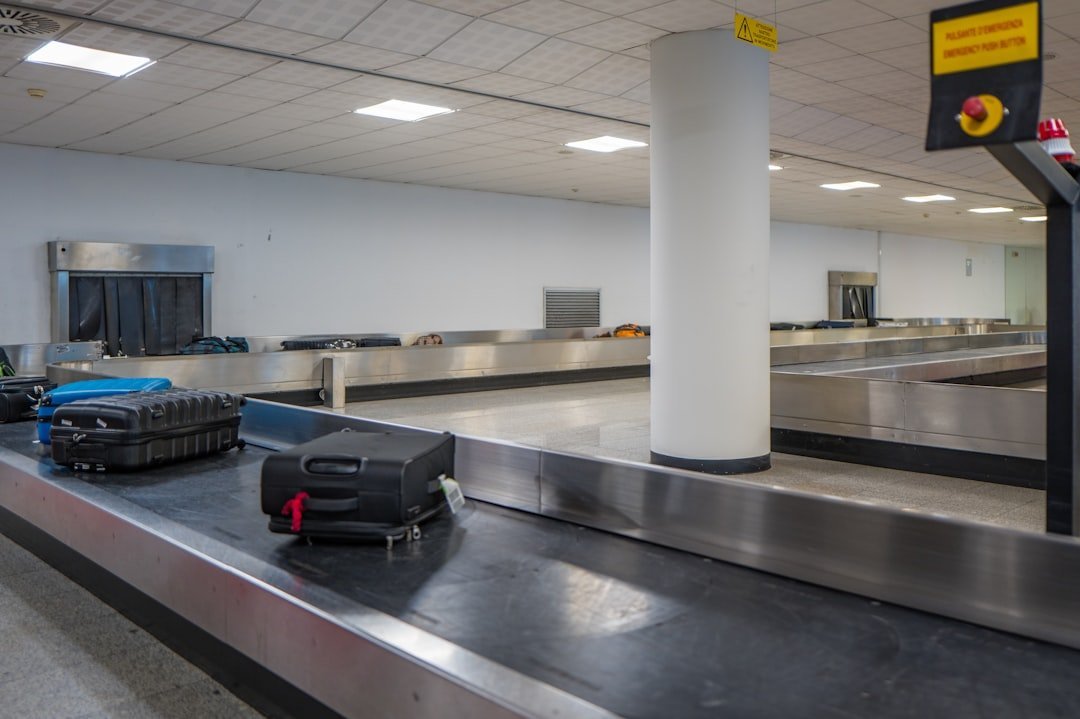
The moment the agent puts your bag on the scale and you watch the number creep past 50 pounds while a line forms behind you – that is a defining tourist moment. Every airline has its own baggage limits, and the fees for going over them can be steep and immediate. Most major carriers allow checked bags up to 23 kg (50 lbs), but budget airlines are often stricter, and the difference between 49 pounds and 52 pounds can cost you $100 on the spot.
Carry-on rules are just as unforgiving. Most airlines allow one carry-on that must fit in the overhead bin, often under 7 kg (15 lbs). If it’s too large or too heavy at the gate, you’ll be forced to check it and pay the fee you were trying to avoid in the first place. Experienced travelers weigh their bags at home before they leave. Every single time. A $15 luggage scale is one of the best travel investments most people never make.
#2 – Standing in the Security Line Without Your Documents Ready
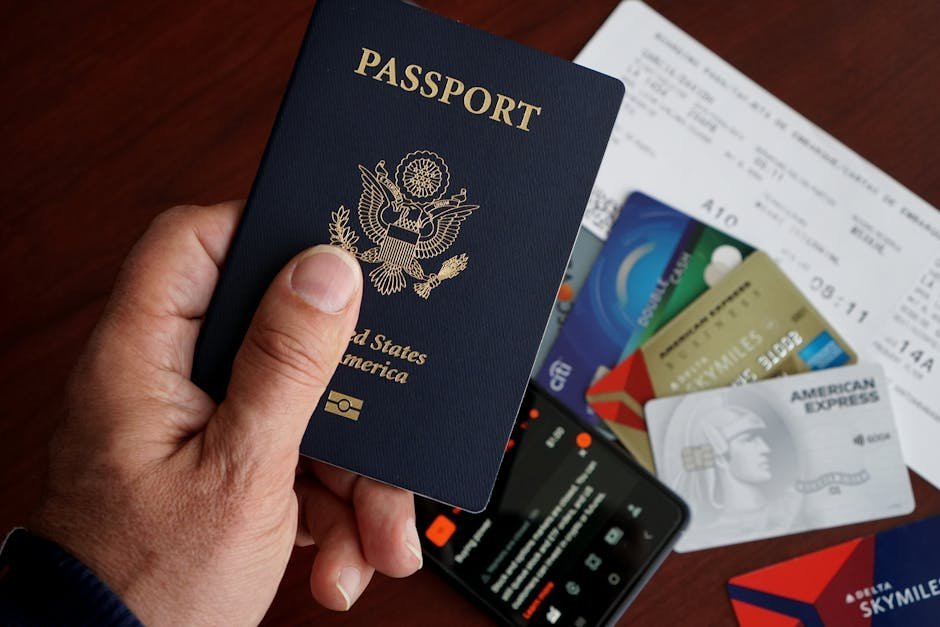
This is the one that makes every experienced traveler’s jaw tighten. The line moves, moves, moves – and then stops. Because the person at the front is surprised they need to show an ID, and it’s somewhere at the bottom of their backpack. The single fastest way to identify a first-time traveler in any security line is that they wait until they reach the agent to start looking for their boarding pass. Regulars have ID and boarding pass out before they’re halfway down the queue.
Relying on airport Wi-Fi or a shaky cell signal to pull up your digital boarding pass at the last second is a high-risk move. Airport connectivity can be unreliable at exactly the wrong moment. Screenshot your boarding pass before you leave home, or add it to your phone’s digital wallet so it’s available with no internet connection required. Keep your documents in one outer pocket that never changes. That one habit alone makes you look like you’ve done this a hundred times.
The Frequent Flier's Airport Etiquette Quiz
Do you navigate the terminal like a seasoned road warrior or a first-time tourist? Test your knowledge of the unspoken rules and strategic habits that define the experienced traveler.
Think you caught the key details? Take the quick quiz and see how sharp your instincts really are.
#1 – Never Signing Up for TSA PreCheck or Global Entry
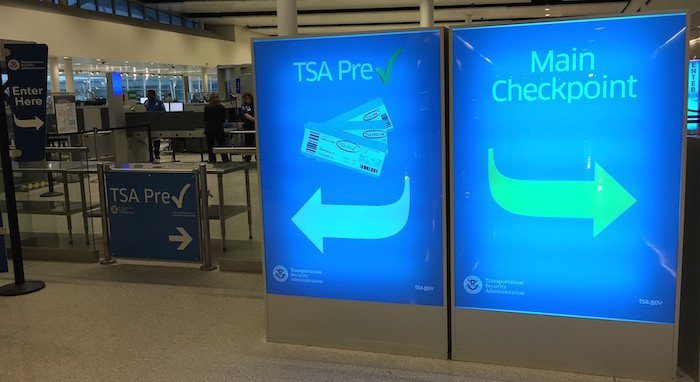
This is the one that truly separates the occasional traveler from everyone who takes flying seriously. PreCheck and Global Entry aren’t luxury upgrades – they’re practical tools that experienced travelers treat as non-negotiable. And yet millions of regular fliers still haven’t enrolled, meaning they stand in lines that are twice as long as they need to be. Every single trip.
According to TSA, 99% of PreCheck members wait less than 10 minutes at security – and at busy airports like Atlanta and Chicago O’Hare, standard lane waits regularly hit 25 minutes or more. Global Entry adds expedited re-entry when returning from international travel and includes PreCheck automatically. TSA PreCheck costs $78 for five years – less than $16 a year – and many travel credit cards reimburse the fee entirely. That’s potentially nothing out of pocket to never look like a rookie at the checkpoint again. If there’s one item on this list worth acting on today, this is it.
Why It Stands Out
- TSA PreCheck: $78 for 5 years ($15.60/year); available at 200+ U.S. airports across 90+ airlines.
- Global Entry: $120 for 5 years; includes PreCheck automatically – the better deal if you fly internationally even once a year.
- Wait time reality: TSA reports 99% of PreCheck members wait under 10 minutes; standard lanes at major hubs average 20-27 minutes.
- Free for many: Over 34 credit card programs currently reimburse the PreCheck or Global Entry application fee – check before you pay.
- Kids ride free: Children 17 and under travel through the PreCheck lane at no extra cost when with an enrolled adult.
The truth is, almost everyone has done at least one thing on this list – usually at the beginning of their travel life, sometimes painfully recently. The airport has a way of exposing exactly how prepared you are. The good news is that every single one of these is fixable, most of them before your next flight even boards.