
Most travelers think booking a hotel is simple: find a decent price, check the star rating, hit confirm. Experienced travelers know that’s exactly how you end up in a room next to a truck stop, paying resort fees for a gym you’ll never use, staring at construction scaffolding at 6 a.m. The hotel industry has spent decades building systems that reward the informed and quietly punish everyone else.
The real tell isn’t your budget. Rookies show up at four-star properties just as often as budget motels. It’s about the type of hotel – the specific patterns that consistently burn people who don’t know what they’re looking at. Some of what’s coming up on this list is embarrassing, some of it is infuriating, and at least one of them has probably already cost you money you didn’t realize you lost.
#15 – The Hotel That Just Quietly Changed Its Name
This one flies under the radar, but insiders catch it immediately. A hotel that rebrands doesn’t suddenly fix its plumbing, its management, or its mold problem. It just resets the review counter while the same staff, same rooms, and same problems continue under a shiny new banner. The rebrand is the con.
Before you book anything, search both the current name and any previous names side by side. If the old identity is drowning in one-star reviews from six months ago, that new name won’t save your vacation. Frequent rebranding is almost never a sign of improvement – it’s a sign they needed a fresh start you didn’t ask for. But that’s nothing compared to the deception hiding in plain sight at #14.
Fast Facts
- A hotel rebrand resets its public review score but changes nothing about the physical property or management.
- Search the address – not just the name – on Google Maps and TripAdvisor to surface past identities.
- Multiple name changes in 3 to 5 years is a reliable red flag worth investigating before booking.
- Ownership transfers often accompany rebrands – check for recent management notices in the most recent reviews.
#14 – The Hotel With Only Professional Photos and Zero Guest Shots

Real hotels with nothing to hide show their rooms exactly as they are – imperfect angles, real lighting, actual guest photos. If the listing is stacked with glossy marketing images and almost no traveler-uploaded shots, that gap between the rendering and the reality is exactly where rookies get wrecked. The photoshopped ceiling height won’t help you when you’re standing in the actual room.
The pro move is to scroll directly to traveler photos on TripAdvisor or Google, which show the real scale, lighting, and condition. If the website only shows the exterior, the pool, and the lobby chandelier – but nothing of the actual beds or bathrooms – there is almost always a reason for that. Even leaving out photos of a single significant area is its own kind of red flag. But misleading photos are just the surface layer of a deeper deception at #13.
#13 – The Hotel With Nothing But Five-Star Reviews

Here’s something every experienced traveler understands that rookies don’t: a wall of perfect reviews isn’t reassuring – it’s suspicious. No hotel is flawless across every guest, every season, every staff shift. Real properties collect real complaints – a noisy AC unit, a slow elevator, a breakfast that ran out of eggs by 8 a.m. That’s normal. A perfect score isn’t.
A cluster of glowing reviews posted in a short timeframe often signals paid or incentivized feedback. Cross-check across Google, TripAdvisor, and Booking.com. If a hotel is drowning in praise on one platform but struggling on another, something is off. Once you know what a manufactured review profile looks like, you can’t unsee it – which makes #12 even harder to stomach.
#12 – The Hotel That Only Shows Old Reviews
A hotel’s overall star rating tells you almost nothing if the five-star reviews are two years old. Management changes, ownership transfers, renovations – or the alarming lack of them – can completely flip a property’s quality in a matter of months. The aggregate score is a rearview mirror. You need to know what the road looks like right now.
Sort reviews by most recent first. You’ll immediately find out if the hotel is under new management, mid-renovation, or quietly falling apart. Experienced travelers specifically search keywords like “construction,” “noise,” and “smell” inside the last 90 days of reviews before committing. The most current 10 reviews tell you more than the overall score ever will. And speaking of what’s current – #11 is a trap that keeps catching people off guard even in 2026.
At a Glance: How to Spot a Compromised Review Profile
- All 5 stars, no 3s or below: Real hotels always have a spread of ratings across seasons and guests.
- Reviews bunched in time: A dozen glowing posts in two weeks often signals a review push.
- Same phrasing across multiple reviews: Copy-paste enthusiasm is a giveaway.
- Great score on one platform, poor on another: Cross-check Google, TripAdvisor, and Booking.com before deciding.
The Savvy Traveler’s Hotel Quiz
Think you know how to spot a hotel trap? Test your knowledge on the subtle red flags and industry secrets that separate seasoned travelers from the rookies.
Think you caught the key details? Take the quick quiz and see how sharp your instincts really are.
#11 – The Hotel That Buries Resort Fees in the Fine Print
You see $149 per night. You confirm. You check out and the bill says $207. According to NerdWallet’s analysis of more than 400 hotels, the average resort fee in 2024 was $35 per night – and at Las Vegas properties, fees have jumped roughly 11% from 2025 to 2026, with top-tier Strip hotels like the Aria and Bellagio now charging $55 or more per night on top of the room rate. Some properties advertise a room rate that is literally lower than the resort fee itself, making your total more than double what originally caught your eye.
The good news: the FTC’s Junk Fees Rule took effect in May 2025, requiring hotels to display the true all-in price upfront in U.S. bookings. The catch – non-compliant properties still exist, especially internationally, and fees haven’t gone away. Always verify the total price before you confirm, not after the email lands in your inbox. That headline number is a marketing figure. But resort fees are almost polite compared to what’s waiting at #10.
#10 – The Hotel With Aggressive Non-Refundable Rates Front and Center
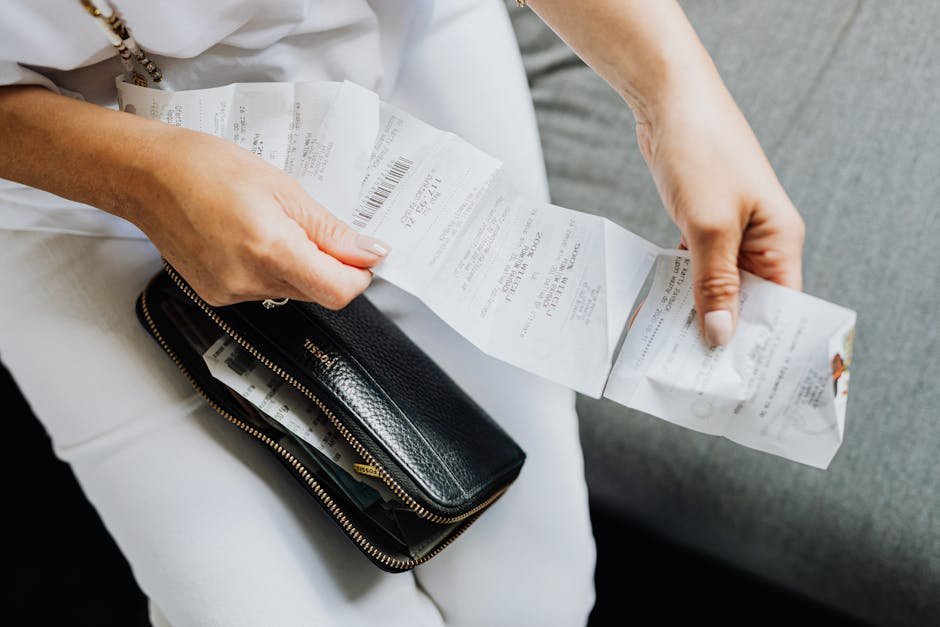
Non-refundable rates can look like a steal – sometimes 20 to 30 percent cheaper than the flexible option. Rookies book them without a second thought. Experienced travelers know that plans change, airlines delay, and emergencies happen regardless of how certain your schedule feels on a Tuesday afternoon in February.
If your plans shift or a better deal surfaces closer to the date, you’re locked in with zero leverage. Book refundable rates first, even at a slight premium. This keeps your options open to cancel, modify, or upgrade without losing a dollar. One missed flight or one sick kid and that “deal” becomes a very expensive lesson with no recourse. There’s a close cousin to this trap at #9.
#9 – The Hotel You Booked Through a Third-Party With No Direct Line to the Property
Booking through a third-party app feels easy – and it is, right up until something goes wrong. If you book directly through the hotel’s own site, you can call them directly when there’s a problem and they can actually fix it. If you booked through Expedia or a similar platform, the hotel often can’t touch your reservation and you’re stuck in the middle, waiting on hold with someone who also can’t fix it.
That middleman problem isn’t hypothetical. Travelers have arrived to find they were booked into the wrong room type – too small, wrong bed configuration, wrong floor – and because the reservation lived inside a third-party system, neither the hotel nor the booking platform could move fast enough to correct it. Third-party platforms are excellent for price research. Book direct once you’ve found your property. Then brace yourself for #8, which costs people money they never see coming.
#8 – The Airport Hotel You Don’t Actually Need
Airport hotels feel logical – convenient, close, familiar. But convenience is exactly what you’re overpaying for, and that’s the only thing you’re getting. These properties know you chose them purely for location, so there’s little pressure to deliver on food, design, comfort, or value. You’re paying a premium for proximity to a building you’re about to leave.
Unless you have a pre-dawn departure or a same-day connection, there’s almost always a better option 10 to 15 minutes away – more character, better food, lower nightly rate, and an actual sense of the city you’re in or leaving. One last good meal in a real neighborhood beats a $19 airport hotel burger every single time. It’s one of those decisions that feels practical and turns out to be the most generic, overpriced choice available. Location traps get much worse at #7.
#7 – The Hotel That’s “Close to Everything” but Actually Isn’t
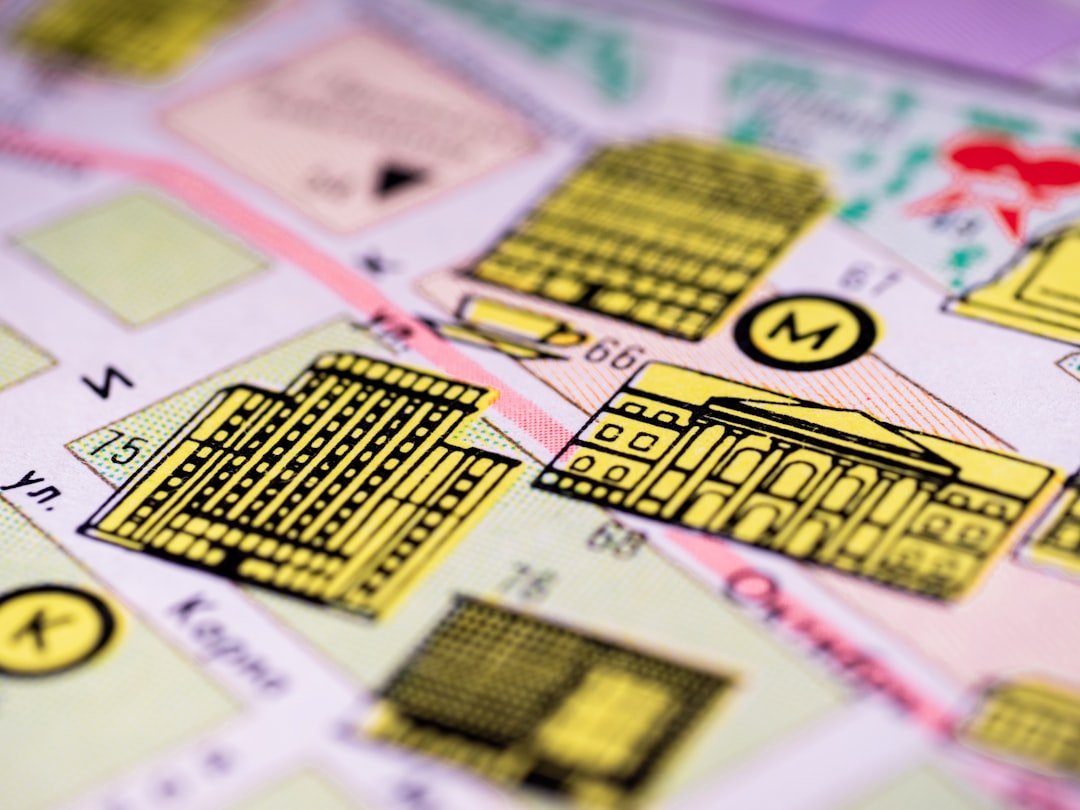
Hotel listings are written by marketers, not cartographers. “Centrally located” can mean anything. “Minutes from downtown” can mean 25 minutes by ride-share with traffic, at $18 each way, twice a day, for five days. Every unbudgeted ride chips away at whatever you thought you saved on the nightly rate – and the math almost never works out in your favor.
Open Google Maps before you ever look at the price. Check actual walking distances to where you intend to spend most of your time. A well-located hotel often saves money overall, even if the nightly rate reads higher. Some hotels are cheap for a reason: they’re far from everything worth doing. But even a perfect location won’t save you from #6.
Quick Compare: “Close to Everything” vs. Actually Central
- Listed as: “Minutes from downtown” — Reality check: Verify on Google Maps with traffic enabled
- Listed as: “Near major attractions” — Reality check: Look up walking time, not just driving distance
- Listed as: “Convenient transportation” — Reality check: Check if the transit stop runs after 10 p.m.
- Listed as: “Quiet neighborhood” — Reality check: Can mean isolated, not peaceful
#6 – The Hotel Under Active Construction That Didn’t Mention It

The deal looked incredible. The photos were spotless. Nobody mentioned the jackhammers starting at 6 a.m. This is one of the most common and most preventable hotel disasters – and it’s completely invisible in the listing unless you know where to look. Couples have booked dream honeymoon stays and arrived to find scaffolding outside their window and a compressor running all afternoon.
Check Google Maps Street View for recent images of the property and surrounding block. If you see scaffolding or visible construction equipment, note the photo date. Then search the hotel name plus “construction” in recent reviews before committing. If multiple reviewers mention it, believe them – they have no reason to lie. #5 hits harder when you’ve already spent the money.
#5 – The Hotel in a Bad Neighborhood That Looked Fine on the Listing
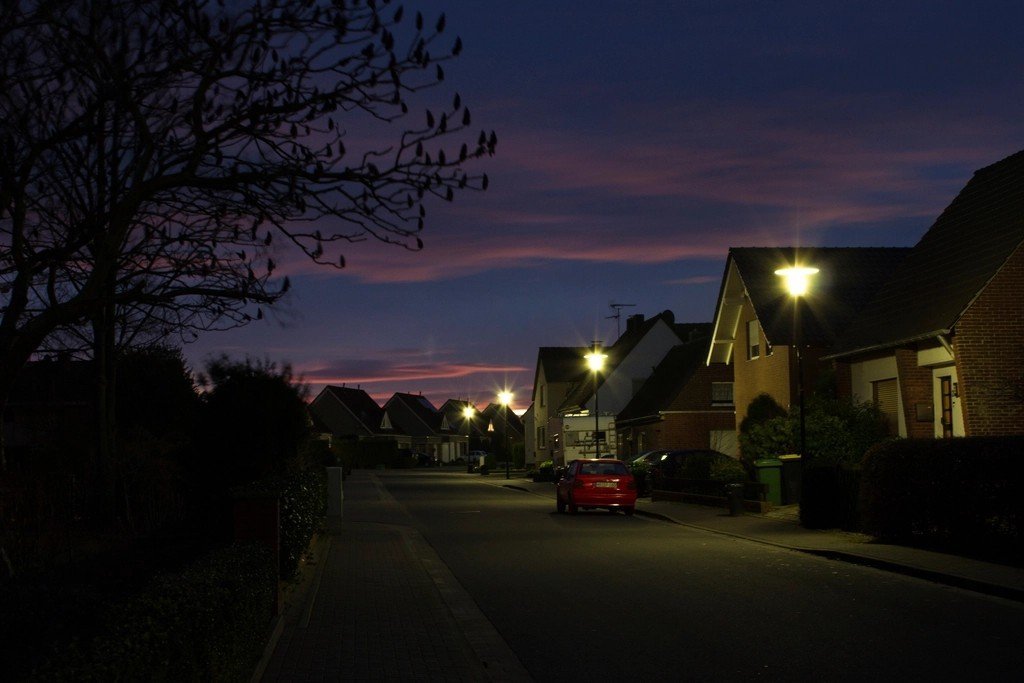
A great photo won’t tell you what’s outside the front door after dark. A property might be $100 cheaper than comparable options nearby, and there is frequently a reason for that gap – the kind that becomes obvious the first time you step outside after dinner. Sharp neighborhood divides exist in almost every major U.S. city, where one block separates a thriving area from one you don’t want to navigate at midnight.
Use Google Street View at the actual address – not just the map pin – and look at current images of the surrounding block. Check whether recent reviews mention feeling uncomfortable walking to nearby restaurants. If the hotel scores well on room quality but several guests flag the surrounding area, that’s the review that matters most for your safety. That awareness becomes even more critical at #4, where the problem isn’t outside – it’s already in the room.
#4 – The Hotel With Recent Bedbug Reports You Chose to Ignore

Bedbugs are not a budget-hotel problem. According to Orkin’s most recent rankings, Chicago, New York, and Philadelphia hold the top three spots for cities with the most bedbug activity in the entire country – meaning four-star properties in those cities are just as exposed as budget motels. A Sleep Doctor survey of 1,565 Americans found that 14 percent reported bedbug encounters in hotels or paid accommodations within the past year. They survive for months without feeding and hitch rides home in luggage you’ll carry into your next hotel, your car, and eventually your bedroom.
Check TripAdvisor and the Bedbug Registry for recent mentions before booking anywhere. One confirmed recent report is enough to move on – don’t let the property’s star rating override the data. The consequences of ignoring it don’t stay at the hotel. They follow you home, literally. Speaking of star ratings failing people – #3 is where that illusion collapses most spectacularly.
Worth Knowing: Bedbug Reality Check
- 14% of U.S. travelers reported bedbug encounters in paid accommodations in a recent survey of 1,565 Americans.
- Chicago has ranked #1 on Orkin’s Worst Bedbug Cities list four years running; NYC and Philadelphia round out the top three.
- 80% of travelers who encountered bedbugs said it disrupted their sleep for days afterward.
- 99% say the experience permanently changed how they travel and research hotels.
- Always check mattress seams, behind the headboard, and along baseboards before unpacking – even at upscale properties.
#3 – The Budget All-Inclusive With Rock-Bottom Reviews on Food Hygiene
All-inclusive resorts sell a dream: unlimited food, drinks, and activities for one flat price. The budget end of that category frequently delivers something else entirely – buffet trays sitting out for hours, alcohol that tastes like it’s been stretched, and activities canceled regardless of actual weather. If multiple recent guests mention stomach issues, bland food, or watered-down drinks, they are telling you the truth about what the price point actually buys.
The deeper irony is that a bad all-inclusive often costs more in real terms than booking a solid stand-alone hotel with nearby restaurants – once you factor in the quality gap and the medical co-pay if the buffet goes sideways. Experienced travelers search keywords like “sick,” “food poisoning,” and “buffet” in recent reviews for any all-inclusive they’re considering. If those words appear more than twice in the last few months, that’s your answer. Even clean, well-fed guests get burned by #2 – probably the most embarrassing mistake on this list.
#2 – The Hotel Where You Booked the Wrong Dates Without Double-Checking
This sounds too obvious to make a list. It is embarrassingly, relentlessly common. Long-haul flights that cross midnight, time zone confusion, calendar apps that default to the wrong month, or just the speed of clicking “confirm” before actually reading – these all produce the same result: a non-refundable reservation for the wrong night, in a city you won’t be in, that the hotel has no obligation to fix.
Always verify your dates on the confirmation screen before the card goes in. And note this: cancellation policy deadlines are set in the hotel’s local time zone, not yours – meaning your midnight might already be their 8 p.m. the day before. Set a calendar reminder for your cancellation window the moment you book. All of that prep matters even more for #1, which is the single hotel type that separates experienced travelers from everyone else every single time.
The Savvy Traveler’s Hotel Quiz
Think you know how to spot a hotel trap? Test your knowledge on the subtle red flags and industry secrets that separate seasoned travelers from the rookies.
Think you caught the key details? Take the quick quiz and see how sharp your instincts really are.
#1 – The Hotel That Looks Suspiciously Cheap for a Prime Location
This is the one. The listing that looks too good. The price that makes you think you’ve outsmarted the whole system. Experienced travelers don’t get excited when they see that – they get suspicious. There is always a reason a hotel in a genuinely desirable location is dramatically cheaper than everything surrounding it, and that reason is almost never in your favor.
That reason is usually one of the items already on this list: a hidden bedbug problem, a neighborhood that looks fine on a map but isn’t, a name change to bury old reviews, construction that starts before sunrise, or fees that will double your bill at checkout. The most expensive hotel mistake you’ll ever make might be the one that started with the best deal you ever found. Slow down before you confirm – that five-minute pause is worth more than the discount.
The pattern across all 15 of these is the same: the hotel industry rewards guests who slow down, read recent reviews carefully, verify location on a real map, and book with direct accountability. Rookie mistakes aren’t about being naive – they’re about moving too fast. The wrong dates, the too-cheap rate, the missing bathroom photos, the suspiciously flawless review score – these are all signals that experienced travelers have trained themselves to catch before the credit card goes in. Now you have the same list they use.