
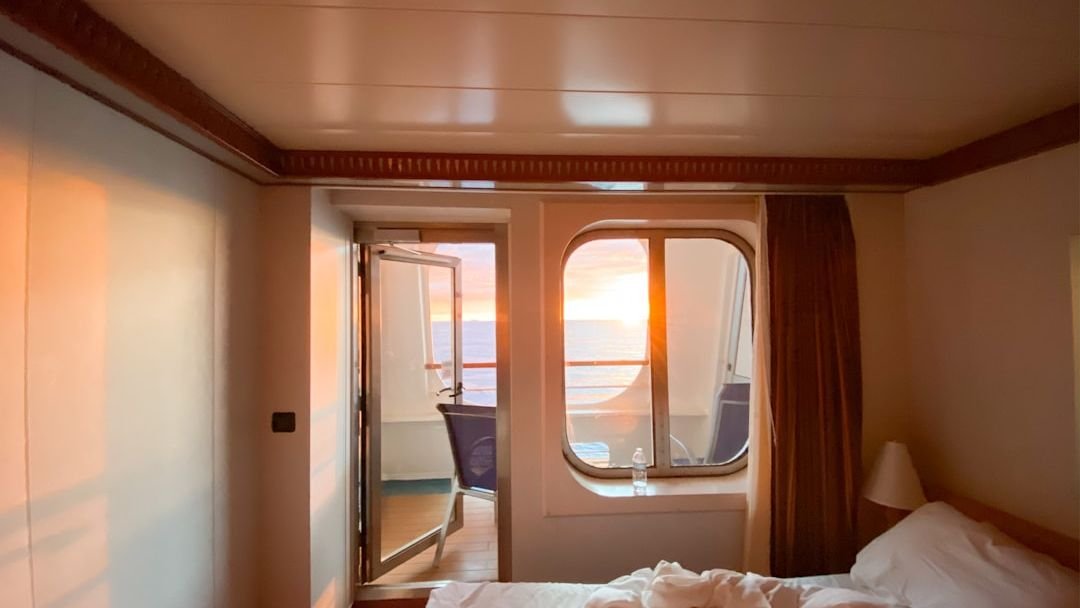
Most people spend weeks obsessing over ports, excursions, and dining packages – then spend about three minutes picking their actual cabin. That three-minute decision, it turns out, can quietly unravel everything else. The wrong cabin doesn’t just mean a slightly uncomfortable sleep. It means exhaustion, regret, missed sunrises, and a full week of wishing you’d done one thing differently before the ship ever left the dock.
The booking page makes every cabin sound essentially fine. “Ocean view.” “Balcony.” “Midship location.” The photos are flattering, the language is smooth, and the real consequences are buried in deck plan fine print most people never read. What actually happens when you get it wrong is a different story – and some of these will change how you book forever.
#15 – You Can’t Fix It Once You’re Onboard
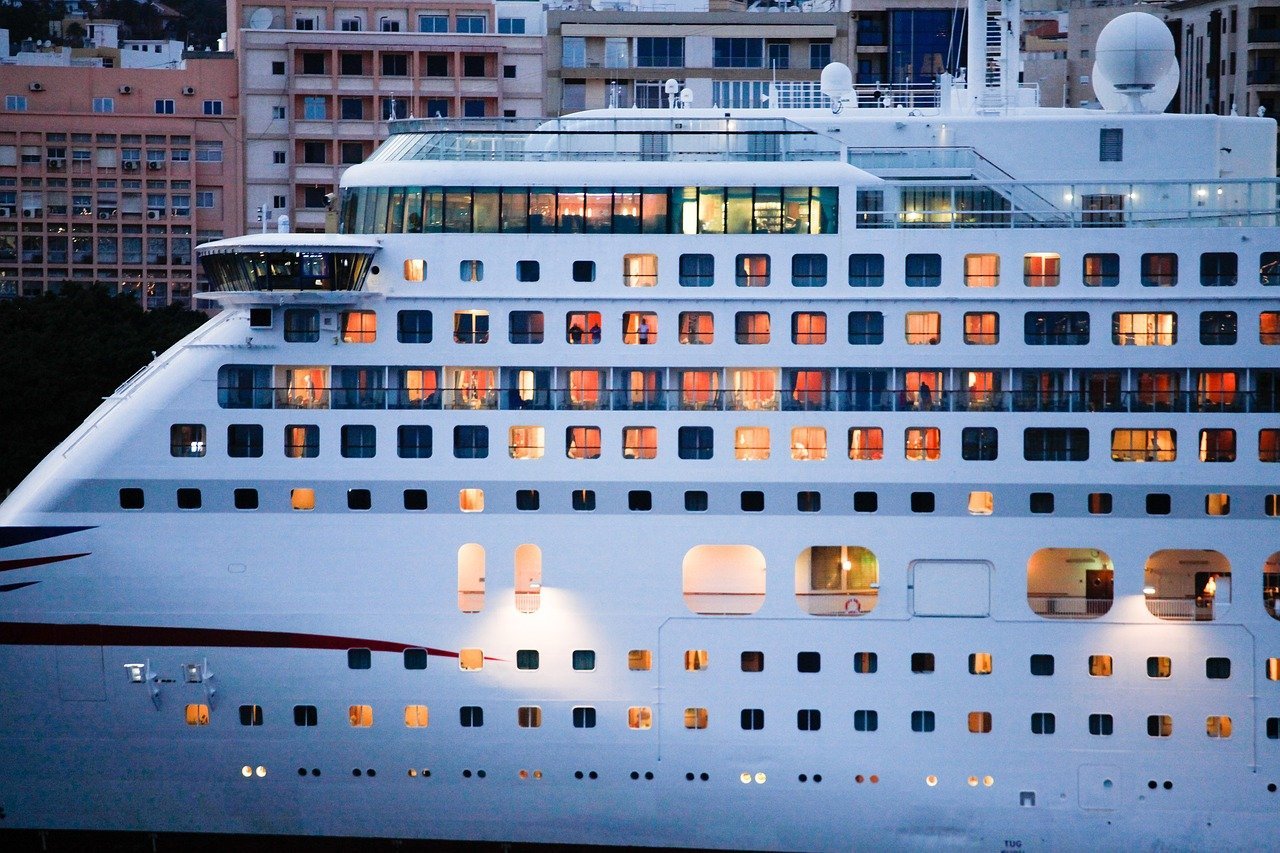
The very first thing that hits you when you realize you’ve booked the wrong cabin is the sinking awareness that there’s almost nothing you can do about it. Most ships sail at near-full capacity, and the guest services desk hears this complaint on practically every sailing. Unlike a bad hotel room where a quick chat at the front desk might get you moved, cruise ships don’t work that way. You’re not getting a different cabin because there isn’t one.
This isn’t just a minor inconvenience – it sets the emotional tone for the entire trip. You’ve already paid, already packed, already sailed. If too much time has passed since your final payment, you could face fees, lose the cabin you wanted, and simply not get the vacation you imagined. The lesson veteran cruisers repeat until they’re hoarse: the cabin decision has to happen before you board, not after. Everything else on this list is proof of why.
At a Glance: The Costliest Cabin Mistakes
- Booking without checking the deck plan for obstructions or noisy neighbors above and below
- Choosing a guarantee cabin to save money and landing in one of the worst spots on the ship
- Picking a cabin category (oceanview, junior suite) based on the name instead of the actual amenity list
- Ignoring whether your itinerary actually justifies the cabin type you’re paying for
- Assuming all cabins in the same category deliver the same experience – they don’t
#14 – You Paid for a Balcony View and Got a Lifeboat
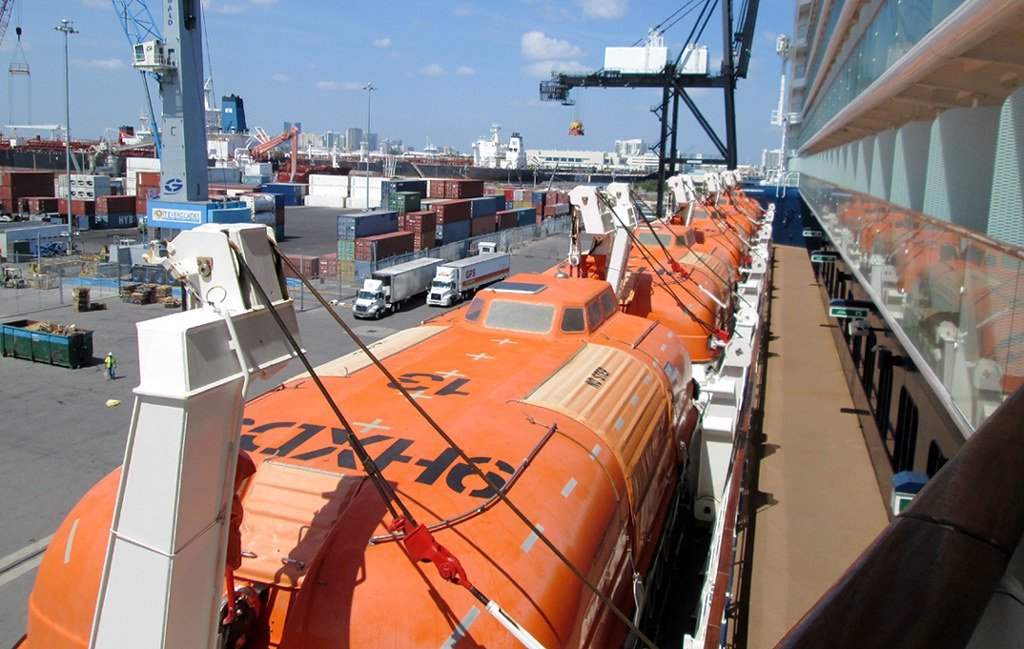
One of the most common – and most gutting – cabin mistakes is booking an oceanview or balcony cabin without checking for obstructions. Obstructed-view cabins are rooms where a physical structure blocks at least part of your window or balcony view. Usually, that structure is a lifeboat: a massive orange hull piece permanently parked outside your glass for seven days straight. What looks like a barely noticeable footnote on the deck plan becomes the defining feature of your entire outlook.
For a lot of cruisers, the balcony is their sanctuary – morning coffee, post-port unwinding, watching the sailaway with a drink in hand. A compromised view flanked by davits and metal framework doesn’t just disappoint; it stings, especially when you paid hundreds of dollars more specifically for that private outdoor space. The fix is simple: pull up the actual deck plan, find your cabin number, and look directly above and beside it. Thirty seconds of that research prevents seven days of staring at emergency rescue equipment.
#13 – The Noise Above You Starts at 6 a.m. Every Single Day
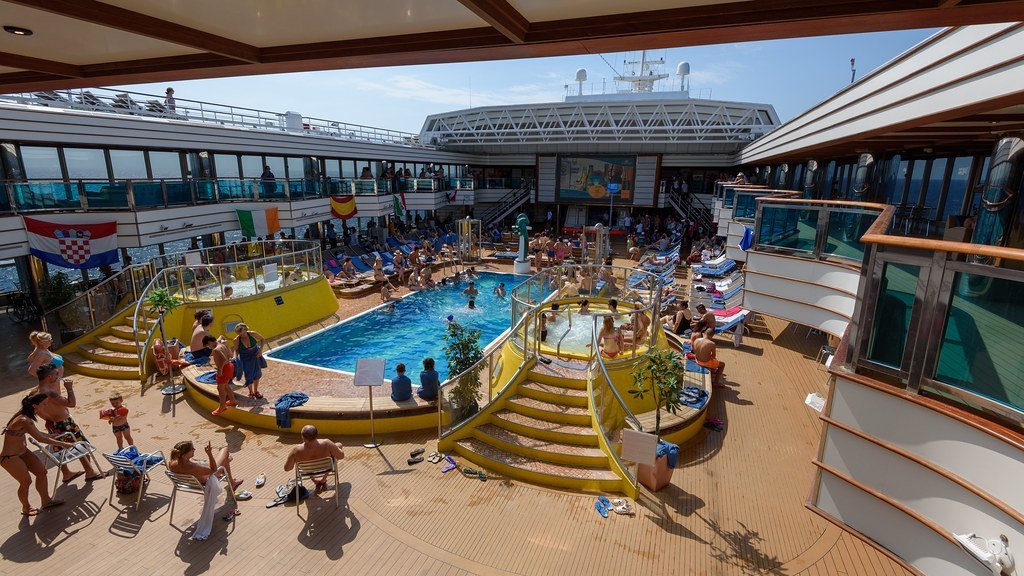
Book a cabin directly below the pool deck or the Lido buffet and your mornings are no longer your own. Crew members begin rearranging heavy lounge chairs on the deck above you before most passengers are even awake, and the sound travels straight through the ceiling like someone dragging furniture across a gymnasium floor. It is not occasional. It does not stop. It starts again the next morning at the same time.
One cruiser described staying beneath the buffet as living under a constantly moving furniture store – from dawn until midnight. This is especially painful on longer sailings with multiple sea days, the very days you were counting on to sleep in and recharge. Light sleepers, families with young children, anyone who values mornings – this location is a trap. The fix is one extra step: always check what sits directly above your cabin on the deck plan before you confirm the booking.
Fast Facts: Pool Deck Noise
- Crew typically begins setting up the pool deck as early as 6:00 a.m. – before most passengers are awake
- Chair scraping, foot traffic, and live music can persist until midnight on active sea days
- Ships like Royal Caribbean’s Oasis-class and MSC’s World-class are specifically flagged for pool deck noise bleed into cabins below
- The problem compounds on longer sailings with multiple back-to-back sea days
#12 – You Lose Half Your Sleep to Elevator Noise

Cabins near the elevator banks sound like a practical choice – quick access to every deck, no long walks back to the room after a port day. In reality, the area around the elevators on a cruise ship is one of the noisiest stretches of any corridor. There’s constant foot traffic, the chime every time the doors open, conversations from people waiting, and luggage wheels rolling across hard floors at hours that have no business being active.
It doesn’t stop at midnight. Late-night revelers, early-morning walkers, crew deliveries – the elevator hub never fully quiets down. After three nights of fragmented sleep, even the most enthusiastic cruiser starts to crack. For real rest, look for a cabin farther down the hall and ideally surrounded by other staterooms on both sides. That buffer is the difference between waking up refreshed and waking up furious.
The Cruise Cabin Masterclass
Most travelers spend weeks picking excursions but only minutes choosing a cabin. Test your knowledge on how to avoid the most common stateroom pitfalls that can derail a vacation.
Think you caught the key details? Take the quick quiz and see how sharp your instincts really are.
#11 – Motion Sickness Ruins Your Sea Days

This one surprises people who’ve never had motion sickness before. Book a cabin at the very front of the ship and you’ll feel every ocean swell in a way that midship passengers simply don’t. The bow pitches dramatically in rough water, and that pitching motion is exactly what triggers nausea. The crashing of waves is also loudest here – so even if your stomach holds, your sleep might not.
The midship area experiences the least motion because it sits closest to the ship’s center of gravity, where rolling and pitching are minimized. Higher decks compound the problem further – the farther you are from the stabilizers, the more you feel every correction the ship makes. The worst possible combination is a high-deck forward cabin: maximum pitch, maximum sway, maximum suffering. If you’re even slightly prone to motion sickness, cabin placement isn’t a preference – it’s a medical consideration.
Quick Compare: Cabin Location vs. Motion & Noise
- Forward cabins: Most pitch and bow movement; loud wave impact; long walk to everything
- Aft cabins: Engine vibration and propulsion rumble; thrusters can shake the room at port arrivals
- High decks: Amplified rolling and swaying; farther from the stabilizers
- Midship, lower-mid decks: Smoothest ride, least noise, most central access – the gold standard
#10 – You’re Kept Awake by the Nightclub Below

Cruise ship deck plans show you what’s on each floor, but they don’t tell you how loud it gets or how late it runs. Book a cabin directly above a theater, nightclub, or live music lounge and you’ll feel the bass thumping through your mattress well past midnight. Deck 3 on many ships sits close to the main theater, which means you’re getting performances and crew rehearsals piped directly into your ceiling.
The smarter move is to specifically look for cabins sandwiched between other guest staterooms on both the floor above and the floor below. That buffer blocks the sound from public spaces – restaurants, gyms, theaters, nightclubs – that run on a schedule completely indifferent to your bedtime. Veteran cruisers treat this step as non-negotiable: other guest cabins above and below yours, nothing else.
#9 – Your “Ocean View” Window Is Sealed Shut
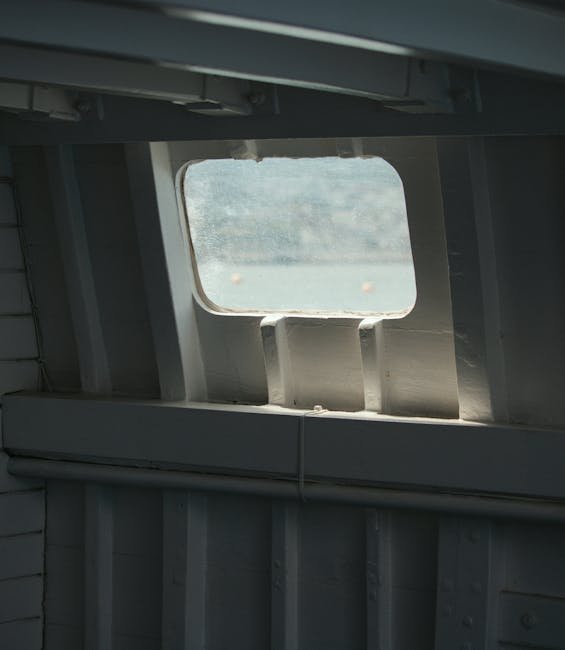
Stepping up from an inside cabin to an oceanview feels like a smart middle-ground upgrade. Natural light, a glimpse of the sea, and you avoid the full cost of a balcony. What the booking page rarely makes clear: the window doesn’t open. You’re looking at the ocean the way you’d look at a painting – behind glass, no breeze, no salt air, no ability to actually step into the scene you’re watching.
Many oceanview cabins, especially on lower decks, also carry obstructed views caused by lifeboats or structural beams. Some don’t have blackout curtains either, so early morning sunlight becomes its own problem. You’re paying a meaningful premium above an interior cabin for a view that might be partially blocked, with light you can’t control, and fresh air that isn’t available. That math only makes sense if you’ve verified exactly what you’re looking at before you book it.
#8 – You Regret Not Booking a Balcony on a Scenic Route
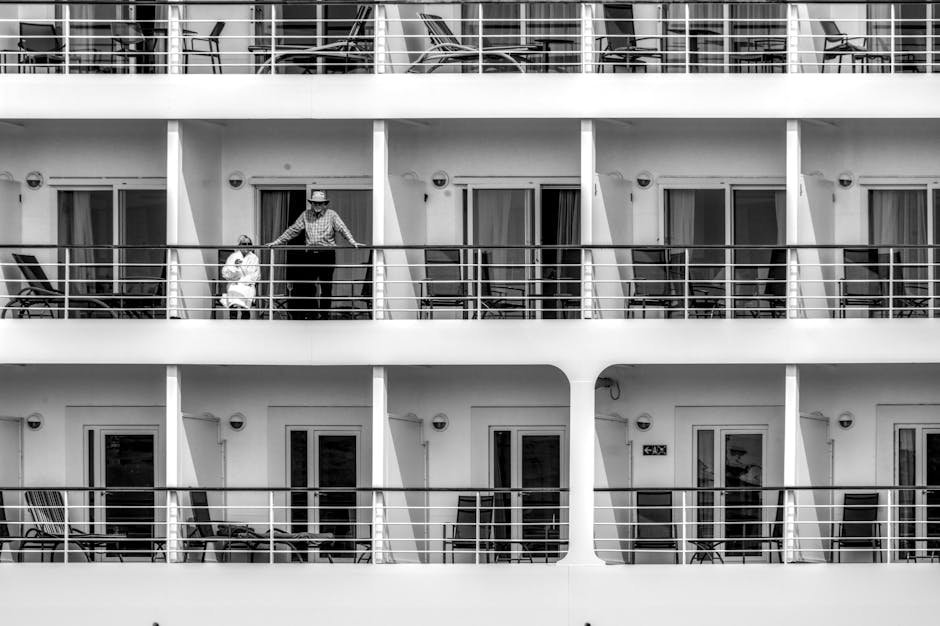
The inside cabin versus balcony debate has a clear winner in one specific scenario: scenic itineraries. If you’re sailing Alaska, Norway, the fjords, or the Mediterranean coastline and you booked an inside cabin, you’ll spend every breathtaking moment fighting for a railing spot on the pool deck with hundreds of other passengers. Meanwhile, balcony guests are watching glaciers calve from their private terrace with a coffee in hand and nobody in their line of sight.
The world is a book, and those who do not travel read only one page.
Saint Augustine
This is the one cabin mistake that’s almost impossible to recover from mid-trip. You can book a specialty dinner last minute. You can add a shore excursion at the port desk. You cannot manufacture a private balcony when the ship sails past a glacier at sunrise. Experienced cruisers treat this as a firm rule: splurge on the balcony for scenic itineraries, save with an inside cabin for port-heavy trips where you’ll barely be onboard anyway.
Worth Knowing: Balcony vs. Interior – Real Price Gaps
- On average, a balcony cabin costs $450–$700 more than an interior cabin per cruise across major lines
- That gap can reach 64–84% more depending on the cruise line and sailing length
- On Alaska itineraries, balcony cabins often run $600–$700+ more per person than interior rooms on the same ship
- On a port-heavy Caribbean sailing, that same premium buys multiple shore excursions you’ll actually use
- Bottom line: match the cabin type to the itinerary, not the other way around
#7 – You’re Stuck in a Connecting Cabin Next to Strangers

Connecting cabins – rooms linked by a shared interior door – are designed for families and groups who want easy access between their rooms. Book one without realizing it, and you’re sharing a wall gap with complete strangers for the full sailing. Cruise ship cabins aren’t soundproof to begin with, but a connecting door amplifies everything: conversations, television, kids, late nights. You might not be happy if you find yourself beside a loud couple or a family that treats 11 p.m. like 4 p.m.
The issue isn’t just noise – it’s the psychological weight of knowing there’s a shared door between you and another party, sometimes imperfectly sealed, for an entire week at sea. Most booking platforms let you filter out connecting cabins in about thirty seconds. That’s a step a shocking number of people skip entirely, and then spend the rest of the cruise paying for it.
#6 – You Paid for a Balcony You Used Twice
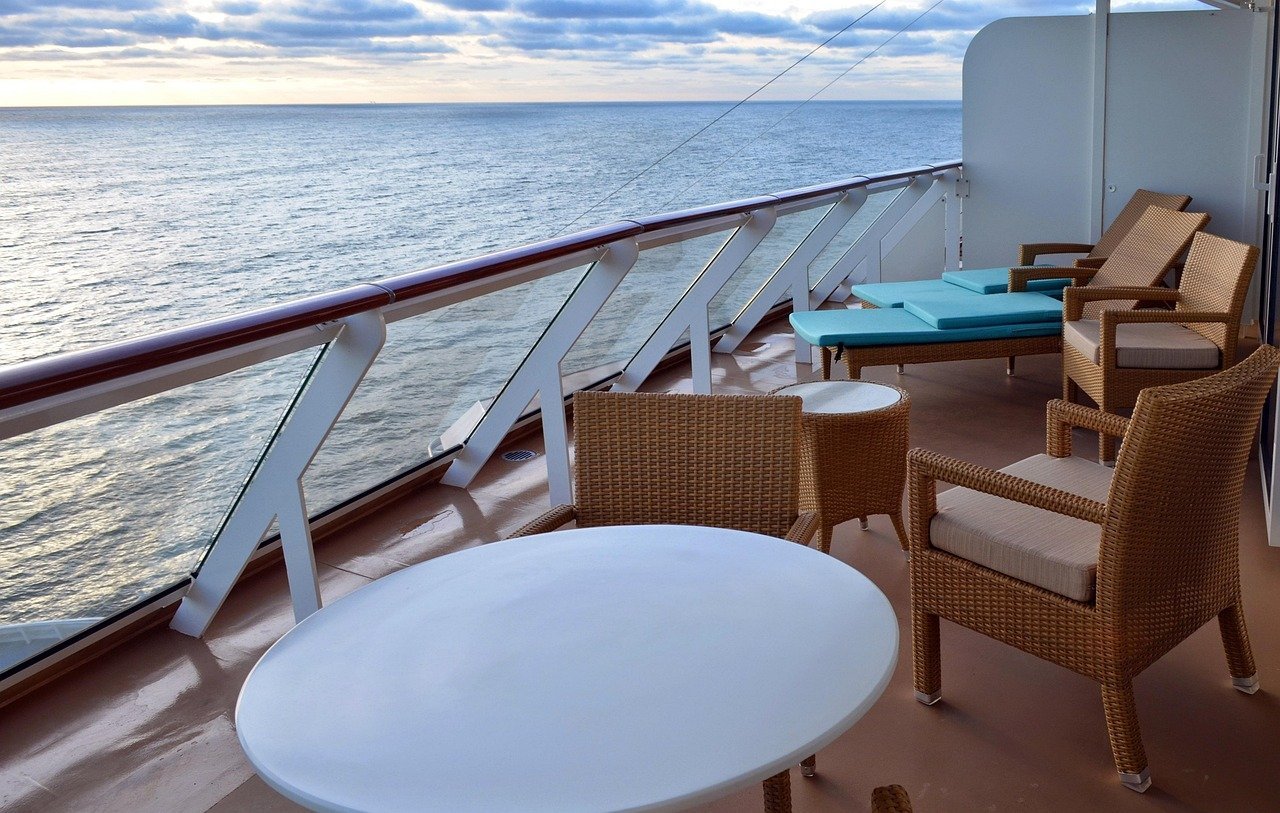
The flip side of regretting a missing balcony is paying balcony prices on an itinerary where you’d realistically never use one. On a port-heavy Caribbean sailing where you’re off the ship every single day and only returning to sleep, that private veranda sits unused through virtually the entire trip. Balcony cabins can cost 50% to 100% more than interior cabins depending on the sailing, and that’s a significant premium to pay for a feature you touched twice.
The money left sitting on an unused balcony would’ve done far more damage as shore excursions or specialty dining. Many first-time balcony bookers are genuinely surprised by how little they use their veranda when the itinerary keeps pulling them ashore. The cabin category decision should follow the itinerary – not the other way around. That realization, once you have it, changes how you book every cruise after this one.
#5 – The Guarantee Cabin Gamble Doesn’t Pay Off
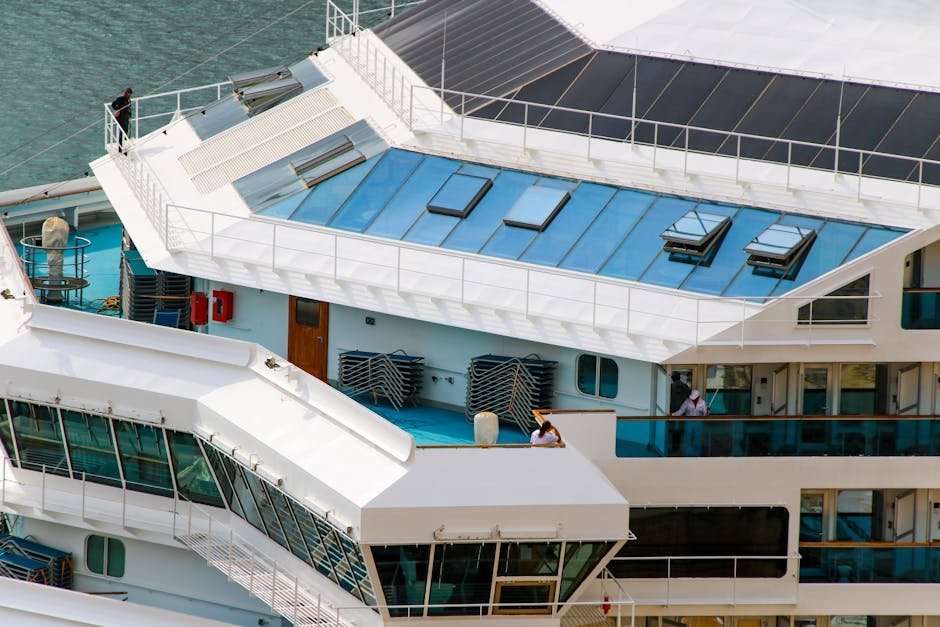
A “guarantee cabin” sounds like a savvy budget move: pay the lowest fare for a category and let the cruise line assign you a specific room closer to the sail date. In practice, this is how passengers end up with some of the least desirable locations on the ship. The cruise line isn’t trying to punish you – but they’re also not going to hand you a prime midship balcony when they could sell that to someone who deliberately selected it.
Guarantee bookings consistently land in locations nobody chose on purpose: directly under the pool deck, beside elevator banks, next to crew service corridors, or with obstructed views. The savings look real on paper and disappear the moment you see your assigned cabin number. Book early, choose your exact stateroom, and treat the guarantee fare as the risk it actually is rather than the deal it pretends to be.
Fast Facts: Guarantee Cabin Reality Check
- Guarantee cabins are offered across most categories – interior, oceanview, balcony, and even suites
- The cruise line assigns your exact room; you have zero input on location
- Common landing spots: under pool decks, near elevator banks, obstructed-view balconies, crew corridors
- Some fare structures (like certain Virgin Voyages “Lock It In” fares) explicitly state cabin changes are not accepted after assignment
- The discount rarely outweighs a full week in a problem location
#4 – You Book a Forward Cabin and Feel the Ship Move All Night
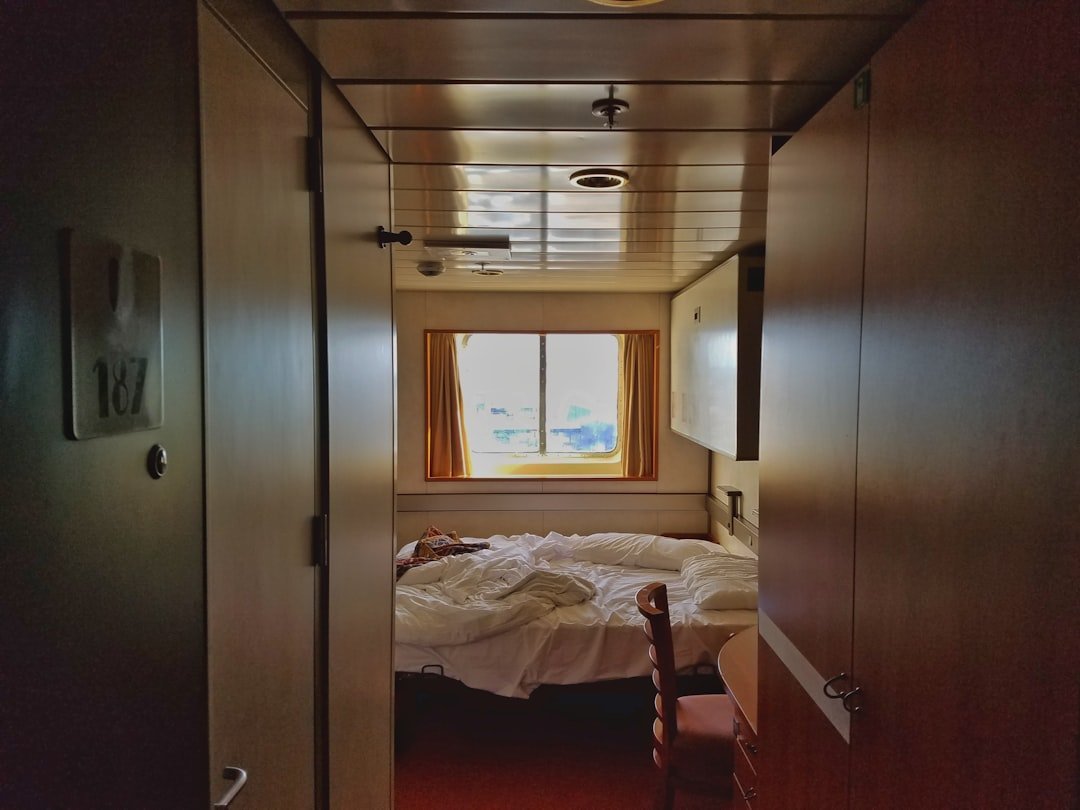
Forward cabins are often priced attractively, and the bow-facing views can genuinely be stunning in the right conditions. But there’s a trade-off the listing price never mentions. The very front of the ship is where motion is most dramatic – the bow pitches up and down in swells while the rest of the ship barely registers the same movement. Even on the largest ships in the world, that difference is real and felt, especially at night when there’s nothing to distract you from it.
Beyond the motion, forward cabins also come with the acoustic experience of waves hitting the hull directly below you, a sound that goes from interesting to exhausting by night two. And on a massive modern ship, the walk from a far-forward cabin to literally anywhere else onboard is a genuine commitment every single time. Midship cabins solve all three problems at once – less motion, less hull noise, and a central position that keeps everything accessible.
#3 – Claustrophobia Hits You Hard in an Inside Cabin
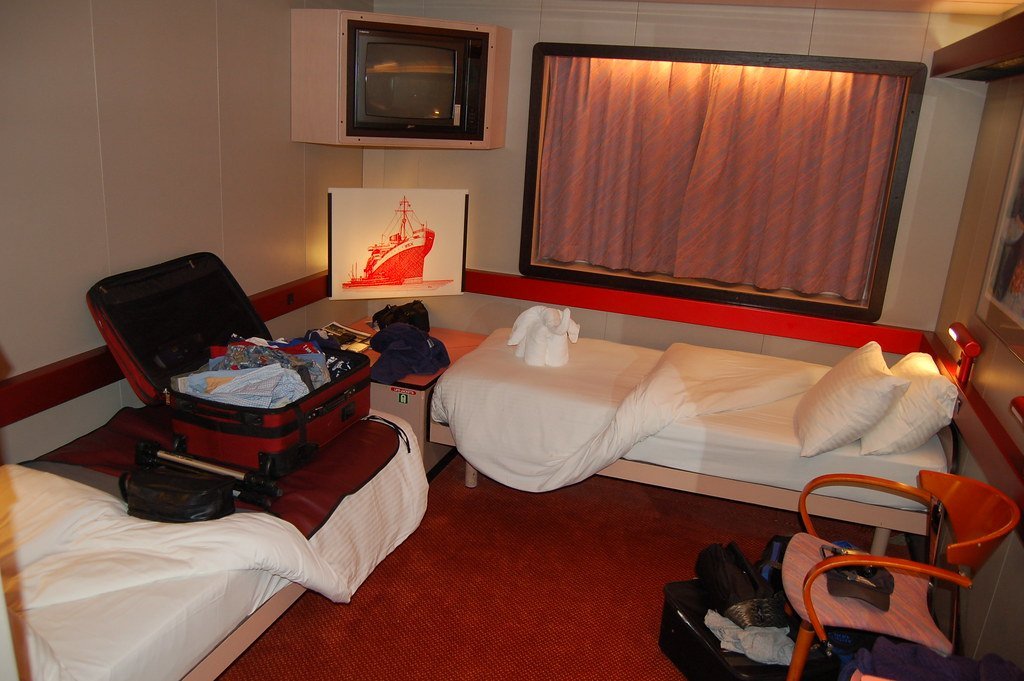
Inside cabins are the most economical option on any ship, and for budget-conscious cruisers on port-heavy itineraries they can make total sense. But book one without knowing how you actually respond to a windowless, enclosed space and you might be in for a surprise by day two. There’s no natural light, no visual sense of time passing, no connection to the ocean you’re sailing across. For some people, that’s completely manageable. For others, it becomes genuinely oppressive in a way they didn’t anticipate.
The sensory isolation compounds in an unexpected direction: without windows, your eyes can’t detect the ship’s motion, which creates a conflict between what your eyes register and what your body feels – and that conflict is a direct trigger for motion sickness. An inside cabin doesn’t protect you from seasickness; for some travelers, it makes it worse. That surprises almost every first-time inside-cabin cruiser who assumed being “inside” meant being stable.
#2 – You Miss the Junior Suite Perks You Thought You Were Buying

Junior suites occupy a sneaky middle zone that trips up a lot of cruisers. The word “suite” carries an implication of elevated service – priority boarding, lounge access, a concierge, maybe a butler. On most cruise lines, a junior suite delivers none of that. What you actually get is a bigger bathroom and a slightly larger room, which can be valuable for families but is rarely the experience the price point implies.
Standard balcony cabins and junior suites do not include the suite-level perks – priority embarkation, exclusive lounge access, personal concierge service – that full suites provide. People book junior suites expecting a suite experience and receive a premium-priced standard cabin. For families, two connecting standard rooms sometimes offer more functional space at a lower total cost. The word “suite” in a cabin name means almost nothing until you’ve read the specific amenities list yourself.
Why It Stands Out: Junior Suite vs. Full Suite
- Junior suite: Larger room and bathroom, but typically no butler, no lounge access, no priority boarding
- Full suite: Dedicated concierge, exclusive sun deck or lounge, priority embarkation and disembarkation on most lines
- The gap: Junior suites are priced well above balcony cabins but deliver most of the same service level
- Better alternative for families: Two connected standard balcony cabins often provide more total space for less money
The Cruise Cabin Masterclass
Most travelers spend weeks picking excursions but only minutes choosing a cabin. Test your knowledge on how to avoid the most common stateroom pitfalls that can derail a vacation.
Think you caught the key details? Take the quick quiz and see how sharp your instincts really are.
#1 – You Spend Your Whole Cruise Thinking About What Could Have Been

The cruelest consequence of the wrong cabin isn’t any single disruption – it’s the slow, relentless awareness that something is off and you can’t change it. Every sleepless morning from chairs scraping overhead, every scenic coastline you have to share with a hundred strangers because your balcony faces a lifeboat, every night you lie awake listening to elevator chimes compound into something that quietly poisons an expensive, hard-earned vacation.
A cruise is one of the most immersive vacation formats that exists. You don’t just visit the ship – you live on it. The cabin isn’t incidental to that experience. It is the experience, morning and night, every single day of the sailing. Get it right and you watch a glacier calve from your private balcony at sunrise while everyone else fights for a railing spot. Get it wrong and you spend the whole week doing math on what that unused balcony actually cost you. More than any port, excursion, or specialty dinner – the cabin is the one decision most cruisers wish they could go back and redo.
Have you ever been stuck in a bad cruise cabin? Did it tank the whole trip, or did you find a way to roll with it? Drop your story in the comments – because every cruiser needs to hear the real ones before they book.