
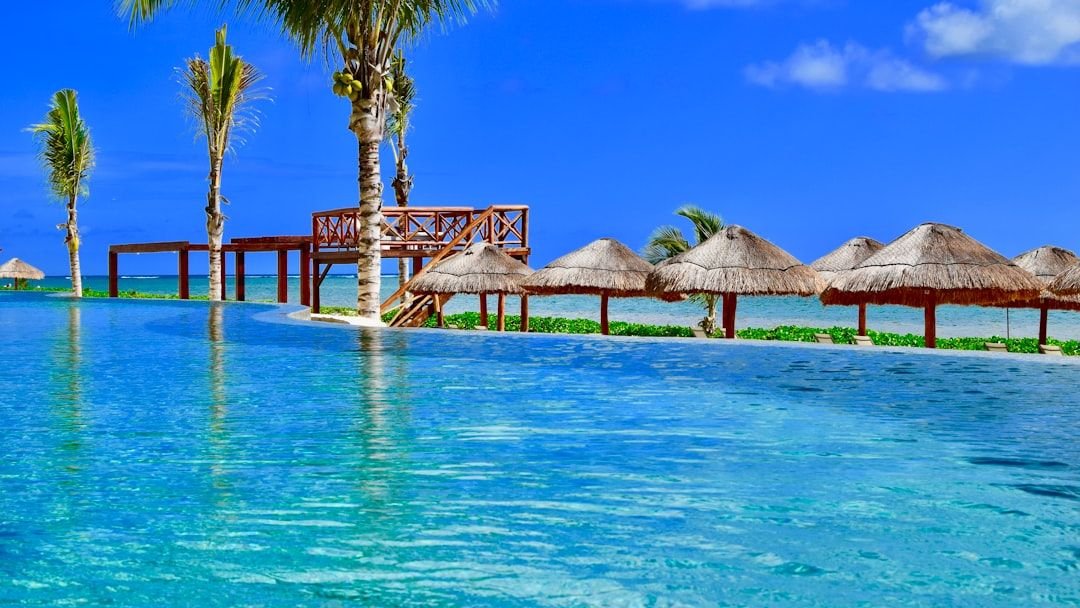
There’s a cruel irony baked into modern travel: the more beautiful and “authentic” a beach town is, the faster it gets discovered, hyped on social media, flooded with visitors, and hollowed out into a faint copy of itself. The Instagram photo never shows the hour-long parking queue, the shoulder-to-shoulder boardwalk, or the $150 dinner where a family restaurant used to be. Travelers who booked their dream coastal getaway based on a friend’s recommendation from five years ago – or worse, a TikTok from last summer – are landing to find something almost unrecognizable.
What’s striking is that this isn’t just a few obscure spots quietly losing their charm. Some of the most famous beach towns on earth are now generating more complaints than five-star reviews, and the locals are openly fed up. The data, the protests, and the emergency policy changes all tell the same story. Here are 18 beach towns travelers say crowds have completely changed – counting down from bad to the one where it’s arguably gotten the worst of all.
#18 – Panama City Beach, Florida: Spring Break’s Ugliest Hangover

Panama City Beach has long had a split personality – a family-friendly Gulf Coast resort struggling to coexist with one of America’s most chaotic spring break destinations. The tension finally boiled over into real policy action. Officials say visitor volume can tip from busy to genuinely unsafe, and after repeated disorder, they expanded enforcement zones, restricted alcohol on certain stretches, and ramped up policing during peak weeks. The city’s messaging has shifted from “come visit” to something closer to “please go somewhere else” – a remarkable turn for a destination built entirely on tourism dollars.
Locals aren’t just frustrated with the chaos; they’re frustrated with the cost of it. Residents cite gridlocked bridges, littered dunes, and noise bleeding into neighborhoods well past midnight. The white sand beaches are still there, and the Gulf water is still impossibly clear and warm. But for anyone who visited PCB a decade ago, the current atmosphere is genuinely hard to recognize. The beach didn’t change. Everything around it did.
Fast Facts
- PCB sits on Florida’s Panhandle, roughly 100 miles east of Pensacola
- Spring break season runs roughly 6 weeks, peaking in mid-March
- Alcohol restrictions and curfew enforcement zones now cover key beach corridors during peak weeks
- The Gulf’s emerald-green water is the result of white quartz sand – not a myth, still there, just crowded
#17 – Clearwater Beach, Florida: The “Best Beach” That Became a Parking Lot
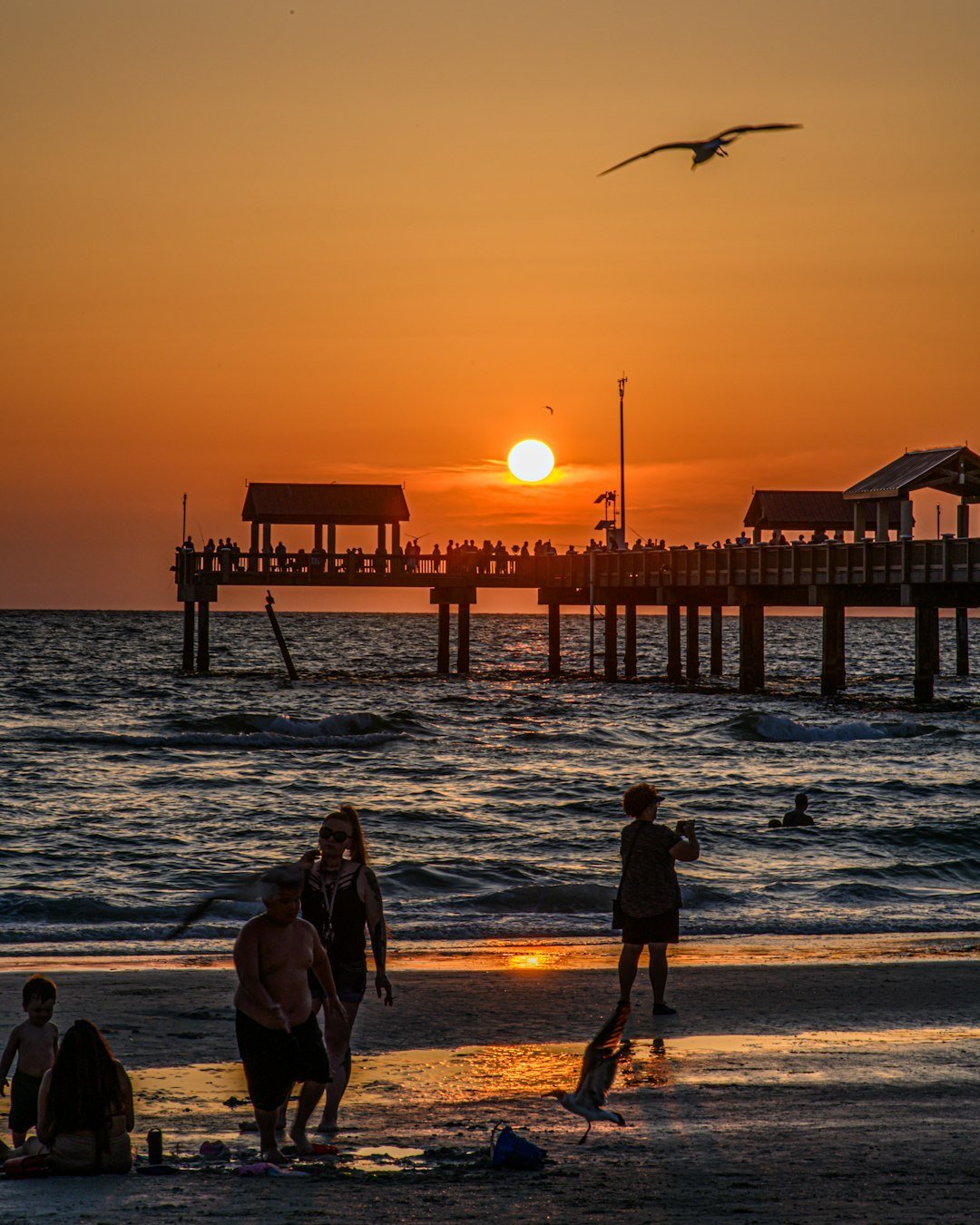
Clearwater Beach has ranked near the top of national “best beaches” lists for years, and that recognition is precisely the problem. The awards brought the attention, the attention brought the crowds, and the crowds brought the complaints. It lands squarely in the overcrowded category every single peak season, and the cycle shows no sign of breaking. Being named one of the best beaches in America is, at this point, almost a warning label.
Hotel prices during summer are eye-watering, parking is near impossible without arriving before 9 a.m., and the beaches are so packed that the “peaceful Gulf escape” fantasy evaporates within about ten minutes of arrival. Travelers who discovered Clearwater in the early 2010s often describe the current experience as unrecognizable. The sand is still powder-white. You just can’t find a spot on it.
#16 – Laguna Beach, California: When the Artists Left and the Crowds Arrived
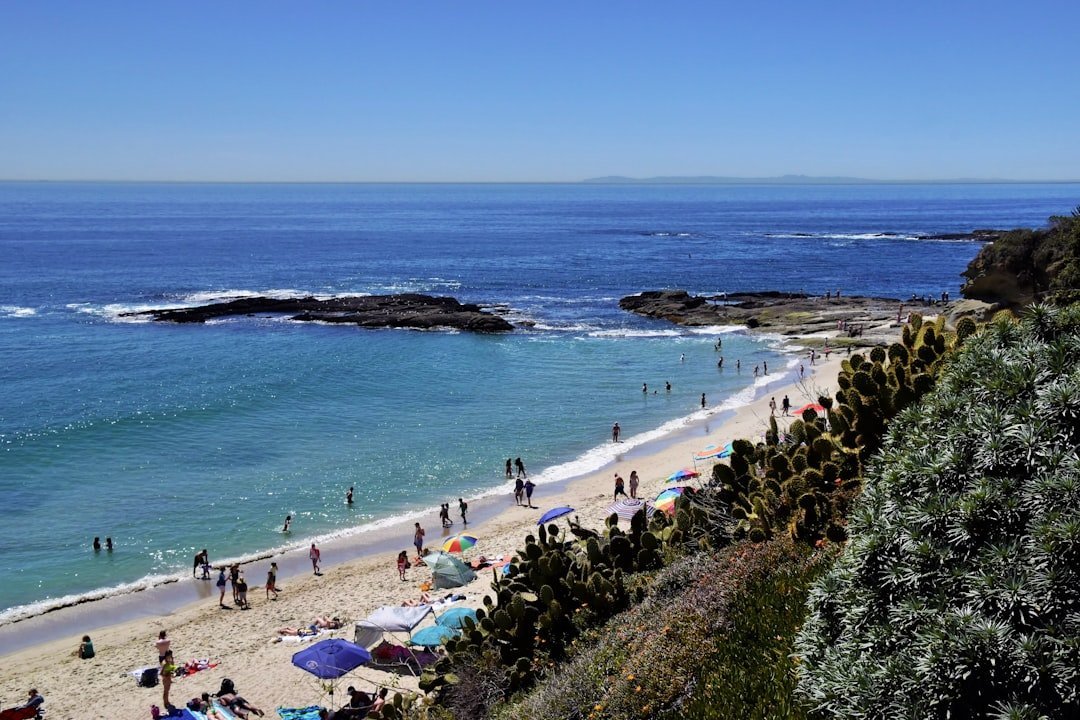
Laguna Beach was built on a reputation as a bohemian artist colony tucked into a dramatic stretch of Southern California coast. That identity has been almost entirely displaced. The steep streets and limited lots magnify every surge in visitor pressure, and short-term rentals have turned quiet residential blocks into a revolving door of weekend groups treating the town like a private party venue. The galleries are still technically open. The community that gave them meaning is increasingly gone.
City debates have dragged on for years – tighter permit rules, compliance checks, penalties for noise and illegal occupancy, beach access disputes. Locals point to gridlocked Pacific Coast Highway, packed cliff stairways, and thin rescue staffing on high-surf days. The anger isn’t really about visitors existing. It’s about volume without any accountability for what gets left behind. The tide pools and intimate coves are still there. Getting to any of them in July without a strategy is another matter entirely.
#15 – Venice Beach, California: A Mythology That No Longer Matches the Reality
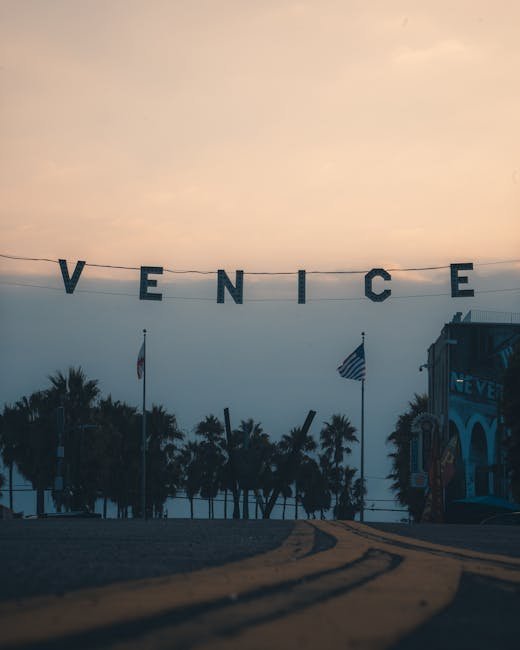
Venice Beach built its legend on creative chaos – bodybuilders, street performers, skaters, and artists all sharing one legendary stretch of Los Angeles coastline. The mythology, unfortunately, doesn’t match what most visitors actually find when they show up. The counterculture cool that movies and TV sold for decades has largely been replaced by something more chaotic and considerably less charming, and the gap between expectation and reality is wide enough to genuinely disappoint.
In a global beach study analyzing TripAdvisor reviews, Venice Beach scored 89.7 out of 100 in overall complaints, with over 60% of those complaints zeroing in on cleanliness issues – trash-strewn sands, unpleasant smells, and murky water. The beach receives an estimated 10 million visitors annually, and local authorities have struggled to keep pace with the resulting waste. Regulars who’ve watched the boardwalk evolve over the last twenty years largely agree: the version being sold online stopped existing a long time ago. The crowds keep coming anyway, chasing a place that isn’t really there anymore.
#14 – Santa Monica, California: 7.5 Million Visitors for a Beach That Can’t Handle It
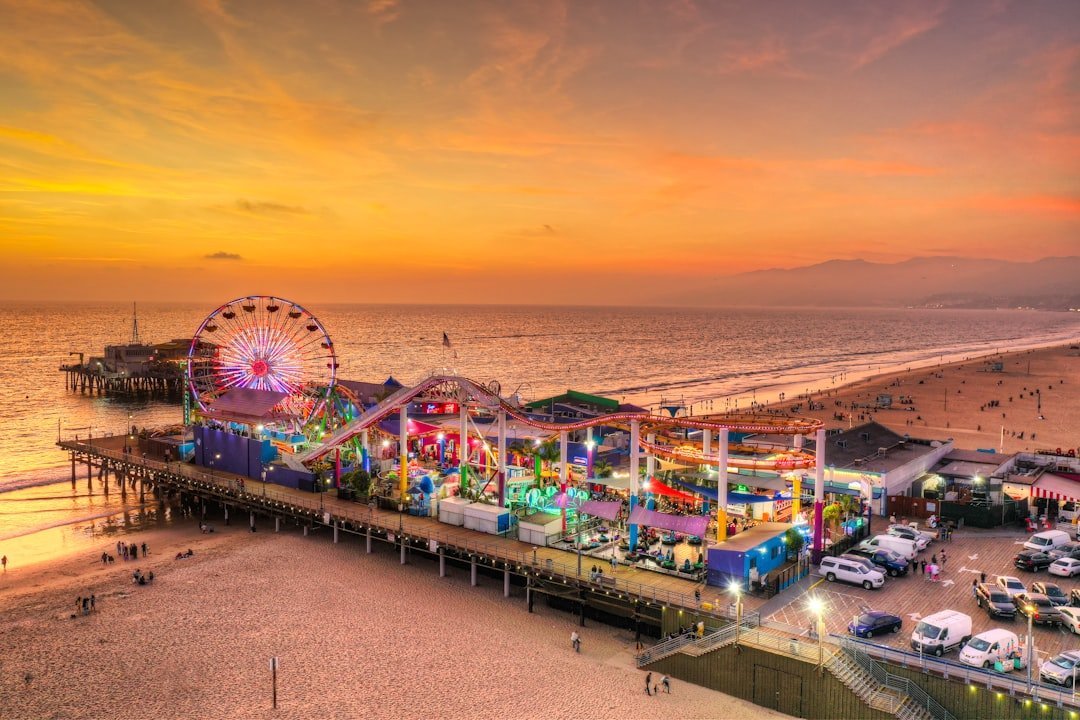
Santa Monica is one of those places people visit because they feel they have to. It’s Los Angeles’s most famous beachfront, the pier is on every postcard, and the proximity to the city makes it almost too easy to get to. Easy is the problem. Santa Monica draws roughly 7.5 million tourists per year – an enormous number for a beach that is not especially large. Finding a clear patch of sand in peak summer is genuinely competitive, like showing up to a concert and discovering the venue oversold by a factor of ten.
The pier experience that travelers picture – breezy, open, salt air, ocean views – has become something closer to a crowded theme park entrance with a Ferris wheel bolted onto it. Parking is expensive and stressful. Travelers who visit specifically to decompress from city life quickly discover they’ve just moved the city to the waterfront. The waves still roll in, the Ferris wheel still spins, but the serenity the postcard promises simply isn’t available in peak season. It may not be available at all anymore.
Quick Compare
- Santa Monica Pier: Iconic, but peak crowds rival a mid-size theme park on summer weekends
- Venice Beach (2 miles south): More space, wilder scene, but the top-ranked beach for cleanliness complaints in the U.S.
- Malibu (20 miles north): Quieter, harder to park, no pier, but dramatically less crowded
- El Matador State Beach: 30 minutes north, no development, limited lot – often cited as what Santa Monica “used to feel like”
The Price of Popularity: The Overcrowded Beach Quiz
From the shores of Hawaii to the cliffs of the Amalfi Coast, some of the world's most iconic beach destinations are struggling under the weight of their own fame. Test your knowledge of the data and policies defining the modern overtourism crisis.
Think you caught the key details? Take the quick quiz and see how sharp your instincts really are.
#13 – Miami’s South Beach, Florida: A Party Town That Lost the Plot

South Beach has one of the most recognizable identities in American travel – Art Deco architecture, white sand, and a nightlife scene built across decades of pop culture. The Instagram photos and the lived experience could not be further apart. Yes, the architecture is genuinely beautiful, and yes, the sand is white. But the reality is far messier than any filtered photo suggests.
Spring break in Miami Beach has escalated from a crowd management challenge into a recurring public safety emergency. In 2023, two fatal shootings and 488 arrests – including more than 230 felony charges – prompted the city to impose late-night curfews, limit beach entry points, and deploy sobriety checkpoints during peak weeks, according to Miami Beach Police. The city has since treated spring break as a public safety problem first and a tourism opportunity second. The beach itself remains gorgeous. The scene surrounding it has gotten genuinely difficult to defend.
#12 – Key West, Florida: When the Cruise Ships Took Over the Island
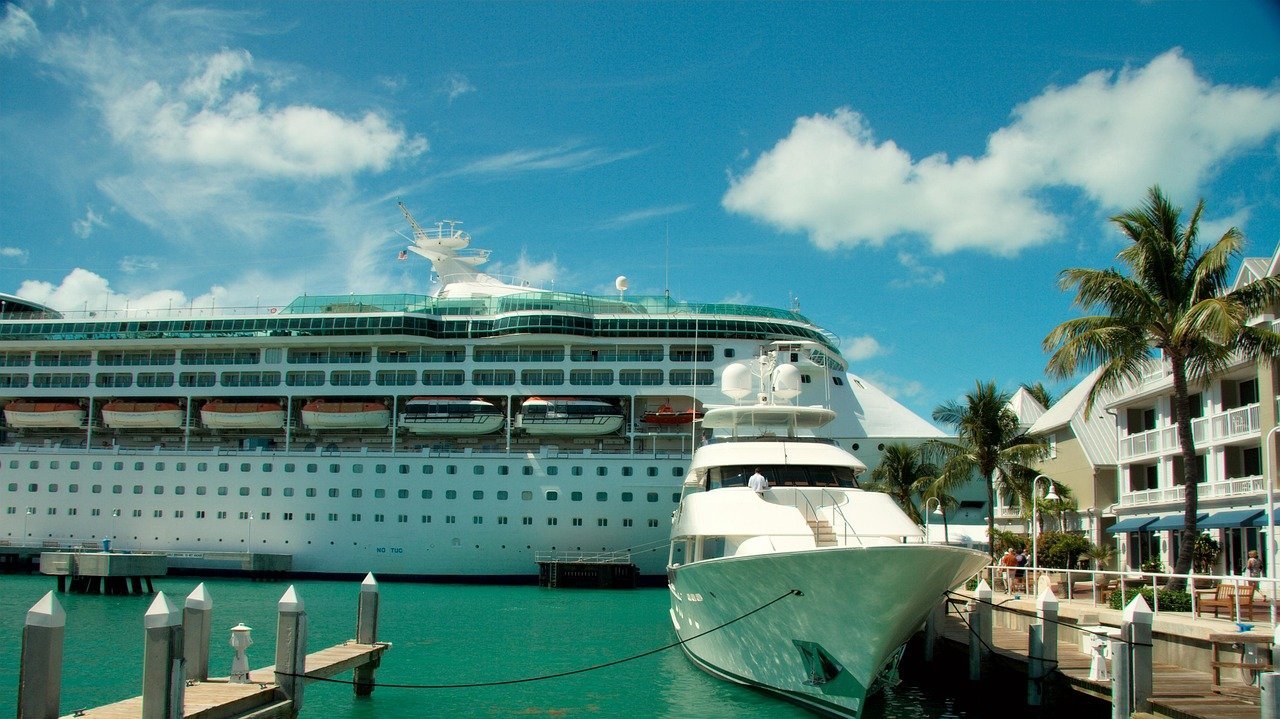
Key West has always had a particular brand of beautiful weirdness – a tiny island town at the end of a long road, with a fiercely independent character that made it unlike anywhere else in Florida. That character has been slowly buried under waves of cruise ship passengers. Voters backed limits on cruise ship size and daily passenger totals after years of complaints about congestion, environmental strain, and the sheer absurdity of thousands of day-trippers descending on an island grid that was never designed for them.
The locals who pushed for those restrictions weren’t anti-tourism idealists – they were people watching their streets get swamped by visitors who bought nothing, stayed nowhere, and left the island dirtier and louder than they found it. Supporters of the limits cite calmer crowds, lower cleanup costs, and fewer emergency calls during peak weeks. The sunset at Mallory Square still draws a crowd every single evening, and it’s still genuinely magical. The question Key West keeps wrestling with is how big that crowd should be allowed to get before the magic disappears entirely.
#11 – Phuket, Thailand: The Island That Tourism Is Eating Alive

Phuket was once the definition of a tropical escape – turquoise bays, limestone cliffs, long stretches of uncrowded shore. It is now one of the most densely visited coastal areas anywhere in the world, and the numbers are staggering. The island hosts more than thirteen million tourists per year, with roughly thirty-five thousand arriving daily. That visitor-to-resident ratio strains local infrastructure, water systems, and waste management to their absolute limits, and the pressure shows on every developed beach.
In certain beach zones, Phuket reportedly sees visitor density exceeding one million people per square kilometer at peak times – a figure that makes the overcrowding at other entries on this list look manageable by comparison. Local authorities have begun implementing caps and restrictions on specific beaches, but the pace of tourism growth has consistently outrun the pace of policy response. The postcard image of Phuket still exists. You’ll need to travel far from the main strips, wake up early, and get genuinely lucky to find anything resembling it.
Worth Knowing
- Patong Beach is the most crowded; Kata Noi and Nai Harn are consistently cited as quieter alternatives on the same island
- High season runs November through April – avoiding those months cuts crowds significantly but brings humidity and rain
- Several beach zones now restrict sunbed rentals and vendor setups in an attempt to manage density
- Phuket’s resident population is roughly 400,000 – against 13+ million annual visitors, that’s more than 32 tourists per resident per year
#10 – Tulum, Mexico: The “Eco” Town That Sold Out Its Own Identity
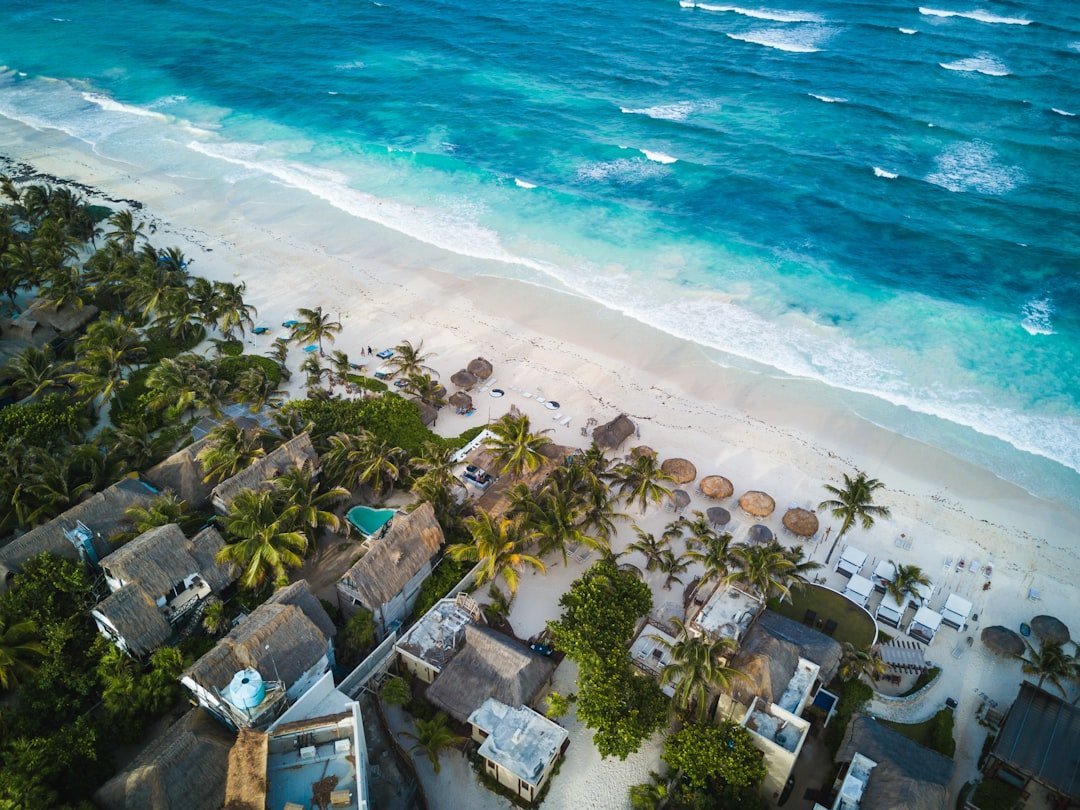
Tulum spent years marketing itself as a spiritual, eco-conscious alternative to the resort chaos of Cancún. Travelers who bought into that story are arriving to find something very different on the ground. The “eco-chic haven” sold in travel guides is a place where matcha lattes cost more than a local worker’s daily wage, beach clubs blast electronic music over the sound of the waves, and the cenotes that made the area famous are being quietly poisoned by the very tourism industry that sells them as an attraction.
The environmental consequences are genuinely alarming. Approximately 80% of Tulum’s resorts lack adequate sewage systems, and untreated waste seeps into underground rivers and cenotes, eventually reaching the world’s second-largest reef system. Most beachfront hotels run off dirty diesel generators rather than the solar power their marketing implies. The Mayan ruins and jungle cenotes are still breathtaking. But the sustainable paradise Tulum promised its visitors is, in large part, a fiction being performed over a slow-moving environmental disaster.
#9 – Bali, Indonesia: Loved Straight Into a Crisis
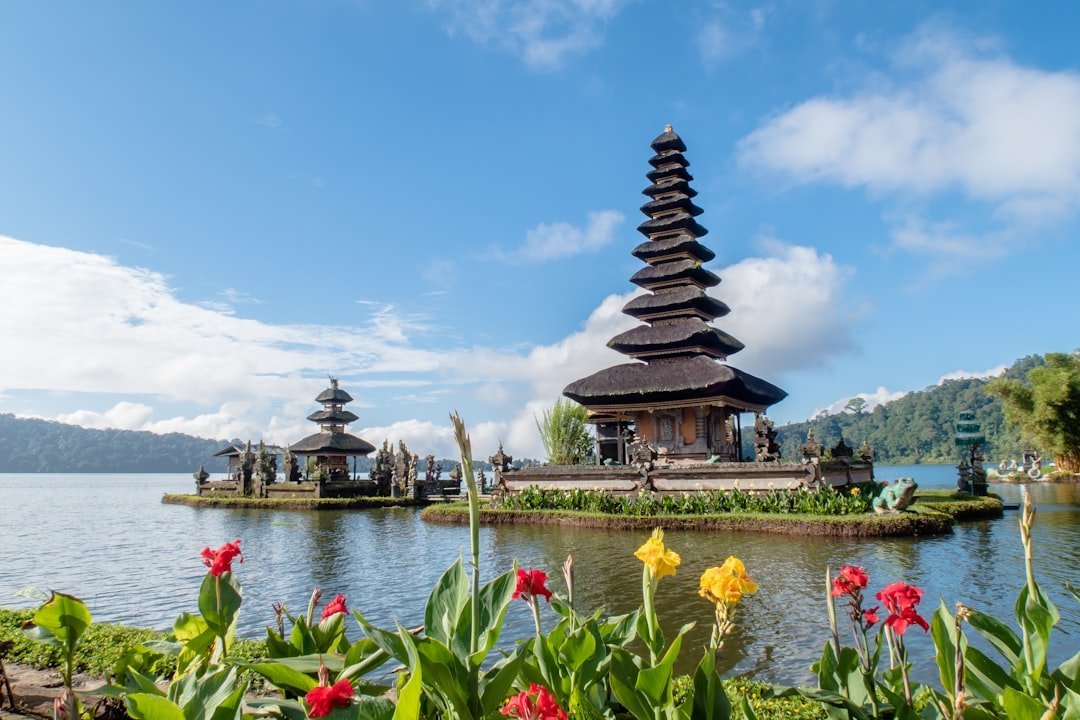
Bali has near-mythical status in global travel culture. The rice terraces, temples, and spiritual atmosphere made it the kind of destination people returned to again and again. The problem, as locals will tell you bluntly, is that too many of them returned at the same time. In 2024, Bali received 6.33 million international visitors, surpassing the previous peak of 6.28 million set in 2019 – a roughly 20% increase from 2023 alone. The island accounted for nearly half of all foreign tourists to Indonesia that year.
Once defined by quiet beaches and serene landscapes, Bali is now plagued by traffic jams, waste management crises, and overdevelopment – particularly in Ubud, Seminyak, and Kuta. The island’s water resources are being depleted to supply hotels, resorts, and infinity pools, leaving locals facing genuine shortages. The Indonesian government introduced a $10 tourist levy in 2024 partly to fund the infrastructure the island desperately needs just to keep up with what it’s already absorbing. Whether that money arrives fast enough to matter is an open question.
#8 – Maya Bay, Thailand: Closed Once, Still Struggling
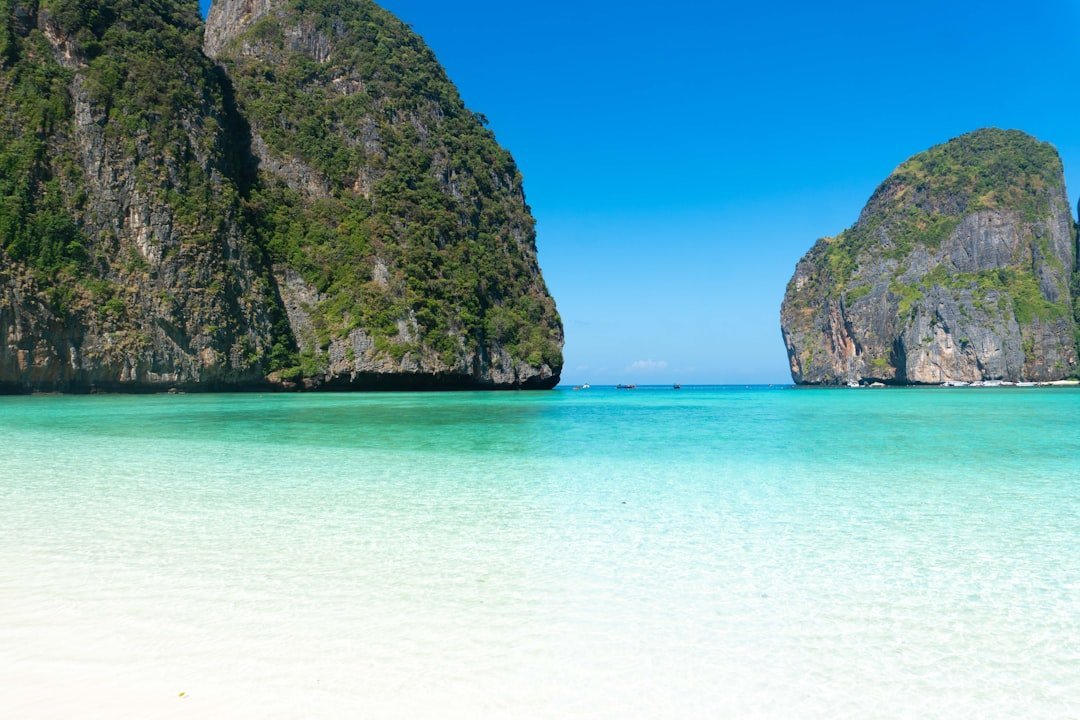
Most travelers know the story. A Leonardo DiCaprio film put this remote cove on every backpacker’s map, and the crowds that followed very nearly destroyed it. The secluded bay – translucent water, white sand, towering limestone cliffs – became so overwhelmed that visitors could hardly walk across the beach, let alone find a quiet spot on it. The coral damage from years of day-tripper boat traffic was severe enough that Thailand shut the beach completely in 2018 for an emergency rehabilitation program.
We have to accept that some places need to rest.
Varawut Silpa-archa, former Thai Minister of Natural Resources and Environment
Maya Bay reopened in January 2022 with strict new rules – visitor caps, timed entries, no swimming in certain zones, controlled pedestrian flow. The coral has begun recovering, which is genuinely good news. But travelers who arrive expecting the wild, untouched paradise from the film find something carefully managed instead. The setting is undeniably stunning. The freedom it once promised is largely gone, and honestly, given what careless freedom did to it the first time, that’s probably the right call.
#7 – Mykonos, Greece: The Playground That Priced Out Its Own Soul

Mykonos sold itself as the playground of the wealthy and the stylish – a whitewashed island of windmills, narrow lanes, and exclusive clubs that justified the eye-watering price tag through sheer cachet. The exclusivity has long since evaporated. The prices haven’t. What was once a destination that felt genuinely special now delivers a mass-tourism experience wrapped in luxury branding, and the gap between the two is impossible to ignore once you’re actually there.
The result is an island with long queues at the most Instagrammed beaches, DJ sets rattling through ancient villages until dawn, and accommodation costs that would be hard to justify even if the experience fully delivered on its promise. The cruise ships and party crowds have arrived in numbers that overwhelm the narrow streets and small coves the island was built around. Greece’s Prime Minister has publicly acknowledged that Mykonos – alongside Santorini – is “clearly suffering” from overtourism, and new cruise passenger levies are being phased in across both islands. Repeat travelers – the ones who went a decade ago – often describe current Mykonos as a different place wearing the same costume, and they’re not wrong.
#6 – Dubrovnik, Croatia: Game of Thrones Did What Wars Couldn’t

Dubrovnik survived centuries of conflict, including a devastating siege in the early 1990s. What those wars couldn’t accomplish – fundamentally altering the character of the old city – an HBO series managed in less than a decade. Once Game of Thrones turned Dubrovnik’s stone walls into King’s Landing, the cruise ships responded with devastating efficiency. Up to 10,000 cruise passengers now descend on the old town daily during peak season, and locals have taken to calling it, with undisguised bitterness, “a medieval Disneyland.”
UNESCO flagged overtourism concerns around 2017, warning that the city’s heritage status could be at risk. Since then, Dubrovnik has banned wheeled suitcases in public areas to reduce noise, capped daily cruise ship arrivals, and watched apartment buildings get gutted and converted to short-term rentals, forcing longtime residents into the suburbs. The stone walls are still magnificent – genuinely, breathtakingly magnificent. The living community that once existed inside them is largely gone, replaced by a rotating cast of visitors chasing a fantasy a TV show created.
At a Glance: What Dubrovnik Has Done to Fight Back
- Banned wheeled luggage from cobblestone streets in the old town
- Capped daily cruise ship passenger arrivals
- Restricted short-term rental permits in residential zones
- Implemented pedestrian flow controls at peak entry points
- UNESCO-monitored since 2017 due to heritage impact concerns
#5 – Amalfi Coast, Italy: When the Influencers Outran the Infrastructure
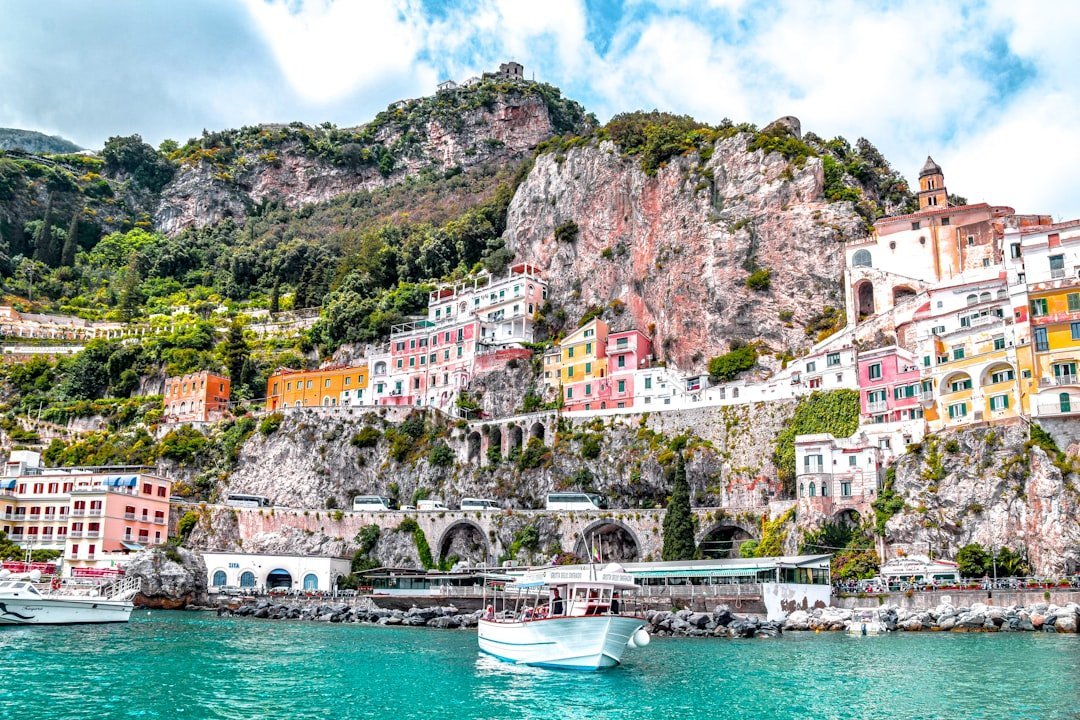
The Amalfi Coast is genuinely one of the most beautiful stretches of coastline in the world. That beauty, amplified relentlessly by social media, is now producing visitor volumes the physical geography simply cannot accommodate. The roads are narrow mountain ledges carved into cliffs. The towns are vertical. There is no extra capacity anywhere, and there never will be – the terrain won’t allow it. Visitor numbers have climbed nearly 9% since 2019, and the collision of social media hype, cruise traffic, and post-pandemic demand has turned a dream destination into a logistical nightmare.
Travelers arrive on the coast dreaming of crystalline water and colorful postcard villages and are met with gridlocked traffic, accommodation in Positano averaging around €500 a night, porters charging €15 to carry luggage up 100 stairs, and meals running €150 per person. Hiking trails above the coast, not designed for mass foot traffic, have become genuinely dangerous – guides working the area have reported tourists falling from cliffs while trying to capture the perfect shot. That’s not hyperbole. It’s a documented, recurring consequence of overcrowding in a place where the margin for error is measured in vertical feet.
#4 – Cancún, Mexico: 20 Million Arrivals and Nowhere to Breathe
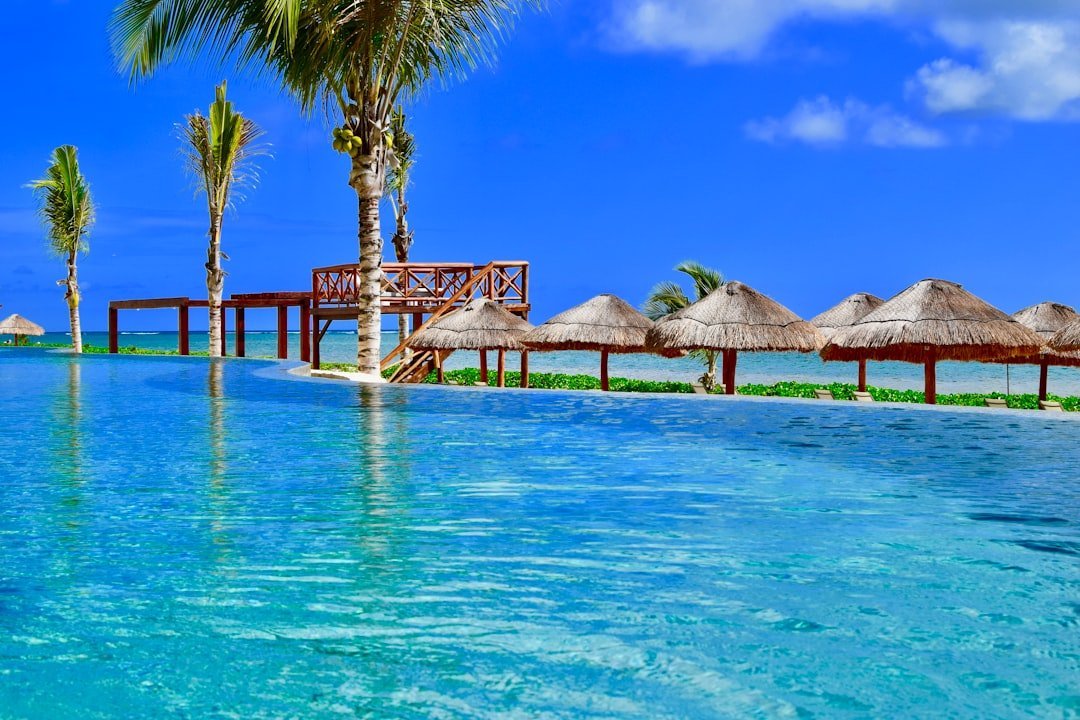
Cancún was purpose-built as a tourist destination in the 1970s, so it has no authentic pre-tourism identity to mourn – but even on its own engineered terms, the scale has outpaced what the resort zone was designed to handle. Cancún International Airport recorded over 20 million tourist arrivals in 2024, making it the busiest airport in Mexico. Twenty million annual visitors isn’t a travel destination anymore. It’s a small country’s worth of people all funneling onto the same Hotel Zone strip at the same time.
Playa Delfines, Cancún’s largest free public beach, suffered the highest percentage of complaints about wait times of any beach studied – 57.9% of reviews mentioned long queues, largely driven by an Instagrammable Cancún sign that visitors line up to photograph. Standing in a queue for a selfie at a beach. Let that sink in for a moment. The turquoise Caribbean water is legitimately stunning, and there are quieter pockets south of the main zone – but the Cancún most travelers actually experience is a loud, expensive, traffic-choked resort corridor that happens to have an ocean running along one edge of it.
#3 – Santorini, Greece: Instagram’s Most Overcrowded Victim
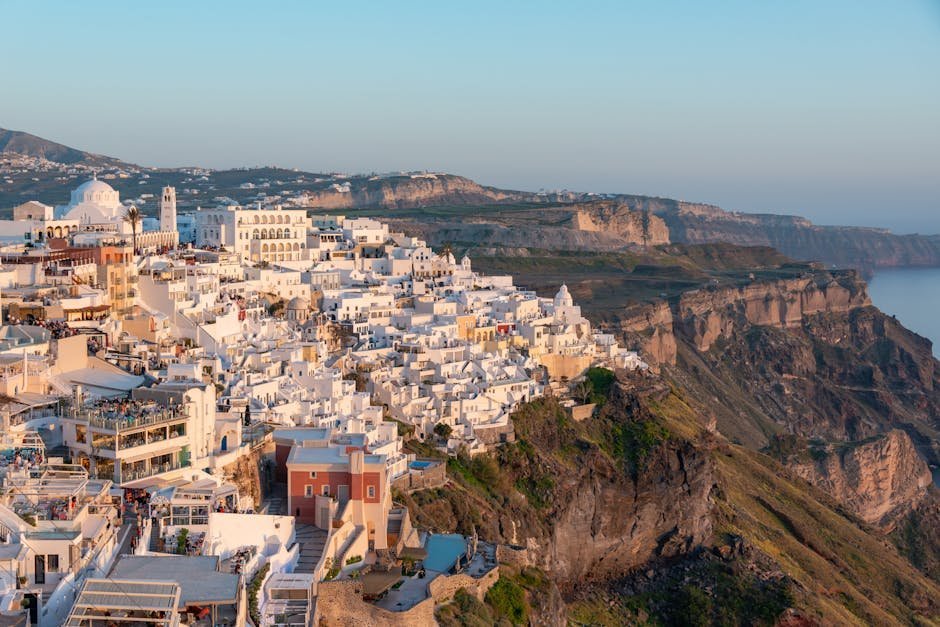
No place on earth has been more thoroughly overwhelmed by its own photogenic perfection than Santorini. The blue domes, the white walls, the caldera sunsets – every image is real and genuinely beautiful. What the images never show is the human traffic jam you have to fight through to reach any of it. The famous blue domes in Oia now have security personnel to manage the endless stream of wedding photoshoots and influencer poses. The narrow streets designed for a few hundred residents are now choked with thousands of people, all trying to capture the same frame.
Santorini draws around 3.4 million tourists per year against a permanent population of roughly 20,000 – a ratio that strains water supplies, electricity infrastructure, and waste systems to their limits. At high season’s peak, as many as 17,000 cruise ship tourists flood the island in a single day, congregating in Fira and Oia. Santorini’s own mayor publicly raised the alarm about overtourism and has proposed capping daily cruise arrivals at 8,000. A new €20 cruise passenger levy was also introduced to fund infrastructure repairs. Locals born on the island are being priced out of their ancestral homes by short-term rental demand. The sunsets are still transcendent. The island surrounding them is quietly being hollowed out, one Airbnb conversion at a time.
Why It Stands Out: Santorini by the Numbers
- ~3.4 million annual tourists vs. ~20,000 permanent residents – roughly 170 visitors per resident
- Up to 17,000 cruise passengers arriving on a single peak day
- New €20 levy on cruise visitors introduced to fund infrastructure
- Mayor Nikos Zorzos has been pushing for visitor limits since 2012 – largely ignored until recently
- Grape production for Santorini’s famous wine has dropped nearly 50% in 20 years as farmland converts to tourism use
#2 – Venice, Italy: A Floating City Sinking Under Its Own Popularity
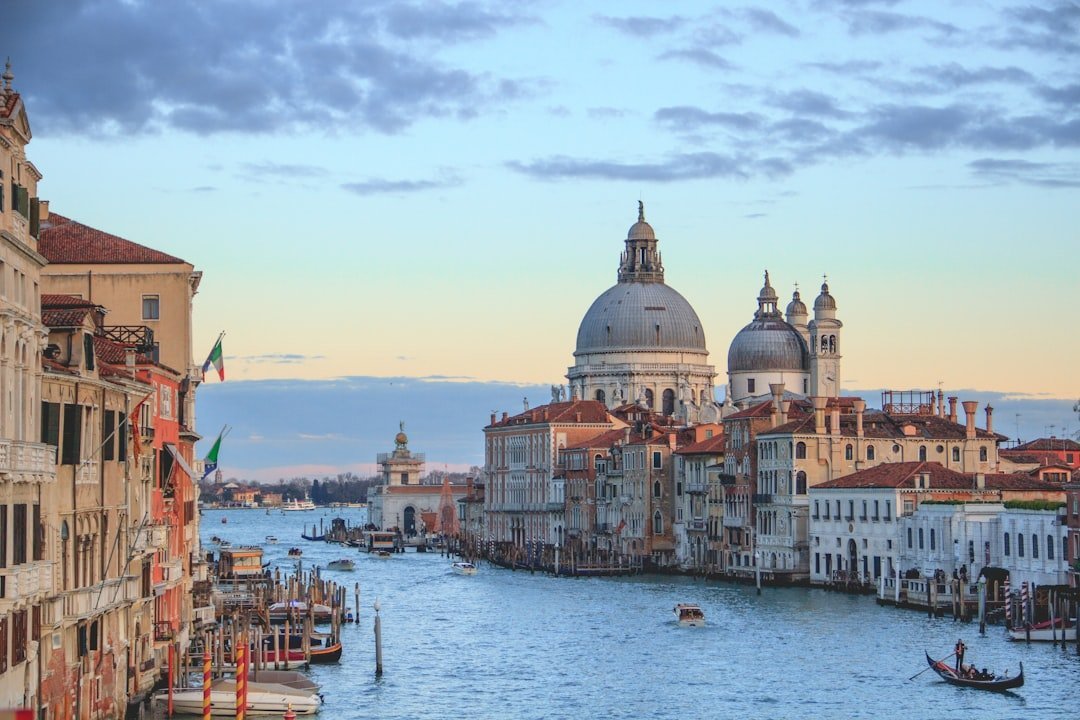
Venice has been fighting this battle longer than almost any other destination on earth, and by most measures, the city is losing. The resident population of Venice has dropped dramatically over decades – from roughly 170,000 in the 1950s to around 50,000 today – as locals have been priced out of their own city. The historic streets increasingly resemble an open-air museum staffed by an imported hospitality workforce rather than a living, breathing community. The crowds haven’t just changed the experience of visiting Venice – they have changed what Venice actually is.
Fines for non-compliance range from €50 to €300. Groups larger than 25 people are now banned from entering the city together, and audio guides and loudspeakers are restricted in public spaces. The entry fee system – unprecedented for any European city – is a frank admission that Venice can no longer absorb unlimited visitors without doing measurable damage to itself. It remains one of the most extraordinary places ever built by human hands. It’s also genuinely miserable to visit at peak times in a way that would have been unthinkable thirty years ago.
The Price of Popularity: The Overcrowded Beach Quiz
From the shores of Hawaii to the cliffs of the Amalfi Coast, some of the world's most iconic beach destinations are struggling under the weight of their own fame. Test your knowledge of the data and policies defining the modern overtourism crisis.
Think you caught the key details? Take the quick quiz and see how sharp your instincts really are.
#1 – Waikiki Beach, Hawaii: A Perfect Score for All the Wrong Reasons
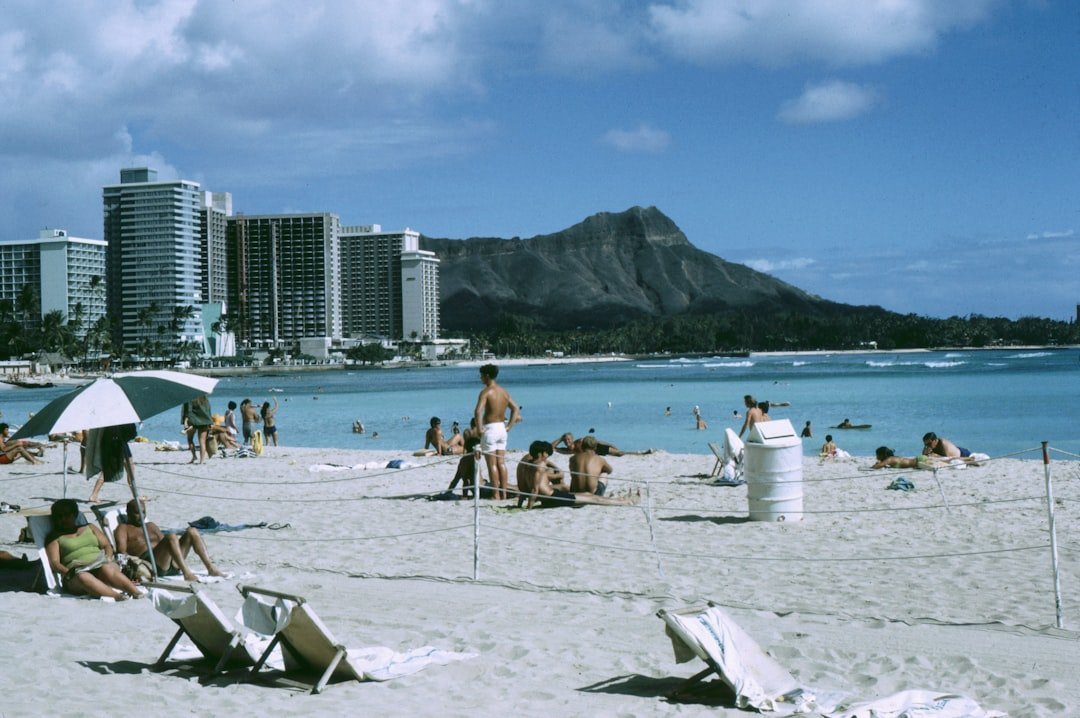
Every destination on this list has its overcrowding horror stories. Waikiki has the data to back them up at a scale nothing else on this list can match. In a global beach study by Cloudwards analyzing thousands of TripAdvisor reviews across 200 of the world’s most popular beaches, Waikiki Beach earned a perfect Complaint Score of 100 out of 100 – with 67.3% of all reviews specifically mentioning extreme overcrowding. Not congestion. Not busy. Extreme overcrowding. No other beach in the study scored 100. The study tracked complaints about dirt, crowds, lines, and noise, and Waikiki topped the entire world in the worst possible way.
This once-idyllic stretch in Honolulu is now swamped with tourists, high-rise hotels, and surf schools crammed shoulder to shoulder, with traffic noise and nightlife compounding the pressure from every direction. One reviewer described it flatly as “a human sardine can.” The name “Waikiki” still conjures images of swaying palms and turquoise water, and those elements technically exist. But the qualities that made it legendary – the ease, the openness, the feeling that you’d found something genuinely special – have been pushed aside by congestion, steep prices, heavy development, and visible environmental wear. Compounding everything, the beach itself has been shrinking for decades due to erosion and rising sea levels, meaning there is literally less sand per visitor every passing year. A perfect 100-out-of-100 complaint score is not a travel advisory. It’s a unanimous verdict. What was once one of the most celebrated beaches on the planet has become, for many repeat visitors, the clearest possible example of what happens when a place is loved without limits – and without any real plan for what comes next.
At a Glance: Waikiki’s Crowding Problem in Numbers
- Complaint Score: 100/100 – highest of any beach in a global 200-beach study by Cloudwards
- 67.3% of negative reviews cite extreme overcrowding as the primary issue
- No other beach in the 200-beach dataset scored a perfect 100
- The beach has been physically shrinking for decades due to erosion – less sand, more visitors, every year
- A Waikiki Improvement Association survey found 12% of tourists said they wouldn’t return specifically because of overcrowded beaches
- Four U.S. beaches rank in the global top 10 for complaints – more than any other country
The pattern across all 18 of these destinations is the same: beauty draws attention, attention draws visitors, visitors overwhelm infrastructure, and the very qualities that made a place worth visiting begin to quietly disappear. Some of these towns are fighting back – with visitor caps, entry fees, cruise ship limits, and stricter rental rules. Others are still catching up. But travelers who’ve watched a favorite beach town transform over even five short years know the timeline moves fast, and it rarely moves in reverse. The beach you loved may already be gone. The question is whether the one replacing it is worth the trip.