
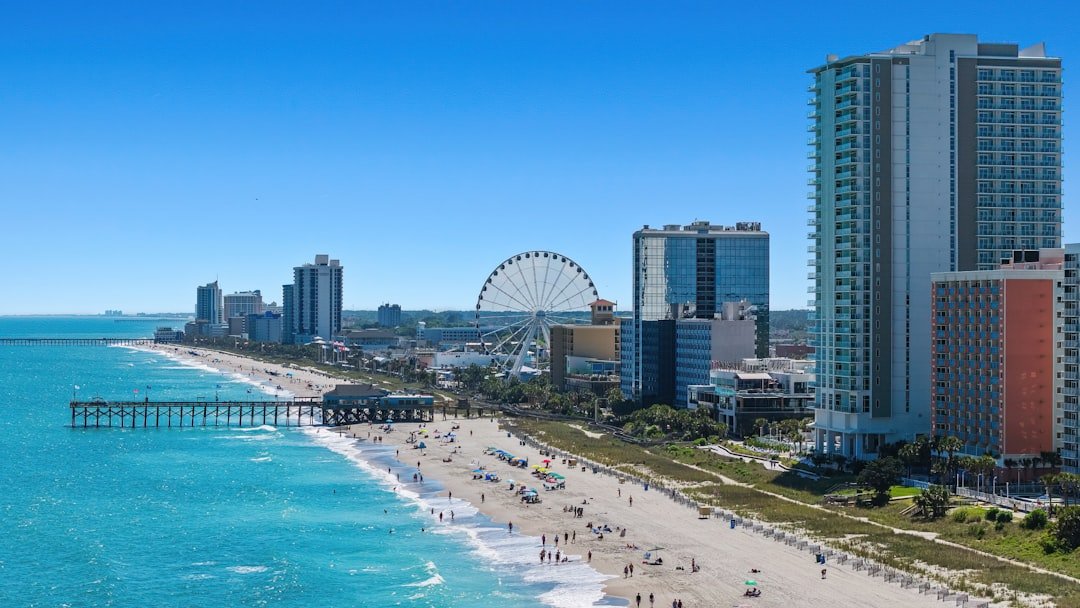
Most people assume a packed beach is just a popular one – a harmless sign that a place is loved. That thinking is exactly wrong. A 2024 peer-reviewed analysis estimates 3.4 billion annual visits to U.S. beaches, and the pressure that number puts on sand, water, parking, and the basic experience of being there has quietly turned some of America’s most iconic shorelines into logistical nightmares. The gap between the beach you’re picturing and the one you’ll actually find has never been wider.
So which American beaches have been hit the hardest – and which one truly earns the top spot? Some of the most famous names in American beach tourism have crossed the line from “lively” to “genuinely unsustainable,” and the story behind each one is more specific – and more surprising – than you’d expect. A few of the answers will make you rethink beaches you’ve loved your whole life.
#17 – Rehoboth Beach, Delaware: The Mid-Atlantic’s Most Underestimated Crowd Trap

Rehoboth Beach flies under the radar compared to bigger names, but that’s exactly why it’s gotten so crowded. Squeezed between the Jersey Shore to the north and Virginia Beach to the south, Rehoboth has become the default summer escape for the Washington D.C. metro area – a massive population center just two hours away. Its compact one-mile boardwalk simply wasn’t designed for the volumes it now absorbs.
Visitors who left Delaware in the ’90s and came back decades later consistently report finding even more people – and parking that’s turned into a genuine ordeal. A peak-summer week for a family of four now runs roughly $4,360 all-in, which is a steep price for a beach where finding an open stretch of sand can feel like a competitive sport. But that’s nothing compared to what we found about #16.
Fast Facts
- Boardwalk length: just 1 mile – among the shortest of any major East Coast resort beach
- Drive time from Washington D.C.: roughly 2 hours, making it the capital region’s most accessible shore
- Peak-summer family trip cost: approximately $4,360 all-in
- Parking: notoriously limited, with no major garage expansion in recent years
#16 – Cocoa Beach, Florida: When a Space-Age Attraction Becomes a Crowding Problem

Cocoa Beach used to be a quiet stretch of Florida’s Space Coast – a local favorite that happened to sit near Kennedy Space Center. Then rocket launches became appointment viewing, and every launch event floods the beach with tens of thousands of extra visitors on top of the regular summer crowd. The four-lane highway cutting right through the island brings constant traffic noise and pedestrian hazards that visitors frequently describe as a dealbreaker.
The Cocoa Beach Pier layers commercial foot traffic – diners, shoppers, sightseers – directly on top of beach traffic, making the whole area feel perpetually cramped. The sand itself runs grey rather than the blinding white of the Gulf Coast, which surprises first-timers expecting tropical postcard conditions. It’s a beach that punches below its weight in beauty and well above its weight in crowds. But that’s nothing compared to what we found about #15.
#15 – Gulf Shores, Alabama: 7 Million Visitors on a Thin Strip of Sand

Alabama’s entire Gulf Coast beach scene funnels into one place: Gulf Shores. There’s no spreading out to a dozen different towns – the geography concentrates everything into a narrow stretch. Nearly 7 million visitors arrive each year to walk the same 32 miles of sugar-white sand, which sounds manageable until you realize that the vast majority show up between Memorial Day and Labor Day. The result is a summer crush that overwhelms parking, restaurants, and the beach itself during peak weeks.
Gulf Shores has invested heavily in infrastructure, but growth in visitor numbers has consistently outpaced those investments. Rental prices have surged as demand from the Southeast and Midwest climbs steadily. Families who drove down from Tennessee or Georgia expecting a quiet Gulf escape often find something closer to a resort strip. The water is genuinely beautiful – clear, warm, and calm – which keeps people coming back even after a bruising first trip. But that’s nothing compared to what we found about #14.
#14 – Newport Beach, California: Nearly 10 Million Visitors and Zero Elbow Room
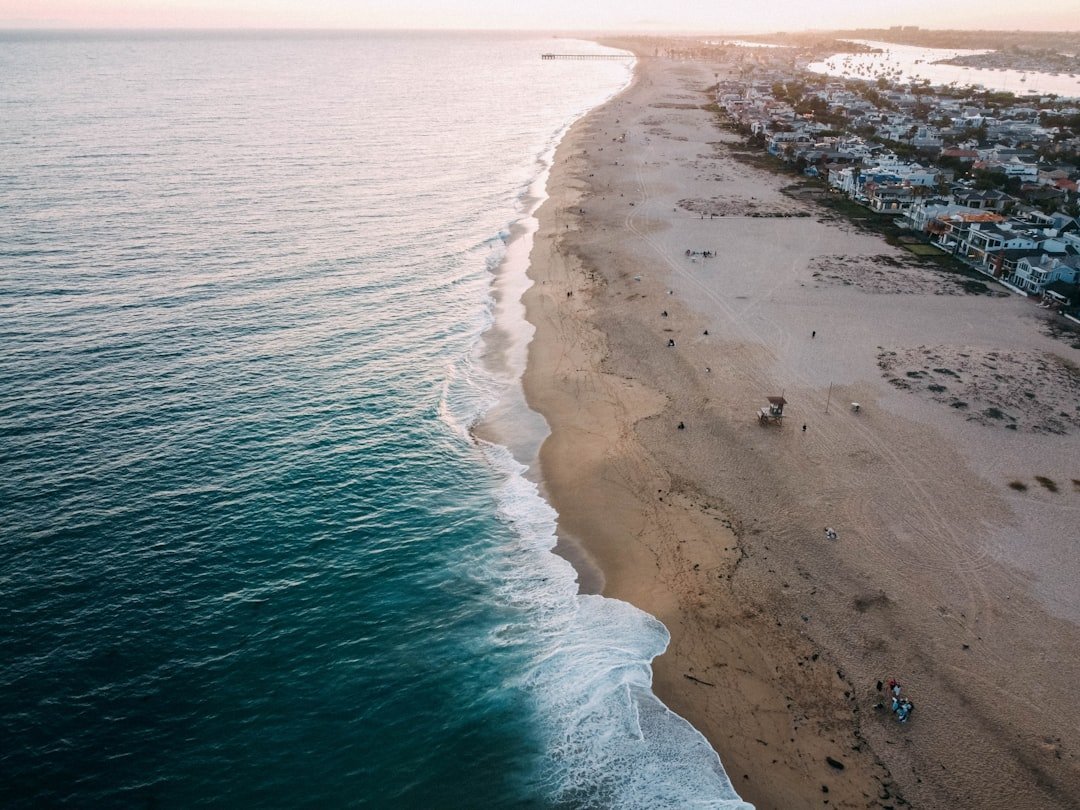
Newport Beach markets itself as the place where “old California charm meets modern glamour,” and that pitch works almost too well. The stretch draws nearly 10 million visitors each year – a staggering number for a community of around 87,000 permanent residents. On peak summer weekends, the ratio of visitors to locals can push double digits, and the harbor, Balboa Peninsula, and famous Fun Zone all compete for the same finite square footage.
Parking in Newport during summer is famously brutal, and hotel rates have climbed to the point where casual visitors are increasingly priced out in favor of wealthier repeat guests. Traffic on Pacific Coast Highway backs up for miles on summer Saturdays. Many longtime Southern California residents have quietly crossed Newport off their list – and when locals stop going, it’s usually because the crowd problem has officially passed the tipping point. But that’s nothing compared to what we found about #13.
#13 – Fort Lauderdale, Florida: Busy Every Month, Not Just Summer

Fort Lauderdale has held a top-three spot among Florida’s most visited beach towns for several consecutive years. Known as “The Venice of America” for its canal network, it draws visitors who want beach access plus a full urban dining and nightlife scene – and that combination means the sand is busy from January through December, not just in summer. The city maintained its top-tier visitor ranking even during pandemic-affected years, which speaks to how deeply embedded it is in American travel habits.
Fort Lauderdale Beach has been Blue Wave certified since 1999 – a genuine quality mark – but certification doesn’t solve the problem of too many people competing for the same sand. Spring break is particularly relentless here, with college students arriving in waves from February through April. Las Olas Boulevard adds restaurant crowds and shoppers on top of beachgoers, keeping the whole area humming at a level that rarely lets up. But that’s nothing compared to what we found about #12.
At a Glance: Florida’s Year-Round Beach Crowd Problem
- Fort Lauderdale: Blue Wave certified since 1999, busy 12 months a year
- Panama City Beach: 27 miles of sand, but spring break crowds test it every March–August
- Daytona Beach: Cars legally drive on the sand – adding a literal road to the crowd equation
- Clearwater Beach: Award-winning beach trapped on a narrow barrier island with nowhere to expand
- South Beach: Government curfews, bag searches, and $100 parking fees – the most interventionist beach in America
The Great American Shoreline Squeeze
With 3.4 billion annual visits to U.S. beaches, the gap between the postcard fantasy and the crowded reality has never been wider. Test your knowledge on the logistical challenges and surprising statistics behind America's most overwhelmed coastal destinations.
Think you caught the key details? Take the quick quiz and see how sharp your instincts really are.
#12 – Panama City Beach, Florida: The Spring Break Capital That Never Comes Down
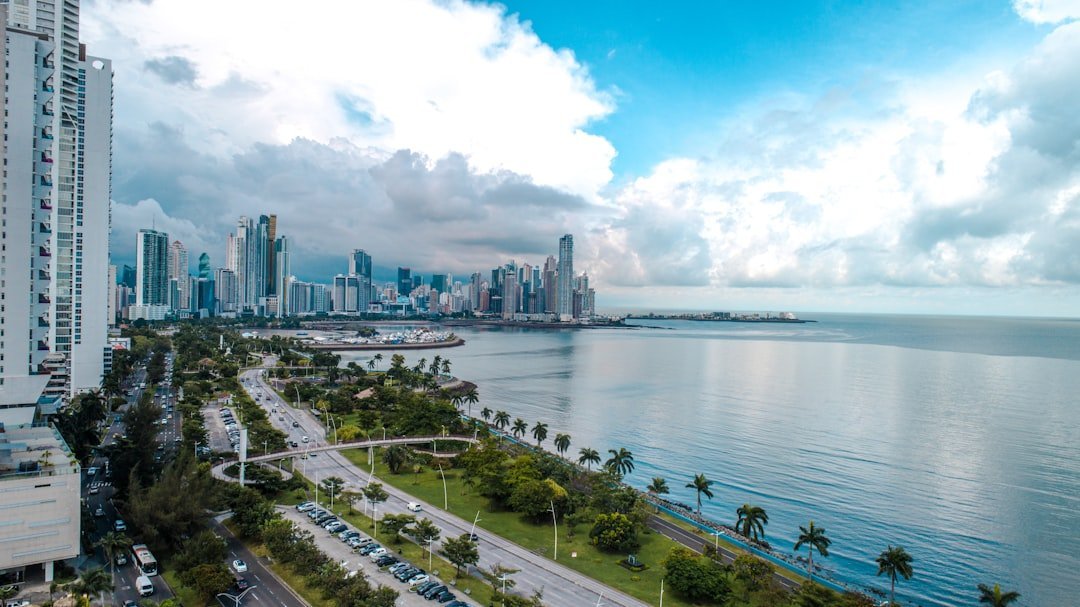
Panama City Beach has repeatedly ranked as the most-visited beach town in Florida – a state where that competition is fierce. Its 27 miles of beaches handle visitor numbers that would challenge a destination twice its size, and the infrastructure strains visibly during the March-to-August crush. The city has tried hard to rebrand toward families and away from the party crowd, with limited success.
The problem is that Panama City Beach is genuinely beautiful – sugar-white sand and emerald-green water that rivals anything in the Caribbean – which keeps the crowds coming regardless of reputation. Weekends in July can feel less like a beach vacation and more like a theme park without organized queuing. The environmental toll is real too: erosion, wildlife disturbance, and trash have become persistent issues that no rebranding campaign has managed to solve. But that’s nothing compared to what we found about #11.
#11 – Daytona Beach, Florida: Year-Round Crowds on a Beach That’s Literally a Road
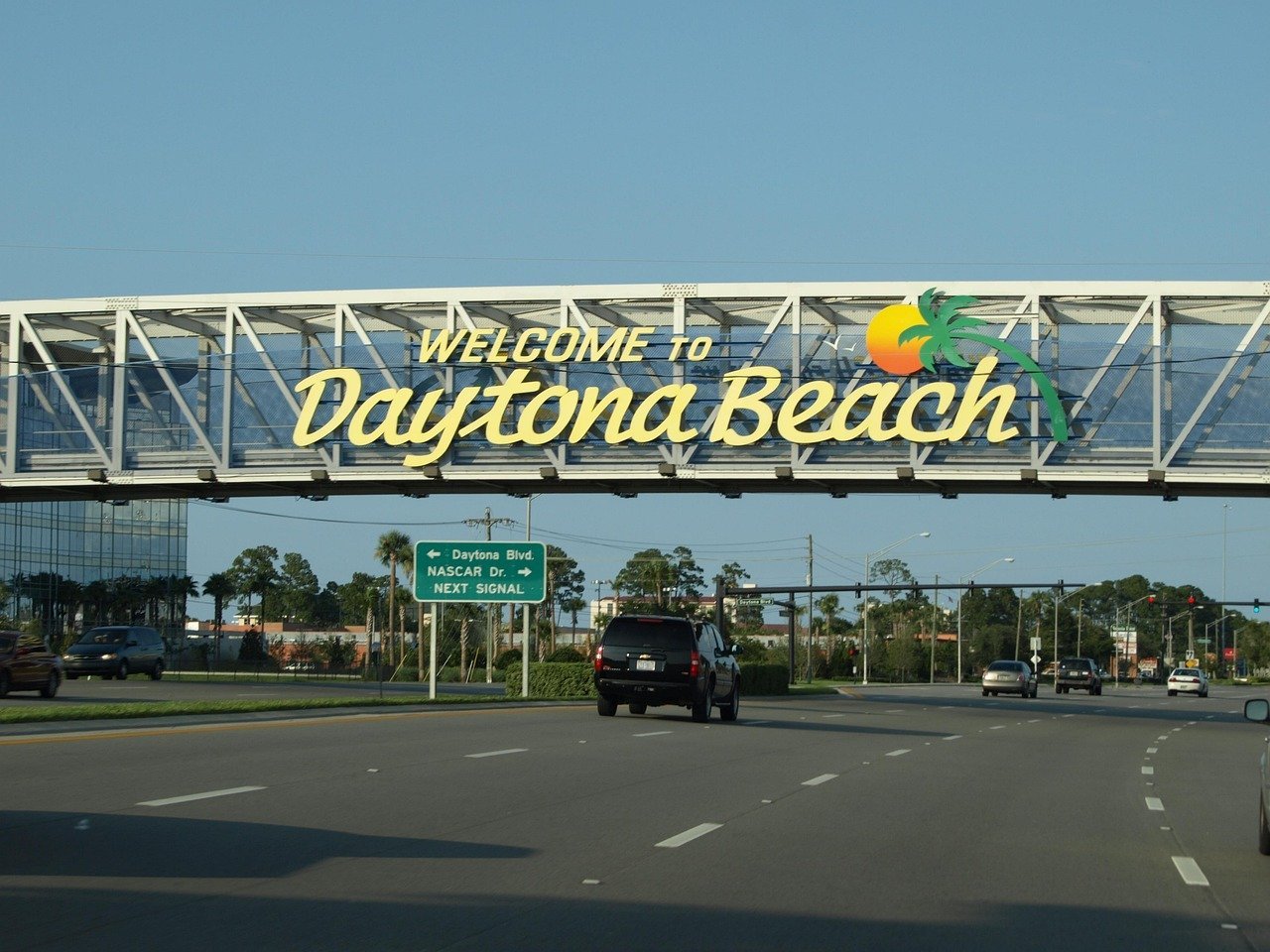
Daytona Beach has two identities that collide on the same stretch of sand: the spring break crowd in March and the NASCAR-and-Bike-Week crowd the rest of the year. That combination produces a nearly year-round high-occupancy situation most beach towns only deal with for a few months. And then there’s the novelty that makes it uniquely chaotic: the famous hard-packed sand actually allows cars to drive on the beach – meaning the shoreline itself is literally a road during certain seasons.
City officials have had to send cease-and-desist letters to organizers of unpermitted events just to manage the crush – a sign that ordinary crowd-control measures aren’t enough. The boardwalk area is loud, commercial, and relentlessly busy. Families looking for a calm Florida beach experience routinely leave disappointed, but that doesn’t slow the arrivals. Daytona is the kind of destination where people show up knowing exactly what they’re getting into – which is part of the problem. But that’s nothing compared to what we found about #10.
#10 – Santa Monica, California: Pollution Rankings Meet Endless Visitor Numbers
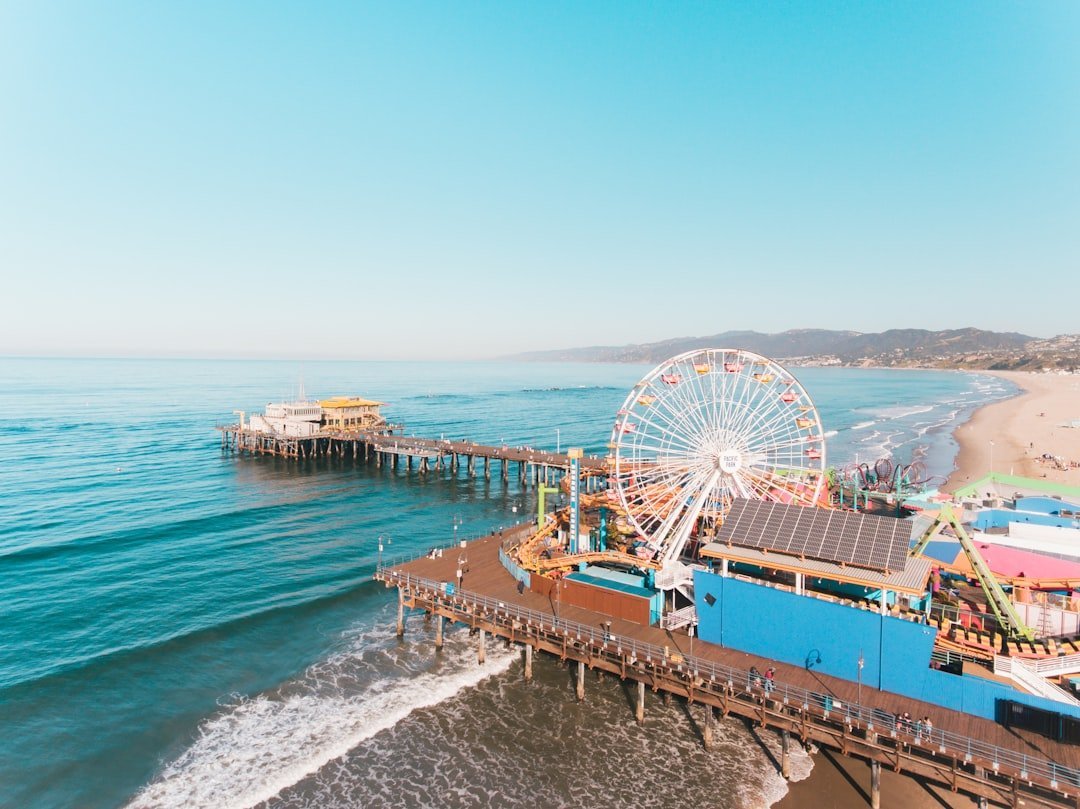
Santa Monica sits at one of the most visited intersections in American beach tourism: the end of Route 66, the foot of a famous pier, and the doorstep of Los Angeles’s enormous population. Before the pandemic, it was drawing over 8.4 million annual visitors – and numbers have climbed since. Santa Monica has been ranked among California’s most polluted beaches, a direct consequence of the volume of people using it and the urban runoff that comes with being embedded in a major city. That’s a painful irony: the crowds that love the beach are also the main reason it can’t stay clean.
The Santa Monica Pier creates its own bottleneck, funneling foot traffic onto a structure not designed for modern visitor volumes. The beach south of the pier is packed wall-to-wall on summer weekends. During International Coastal Cleanup Day in September 2025, thousands gathered in the Santa Monica Bay region to collect litter – admirable, but a symptom of a volume problem that cleanup days alone will never fix. But that’s nothing compared to what we found about #9.
#9 – Ocean City, Maryland: 8 Million Visitors and Boardwalk Nostalgia Wearing Thin
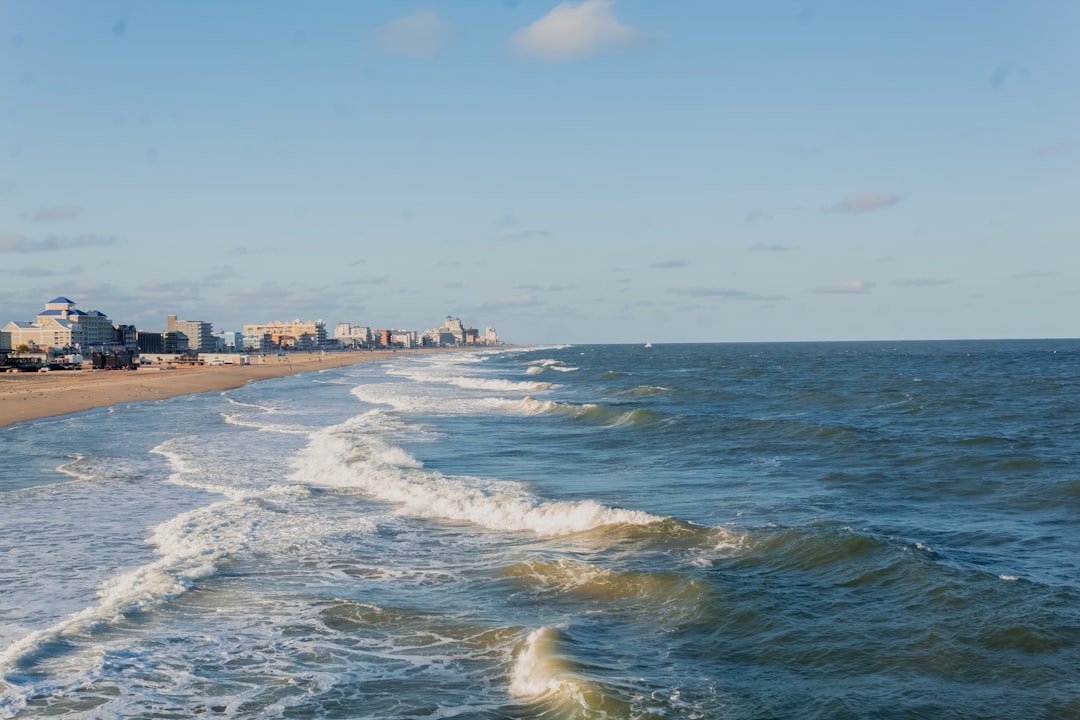
Ocean City holds a powerful place in East Coast family memory – generations of Americans grew up on that boardwalk, eating funnel cake, breathing salt air. That nostalgia is real, and it keeps roughly 8 million visitors coming back year after year. But nostalgia and reality have drifted apart here. On Fourth of July weekend alone, Ocean City routinely sees more than 300,000 visitors crowding the beach, sidewalks, restaurants, and the carousel – numbers the resort area handles with visible strain.
Parking has become its own subculture, with regulars arriving before dawn to secure spots near the beach. The boardwalk amusement park, water park, and mini-golf keep it genuinely family-friendly, but they also mean the crowds never thin – there’s always another attraction pulling more people in. In 2024, Virginia Beach officials noted their economic impact outpaced both Ocean City and Myrtle Beach, which is the kind of competitive context that tells you all three places are fighting the exact same battle. But that’s nothing compared to what we found about #8.
Quick Compare: East Coast Crowd Giants
- Ocean City, MD: ~8 million visitors/year – 300,000+ on Fourth of July weekend alone
- Myrtle Beach, SC: 17–20 million visitors/year across the Grand Strand’s 60 miles
- Virginia Beach, VA: 14 million+ visitors in 2024, generating nearly $4 billion in economic impact
- Fort Lauderdale, FL: Top-3 Florida beach destination, crowds peak February through April
#8 – Clearwater Beach, Florida: The Gulf Dream That Became a Parking Nightmare

Clearwater Beach wins travel awards constantly – it has ranked among the best beaches in the country year after year, and Dr. Beach has given it top honors more than once. The problem is that every award brings more visitors, and the beach sits on a narrow barrier island with nowhere to expand. That self-defeating cycle – recognition drives crowds, crowds erode the experience that earned the recognition – has been playing out here for years.
Hotel prices during summer are eye-watering, parking is near-impossible without a serious plan, and the “peaceful Gulf escape” fantasy tends to evaporate within about ten minutes of arrival during peak season. Locals on the adjacent barrier islands now commonly avoid the main beach strip from June through August entirely, treating it as tourist territory. When the people who live closest stop going, the crowd problem has officially won. But that’s nothing compared to what we found about #7.
#7 – Huntington Beach, California: Climate-Driven Crowds and Lifeguard Emergencies

Huntington Beach – “Surf City USA” – draws more than 11 million visitors per year across its nearly 10 miles of sand, making it one of the most visited beaches in California. But what’s changed recently is the intensity of peak days. During the Labor Day 2024 heat wave, temperatures inland hit 110°F, sending waves of families from the San Fernando Valley and San Bernardino directly to the coast – one of the most dramatic single-day crowd events in the beach’s history.
The Huntington Beach Fire Marine Safety Division fully staffed lifeguard towers and deployed rescue boats and jet skis to manage the influx. Over the week leading up to Labor Day, lifeguards executed 25 rescues and handled 300 calls for service – a pace Battalion Chief Trevor McDonald described as one of the busiest on record. Climate change is making these extreme heat-driven crowd spikes more frequent. The beach’s infrastructure, built for a busy but manageable summer, is now being tested by conditions it was never designed to handle. But that’s nothing compared to what we found about #6.
Worth Knowing: When Heat Waves Become a Beach Crisis
- Inland temps hit 110°F during Labor Day 2024, directly driving surge crowds to Huntington Beach
- Lifeguards logged 25 rescues and 300 service calls in just one week around the holiday
- The Fire Marine Safety Division deployed rescue boats, jet skis, and all lifeguard towers simultaneously
- Climate scientists warn extreme inland heat events – and the coastal surges they trigger – will grow more frequent
#6 – Coney Island, New York: Three Miles of Sand for the Entire New York Metro Area

Coney Island is in a category of its own when it comes to crowd density. It serves the most densely populated metro area in the United States – and no car is required to get there. The subway drops you right on the boardwalk, which is exactly what makes it so overwhelmed on hot summer days. NYC Parks maintains 14 miles of beaches across the city’s waterfront, but Coney Island’s roughly three-mile stretch absorbs a wildly disproportionate share of the demand.
The Cyclone roller coaster, Nathan’s Famous, and the New York Aquarium pull visitors who aren’t even primarily there for the beach – meaning the sand itself competes with attractions for the same limited footprint. On a hot Saturday in July, finding room to lay a towel without touching someone else’s requires either an early alarm or serious luck. Coney Island became popular as far back as the 1830s, and the crowds have only grown since. No other beach on this list is as geographically trapped – with nowhere to build out, it simply absorbs whatever the city sends it. But that’s nothing compared to what we found about #5.
#5 – Waikiki Beach, Hawaii: 7.5 Million Visitors on Two Miles of Sand

Waikiki is the most famous beach in Hawaii – and arguably the most famous in America – which is precisely how it ended up this high on the list. More than 7.5 million tourists visit each year, concentrated on a two-mile strip bordered by the Pacific Ocean on one side and a wall of high-rise chain hotels and fast-food outlets on the other. The widespread development has effectively replaced the neighborhood’s local character with a branded tourist corridor that runs 24 hours a day.
Hawaii Tourism figures from 2019 showed that over 114,000 visitors were present on O’ahu on any given day – the majority of them gravitating toward Waikiki. Local residents in Honolulu have essentially ceded this stretch of coastline to tourism entirely, heading to quieter beaches on the island’s north and east shores instead. That quiet local exodus is the real story behind Waikiki’s postcard image. But that’s nothing compared to what we found about #4.
#4 – Myrtle Beach, South Carolina: 19 Million Visitors and the “Dirty Myrtle” Problem

The Grand Strand welcomes more than 19 million visitors annually, making Myrtle Beach one of the most visited stretches of coastline in the entire country. It ranked as the most-searched beach destination in 18 states – a remarkable statistic that reveals just how deeply embedded it is in American vacation culture. The amusement park, Ferris wheel, Ripley’s Believe It or Not!, and an endless strip of chain restaurants keep families coming back, and keep the sand permanently packed.
The nickname “Dirty Myrtle” didn’t come from nowhere. The sheer volume of visitors has long-term consequences for water quality, trash management, and the general feel of the place. Many experienced beach travelers now openly argue that Myrtle Beach is one of the biggest letdowns on the East Coast – resort-area prices for an experience that delivers more noise than tranquility. The nostalgia keeps it on bucket lists, but first-timers frequently leave underwhelmed. But that’s nothing compared to what we found about #3.
#3 – Virginia Beach, Virginia: 14 Million Visitors and Crowd Control Becomes a Policy Crisis

Virginia Beach welcomed more than 14 million visitors in 2024, generating nearly $4 billion in economic impact from April through October – numbers the city’s own officials trumpet as record-breaking. What those officials are less eager to publicize is the crowd-control crisis running alongside those numbers. Virginia Beach’s police chief publicly discussed implementing curfews, closing parking lots, and hiking parking rates just to deter dangerously large gatherings at the Oceanfront – the kind of intervention that signals a beach town has moved well beyond ordinary traffic management.
Virginia Beach spans 35 miles of Atlantic shoreline, which theoretically spreads the crowd – but the Oceanfront resort strip absorbs the overwhelming majority of those 14 million arrivals. That concentration is where the pressure becomes visible. City officials proudly note their economic impact outpaced both Ocean City and Myrtle Beach in 2024. But being the biggest also means inheriting the biggest crowd problem – and at Virginia Beach, that problem has reached the level of active policy intervention. But that’s nothing compared to what we found about #2.
#2 – Venice Beach, California: 16 Million Visitors and a Reputation Collapsing Under Its Own Weight
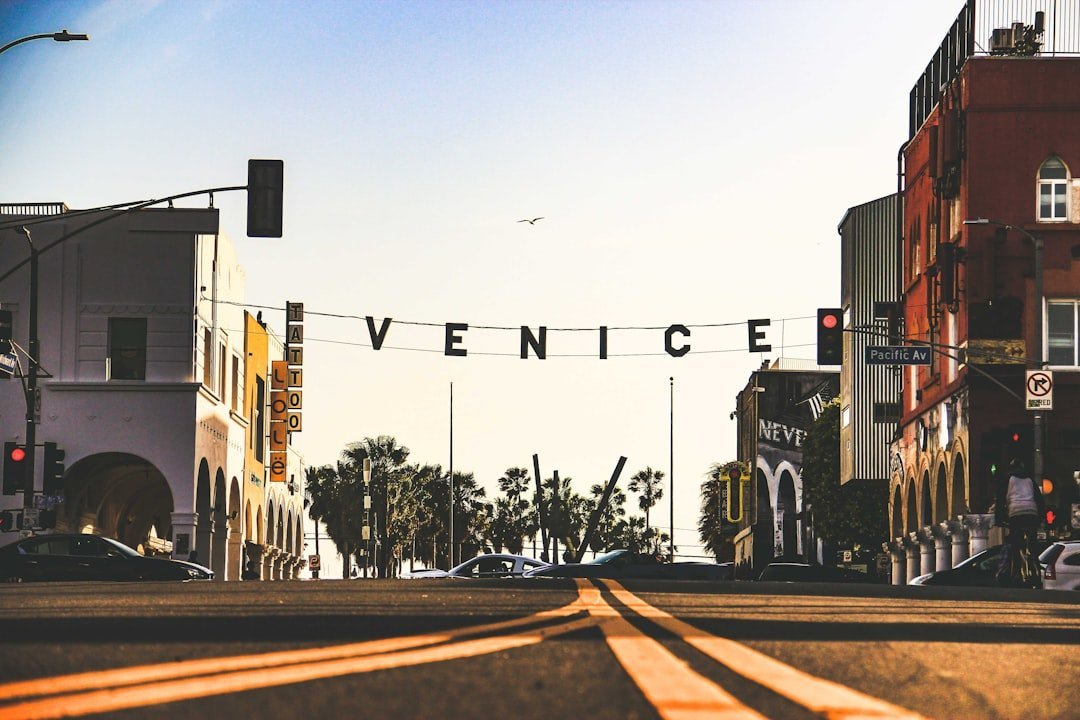
Venice Beach attracts approximately 16 million people per year – more than any other individual beach in the United States by most estimates, and more annual visitors than several European countries receive in total tourism. The boardwalk’s street performers, bodybuilders, fortune tellers, and food vendors made Venice iconic, but that same fame created a density problem the city of Los Angeles has struggled to address for years. By 2025, Venice had gained significant notoriety specifically for its dirty conditions – a direct result of the volume of people using it relative to the resources devoted to keeping it clean.
Heat waves pushing inland residents to the coast during extreme temperature events – an increasingly common occurrence in Southern California – send surge crowds to Venice on top of the regular tourist baseline. Community organizations staged large-scale cleanup events through 2024 and 2025, addressing the symptoms without touching the cause. The deepest irony is that Venice’s counterculture identity, built on rejecting mainstream polish, has become a kind of permission structure for tolerating conditions that would shut down a better-funded resort beach. The #1 spot goes to a city that has crossed every line Venice merely approaches.
The Great American Shoreline Squeeze
With 3.4 billion annual visits to U.S. beaches, the gap between the postcard fantasy and the crowded reality has never been wider. Test your knowledge on the logistical challenges and surprising statistics behind America's most overwhelmed coastal destinations.
Think you caught the key details? Take the quick quiz and see how sharp your instincts really are.
#1 – South Beach / Miami Beach, Florida: The Beach That Officially Broke Up With Its Own Crowd

No American beach has become more overcrowded – or been more publicly honest about it – than South Beach. A total of 28.23 million people visited Miami in 2024, a 3.9% increase from the 27.18 million who came in 2023, and a significant share of those visitors head directly to the narrow strip of sand between the Art Deco hotels and the Atlantic. South Beach is the only American beach to rank in the top 25 among international travelers worldwide – which tells you exactly why the problem is so difficult to solve. The demand is global, and it never stops.
City officials reached a genuine breaking point. Miami Beach launched a campaign literally called “Miami Beach is Breaking Up With Spring Break” in 2024, followed by a “Spring Break Reality Check” campaign for 2025. They implemented $100 parking fees, doubled towing rates for nonresidents, closed parking garages, deployed DUI checkpoints, and instituted a midnight curfew. A beach destination that requires government intervention at that scale every single March – just to prevent a public safety emergency – has definitively earned the top spot on this list. The beauty is real. The chaos is realer.
Why It Stands Out: South Beach’s 2024–2025 Crowd-Control Arsenal
- $100 flat-rate parking fees for nonresident visitors on peak spring break weekends
- South Beach parking garages and surface lots south of 23rd Street closed entirely during peak weekends
- Midnight curfew enforced across a defined zone from Biscayne Bay to the Atlantic
- Bag searches at beach entrances and sobriety checkpoints on Fifth Street
- Sidewalk seating on Ocean Drive shut down on the two highest-traffic weekends each March
- 18 law enforcement agencies coordinated – including state-level support from the governor’s office
“We’re still broken up with Spring Break, and we’re done.”
Miami Beach Mayor Steven Meiner, February 2025
The pattern across all 17 of these beaches is the same: America keeps producing more beach visitors faster than beaches can absorb them. A 2024 peer-reviewed analysis estimates 3.4 billion annual visits to U.S. beaches, with beach tourists spending roughly $240 billion – numbers that reflect genuine love for these places, and genuine strain on them. Some of these shorelines have quietly crossed the line from “popular destination” to “cautionary tale,” and the gap between their reputation and their reality grows wider every summer. Did we miss one? Drop it in the comments.