
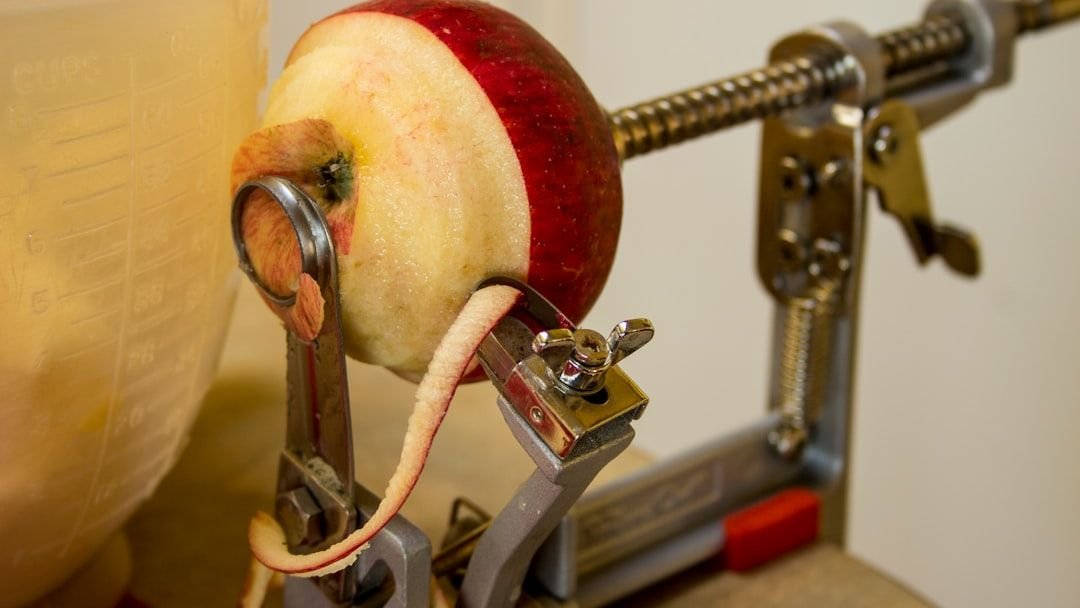
If you grew up in a house where the kitchen smelled like something always simmering on the stove, where a drawer full of mysterious metal contraptions was just a normal fact of life, and where Grandma could work every single one of those gadgets without a second glance – this one is for you. Most people born after 1970 can barely name half of these. The rest look like they belong in a hardware store, or maybe a small museum.
These aren’t just curiosities. Every single one of these tools had a real job to do, and in many households, they did that job every single day. Some vanished when electricity took over. Others disappeared when convenience food made them unnecessary. A few just quietly faded out as the world sped up. See how many you can name before the list is done.
1. The Rotary Egg Beater
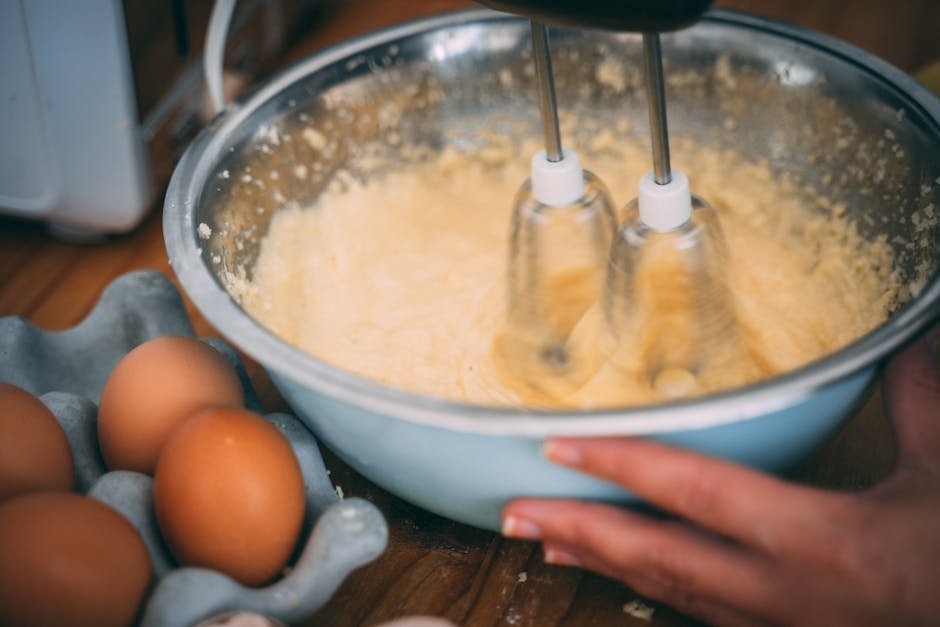
The hand egg beater, invented in 1856, sparked a revolution in the kitchen and beyond. It was the kind of tool that felt genuinely satisfying to use – you cranked the handle, the twin wire loops spun together, and in minutes you had beaten eggs, whipped cream, or fluffy batter ready to go. Every kitchen had at least one, usually with a red or green wooden handle.
Nearly every kitchen in the 1950s had one of these devices, and it remained a staple for decades. They were particularly prized for making fluffy cake batters and light scrambled eggs. The device was durable, simple to use, and required no electricity at a time when not all households had reliable power. Once electric stand mixers became affordable, the rotary beater quietly retired to the back of the drawer.
2. The Manual Meat Grinder
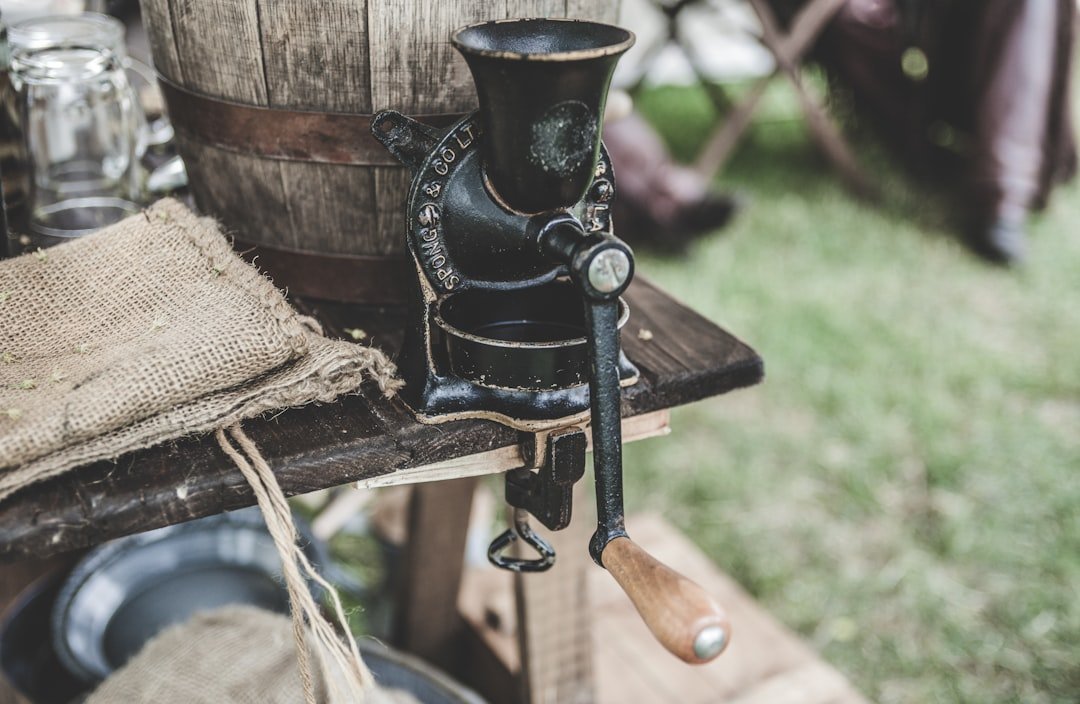
Manual meat grinders were mainly manufactured between the 1880s and around the 1950s. These cast iron contraptions featured a hopper on top where you fed chunks of meat, a hand crank that turned a screw mechanism, and interchangeable grinding plates that determined how fine or coarse the meat would be processed. They clamped onto the edge of a countertop or table and stayed put while you worked.
Making your own ground beef, sausage, or meatloaf mixture was common practice in the fifties. Hand-crank meat grinders were essential for homemade sausages and ground meat. Housewives valued the control these grinders provided over meat quality and texture, plus they could use less expensive cuts of meat and grind them fresh at home. Today, these heavy iron workhorses mostly turn up at antique fairs.
3. The Jell-O Mold
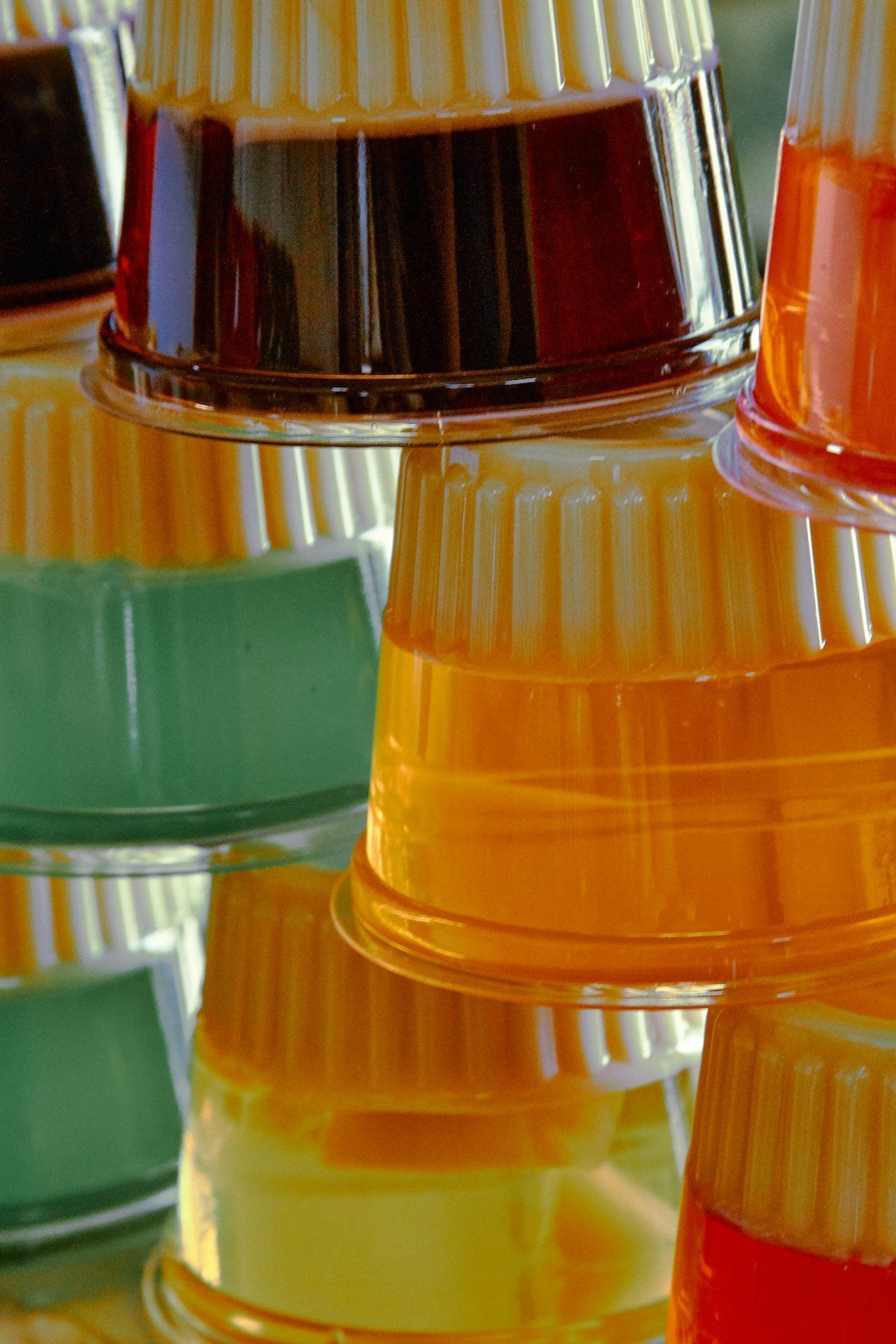
Perhaps no kitchen item better represents 1950s food culture than the elaborate Jell-O mold. These aluminum or copper molds came in various decorative shapes – from simple rings to elaborate castles and floral designs – and were essential for creating the gelatin-based salads and desserts that dominated mid-century entertaining. Although Jell-O had been around since 1897, the post-war era saw an explosion in elaborate molded creations, both sweet and savory.
Home cooks suspended everything from fruit and marshmallows to vegetables and seafood in these jiggly creations. The colorful, wobbly results were considered the height of sophisticated presentation and reflected the era’s fascination with convenience foods and visually impressive dishes. Though rarely seen today outside of nostalgic holiday gatherings, these molds represent a culinary aesthetic that dominated American tables until the 70s.
4. The Manual Ice Crusher
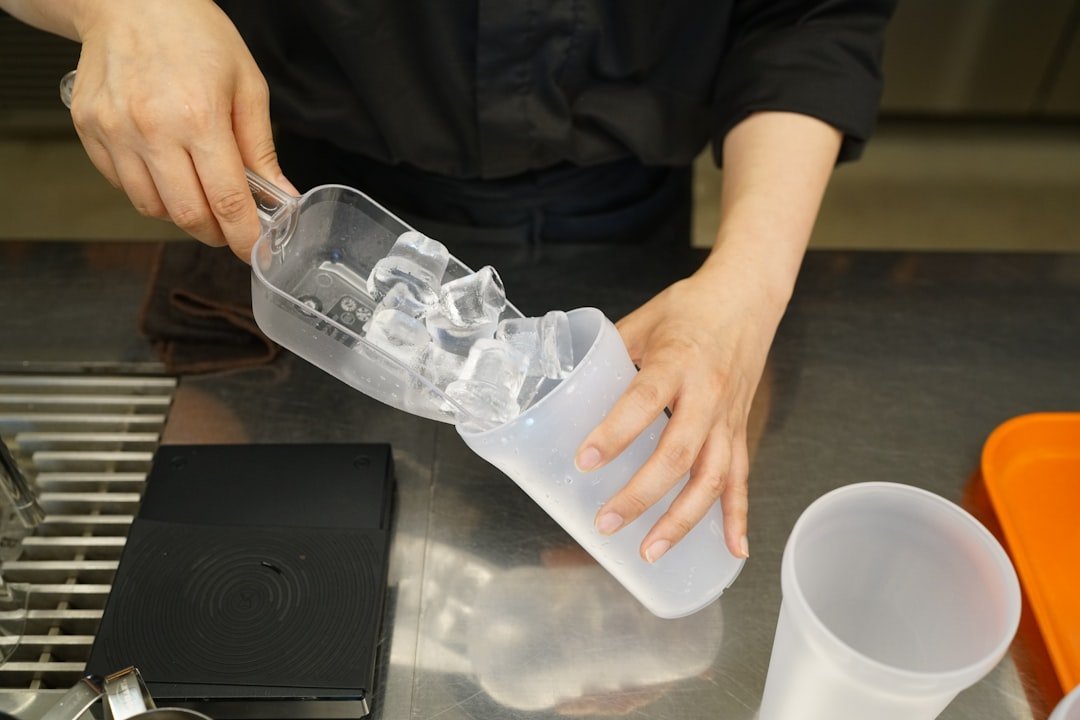
Before blenders became versatile enough to handle ice effectively, dedicated manual ice crushers from the 1950s–1960s were must-haves for cocktail enthusiasts. These cast aluminum or chrome-plated devices were both functional tools and decorative bar accessories. The most popular design featured a hand crank that fed ice cubes through crushing gears that went into a collection container, producing the perfect crushed ice for tropical drinks, ice packs, or snow cones.
Models like the Ice-O-Mat by Rival became iconic, with some designed for wall mounting and others for countertop use. The distinctive crunching sound of these manual crushers was the backdrop to countless cocktail parties. If your parents entertained in the 1950s or 60s, there is a very good chance one of these lived on the counter every weekend.
5. The Butter Curler
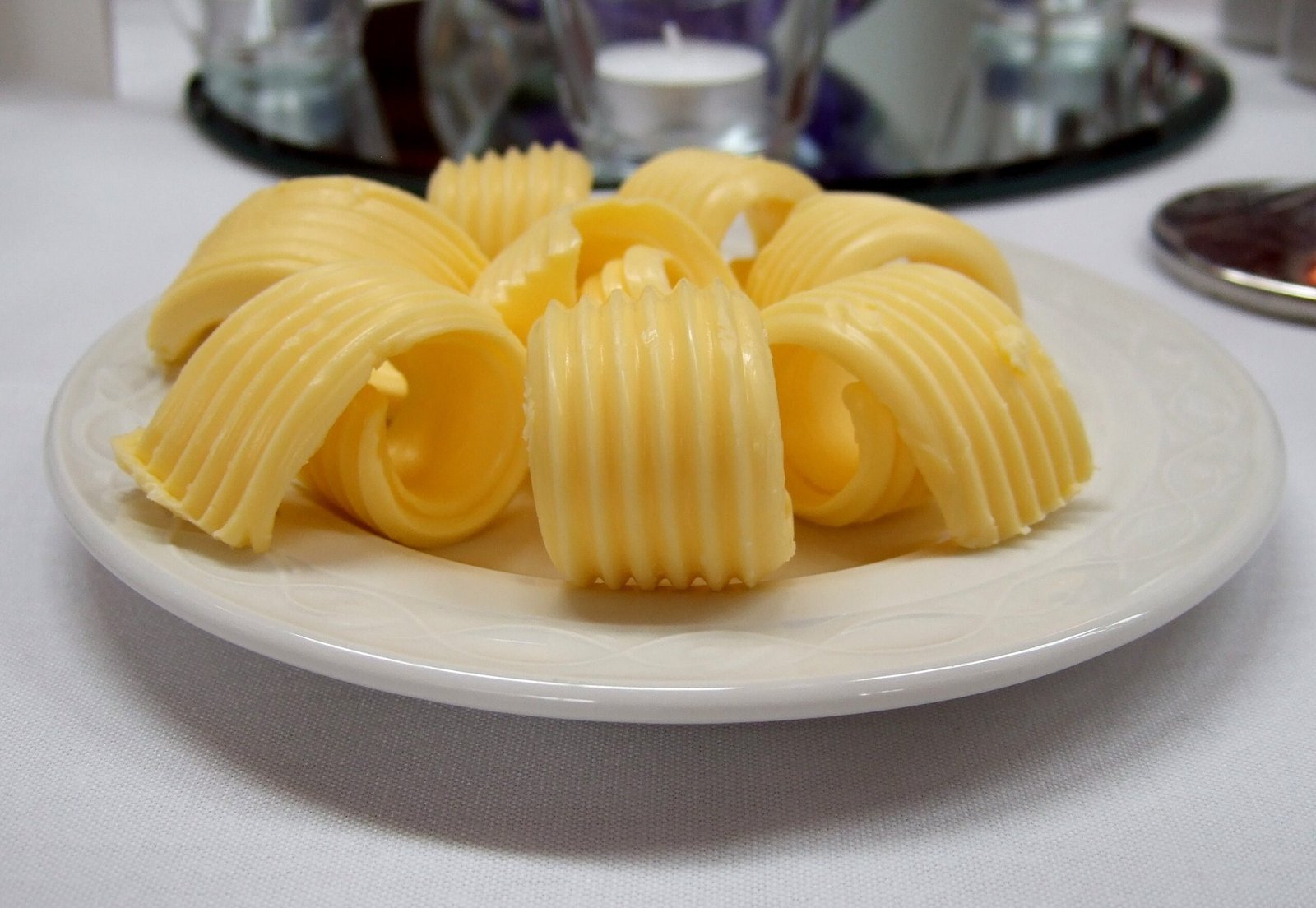
Before pre-packaged sticks with convenient markings, presenting butter was an art form that required specialized tools. The elegant butter curler was a sophisticated gadget in mid-century kitchens that created decorative curls and shapes from cold butter. The tool looked something like a tiny hook or rake, with a serrated edge that you dragged across a cold block of butter to produce elegant, shell-shaped curls.
Butter curlers showed up at dinner parties, Sunday roasts, and holiday tables throughout the 1940s and 1950s. Butter pat presses also turned plain old butter into works of art. They were made of wood or ceramic, and their pressing surfaces had intricate designs. These engraved designs would imprint the butter with decorative patterns, adding a touch of sophistication. Today, they’re mostly nostalgic relics of a much fancier time.
6. The Flour Sifter
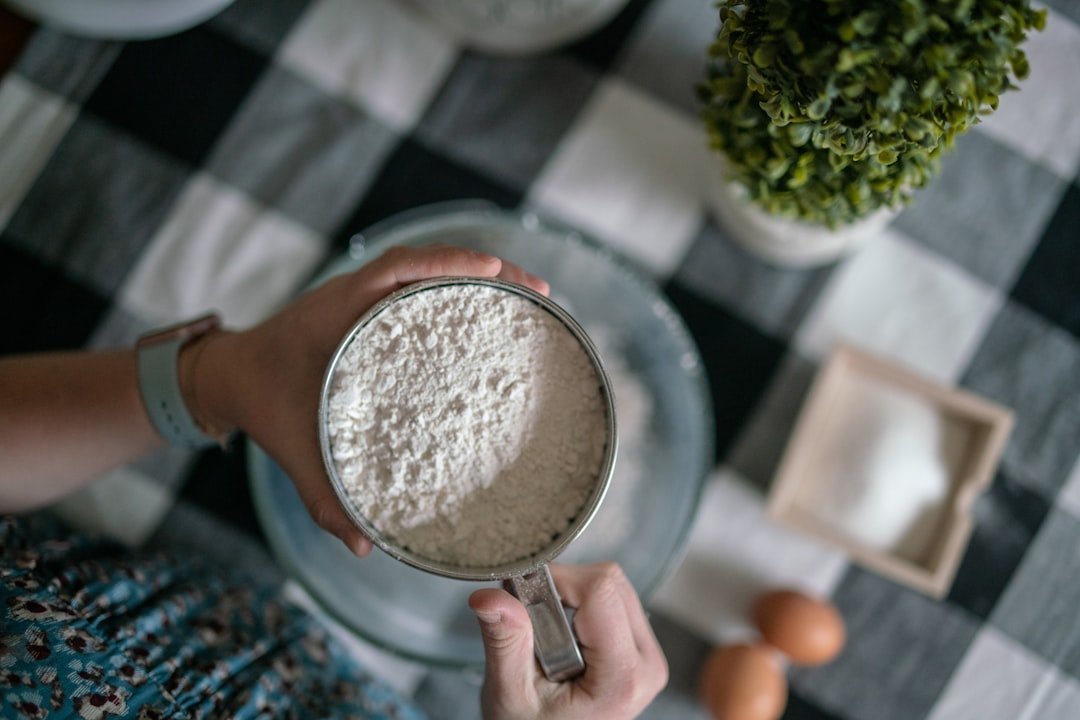
Jacob Bromwell invented the first hand-cranked flour sifter back in 1819. By the mid-20th century, the flour sifter was a kitchen standard – a round canister with a fine wire mesh inside and either a squeeze-trigger handle or a crank on the side. You loaded flour in, worked the mechanism, and fine, aerated flour fell into your mixing bowl. Bakers swore by it for lighter cakes and more tender biscuits.
The trigger-style sifter with its satisfying “snick-snick” sound was a staple from roughly the 1930s through the 1960s. Many came from brands like Bromwell and Foley, both well-known in mid-century kitchens. Pre-sifted flour eventually made them seem unnecessary to most home bakers, but serious pastry cooks still reach for one when precision matters.
7. The Cookie Press (Cookie Gun)
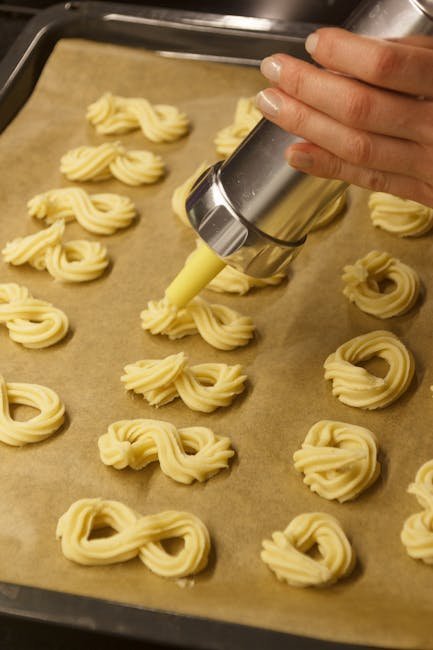
Cookie presses, or cookie guns, were particularly popular in the 1950s and 60s and were essentially tubes that you filled with your dough, then squeezed out through patterned tips to make cookies quickly. Wear-Ever was one popular brand, and given that these were typically used once a year around the holidays, it’s not unheard of for full sets to pop up in garage and estate sales and online auctions. Cookie presses were commonly used to make a particular type of cookie called a spritz.
A cookie press is a device used to extrude cookie dough into distinct shapes. They’re usually made of a cylinder with a plunger or trigger, which is why it’s sometimes called a cookie gun. Most cookie presses come with several different discs with different designs. Holiday baking sessions in the 1950s and 60s revolved around this gadget, producing trays of stars, Christmas trees, and wreaths in one swift motion.
8. The Food Mill
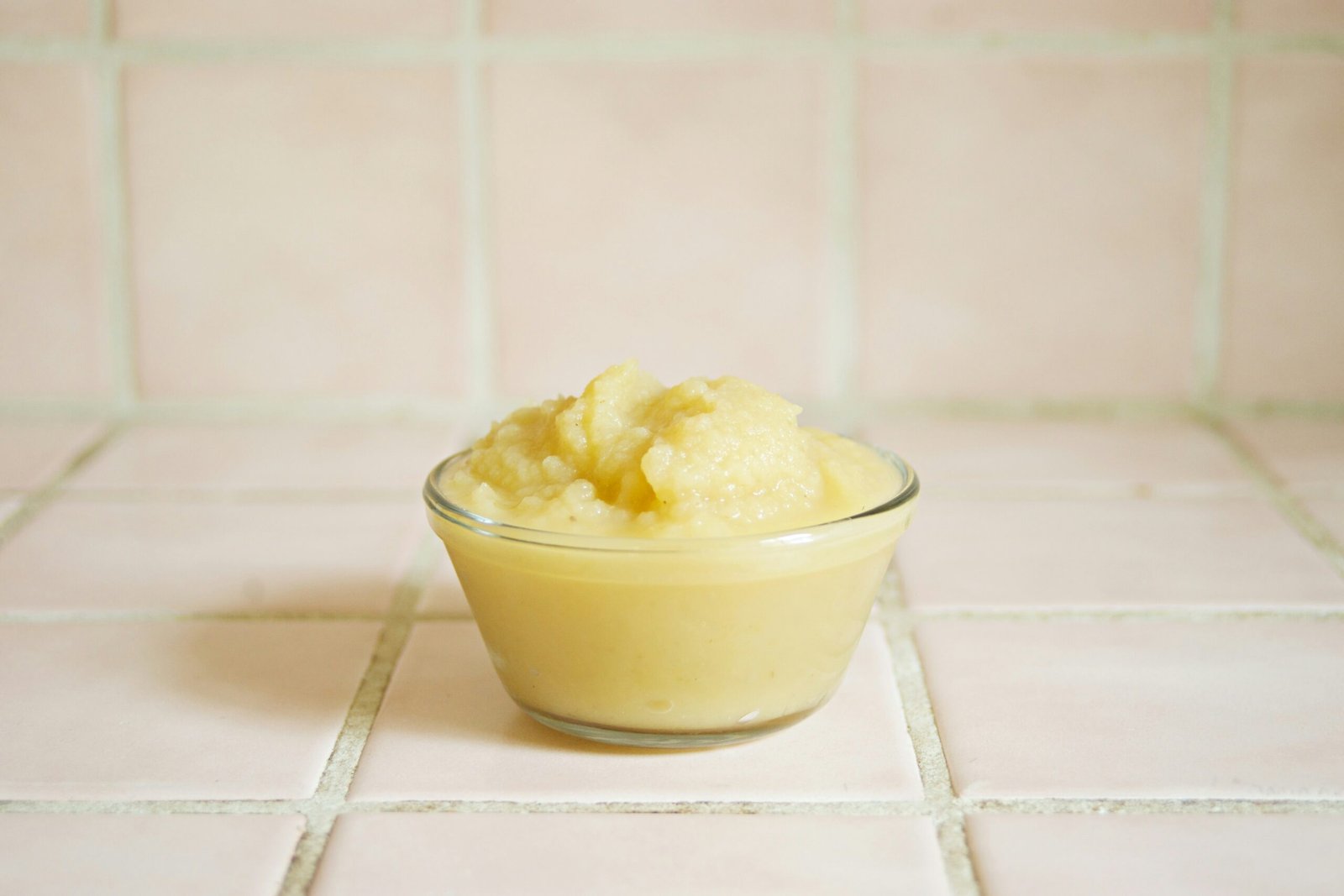
The food mill is a quaint relic from the days before every kitchen had an arsenal of electric gadgets. You might still find this in some kitchens, but not many. This hand-cranked contraption was the secret to the smoothest sauces in the late 19th and early 20th centuries. They’re no longer needed, thanks to food processors. The device used a flat paddle rotating against a perforated disc to push cooked food through, leaving skins and seeds behind.
If your grandmother made tomato sauce, applesauce, or mashed potatoes from scratch, chances are very high she owned a food mill. Brands like Foley were household names for this tool through the 1950s and 60s. The process was slow compared to a blender, but the texture it produced – silky, smooth, never gluey – was genuinely different from anything a modern machine delivers.
9. The Mouli Grater
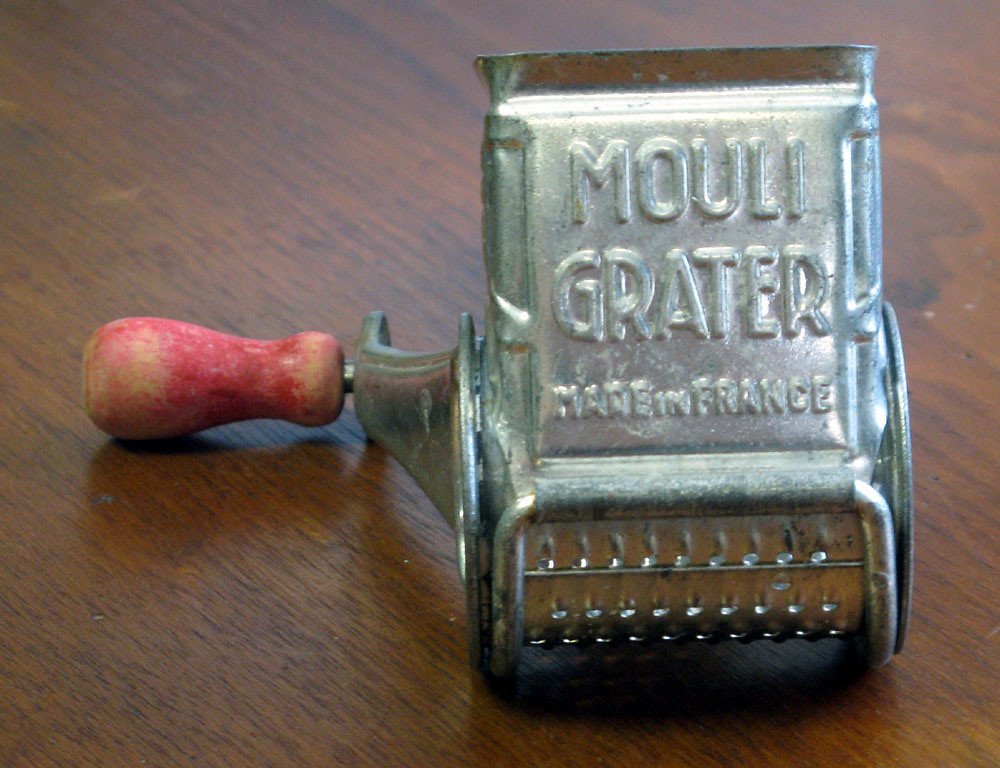
The Mouli grater is a tool that harks back to an age when manual gadgets reigned supreme. It was a hand-cranked grater for all kinds of ingredients. The Mouli was particularly popular because it was easy to use. Plus, it had interchangeable disks to adapt to the cook’s needs. You clamped the food against the rotating drum and cranked the handle – cheese, chocolate, and breadcrumbs fell out in perfectly even ribbons.
The Mouli name became so synonymous with this style of rotary grater that many people called any drum grater a “Mouli” regardless of brand. It was a French design that crossed the Atlantic and became a fixture in American kitchens through the 1940s, 50s, and 60s. Food processors and blenders make this somewhat obsolete today, but it looks much less labor-intensive than a standard cheese grater.
10. The Lemon Reamer
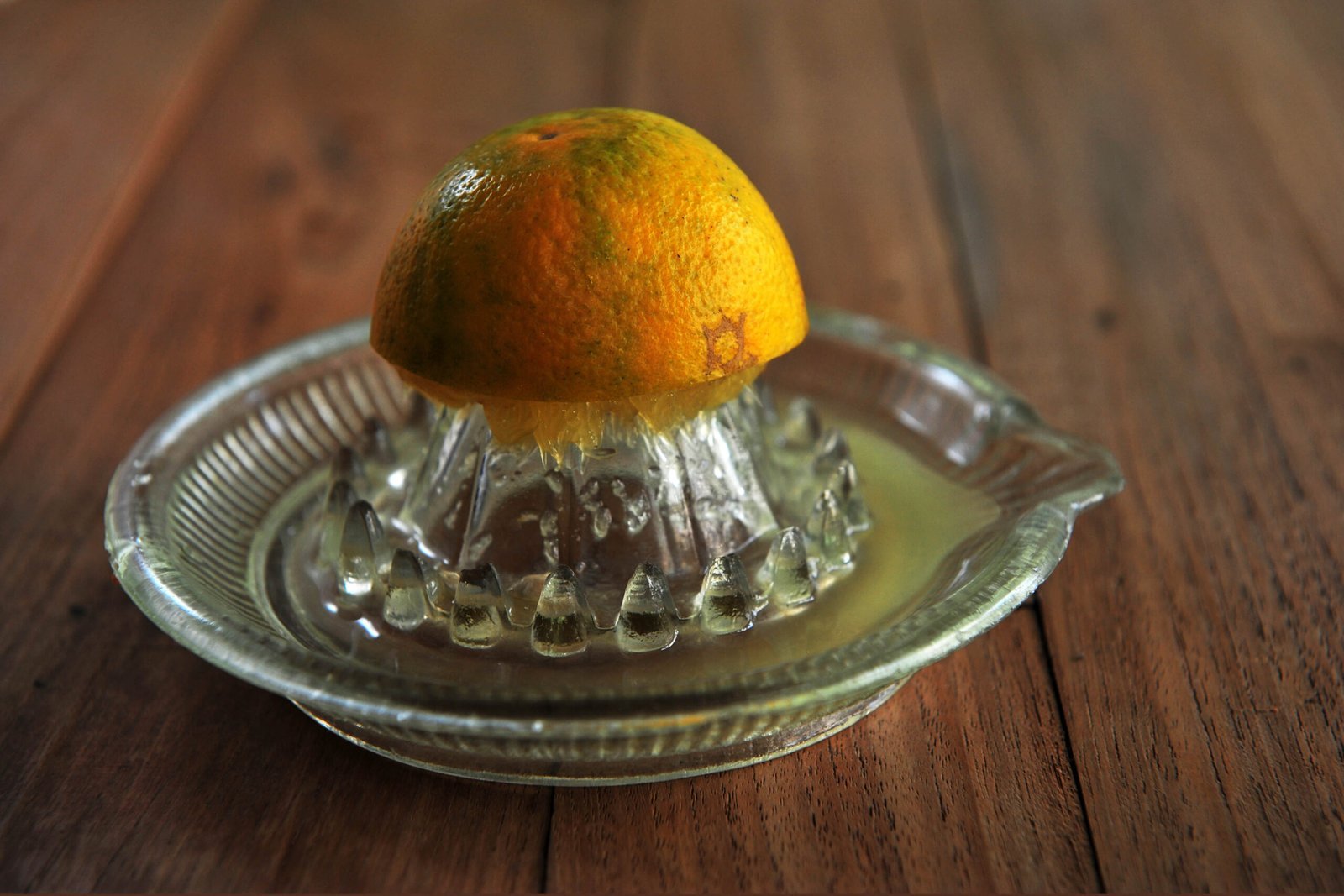
Reamers first came into vogue in the early 18th century for squeezing the juice from lemons to complement food and drinks. The first reamers were all produced in Europe by major china companies like Meissen and Limoges. The first reamer patented in the United States was in 1867. The classic version was a simple ridged cone – glass, ceramic, or wood – that you pressed and twisted a citrus half against to extract every drop of juice.
Glass reamers from the Depression era, often in pale green or pink, became especially collectible. By the 1940s and 50s, they were a kitchen essential with no real competition. Juicers became popular in the 1950s, but the humble hand reamer remained the tool of choice in most home kitchens for everyday use – quick, easy to rinse, and virtually unbreakable if it was ceramic or cast metal.
11. The Cherry Pitter
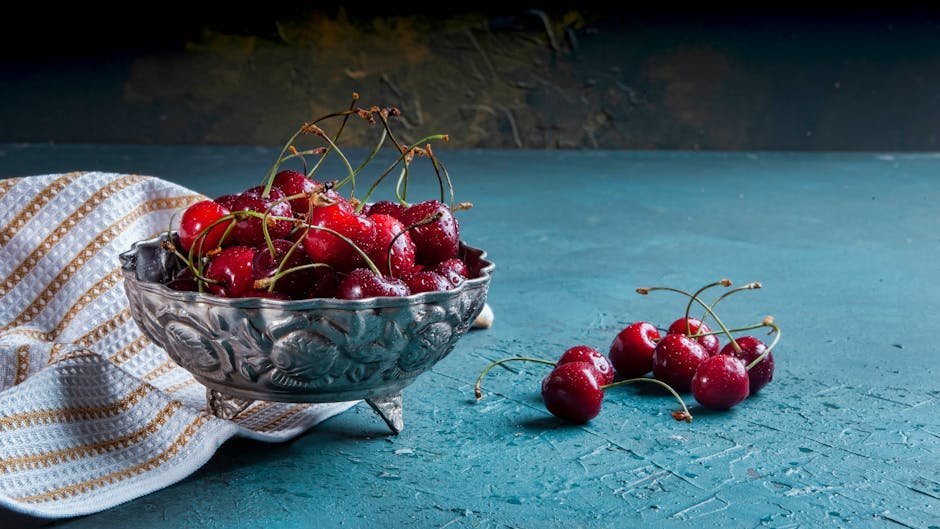
Dating all the way back to the 1800s, the cherry pitter was a standout 1950s gadget. With a simple hand-pressed spike, it could pit cherries in seconds, making pie and cocktail prep effortlessly easy. The most common versions had a small metal body you set over a bowl, placed the cherry inside, and pushed a spring-loaded rod down through the fruit. The pit dropped out the bottom. Clean and quick.
Cherry pitters came in single versions for casual use and multi-cherry versions for serious pie-makers processing pounds of fruit at once. Every summer, households that grew or picked their own cherries relied on this gadget heavily. Today they still exist, but the versions from the 1940s and 50s – often made of solid cast aluminum or zinc – feel like they could outlast anything in your current kitchen drawer.
12. The Pastry Blender
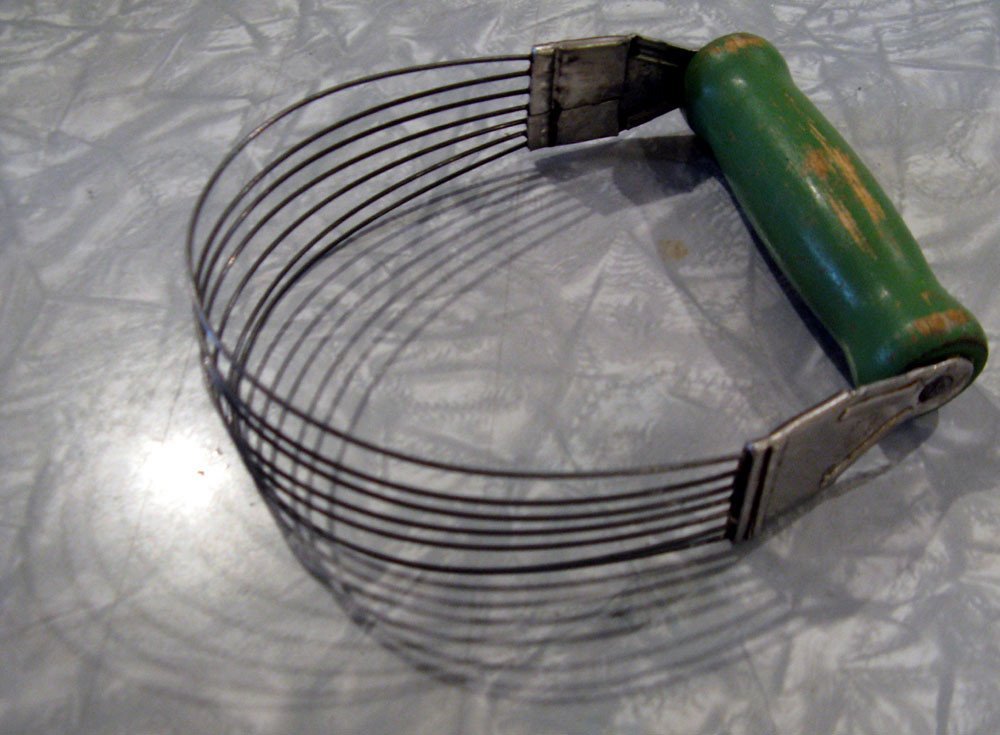
If you ever rummaged through your grandma’s kitchen drawer and found a peculiar tool with its sturdy wires and wooden handle, it’s a pastry blender, and it was the secret behind flaky pies and tender pastries. The tool had a row of stiff wires or thin metal blades set in a U-shape, fixed to a handle. You rocked it through cold butter and flour to cut the fat into tiny, even crumbles without warming it with your hands.
The pastry blender was a staple from the 1920s through the 1960s, sold by virtually every kitchenware brand of the era. The Androck brand, known for its colorful Bakelite handles, made some of the most recognizable versions. The wooden Androck pastry chopper was old and lovely, and you could use it for chopping bread or vegetables with its simple design. Serious pie bakers still reach for one today.
13. The Aluminum Bread Box
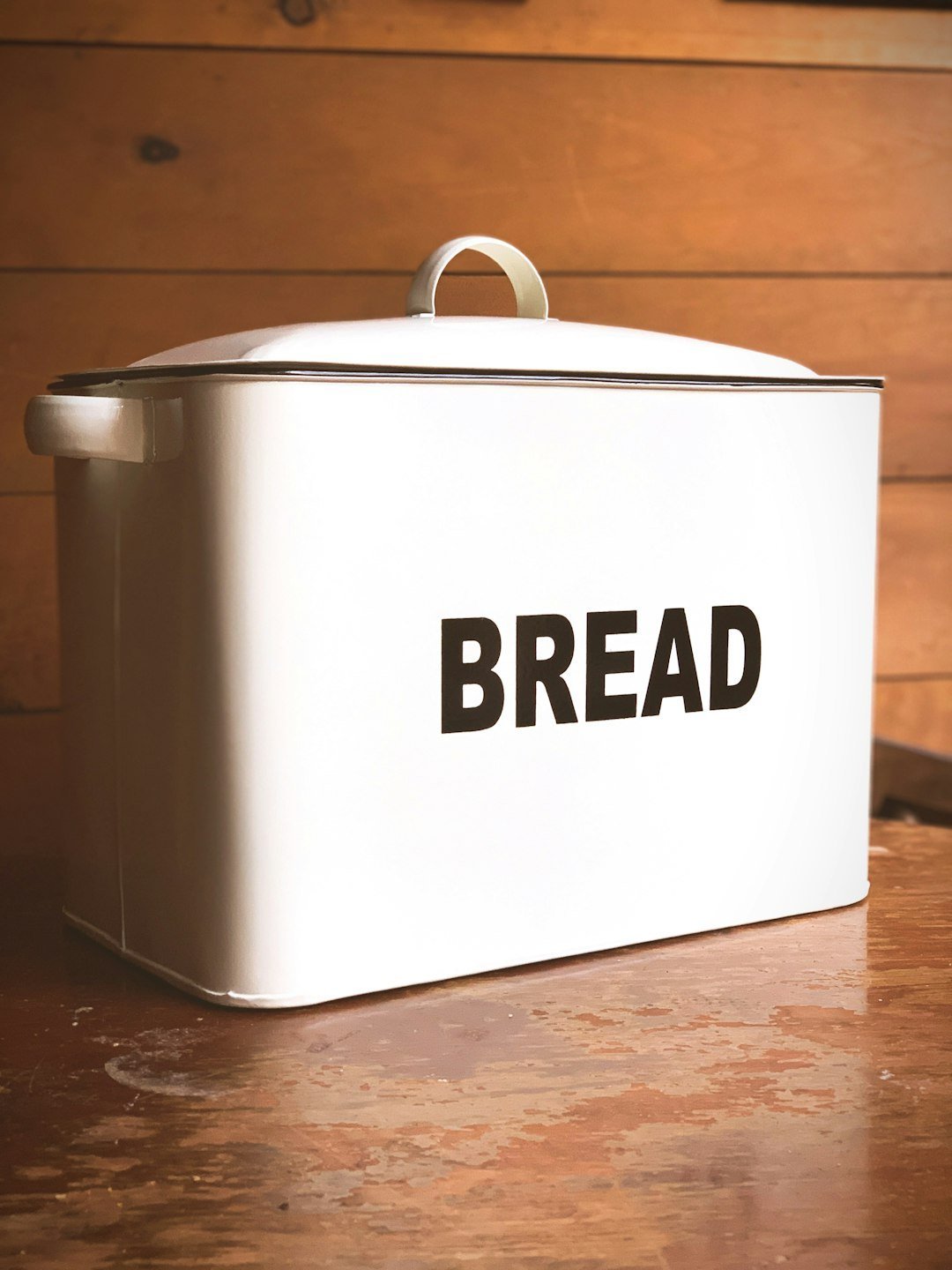
Bread boxes were popular before loaves were baked with preservatives and wrapped in plastic, and by the fifties and sixties every household had at least one. These metal containers, often painted in cheerful colors like turquoise, yellow, or red to match kitchen decor, featured roll-top lids or hinged doors. They kept bread fresh at room temperature for days by allowing just enough airflow to prevent mold while blocking enough to slow staling.
The bread box sat on the countertop and was one of those objects so embedded in daily life that nobody gave it a second thought. Chrome, painted tin, and eventually early plastics all made their way into bread box designs through the mid-century decades. When factory-baked bread loaded with preservatives became the norm, the bread box began a slow disappearing act that left countertops looking a little emptier and a little more modern.
14. The Percolator
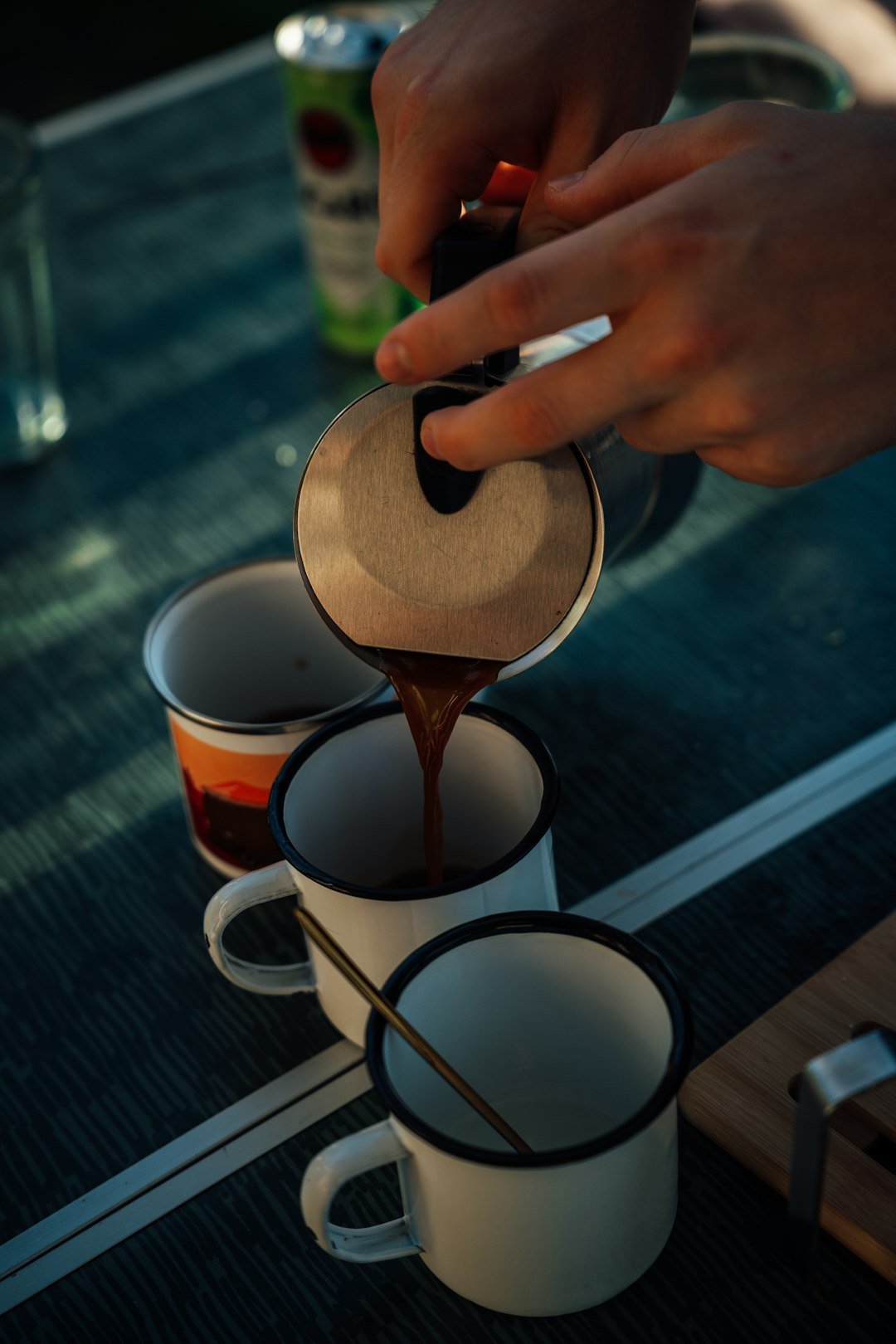
A percolator might be the 1950s way to make coffee. The stovetop percolator had been around since the mid-1800s, but electric versions became a postwar kitchen staple. You filled the reservoir with water, added grounds to a basket, and the boiling water was forced up through a tube to bubble over the grounds repeatedly until the coffee was strong enough. The sound of percolating coffee was the soundtrack to millions of American mornings.
Automatic drip coffee makers arrived in the seventies and quickly dominated because they required zero attention. You could set them up the night before, and they’d brew coffee automatically in the morning. Today’s coffee culture has moved even further, with pod machines and espresso makers taking over. The percolator persists mainly among camping enthusiasts and vintage appliance collectors who appreciate its nostalgic charm and the unique flavor profile it produces.
15. The Hand-Crank Nut Chopper
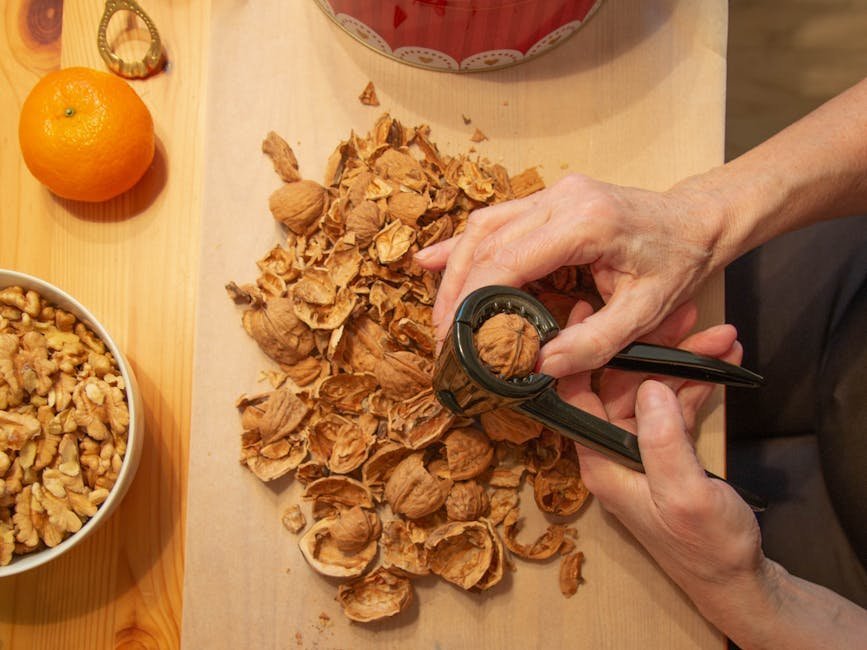
Vintage hand-crank nut choppers, sometimes called “nut grinders,” were staples in mid-century kitchens, especially for those who loved to bake. You could use these devices to chop walnuts, pecans, almonds, and other nuts into fine or coarse pieces for use in cookies, cakes, bread, salads, and more. The typical design had a glass jar on the bottom that caught the chopped nuts, a metal grater drum in the middle, and a hopper on top where you loaded whole nuts.
You’d just fill the basket on top with nuts, then crank the handle, rotating the internal grater disc or blades, which then collected the ground nuts in the glass jar below. The jar often served as a measuring cup as well. This was a genuinely clever design – no separate bowl needed, no nuts skidding across the counter. Brands like Mouli and Swing-A-Way both made popular versions throughout the 1950s and 60s.
16. The Gravy Separator
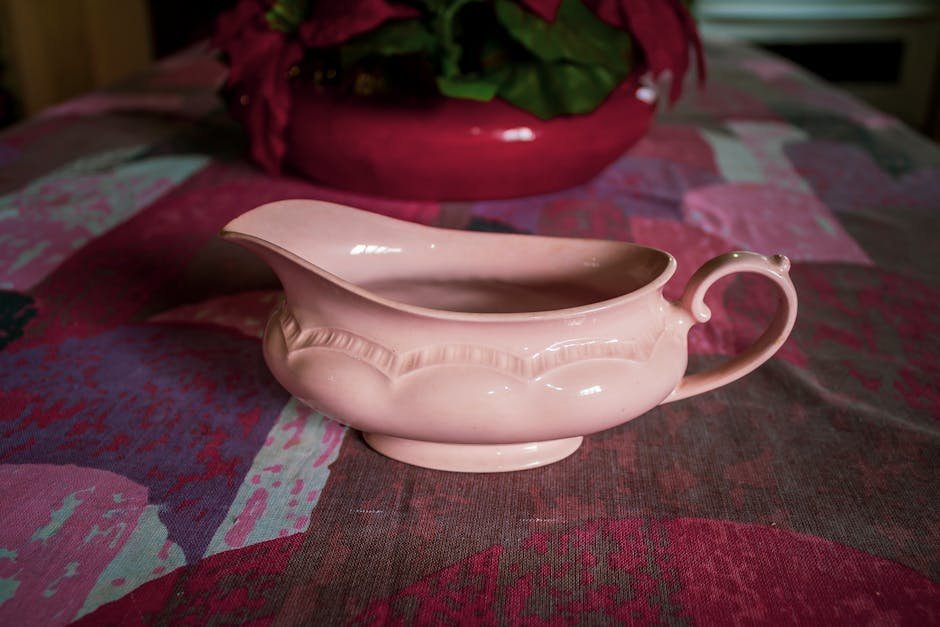
Gravy separators were quite popular in kitchens during the mid-20th century, around 1950. This was an era when home cooking and elaborate dinners were gaining popularity. These little dishes expertly separated fat from juices for that perfect gravy without the manual skimming that was typically needed. The fat would rise to the top, and you simply poured the rich meat juices from a spout that drew from the bottom of the vessel.
With their charming mid-century kitsch, gravy separators – many of which are made in Japan – let home cooks pour off rich sauce while leaving excess fat behind for perfectly smooth gravies. They do still exist today, but modern designs are a far cry from the creative retro design of the 1950s versions. The old-style ones were often small, whimsical pieces of pottery shaped like chickens, roosters, or simple pitchers glazed in cheerful colors.
17. The Stovetop Waffle Iron
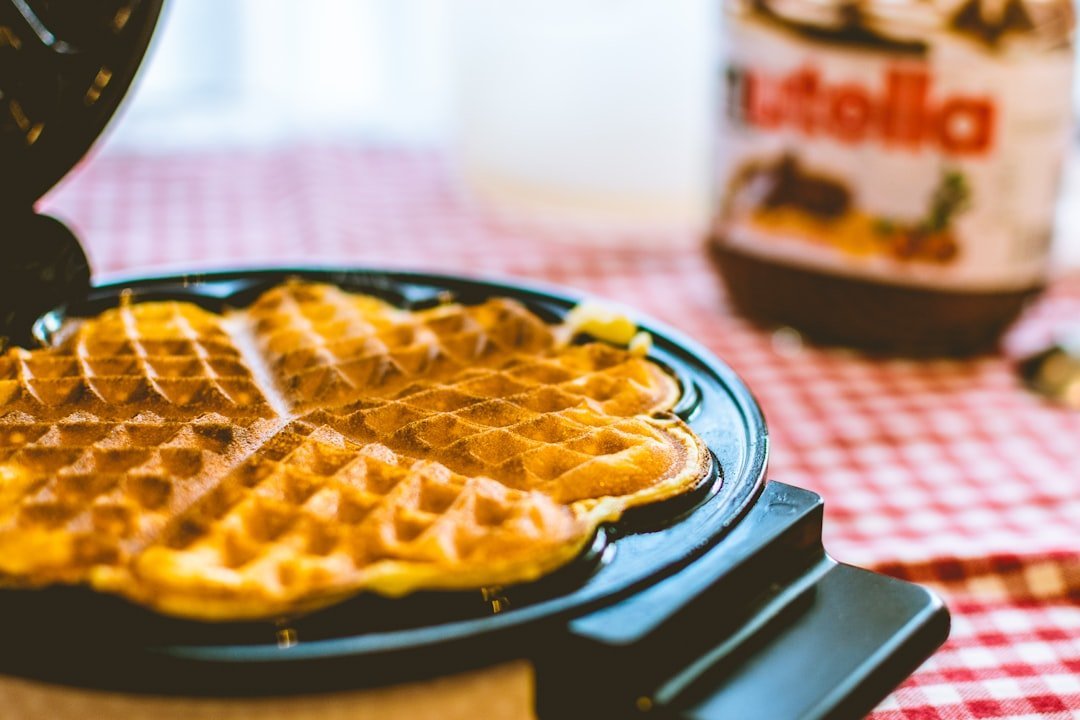
Cornelius Swarthout patented the stovetop waffle iron all the way back in 1869, and General Electric put out the first electric waffle iron as early as 1911. But the stovetop version – two long-handled cast iron plates hinged together – remained a fixture in kitchens well into the mid-20th century. You set it directly over the gas burner, poured in batter, and flipped the whole iron over halfway through cooking to brown both sides evenly.
The cast iron stovetop waffle iron had to be seasoned like a skillet and required careful heat management so one side didn’t burn while the other stayed pale. Electric versions eventually made the stovetop model seem more trouble than it was worth, but the waffles those old cast irons produced had a crispness and depth that many people still rave about. Finding one at an antique store today means inheriting decades of accumulated seasoning.
18. The Soda Siphon
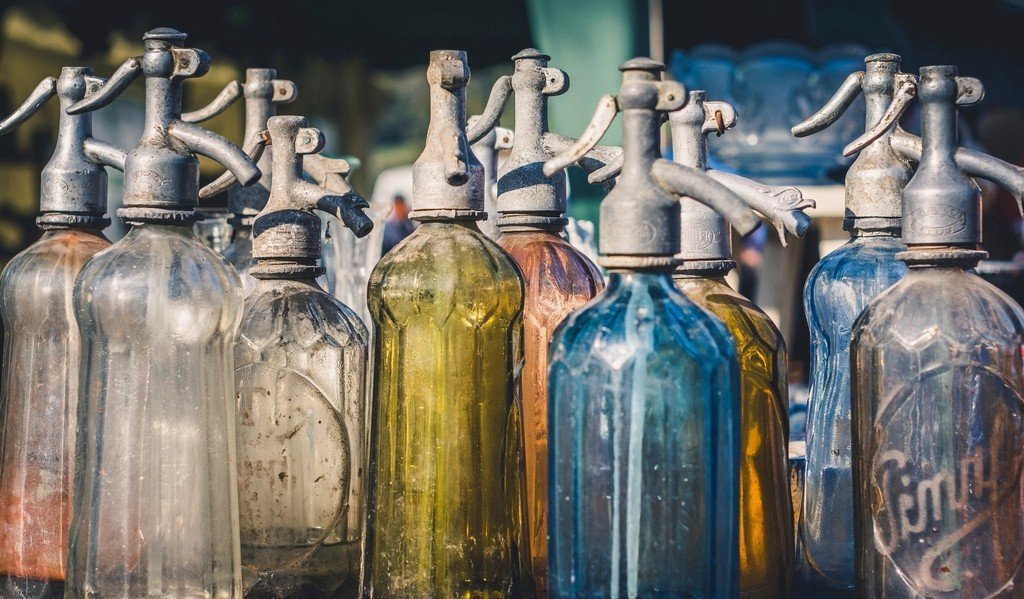
This 1920s soda siphon is a reusable, pressurized bottle that creates and dispenses sparkling water from the source. By the 1940s and 1950s, the soda siphon – sometimes called a seltzer bottle – was a cocktail-hour fixture in well-appointed homes. The heavy glass or metal vessel used small carbon dioxide cartridges to carbonate water stored inside, and a lever on the nozzle dispensed sparkling water directly into a glass.
The siphon was an elegant and reusable solution to the problem of having fizzy water on hand. Brands produced them in gleaming chrome, cobalt blue glass, and bright red metal. Today, we just buy club soda. Between 1920 and 1960, however, it was helpful to have one of these fancy gadgets in your liquor cabinet. They have since made a quiet comeback among cocktail enthusiasts who appreciate the ritual.
19. The Apple Peeler and Corer
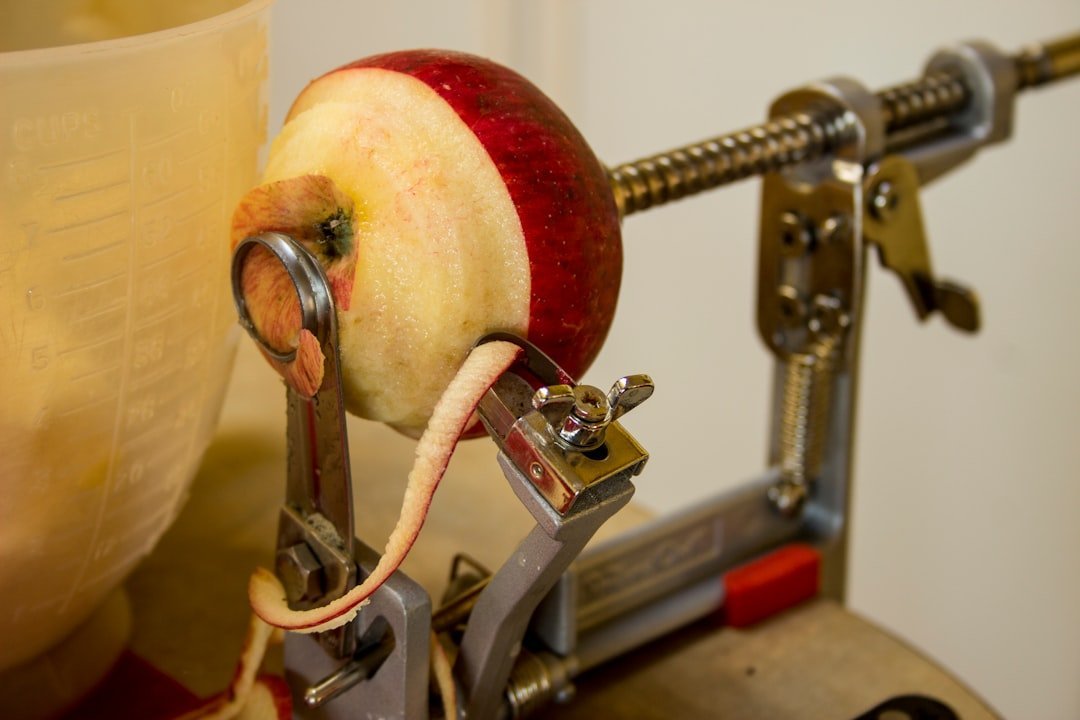
In case you thought the only real progress in kitchen gadgets came in the past 100 years, this apple peeler and corer from the turn of the last century will surprise you. Like something out of a steampunk novel, this gear-driven device could simultaneously peel, core, and even spiral cut an apple. A fork on one end skewered the apple, a hand crank turned it against a stationary peeling blade, and the core was removed in the same pass.
It was perfect for pies and preserves, as well as kid-friendly snacks. That’s what historians tell us, at least. It could be that early 20th-century Americans were just as fascinated by weird kitchen gadgets as the thousands of people who purchased the Veg-O-Matic 60 years later. Cast iron versions of this gadget were built to last a century, and many genuinely have – turning up at farm auctions and antique stores fully functional.
20. The Veg-O-Matic
The 1960s Veg-O-Matic was an all-purpose kitchen tool used to cut vegetables. If you’ve ever heard the famous line, “It slices, it dices!” then you now know its origin story. That tagline comes from the original Veg-O-Matic commercial that would hit late-night TV watchers back in the day. The device pushed produce through a grid of sharp blades to produce uniform slices or dices in a single press.
It’s one of the first products ever sold in that infomercial style, and it sold quite well – carving out a name for itself in American popular culture. It sliced, it diced, and it did a bunch of other stuff. Whether it did any of those things better than a good knife is debatable, but the Veg-O-Matic became a genuine cultural touchstone of late 1960s kitchen gadgetry and still gets referenced in American comedy to this day.
21. The Cake Breaker
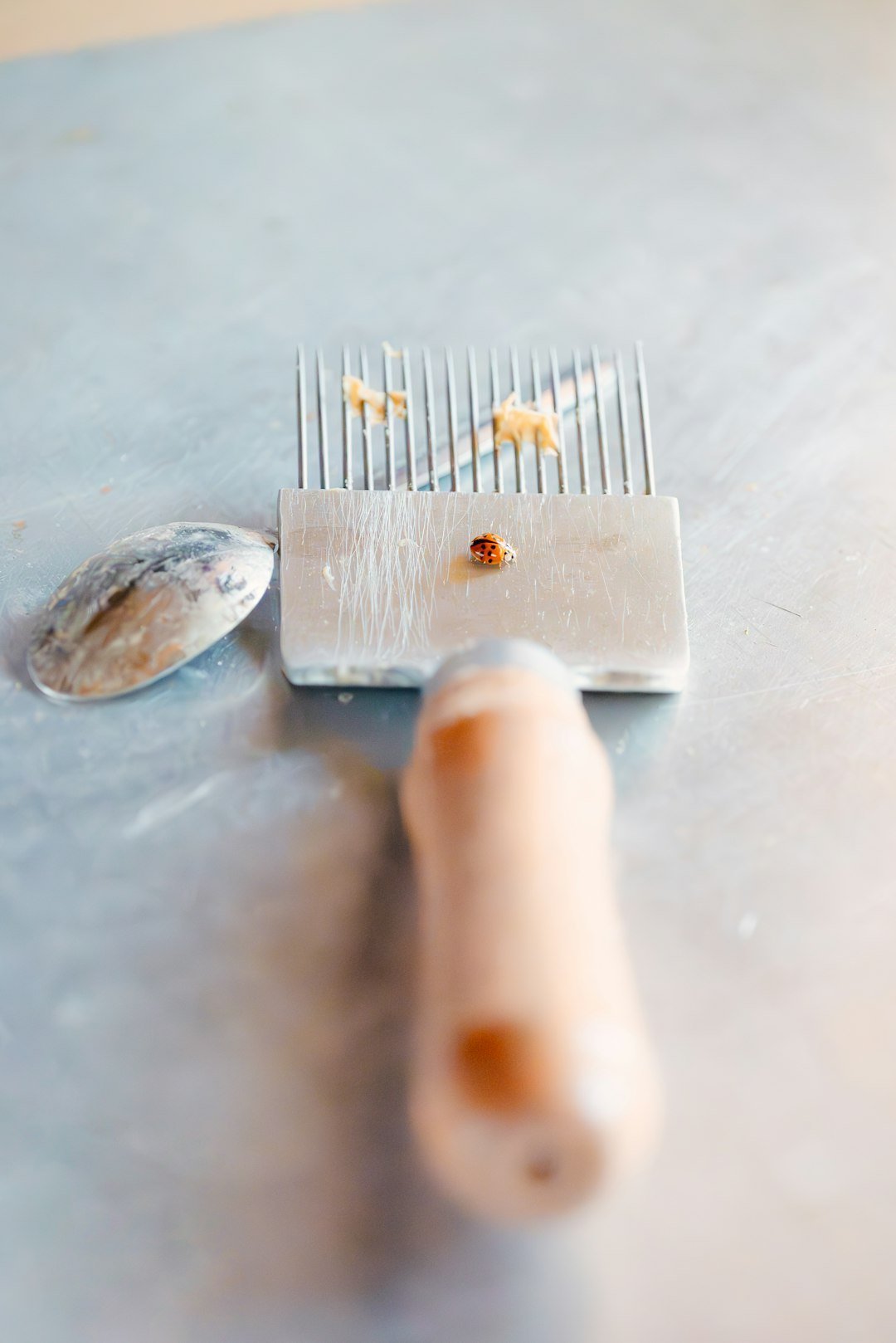
It’s not a comb – it’s a cake breaker or cake rake. Cake breakers were used to break apart delicate cakes, such as angel food cake, and were very popular mid-century by bakers and homemakers alike. The tool had a row of long, evenly spaced tines set in a handle, and instead of cutting through delicate sponge cakes – which would crush the airy crumb – you pulled it through the cake to cleanly separate a slice without deflating it.
Angel food cake was enormously popular in 1940s and 50s American baking, which is exactly why this specialized tool found its way into so many kitchen drawers. A standard knife would press down and collapse the sponge. The cake breaker kept each slice tall, light, and perfect. Most versions were made of stainless steel or chrome with a wooden or plastic handle, and they were sold in hardware stores and dime stores all across mid-century America.
22. The Donut Maker

Hand-held donut makers were a popular kitchen tool in the 1940s–60s. They offered a cleaner, faster way to quickly shape donuts without the need for rolling, cutting, or getting covered in dough. The metal cylinder was filled with donut batter, and the batter would be dispensed through the bottom of the device, directly into the hot oil. Pushing the handle would deploy the spring-loaded central plunger, which ensured that the dough was dispensed in the form of a perfectly shaped ring.
This gadget was a weekend special – the kind of thing a parent or grandparent would pull out for a Sunday morning treat that felt genuinely exciting to kids watching from the kitchen table. Batter went in, a quick press over the hot oil, and a perfect doughnut ring appeared in the bubbling fat. The cleanup was simple, the results were consistent, and the whole process felt almost magical. It disappeared once packaged donut mixes and bakery chains made homemade donuts feel unnecessary.
23. The Bean Slicer
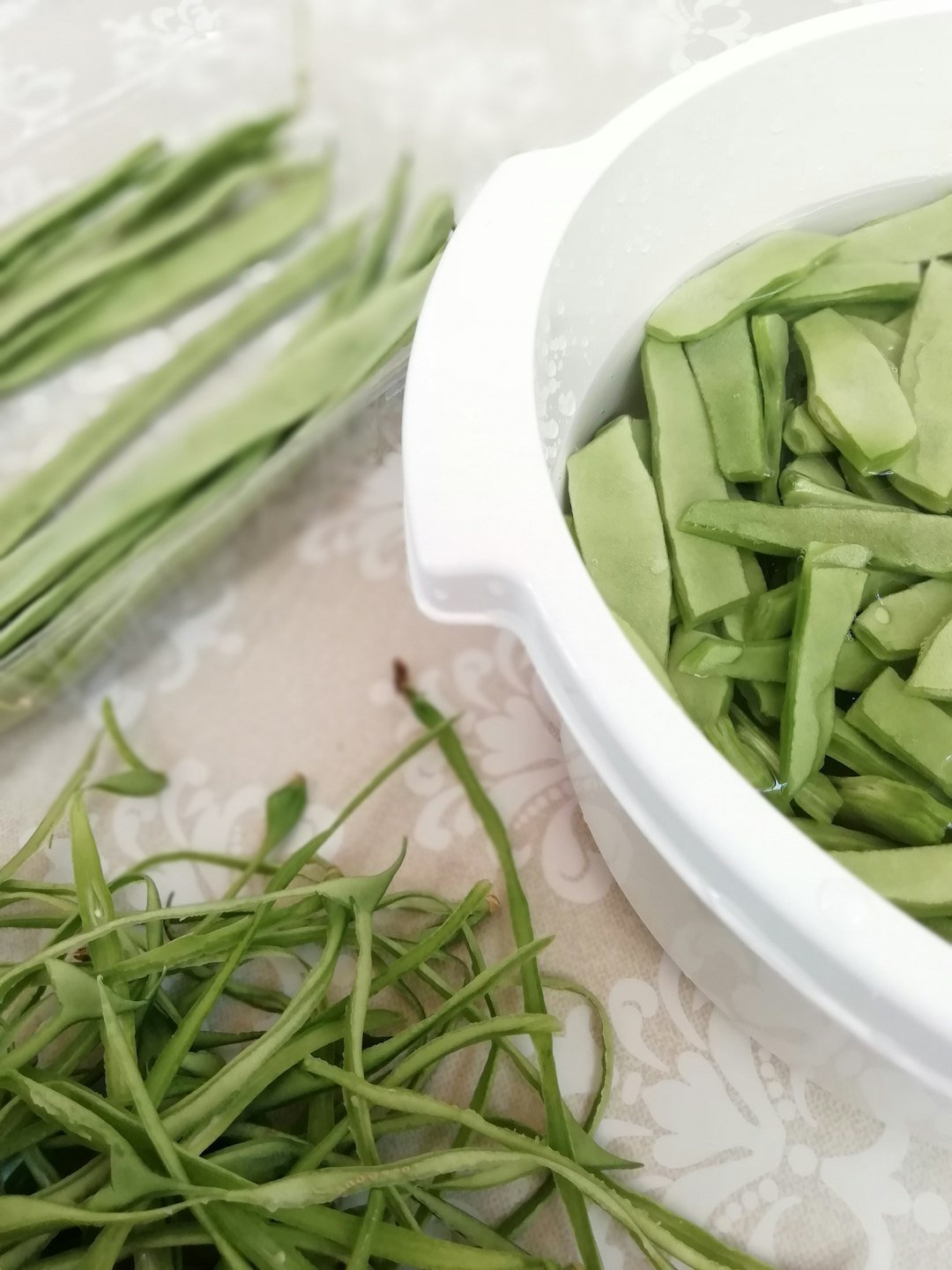
Hand-cranked bean slicers are a great example of mid-century ingenuity, designed to streamline the prep process before freezing, pickling, or cooking green beans. This would have been a common task in a time when home gardens and canning were a way of life. You’d feed whole string beans into the chute, sometimes two chutes depending on the model. These bean slicers could clamp onto the edge of a counter or table for stabilization, while cranking the handle would cause the internal blades to rotate, creating neat, even slices.
Summer in a pre-1970 household with a garden meant hours of bean processing – washing, stringing, slicing, and packing into jars for canning. The bean slicer made the slicing part dramatically faster. Grandmothers who grew their own green beans considered this tool indispensable from June through August. When home vegetable gardens became less common and frozen vegetables took over, the bean slicer quietly faded from kitchen counters across the country.
24. The Egg Coddler
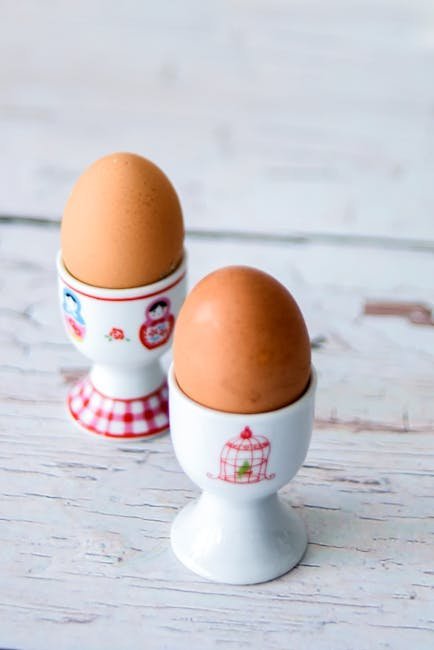
An egg coddler is for anyone who loves a soft-boiled egg but can never get it exactly right. It’s possible you may have seen one at a garage or estate sale and not realized what it was for, because at a glance, they can look like fancy little porcelain cups with lids. It’s thought they date back to the late 1800s, and by the early 20th century, they were wildly popular. You crack an egg inside, then set the coddler in a pan with a small amount of water. The water boils, the egg cooks, and there’s no worry about broken shells and watery bits.
Royal Worcester, the English porcelain company, made some of the most famous egg coddlers – decorated with flowers, birds, and countryside scenes. American households embraced them through the 1940s and 50s as an elegant solution for a fussy breakfast problem. The coddled egg came out tender, barely set, and perfectly contained. Today, egg coddlers turn up at estate sales still in their original boxes, a reminder that before the microwave, breakfast had its own beautiful rituals.
25. The Pressure Cooker
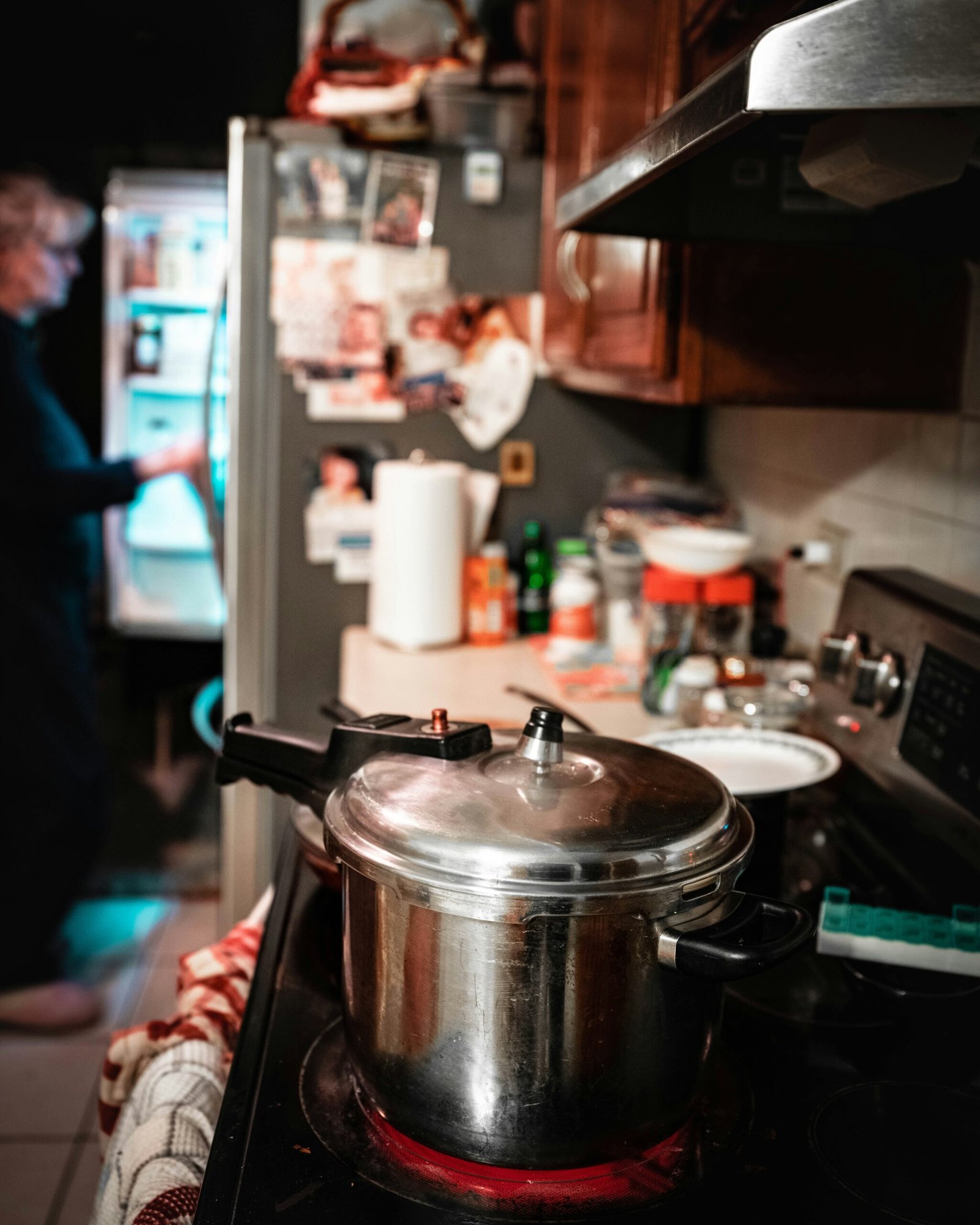
Pressure cookers work by sealing in heat and cooking ingredients using the resulting steam. The modern pressure cooker was first brought to market for domestic use in Colorado, USA in 1910. The popularity of pressure cookers burgeoned throughout the 1960s, and cooks around the world still rate them today. The mid-century versions were aluminum or stainless steel pots with a locking lid, a rubber gasket, and a weight on the steam valve that rocked and hissed as the pressure built inside.
The vintage pressure cooker was both impressive and intimidating. Recipes were timed in minutes instead of hours – a pot roast that would take three hours in a Dutch oven was done in forty-five minutes under pressure. Grandmothers who used them did so with practiced confidence. Those who didn’t own one heard stories about lids blowing off ceilings. The modern Instant Pot is essentially a computerized, much safer descendant of these hissing aluminum veterans of mid-century kitchens.
26. The Stovetop Percolator-Style Coffee Boiler
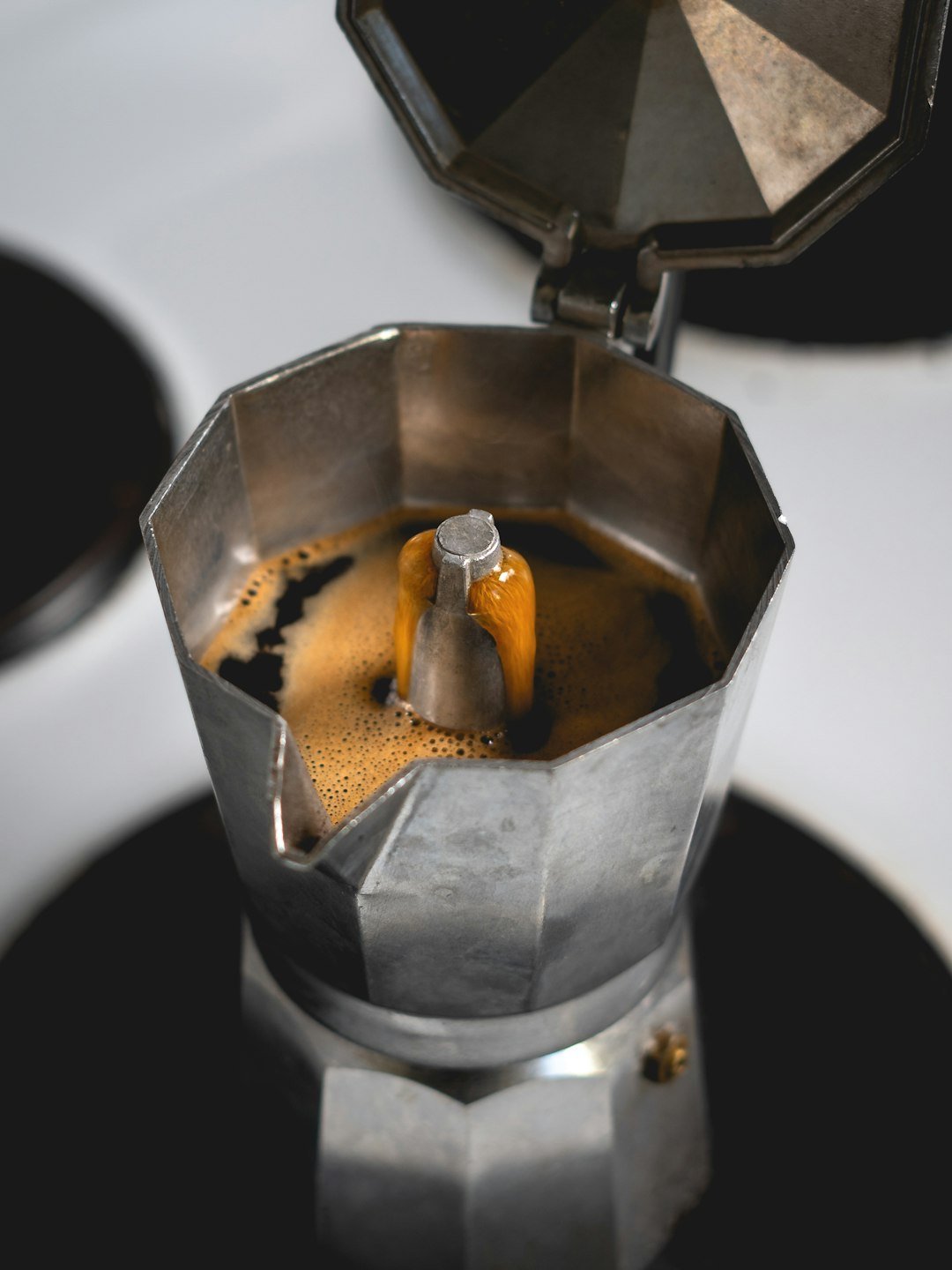
A 1930s siphon coffee maker looks like something out of Dr. Frankenstein’s lab, but it’s actually used to make a delicious cup of coffee. It’s an early model of a siphon coffee maker, which is still in use today at hipster cafes in Tokyo and other urban centers. The device used two glass globes stacked vertically – water in the bottom globe was heated to vapor, forced up into the top globe containing grounds, then drawn back down through a filter as the heat was removed.
The siphon coffee maker was a genuine parlor trick as much as a practical device – watching the liquid move up and down through the glass was mesmerizing enough that some people made coffee this way specifically because guests found it fascinating. By the 1950s and 60s, simpler electric percolators had largely replaced it in everyday kitchens, but glass siphon brewers persisted in households that appreciated the theater of their morning coffee ritual.
27. The Tin Canister Set
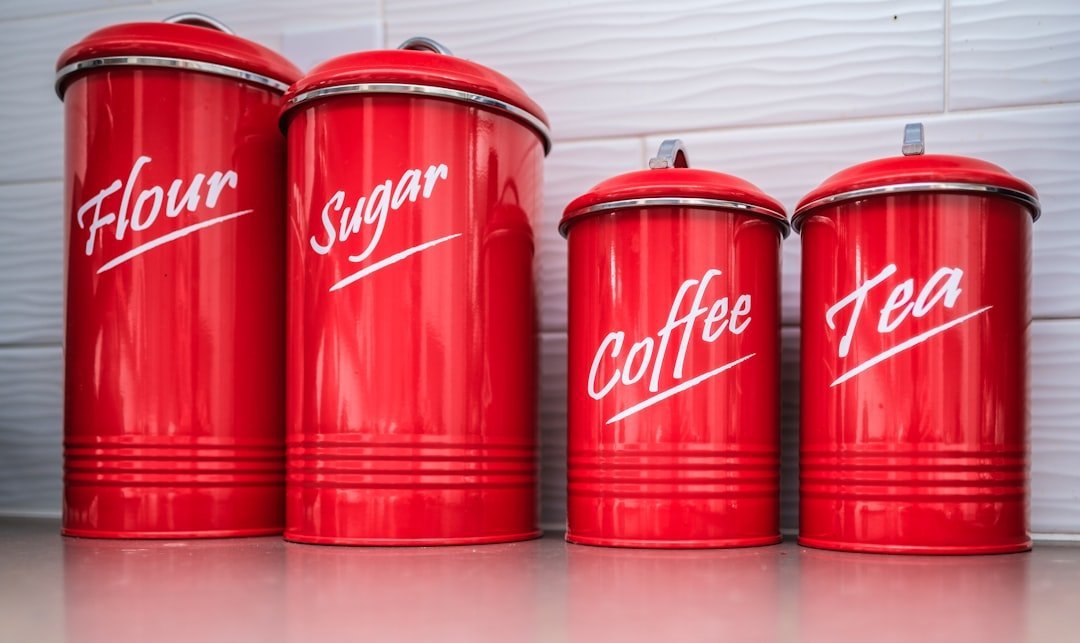
During the 19th and 20th centuries, tin canisters were popular for storing tea and coffee. They were initially sold by traveling peddlers or at country stores. By the mid-20th century, the matching tin canister set – labeled FLOUR, SUGAR, COFFEE, TEA – was a countertop standard in virtually every American kitchen. They came in cheerful colors and patterns, often with a roosters, fruit, or cherry blossom design stamped into the lithographed metal.
In the 1950s, kitchenware companies began producing canisters from high-quality plastics. Today, you can find many charming plastic canisters from the 1950s, 1960s, and 1970s at flea markets, thrift stores, and online. These plastic canisters usually represent the decorating style and colors of their decade. For instance, plastic canisters from the ’50s often appear in soft pink, baby blue, and sea green. Whether tin or plastic, the matching canister set was one of those items that dated a kitchen’s decade almost as reliably as the wallpaper.
28. The Foley Fork
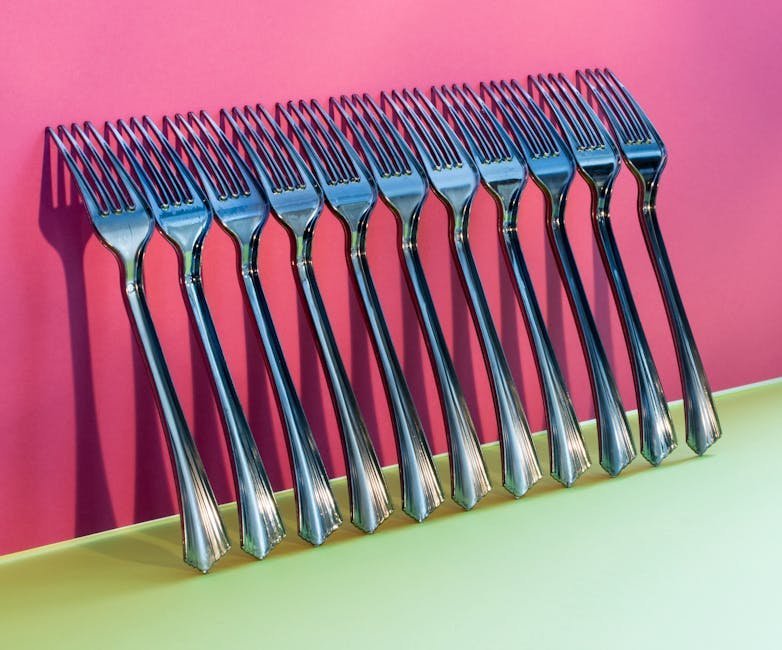
A favorite of Julia Child, the Foley fork was a true kitchen all-rounder. This hardy gadget was essentially a spatula, whisk, and masher all rolled into one. Its broad, flat tines could blend salad dressings, mash soft vegetables, lift delicate fish from a pan, and fold ingredients together without overmixing. The Foley Company, based in Minneapolis, made it a household name through the 1940s and 50s.
The Foley fork occupied an interesting design space – too wide to be a serving fork, too flat to be a whisk, too specialized to replace any single tool but genuinely useful as a supplement to all of them. Its wooden handle was often painted red or green, making it instantly recognizable in any vintage kitchen drawer. If you can identify this one without a hint, you almost certainly grew up spending time in a kitchen that belonged to someone born well before 1960.
29. The Electric Wall-Mounted Can Opener
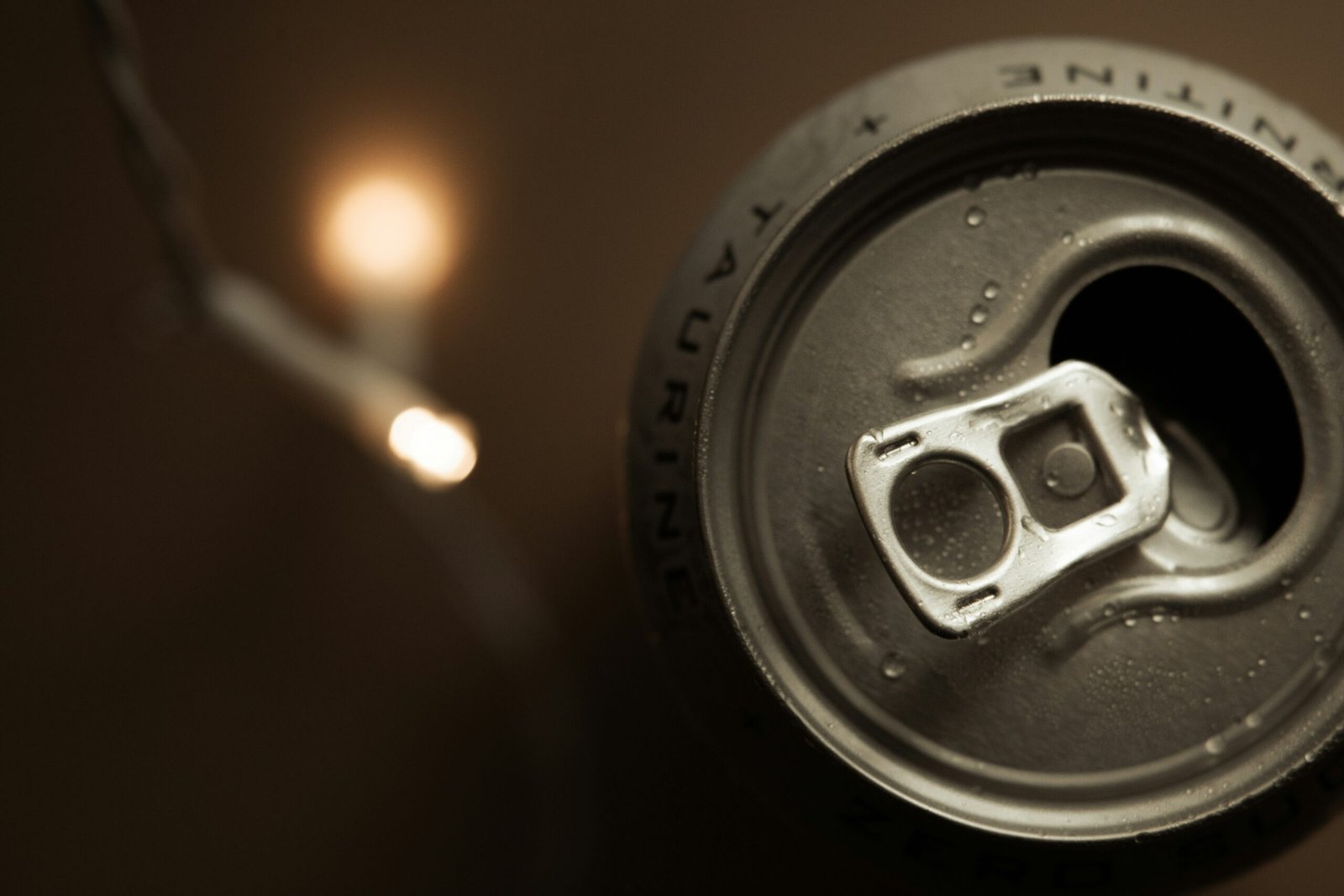
The evolution of the can opener is fascinating, from crude manual devices to sleek mid-century electric innovations. The simplest design is the classic “church key” can opener. These manual can openers were popular as far back as the 1920s. The pointed key would be used to pierce a hole in the top of canned goods such as condensed milk, juice, and even beer before pull-tabs were commonplace.
The pictured General Electric can opener likely dates back to the 1960s–70s and reflects the mid-century shift towards automation and convenience. Much like today’s electric can openers, these retro models offered features such as automatic shut-off and hands-free operation. The wall-mounted electric can opener was a status symbol in the early 1960s kitchen – proof that your home had fully embraced the modern, labor-saving future that postwar America had promised.
30. The Stovetop Pancake Iron
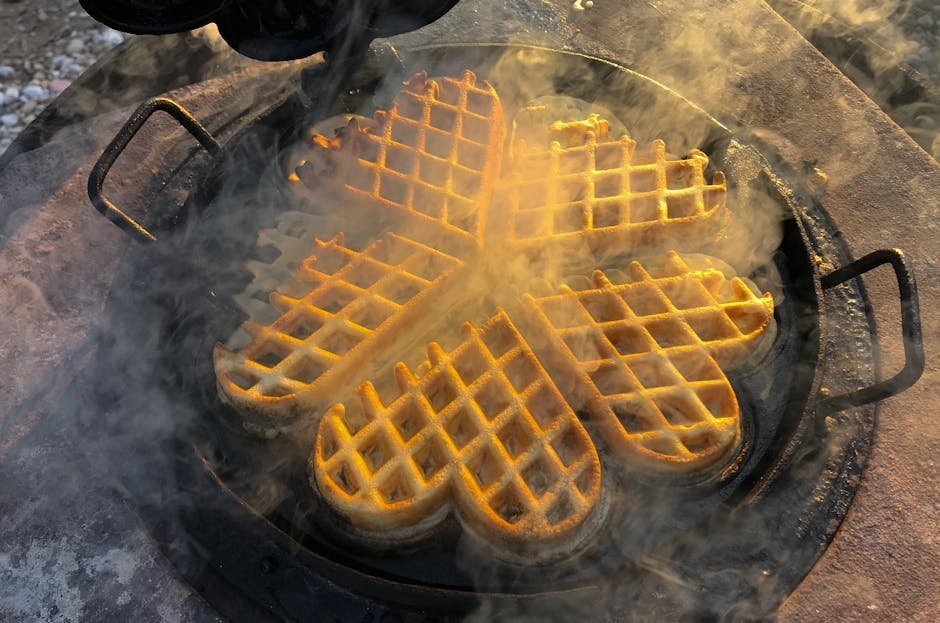
Pancake makers, sometimes called “pancake irons,” are beautiful and unique artifacts from cooking history. They were typically made from cast iron and often featured intricate designs reminiscent of Scandinavian rosemaling and European folk art. Pancake irons like this one were widely used as far back as the 1890s. These stovetop hinged presses were used to make thin, crepe-like European-style pancakes. They were also used to make pizzelle cookies.
In Scandinavian immigrant communities across Minnesota, Wisconsin, and the Dakotas, these cast iron pancake irons were passed down through families like heirlooms – because they essentially were. A well-seasoned iron produced perfect krumkake or rosette wafers with a lacey crispness that no modern appliance has fully replicated. You can still find these irons at estate sales in the Upper Midwest, often still bearing the darkened patina of decades of Sunday mornings.
31. The Butter Churn
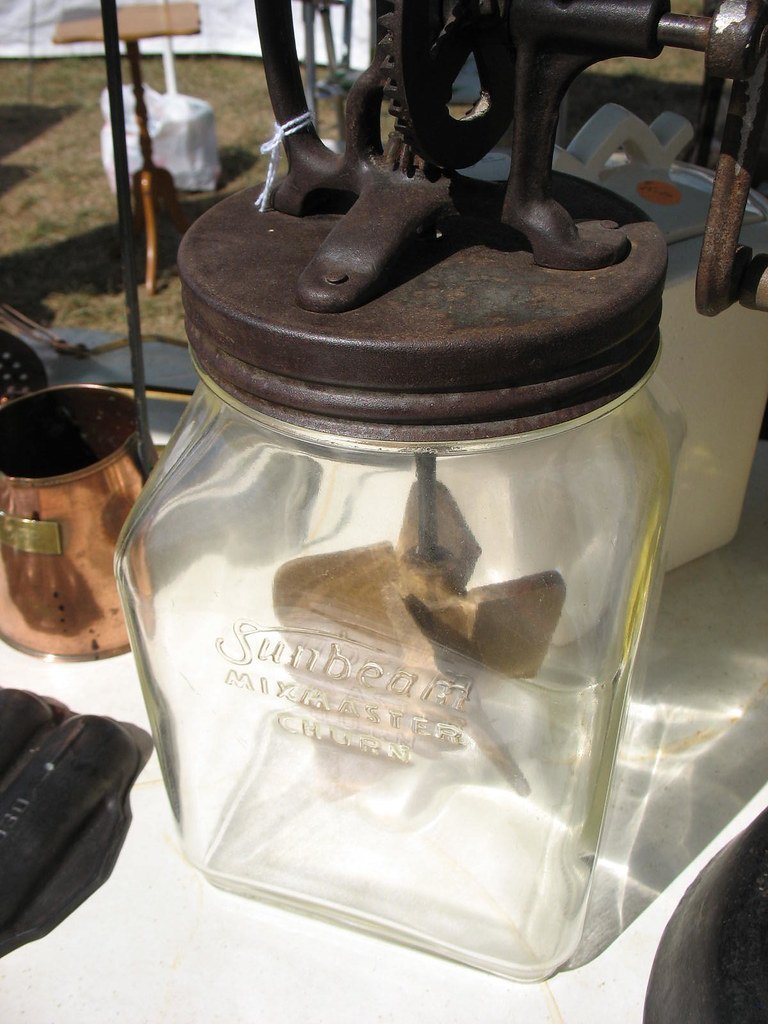
Thankfully, technological advancements and the convenience of store-bought products have rendered butter churns largely obsolete. But they remain a nostalgic symbol of traditional cooking methods. The classic wooden barrel churn with a dasher handle – or the later glass jar version with a hand crank – was still found in farmhouse kitchens through the 1940s and into the 1950s. You poured in fresh cream and worked the mechanism for anywhere from ten to thirty minutes until the fat globules clumped together into butter.
Glass jar churns with a metal lid and hand crank were the more modern version, popular from the early 1900s through the mid-century in rural households. The result was always fresh, slightly sweet butter with a flavor that commercial dairy products simply couldn’t match. Children who grew up doing chores on farms often remember the churn as one of the more satisfying tasks – tiring, yes, but with a very tangible and delicious result at the end.
32. The Silent Butler
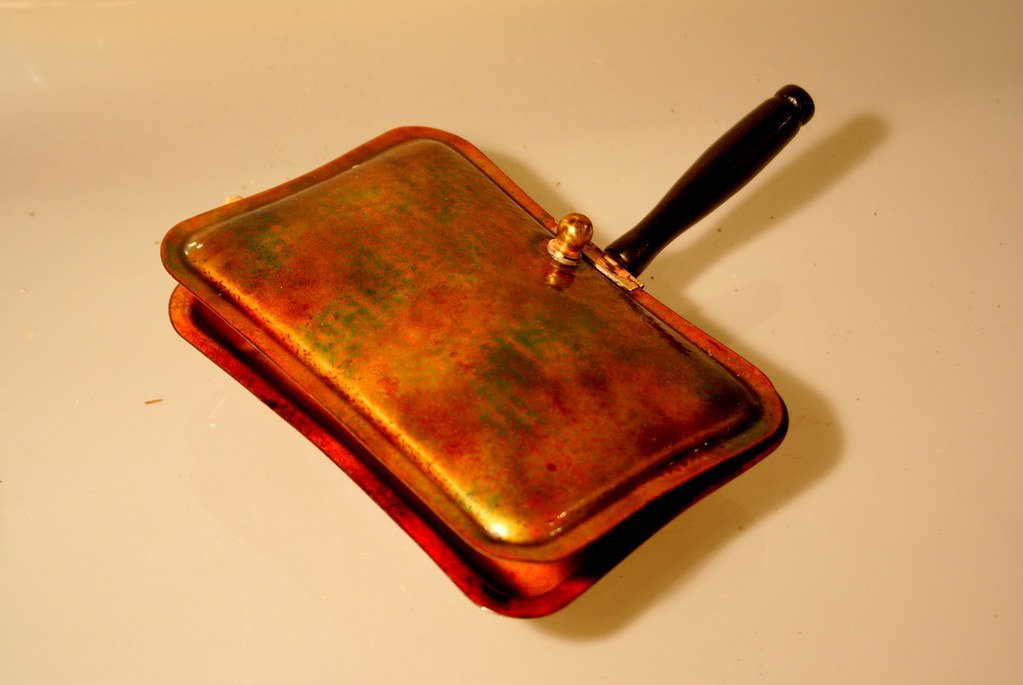
The silent butler is a charming and somewhat forgotten relic of the 19th and 20th centuries. Also known as a “crumb catcher” or “ash receiver,” this small container served as a more elegant precursor to our modern dustpans. This handheld tool was used to quietly and discreetly collect table crumbs, ash from smoking, and small bits of trash such as matchsticks and nutshells. A small brush was often kept inside for sweeping up debris, and the hinged lid ensured nothing would get out. These were particularly popular during the Victorian era through the 1950s.
The silent butler lived on the sideboard or buffet in formal dining rooms and was brought out after meals to sweep the table without making a mess or disturbing guests mid-conversation. Many were made of silver-plated metal, polished to a shine, and were considered part of proper household equipment for anyone who entertained. By the 1960s, as formal dining culture relaxed and smoking became less universal, the silent butler quietly slipped out of use – which seems fitting, given its name.
33. The Egg Coddler Cup Warmer
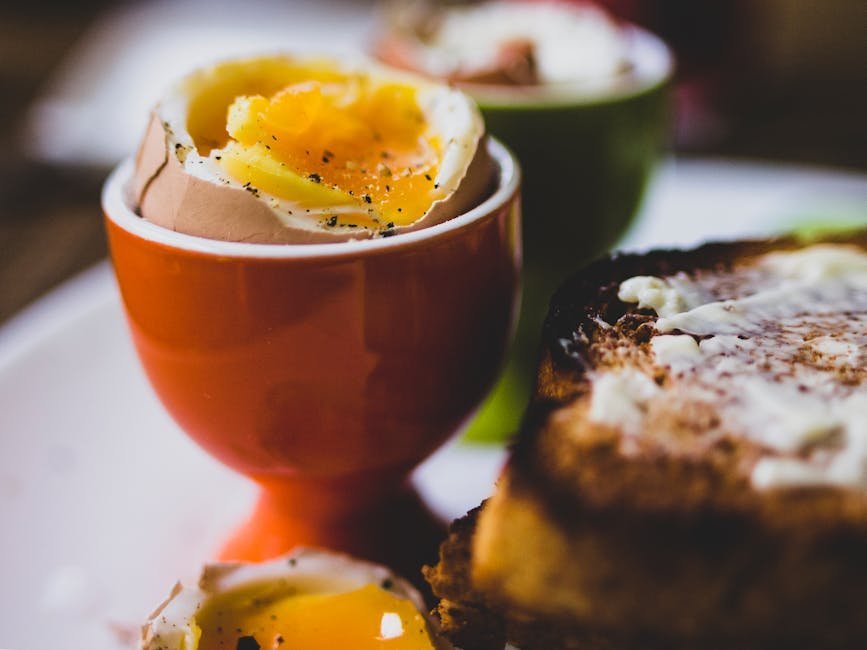
The egg cup warmer, especially from brands like Heatmaster, was a must-have for keeping freshly boiled eggs warm. On top of that, the chrome casing gave it that cool mid-century style that made kitchens look effortlessly cool. The device held individual egg cups inside a heated chrome dome or frame that kept soft-boiled eggs at the perfect temperature between the stove and the breakfast table – a detail that reveals just how seriously mid-century households took the ritual of a proper morning meal.
In households where soft-boiled eggs were a daily breakfast, the egg warmer prevented that frustrating moment when you cracked open your egg and found it had already gone cold. Matching egg cup and warmer sets were popular wedding gifts through the 1940s and 50s. You’d find them in chrome with Bakelite trim, in ceramic sets with painted florals, or in sleek modernist aluminum. Today they’re charming curiosities at estate sales, puzzling to anyone born after about 1975.
34. The Enamelware Pot
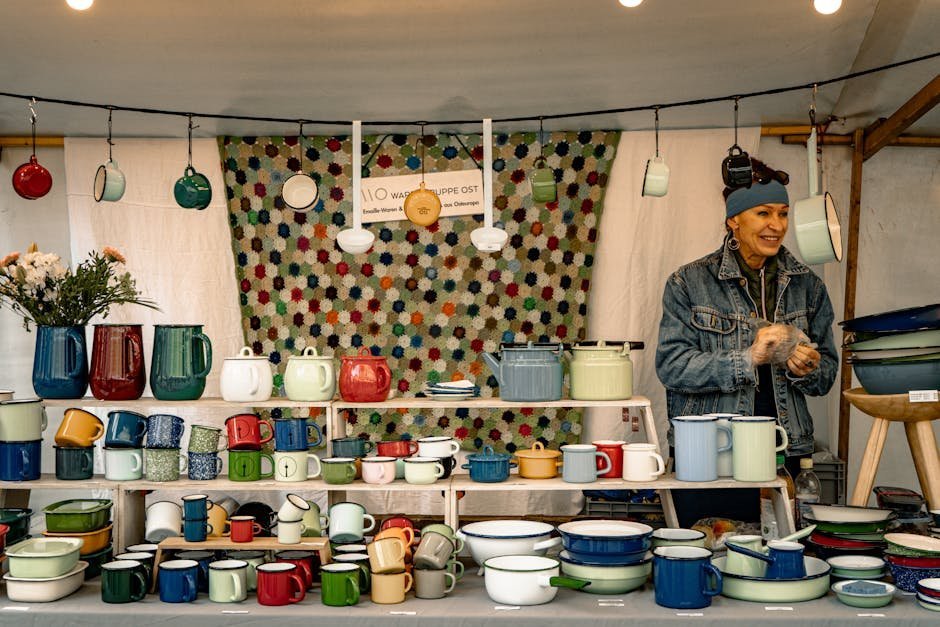
Enamelware is charming, durable kitchenware that looks like it jumped out of a vintage magazine, and it actually has roots dating back to the 19th century. Perfect for a cozy cabin vibe, it was the kitchen essential before social media was even a thing. But beyond aesthetics, it was great for cooking, too. It’s basically metal coated in porcelain enamel, making it tough, easy to clean, and resistant to corrosion. The speckled blue-and-white or solid red pots were a fixture in every American kitchen from roughly 1880 through the mid-20th century.
Enamelware pots, pitchers, and plates were affordable, lightweight, and nearly indestructible. Farmhouse kitchens, camping trips, and everyday family dinners all relied on them. The classic speckled blue graniteware – which is a form of enamelware – has seen a genuine revival in recent years among collectors and home cooks who appreciate its durability and undeniable charm. Seeing a big speckled blue enamel stock pot on a stove is one of those images that takes people born before 1970 straight back to childhood.
35. The Metal Grocery List Reminder
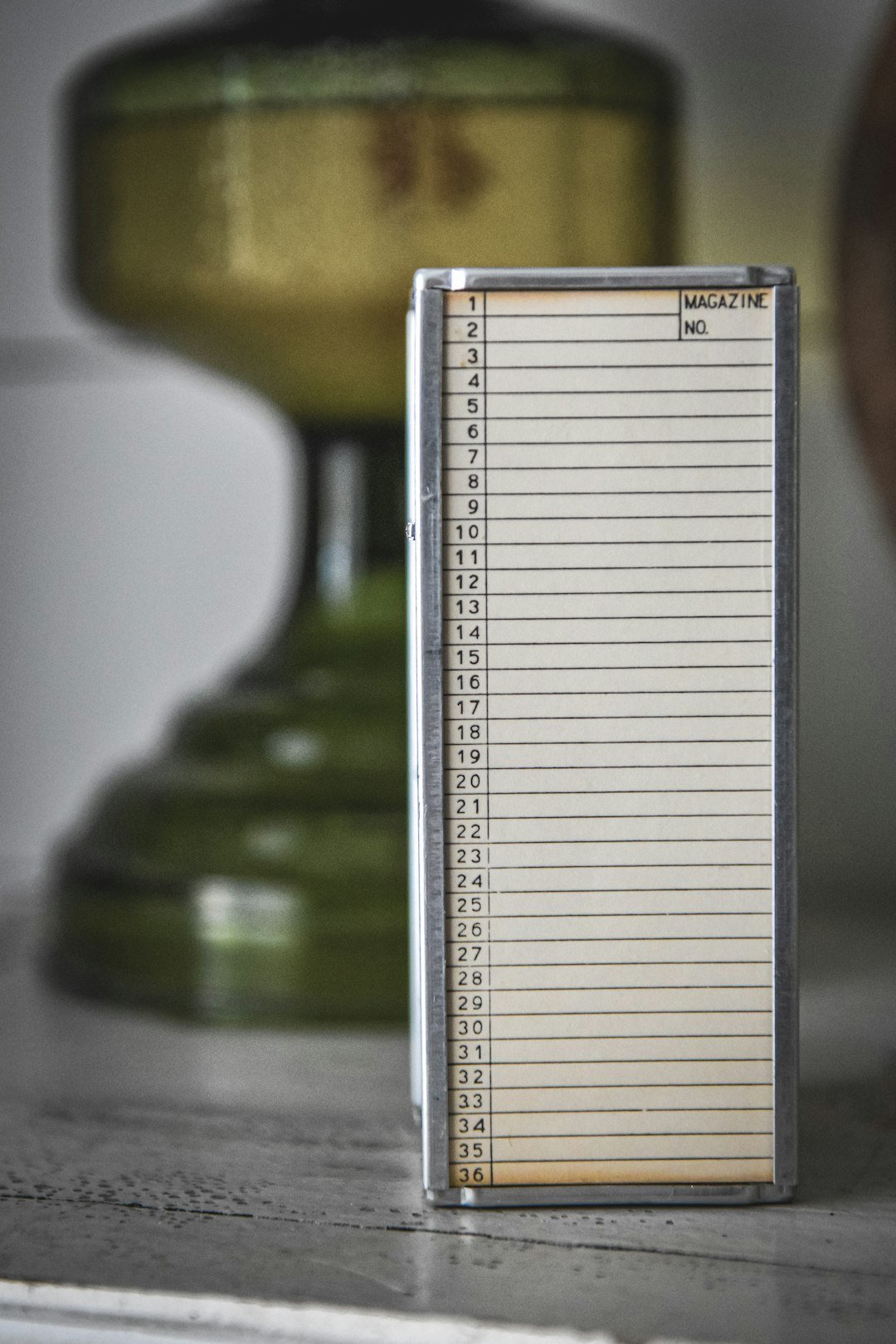
Metal grocery lists are brilliant, palm-sized little tools that are infinitely reusable. They’re basically a piece of metal inscribed with a grocery list, and little notches that you flip to keep track of what you need and even what you’d put in the shopping cart. There’s not too much that’s been written about the history of these nifty little gadgets, and that’s likely because they were so commonly used that no one really gave them much thought.
We do understand why they’re not popular anymore, especially with the advent of the kind of smart technology that connects even our phones to our fridges. These lists seem to have disappeared long before we had phones that could double as shopping lists. The metal grocery reminder – usually small enough to fit in a purse or hang on the refrigerator – was a fixture of mid-century domestic life, pre-printed with staples like milk, bread, butter, and eggs, and used every single week without fail. It is the kind of object that tells you everything about how organized, deliberate, and unhurried life in an earlier kitchen really was.
How many did you get right? If you sailed through all 35 without a single hesitation, you almost certainly have a very specific kind of childhood memory stored somewhere – one that involves a warm kitchen, a relative who knew what every drawer held, and the sound of something simmering that has never quite left you. These gadgets weren’t just tools. They were the texture of daily life in an era when cooking was still done by hand, by feel, and by heart. Drop your score in the comments – and if one of these brought back a specific memory, share it. There are a lot of people who’d love to hear it.