
You saved up. You planned for months. You told everyone you were finally going. Then you got there – and something felt deeply, almost personally wrong. It wasn’t just bad weather or a bad day. The place itself didn’t match the version that had been living rent-free in your head for years. Turns out, you’re not alone. Across Reddit threads, TripAdvisor reviews, and travel forums, the same cities keep coming up – not as hidden gems, but as expensive lessons. These aren’t obscure destinations. They’re the exact ones everyone kept telling you to visit.
The painful twist? The strongest regret almost always hits in places where the hype was loudest – cities sold as effortless, transformative, unmissable. The higher the pedestal, the harder the fall. A few of these will probably surprise you. At least one will make you feel genuinely seen. Here are the 13 cities Americans most deeply regret making the trip for, counted down to the one that stings the most.
#13 – Dallas, TX: “Historic and Fun,” They Said
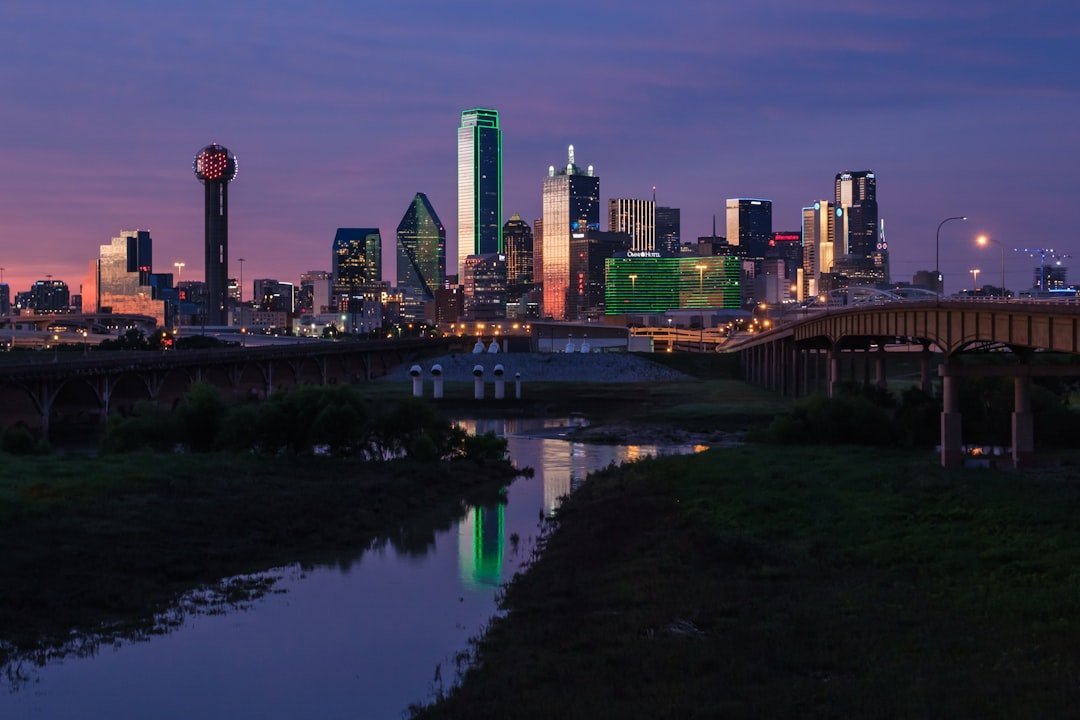
Dallas markets itself hard – Texas pride, JFK history, a booming food scene. But the reality on the ground rarely matches that pitch. One traveler who documented the experience put it bluntly: “For all of its hype and local pride, Dallas is a disappointment. It’s historic and fun, people said. They were wrong.” The Sixth Floor Museum is genuinely moving, but for most visitors, that single attraction burns out fast, and the rest of the city offers surprisingly little to fill a multi-day trip.
The sprawl is the real killer. Travelers consistently describe Dallas as a city built for people who already live there – not for visitors trying to explore on foot or even by Uber. Getting between attractions requires real effort, and the payoff rarely justifies it. With a reported 17.1% visitor drop in 2025, even the numbers confirm Dallas is struggling to justify its bucket-list status.
Fast Facts
- The Sixth Floor Museum at Dealey Plaza remains the city’s most-visited single attraction
- Dallas is one of the most car-dependent major cities in the U.S. – public transit covers a small fraction of tourist routes
- Average high temperature in July: 96°F, making summer walkability extremely limited
- Most first-time visitors report feeling “done” with the tourist core in under a day
#12 – Atlantic City, NJ: Vegas Without the Vegas
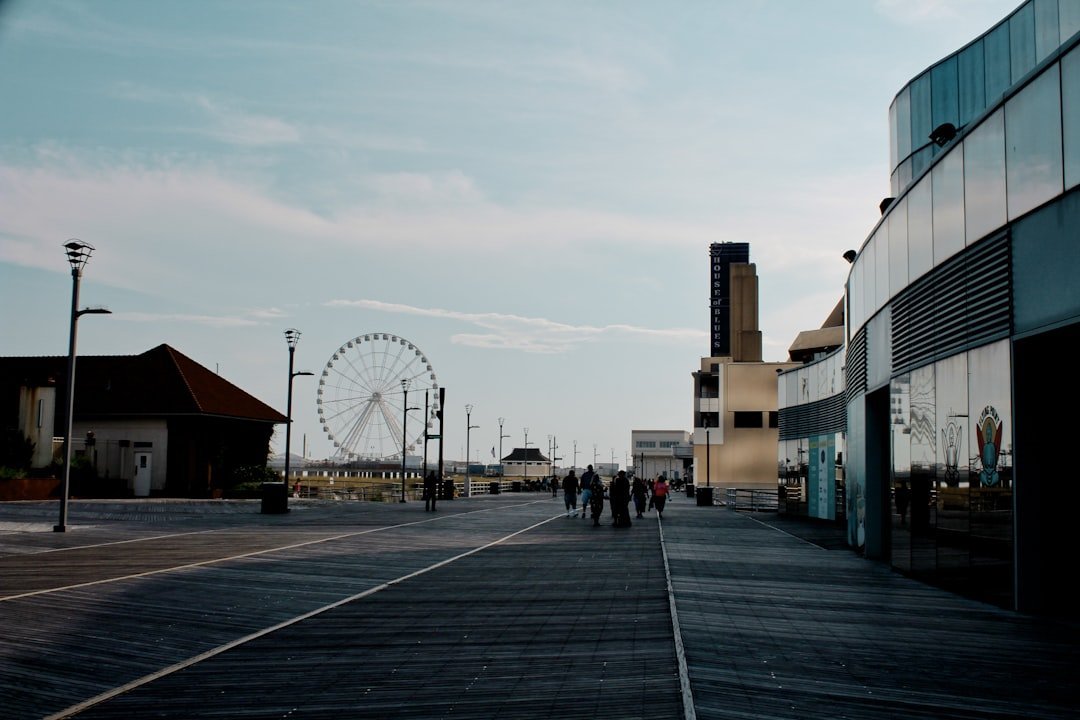
Visitors arrive expecting a mid-Atlantic answer to Las Vegas and find something that feels hollowed out. The iconic boardwalk, though historic, often feels deserted and neglected – wind off the ocean blowing past shuttered storefronts and half-empty arcades that clearly used to be something. Once a glamorous East Coast gambling hub, Atlantic City has been fighting economic decline for decades, and it shows the moment you step outside the casino doors.
The casinos look dated compared to anything on the Las Vegas Strip, and the beaches don’t draw the energy that would justify a special trip. One Reddit reviewer captured it precisely: “The boardwalk is dirty, the casinos are dated, and the whole place feels like it’s stuck in the ’80s. I expected a fun, lively vibe, but it was just sad.” For a city that once defined East Coast glamour, that verdict is brutal.
#11 – Memphis, TN: Came for the Blues, Left Feeling Uneasy
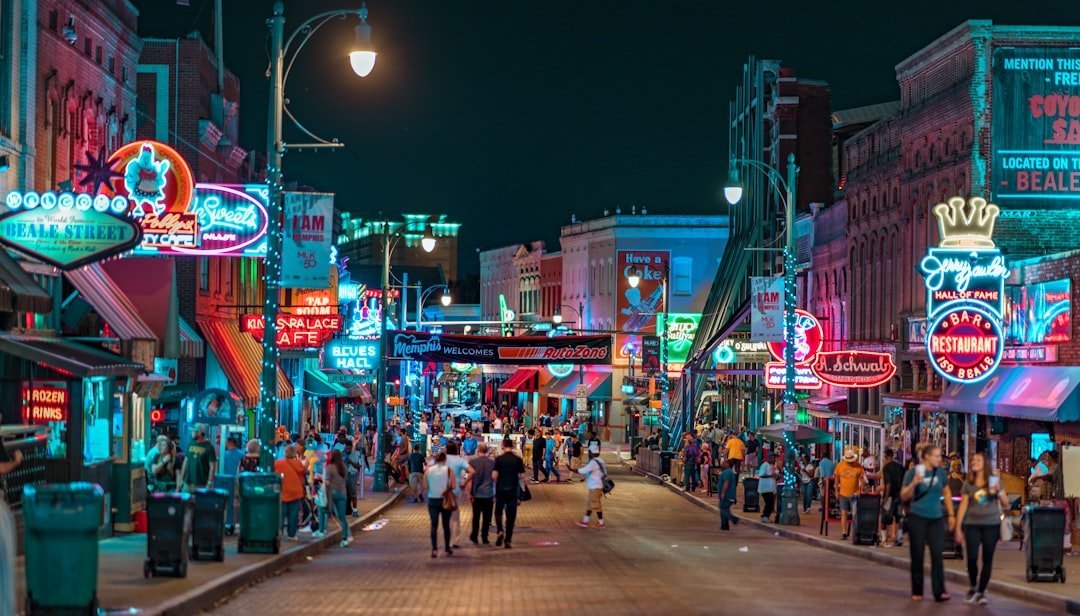
Memphis is genuinely one of the most culturally important cities in America. Beale Street, Sun Studio, the National Civil Rights Museum – on paper, it’s a bucket-list slam dunk. But the gap between what the brochure promises and what first-time visitors experience is, for many, jarring. High crime rates and neglected neighborhoods surrounding the tourist core catch a lot of Americans completely off guard, and the disconnect between the polished attraction zone and the surrounding streets is hard to unsee once you’ve seen it.
Reviewer after reviewer reports some version of the same story: arrived excited for music history, spent most of the trip feeling on edge about where they were walking. “Memphis was a shock. I came for the blues and BBQ, but the city felt unsafe, and many areas were rundown. It didn’t live up to the musical hype I expected,” one traveler wrote. The music heritage is real. Getting to it comfortably is harder than most guidebooks admit.
#10 – Niagara Falls, NY: The Waterfall Is Real. The Town Is a Letdown.

Here’s the thing about Niagara Falls: the falls themselves are genuinely awe-inspiring. The sheer power of the water, the mist, the scale – all of it delivers. But Americans who visit the New York side specifically are in for a rough reality check. The city of Niagara Falls, NY, has been in decline for decades, and the surrounding infrastructure makes the visit feel more depressing than magical. One in five residents lives below the poverty line, with large swaths of housing vacant or visibly in disrepair.
The viewing platforms get so packed in peak season that you might spend more time looking at the back of someone’s head than at the actual water, and summer weekend wait times for major attractions can stretch past two hours. Most experienced travelers agree without hesitation: if you can only visit one side, choose Canada. The American side delivers a fraction of the experience for the same journey – and that’s a hard thing to learn after you’ve already booked.
Quick Compare: American Side vs. Canadian Side
- Views: Canadian side offers a panoramic face-on perspective; American side is a side angle
- Surrounding area: Niagara Falls, Ontario has hotels, restaurants, and attractions along the waterfront; New York side is visibly struggling
- Crowds: Both peak badly in summer, but Canadian infrastructure handles volume far better
- Access: You can visit the Canadian side on a day trip from the U.S. with a valid passport
The Bucket List Reality Check
Not every dream destination lives up to the hype. From hidden fees to urban sprawl, these are the cities travelers regret visiting most according to recent data and reviews.
Think you caught the key details? Take the quick quiz and see how sharp your instincts really are.
#9 – Phoenix, AZ: The Heat Is Not a Selling Point

Phoenix occasionally lands on bucket lists for its desert scenery and proximity to places like Sedona. But here’s what insiders know: Phoenix itself is one of the most difficult cities in America to actually enjoy as a tourist. It functions as a launch pad for better destinations nearby – Scottsdale, Sedona, Prescott – not as a destination in its own right. Visitors who come for the city itself tend to leave wondering what they missed, mostly because they didn’t miss anything; it just wasn’t there.
The heat is the central, inescapable problem. Phoenix sits in the hottest part of the country, and in July or August, the outdoor experience is genuinely dangerous for unprepared travelers. Many visitors end up spending the bulk of their trip in air-conditioned malls and hotel lobbies, wondering why they didn’t just drive straight to Sedona. It’s a long way to go to discover that the real destination was somewhere else the whole time.
#8 – Hollywood / Los Angeles, CA: The Sign Is Just a Sign
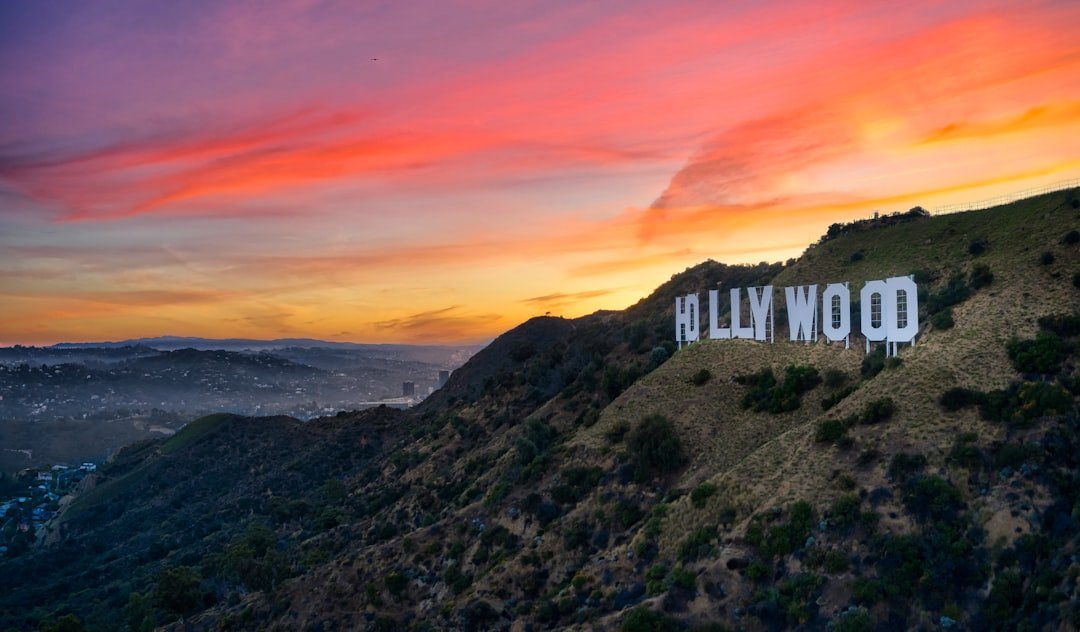
Few places in the world are more photographed and less satisfying in person than the Hollywood Walk of Fame. Research analyzing hundreds of the world’s most popular tourist attractions has repeatedly named it among the biggest disappointments, and visitors back that up in the reviews year after year. The strip is dirty, congested, and aggressively commercial – nothing like the glamour its name implies. One traveler’s verdict has been repeated endlessly online: “Hollywood was one of the biggest disappointments of my life. I’m like, ‘this is it?'”
Getting a decent view of the Hollywood Sign requires a two-to-three-hour round-trip hike, and city-level views are often blocked by smog or impossible to frame without another tourist in the shot. Los Angeles has genuinely great neighborhoods – Silver Lake, Los Feliz, the beach towns, the east side food scene – but Hollywood is not one of them, and too many people don’t figure that out until they’ve already committed to the trip and the hotel. If you want a better view of both the city and the Sign, the Griffith Observatory is the locals’ open secret that guidebooks finally started mentioning.
#7 – Miami, FL: The Beach Is Real. The Rest Is a Sales Pitch.
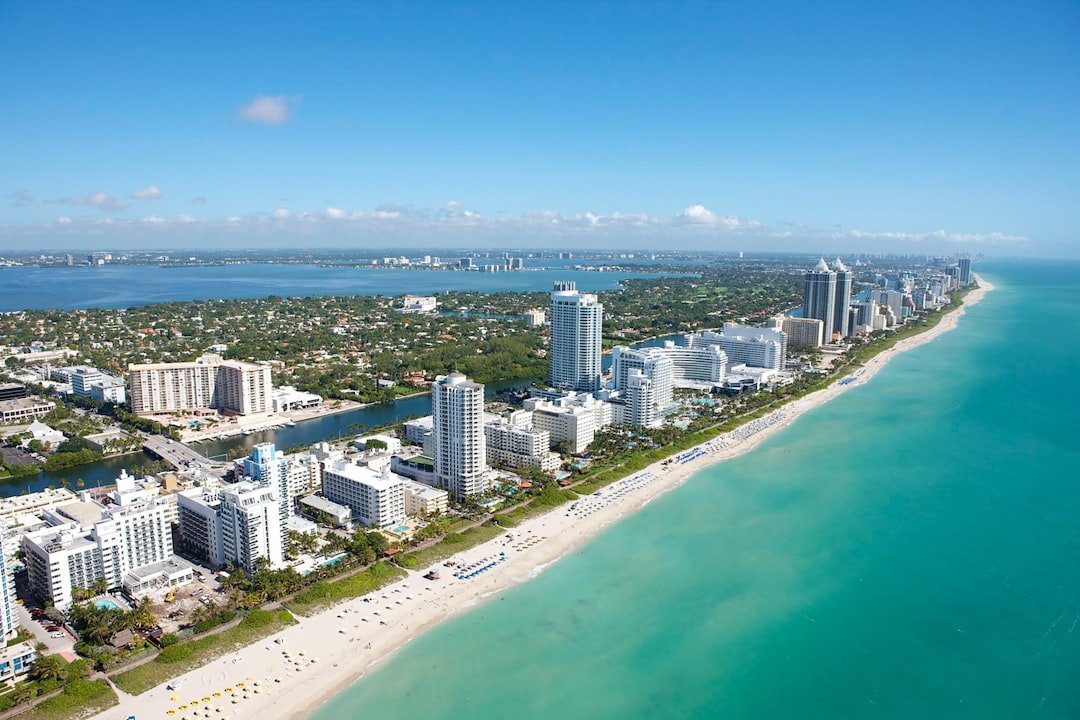
Miami’s brand is bulletproof: gorgeous beaches, electric nightlife, international energy. But travelers who arrive expecting that full package frequently leave feeling like they paid luxury prices for a commercial experience. The “vibrant culture” most visitors encounter is concentrated in one heavily photographed square mile of South Beach. Outside that narrow zone, the city can feel chaotic, expensive, and difficult to navigate without a car – and the neighborhoods that look glossy on Instagram can feel quite different at street level.
Miami saw a reported 15% year-over-year drop in travel searches in 2025, a concrete signal that word is getting out. One visitor’s summary made the rounds for its accuracy: “Miami was a letdown. I expected pristine beaches and vibrant culture, but it was mostly overpriced clubs and sketchy areas.” For a trip that costs what a Miami trip costs, a lot of Americans come home feeling like they paid for the fantasy and got the invoice.
#6 – Times Square / New York City, NY: The Crossroads of Disappointment
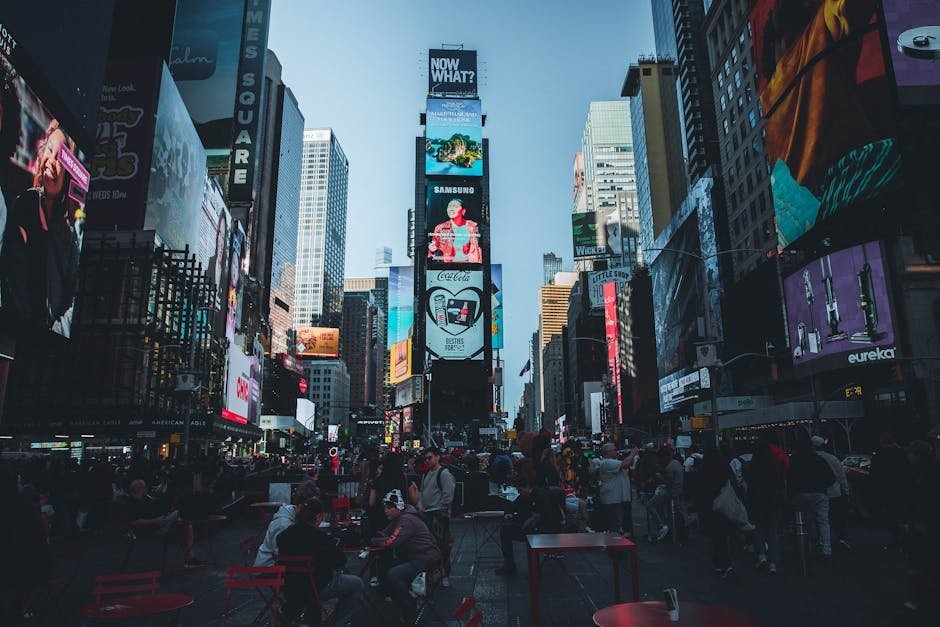
New York City is a genuinely world-class destination. But Times Square – the thing millions of Americans specifically put on their bucket list – is, according to most people who actually go, one of the most overrated experiences in the country. Visitors describe overwhelming crowds, aggressive costumed vendors, and neon-lit commercial chaos that feels more like sensory bombardment than a cultural highlight. One well-traveled reviewer who had visited all 50 states called it “profoundly overrated,” citing the total absence of anything authentic amid the chain stores and billboards.
New York’s tourism figures took a significant hit in 2025, with soaring hotel prices and street-level grime adding to the frustration for visitors who expected magic and got midtown foot traffic. A 2025 survey found that 40% of tourists admitted their Times Square visit left them more disappointed than delighted. The problem isn’t New York – the city has incredible things to offer. The problem is that the bucket-list version of New York, the one everyone imagines, lives entirely in Times Square, and Times Square will almost certainly let you down.
#5 – San Francisco, CA: A Beautiful City With a Brutal Reality Check
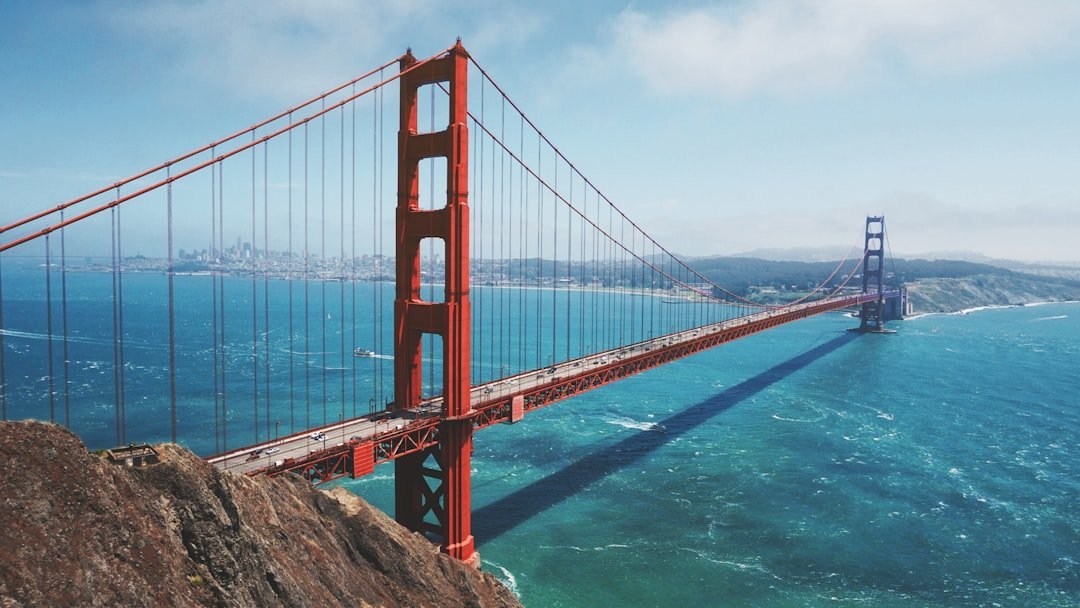
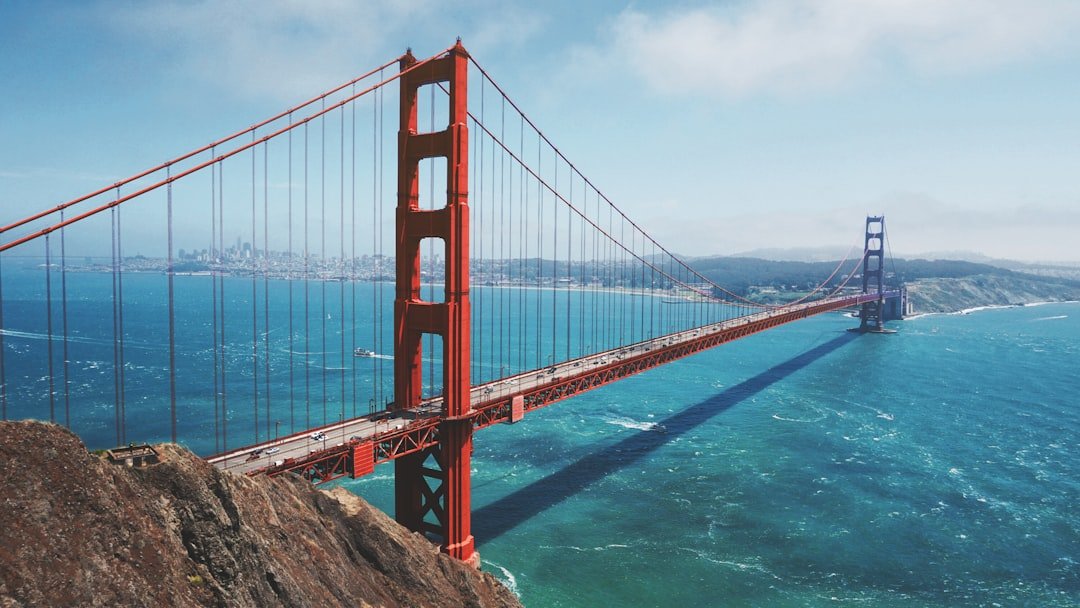
San Francisco has some of the most iconic scenery in the United States – the Golden Gate Bridge, the bay, the hills, the Victorian architecture. None of that is in dispute. What is in dispute is whether the modern experience of visiting San Francisco justifies the cost and the emotional whiplash. Visitors arrive primed by decades of films and travel content and find a city dealing with visible urban struggles that no travel influencer prepared them for. Certain downtown blocks genuinely shock first-time visitors, and the gap between the postcard and the pavement is hard to process in real time.
International overnight visitors to San Francisco were projected to drop 3.2% in 2025 as more travelers simply pass on the city. The scenic neighborhoods remain beautiful – but navigating between them as a newcomer is harder than any bucket-list fantasy prepares you for. The idea of San Francisco is perfect. The execution of a trip there, for many Americans, falls painfully short of it.
#4 – Las Vegas, NV: You Leave Dehydrated and Don’t Check Your Bank App
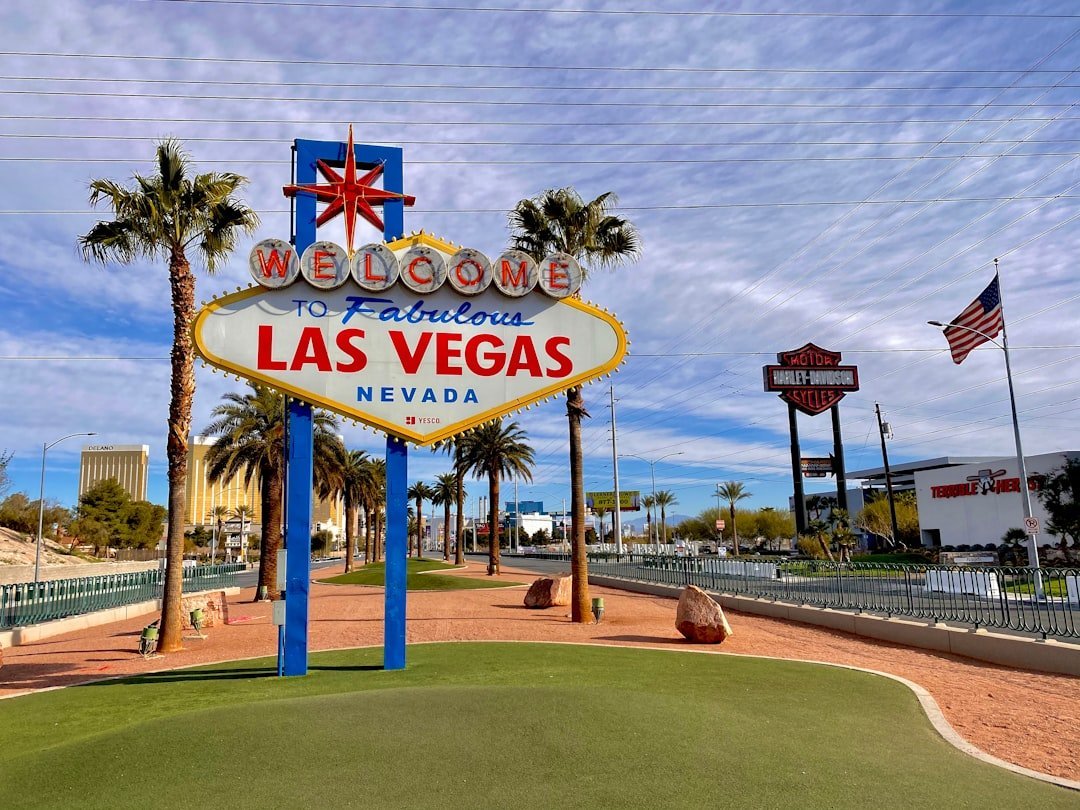
Las Vegas is uniquely engineered to disappoint. It promises transformation – a place where normal rules don’t apply, where you’ll create stories worth telling for decades. Most people leave dehydrated, several hundred dollars lighter than expected, and carrying a mild depression they can’t quite explain. Las Vegas visitor numbers dropped by 7.5% in 2025 – the sharpest decline since the pandemic – and the primary driver isn’t just international travel patterns. It’s that cheap-looking hotel rates are bait, and the real bill comes from resort fees, overpriced drinks, ATM surcharges, and cover charges stacked on top of cover charges.
What happens in Vegas stays in Vegas – including a surprising chunk of your savings.
Common traveler sentiment, widely repeated in online reviews
#3 – New Orleans, LA: The Party Hides How Narrow the Experience Actually Is
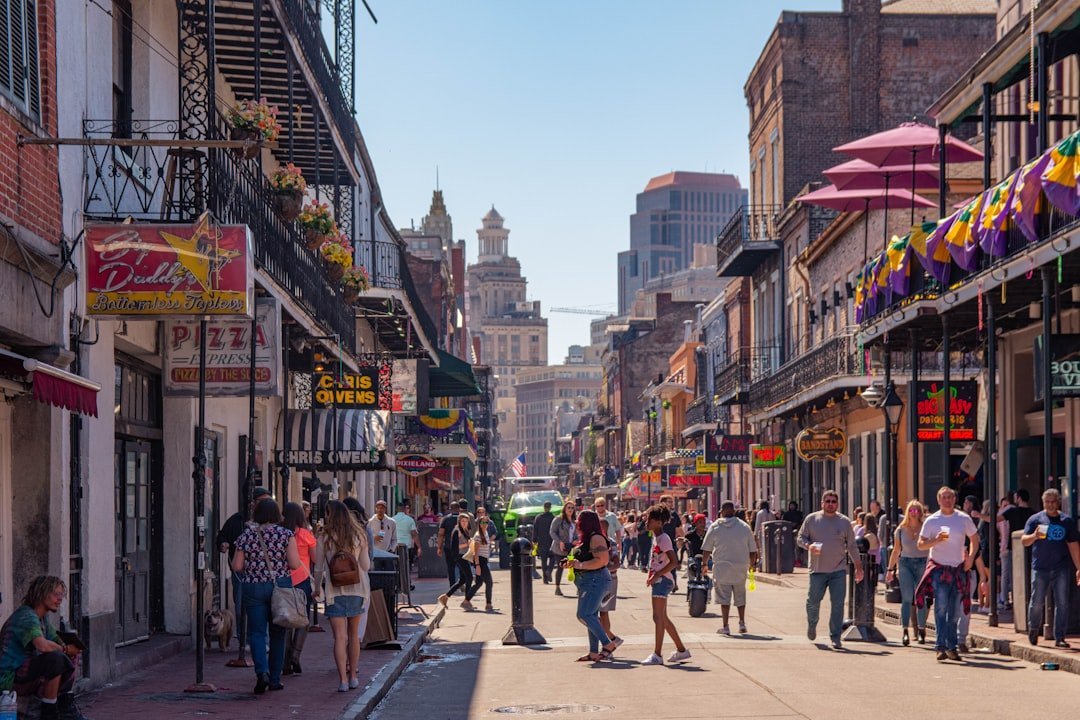
New Orleans is genuinely one of the most culturally rich cities in America. The food, the music, the architecture – all of it is real and world-class. But here’s what the bucket-list crowd doesn’t tell you: for most tourists, the entire “New Orleans experience” gets compressed into about six crowded blocks of Bourbon Street, which is loud, expensive, and smells exactly like you’d expect from a street where people have been drinking outdoors for 200 years. The real New Orleans – the neighborhoods, the second-line culture, the legendary food spots off the tourist track – takes genuine effort to find, and most first-time visitors never get there.
The disappointment hits hardest for families and non-drinkers who booked the trip based on the food-and-culture pitch and arrived to find that the tourist infrastructure is almost entirely built around alcohol. Many who go once say they wouldn’t repeat the trip. A smaller but vocal group says they’d skip it entirely if they could go back. The city deserves better than Bourbon Street, and so do the visitors who came expecting more than a bar crawl.
#2 – Orlando, FL: Theme Parks Don’t Equal a City
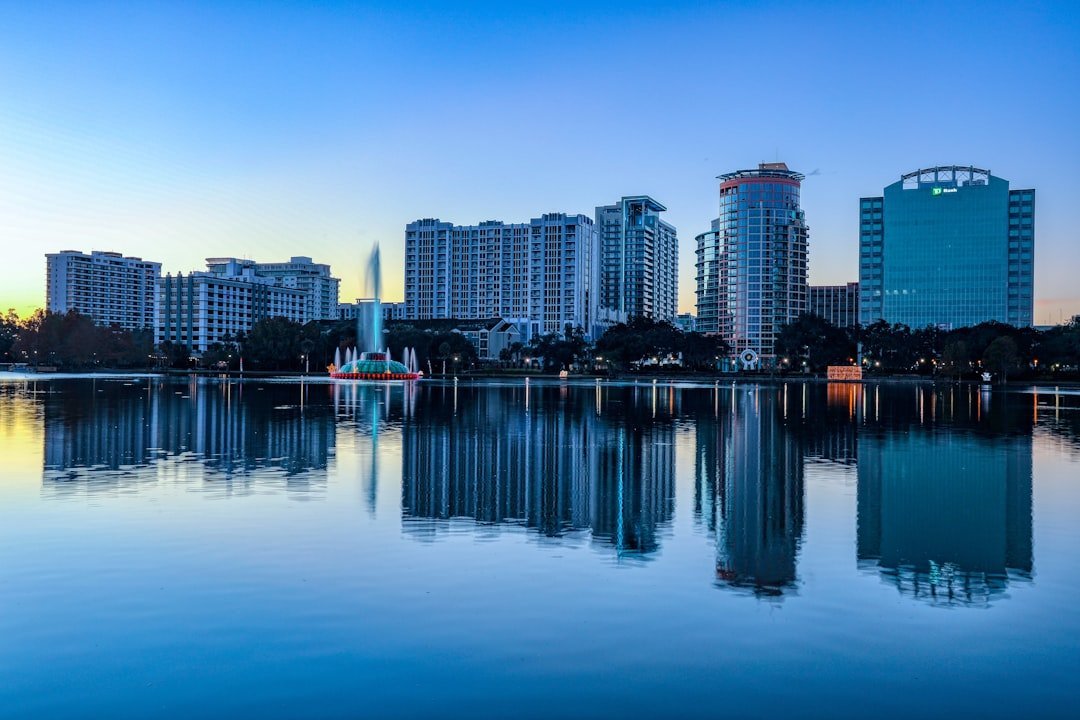
Orlando is one of the most-visited cities in America – and also one of the most regretted. The problem is structural: Orlando was not built as a city you visit; it was built as a delivery mechanism for theme parks. Outside those parks, there is almost nothing. Visitors who budget for one Disney day and three days of “exploring” discover quickly that there is essentially nothing to explore – just strip malls, chain restaurants, and the same three highways repeated indefinitely in every direction.
The theme park experience itself has become its own source of regret. Disney World single-day peak-season tickets now reach up to $219 per person, and Disney’s own CFO has acknowledged that lower-income families are “feeling stress” about the prices. Over the last decade, Disney World ticket prices have grown at nearly nine times the rate of inflation. Families who planned the “dream trip” and spent thousands to make it happen frequently return home emotionally and financially exhausted – with kids who were too young to remember it anyway. The regret is real, and it runs deep.
The Bucket List Reality Check
Not every dream destination lives up to the hype. From hidden fees to urban sprawl, these are the cities travelers regret visiting most according to recent data and reviews.
Think you caught the key details? Take the quick quiz and see how sharp your instincts really are.
#1 – Cancún, Mexico: The Ultimate Expectation Collapse
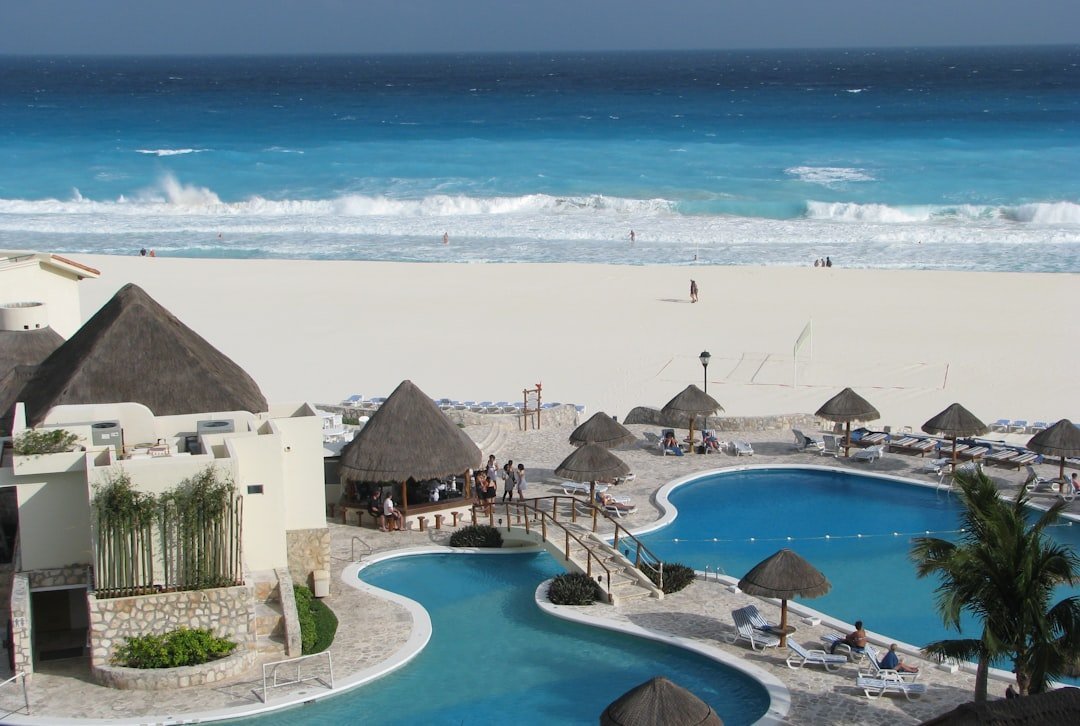
At number one, it’s the destination that most perfectly captures everything wrong with bucket-list travel: the all-inclusive resort experience that strips away everything that makes a trip meaningful. In 2025, Radical Storage analyzed nearly 100,000 Google reviews across 100 of the world’s most-visited cities and found that 14.2% of Cancún’s reviews were negative – the highest share of any city studied, placing it two full percentage points ahead of the second-most-disappointing destination. Americans show up expecting a tropical escape and find a commercialized beach compound that could exist anywhere – surrounded by other American tourists, chain restaurants, and a spring-break energy that never quite fades regardless of the season. In 2024, U.S. travelers accounted for over 6 million of Cancún’s nearly 10 million international arrivals – and word is getting around, as the first half of 2025 saw a 6.5% drop in arrivals compared to the same period the year before.
The problem is that everything in Cancún’s tourist zone feels manufactured for mass consumption rather than actual travel. Visitors most often report inflated prices, pushy vendors, a sense of artificiality, and safety concerns – with the U.S. State Department maintaining a Level 2 advisory for the state of Quintana Roo. The promise is transformation. The reality is a beige buffet and a swim-up bar full of people who also thought they were going somewhere special. That gap – between the dream of escape and the reality of a resort compound designed to keep you inside it – is where the deepest bucket-list regret lives. Whether it’s Cancún, the American side of Niagara Falls, or any city where the marketing is six times more powerful than the experience, that’s the pattern at the heart of this entire list.
The through line here isn’t that these places are bad. It’s that the gap between expectation and reality is wide enough to hurt – and in most cases, the gap was manufactured deliberately, by tourism boards, Instagram filters, and a bucket-list culture that profits from the dream more than the trip. Every city on this list still has people who love it. But enough Americans have come home feeling burned that the pattern is impossible to ignore. The bucket list was never the problem. The hype machine that fills it is.