

Summer travel is supposed to be fun. And it usually is – right up until you’re standing on sun-baked pavement at 1 p.m., drenched in sweat, surrounded by strangers, wondering why you didn’t just stay home. The U.S. Department of Transportation consistently flags July and August as the worst months for flight delays and cancellations, and that’s before you factor in record-breaking heat, sold-out hotels, and crowds that turn a 10-minute walk into a 40-minute ordeal. Some destinations are merely busy in summer. Others are genuinely, physically punishing in ways that don’t make the brochures.
What separates “a little tired by 9 p.m.” from “I need a week to recover from my vacation” is a specific combination: heat plus humidity plus crowds plus logistics. Some cities on this list are iconic, beloved, and absolutely worth the effort. Others are quietly brutal in ways that only people who’ve been there in July fully understand. The ranking goes from “merely tiring” all the way down to the single most grueling summer destination in the country – and the #1 pick isn’t even close.
#19 – Washington, D.C.: The Marble Maze That Bakes in July
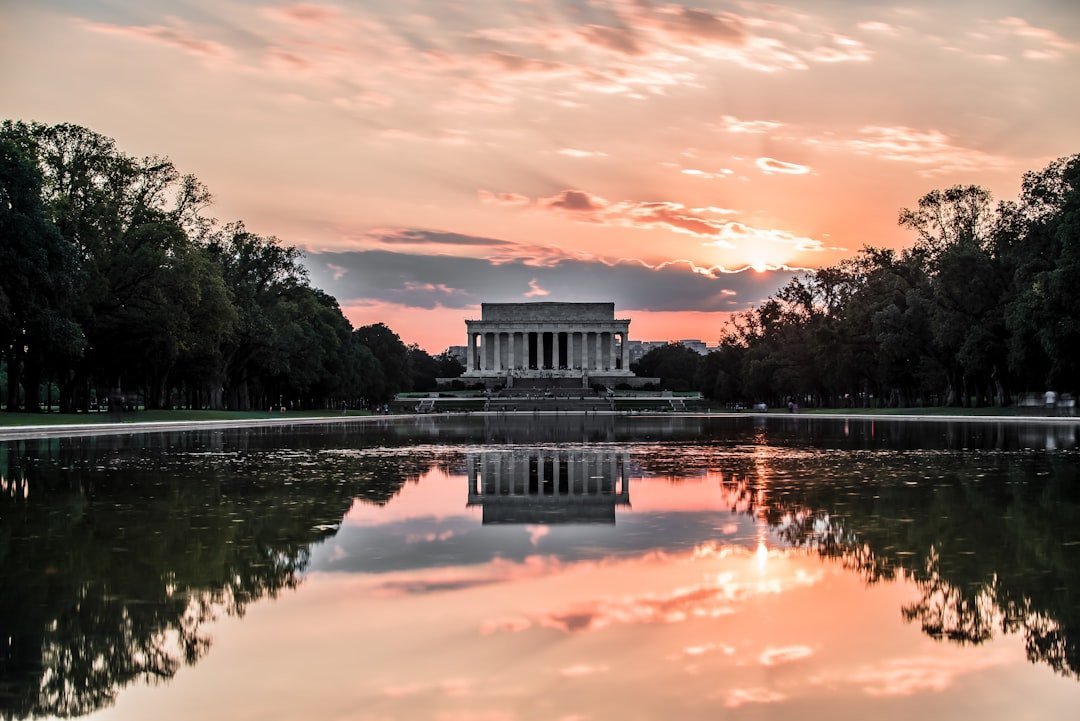
Washington, D.C. is one of the most walkable major cities in America – which sounds like a selling point until you’re doing it in 94-degree heat with 80% humidity. The National Mall alone stretches nearly two miles between the Lincoln Memorial and the Capitol, all of it in direct sun with almost no shade. Lines for the most popular Smithsonian museums stretch outside into that same scorching heat, and the museums themselves are so crowded in summer that navigating them feels less like sightseeing and more like crowd management. NOAA confirmed 2024 as the warmest year ever recorded globally, and D.C. summers were no exception – heat indexes regularly tipped into “feels like 105°F” territory.
The city’s famous humidity isn’t a myth. D.C. was literally built on swampy lowland terrain near the Potomac and Anacostia rivers, and summer afternoons bring near-daily thunderstorms that offer zero relief because the air is already saturated. Families dragging strollers across the sun-bleached Mall in July tend to look like they’ve run a 5K before noon. The monuments are magnificent and worth every visit – just perhaps not on an August afternoon at full sun. This is the mildest entry on this list, which should tell you something about what’s coming.
Fast Facts
- National Mall: nearly 2 miles of exposed stone and concrete with minimal shade
- 19 free Smithsonian museums – all requiring outdoor transit between them in summer heat
- Heat index regularly exceeds 105°F in July and August
- Near-daily afternoon thunderstorms add humidity without cooling the air
#18 – Myrtle Beach, South Carolina: 60 Miles of Sand and Infinite Frustration
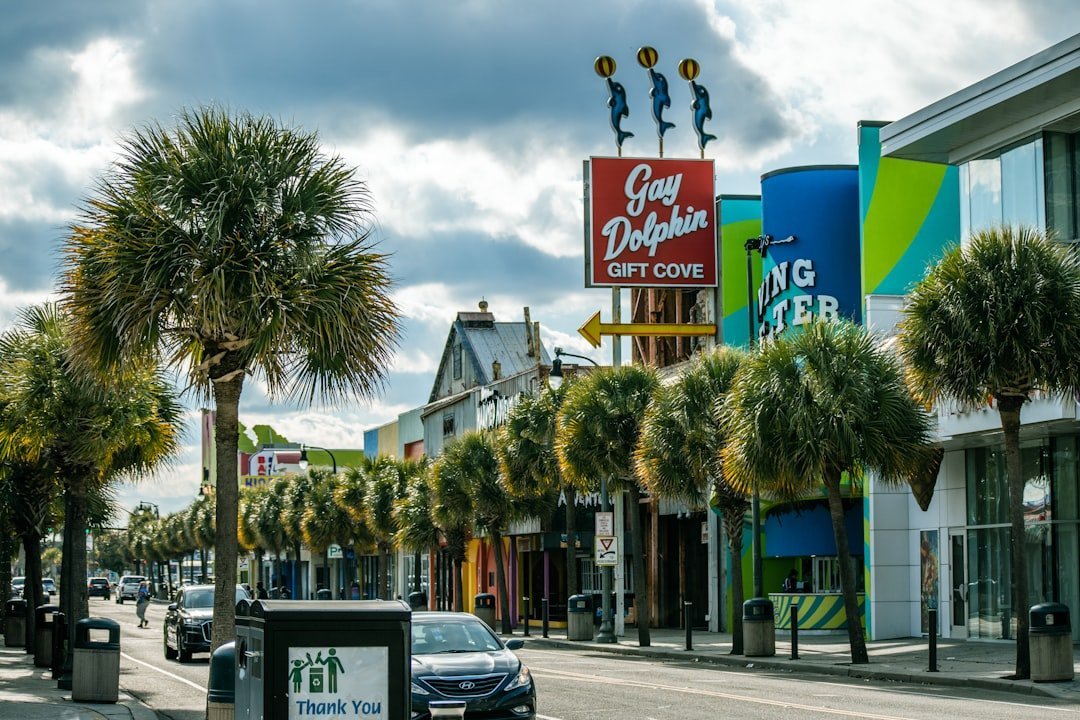
Myrtle Beach draws roughly 14 million visitors a year, and the overwhelming majority of them show up between Memorial Day and Labor Day. The Grand Strand corridor – packed with hotels, chain restaurants, and souvenir shops stacked end to end – is one of the most congested coastal stretches in the Eastern U.S. all summer long. Traffic on Highway 17 can trap you in your car for an hour just trying to reach the water. The beach itself means fighting for a square of sand surrounded by strangers while vendors walk the shoreline every few minutes. It’s less a beach and more a stadium with an ocean view.
By July and August, the pleasant spring warmth gives way to full Gulf Stream mugginess, with real-feel temperatures regularly hitting the mid-90s. The exhaustion here isn’t about extreme heat so much as relentless sensory overload: the noise, the congestion, the nonstop commercialization of every square foot of shoreline. You’ll feel worn down before you even hit the water. Myrtle Beach is perfectly engineered for fun – and perfectly engineered to drain you of energy while delivering it.
#17 – Gatlinburg, Tennessee: The Smoky Mountains Bottleneck

Gatlinburg sits at one of the most stunning natural gateways in the eastern United States – the main entrance to Great Smoky Mountains National Park, which spans more than 520,000 acres of ridge lines, waterfalls, and old-growth forest. What the travel brochures won’t mention is that a single two-lane road funnels nearly all the town’s traffic, and in summer, that road becomes a parking lot. Bumper-to-bumper gridlock for miles is a normal Thursday afternoon, not just a holiday anomaly.
The Smokies consistently rank as the most-visited national park in the country, pulling in over 13 million visitors in recent years – more than Yellowstone and the Grand Canyon combined. Most of them pass through Gatlinburg. The town itself is packed with pancake houses, souvenir shops, and mini-golf courses that somehow all have lines out the door simultaneously. Summer heat and humidity in the Tennessee mountain valleys hit harder than people expect, and popular trails inside the park have their own pedestrian traffic jams. The scenery is real and beautiful. Getting to it in July is a test of patience most vacationers don’t expect to face.
#16 – Virginia Beach, Virginia: Peak Heat Meets Peak Season
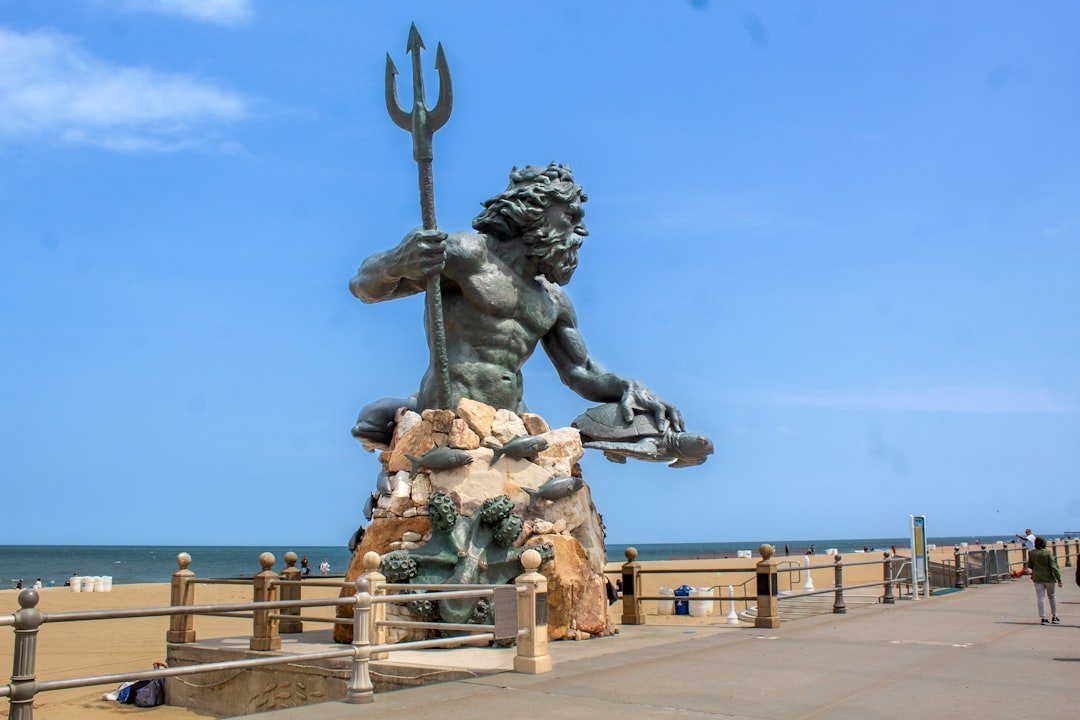
Virginia Beach works beautifully in May and early June. By the July 4th weekend, it becomes something else entirely. The oceanfront strip – dense with hotels, amusements, and restaurants – draws around 3 million visitors every summer, the vast majority of them clustered within the same few miles of boardwalk. Walking the 3-mile beachfront at 2 p.m. in August is not a casual afternoon activity. It’s a sweat-soaked endurance event, and the Atlantic water, while inviting, doesn’t undo an hour of full-sun exposure getting there.
The real exhaustion at Virginia Beach is cumulative. Finding beach parking is a half-hour ordeal on its own. Every restaurant on the strip runs a 45-minute wait. Hotels charge peak-season premiums that would make a Manhattan property manager blush. Experienced visitors know to be on the sand by 7:30 a.m. and back in air conditioning by noon – which tells you everything about what the middle of the day actually feels like here. It’s a great beach destination. Summer just extracts a price for every good moment.
#15 – San Antonio, Texas: Beautiful City, Punishing Sun

San Antonio has genuine world-class attractions – the River Walk, the Alamo, the Pearl District, the Spanish colonial missions. It also has a summer climate that turns even a leisurely stroll into a physical challenge. Average highs in July and August routinely hit 97-99°F, and the city sits at low elevation with nothing around it to moderate the heat. The famous River Walk, charming as it is, runs through a concrete channel that functions as a heat collector at midday, radiating warmth from every surface simultaneously.
The real problem in San Antonio is that its best attractions are almost entirely outdoors – or require outdoor transit between them. Serious visitors know to schedule outdoor sights before 10 a.m. and after 7 p.m., which means compressing the entire daytime itinerary into air-conditioned venues. It’s workable as a strategy, but it fundamentally transforms what the trip actually is. Summer in San Antonio is a logistics puzzle with the Texas sun as the main obstacle, and first-time visitors almost always underestimate how much that changes the experience.
At a Glance: Texas Summer Cities Compared
- San Antonio: 97-99°F highs, best sights are all outdoors, River Walk acts as a heat trap
- Dallas-Fort Worth: 100°F+ highs, wide exposed sidewalks, car-dependent layout amplifies exposure
- Houston: 93-95°F highs but Gulf humidity pushes real-feel above 100°F most July days
The Summer Endurance Test: U.S. Travel Quiz
Think you can handle the heat? From record-breaking desert streaks to the 'soup-like' humidity of the South, test your knowledge on how punishing America's top summer destinations actually are.
Think you caught the key details? Take the quick quiz and see how sharp your instincts really are.
#14 – Yosemite National Park, California: Breathtaking Views, Brutal Queues
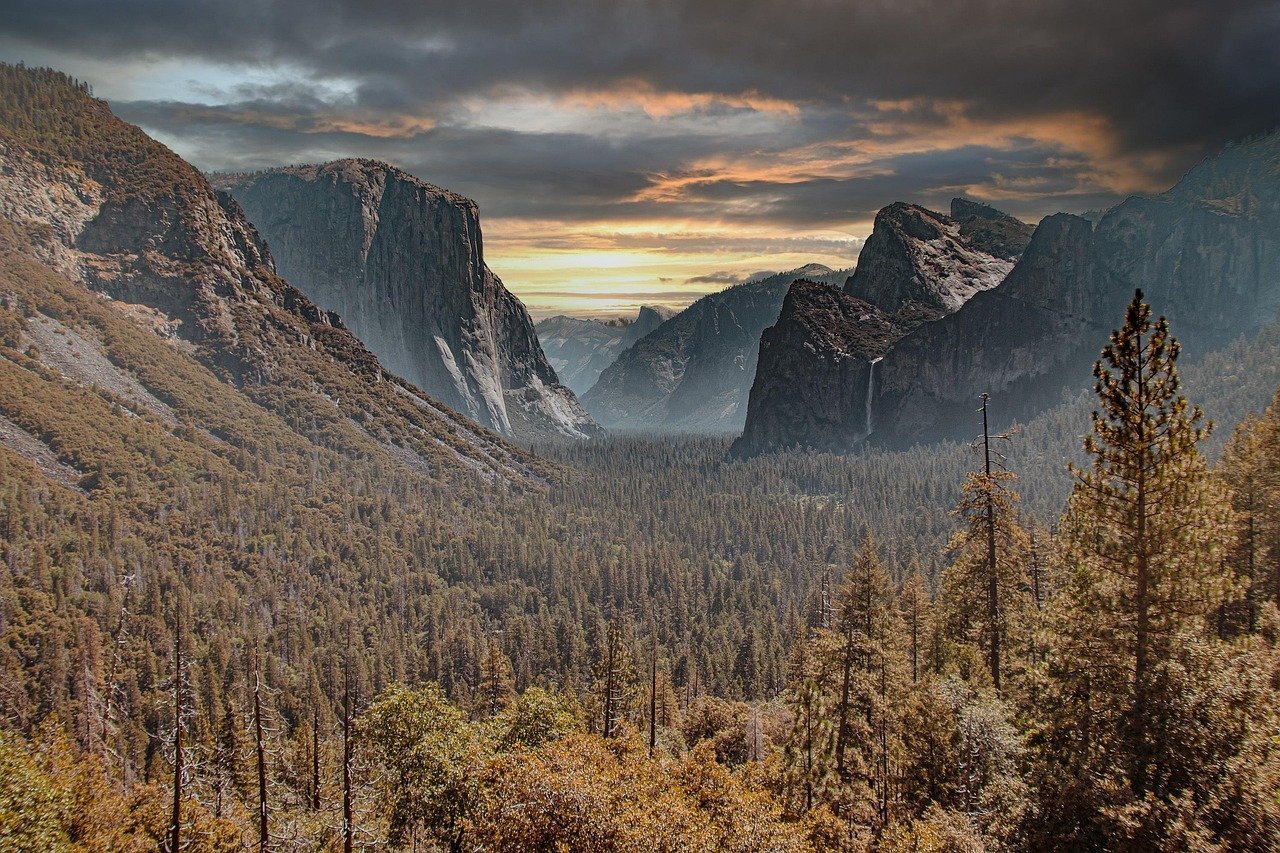
Yosemite is one of the most photographed places on earth, and in summer it sometimes feels like every one of those photographers is there at the same time. The park now requires advance day-use reservations during peak season, and even with a reservation in hand, expect to wait – for parking, for shuttles, for viewpoints that fill up before most people have finished breakfast. The Yosemite Valley, where nearly all the iconic sights are concentrated, functions as a natural bottleneck with no good workaround.
The exhaustion here is earned two ways. First, the physical reality: trails like the Vernal Falls route are genuinely demanding in July heat, with exposed upper sections that drain energy fast. Second, the logistical friction: parking lots fill before 8 a.m., shuttle buses overflow with standees, and popular overlooks look like theme park queues by mid-morning. The scenery is extraordinary – legitimately one of the most beautiful places in the country. The experience of reaching that scenery in midsummer is a separate thing entirely, and it’s significantly more grinding than the Instagram photos suggest.
#13 – Savannah, Georgia: Dripping With Charm – and Humidity
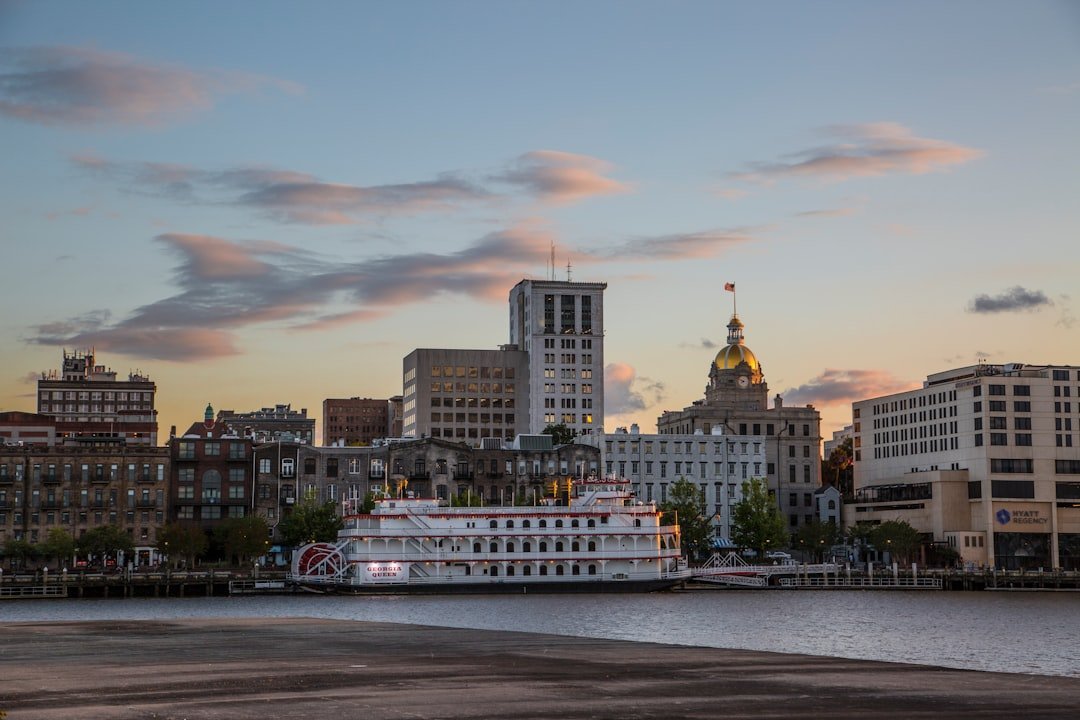
Savannah is one of the most beautiful cities in America by almost any measure. The moss-draped squares, the antebellum architecture, the cobblestone streets lined with live oaks – it’s genuinely unlike anywhere else in the country. Summer, however, wraps all of that beauty in a thick blanket of subtropical humidity that makes the air feel like warm soup. Average relative humidity in July hovers around 75-80%, temperatures hit the low 90s daily, and walking the historic squares – which is essentially the entire point of visiting – becomes an exercise in careful heat management rather than casual wandering.
The city’s tourism infrastructure hasn’t caught up with its growing popularity, meaning parking is a recurring headache and the most sought-after ghost tours, restaurant reservations, and river cruise slots book out days in advance. Tybee Island adds a genuine beach day option, but driving out there in peak summer adds traffic to an already-warm itinerary. Savannah in October is a completely different and measurably better experience. In July, you earn every beautiful square you visit – and the earning is real.
#12 – Nashville, Tennessee: Broadway Is a Sauna With a Live Soundtrack
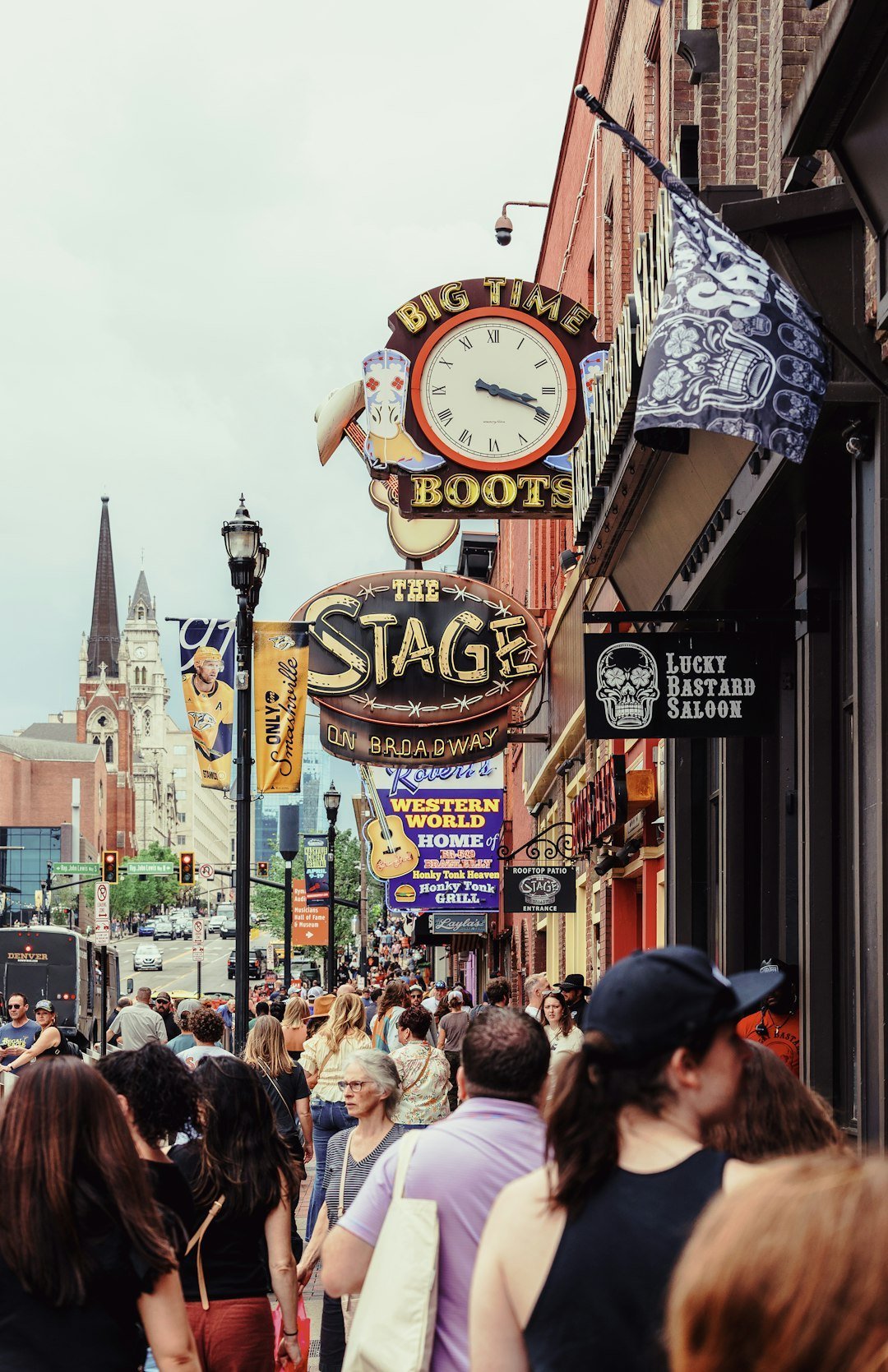
Nashville has exploded in popularity over the last decade, and summer is now its most crowded season by far. The famous Lower Broadway honky-tonk strip – where live bands play on every block, all day and all night – is genuinely electric. It’s also wall-to-wall people in open-front bars that spill heat onto sidewalks already baking in Tennessee summer sun. Climate data shows heat waves in Nashville are happening more often and lasting longer than they did in previous decades, with the average number of heat waves increasing by roughly three per year compared to the 1960s baseline.
The Nashville exhaustion is compounding in a way that’s hard to describe until you’ve lived it. It’s a walking city – but summer punishes walkers. It’s a bar-hopping city – but bar districts at 94°F with a crowd three-deep at every entrance are physically draining in ways that have nothing to do with what you’re drinking. Hotel prices during summer peak season have climbed steadily, with Nashville consistently ranking among the priciest domestic short-trip destinations. You’re paying more, sweating more, and competing harder for everything than you would in April. The city’s regulars often admit it quietly: summer is the wrong season.
#11 – Orlando, Florida: The Theme Park Hunger Games
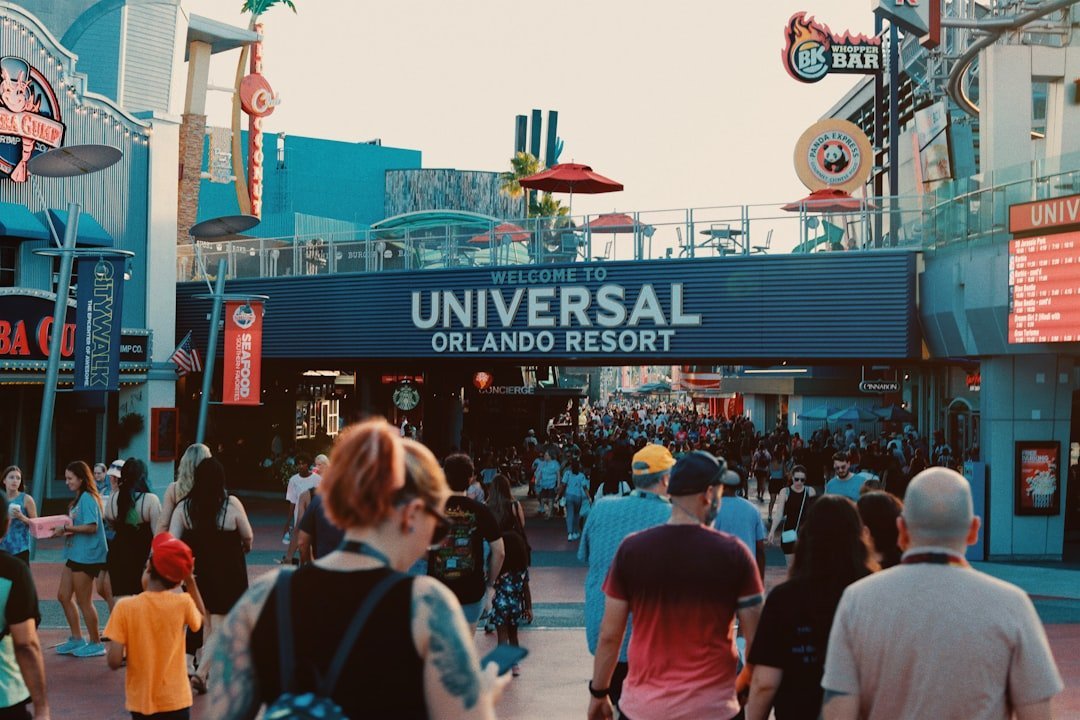
Orlando is the theme park capital of the world, and summer is when the entire country appears to decide to visit all at once. Spring crowds are notably lighter at Walt Disney World, Universal, and SeaWorld – which is the travel industry’s polite way of telling you what July looks like by comparison. Walt Disney World spans 25,000 acres, but the popular attractions funnel into wait times that routinely exceed 90 minutes per ride during peak summer weeks, and that’s with the park’s current reservation and crowd management systems in place.
The specific exhaustion of Orlando in summer is almost impossible to convey until you’ve experienced it. Florida’s relentless summer heat is matched only by the afternoon thunderstorms that arrive with clockwork reliability every day – typically between 3 and 5 p.m. – soaking guests and canceling outdoor shows while simultaneously pushing everyone indoors at once. The parks keep guests on their feet for 10 to 12 hours in that heat, with limited shade. The addition of paid Lightning Lane skip-the-line passes means budget travelers stand in 90-minute queues while other guests walk past them. It’s a full-contact sport dressed up as a family vacation.
Worth Knowing: Orlando Summer Survival Numbers
- Average July high: 92°F with heat index regularly topping 100°F
- Afternoon thunderstorms hit 3-5 p.m. nearly every day during peak summer
- Top ride wait times routinely exceed 90 minutes on summer weekdays
- Most major parks require 10-12 hours of walking to cover the highlights
- Paid skip-the-line passes can add $25-$35 per person per day on top of admission
#10 – Houston, Texas: The City That Broke Its Own Record
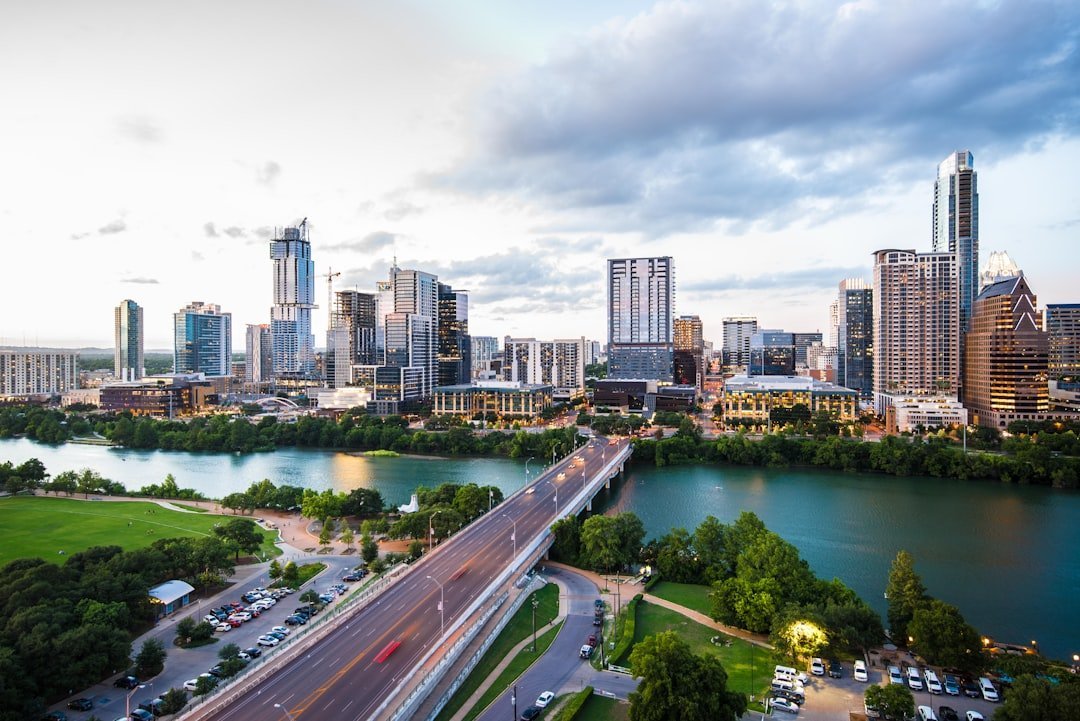
Houston doesn’t get nearly enough credit – or warning – when serious travelers discuss brutal summer destinations. It combines extreme heat with Gulf Coast humidity in a way that lands harder than most other cities on this list. Average summer highs sit around 93-95°F, but Gulf moisture pushes the real-feel temperature above 100°F on most July and August days. In 2024, Hurricane Beryl triggered massive power outages lasting days during what ranked among Houston’s top 10 hottest summers on record, layering infrastructure chaos directly on top of an already-punishing baseline climate.
Houston is a massive, sprawling city built almost entirely around cars, which means every destination requires a drive, parking, and a walk across sun-baked asphalt. There is virtually no shade in the commercial corridors connecting its major attractions. The city’s world-class museums and excellent food scene make it genuinely worth visiting – but the outdoor intervals between destinations in July are a different matter entirely. Locals adapt over years. Tourists underestimate the gap between the forecast and the felt reality, and they pay for that miscalculation in exhaustion by day two.
#9 – Las Vegas, Nevada: Perfect Climate Control Behind Glass, Lava Outside

Las Vegas has a trick no other hot-weather city on this list can fully match: almost everything worth doing is indoors, and the indoors is kept at a perfectly calibrated 68-70°F year-round. The casinos, restaurants, shows, and shopping are all climate-controlled to a degree that borders on aggressive. Las Vegas is actually quieter in summer than in spring or fall – locals know the temperatures can exceed 110°F, and that does deter a meaningful share of the tourist crowd. The Strip, however, requires outdoor walking between those casino entrances. And that walk is in direct Nevada desert sun.
The exhaustion in Vegas is deceptive precisely because it’s invisible until it hits. You step outside from one climate-controlled property and walk 200 yards to the next – but those 200 yards are in 108°F sun with no shade and heat radiating up from the pavement simultaneously. It hits instantly and physically, in a way that’s distinct from humid heat. Tourists consistently underestimate how much those short outdoor intervals drain them across a full day on the Strip. Pool areas and outdoor venues become genuinely dangerous in the afternoon hours. Vegas ranks this high not because of crowds but because the heat-to-infrastructure mismatch catches visitors completely off guard, every single summer.
#8 – Miami, Florida: Glamorous, Humid, and Relentlessly Loud
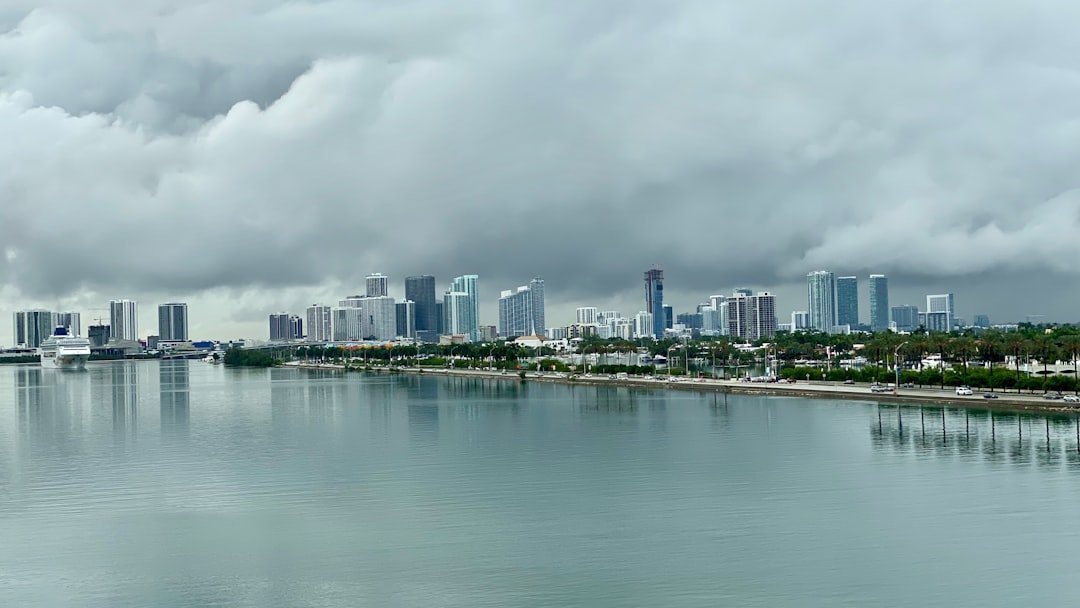
Miami in summer is a specific kind of exhausting that resists easy categorization. The heat index in July and August regularly tops 105°F, driven by South Florida temperatures in the low-to-mid 90s combined with humidity levels that hover around 75-80%. Afternoon thunderstorms arrive almost every day – typically between 3 and 5 p.m. – soaking streets and shutting down beach time just as the worst of the midday heat finally breaks. The rain passes quickly. The air it leaves behind feels even thicker than before.
Beyond the climate, Miami’s summer exhaustion is logistical. South Beach parking is a daily crisis with no clean solution. Traffic on the causeways connecting Miami Beach to the mainland backs up at predictable hours and surprise ones. The city’s identity is built on nightlife, which means the crowd you’re competing with at 11 p.m. barely slept the night before – and neither will you if you’re trying to keep pace. Miami’s summer tourist base skews toward international visitors and serious nightlife travelers who actually prefer the compressed, slightly quieter peak-of-summer calendar. It is an exhausting city even when everything goes exactly right.
#7 – Tucson, Arizona: The Sonoran Desert With No Mercy

Tucson is breathtakingly beautiful – Saguaro National Park wraps around two sides of the city, the Santa Catalina Mountains rise dramatically to the north, and the Sonoran Desert landscape is unlike anything in the eastern half of the country. What most first-time summer visitors don’t anticipate is the absolute severity of the heat. Tucson has experienced summers with triple-digit temperatures for 39 consecutive days, and July and August regularly produce peaks above 105°F. The desert offers no shade that isn’t manufactured, and the sun angle at this latitude is relentless from roughly 8 a.m. to 7 p.m.
Air travel to Tucson drops dramatically in summer – down roughly 40% compared to other seasons in some analyses – which tells you something important: even aggregate travel behavior reflects the reality of visiting here in July. The people who do come must accept that outdoor activity is essentially limited to the hours before 9 a.m. Hiking in Saguaro at sunrise is genuinely transcendent. Attempting the same trail at 2 p.m. in August is not adventurous – it’s dangerous. Tucson ranks this high because there is simply nowhere to escape the heat once you’re outside the car or the hotel, and that window closes fast.
#6 – The National Mall in Mid-July: A Separate Circle of Heat
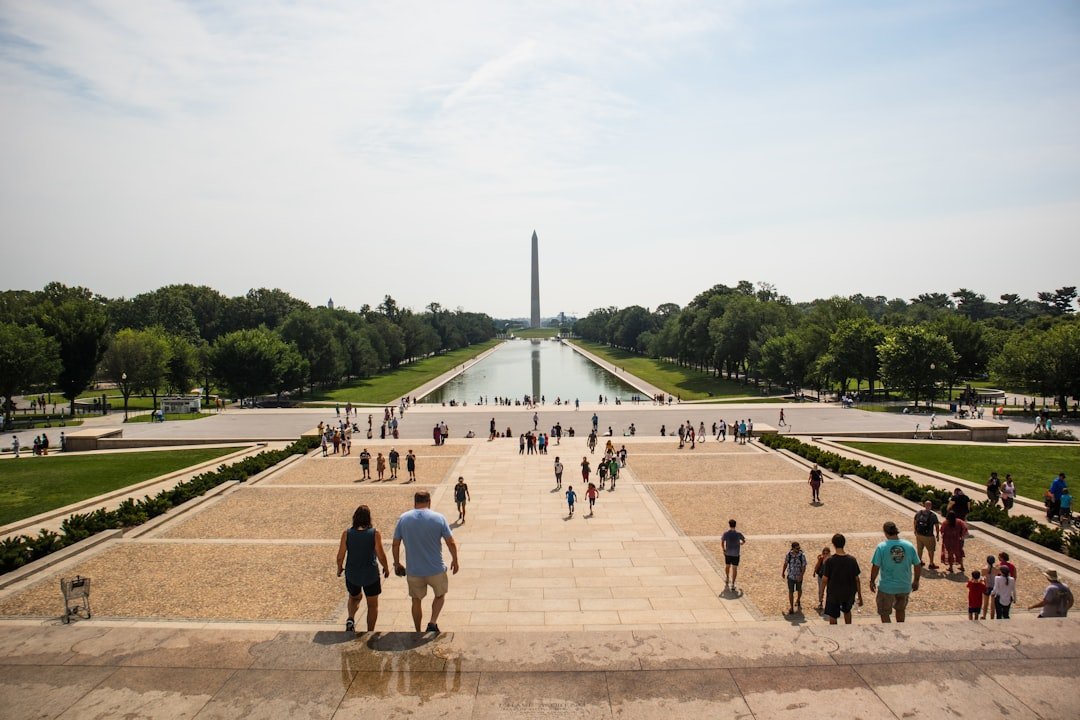
D.C. appeared at #19 in the broad city ranking – but the National Mall in mid-July is a specifically exhausting experience that deserves its own conversation. The Mall is nearly two miles of unshaded white stone and concrete with limited seating, almost no natural shade, and a restroom situation that falls dramatically short of the summer crowd it draws. Millions of families visit every year because Smithsonian admission is free – which is genuinely extraordinary – but the outdoor terrain connecting those museums is one of the most exposed, heat-radiating corridors in any American city.
The particular trapped quality of the Mall in summer is what earns it this separate entry: once you’re in the middle of it, you’re committed. Metro exits are spaced far apart, and the summer thunderstorms that roll in with little warning strand visitors with nowhere to shelter. A major heat event in late June 2025 pushed heat index values above 105°F across much of the Mid-Atlantic, with heat advisories issued across multiple counties. The monuments are worth every visit. The experience of moving between them at noon in August is a genuine test of endurance that guidebooks consistently undersell.
#5 – Dallas-Fort Worth, Texas: Scorched Earth Between Air-Conditioned Destinations
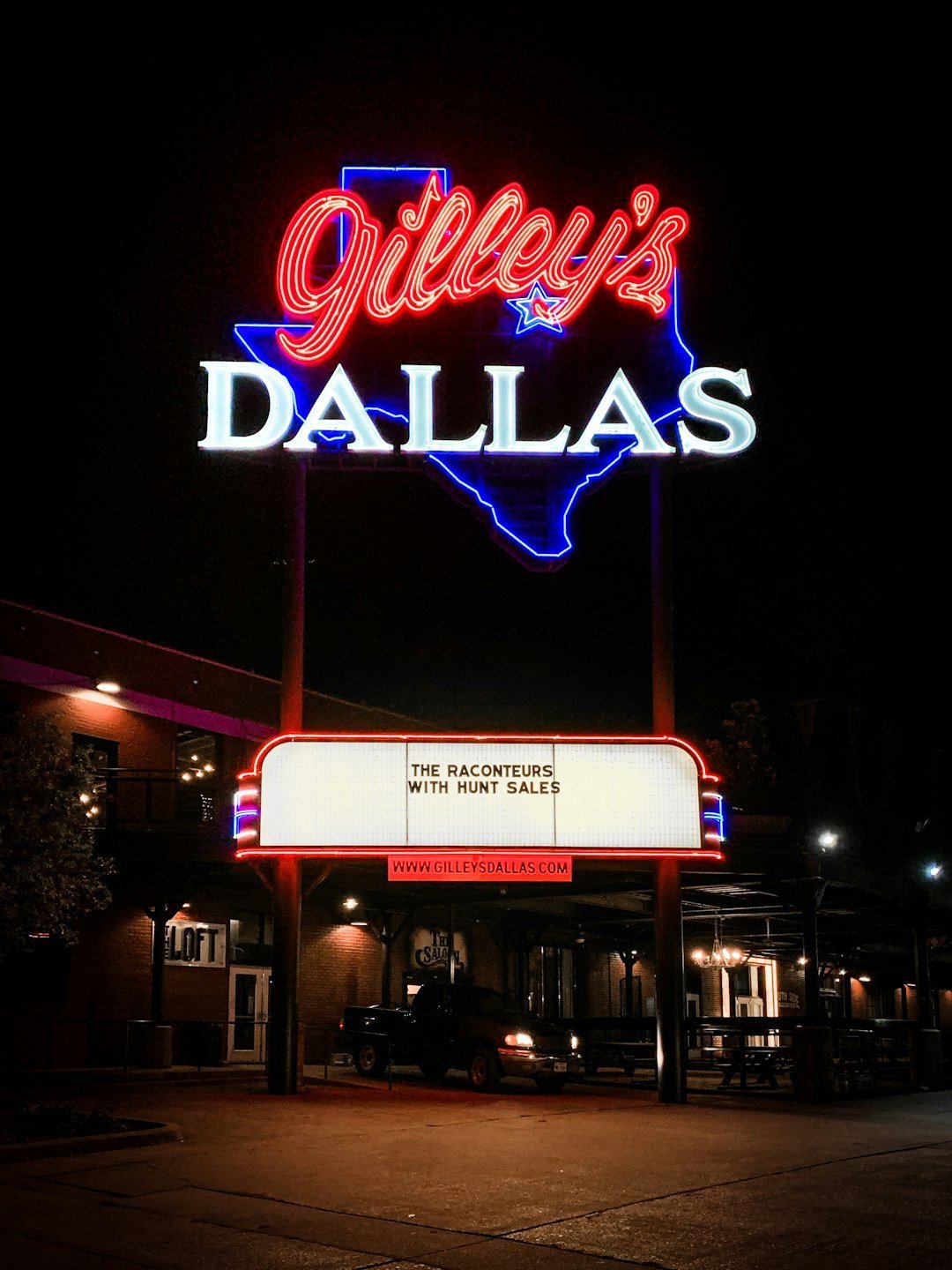
Dallas-Fort Worth is a sprawling, car-dependent metro built for a climate that has grown dramatically more extreme over the last two decades. Meteorological forecasts for DFW summers project average highs climbing above 100°F in June, July, and August, with heat wave peaks that can surpass 105°F. The metro area has excellent cultural attractions – world-class museums, a revitalized downtown core, outstanding restaurants – but every interval between them involves parking and outdoor walking across surfaces that retain and radiate heat with impressive efficiency.
What separates Dallas from the cities ranked above it isn’t temperature alone – it’s the infrastructure design. Wide, fully exposed sidewalks, massive parking structures that act as heat sinks, and a transportation culture built entirely around driving means pedestrians are treated as an afterthought. Stepping out of a hotel lobby or restaurant in July DFW feels like opening an oven door at face level. Dallas recorded its third-hottest summer on record in 2024, and the trend line points consistently warmer. Locals are adapted. Visitors discover the gap on day one, usually during whatever they thought would be a quick walk.
#4 – New Orleans, Louisiana: The Heat Index City

New Orleans is the most humid major city in the United States. The average relative humidity in July sits around 73-75%, the air has a physical weight to it from the moment you step outside, and that’s before the temperature climbs into the low 90s. The heat index in July is estimated at a blistering 105.8°F on average – and that’s not a spike, that’s the baseline. This isn’t uncomfortable in the way that a crowded subway is uncomfortable. It is medically significant heat that demands real precautions from anyone not acclimated to subtropical conditions.
The French Quarter’s famous character – the narrow streets, the second-line parades, the walking food and music culture – demands full outdoor engagement in conditions that are physiologically exhausting for anyone not raised in them. Locals develop strategies over years. Tourists step off the plane in July and feel their clothes adhere to their skin within 90 seconds of exiting baggage claim. The food, the music, and the culture in New Orleans are genuinely incomparable – some of the best in the country. The summer climate is one of the most physically demanding environments any major American city imposes on its visitors, full stop.
Quick Compare: What the New Orleans July Numbers Actually Mean
- Average July high: 89°F – sounds manageable until you add the humidity
- Average heat index: 105.8°F – the real felt temperature in shade with light wind
- Average humidity: 73-75% in July, the peak of the year
- Overnight low: 79°F average – no overnight recovery for your body
- Summer temp trend: 4°F hotter now than in 1970, per Climate Central
#3 – Boise, Idaho: The Surprise Entry That Catches Everyone Off Guard

Most people don’t put Boise on a list like this, which is exactly the problem. It’s a mid-sized Western city with a growing national profile, known for its outdoor lifestyle, farm-to-table food scene, and easy access to hiking and whitewater. What most visitors don’t anticipate is what happens when a semi-arid high-desert city gets hit by the kind of heat waves that have become increasingly common across the inland West. Boise recorded its second-hottest summer in records dating to before Idaho’s statehood, tying for its second-most days with triple-digit heat at 20 days, and reaching a nightly low of 82°F on July 22 – a number more typical of the Gulf Coast than a high-desert city sitting at 2,700 feet elevation.
Boise ranks this high because of the expectation gap. Visitors come specifically for the outdoor lifestyle – the Foothills trails, the Boise River Greenbelt, the whitewater parks – and then discover that the outdoor lifestyle is accessible for approximately three hours in the early morning before the heat shuts it down. Unlike Phoenix or Las Vegas, Boise hasn’t fully built the infrastructure of a desert city: the constant indoor alternatives, the shade architecture, the cultural acceptance that midday outside simply isn’t happening. The city is adapting to its new climate faster than its visitors are adapting to the new reality. Summer 2024 was a genuine wake-up call for everyone who still thought of Boise as a mild-weather escape.
#2 – Houston in August: A Heat Index With No Off Switch
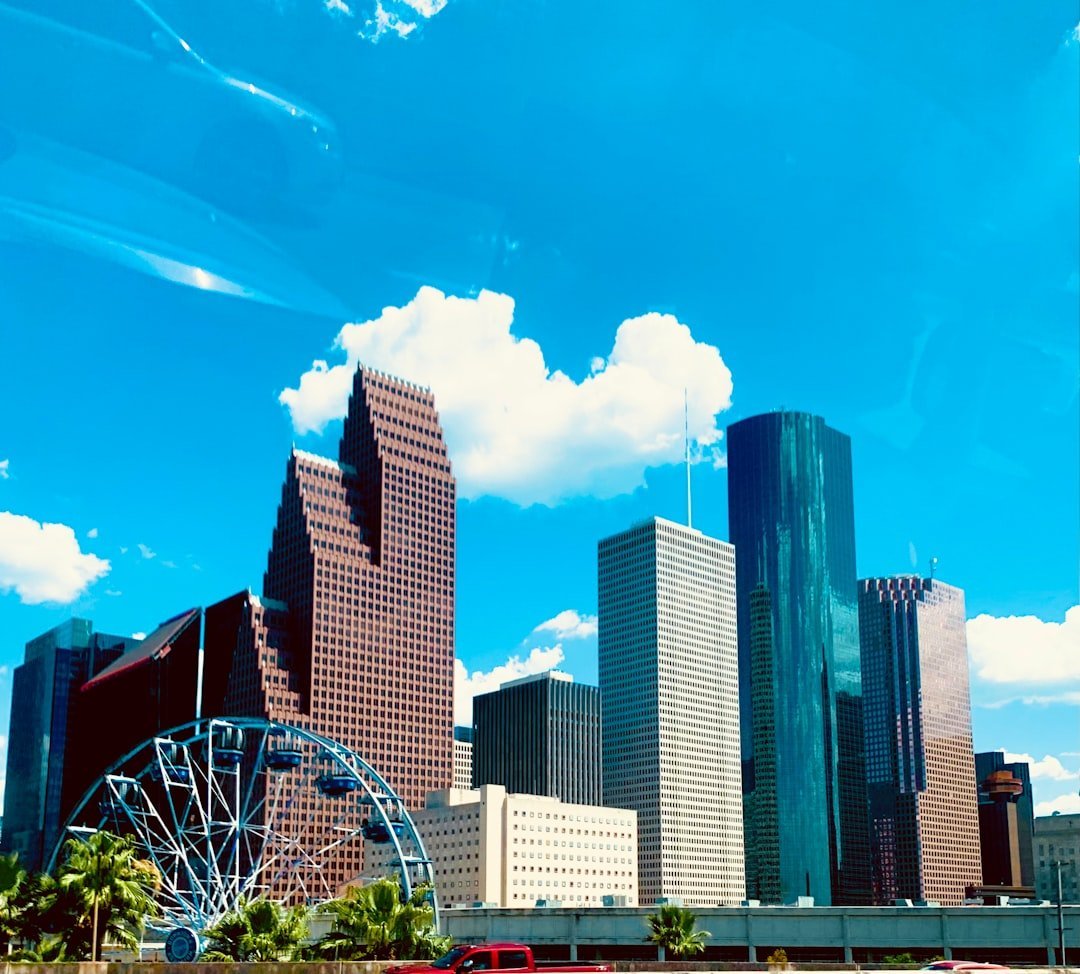
Houston appeared at #10 in this ranking for its general summer conditions – but August in Houston specifically, when Gulf humidity reaches its annual peak and the heat dome over the Texas coast shows no interest in shifting, is one of the two most exhausting summer experiences available anywhere in the country. The heat index in August regularly hits 108-112°F, and overnight lows barely dip below 80°F. There is no overnight recovery. You wake up depleted because sleeping in 80°F ambient heat – even with air conditioning fighting the thermal load of the building – wears the body down cumulatively across days in a way that a single hot afternoon does not.
Houston’s layout makes avoidance nearly impossible. It is one of the largest cities by land area in the United States, and its public transit footprint is limited relative to that size, meaning every errand involves a car, a parking lot, and a walk across radiating asphalt. Hurricane Beryl knocked out power for days during the summer of 2024, stripping Houstonians of their air conditioning during one of the most severe heat events in the city’s recorded history – a preview of what a warming Gulf Coast increasingly means in practice. The city is wonderful and worth knowing. August there is a war of attrition between the human body and the atmosphere, and visitors who underestimate that tend to spend the last day of their trip horizontal.
The Summer Endurance Test: U.S. Travel Quiz
Think you can handle the heat? From record-breaking desert streaks to the 'soup-like' humidity of the South, test your knowledge on how punishing America's top summer destinations actually are.
Think you caught the key details? Take the quick quiz and see how sharp your instincts really are.
#1 – Phoenix, Arizona: The Most Exhausting Summer Destination in America
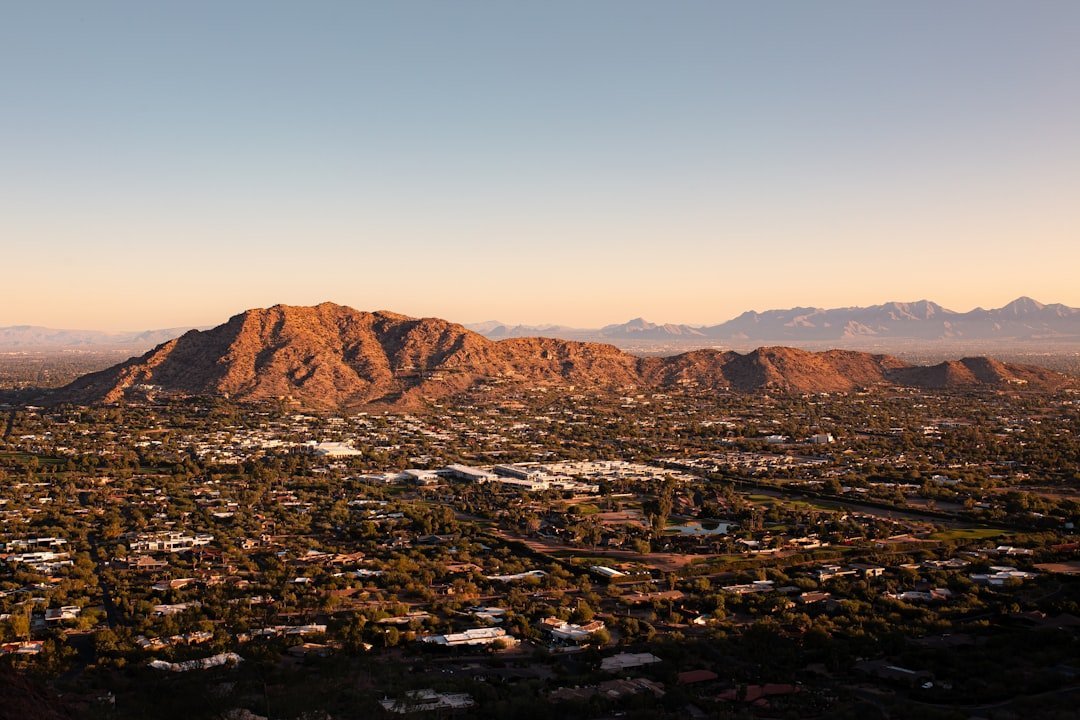
Nothing else on this list is close. Phoenix set its hottest year on record in 2024, and it wasn’t marginal – it was historic. The city recorded 113 consecutive days with highs above 100°F, shattering the previous record of 76 days set in 1993. That prior record stood for three decades. The new one didn’t just break it – it made it look like a mild stretch. Over the last 30 years, Phoenix averaged about 21 days per year above 110°F; in 2024, the city recorded 61 days above that threshold. Triple-digit heat didn’t end in summer. It stretched into fall. And unlike the humid heat of New Orleans or Houston, the dry desert air allows the body to radiate heat less efficiently, meaning prolonged exposure causes fatigue, heat exhaustion, and heatstroke at a rate that catches visitors off guard even when they think they’re prepared.
Phoenix isn’t just the hottest – it’s the most unforgiving. Maricopa County reported 645 heat-related deaths in 2023, and the 2024 toll was still climbing through the summer months. The city has built a functional architecture around its reality: constant air conditioning, covered walkways, a social life that turns nocturnal in summer. But no amount of infrastructure changes what it physically costs to step outside at noon in July. Visitors who come in March for spring training and think they understand Phoenix are routinely blindsided by what July actually delivers.
Why It Stands Out: Phoenix by the Numbers
- 113 consecutive days above 100°F in 2024 – the all-time record, smashing 1993’s 76-day mark
- 61 days above 110°F in 2024, a new record (previous record: 55 days, set in 2023)
- 37 nights in summer 2024 that never cooled below 90°F – another record
- 645 heat-related deaths in Maricopa County in 2023; 2024 tracking similarly
- 2024 confirmed as Phoenix’s hottest year on record by the National Weather Service
Phoenix has been this epicenter in the U.S. of just truly remarkable heat – and it’s not just that it’s hot, it’s that it’s prolonged.
Kaitlyn Trudeau, Climate Central
No destination in America demands more from a summer visitor’s body. It is the undisputed #1, and it isn’t a close call.
Summer travel has never really been about comfort – it’s about whether the payoff is worth the cost. The Grand Canyon at golden hour, the French Quarter at 10 p.m., the Smokies at sunrise – those experiences justify a serious amount of sweat. But knowing what you’re actually signing up for changes how you plan, what you pack, and what time you set your alarm. The destinations that exhaust you the most are rarely the ones that disappoint you the most. They just require a different kind of respect going in.