
You saved for two years. You followed the Instagram accounts, watched the YouTube vlogs, and told everyone at work you were finally doing it. Then you got there – and something felt off. The crowds were suffocating. The price tags were obscene. The “magical moment” you’d imagined was blocked by 300 other people holding up their phones. A surprising number of the world’s most celebrated bucket list trips are leaving travelers not inspired, but quietly devastated – and the regret rate for big-ticket dream trips is climbing fast.
What makes it sting even harder is that these aren’t cheap impulse buys. These are once-in-a-lifetime trips that cost real money, require months of planning, and come loaded with years of emotional buildup. When the reality doesn’t match the dream, there’s no easy do-over. Here are 21 bucket list trips that real travelers say they deeply regret – counting down from the mildly disappointing all the way to the one that shocked people the most.
#21 – Times Square, New York City: The Neon Letdown
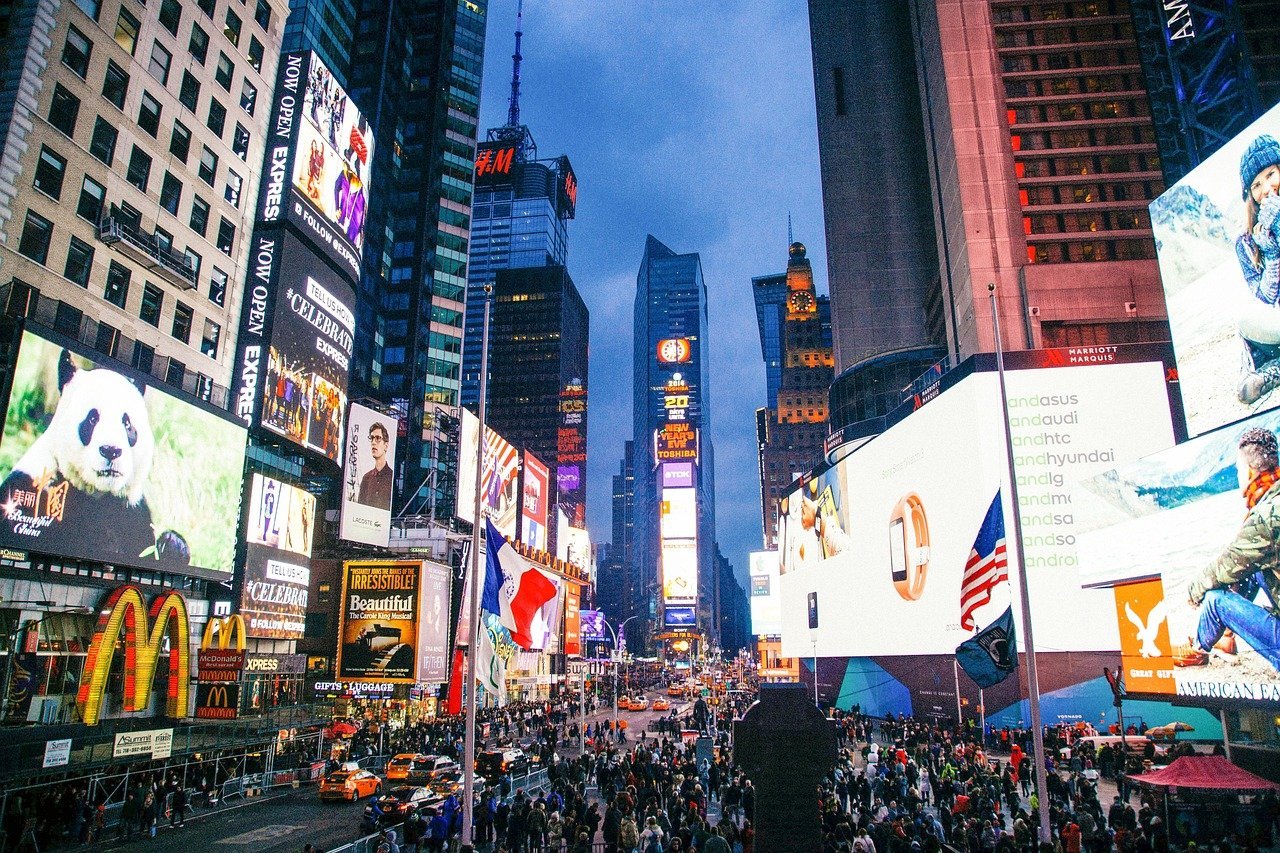
It’s one of the most photographed corners on Earth, plastered across every “New York dream” vision board in existence. But Times Square hits very differently in person. It’s a corporate advertisement district where actual New Yorkers actively avoid going – just bright lights, overwhelming crowds, and overpriced chain restaurants you can find in any strip mall back home. The souvenir shops are designed to extract cash from visitors who haven’t been told the truth yet.
The neon and noise are overwhelming rather than electric, and pushy vendors make it hard to enjoy even a minute of it. Travelers who make Times Square the heart of their New York trip almost universally wish they’d explored Brooklyn, the Upper West Side, or the West Village instead – neighborhoods where the city’s actual personality lives. New York itself is extraordinary. Times Square is just the part they sell to people who don’t know better yet.
At a Glance
- Times Square draws roughly 50 million visitors per year – making it one of the world’s most visited, and most complained-about, tourist spots
- Most New Yorkers actively route around it in daily life
- Costumed character “photo ops” are free to take but can come with aggressive tip demands
- Brooklyn Bridge, the High Line, and the West Village all score dramatically higher in repeat-visitor satisfaction
#20 – Stonehenge, England: Big Rocks, Big Disappointment
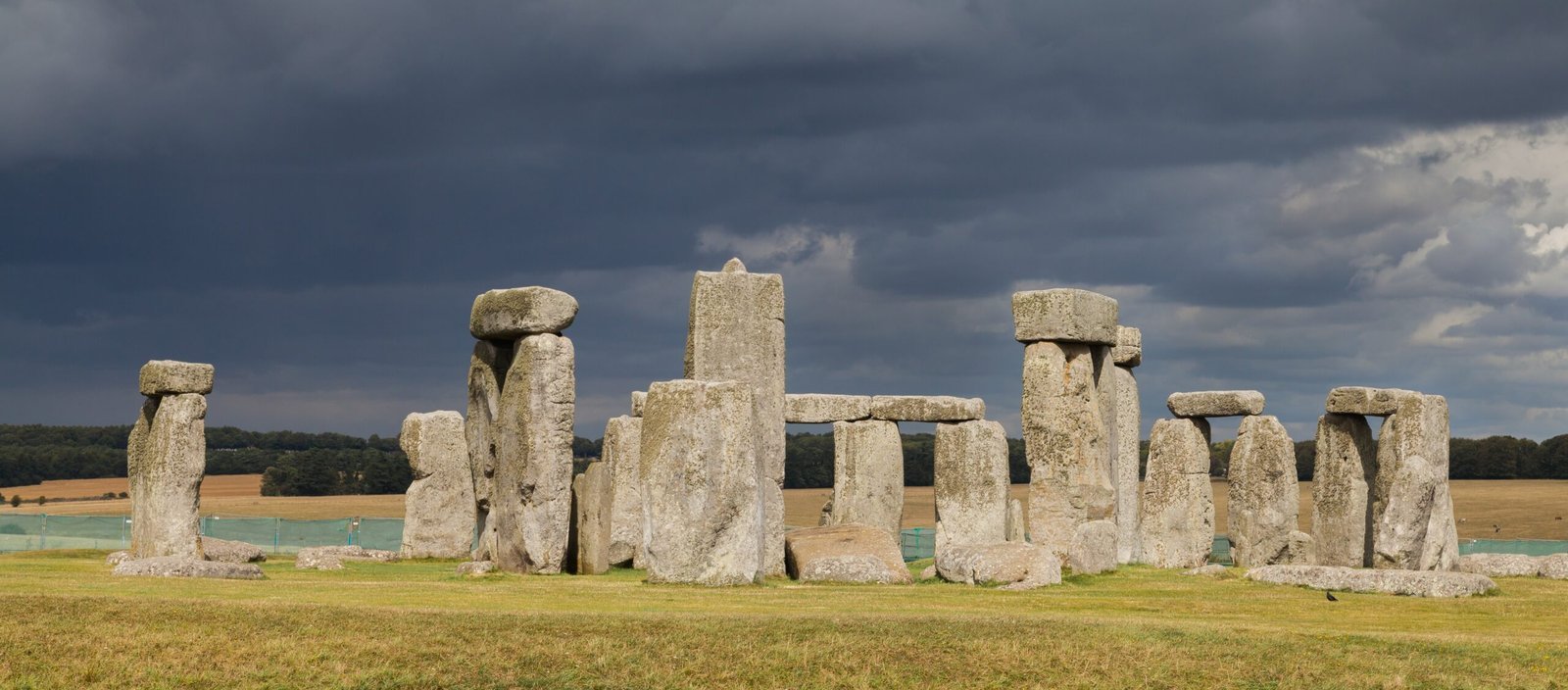
People fly transatlantic, rent cars, and drive through the English countryside expecting something ancient and spine-tingling. What they get is a ring of large stones viewed from behind a rope barrier in a damp field. In 2024, a Rough Guides poll voted Stonehenge the world’s most overrated attraction – and that verdict followed years of nearly identical complaints from frustrated visitors who expected to feel history and instead felt a parking fee.
You’re kept at a significant distance from the monument the entire time, and the on-site context is minimal. The weather is usually miserable. For many travelers, it’s a brief shuffle around a rope barrier before getting back in the car and wondering why they came. A renovation project began in 2024 to improve the visitor experience, but experts question whether construction can fix what is fundamentally a viewing experience that keeps you very far from the thing you traveled to see.
#19 – The Blue Lagoon, Iceland: Tepid Water, Inflated Hype

Iceland is one of the most dramatic landscapes on the planet. But its most marketed attraction has a secret the travel brochures rarely mention: the famous Blue Lagoon is actually a byproduct of the nearby Svartsengi geothermal power plant. The milky water is runoff from the facility, not a natural spring. Travelers who pay hundreds of dollars expecting a raw geothermal wonder often find instead a heavily managed spa pool – beautiful in photographs, but underwhelming in person.
The silica mud and warm water are genuinely soothing, but the enormous entry fee and shoulder-to-shoulder crowds turn it into something closer to an expensive theme park than an authentic Icelandic experience. Traveler after traveler reports the same reaction: gorgeous from outside, oddly hollow once you’re in it. Iceland’s Westfjords and the country’s many lesser-known hot springs offer a far more real encounter with the volcanic soul of the place – and most of them cost almost nothing.
#18 – Hollywood Boulevard, Los Angeles: Fame Without the Glamour
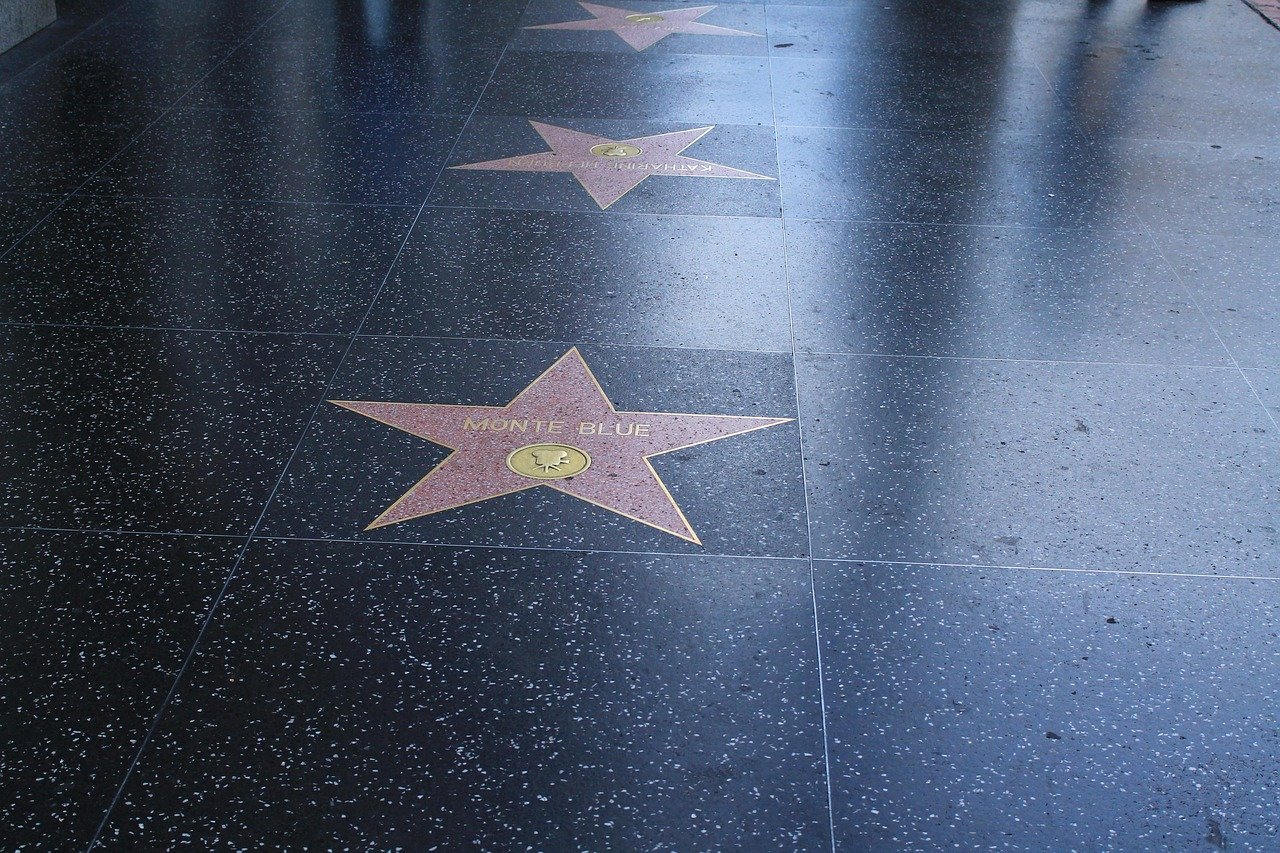
The dream: breathing the golden air of show business, feeling the electricity of the entertainment capital of the world. The reality: a grimy sidewalk covered in tourist footprints, costumed characters aggressively demanding tips for photos, and overpriced plastic in every shop window. The Walk of Fame is literally just names on a dirty sidewalk – surrounded by tourists taking photos while stepping over people sleeping in doorways and dodging aggressive tour operators.
The magic of Hollywood exists in studios and on screens, not on this particular street. Los Angeles has genuinely incredible things to offer – the Getty Center, stunning canyon hikes, world-class food scenes in a dozen different neighborhoods – but Hollywood Boulevard isn’t one of them. Travelers who make it their centerpiece routinely rank it among their worst travel decisions. Treat it as a fifteen-minute photo stop on the way to somewhere actually worth your time, and you’ll leave with your dignity mostly intact.
#17 – The Mona Lisa at the Louvre, Paris: The World’s Most Anticlimactic Painting
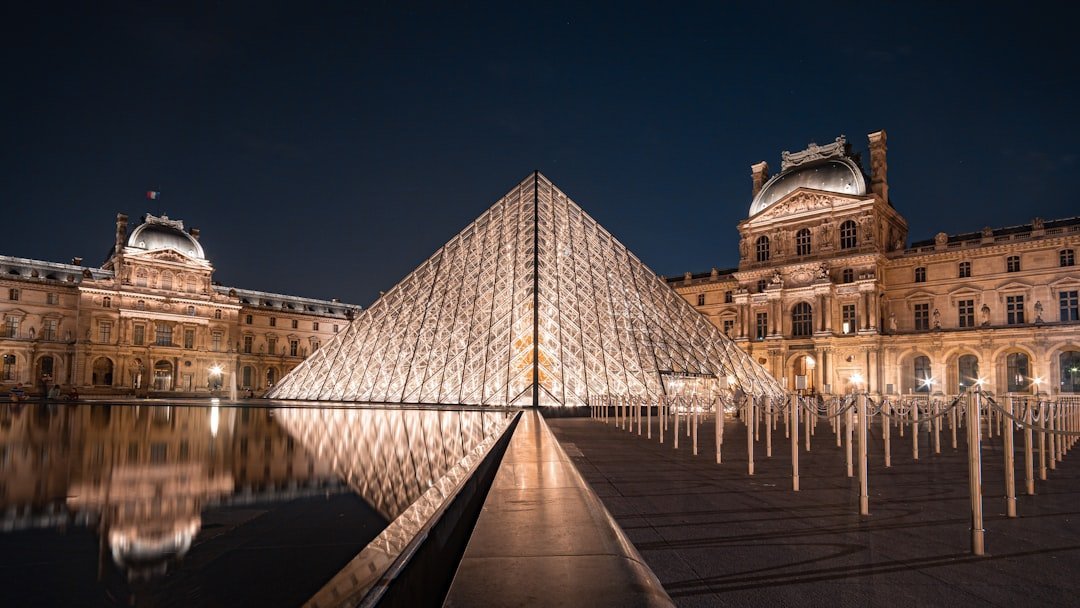
Every art lover has it on their list. Stand in front of the most famous painting in human history. Feel something profound. What they don’t tell you is that the Mona Lisa is roughly the size of a carry-on bag, displayed behind thick bulletproof glass, surrounded by a rope barrier, and barely visible through a wall of smartphones held up by hundreds of people all having the same underwhelming moment simultaneously. In 2024, 8.7 million people visited the Louvre – nearly double what it was designed to handle.
Even committed art lovers list it among their travel disappointments. It’s tiny, you have to jostle just to get close, and if that’s all you came to the Louvre to see, it amounts to a pretty expensive five minutes of frustration. The rest of the Louvre is genuinely breathtaking – which makes the Mona Lisa experience even more infuriating by comparison. You’ve paid the entry fee, fought the crowd, and the masterpiece you came for is a postage stamp behind a wall of selfie sticks. The Louvre itself is worth every euro. That one painting is the trap inside it.
Fast Facts
- The Mona Lisa measures just 30 x 21 inches – roughly the size of a standard piece of carry-on luggage
- 8.7 million people visited the Louvre in 2024, making crowd control at the painting a near-constant challenge
- The painting has been behind bulletproof glass since a 1956 acid attack damaged the lower portion
- The rest of the Louvre holds over 35,000 works – most of which you can approach within arm’s reach, with no queue
#16 – Cancún, Mexico: All-Inclusive, All Regret

It sells itself as paradise: white sand, turquoise water, and an all-inclusive wristband that makes everything feel effortless. But for a growing number of travelers, Cancún’s Hotel Zone delivers a manufactured fantasy that cuts them off entirely from real Mexico. A Radical Storage study analyzing nearly 100,000 Google reviews of the world’s most-visited cities placed Cancún at the top of the most disappointing tourist destinations of 2025 – with nearly one in seven reviews being negative, the highest rate of any city analyzed.
The all-inclusive model sounds appealing until you realize it means spending an entire vacation inside a resort strip that could be anywhere on Earth. Overpriced cocktails, packed pool bars, and zero sense of actually being in Mexico. More than half of visitors in a recent survey reported feeling robbed of authentic culture and adventure. Mexico has extraordinary depth – ancient ruins, incredible regional food, colonial cities that will genuinely change you. Cancún’s tourist corridor shows almost none of it.
The Reality of the Bucket List
From the crowds of Venice to the costs of the Maldives, some of the world's most iconic destinations are leaving travelers with more regret than inspiration. Test your knowledge of the facts behind these famous tourist traps.
Think you caught the key details? Take the quick quiz and see how sharp your instincts really are.
#15 – Mount Rushmore, South Dakota: A Long Drive to a Small Surprise

Carved into the Black Hills, four presidential faces staring out from a granite cliff – the idea of it is genuinely compelling. The reality, for many travelers, is the shock of how small the whole thing feels after hours of driving through remote terrain to get there. Visitors consistently describe it as one of the most disappointing tourist stops in America, citing the limited viewing angles, the steep parking fee, and the strange absence of anything meaningful to do once you’ve taken the one available photograph.
There’s really only one angle from which you can see the sculpture – straight on from the viewing terrace – and once you’ve taken that photo, most visitors find themselves wondering what to do next. The drive through the Black Hills themselves is arguably the more rewarding part of the trip. Many travelers who made Rushmore the centerpiece of a major journey say they wish they’d devoted more time to Badlands National Park instead, which sits nearby, free to enter on certain days, and is genuinely alien and breathtaking in a way the carved mountain simply isn’t.
#14 – Niagara Falls, New York/Ontario: Beautiful Falls, Tacky Everything Else
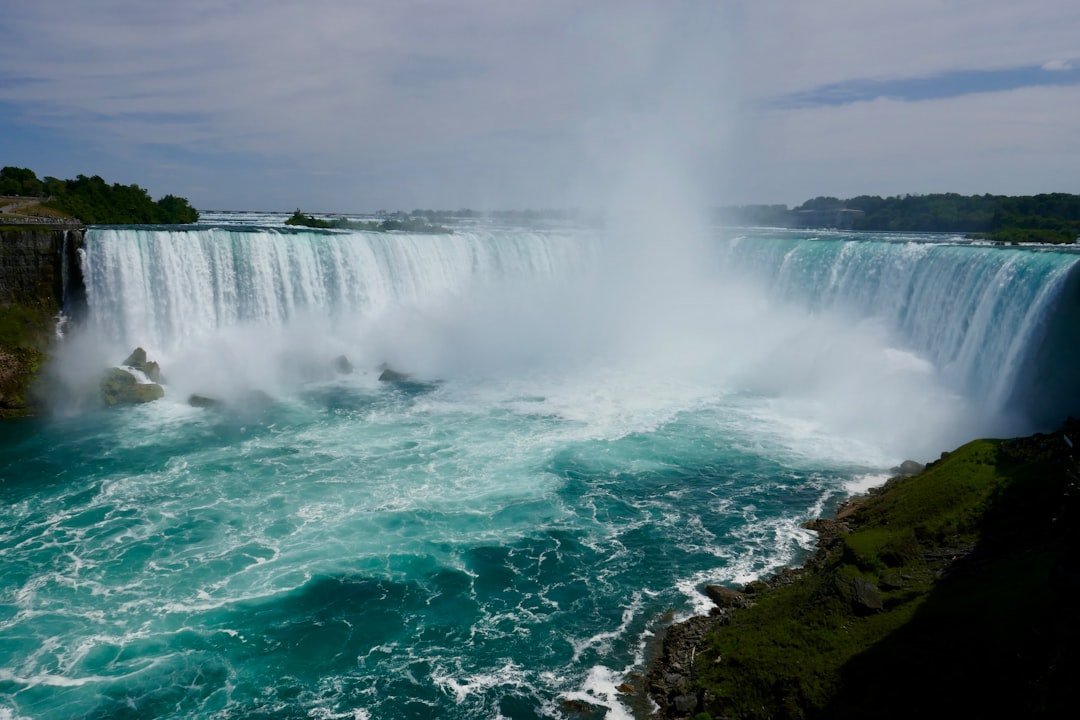
The falls themselves are undeniably powerful. Standing at the edge and feeling the mist on your face while 3,160 tons of water thunder over per second – that part is real and earned. But what surrounds Niagara Falls on both the American and Canadian sides has become, according to nearly every honest travel account, a relentless strip of tourist traps, wax museums, and overpriced hotels designed to squeeze every dollar out of people who drove a long way and feel committed to enjoying themselves.
The falls were once America’s top honeymoon destination before over-commercialization consumed the surrounding area. Travelers who dream of a quiet, awe-inspiring moment with nature are almost always disappointed. Those who know what they’re getting into – and go for the kitsch with their eyes open – tend to enjoy it far more. The core experience is spectacular. Everything surrounding it was apparently designed by someone determined to make sure you couldn’t fully savor it.
Quick Compare
- The falls themselves: Genuinely powerful, worth seeing – 3,160 tons of water per second is not a exaggeration
- American side: Better up-close access to the falls; the surrounding area is more run-down
- Canadian side: Better views of the Horseshoe Falls; more commercialized strip with casinos and wax museums
- Best move: Visit at dawn or dusk on a weekday, skip the wax museums entirely, and budget one day max
#13 – Waikiki Beach, Oahu, Hawaii: Paradise Paved Over
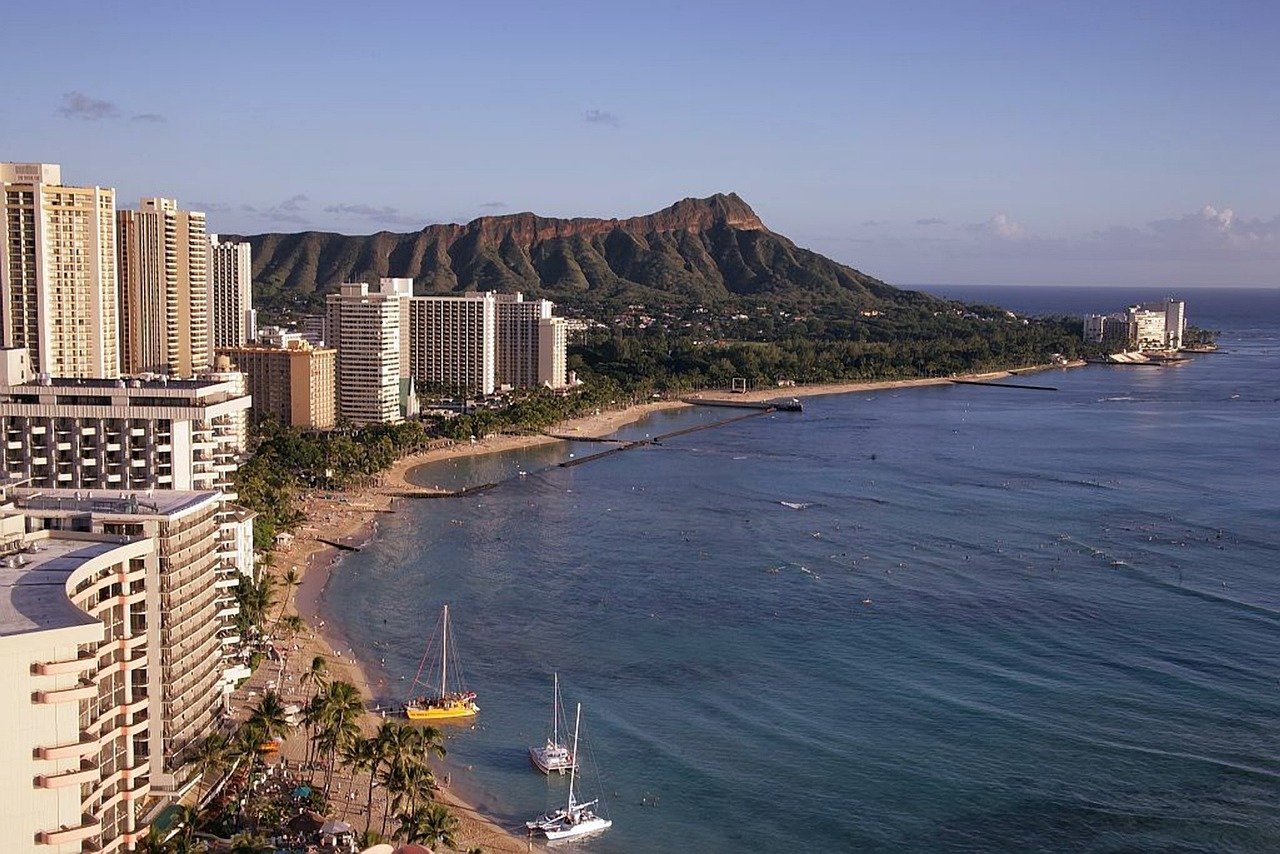
Hawaii is one of the most beautiful places on Earth, and Oahu is legitimately stunning. But Waikiki – the beach that most first-time visitors make their base – has become almost universally cited as the letdown of the Hawaiian experience. It’s a narrow strip of sand fronted by a wall of high-rise hotels, crowded shoulder to shoulder with tourists, with ocean water that feels more like a hotel pool than the wild Pacific. Even dedicated travel writers consistently advise staying away from it.
One common complaint captures it perfectly: the beach has been built up so much there’s barely any sand left, traffic is brutal, and what remains feels like a disappointment for locals and visitors alike. The real Hawaii – the quiet coves of the North Shore, the raw beauty of Kauai, the volcanic drama of the Big Island – bears almost no resemblance to Waikiki. Travelers who build an entire Hawaiian dream trip around that one beach often leave feeling like they never truly experienced Hawaii at all. They technically didn’t.
#12 – Dubai, UAE: Glitter Without the Soul
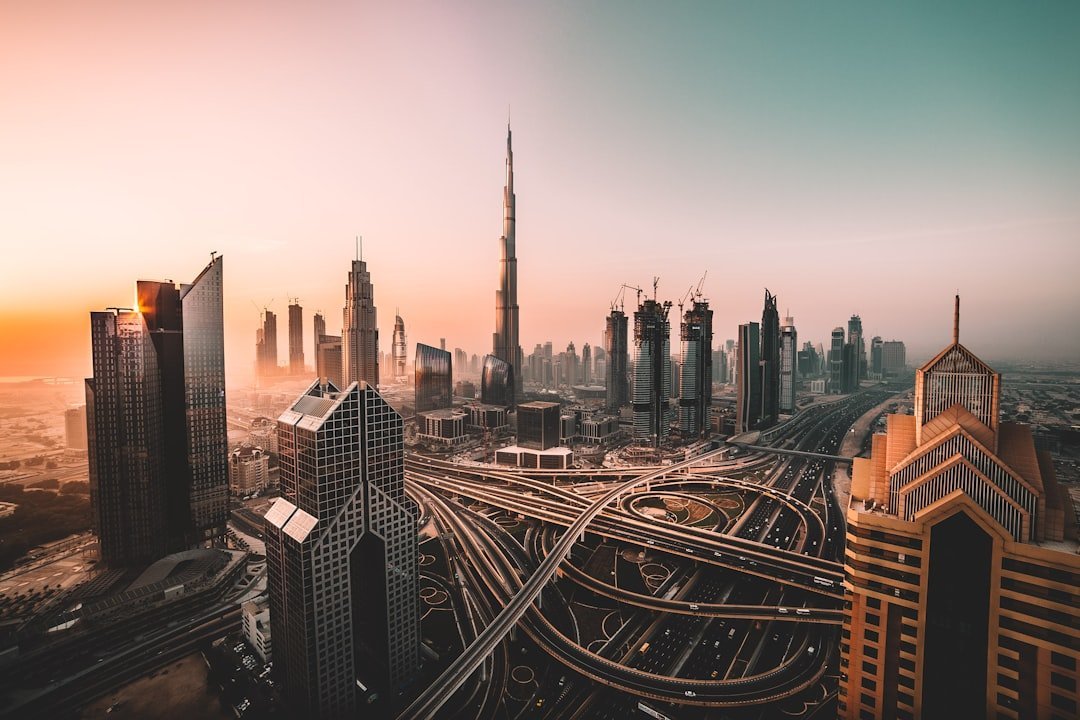
Dubai has one of the most powerful travel marketing machines on the planet. The Burj Khalifa, the indoor ski slope, the world’s tallest everything – it all sounds extraordinary in a brochure. But a significant number of travelers who actually make the trip report feeling oddly hollow about the whole experience. You can only visit certain times of year without the heat being genuinely dangerous, and when you’re forced indoors, the entire city becomes a series of air-conditioned shopping malls with increasingly steep entry fees.
The deeper issue is authenticity. Dubai essentially invented itself in decades rather than centuries, and the tourist experience reflects that – heavily curated, intensely commercial, and culturally thin once you get past the spectacle. Many travelers say they came expecting a glamorous adventure and left feeling like they’d spent five days inside a luxury mall that never quite justified the flight. Dubai consistently ranks among the world’s most expensive cities for tourists, and the gap between what you spend and what you feel is staggering for most first-timers.
#11 – The Trevi Fountain, Rome: Romance Ruined by the Masses
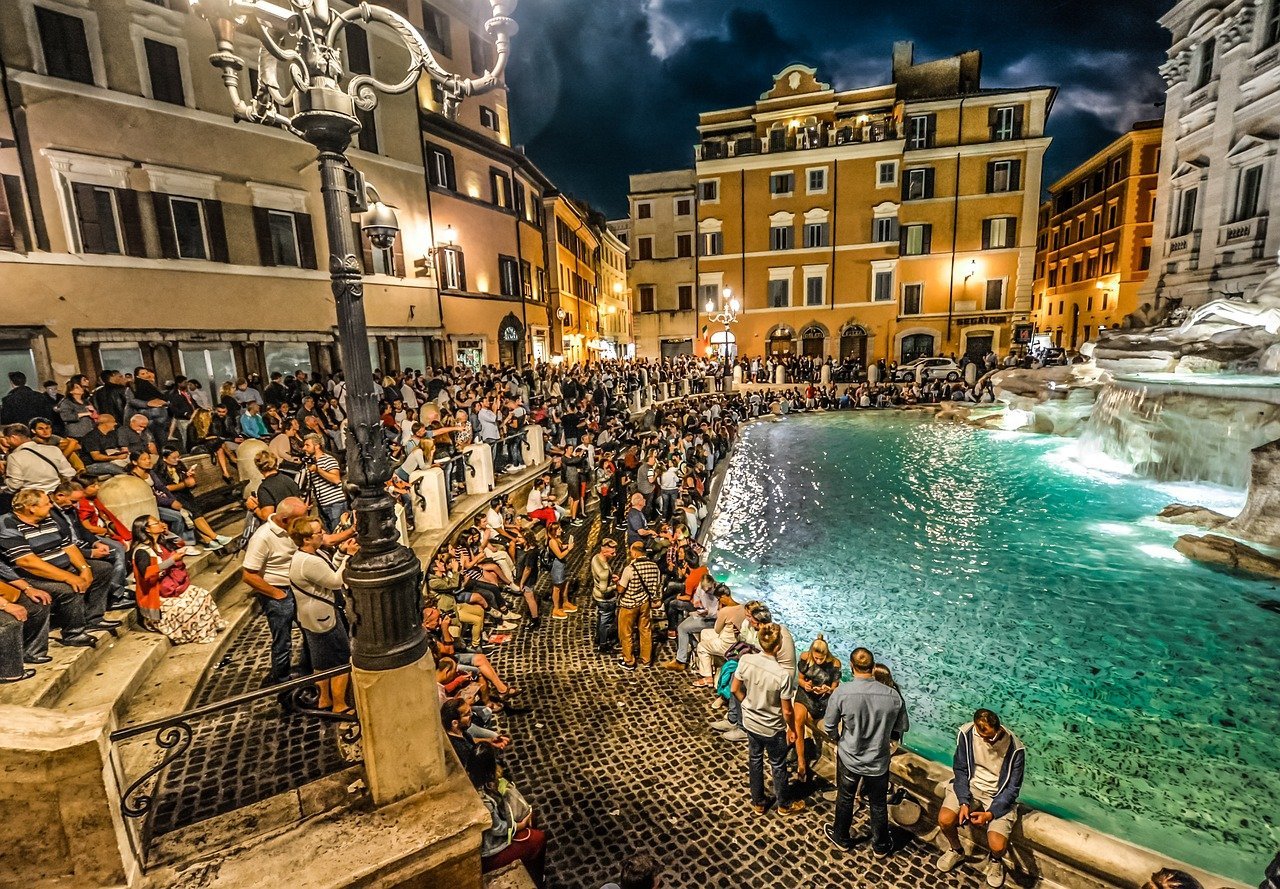
Every romantic film set in Rome ends up here – someone tosses a coin, love is secured, baroque water crashes in the background. Arriving in person to find 10,000 other people trying to recreate that same exact moment is one of travel’s crueler surprises. A 2025 Radical Storage survey named the Trevi Fountain one of the most disappointing tourist attractions globally, with nearly a quarter of respondents reporting a negative experience at what should be one of the world’s great romantic sites.
Rome implemented new queuing controls in 2024 to manage crowds that were reaching 10,000 to 12,000 visitors daily. Getting a clear view of the fountain – let alone a photograph – requires patience and elbows. The surrounding area is packed with overpriced restaurants designed specifically to trap visitors who’ve already waited an hour and are hungry and demoralized. The fountain itself is genuinely beautiful, which is exactly what makes the crowd experience so infuriating. Travelers who wake up at 5 a.m. to catch it in near-solitude say it’s transcendent. Those who arrive at midday describe it as one of the most stressful moments of their trip.
#10 – Ibiza, Spain: Party Island With Serious Strings Attached
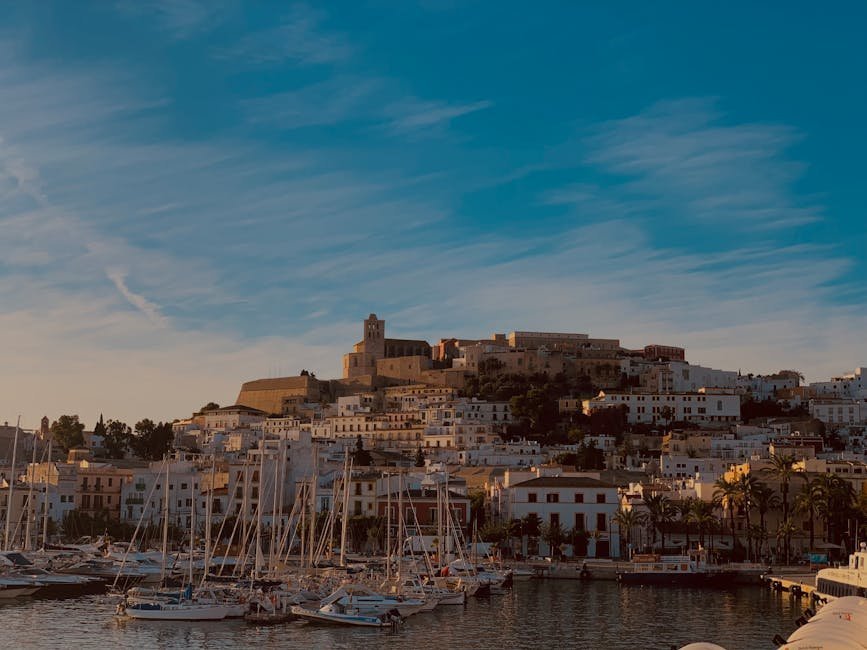
The world knows Ibiza as the ultimate party destination – celebrity DJs, Mediterranean sunsets, beaches that look like screensavers. What the fantasy leaves out is the staggering cost, the aggressive tourist economy, and the reality that peak Ibiza can feel more like a crowded airport tarmac than an island paradise. The famous nightclubs routinely charge €20–€30 per drink, hotels during peak season are punishingly expensive, and the party atmosphere is less “carefree summer” and more “everyone is trying to outspend everyone else.”
Beyond the clubs, the island struggles under the weight of its own reputation. The tourist infrastructure has almost entirely consumed whatever local character once existed. Spain welcomed 94 million visitors in 2024 – a record – and islands like Ibiza absorb that pressure intensely during summer months. Many travelers say they left feeling like they’d spent a fortune to be efficiently processed through a machine designed to extract it from them, with little in return beyond a hangover and a credit card bill they’re still explaining to themselves weeks later.
#9 – Venice, Italy: Sinking Beauty Surrounded by Crowds
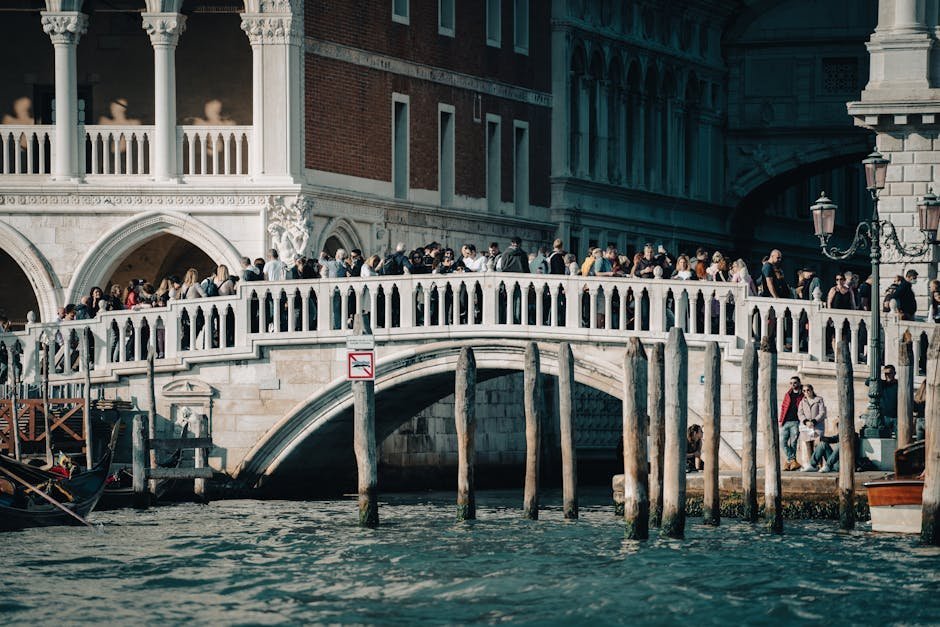
There is no city quite like Venice. That is both its gift and its curse. The canals, the faded palazzos, the sense of time having stopped – it is genuinely one of the great urban wonders of the world. And yet the Venice that millions dream of is increasingly at war with the Venice that actually exists. Forbes has reported that over 20 million tourists visit annually – for a city with just over 50,000 permanent residents. Venice now has more hotel beds than it has people who actually call it home.
Worth Knowing
- The city’s permanent population has dropped from around 175,000 in the 1950s to just over 50,000 today
- Over 20 million tourists visit annually – roughly 400 tourists for every resident
- Visiting in November or early March dramatically reduces crowds and can cut hotel prices by 40–60%
- The quietest sestieri (neighborhoods) – Cannaregio and Castello – feel almost like a different city from the San Marco tourist corridor
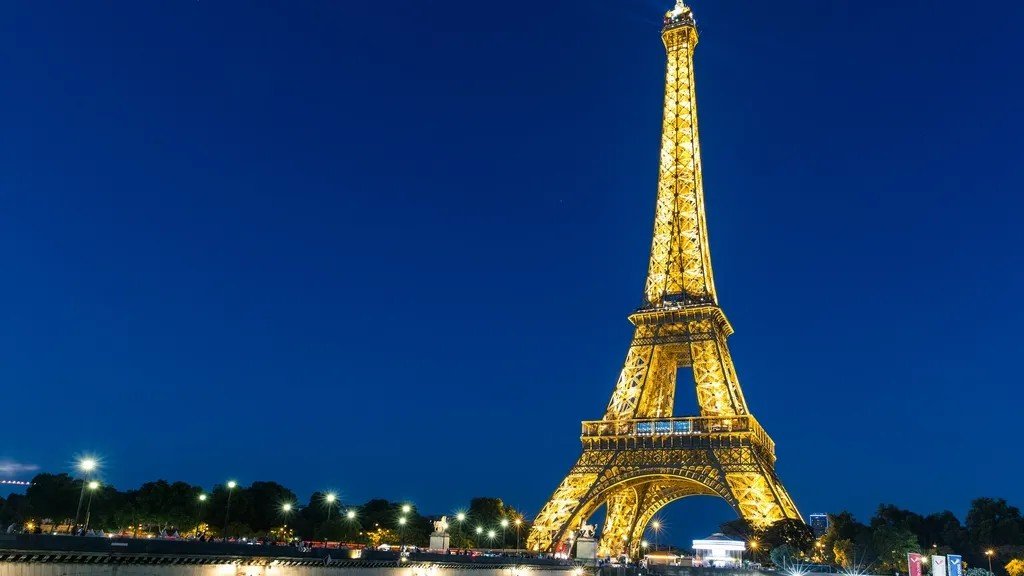
#8 – The Eiffel Tower, Paris: Iconic but Infuriating
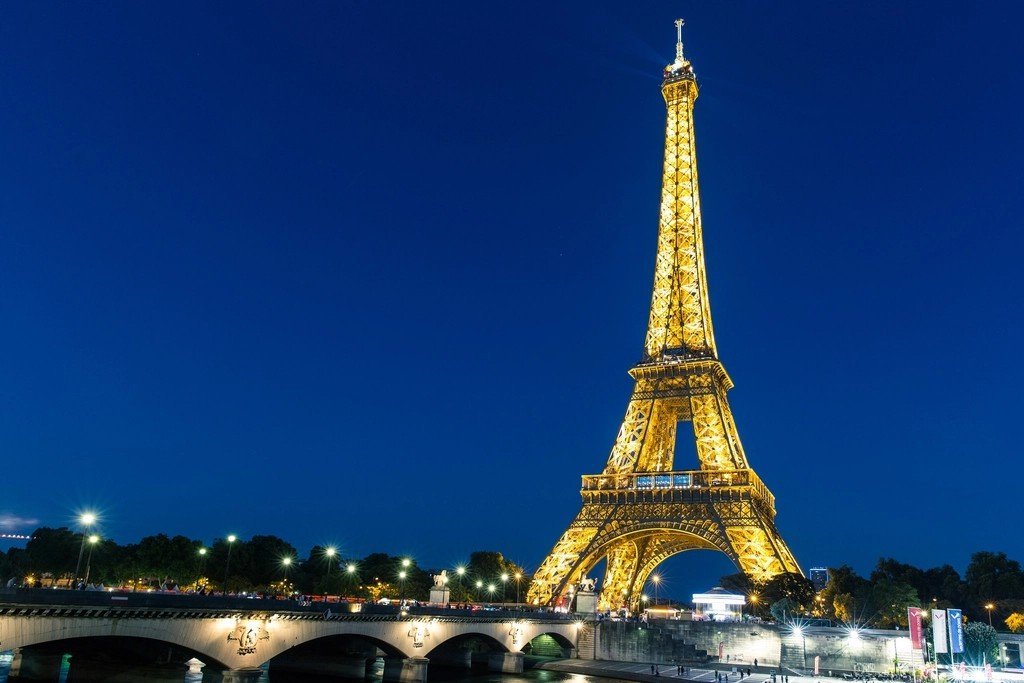
Paris is deservedly one of the world’s great cities. But the Eiffel Tower – the experience of actually visiting it, not the idea of it – has become a reliable source of traveler regret. Long lines, expensive timed tickets, and overcrowding have turned what should be a transcendent moment into a logistics exercise. A 2025 survey found that nearly 40% of visitors felt both the Eiffel Tower and the Louvre were overhyped and overwhelmingly busy – a verdict that would have seemed shocking a generation ago.
The brutal irony is that the tower looks spectacular from almost anywhere in Paris – especially from across the Champ de Mars at dusk, for free, with wine from a nearby shop. The experience of going inside it costs hours of your life and can leave you feeling like you missed the actual Paris while waiting in a queue for an elevator. Travelers who skipped the line and wandered through Montmartre or explored Le Marais instead consistently rate those decisions as the better ones. The tower is best experienced from the outside, looking up, not from the inside, looking down at the crowd that followed you up.
#7 – Kyoto, Japan: Beautiful and Borderline Unbearable
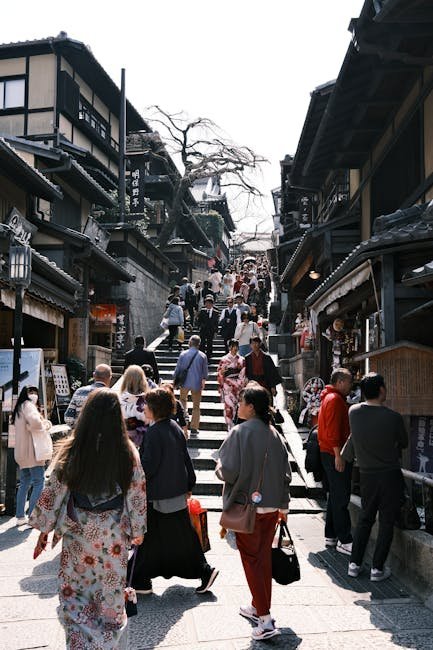
Kyoto is one of the most culturally rich cities in Asia – ancient temples, bamboo forests, geisha districts, moss gardens that feel lifted from another dimension entirely. Travelers who arrive expecting serene contemplation increasingly find something else: wall-to-wall tourists, selfie sticks at every gate, and local residents who have run out of patience. Officials have installed physical barriers blocking popular photography spots in Gion, and fines now exist for tourists who wander into private residential areas.
The famous Arashiyama bamboo grove – one of the most photographed spots in all of Asia – is now so densely packed with visitors that photographers queue for the same twelve-second window of a path that looks momentarily empty. The Kyoto sold on travel reels and in guidebooks – tranquil, meditative, timelessly Japanese – requires either extremely early mornings or a serious recalibration of expectations to find. The city is still extraordinary. The version most people are chasing is mostly gone before 8 a.m.
#6 – Barcelona, Spain: A Dream City Turning Against Its Visitors

Barcelona may be the most structurally beautiful city in Europe – Gaudí’s architecture alone makes that argument convincingly. But something has shifted dramatically, and travelers are increasingly walking into a city that is actively, visibly angry at them. In June 2025, 600 masked protesters took to the streets armed with water pistols, smoke bombs, and banners reading “Your holidays, my misery.” One demonstrator put it simply: “I can’t afford to live in my own city.”
The numbers explain the fury. The city of 1.6 million residents welcomed over 26 million tourists in 2024 – more than 10 times the local population – not counting the 1.6 million cruise ship day-trippers on top of that. Travelers who booked Barcelona expecting warm Spanish hospitality increasingly report an atmosphere of friction, exhaustion, and mutual resentment that the Instagram photos never hinted at. The architecture is still magnificent. The food is still world-class. But the social contract between the city and its visitors has frayed badly, and walking through certain neighborhoods now carries a tension that is impossible to ignore.
#5 – Bali, Indonesia: Paradise Buried Under Its Own Fame
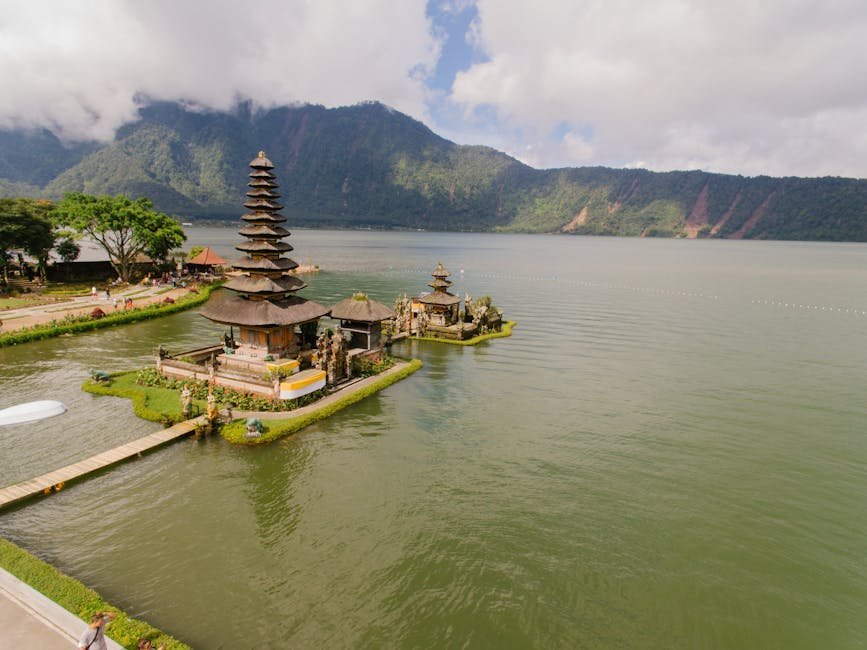
Bali was the kind of place that used to change people. That reputation – of rice terraces, spiritual depth, warm locals, and cheap beauty – drove millions toward it, which is precisely why that reputation is now being quietly retired by travelers who actually went. Bali saw 6.33 million international visitors in 2024, surpassing its previous all-time peak. The island’s infrastructure was never built to absorb anything close to that number, and it shows.
More than 1.6 million tons of waste are generated on the island each year, with only around 7 percent of plastic waste being recycled. Popular beaches like Kuta are buried under tourism’s debris. Visitors in 2025 increasingly describe disappointment with the overcrowded beaches and tourist-saturated nightlife of Seminyak and Kuta. The Bali that lives in people’s imaginations – the one from “Eat Pray Love” – has been largely overwritten by traffic jams, overpriced wellness retreats, and influencers blocking temple entrances for content. The quieter villages of Ubud and Amed still hold something real. But most first-timers never make it there.
#4 – The Egyptian Pyramids at Giza: Ancient Wonder, Modern Chaos
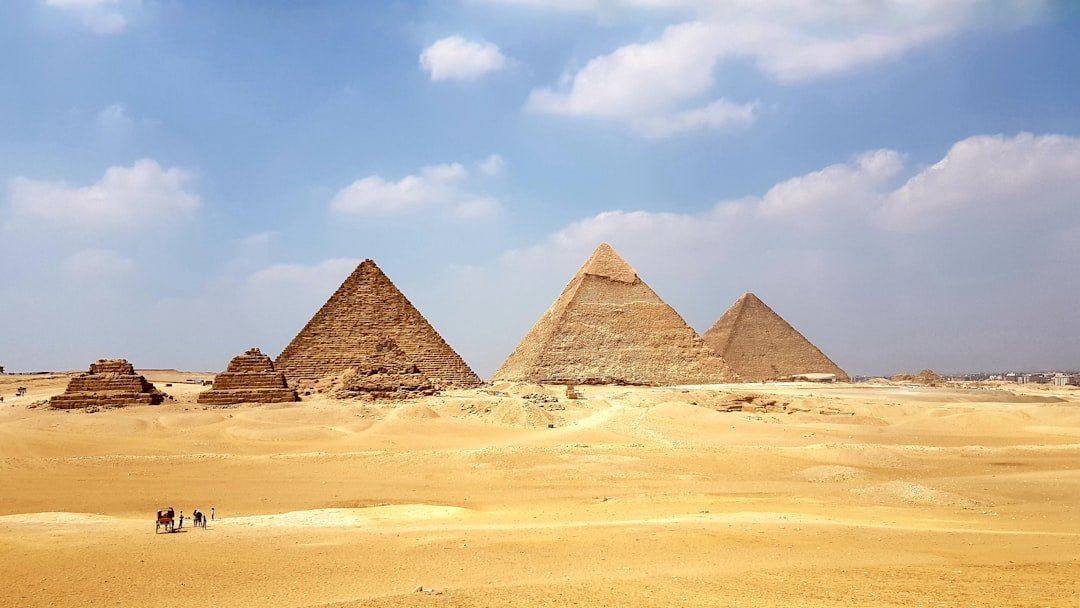
Nothing fully prepares you for the emotional weight of seeing the pyramids for the first time. From the right angle – especially at the edges of the plateau near dawn – they are genuinely staggering. The problem is everything that surrounds that moment. Aggressive vendors swarm visitors from the moment they arrive. Travelers describe being yelled at continuously, haggled into buying scarves and trinkets, and in some cases having their phones held hostage by people they made the mistake of asking for help. The experience of getting to the pyramids can feel like running a 45-minute scam gauntlet.
One traveler’s description captures the dissonance perfectly: “My disappointment when I got to the Pyramids – and directly across the road was a Pizza Hut.” The pyramids themselves are humbling and ancient and real. The circus built around them is one of the most exhausting tourist environments on Earth. Travelers who hire a private guide and arrive at sunrise consistently report transformative experiences. Those who show up mid-morning with a general tour group often rank it among their most stressful travel memories. Four thousand years of history deserved better neighbors.
Fast Facts
- The Great Pyramid of Giza stood as the tallest man-made structure on Earth for over 3,800 years
- Vendor pressure at the Giza Plateau is consistently cited as one of the most aggressive tourist environments in the world
- A private licensed guide typically costs $50–$100 and makes the experience dramatically more manageable
- Arriving at opening time (7 a.m.) can mean up to an hour of near-solitude before the tour groups arrive
- The Sphinx and the plateau’s full scale are only visible from certain vantage points – most group tours miss them
#3 – Santorini, Greece: The Instagram Trap That Costs a Fortune
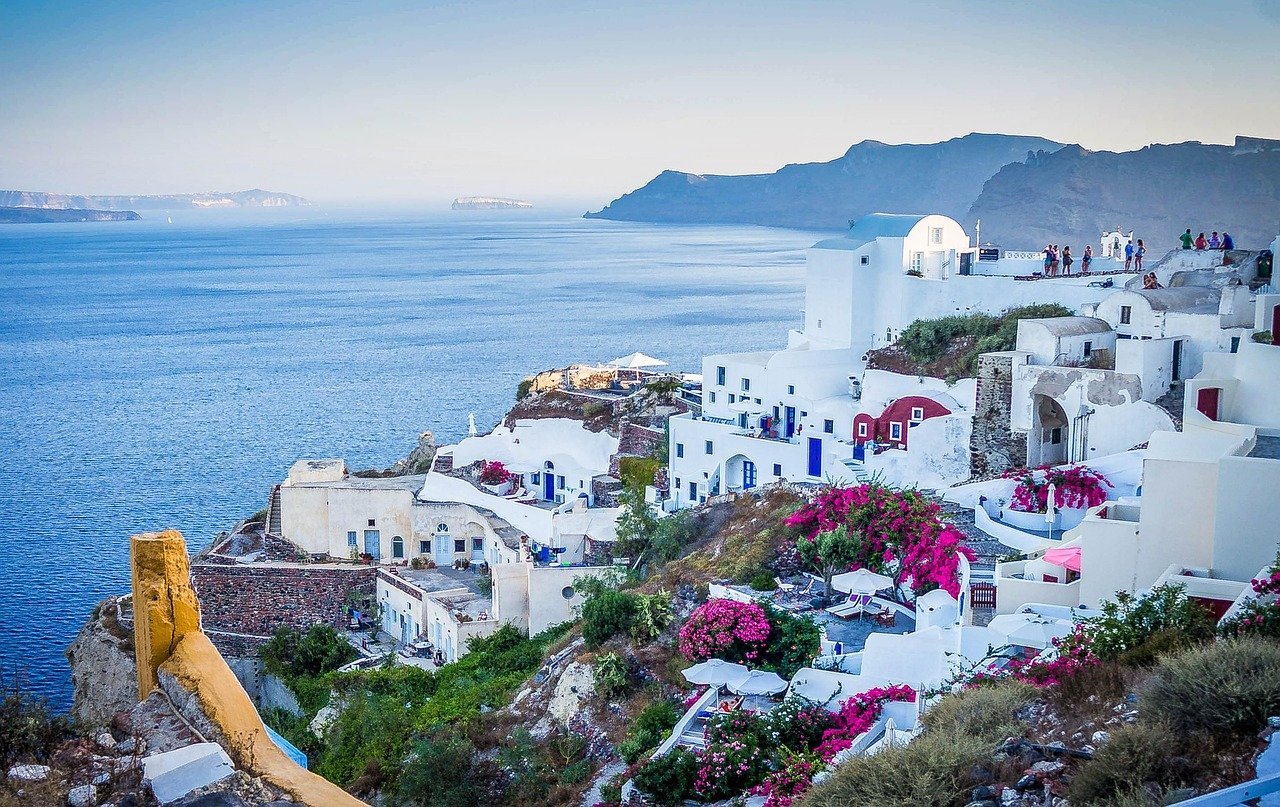
Santorini looks exactly like the pictures. That’s the selling point and, increasingly, the entire problem. The blue-domed churches of Oia, the caldera sunsets, the whitewashed clifftop villages – it’s all real and it’s all magnificent. Unfortunately, two million other visitors per year have had the same realization, and they’re all standing in the same spot trying to photograph the same twelve square feet. In 2023, single-day cruise passenger arrivals hit 17,000 – prompting the island’s port authority to introduce a hard cap of 8,000 cruise passengers per day for 2026, formalizing what used to be a free-for-all into a controlled bottleneck.
Travelers arrive expecting breathtaking views and private magic. What they find is jostling for space along crowded walkways, inflated prices for everything including water, and waits of several hours for a sunset viewpoint that will ultimately be shared with hundreds of strangers all doing the exact same thing. Many report regretting not choosing quieter Greek islands like Naxos or Paros, where the Aegean beauty is just as real and the experience doesn’t feel like a theme park. Santorini is beautiful – but you are sharing that beauty with a crowd so dense that the beauty itself becomes the thing you’re fighting through.
#2 – Machu Picchu, Peru: The Spiritual Journey That Became a Queue
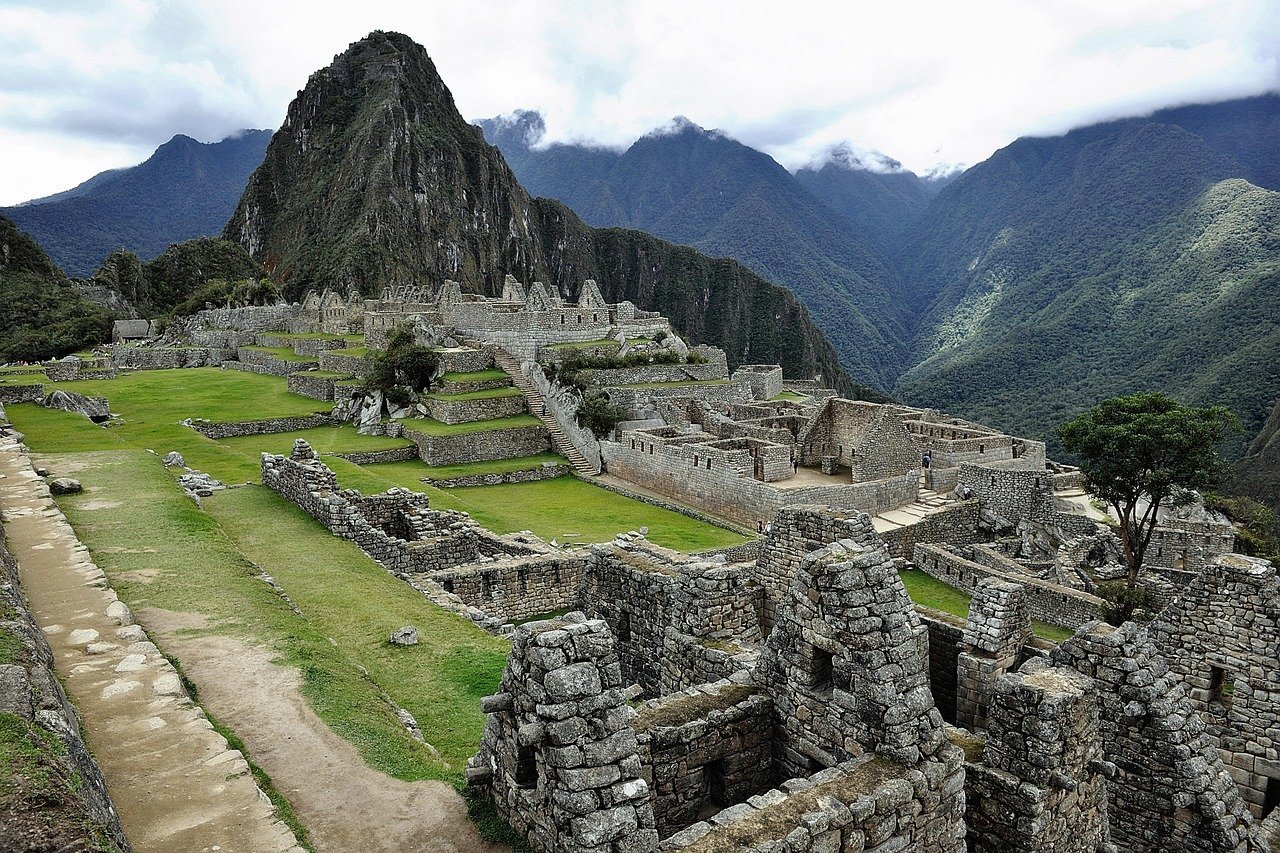
Of all the places on this list, Machu Picchu carries perhaps the heaviest weight of expectation. Sitting at nearly 8,000 feet in the Andes, built by the Inca in the 15th century and hidden from the outside world for centuries – the mystique is real and it’s earned. But getting there in the modern era means navigating one of the most exhausted tourist pipelines in South America. Daily visitor caps now sit at 4,500 in the low season and up to 5,600 during peak months, with timed entry windows and fixed circuits that can limit your time inside the citadel to as little as 2.5 hours – after which re-entry is not permitted.
Strict visitor quotas have been implemented to protect the site, but the influx still leads to crowded trails and rushed viewpoints. Many visitors report that the spiritual serenity once associated with Machu Picchu has largely faded under the weight of photo queues and tour group narration. Popular circuit tickets sell out months in advance – some routes require booking three months ahead. Many travelers describe standing at the classic viewpoint, surrounded by hundreds of others, feeling more anxious than awestruck. It’s still magnificent. It’s just no longer the transcendent, solitary encounter that built its legend.
At a Glance: Machu Picchu’s New Rules
- Daily cap: 4,500 visitors in low season; up to 5,600 in peak season (June–October)
- Time limit: Most classic circuit tickets allow 2.5 to 4 hours on-site; no re-entry once you leave
- Book ahead: Some routes sell out 2–3 months in advance; Inca Trail permits release in October for the following year
- Mandatory guide: First-time visitors must be accompanied by a certified guide
- Best window: First entry slot (6 a.m.) consistently rated most rewarding by visitors who planned ahead
The Reality of the Bucket List
From the crowds of Venice to the costs of the Maldives, some of the world's most iconic destinations are leaving travelers with more regret than inspiration. Test your knowledge of the facts behind these famous tourist traps.
Think you caught the key details? Take the quick quiz and see how sharp your instincts really are.
#1 – The Maldives: The Most Expensive Disappointment in Travel
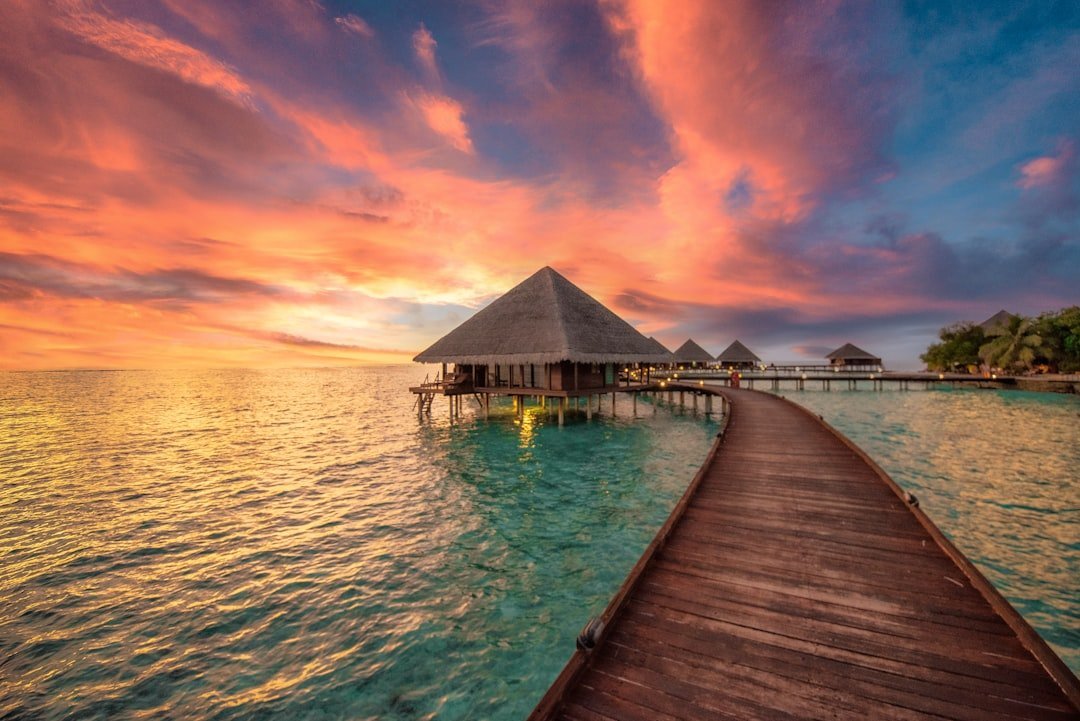
Nothing sits higher on the collective bucket list fantasy than the Maldives. Overwater bungalows. Coral reefs visible from your breakfast table. Water so clear and blue it looks digitally enhanced. Couples save for years to make it happen, choosing it for honeymoons and milestone anniversaries and spending sums that would fund multiple international trips elsewhere. Mid-range overwater bungalows run $800 to $1,200 per night, with luxury resorts reaching $1,500 to $3,000 – before seaplane transfers ($250 to $600 per person, round-trip), mandatory resort taxes, and on-island food costs that can run $50 to $150 per person per meal. And then a significant number of guests come home quietly let down in a way they find almost embarrassing to admit – because how do you complain about the Maldives?
Here’s the structural problem: the Maldives is objectively beautiful, but the entire stay is almost always confined to a single resort island. There is nowhere to walk, no city to explore, no local culture to absorb, and nowhere to eat that isn’t attached to your resort’s punishing price structure. Most visitors spend five to seven days paying resort prices for food, drinks, and activities that would cost a fraction of that anywhere else on Earth – and many describe a strange restlessness setting in by day three. The World Bank has warned that sea-level rise and coastal flooding now threaten the very infrastructure that makes these resorts possible. The Maldives is still stunning. But for many travelers, it is the single most expensive “meh” of their lives – a place that was worth every penny in the photograph and harder to justify in every honest conversation afterward.
What connects every destination on this list isn’t that they’re bad places – most of them are genuinely remarkable in some way. The real culprit is the gap between the sold version and the lived version. These places are all victims of their own fame, buried under the tourist infrastructure that their reputations created. The good news is that knowing this going in changes everything. Go with honest expectations, spend more time off the beaten path within any of these destinations, and you’ll have a fundamentally different trip. The magic is usually still there. It just stopped being where everyone is standing.