
You planned it for months. You drove or flew hundreds of miles. You waited in line for two hours in the heat. And when you finally got there, you thought: This is it? That sinking feeling is nearly universal – and for travelers over 60 who’ve been around the block a few times, the disappointment hits differently. You know what a good trip feels like. You’ve had enough of them to recognize when something isn’t one.
The 16 places below aren’t all bad – some are genuinely iconic on paper. But there’s a growing, hard-won consensus among older American travelers that the crowds, the cost, and the stripped-down reality no longer add up to what was promised. A few of these might surprise you. At least one might make you feel a whole lot better about a trip you already took.
#16 – The Mall of America, Bloomington, MN: 40 Million People Going to the Mall
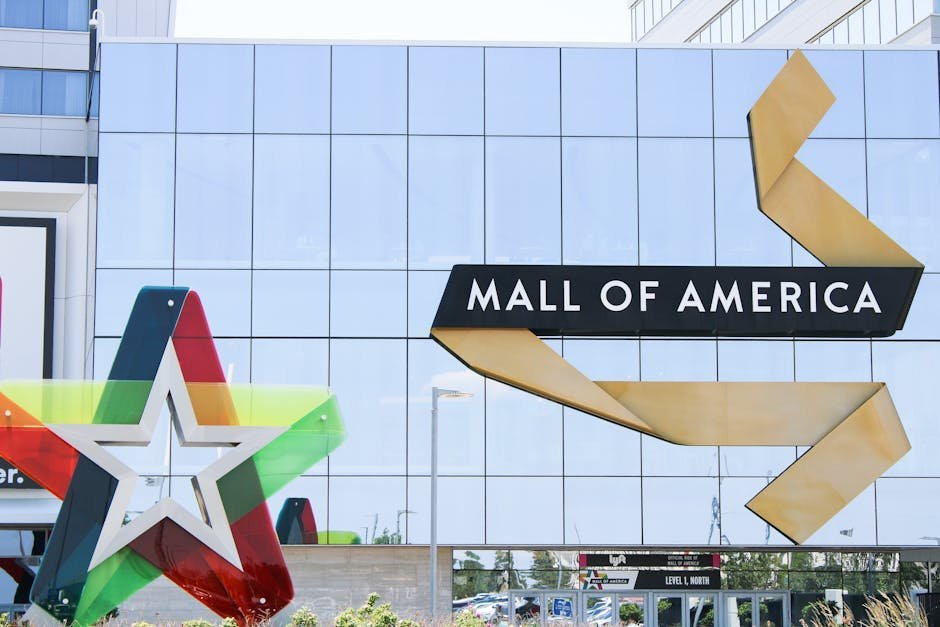
The Mall of America pulls in roughly 40 million visitors a year. Let that number sink in – 40 million people traveling to a mall to shop at stores most of them already have back home. Gap. Zara. Cheesecake Factory. For families with young kids, the indoor theme park has genuine appeal. For travelers over 60 who crossed state lines to get there, the novelty of shopping at a chain you could visit from your own zip code evaporates fast.
The real problem isn’t the mall itself – it’s the expectation gap. Visitors arrive thinking it’ll be a one-of-a-kind spectacle and leave having spent a small fortune at retailers they could have hit on a Tuesday afternoon near home. Parking is a maze, the crowds are relentless, and the dining skews hard toward fast food. If you’re road-tripping through the Twin Cities, there are genuinely better ways to spend half a day.
Fast Facts
- The Mall of America covers 5.6 million square feet across four floors
- It houses over 500 stores – the majority are national chains available in most U.S. cities
- The indoor theme park, Nickelodeon Universe, is the main draw for families with young children
- Parking structures hold roughly 12,750 spaces – and navigating them is its own ordeal
- The mall pays no property taxes to the state of Minnesota – shoppers fund the experience entirely
#15 – The Southernmost Point Buoy, Key West, FL: A Painted Concrete Marker With a Two-Hour Line
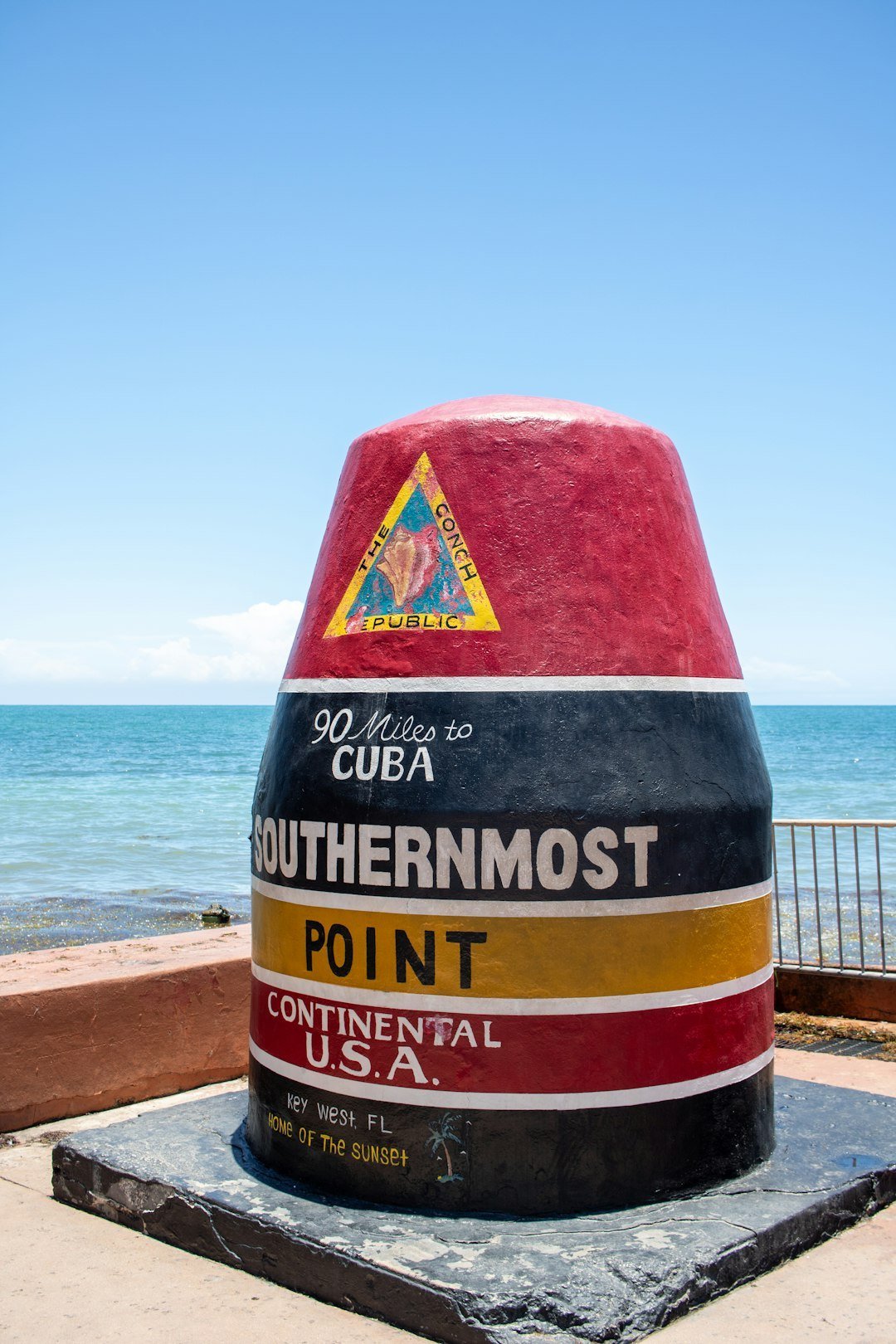
The southernmost point in the continental U.S. is a cracked, painted concrete buoy overlooking the ocean. That’s the whole attraction. There is a line of tourists waiting to stand in front of it, and when your turn comes, you stand in front of it, someone takes your photo, and you’re done. The entire experience happens in about thirty seconds – after a wait that can stretch past two hours on a busy day.
For older travelers with mobility concerns, standing on pavement in the Florida heat for that payoff is a particular frustration. The real tragedy is that Key West itself has genuinely wonderful things to offer – the historic district, the water, the legendary sunsets at Mallory Square. But too many visitors burn their best energy at this buoy and end up rushing through the parts of the island that actually deserve their time. You can see the buoy from the road. Keep walking.
#14 – Graceland, Memphis, TN: Nostalgia Doesn’t Come Cheap Anymore

Elvis fans will find meaning at Graceland regardless of what any reviewer says – that’s just the truth. But casual visitors who show up expecting a grand Southern estate often come away surprised by how compact the property actually is. The mansion’s interior is interesting, but it’s not the Versailles-scale spectacle the surrounding marketing suggests. And the tour leans noticeably toward merchandise over music history.
The admission price has climbed steadily while the campus has expanded into a full commercial complex – hotels, restaurants, and multiple ticketed add-ons layered on top of the base experience. Buy only the base ticket and you’ll feel like you’re missing half of it. Buy everything and you’ll be shocked at the bill. Graceland has been named to multiple global lists of overrated tourist attractions in recent years, and the consistent complaint isn’t the legacy – it’s the gap between what you pay and what you get. Someone always wins at Graceland. It’s usually not the visitor.
Quick Compare
- Elvis’s mansion: Only 8 rooms open to public tours – smaller than most visitors expect
- Base ticket price: Tops $84 according to recent pricing analyses – among the highest “trap” ratings nationally
- What you get: Mansion tour, car museum, and two aircraft on the base package
- What costs extra: VIP tours, the Elvis: The Entertainer museum, and most premium exhibits
- Better nearby: Sun Studio – where Elvis actually recorded – is $15 and widely considered more authentic
#13 – The Rock and Roll Hall of Fame, Cleveland, OH: Big Name, Disorganized Reality

The building is stunning – I.M. Pei’s glass pyramid on the Lake Erie waterfront is genuinely worth a look from the outside. The inside is where things get complicated. The Rock and Roll Hall of Fame ranks among America’s most consistently disappointing major attractions, with a striking share of reviews describing frustration, disorganization, and a sense that the exhibits feel more like corporate marketing than real music history.
The core complaint from older visitors – people who actually lived through the golden era of rock, who were at those concerts, who bought those albums on release day – is that the induction-focused format means beloved artists get minimal floor space while the layout offers no clear narrative thread to follow. For someone who came hoping to feel something, the experience too often feels like wandering through a well-lit merchandise catalog. The price of admission, meanwhile, keeps climbing.
#12 – Four Corners Monument, AZ/CO/UT/NM: Cool Concept, Bleak Reality
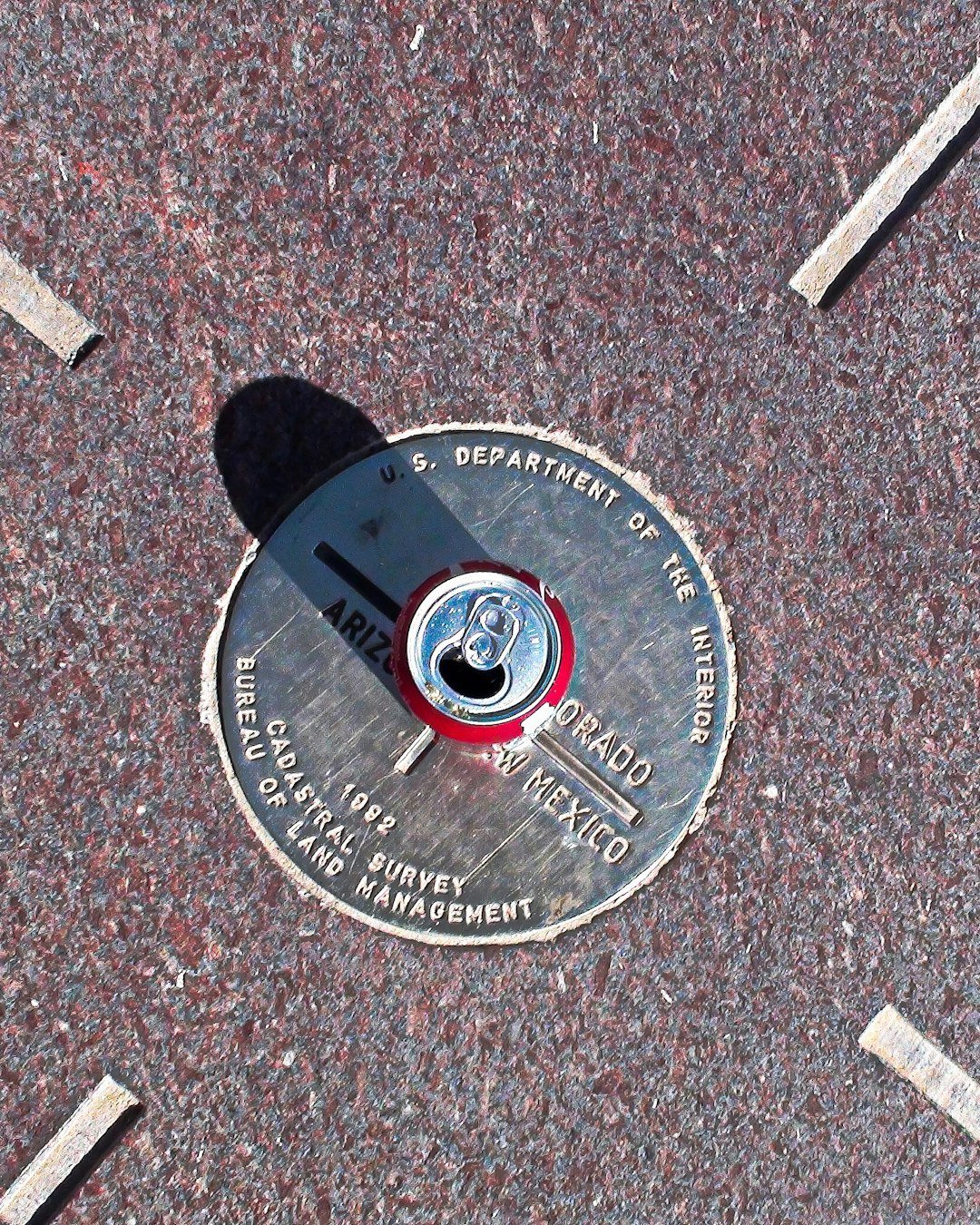
Standing in four states at once sounds genuinely fun in theory. The reality is a concrete slab in a remote stretch of desert with an entrance fee attached and almost nothing else around it. The drive from any major destination is long, there are no gas stations or restaurants nearby, and the line to crouch over the marker and take the same photo everyone else is taking can stretch surprisingly long for a patch of pavement in the middle of nowhere.
There’s also a detail the brochures quietly omit: the monument doesn’t actually mark the exact point where the four states meet – that spot is reportedly over a third of a mile away. For travelers over 60, the lack of services in the surrounding area matters a great deal when you’re making a dedicated trip. The landscape of the Four Corners region itself is beautiful and worth driving through. The monument is an afterthought bolted onto a slab of concrete – and the surrounding country makes that clear the moment you look up from it.
Worth Knowing
- The monument sits on Navajo Nation land – the entrance fee directly benefits the tribe
- Nearest full-service gas station is roughly 10 miles away in either direction
- Monument Valley is about 30 miles southwest and dramatically more rewarding for most visitors
- No shade, no restroom facilities on-site beyond portable units, and summer temperatures regularly exceed 100°F
The Reality Check: America's Most Overrated Destinations
You've put in the miles and the years—now see if your travel instincts align with the consensus of seasoned travelers over 60 regarding these iconic but often disappointing landmarks.
Think you caught the key details? Take the quick quiz and see how sharp your instincts really are.
#11 – The World of Coca-Cola, Atlanta, GA: A Very Expensive Ad

The World of Coca-Cola is a polished, professionally produced brand experience designed to make you feel warm and happy about drinking soda – and you pay for the privilege of sitting through it. The museum offers limited actual history beyond the invention of the formula, and visitors consistently note that the whole thing feels like a well-lit advertisement that requires a ticket. The tasting room, where guests can sample international Coke products, is genuinely fun for about ten minutes.
The rest of the visit is Coca-Cola telling you how great Coca-Cola is, and then you exit through a sizeable gift shop. For travelers who appreciate real history – and Atlanta has extraordinary amounts of it – paying upward of $20 for branded content is a tough sell. The feedback from older visitors is consistent: the price has gone up while the substance hasn’t kept pace. The National Center for Civil and Human Rights is a short walk away and offers one of the most powerful museum experiences in the American South. The choice is not a difficult one.
#10 – Salem, MA in October: One Million Tourists Can’t All Be Wrong (But They Are)
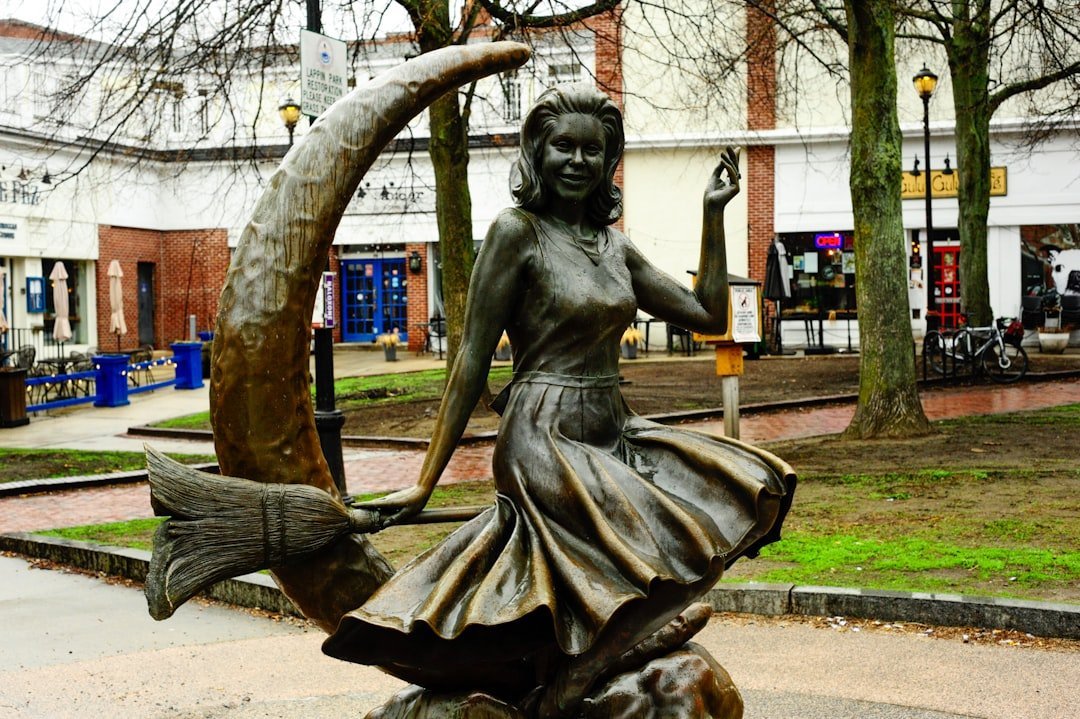
Salem dates to 1626 and carries some of the most sobering history in America – the 1692 witch trials led to the hangings of 19 innocent people, and the story of how it happened is genuinely worth sitting with. But tourist economics have spent decades burying that history under wizard schools, ghost tour operators, and Frankenstein “museums” that have nothing to do with what actually happened here. The Salem Witch Museum is a real exception. Finding it requires pushing past a lot of noise.
October is when the situation becomes almost surreal – over one million people visited Salem in October 2024 alone. The streets go shoulder-to-shoulder, parking becomes a genuine ordeal, and navigating to anything of actual historical value means threading through costumed performers and candy shops. For older travelers seeking quiet reflection at a significant historical site, arriving in October is a form of self-punishment. Visit in March and you’ll find a completely different town – quieter, cheaper, and actually thinkable. The history hasn’t gone anywhere.
#9 – The Las Vegas Strip: When the Math Finally Stops Working
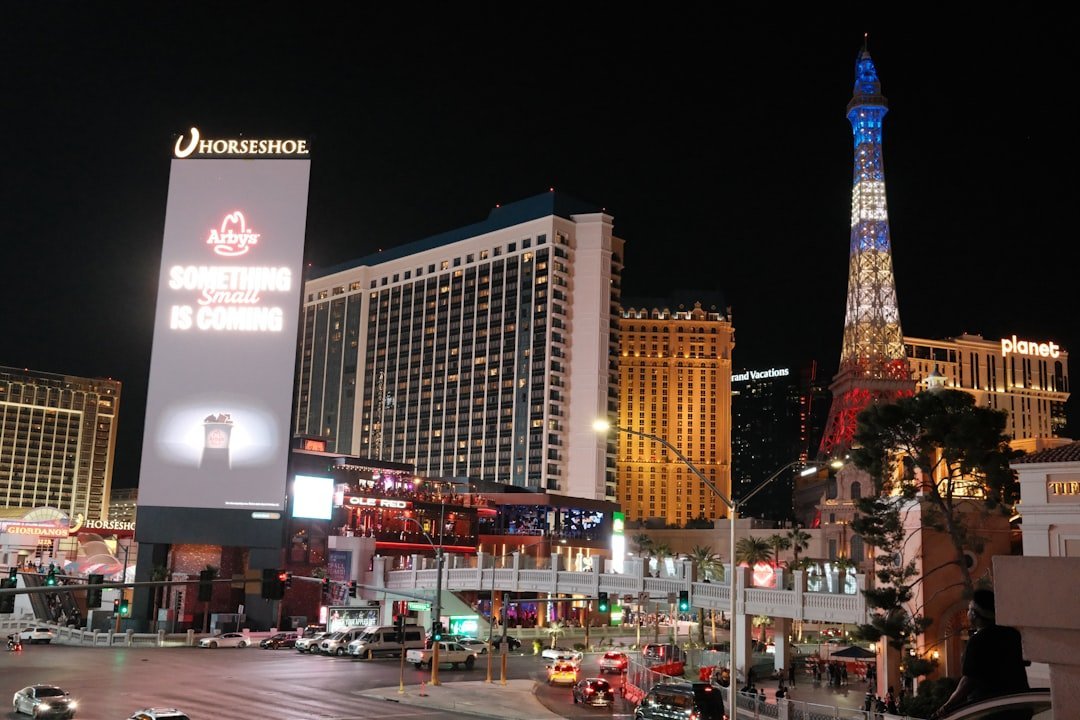
Las Vegas built its reputation on the idea that the house wanted you to feel like a winner – cheap buffets, comp culture, the sense that even losing money felt like entertainment. That Vegas is largely gone. For the first half of 2025, Strip visitation fell 7.3 percent compared to the same period in 2024, the steepest decline in years. Resort fees alone typically run $45 to $55 per night before tax at major properties, climbing past $62 with tax at luxury hotels like Aria, Bellagio, and Wynn.
At a Glance: What Vegas Costs Now
- Resort fees: $45–$62/night on top of your room rate, and you cannot opt out
- Cocktails: $25 on average; minibar water has gone viral at $26 a bottle
- Survey finding: Nearly 90% of recent respondents now call Las Vegas “too expensive”
What happens in Vegas used to stay in Vegas. Now what stays in Vegas is your money – more of it than you ever agreed to spend.
Common refrain among travel reviewers, 2024–2025
Nearly 90 percent of recent survey respondents now describe Las Vegas as “too expensive.” Cocktails hit $25, buffets run $100, and hotel shops charge $26 for water and $10 for travel-size toothpaste. For gamblers who budget specifically for losses, the math still works. For travelers over 60 who remember when Vegas felt like a genuine bargain and a genuine thrill, the current Strip is a bait-and-switch that nobody is even bothering to disguise anymore.
#8 – Plymouth Rock, Plymouth, MA: The Most Famous Disappointment in American History
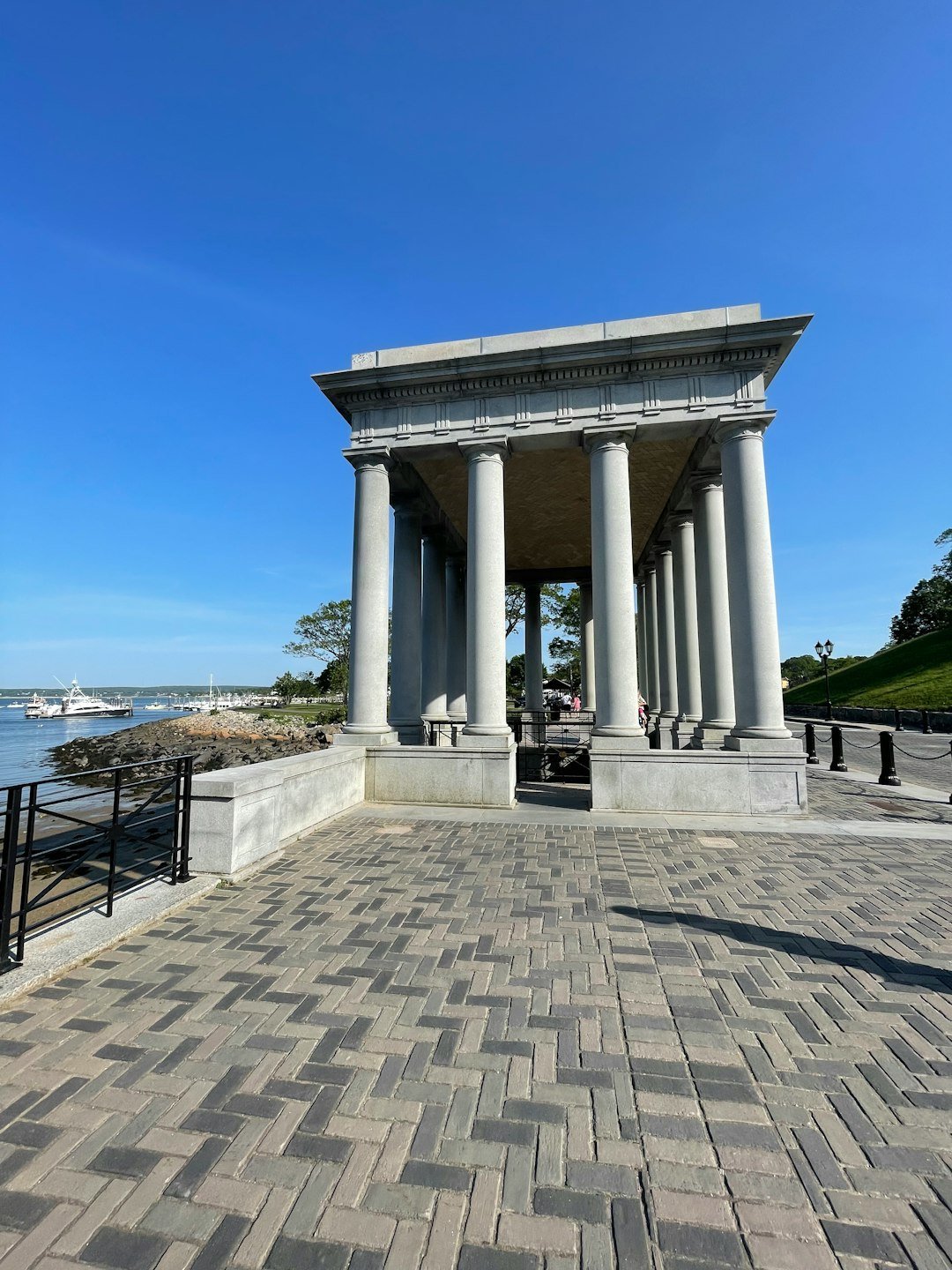
Plymouth Rock is a small boulder with “1620” carved into it, sitting behind a metal railing under a columned portico. That’s the entire experience. And here’s the detail that really stings: historians largely agree the Pilgrims almost certainly never set foot on it. The rock wasn’t even identified as the supposed landing site until 1741 – more than a century after the Mayflower arrived. It was later cracked in half while being moved, then reassembled. The mythology was built in the 18th and 19th centuries, essentially from scratch.
There is something almost uniquely American about driving to Plymouth, standing over a wet boulder through a railing, and feeling the specific flatness of that moment. New England is full of genuinely extraordinary history – the Freedom Trail, Plimoth Patuxent, the Mayflower II docked nearby – but Plymouth Rock itself produces a specific kind of lifelong-buildup disappointment that older travelers describe almost as a rite of passage. You built it up your whole life. Then you see it. Then you understand.
#7 – The Kennedy Space Center, FL: America’s Single Most Disappointing Attraction

Research analyzing 45 major U.S. tourist attractions found that the Kennedy Space Center ranks as the most disappointing in America – with over 20 percent of all one-to-three-star reviews using language specifically about disappointment. That is a stunning finding for a place tied to one of the greatest achievements in human history. The Apollo program. The moon landings. The shuttle era. The institution behind all of it somehow produces more documented visitor disappointment than anywhere else on the list.
The gap between expectation and reality is the engine of the problem. For older visitors who watched the moon landings live on television – who felt the genuine awe of that moment as children – arriving to find long lines, underwhelming exhibits, and aggressive upselling for premium tours is a particularly personal letdown. The history is real and it matters enormously. The execution, according to a striking number of visitors, consistently fails to honor it. That disconnect is what makes this one hurt most.
Why It Stands Out (For the Wrong Reasons)
- The Saturn V rocket and Space Shuttle Atlantis exhibits are genuinely awe-inspiring – but reaching them requires planning and patience
- Bus reservations to key exhibits are first-come, first-served and often sell out early in the day
- Johnson Space Center in Houston covers comparable history for a lower all-in price with no tiered upsells
- Visiting on a weekday, off-peak, dramatically improves the experience according to repeat visitors
#6 – Bourbon Street, New Orleans, LA: The Party You’ve Outgrown
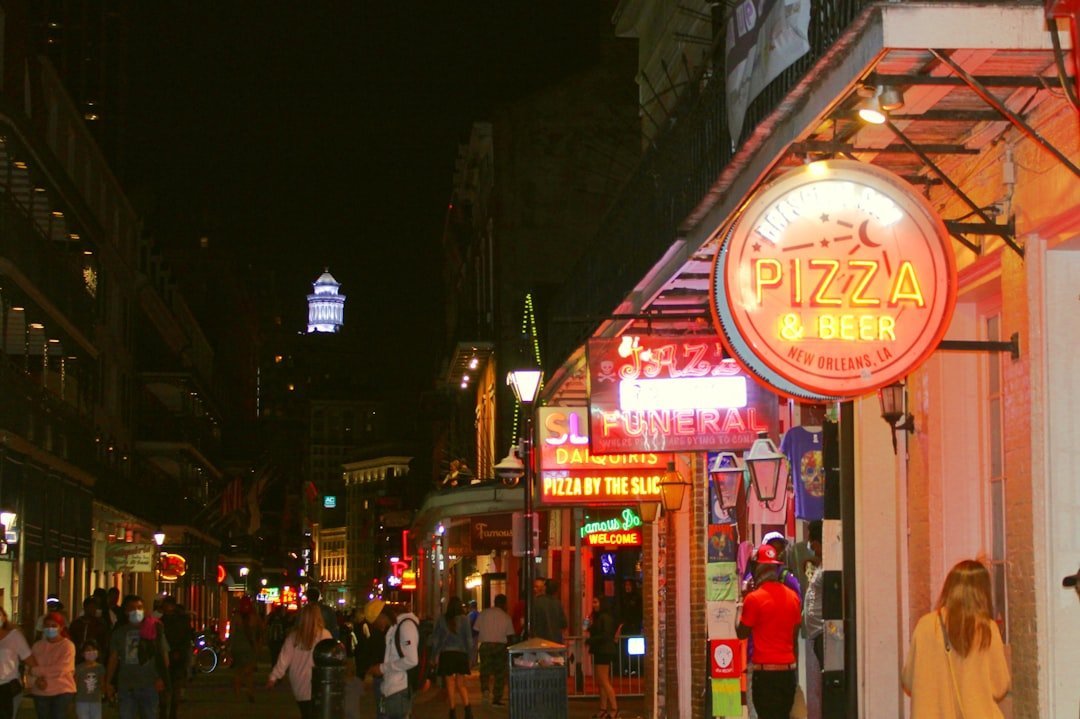
If you’re 25 and on a bachelorette trip, Bourbon Street delivers exactly what it promises – loud, chaotic, frozen-drink-fueled, unapologetically excessive. If you’re over 60 and came to New Orleans for its extraordinary food culture, its music heritage, and its genuinely irreplaceable architecture, Bourbon Street is actively in your way. It’s a six-block corridor of souvenir shops and daiquiri bars built entirely for people who flew in for the weekend and will be gone by Sunday.
The real tragedy is what Bourbon Street costs the rest of the city. New Orleans is one of the most culturally rich places in America – world-class food, living jazz history, neighborhoods with more character per square block than almost anywhere in the country. But the street dominates the tourist imagination so completely that many visitors never make it to Frenchmen Street, to the Garden District, to the neighborhood restaurants that actually define the city. For older travelers who came for the soul of New Orleans, Bourbon Street increasingly just obscures it.
#5 – Times Square, New York City, NY: Sensory Overload With Nothing to Show for It
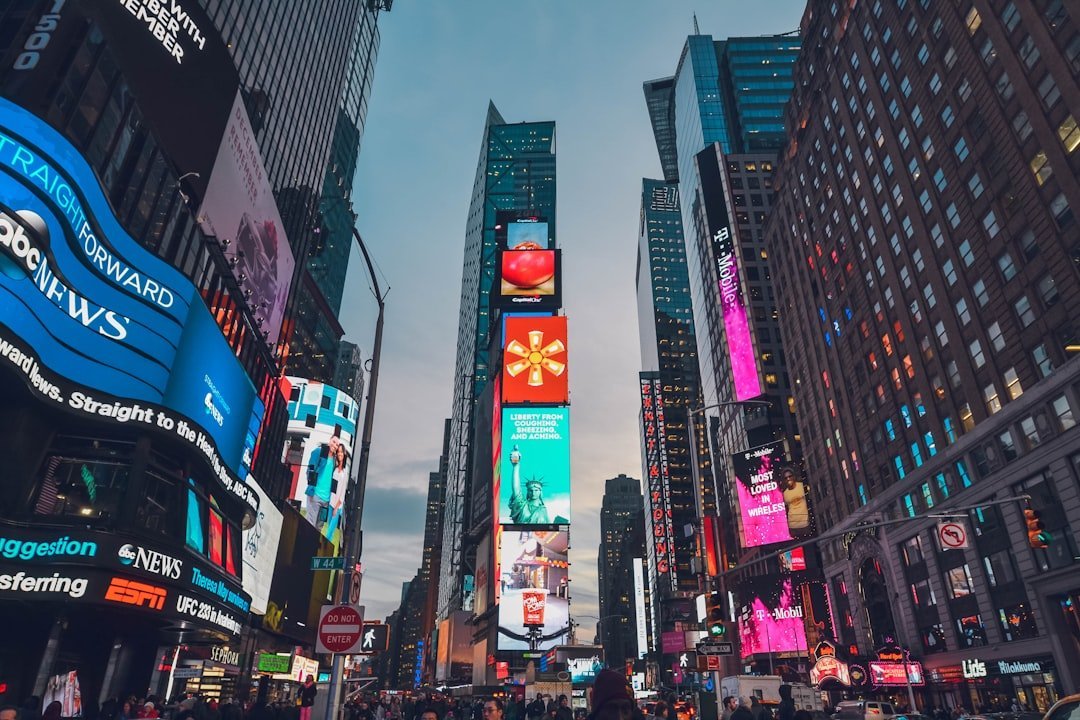
Times Square is technically impressive – the density of light and noise is almost physically overwhelming – and for about four minutes it’s an undeniably spectacular thing to stand inside. Then the fourth minute ends. The stores surrounding you are chains available in most American cities. The restaurants are the same. The people pressing against you from all sides are visitors from other states, doing exactly what you’re doing, inside an Olive Garden or a Disney Store, in the middle of New York City.
For older travelers who remember New York in the 1970s and 1980s – grittier, yes, genuinely dangerous in places, but alive with actual culture and edge – the modern Times Square registers as something close to grief. What replaced the old city in this specific neighborhood is a theme park version of itself, polished and corporate and built for maximum revenue extraction per square foot. The theater surrounding it is still extraordinary. Everything else has been smoothed into something that deserves a better city than this one pretends to be.
#4 – The Hollywood Walk of Fame, Los Angeles, CA: Dirty Stars and Hard Letdowns
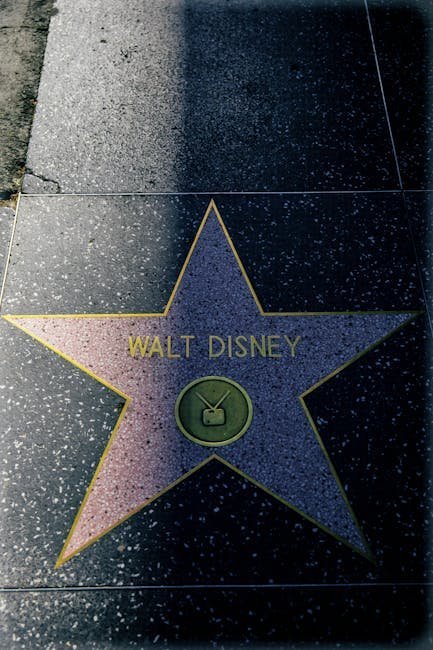
When you picture Hollywood glamour, you probably don’t picture a neglected sidewalk with faded names pressed into concrete while someone in a knockoff Iron Man suit aggressively asks for money for a photo. But that’s the experience a striking number of visitors report. The Hollywood Walk of Fame has been identified in multiple recent travel analyses as one of the top tourist traps in the world, with visitors consistently citing overcrowding, disrepair, and an almost complete absence of the Hollywood magic the name implies.
More than 2,500 stars line the sidewalk, and a meaningful number of them are in serious states of disrepair. The surrounding blocks are lined with overpriced retail shops, tattoo parlors, and unlicensed costumed performers who have been a documented source of complaints and incidents for years. For older travelers who grew up on classic Hollywood and made the pilgrimage hoping to feel some connection to that era, the Walk of Fame is frequently described as one of the most genuinely deflating experiences they’ve had anywhere in America. The idea of it is still beautiful. The thing itself rarely is.
#3 – Niagara Falls (U.S. Side): A Natural Wonder Buried Under Kitsch
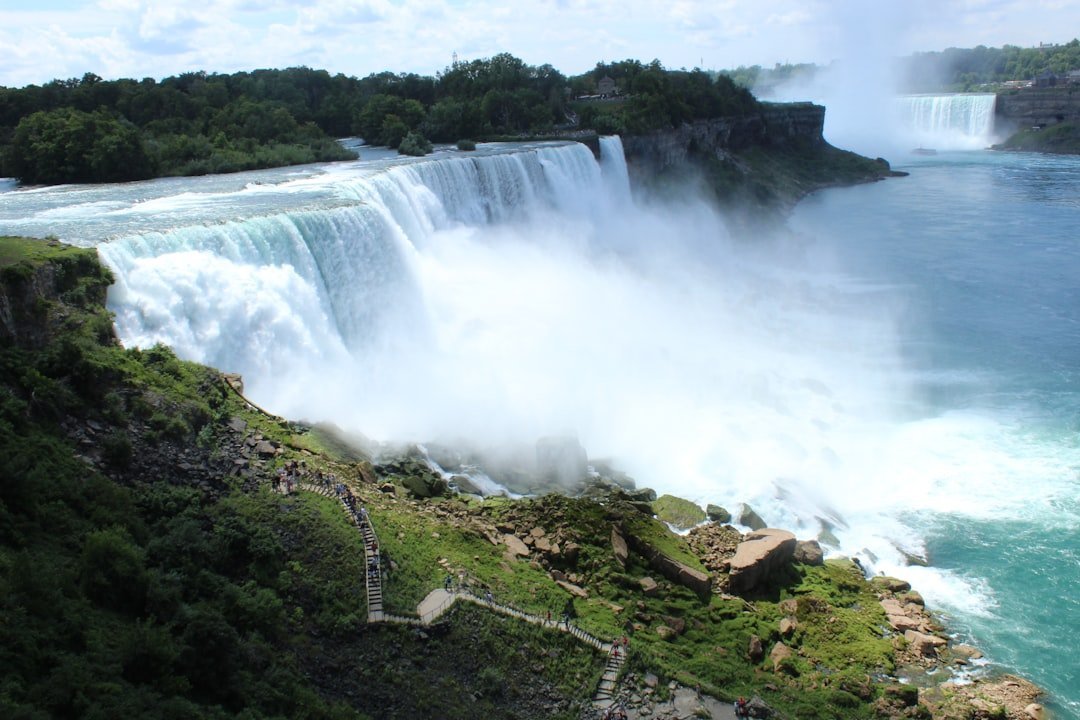
The falls themselves are breathtaking – standing near that much moving water produces a physical sensation that photographs genuinely cannot capture. That part isn’t in dispute. What travelers over 60 consistently flag is what surrounds them on the way in and out: a labyrinth of souvenir stores, overpriced hotels, and casino developments packed with more than 30 million visitors annually. Peak season viewing platforms get so crowded that you can spend more time looking at the back of someone’s head than at the actual waterfall.
There’s also the matter of which side of the border you’re standing on. The American side offers a narrower, more limited view – the iconic horseshoe panorama that appears in every famous photo is on the Canadian side, where the attractions are better maintained and the sightlines far superior. Many older travelers who crossed into Canada described the experience as dramatically better, but that requires a passport most people didn’t plan for. One reviewer distilled the U.S. side experience in a single line: “Every attraction dumped you into a gift shop.” The falls are worth seeing. Just plan accordingly.
Quick Compare: U.S. Side vs. Canadian Side
| U.S. Side | Canadian Side | |
|---|---|---|
| View quality | Partial, looking across | Full Horseshoe Falls panorama |
| Surrounding area | State park, casino strip | Clifton Hill, better-maintained promenade |
| Passport needed? | No | Yes |
| Maid of the Mist | Boards from U.S. side | Hornblower cruise available |
| Older traveler verdict | Frequently disappointing | Widely considered worth the crossing |
#2 – Mount Rushmore, SD: Smaller Than You Think, Further Than You’d Like
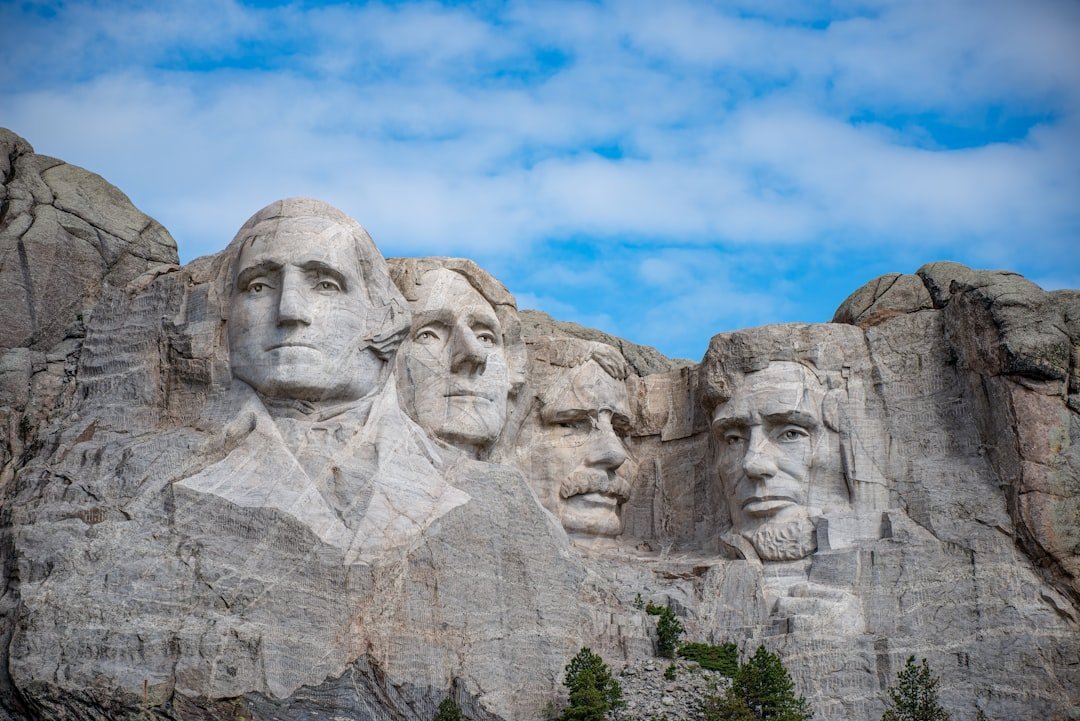
Here is the thing about Mount Rushmore that no one tells you until you’re standing there: it’s smaller than you imagined, and the viewing area keeps you far enough back that you absorb the whole sight in roughly five seconds. More than two million people visit annually, and a significant number leave with a version of the same quiet thought – was this really worth the 400-mile drive? The monument is real, the craftsmanship is extraordinary, and the history of how it was carved is genuinely interesting. The experience of standing in front of it, however, is often over before it begins.
After the five seconds, there’s not much else to do besides climb some steps on a modest nature trail, look at the state flags, and move through an average museum. The Black Hills surrounding the monument are genuinely spectacular – dramatic, uncrowded, ancient – but most visitors spend all their time and money at the monument itself and see almost none of the surrounding landscape. Nearby, the Crazy Horse Memorial and Badlands National Park are widely considered far more rewarding by experienced travelers. Mount Rushmore is an idea that’s bigger than the thing itself. The people who know the difference drive right past it.
The Reality Check: America's Most Overrated Destinations
You've put in the miles and the years—now see if your travel instincts align with the consensus of seasoned travelers over 60 regarding these iconic but often disappointing landmarks.
Think you caught the key details? Take the quick quiz and see how sharp your instincts really are.
#1 – Fisherman’s Wharf, San Francisco, CA: The Reigning King of American Tourist Traps

Fisherman’s Wharf has been identified as the single biggest tourist trap in the United States – and for the second consecutive year in a major international study by travel-tech firm Nomad eSIM, it topped the global rankings for “tourist trap” mentions in online reviews. On paper, it has everything a waterfront district should: real sea lions lounging on Pier 39, steaming clam chowder in sourdough bread bowls, postcard views of Alcatraz across the bay. The sea lions are genuinely wonderful. Everything surrounding them is a finely tuned machine designed to extract money from you as efficiently as possible, at every step, without pause.
There was a time when Fisherman’s Wharf was an actual working waterfront – fishermen, workers, the smell of the real thing. That version of it is gone. What replaced it is a stretch of restaurants and souvenir shops catering entirely to visitors, at prices that bear no relationship to the surrounding city. For travelers over 60 who visited decades ago and remember the Wharf when it had some genuine character left, coming back today is a specific kind of bittersweet. San Francisco itself remains one of the most extraordinary cities in America – but this particular waterfront has been fully surrendered to tourism in its most relentless, least rewarding form. The clam chowder is fine. It’s never been worth this.
At a Glance: Fisherman’s Wharf by the Numbers
- Ranked the world’s #1 tourist trap by “tourist trap” mentions in reviews – two years running
- Draws approximately 10–12 million visitors per year – roughly 33,000 per day on average
- The sea lions at Pier 39 have occupied the docks since 1989 and are free to view – genuinely worth stopping for
- Runners-up on the global “tourist trap” list: Temple Bar (Ireland) and Las Ramblas (Spain)
- Better nearby: The Embarcadero, North Beach, and the Ferry Building Marketplace – all within walking distance
The thread connecting all 16 of these places isn’t that they’re worthless – it’s that the experience almost never matches what years of photos, TV appearances, and word-of-mouth have promised. For Americans over 60, who’ve earned their vacations and know exactly what it feels like when a trip goes right, that gap stings more than it used to. The good news: the real alternatives are usually right around the corner, cheaper, less crowded, and ten times more memorable. If one of these has burned you, you’re in very good company.