
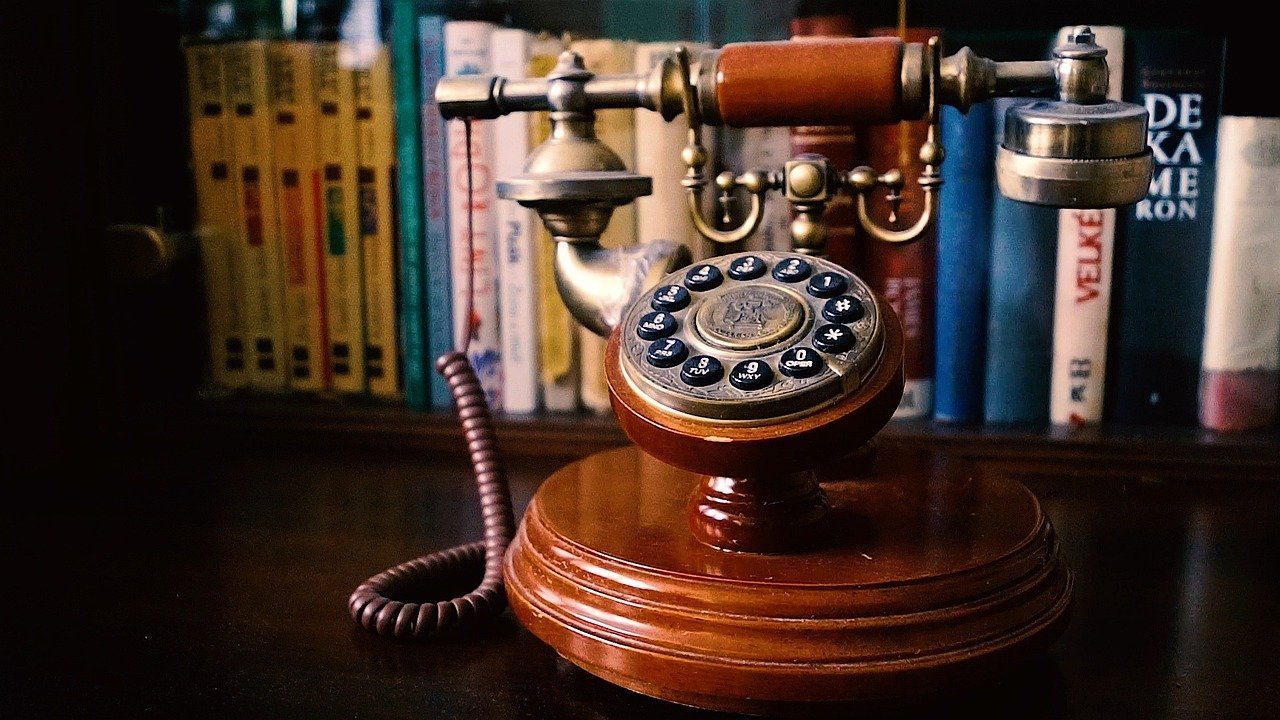
Walk into a typical American home in 1975 and you’d feel it immediately – the shag carpet under your feet, the smell of something simmering in an avocado green slow cooker, the faint click of a flip clock counting the minutes on the wall. Every single item had a job, and every family knew exactly how to use it. There were no tutorials, no YouTube videos, no help menus. You just knew.
Fast forward to today and a lot of those objects look like props from a museum exhibit. Many of these everyday objects would leave even some millennials staring at them like artifacts in a museum. Some of these things are genuinely baffling if you didn’t grow up with them. Others are deceptively simple but require a totally different kind of knowledge to operate. Here are 41 of them – see how many you actually remember.
1. The Rotary Telephone
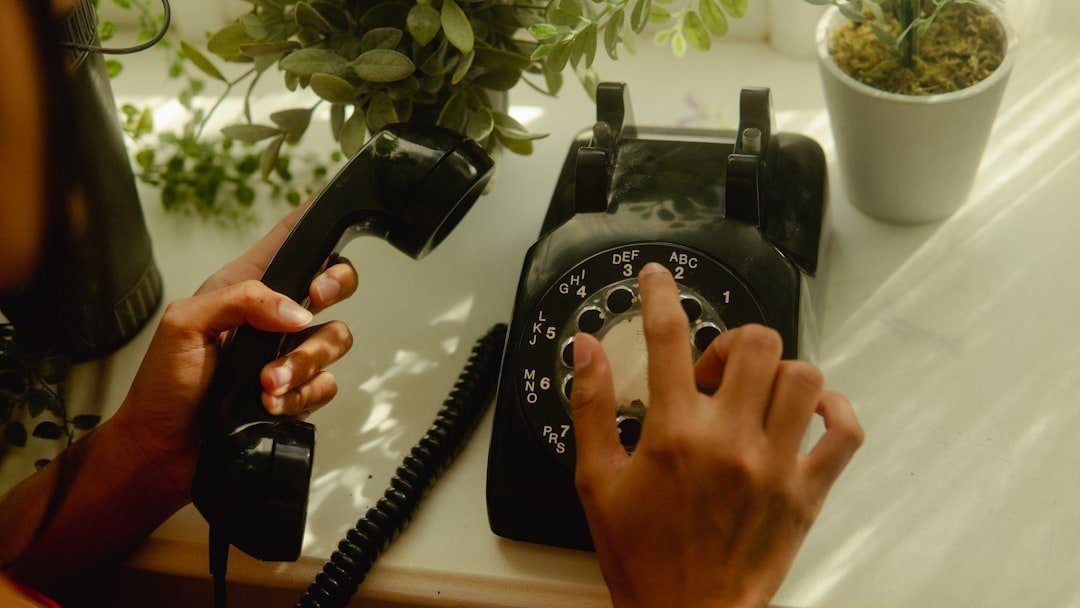
For Boomers and Gen X, the rotary phone wasn’t just a device – it was an experience. You had to physically rotate each number, wait for the dial to spin back, and pray you didn’t mess up the last digit. Miss one number near the end and you’d have to start the whole sequence over again.
If you’ve never used a rotary phone, you probably don’t understand the pain of calling someone long-distance who had a lot of 0s in their phone number. That slow, spinning dial tested your patience in a way no touchscreen ever could. Rotary telephones fell out of regular use in the 1980s, though they are now seeing a revival of sorts among younger generations who want to go analog and add a vintage piece to their spaces.
2. The Wall-Mounted Can Opener

The wall-mounted can opener was both handy and stylish. It saved counter space and kept the kitchen tidy, which made it popular in small homes and apartments. Mounted near the stove or sink, it made quick work of canned goods. You cranked a handle in a circle, kept firm pressure on the lid, and worked your way around the rim – the whole operation requiring more coordination than it sounds.
It became a fixture that families hardly noticed but used daily. The gentle clicking sound it made while turning the lid was unmistakable. Even decades later, some homes still have these openers in place. They stand as a small reminder of practical 1970s design. Hand one to a millennial today and you’ll get a long, puzzled look.
3. The Flip Clock

Before the world went digital, people woke up with alarm clocks sporting numbers that flipped. They came in the ever-popular fake wood veneer, or some seriously bright 70s colors, and made a cool clicking sound. Every minute, a numbered card would drop with a satisfying mechanical snap that somehow became the soundtrack of morning routines across the country.
The popular variety of clock radio for this era had flip numbers that made a distinct noise whenever the minute changed. Later, electronic digital clock radios with the red display began to emerge and replace this style in the ’80s. Today’s generation sets an alarm on their phone without a second thought, but the flip clock had a physical poetry to it that screens simply can’t replicate.
4. The Console Television

Televisions weren’t always so flat and light they could hang on walls. In the ’70s they were furniture – a place to put knickknacks as well as watch The Brady Bunch. These enormous wooden cabinets housed a picture tube that took a full minute to warm up before any image appeared, and tuning the channel was a hands-on physical event.
A far cry from today’s sleek screens, the console TV was a mammoth piece of technology featuring wooden housing, often doubling as a credenza. These color television monsters were the focal point and centerpiece in living rooms across America. Getting a clear picture meant twisting the antenna into just the right position – usually held there by someone’s hand while someone else watched from the couch.
5. The TV Antenna (Rabbit Ears)

Watching television meant you had to “tune” the signal like you were a Russian spy. Even changing the channel required clunky mechanical equipment that, at the time, was seen as space-age. The rabbit ears sat on top of the TV and had to be manually repositioned every time you changed the channel – spread wide, angled left, wrapped in aluminum foil if you were desperate enough.
Getting a clear picture on a Friday night felt like a small victory. Rain, wind, or a passing car could all knock the signal sideways into a blizzard of static. Kids were regularly sent to stand next to the TV and hold the antenna while the adults watched from the couch – a task that felt both important and deeply unfair.
6. The 8-Track Tape Player
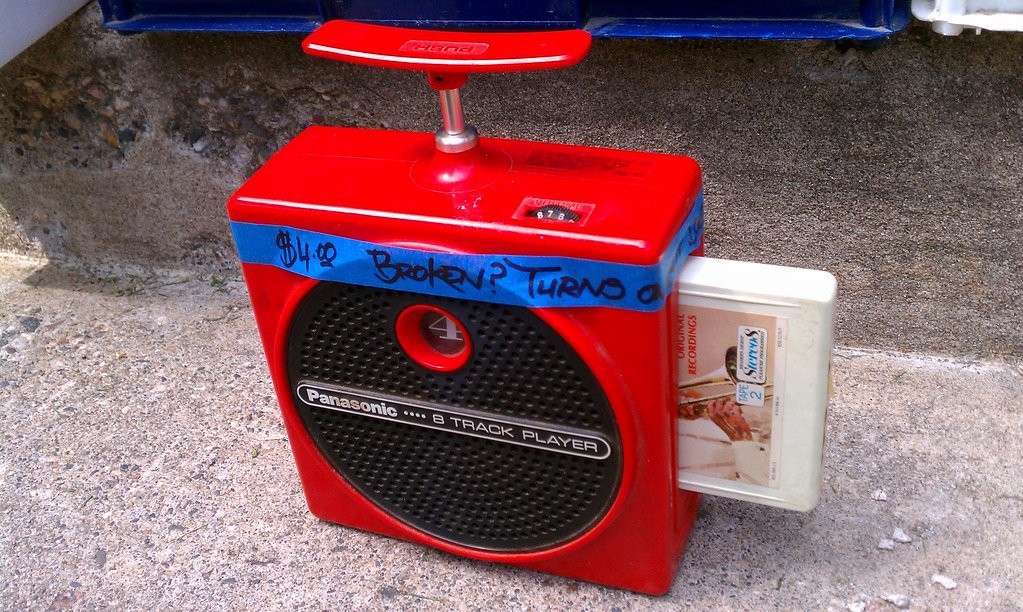
The 8-track was the dominant home music format in the early-to-mid 1970s, and every family room worth its salt had a player built into the stereo console. You slid the thick plastic cartridge into a slot and music started automatically – no rewinding, no fast-forwarding. You got the songs in the order the cartridge gave them to you, whether you liked it or not.
The truly maddening part was the mid-song program change. Because 8-tracks were divided into four separate loops, a song could literally stop and restart in the middle while the machine clicked over to the next program. An eight-track or cassette deck was one of those objects that younger generations would struggle to recognize, let alone operate correctly. The format was obsolete by 1982, but it ruled the living room for the better part of a decade.
7. The Slide Projector

Slide night was an event, with photos from holidays or the latest gathering beamed onto the wall from a classic slide projector, complete with gentle whirrs and clicks. A carousel tray held dozens of individual photo slides, and the whole family would gather in a darkened room to watch them advance one by one. Someone always loaded at least three upside down.
The projector threw a bright rectangle of light onto a pull-down screen or a bare white wall, and the images were vivid in a way that old photo prints never quite matched. Slide projectors changed how families watched and shared entertainment – they were the original home movie night, decades before streaming. Millennials raised on instant digital sharing have almost no reference point for this ritual.
8. The Waterbed
Waterbeds were invented in the late 1960s and became extremely popular in the ’70s. They were actually considered much more comfortable than the regular spring mattresses of the time. Getting into one was an adventure – the whole surface would surge and roll beneath you, and finding a stable position took a few minutes of determined effort.
Somehow, these became the hallmarks of a sexy lifestyle. They also induced seasickness and tended to spring a leak if you gave them a sharp look. Filling one required a garden hose and most of an afternoon, and a puncture was a genuine domestic catastrophe. The millennial concept of a waterbed is limited almost entirely to jokes in old movies.
9. The Fondue Pot
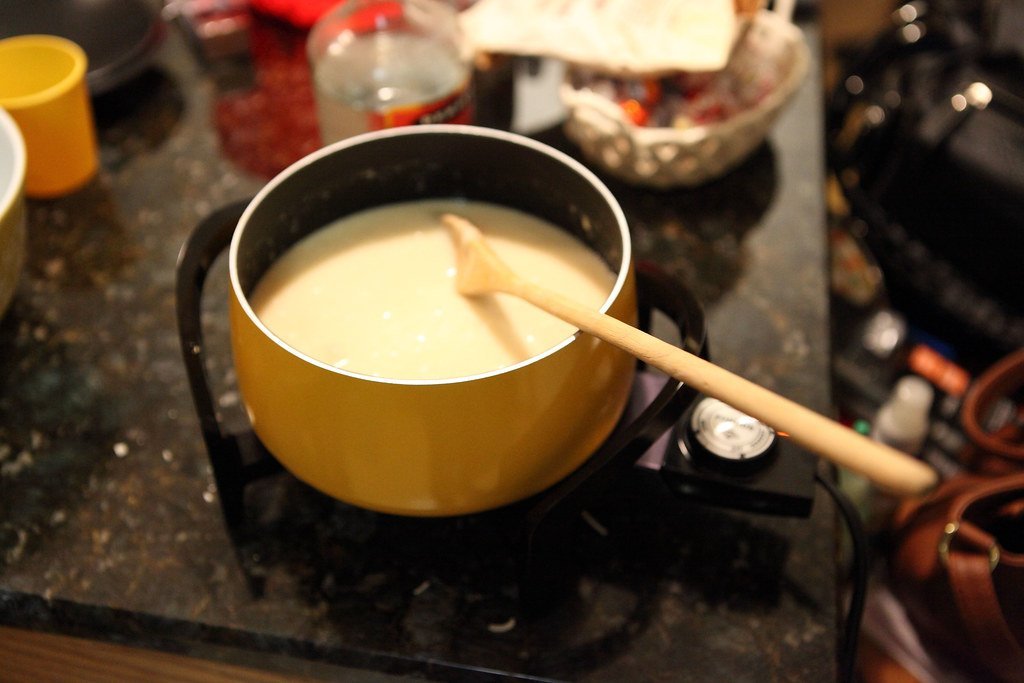
Fondue pots were introduced to the U.S. in 1964 and saw a continual rise in popularity during the 1970s. It wasn’t uncommon for a fondue pot and various food items to be the centerpiece of a table during gatherings. Like many other food trends, fondue started to decline in popularity in the later part of the decade and all but disappeared by the 1980s.
For people that grew up in this era, fondue was about togetherness, laughter, obsessing over chocolate fondue, and perhaps a little competition over the last piece of bread. Though it may have fallen from the dinner party must-have list, the fondue set has a warm spot in ’70s nostalgia. Operating one meant keeping an open flame burning under a small pot of boiling cheese – a concept that would send today’s safety-conscious generation reaching for the smoke detector.
10. Avocado Green Appliances
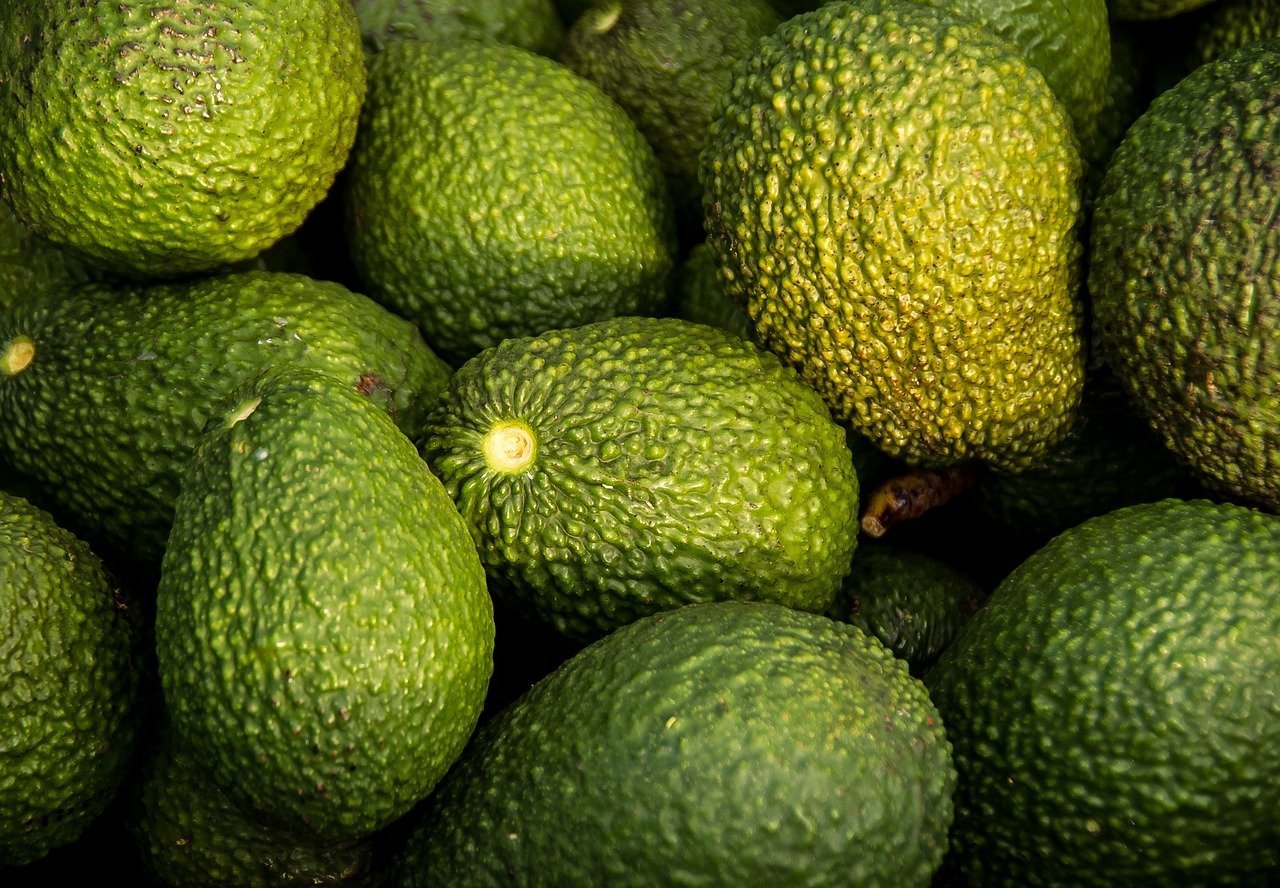
No talk of 1970s kitchens would be complete without mentioning avocado green appliances. This striking, earthy color showed up on refrigerators, blenders, toasters, mixers and ranges. It wasn’t a quirky choice – it was the standard. Matching avocado green everything was considered a sign of a well-appointed, modern kitchen.
As design trends went in a brighter and flashier direction in the 1980s, the avocado green ended up looking dated. Many of those gadgets were later replaced not because they ceased functioning, but because the color no longer suited the look of a modern kitchen. However, for others, creamy avocado green appliances still trigger a feeling of warmth and nostalgia.
11. The Shag Carpet

The shag carpet – the quintessential ’70s flooring choice that made vacuuming a real challenge. These ultra-plush carpets were everywhere, from living rooms to bedrooms and even bathrooms. Available in a rainbow of colors, shag carpets were the epitome of groovy comfort underfoot. Burnt orange and harvest gold were the power colors of choice.
While modern homes have largely abandoned wall-to-wall carpeting in favor of hardwood or tile, the shag carpet remains a nostalgic reminder of a more laid-back era. Today, you might find a shag-inspired area rug, but the wall-to-wall luxury – or nightmare, depending on your perspective – is a thing of the past. Vacuuming it properly required a special rake-like attachment, and losing a small object in it was often permanent.
12. The Rotary Dial Wall Phone with a 25-Foot Cord
This was different from the living room rotary phone – this version lived in the kitchen, mounted directly to the wall, with a coiled cord so long it could reach the dining table, the hallway, and sometimes even a back bedroom if you stretched carefully. Teenagers treated that cord like a lifeline, twisting it into elaborate knots during hour-long conversations.
The phone was literally attached to the wall and you couldn’t wander the house during a call – except for however far that legendary cord would let you go. Privacy was not a concept that applied to phone calls in a 1970s household. Everyone in the kitchen knew everything about your social life whether they wanted to or not.
13. The Cassette Tape Recorder
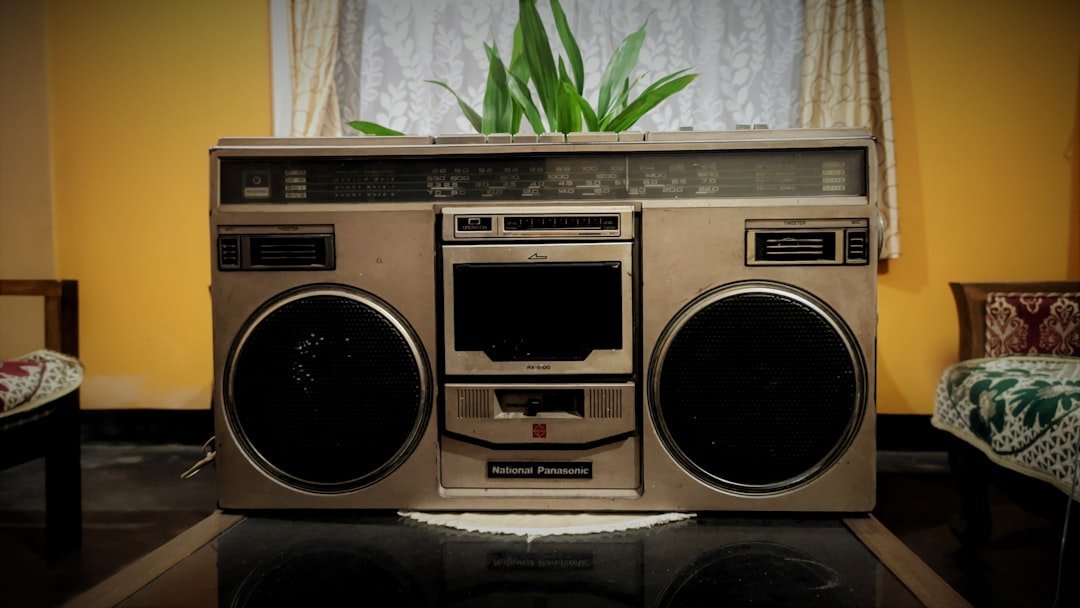
By the mid-1970s, handheld cassette recorders had become a household staple. Kids used them to record their own voices, capture songs off the radio, or interview each other for imaginary news programs. Adults used them for everything from work dictation to recording family gatherings. The chrome “record” button required you to press it down simultaneously with “play” – a two-finger operation that felt oddly ceremonial.
Rewinding and fast-forwarding required patience, and you never really knew exactly where you were on the tape. The truly skilled could stick a pencil into one of the tape hubs and hand-wind it to save the batteries. Millennials who grew up with MP3 players have absolutely no muscle memory for any of this.
14. The Electric Can Opener (Countertop Version)
The Sunbeam electric can opener was one of those small appliances that made a big difference. Instead of wrestling with manual openers, families could pop open cans with a quick press. Many models even came with built-in knife sharpeners, making them even more useful on busy cooking days.
To use it, you had to hold the can in just the right position under the magnetic lid guide, press down to engage the cutting wheel, and then hold the can steady as the motor drove it around the rim. It sounds simple, but there was a specific technique – too much pressure and it stalled; too little and the cut went sideways. Every experienced 1970s cook knew exactly how to work it without thinking twice.
15. The Record Player (Turntable)

Vinyl offers something digital formats don’t: a hands-on experience. You take the record out, place the needle, and flip it halfway through. Albums from the 1970s are not only still playable but have also become valuable collectibles. But operating the turntable correctly was its own skill – dropping the needle too hard could scratch the record; placing it gently in the right groove was a practiced art.
Most households had a full stereo console with a hinged lid, and the turntable sat inside it alongside the amplifier and the 8-track player. Knowing how to clean a needle, balance the tone arm, and set the anti-skate dial properly was everyday knowledge back then. Today, vinyl is having a comeback, but the operating knowledge has to be relearned from scratch.
16. The Answering Machine
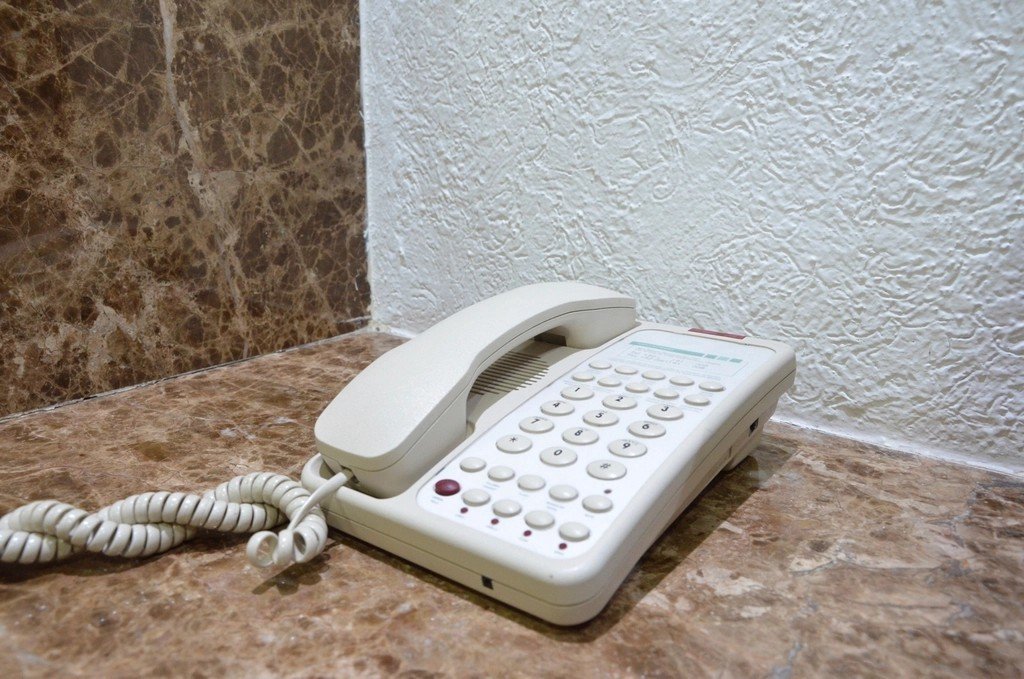
The 1970s version of this tech marvel relied on tape cassettes to record a greeting and any incoming messages. Often, people recorded funny or interesting greetings as a way to express themselves. These machines were usually big, clunky, and sometimes difficult to figure out how to use. Recording the outgoing message was a multi-step process involving two tape decks, a microphone, and genuine concentration.
Over time, answering machines were replaced by voicemail, and now, of course, texting – because you don’t call without texting first. But in the 1970s, hearing your recorded voice played back through tinny speakers for the first time was a minor revelation. The machine sat on the counter like a small appliance of importance, blinking its red light whenever there was a message waiting.
17. Wood Paneling

Not the decorative shiplap that shows up in modern farmhouse renovations – the real 1970s wood paneling was thin sheets of dark-stained composite printed to look like wood grain, nailed directly over drywall in dens, basements, and family rooms from coast to coast. It absorbed light, created a cave-like coziness, and was considered deeply stylish in its day.
By the 1990s, it had become the symbol of a dated, neglected space. When we changed home design styles in the 1980s and ’90s, it felt like a full-on exorcism of the 1970s. Seemingly overnight, things that always made sense in our homes disappeared. Avocado green shag carpet was among the first to go. Wood paneling wasn’t far behind, but you can still find it haunting mid-century ranch homes and suburban basements everywhere.
18. The Lava Lamp

The oddly hypnotic lava lamp was made popular in the ’60s, but it continued on strong through almost the end of the 1970s. The principle was simple: a heat source at the base warmed a waxy substance inside a liquid-filled glass tube, causing blobs to rise and fall in a slow, mesmerizing loop. It served no practical purpose and was absolutely irresistible.
While lava lamps can still be found as novelty items, they’ve largely disappeared from mainstream decor. Modern lighting trends favor more practical and energy-efficient options, relegating the lava lamp to the realm of kitschy nostalgia. For anyone who grew up in the ’70s, watching one in a darkened room while music played is one of those sense memories that never fully leaves.
19. Macramé Wall Hangings
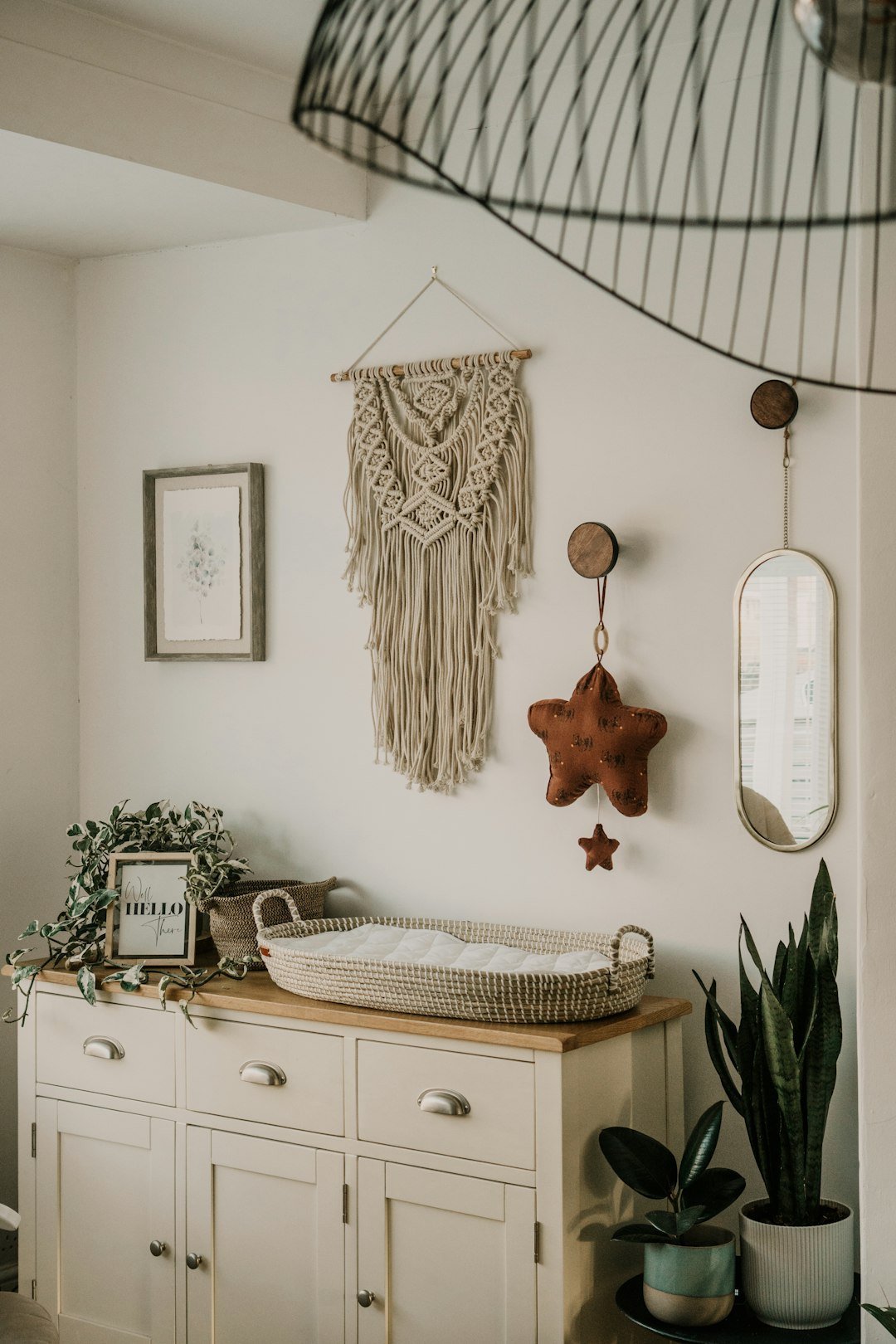
The ’70s were all about getting crafty, and macramé was the craft du jour. These knotted creations adorned walls, held plants, and even served as room dividers. No ’70s home was complete without at least one macramé owl watching over the living room. They were made by hand using knotting techniques passed between neighbors, family members, and craft-class enthusiasts.
Making macramé was its own skill set – specific knots like the square knot and the half-hitch had to be learned and executed in precise sequences to create the right patterns. While macramé has seen a slight resurgence in recent years, it’s nowhere near as prevalent as it was in its ’70s heyday. Today’s versions tend to be purchased rather than handmade, which entirely misses the original point.
20. The Harvest Gold Refrigerator
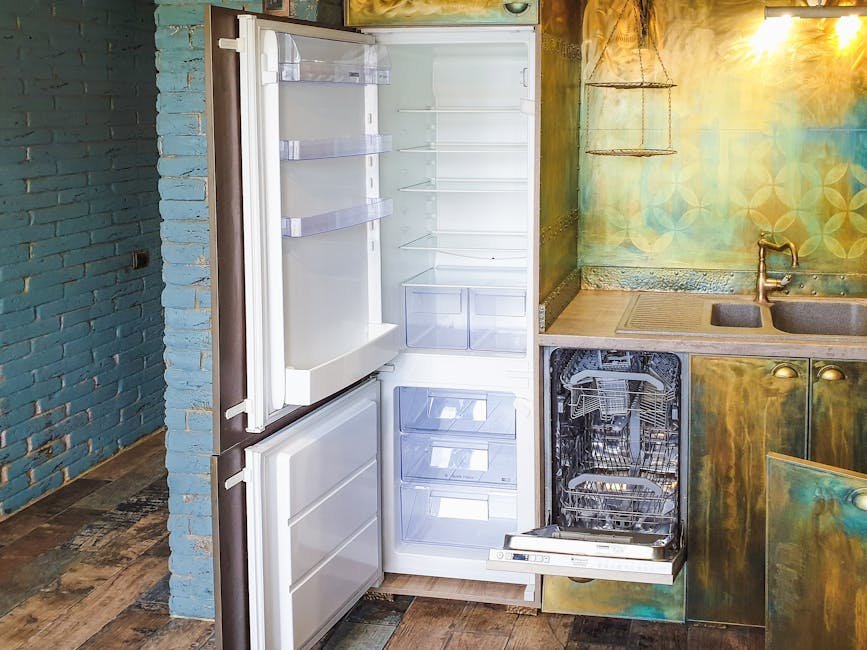
The harvest gold refrigerator was the heart of the 1970s kitchen. Its warm color matched the decade’s trend toward earthy tones, pairing perfectly with shag rugs and wood cabinets. Warm and rich, harvest gold was the golden child of 1970s home decor, and the kitchen was no exception. This caramel-like hue with earthy undertones was found on everything, including large appliances such as ovens, dishwashers, and refrigerators, as well as wall art, storage containers, and textiles.
Many models included large freezer compartments that made storing TV dinners easy. They were energy-hungry by today’s standards but reliable for years. Today’s stainless steel kitchen culture would find the whole aesthetic completely alien – but in the ’70s, a kitchen without at least one of these earthy shades felt strangely unfinished.
21. The Sunburst Clock
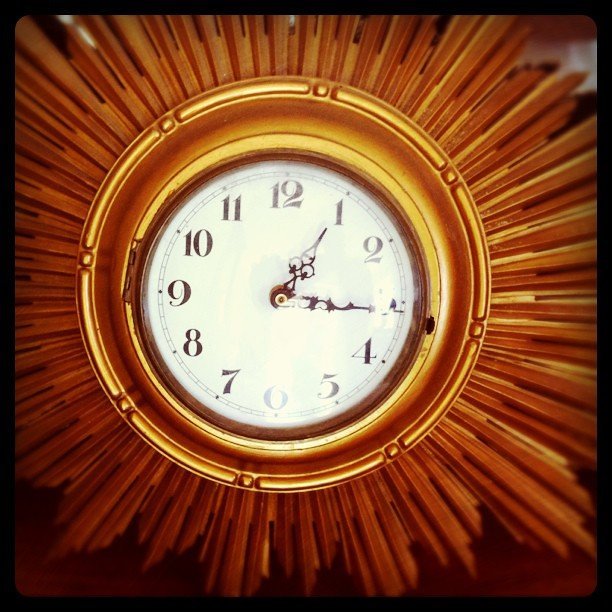
Sunburst clocks – also known as starburst clocks – first became popular in the 1950s. However, they continued to be an essential part of 1970s home decor, where they took on alternate decoration that reflected the interests and tastes of the era. Long metal spokes radiated outward from a central clock face, often finished in gold or bronze, sometimes stretching several feet across a wall.
Reading a sunburst clock required knowing how to read an analog clock face – hour hand, minute hand, no digital shortcuts. In a decade before digital anything was common, every household member could read an analog clock fluently. That skill has quietly eroded with each passing generation, and today’s kids often need a moment to work out the time on a traditional clock face.
22. Beaded Curtains

From sunken conversation pits to beaded curtains, people used decor and architecture to cultivate areas for mingling and different activities. Wooden beads were a common material for hanging room dividers, reflecting both the popularity of wood tones at the time and the bohemian aesthetic used in many 1970s homes. They hung in doorways, divided kitchen from dining room, and created the illusion of separation without any actual barrier.
The practical use of beaded curtains as actual room dividers – rather than purely decorative objects – is a concept totally lost on younger generations. They clattered when you walked through them, tangled in your hair if you weren’t careful, and served as an unmistakable audio signal every time someone entered the room. They were deeply, specifically ’70s in a way that’s hard to fully explain.
23. The Fringed Lampshade

Fringe was an essential part of decorating in the 1970s. While fringed lampshades were first popularized in the 1930s, homeowners in the 1970s made it their own by adding fringe to their lamps and pendant lights in popular colors such as dark brown and dusty pink. Many of them also featured textures that were popular in that era, including rich velvet.
Floor lamps with cascading fringe were especially common in living rooms, casting warm, indirect light that turned any room into something resembling a chic lounge. They swayed gently if someone walked past too quickly, and dusting the individual strands was a chore that usually got skipped. Millennials who encounter them at estate sales tend to interpret them as costume props rather than legitimate home furnishings.
24. Tupperware and the Burping Lid

Tupperware was a staple of every 1970s kitchen. Why did everyone seem to have the same kitchen accessories in the ’70s? It was likely the doing of Tupperware. With the popularity of Tupperware parties, not to mention neighbors selling it to each other, there’s a good chance everyone ended up with the same products.
The defining feature was the “burping” lid – you pressed the center of the seal and a small lip of air escaped, creating an airtight vacuum that kept food fresher longer. It was a specific, deliberate motion, and doing it correctly gave a satisfying little pop. Kids raised with ziplock bags and snap-lid containers have absolutely no idea this was once a prized domestic technology passed between neighbors at parties.
25. The Electric Knife
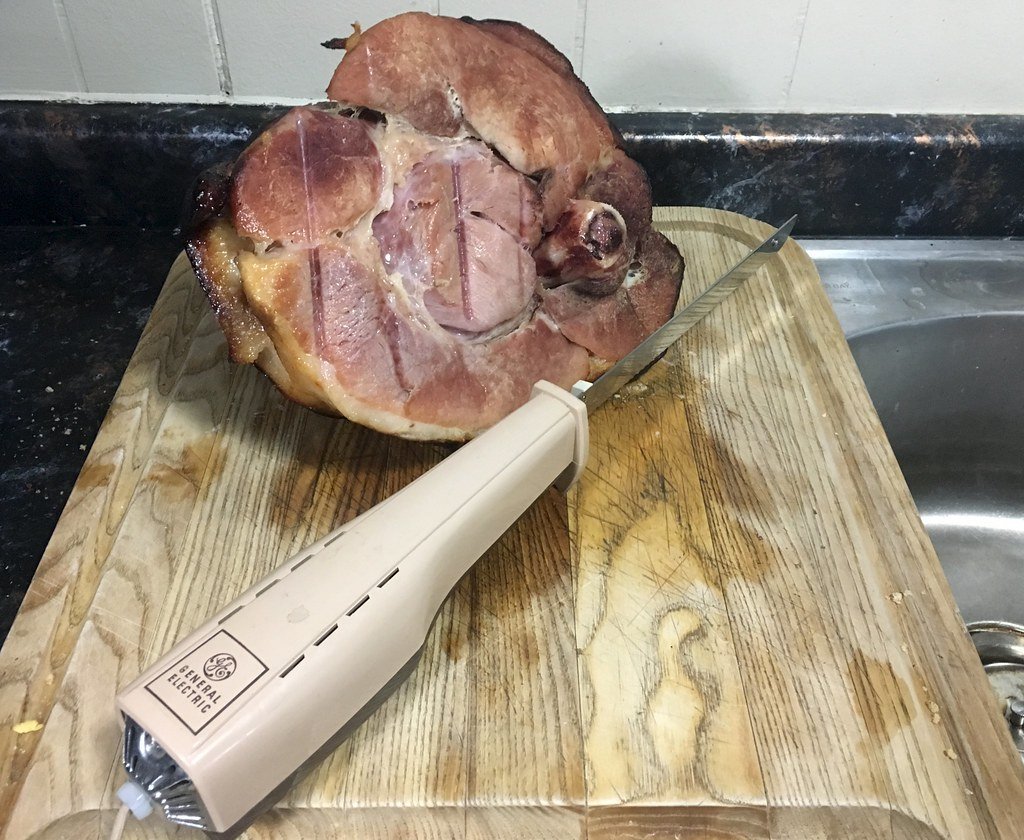
Some of the cool tools of the time included electric knives for Sunday roast slicing, and they were genuinely a big deal. Two serrated blades oscillated back and forth at high speed, making it possible to carve a Thanksgiving turkey or a pot roast with almost no effort. The whirring sound they made was completely distinctive and signaled that a major meal was imminent.
Using an electric knife correctly meant applying almost no downward pressure – just a light guiding touch as the blades did the actual cutting work. Apply too much force and the meat would tear instead of slice cleanly. It’s a counterintuitive skill that takes a few attempts to learn, and without context, a millennial encountering one in a kitchen drawer could easily mistake it for a power tool from the garage.
26. The Spice Carousel
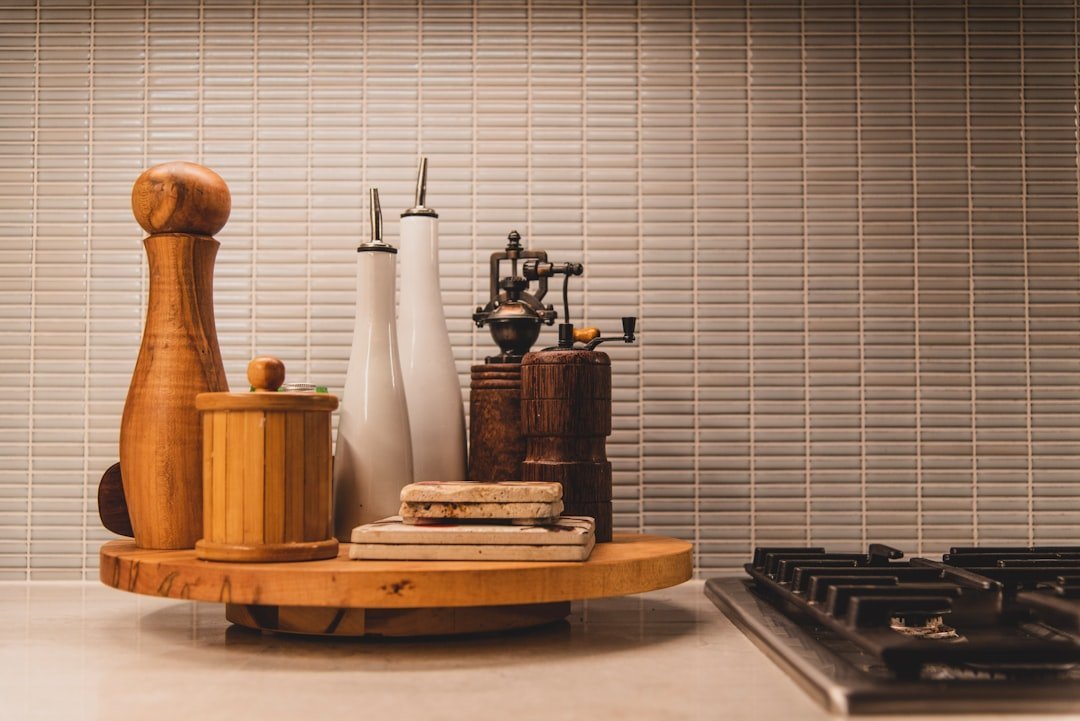
Spice carousels added a really charming touch to home cooking in the 1970s. A round, tiered spinning rack sat on the counter and held two dozen or more individual labeled spice tins or glass bottles. You spun the rack to find the spice you needed – a satisfying little motion that made cooking feel organized and intentional. The racks often matched the kitchen’s color scheme, in earthy browns, golds, or greens.
Knowing how to use one was mostly about understanding the refill system – tiny spice tins had to be refilled from larger containers, and the rack had its own dedicated position on every counter it called home. Today’s spice storage tends to be drawer inserts, magnetic wall panels, or simple cabinet shelves – the spinning counter carousel has all but disappeared from modern kitchens.
27. The Trash Compactor

Rolling washing machines and trash compactors were a distinctly 1970s fixture in American homes. The compactor was essentially a built-in metal box under the counter that used a heavy ram to crush a week’s worth of garbage into a single dense block. It was considered a modern luxury – a sign that you had moved past simply throwing things away and into the era of efficient, space-saving waste management.
Operating one meant knowing how to load the drawer-style bin, engage the safety switch, and start the compression cycle without trapping any glass or hazardous materials inside. Today’s recycling culture has made compactors largely obsolete – and the concept of crushing all your household trash into a single brick runs directly against how most people think about waste in 2026.
28. The Harvest Gold or Avocado Green Stand Mixer
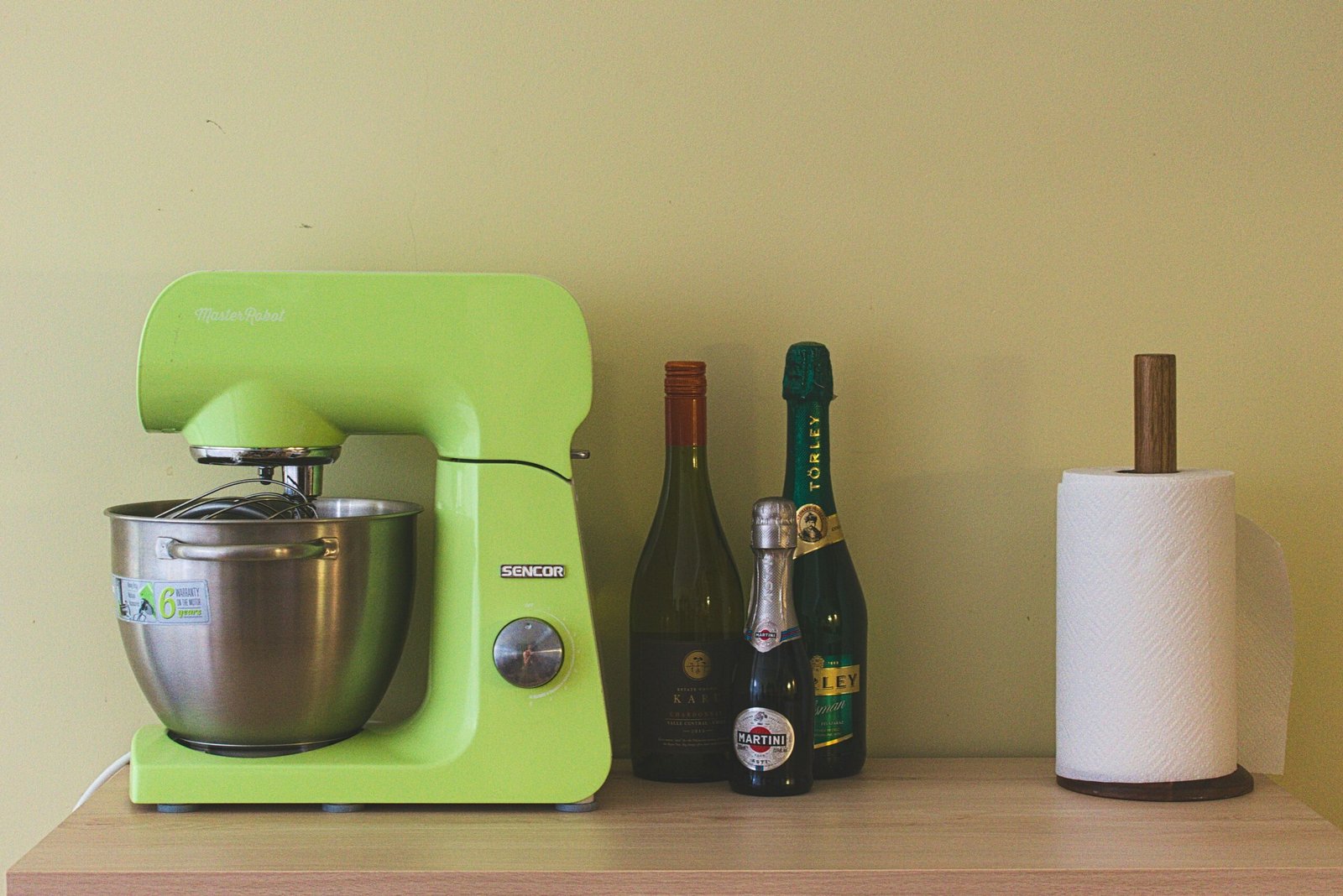
The avocado green stand mixer became a staple in countless 1970s kitchens. Its bold color and sturdy design made it both fashionable and functional, sitting proudly on the counter instead of being tucked away. Home bakers relied on it for whipping cake batters, kneading bread dough, and making fluffy meringues. Many people remember the steady hum of the motor as the sound of homemade treats on a Saturday afternoon.
The mixer itself wasn’t the mystery – it was the attachments. Each bowl-lift or tilt-head model came with a dough hook, a wire whip, and a flat beater, each designed for different tasks and each requiring its own method of attachment and speed setting. Getting the wrong combination produced chaos. Getting it right was the mark of a confident home cook who knew the machine like a familiar tool.
29. The Milkshake Maker
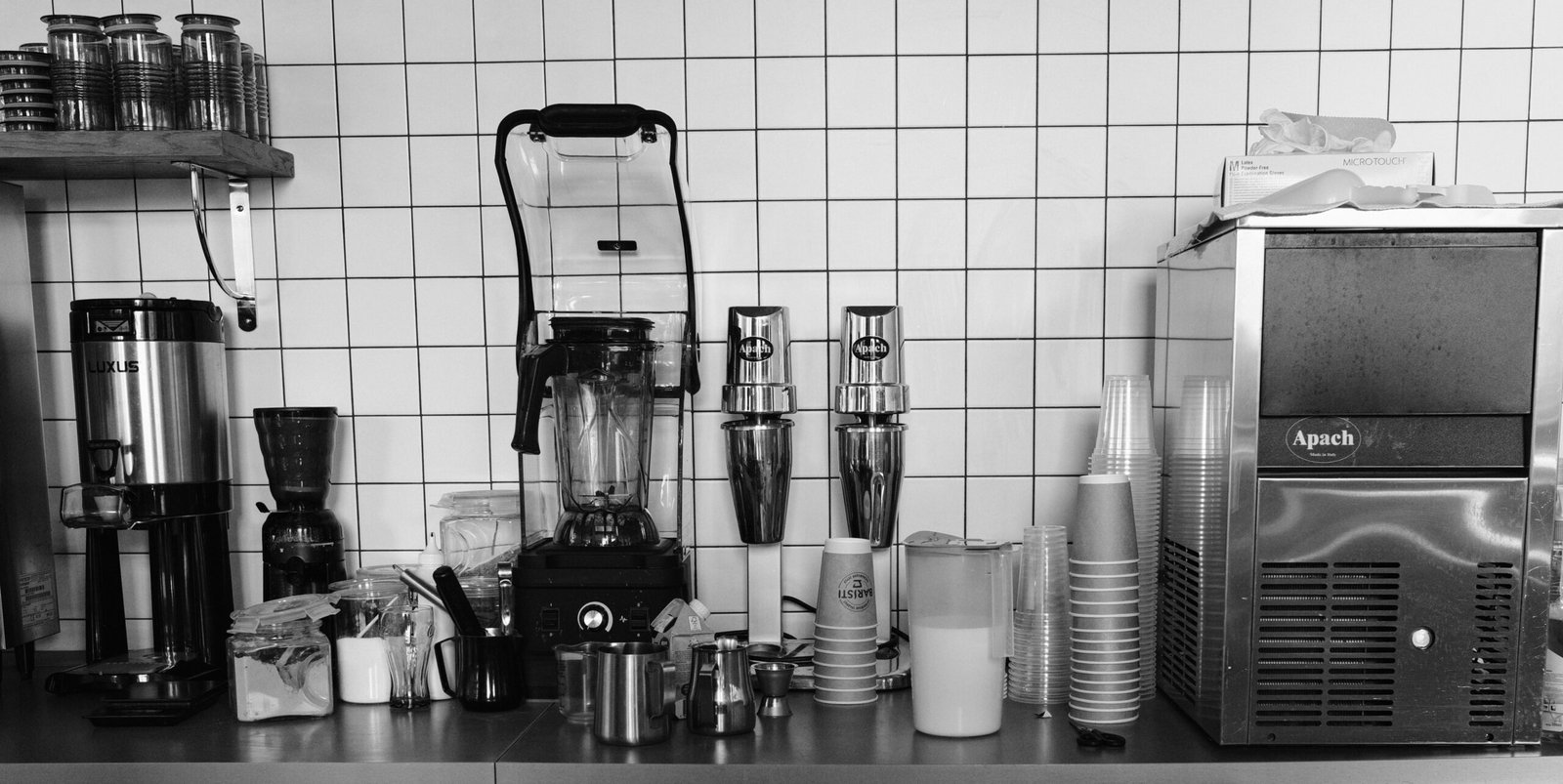
Milkshake makers added a bit of soda fountain pizzazz to home kitchens in the 1970s. The countertop appliances, usually with a metal mixing cup and a vertical spindle, blended milk, ice cream, and flavorings into smooth, creamy shakes. They’d been around in home kitchens since the 1930s, particularly among families that enjoyed making diner-style treats without having to go in person.
Most of these machines were single-use but did the one thing they were supposed to do – churn out relatively frothy, consistent milkshakes with less effort than a blender requires. This gadget could also provide double duty for malts and protein shakes. As kitchen gadgets grew more sleek with time, milkshake makers were outpaced by the all-purpose blender.
30. The Electric Skillet
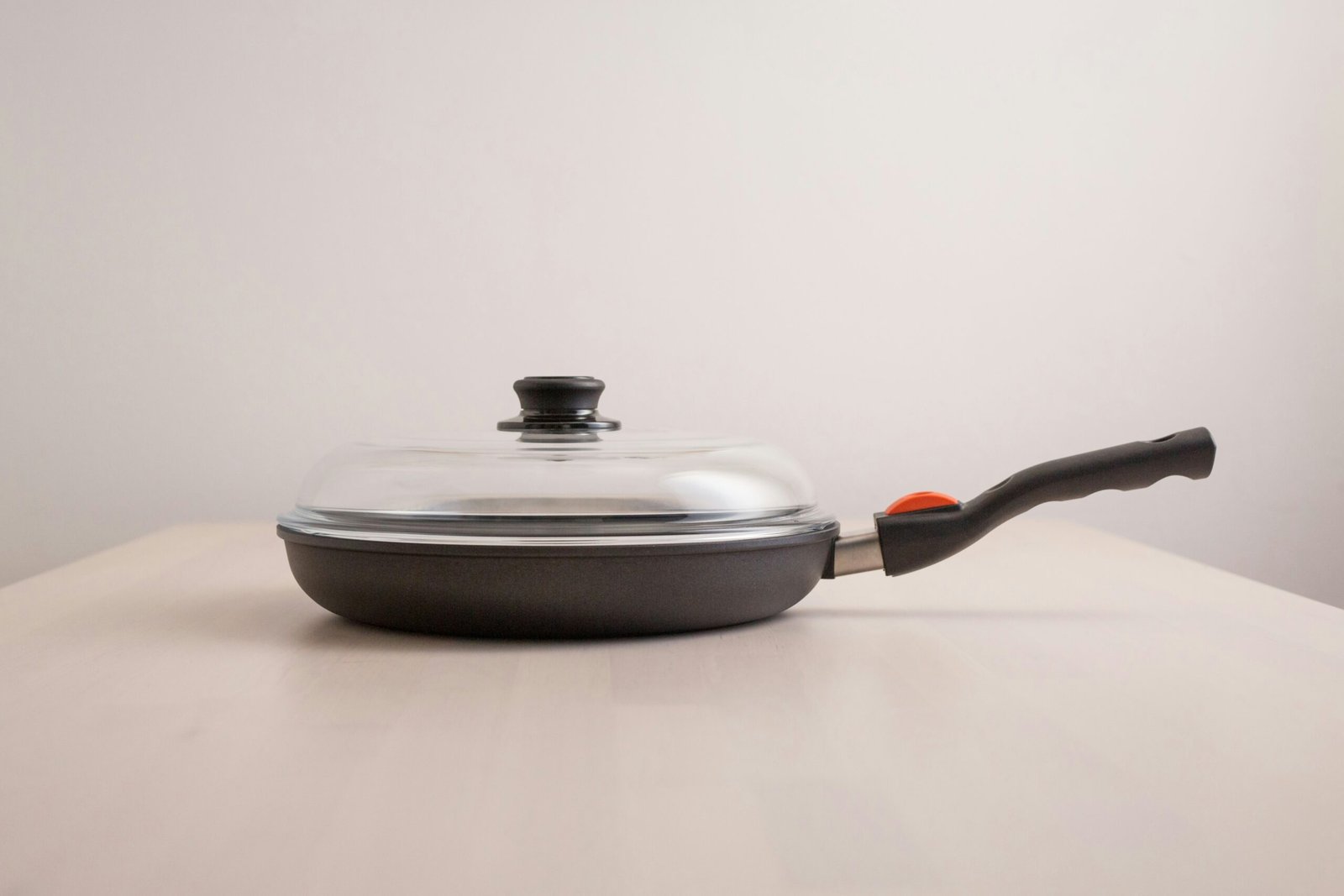
The electric skillet offered versatility that few other appliances could match. It could fry chicken, sauté vegetables, or simmer casseroles – all without a stove. The temperature dial and glass lid gave cooks more control than ever before. Many families used it for Sunday brunches or camping trips.
The key to using an electric skillet was understanding how the thermostat worked – unlike a gas burner where you control heat by feel, the skillet had a dial with specific temperatures. You had to know that 325°F was right for eggs, 375°F for fried chicken, and 200°F for keeping food warm at the table. That temperature-based cooking logic was second nature in the ’70s kitchen and feels oddly foreign today.
31. Patterned Pyrex Cookware
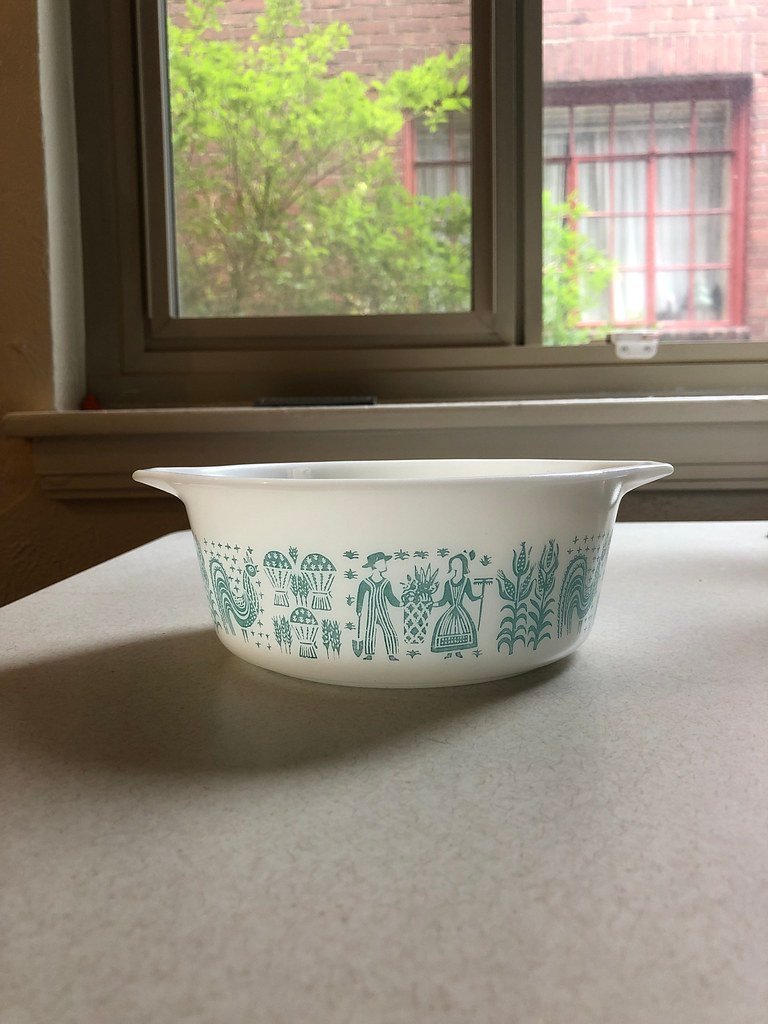
Patterned cookware from the 1970s wasn’t just made to prepare food in – it was also designed to decorate dinner and buffet tables during celebrations and special events. Cooks could use the decorative kitchen items to showcase their personal home decor style while also serving up perfectly prepared food. Corning Glass Works designed a variety of fashionable Pyrex patterns, including the Homestead and Old Orchard lines. If you’re lucky, you can still find these collectible pieces on thrift store shelves today.
Using Pyrex correctly meant understanding the difference between oven-safe and stovetop-safe glass – a detail that could end in a dramatic shattering if ignored. The patterned dishes went from oven to table without a second thought, often with pot holders that matched the kitchen towels, which matched the curtains, which matched the avocado green refrigerator. Everything coordinated. It was a whole system.
32. The Slow Cooker (Crock-Pot)

The original Rival Crock-Pot was introduced in 1971 and became one of the defining kitchen appliances of the decade. The concept was radical at the time: throw in raw ingredients in the morning, set a simple dial to Low or High, and come home hours later to a finished meal. No stirring, no watching, no babysitting the stove. It was a working family’s dream.
The entire operating philosophy of a slow cooker – patience, minimal intervention, trusting the low heat over many hours – is a fundamentally different relationship with cooking than the speed-optimized, microwave-everything approach that followed in the ’80s and beyond. Families gathered around slow cookers, popcorn makers, and fondue pots that made daily life a little more fun. It was social cooking equipment as much as it was practical.
33. The Home Intercom System
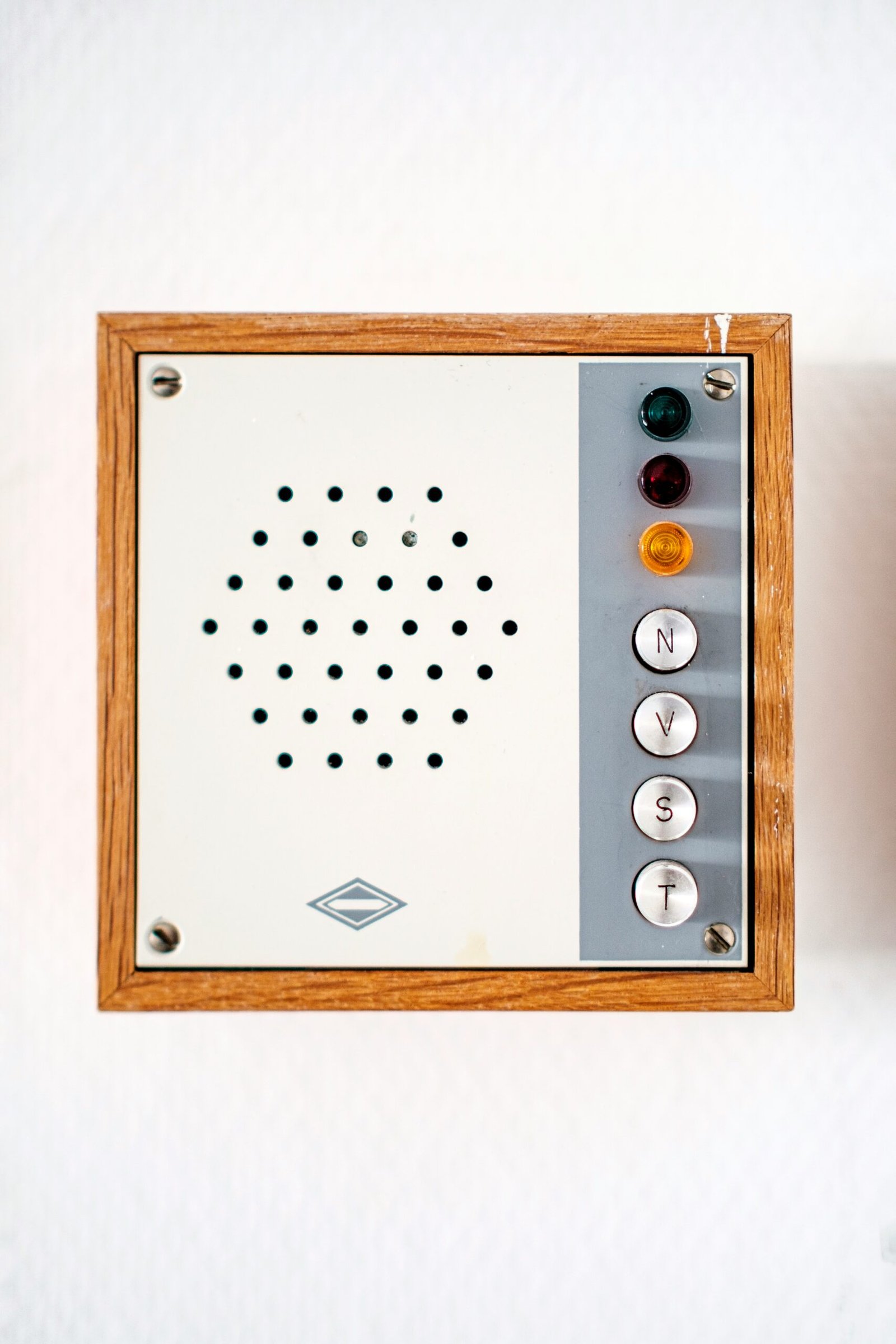
In the 1970s, larger American homes often had wired intercom systems connecting different rooms – sometimes kitchen to bedroom, sometimes front door to living room. You pressed a button, spoke into a small wall-mounted grille, and your voice crackled through a speaker somewhere else in the house. It was the height of modern convenience and made summoning the kids for dinner feel almost futuristic.
The systems ran on their own internal wiring, completely separate from the telephone lines, and required knowing which station corresponded to which room from a numbered panel near the front of the house. Without the house map in your head, you might accidentally broadcast your conversation to the garage instead of the kitchen. The whole concept of a home intercom as a fixed installation has virtually no place in modern life, replaced entirely by simply shouting a text message.
34. The Typewriter
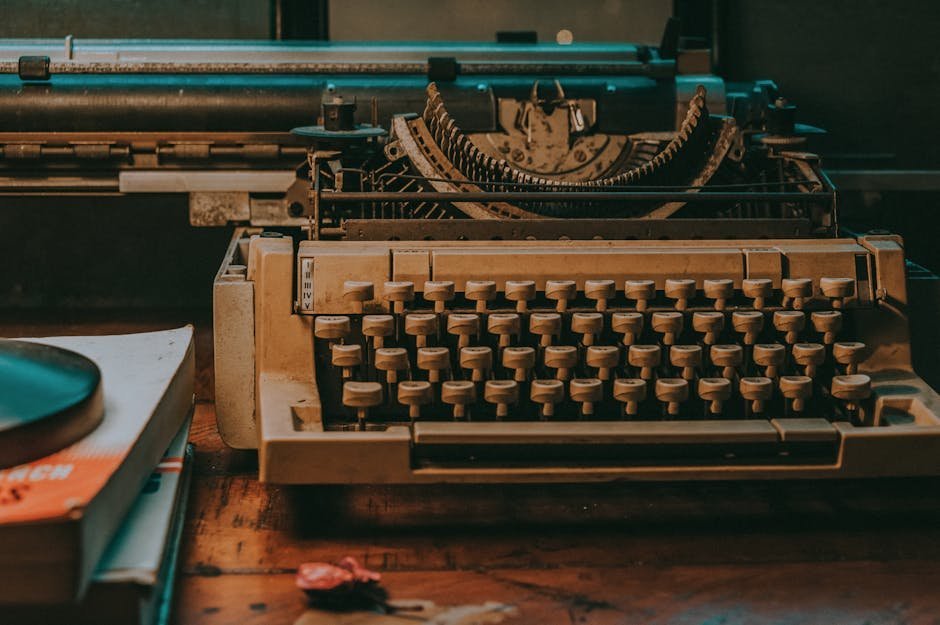
Plenty of 1970s households had a manual or electric typewriter parked on a desk in the den or a spare bedroom. Students typed school reports on them; parents used them for correspondence, business letters, and legal documents. The mechanical act of typing on a manual machine required real physical force – each key strike was a deliberate hammer blow, not the whisper-light tap of a modern keyboard.
Correcting a mistake meant painting over it with liquid correction fluid, waiting for it to dry, rolling the carriage back, and retyping over the white patch – an operation that added significant time to any document. Whiteout, correction tape, and carbon paper were the three essential accessories of 1970s home typing. No millennial who grew up with Ctrl+Z has any real muscle memory for the commitment a typewriter required.
35. The Home Sewing Machine with Foot Pedal

In the 1970s, knowing how to sew was a practical household skill, and a pedal-operated sewing machine lived in a surprising number of homes. Threading the bobbin, winding the spool, and tension-setting the needle were not optional technical details – they were prerequisites to getting anything done. The entire machine had to be threaded in a specific sequence or it simply wouldn’t sew.
The foot pedal controlled speed: light pressure for slow, precise stitching around curves; more pressure for long straight seams. Sewing your own curtains, repairing clothes, or making Halloween costumes at home was an entirely normal thing to do in a 1970s household. Today it’s considered a specialty skill. The machines still exist, but the working knowledge has quietly retired with the generation that used them daily.
36. The Sunken Conversation Pit
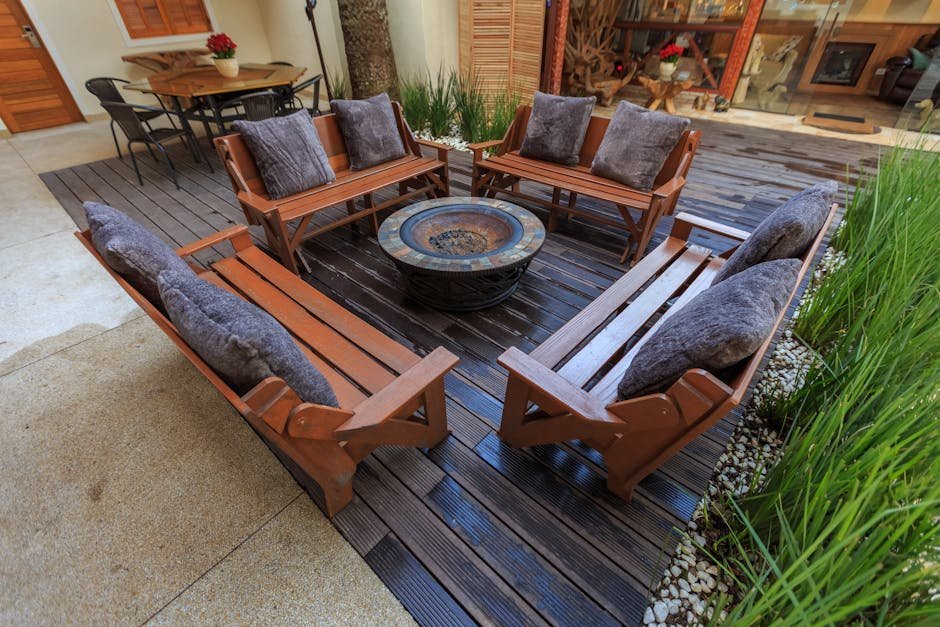
Unlike the open-plan layouts that are popular in many modern homes, the 1970s saw different areas of the home separated to create a communal, cozy feeling. From sunken conversation pits to beaded curtains, people used decor and architecture to cultivate areas for mingling and different activities. The conversation pit was literally a recessed seating area built into the living room floor – a step down into a carpeted, cushioned enclosure that felt like a den within a den.
Using a conversation pit correctly meant understanding its social purpose – it was designed to draw people into a circle, facing each other, with no easy escape route and no television directly in view. The whole design was built around the lost art of sitting with people and actually talking. By the 1980s, liability concerns and changing tastes saw most of them filled in and leveled. Today they appear only in architecture magazines as a kind of fascinating, impractical dream.
37. The Hanging Egg Chair

For the ultimate in groovy relaxation, ’70s homeowners turned to hanging chairs. These suspended seats, often made of rattan or plastic, added a playful touch to living rooms and bedrooms. Whether egg-shaped or more traditional in design, hanging chairs were the epitome of laid-back ’70s style. They required a ceiling-mounted hook rated for a significant load and a chain or rope of the right length for the room’s ceiling height.
Today, you might spot a hanging chair on a porch or in a bohemian-inspired interior, but they’re no longer a staple of everyday home decor. Modern seating tends to prioritize function over whimsy, leaving the hanging chair as a fun but infrequent design choice. Getting in and out gracefully was a skill of its own – the entry involved a controlled drop while the chair swung, and the exit required a decisive lurch forward. Dignity was entirely optional.
38. The Ashtray Collection
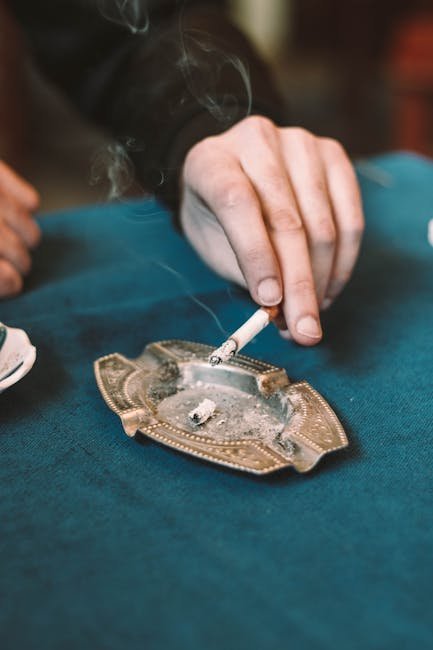
Ashtrays used to be a common sight in almost every home in the decades leading up to the 1970s. Even if the homeowner didn’t smoke, they provided ashtrays for their guests. They could be simple or even elaborate to the point of becoming part of the decor. Cut glass, ceramic, hammered brass, and painted porcelain versions sat on coffee tables, side tables, and kitchen counters as entirely normal household objects.
To Gen Z, raised in the era of vaping, wellness culture, and anti-smoking campaigns, an ashtray is less a household object and more a relic of a bygone civilization. Explain that people smoked indoors – on airplanes, at offices, in hospitals – and watch their eyes widen. In the 1970s home, ashtrays were simply furniture. They were emptied, cleaned, and refilled as a routine part of housekeeping. The concept is genuinely incomprehensible to younger generations.
39. The Card Table and Folding Chairs
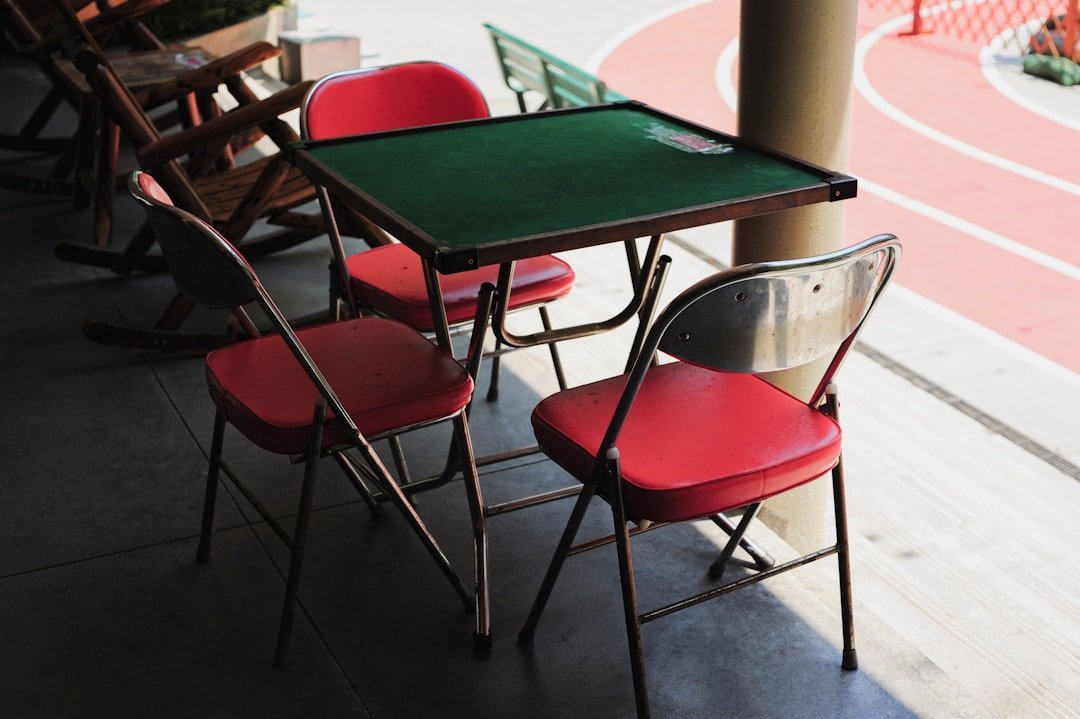
The standard-issue 1970s household kept a folding card table and a set of four folding metal chairs stored in a closet for exactly one purpose: extra seating during holiday dinners and family gatherings. The table unfolded to a precisely 34-inch square with a felt or vinyl top, and the chairs snapped open with a practiced one-handed flick of the wrist. Setting up for Thanksgiving was a full team operation.
The card table had a second life as the children’s table – where the kids got shuffled during big family dinners, sitting slightly lower than the adults at the formal dining table. The hierarchy was universally understood and silently resented. Today’s flexible, modular furniture culture has replaced the dedicated card table, but for anyone who grew up eating Christmas dinner at one, the memory of its wobbly legs is permanently installed.
40. The Foil Wallpaper

For those who wanted to add a touch of glamour to their ’70s home, foil wallpaper was the answer. Metallic wallpaper – silver, gold, or copper – transformed dining rooms and powder rooms into glittering, reflective spaces that caught every candle and overhead light. It was considered the peak of sophisticated interior design, the kind of thing you did to a room to signal that you took entertaining seriously.
Hanging foil wallpaper was genuinely technical work. The material was unforgiving – any air bubble, misaligned seam, or crooked edge was visible and reflective, impossible to hide. Matching the pattern at each seam required measuring twice and then measuring again. The actual process of papering a room, including stripping old wallpaper, sizing the walls, and applying paste without wrinkling – was a skill handed down through families like a trade secret, and it has largely vanished.
41. The Fuzzy Toilet Seat Cover (and Matching Rug Set)

Is there anything that screams 1970s more than a fuzzy toilet seat cover? The 1970s embraced maximalist design, with people employing multiple patterns, textures, and materials in their homes to personalize spaces and make them feel luxurious. And the bathroom was no exception. In addition to the popularity of shag carpeting, many homes utilized fuzzy, rug-like toilet seat covers to add style and comfort to their bathrooms.
The full bathroom set – matching toilet lid cover, seat cover, and floor rug, often in seafoam green, dusty pink, or harvest gold – was a point of household pride. Guests noticed and commented. Mothers replaced them seasonally. The care instructions involved hand washing and air drying to preserve the pile, and there was an entire domestic knowledge base around keeping them looking neat. Today, the concept of carpeting your toilet is so far outside mainstream design thinking that it qualifies as performance art. But in 1975, it was just Tuesday.
There’s something quietly remarkable about how completely a decade can disappear from everyday knowledge. The items on this list weren’t oddities or luxuries – they were the ordinary fabric of daily life for millions of American families. Every kid who grew up in a ’70s household knew how to thread a bobbin, work a rotary dial, and navigate a room by the light of a lava lamp. That knowledge passed with the decade itself, replaced by new tools and new habits so quickly that whole skill sets simply dissolved between generations. Which of these do you actually remember using? Drop it in the comments.