
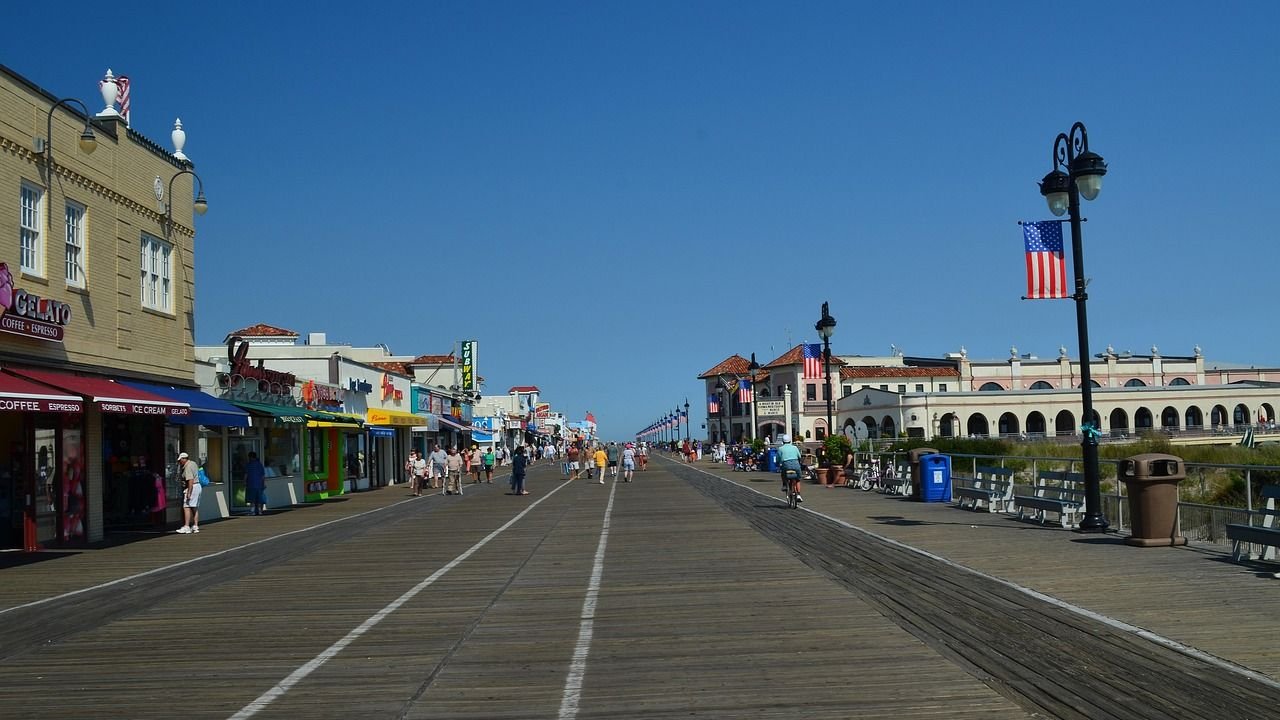
You spent months picturing it: open sand, salt air, the full reset. Then you arrived. You circled the parking lot for 45 minutes, paid $40 to park a quarter mile from the water, and found yourself sharing a six-inch patch of towel space with three thousand strangers while waiting 50 minutes for a table at a restaurant with “Ocean View” in the name and zero ocean visible from inside. The most talked-about beach towns in America have a dirty secret: many of them stopped being enjoyable years ago, and nobody updated the brochure.
This list ranks 14 beach towns by the kind of frustration that turns a vacation into a stress test – traffic standstills, elbow-to-elbow sand, and the slow realization that your escape costs more and delivers less than a Tuesday at home. The closer you get to #1, the worse the math gets. That top spot earned a literal perfect score – in the worst possible category.
#14 – Rehoboth Beach, Delaware: Small Town, Maximum Gridlock
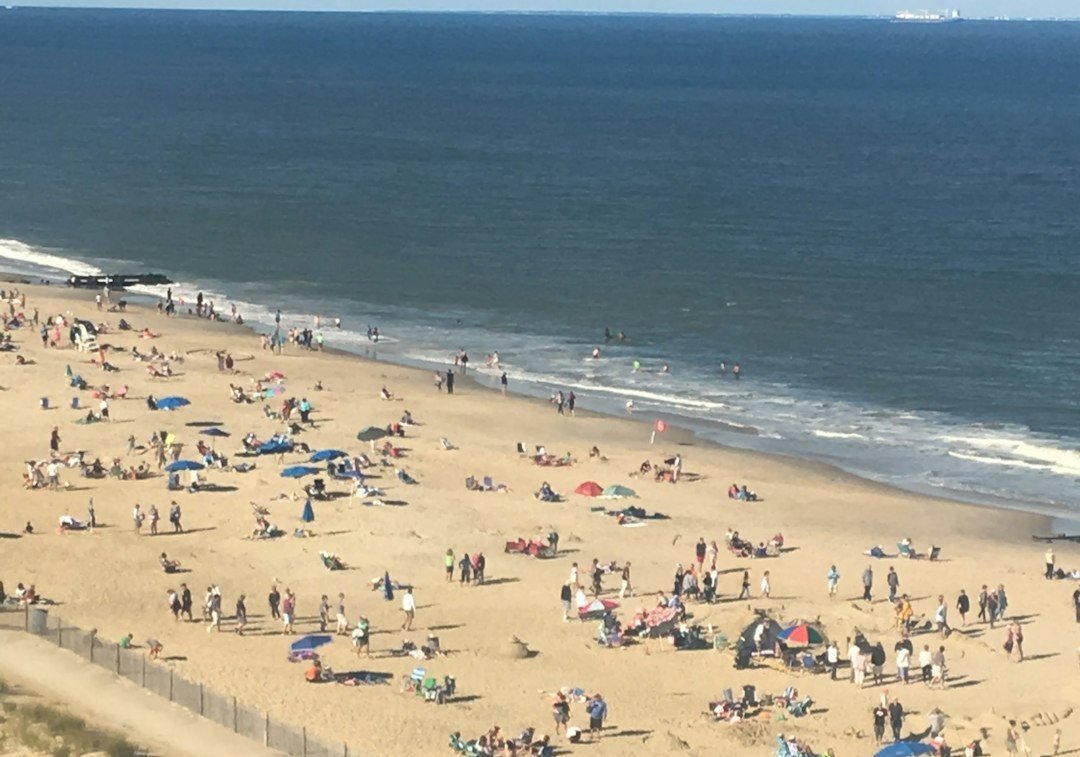
Rehoboth Beach is genuinely charming – walkable boardwalk, great food, easy drive from D.C., Baltimore, and Philadelphia. That last part is exactly the problem. The town has roughly 1,500 permanent residents, but on summer weekends it absorbs a tidal wave of day-trippers from three major metro areas simultaneously. The result is a parking situation that locals describe, without exaggeration, as genuinely unsolvable.
The frustration here is less about the beach itself and more about everything surrounding it. Traffic on Route 1 backs up for miles every Friday afternoon in July. The boardwalk is legitimately fun – but only if you don’t mind moving through it like cattle at a county fair. Rising real estate prices, mounting trash, and relentless congestion have steadily eroded the small-town charm that made Rehoboth worth the drive in the first place.
Fast Facts
- Permanent population: ~1,500 residents
- Peak weekend arrivals: hundreds of thousands from D.C., Baltimore, and Philadelphia metro areas
- Primary pain point: Route 1 gridlock every Friday in July and August
- Dry town nearby: No casino, no mass resort strip – the charm is real, but so is the crowd
#13 – Cape Cod, Massachusetts: The Postcard That Turned Into a Parking Lot
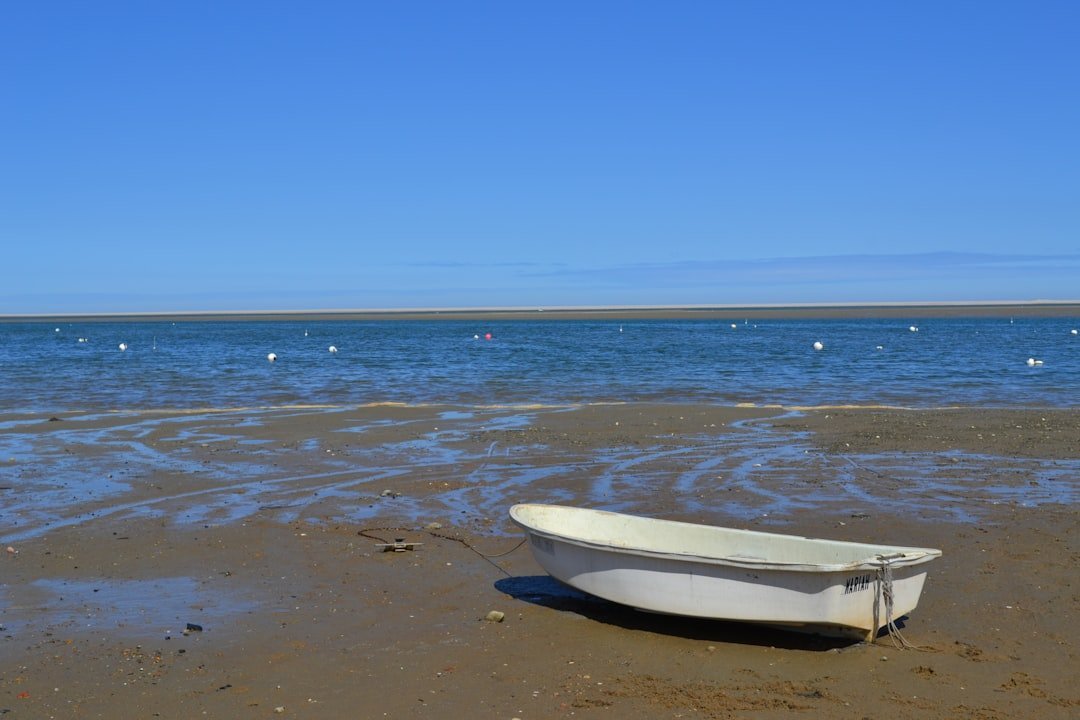
Cape Cod has one of the most recognizable coastlines in America, and that reputation delivers a brutal amount of summer traffic. The geography makes it worse: you’re crossing one of two bridges to get there, and on peak weekends the Bourne and Sagamore bridges become bottlenecks for hundreds of thousands of vehicles. There is no alternate route. There is no workaround. You wait.
Once you’re actually on the Cape, towns like Provincetown and Chatham are stacked with visitors competing for the same limited beach parking, the same restaurant reservations, and rental inventory that books up nearly a year in advance. The irony is that Cape Cod is one of the most genuinely beautiful destinations on this entire list – which is exactly why it gets so relentlessly crushed every summer. Beauty, in this case, is the punishment.
#12 – Ocean City, New Jersey: Eight Miles of Boardwalk, Zero Breathing Room
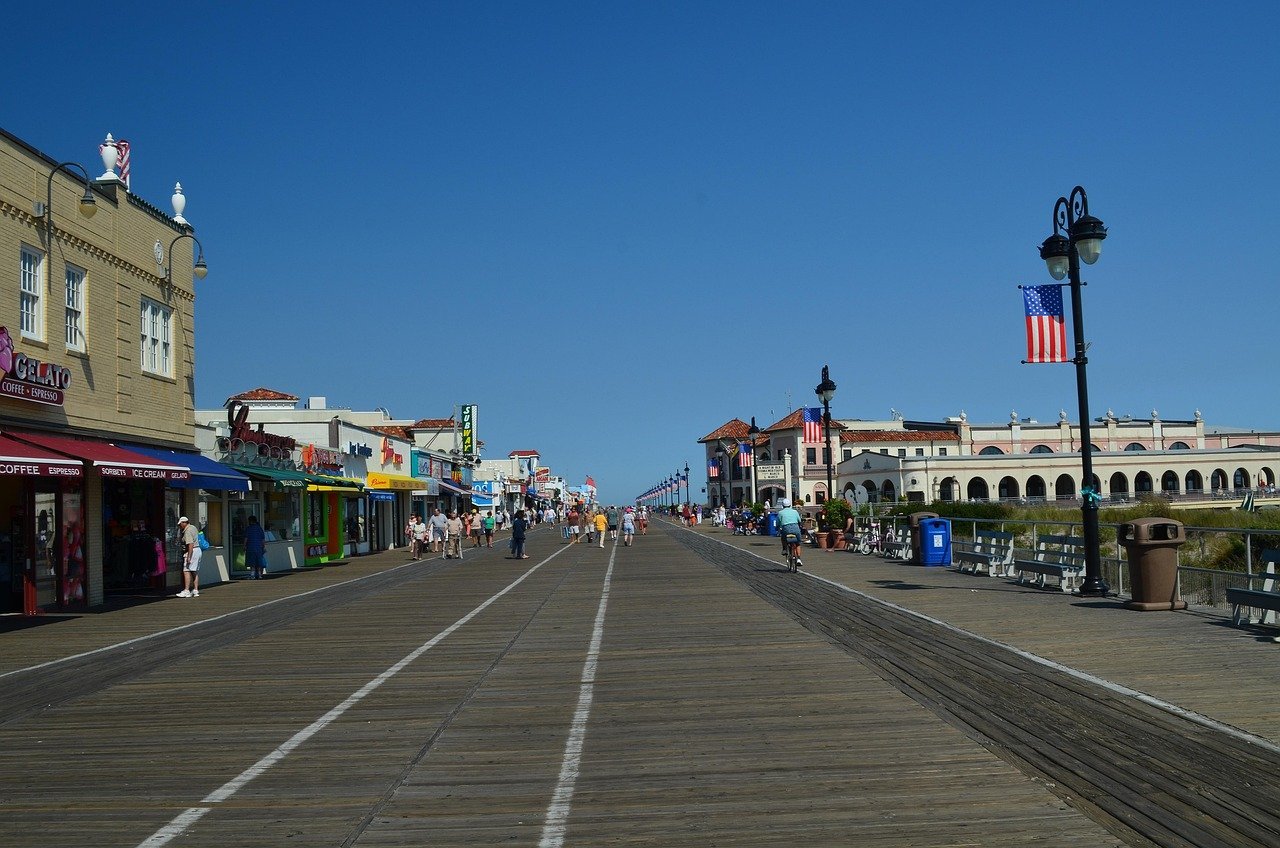
Ocean City, NJ sells itself as “America’s Greatest Family Resort,” and the crowds show up to stress-test that claim every July and August. The island is a dry municipality – no alcohol sales – which keeps things family-friendly in theory but does absolutely nothing to reduce the sheer density of bodies on the beach at peak season. On a summer weekend, the boardwalk feels less like a seaside stroll and more like a slow-moving evacuation drill.
Here’s the kicker: beach tags are required and enforced, which means you’re paying to sit in traffic, paying to park, and then paying again just to touch the sand. The barrier island layout means escape routes are limited, and the bridge traffic on a Sunday afternoon in August is the stuff of local legend. The nostalgia factor keeps people coming back year after year – but that nostalgia dissolves fast after you’ve circled for parking for 40 minutes in 90-degree heat.
#11 – Virginia Beach, Virginia: The Boardwalk That Ate Itself
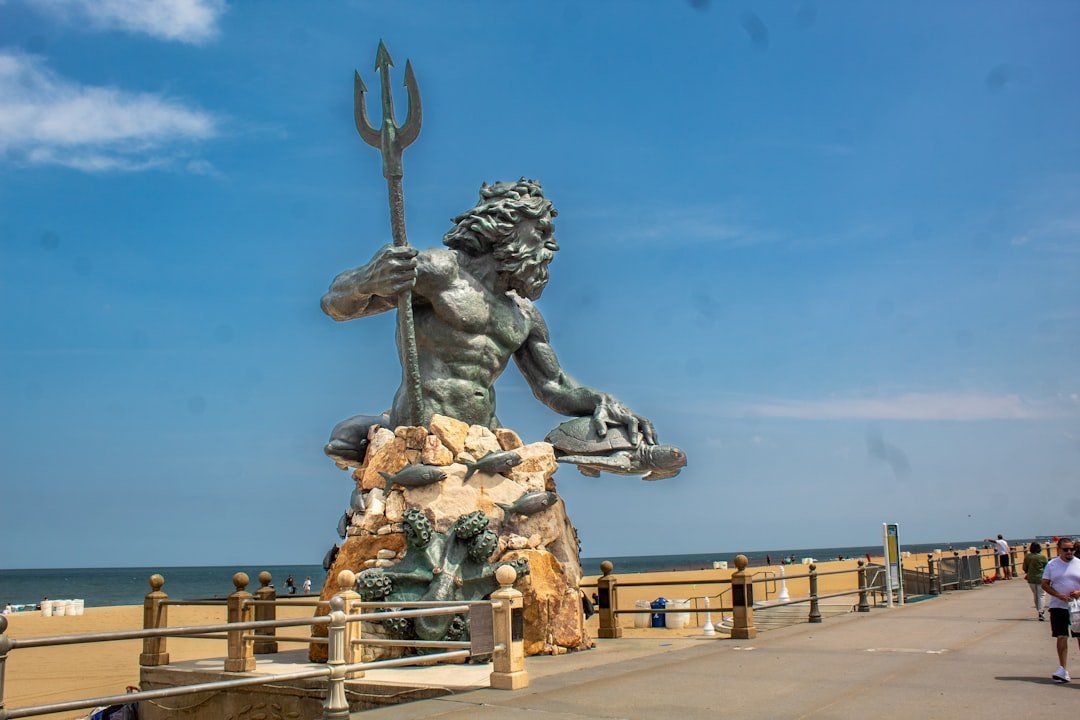
Virginia Beach is one of the most visited beach cities in the entire country, and the infrastructure shows the strain every single summer. The 35-block oceanfront boardwalk draws massive crowds, and the city’s sheer physical size means congestion spreads far beyond the beachfront itself.
The Atlantic Avenue corridor turns into a slow crawl of rental scooters, overloaded shuttle buses, and frustrated families hauling coolers through traffic that shouldn’t exist this close to the ocean. Virginia Beach has the hotels, the restaurants, and theoretically the infrastructure – it just has far too many people using all of them simultaneously. Seasoned coastal travelers who know the area often recommend heading south to the Outer Banks instead. There’s a reason for that.
The Summer Stress Test: Beach Town Realities
Think you're headed for a relaxing seaside escape? From $100 parking fees to 'human sardine cans,' test your knowledge of the most frustrated beach destinations in America and beyond.
Think you caught the key details? Take the quick quiz and see how sharp your instincts really are.
#10 – Ocean City, Maryland: Eight Million Visitors, Six Thousand Residents
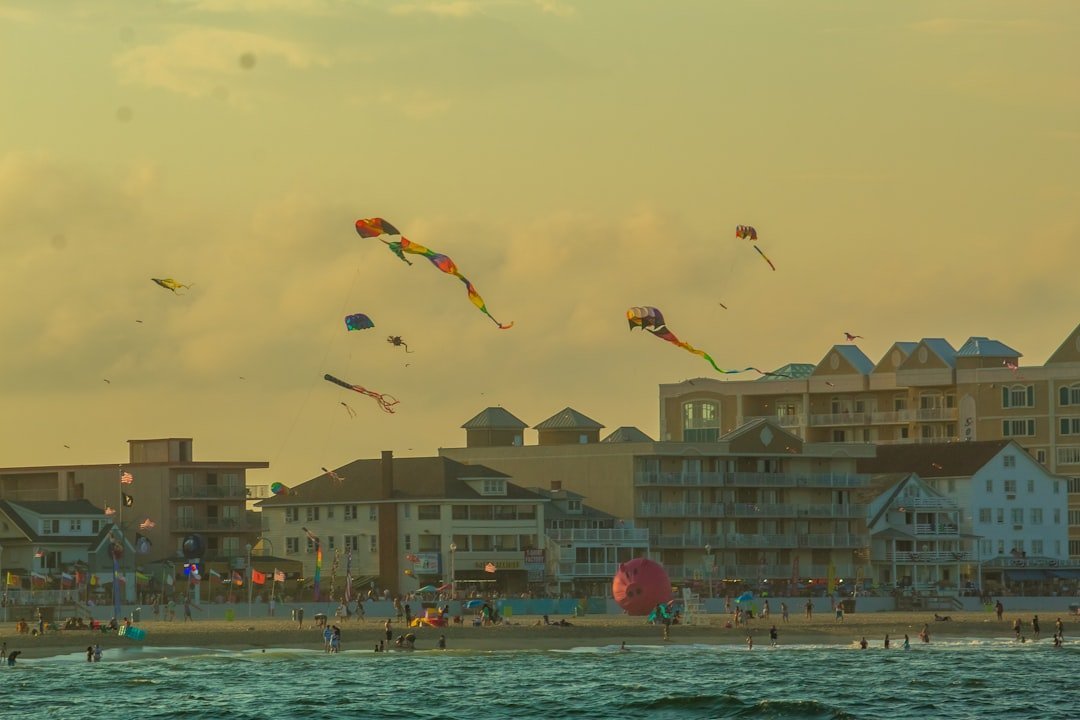
The math alone should give you pause. Ocean City, Maryland draws around eight million visitors per year into a town with a permanent population of roughly 6,844 people. According to U.S. Census data and the town’s own visitor bureau, on peak summer weekends the population swells to between 320,000 and 345,000 vacationers – all of them fighting over parking spots, beach towel real estate, and overpriced seafood on a single barrier island. And there are only two bridges in.
During summer, Ocean City actually becomes the second most populated municipality in Maryland, right behind Baltimore – a staggering stat for a town most people think of as a quiet shore escape. The Route 50 bridge on a summer Sunday is a rite of passage that most visitors only volunteer for once. The town is genuinely charming in the shoulder season, when the crowds thin and the pace slows. In summer, it’s a masterclass in what happens when a destination’s infrastructure simply cannot keep pace with demand.
At a Glance: Ocean City, MD by the Numbers
- Year-round residents: ~6,844 (2020 U.S. Census)
- Annual visitors: up to 8 million
- Peak weekend population: 320,000–345,000 vacationers
- Bridge access: just 2 crossings – US-50 and MD-90 – for all of that traffic
- Summer rank: 2nd most populated municipality in Maryland
#9 – Coney Island, New York: Five Million Visitors, No Reservation Required
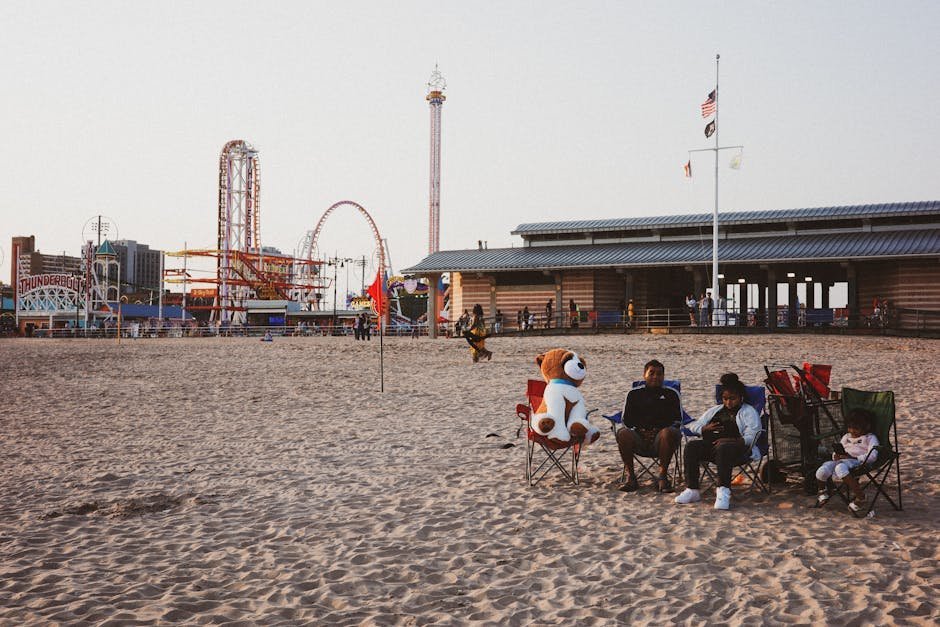
Coney Island is iconic for exactly the reasons that make it unbearable in peak summer. The beach is free. It’s accessible by subway from the largest city in the country. It has two amusement parks, a legendary hot dog contest, and Friday night fireworks. The result: more than five million visitors annually, and on the Fourth of July weekend, the concept of personal space simply ceases to exist at this address.
Finding a clear patch of sand at Coney Island in July is competitive in the way that a limited sneaker drop is competitive – you need to arrive early, move fast, and accept that someone’s elbow will be in your face regardless. The subway ride home at the end of the day – packed, standing, sweaty, and smelling of sunscreen and funnel cake – is its own special category of suffering. The nostalgia is real. The comfort is not.
#8 – La Jolla, California: Beautiful Cliffs, Brutal Reality
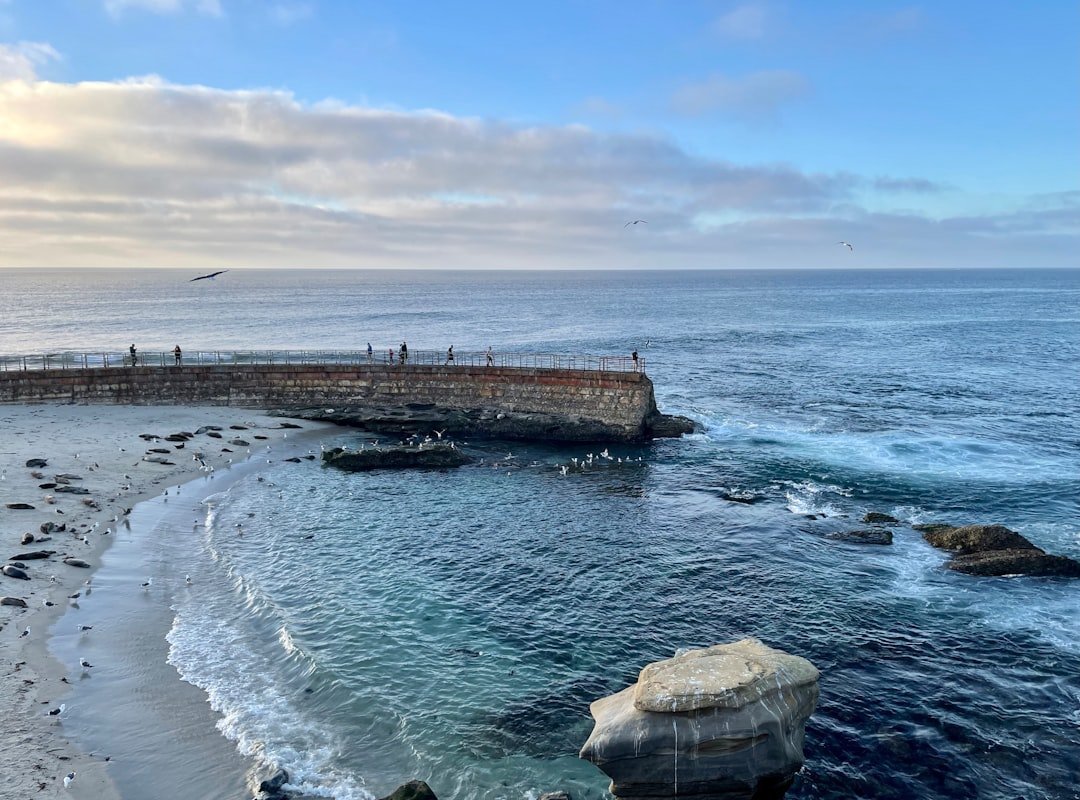
La Jolla looks exactly like what you picture when someone says “Southern California coast.” The problem is that everyone on earth has seen those same images and decided to show up at the same time. La Jolla Cove scored 64.3 out of 100 on a global beach complaint analysis by Cloudwards, with nearly 58% of negative reviews specifically flagging cleanliness and hygiene problems that undercut its natural beauty. Street parking disappears by 9 a.m. in summer, and the narrow roads feeding into the cove create a frustration loop that many visitors never escape – they just give up and drive home.
The sea lions at the Children’s Pool cove are a major draw, but they’ve also generated years of controversy, seasonal closures, and a persistent odor that surprises first-time visitors in a very specific and immediate way. La Jolla is legitimately one of the most stunning stretches of California coastline. That beauty is also its curse. The more perfect the photos look online, the more brutal the gap between expectation and reality when you arrive in August.
#7 – Santa Monica, California: 7.5 Million Visitors, One Beach
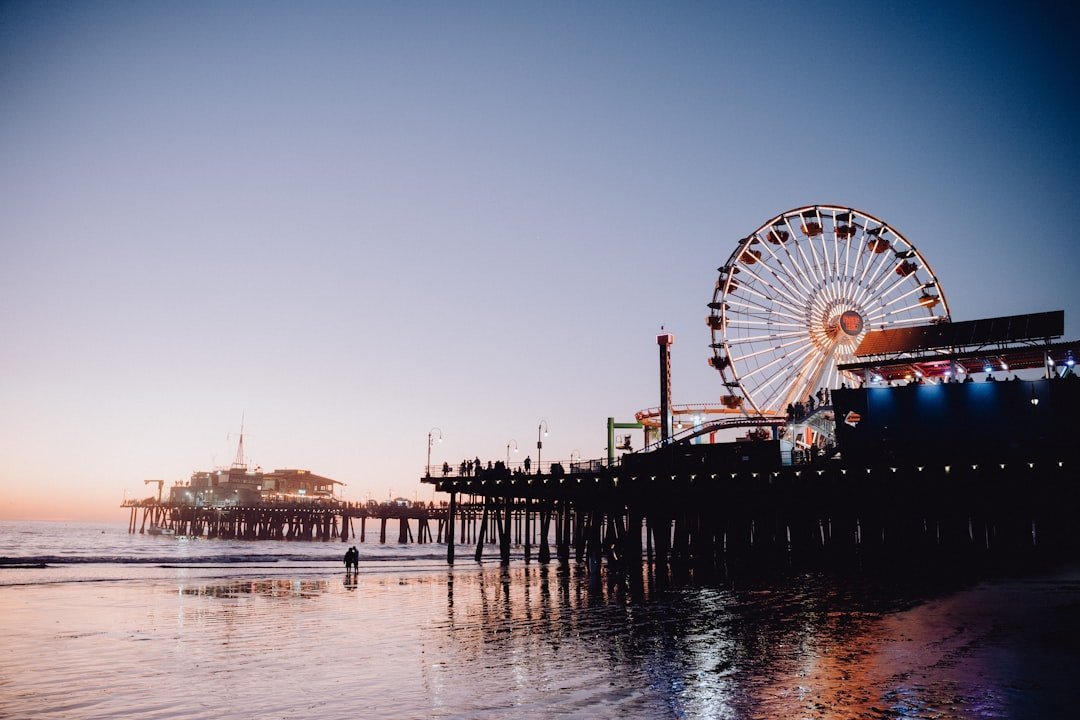
Santa Monica’s proximity to Los Angeles means the demand placed on it is essentially unlimited. Sitting just north of Venice Beach and roughly 35 minutes from downtown L.A., the city draws about 7.5 million tourists per year – an enormous number for a beach that is not especially large. Finding a clear patch of sand in peak summer is genuinely competitive. Parking is expensive, stressful, and often unavailable. The pier feels less like a scenic ocean attraction and more like a crowded theme park entrance.
The real frustration with Santa Monica isn’t the beach itself – the beach is still beautiful, no question. It’s the full-system breakdown that surrounds it: $30-plus parking structures, the aggressive energy along the promenade, and a stretch of the beach corridor that has become genuinely uncomfortable for families in ways that booking-site photos don’t capture. This is a place where the brand far exceeds the current product. The gap between the two gets wider every summer.
Quick Compare: East Coast vs. West Coast Crowd Frustration
- Ocean City, MD: 8 million visitors, 2 bridge crossings – math problem with no solution
- Santa Monica, CA: 7.5 million visitors, $30+ parking, pier jammed like a theme park
- La Jolla, CA: Complaint score 64.3/100 – beauty and frustration arrive as a package deal
- Coney Island, NY: Free beach + subway access = zero natural crowd control
#6 – Myrtle Beach, South Carolina: The Most Searched Beach in 18 States
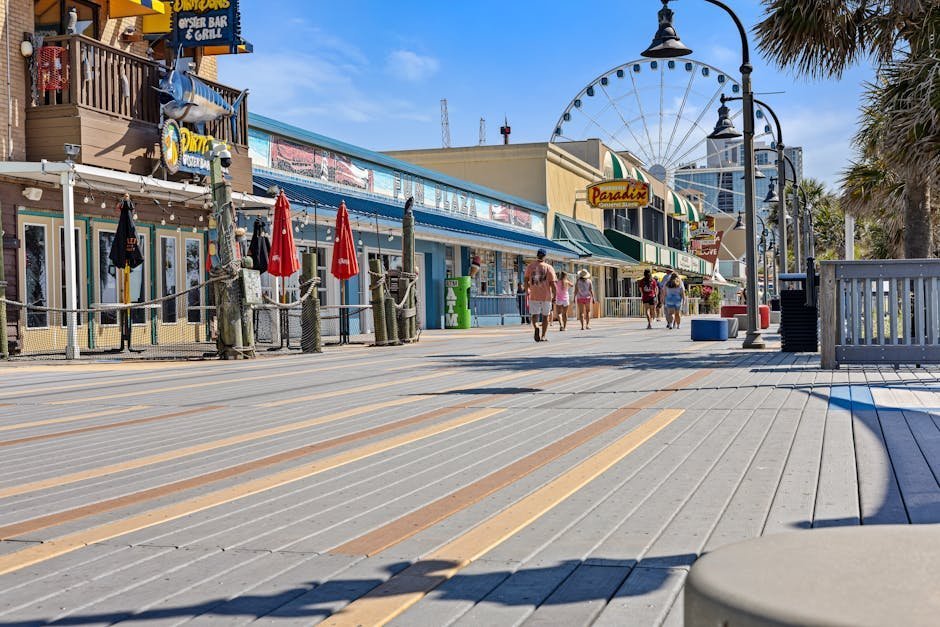
Myrtle Beach is the most searched beach destination in 18 American states – a data point that tells you everything you need to know about summer crowd levels before you even look at the photos. The Grand Strand stretches 60 miles along the coast and draws a staggering volume of budget-conscious family travelers, which means every motel, seafood buffet, and mini-golf course operates at near-maximum capacity from Memorial Day to Labor Day without a break.
The nickname “Dirty Myrtle” persists among frequent visitors for reasons that span cleanliness, safety concerns during large-scale events like Bike Week, and the general sense that the destination has spent decades prioritizing volume over experience. The boardwalk has real charm buried underneath all the noise. You just have to want it badly enough to dig through the crowds, the traffic, and the aggressive souvenir vendors to find it. Many visitors decide, somewhere around hour two, that they don’t.
#5 – Clearwater Beach, Florida: The Gulf Escape That Stopped Being Peaceful
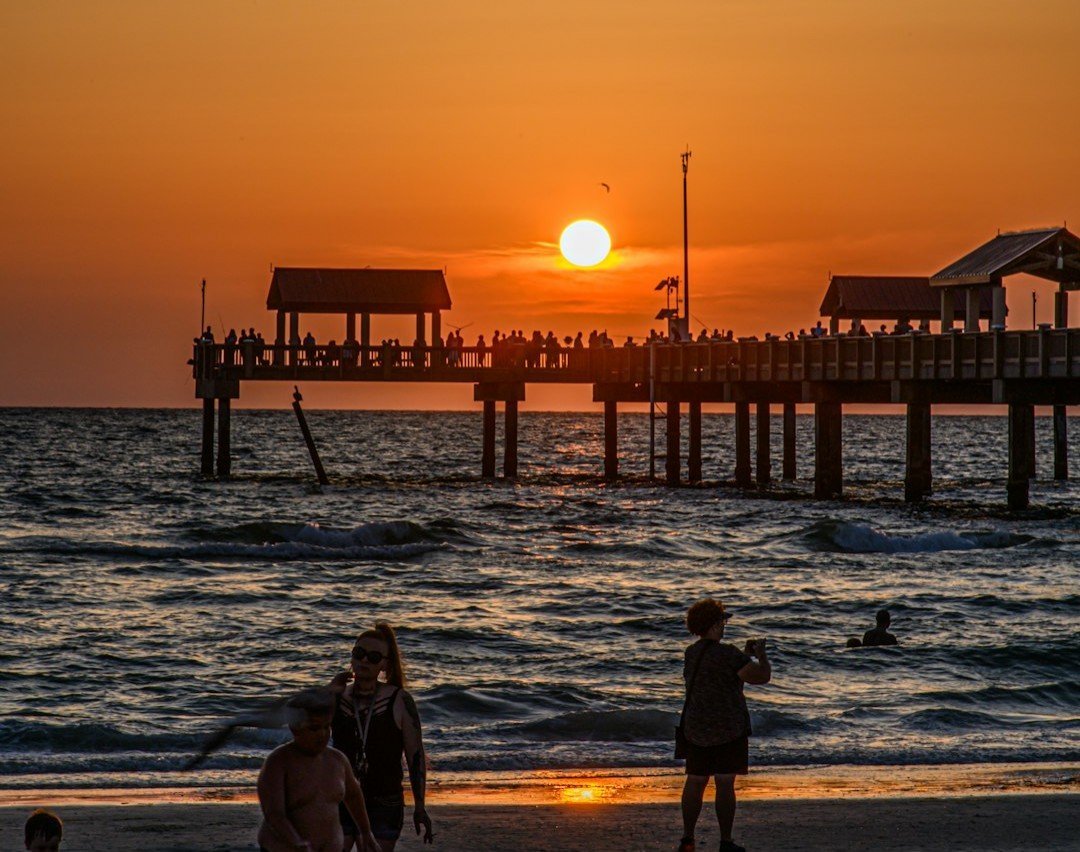
For years, Clearwater Beach sat near the top of national “best beaches” rankings, and that reputation became a slow-motion curse. The beach earned a global complaint score of 65.5 out of 100 in the Cloudwards review analysis, with overcrowding accounting for roughly two-thirds of all complaints. The same white sand and warm Gulf water that made it famous now sit under layers of umbrellas packed so tightly that lifeguards can barely see the waterline from their stands.
Hotel prices in Clearwater during summer are eye-watering, parking is nearly impossible, and the “peaceful Gulf escape” fantasy evaporates within about ten minutes of arrival. The Clearwater Beach Causeway turns into a parking lot every Friday afternoon from June through August – a traffic jam that regularly stretches back to the mainland. This is a place where the photos on booking sites are technically accurate and practically misleading at the same time. The beach exists. The peace does not.
Worth Knowing: Cloudwards Global Complaint Scores (U.S. Beaches)
- Waikiki Beach, HI – 100/100 (67.3% of complaints: extreme overcrowding)
- Venice Beach, CA – 89.7/100 (60.6% of complaints: dirt, litter, odors)
- Clearwater Beach, FL – 65.5/100 (overcrowding ~64.6% of complaints)
- La Jolla Cove, CA – 64.3/100 (nearly 58% of complaints: cleanliness and hygiene)
- Methodology: Cloudwards analyzed TripAdvisor reviews from 200 of the world’s most popular beaches, scoring complaints on crowds, dirt, noise, and wait times
#4 – Venice Beach, California: The Boardwalk That Lost the Plot
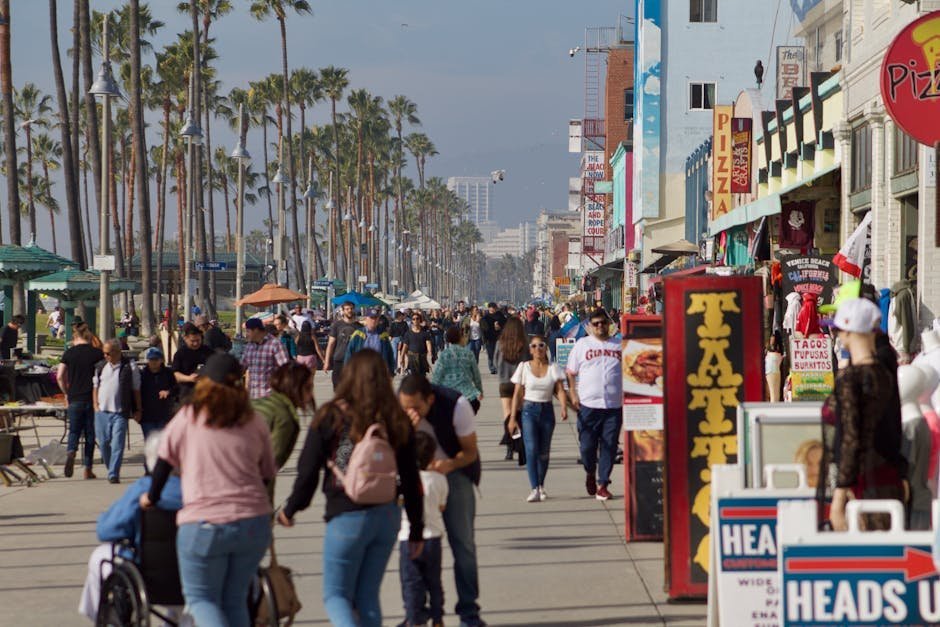
Venice Beach has always been loud, weird, and chaotic – that was the appeal. But what was once an eclectic, freewheeling stretch of SoCal coastline has calcified into an overwhelmed version of itself that’s more exhausting than charming. Venice Beach scored 89.7 out of 100 on the Cloudwards global beach complaint analysis, with 60.6% of negative reviews specifically citing dirt, litter, and unpleasant odors as their dominant memory of the visit. That’s nearly two-thirds of unhappy reviewers flagging filth above everything else.
The Muscle Beach weightlifting area, the skate park, and the street performers still draw visitors in the millions – the beach receives an estimated 10 million visitors annually – but the overall condition of the boardwalk and adjacent beach has deteriorated significantly in recent years. Venice Beach is perhaps the clearest example on this list of a destination running entirely on decades-old momentum. The Instagram version and the version you actually walk through in August are essentially two different places. The Instagram version wins every time, which is why people keep showing up to be disappointed.
#3 – Cancún, Mexico: The World’s Most Disappointing Tourist Destination in 2026
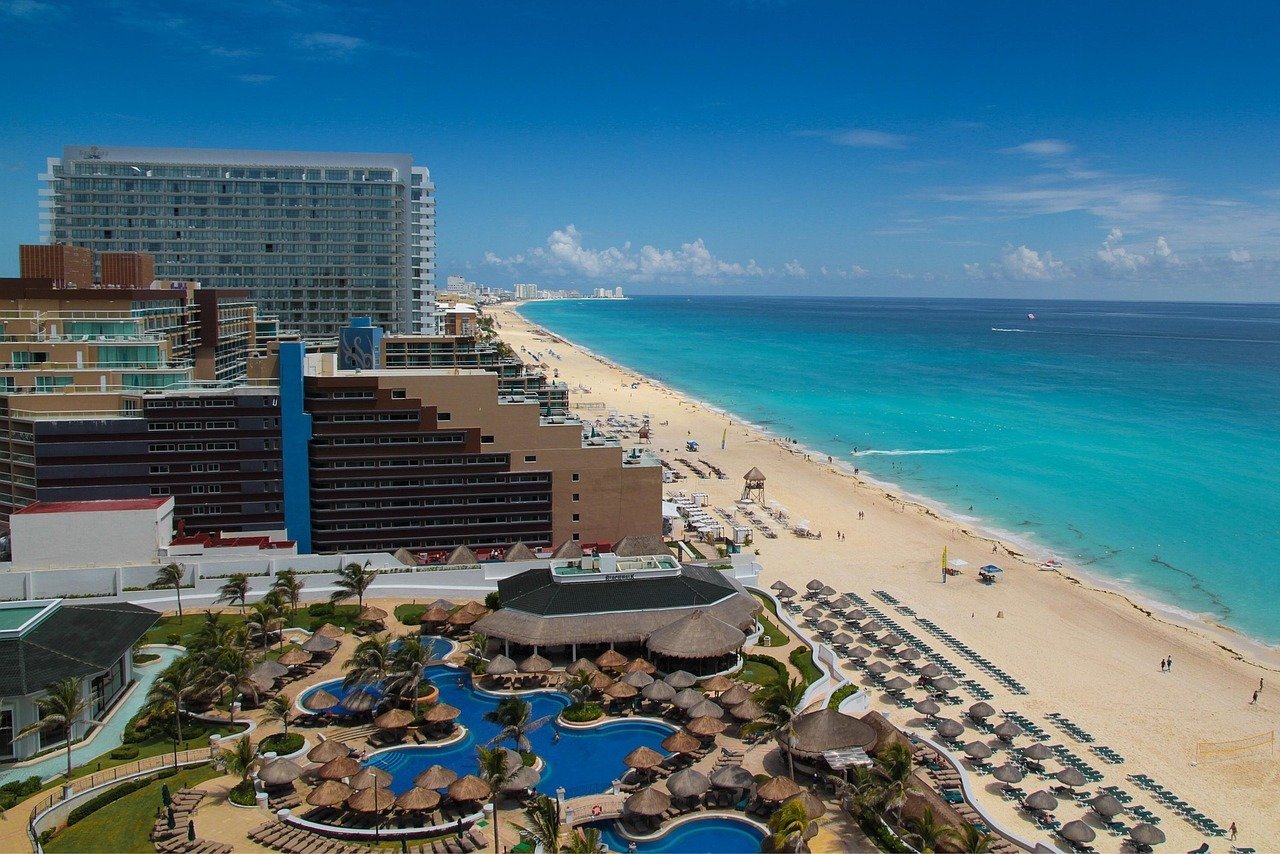
If you’re measuring frustration at a global scale, Cancún has the receipts. Cancún topped the 2025 ranking of the world’s most disappointing tourist destinations, compiled by travel platform Radical Storage, which analyzed nearly 100,000 Google reviews across 100 of the world’s most visited cities. The verdict: 14.2% of Cancún’s reviews were negative – the highest of any city analyzed, beating the second-worst destination by two full percentage points. That’s not a vocal minority. That’s a pattern.
Tourists who visited Cancún consistently reported inflated prices, scams, aggressive salespeople, and a creeping sense of artificiality that turns the whole experience hollow. The Hotel Zone strip was described by multiple reviewers as feeling entirely disconnected from actual Mexico – a walled-off resort bubble where everything is priced for tourists and nothing feels real. The dream of a Mexican beach getaway is absolutely real. Cancún in peak summer is just not where that dream lives.
“The hotel zone felt like it could be anywhere – I felt close to zero glimpse of actual Mexico.”
Reddit user, r/travel
#2 – South Beach, Miami: The Party That Formally Gave Up on You
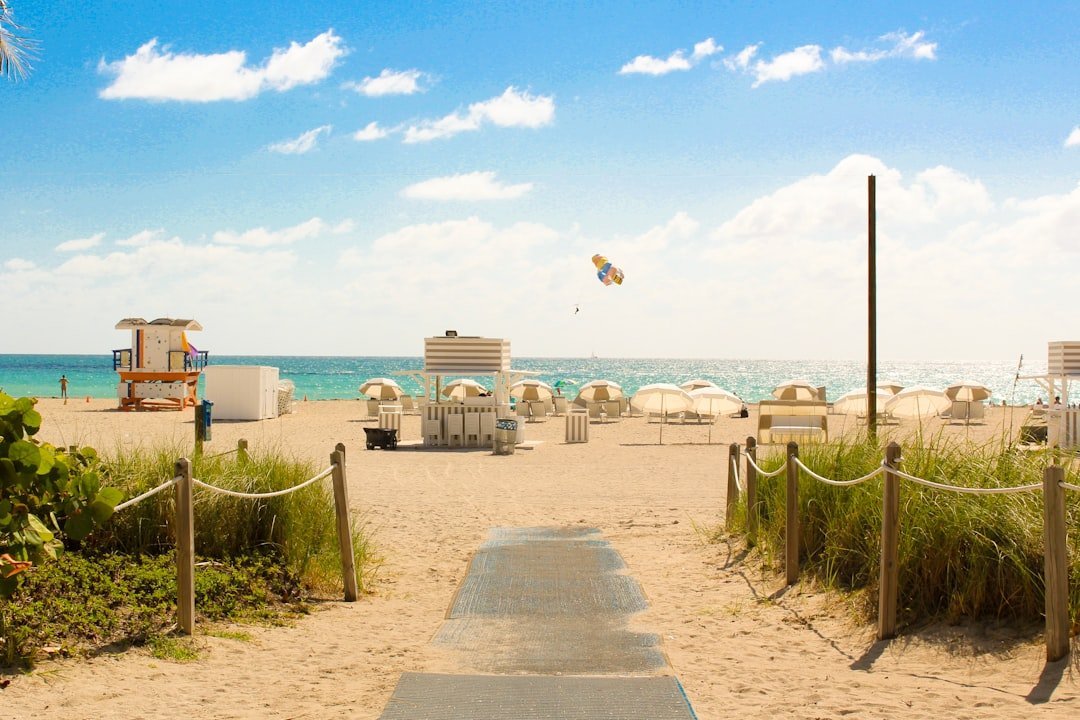
South Beach has been performing “glamorous beach escape” for so long that the performance has completely overtaken the reality. The city of Miami Beach knows this better than anyone – it has spent years actively trying to discourage certain categories of visitors. In 2024, city officials launched a campaign literally titled “Miami Beach is Breaking Up With Spring Break,” and in 2025 they doubled down with another round of strict measures: $100 parking fees, sobriety checkpoints, curfews, beach access restrictions, and nearly 50 Florida Highway Patrol troopers deployed to the entertainment district. A beach town running government crackdown campaigns is not a relaxing destination.
The Art Deco architecture is real. The ocean is real. Everything in between – the $30 cocktails, the thundering bass from beachside clubs at noon, the relentless hustle at every corner – forms a wall between you and any actual relaxation. Once a genuine landmark for oceanfront luxury, South Beach has become the poster child for style over substance. Most experienced travelers now treat it as a one-time experience rather than a place worth returning to. The reputation is still trading on energy from twenty years ago.
The Summer Stress Test: Beach Town Realities
Think you're headed for a relaxing seaside escape? From $100 parking fees to 'human sardine cans,' test your knowledge of the most frustrated beach destinations in America and beyond.
Think you caught the key details? Take the quick quiz and see how sharp your instincts really are.
#1 – Waikiki Beach, Hawaii: A Perfect 100 – For All the Wrong Reasons
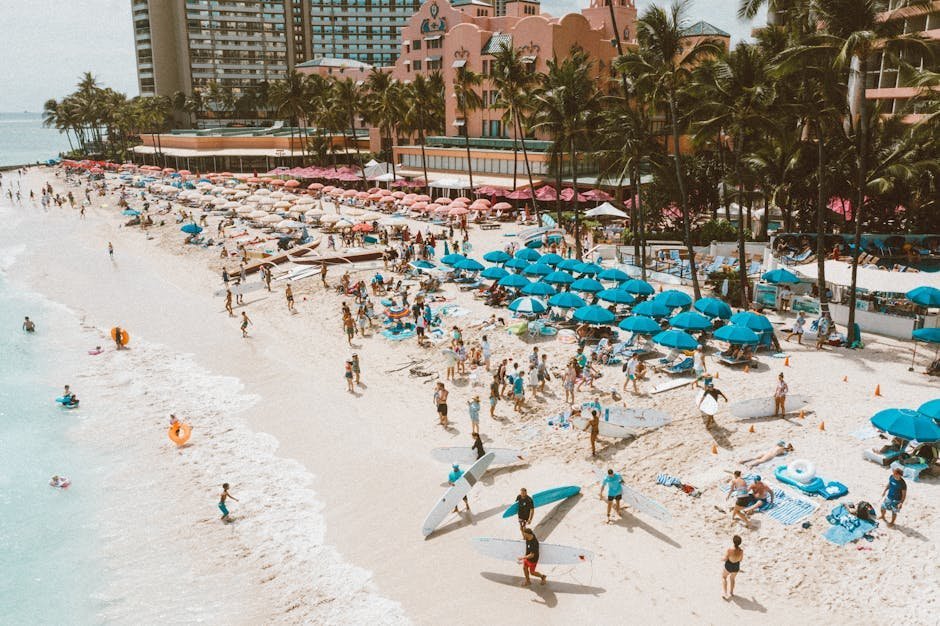
No beach town on this list earned its frustration ranking more definitively than Waikiki. In Cloudwards’ global beach study – which analyzed TripAdvisor reviews for 200 of the world’s most popular beaches, scoring complaints about crowds, dirt, noise, and wait times – Waikiki Beach earned a perfect Complaint Score of 100 out of 100. A perfect score. Meaning the complaints are so consistent, so widespread, and so overwhelming that no other beach on earth could displace it at the top. According to the analysis, 67.3% of complaints specifically cited extreme overcrowding, with others flagging beach conditions, litter, noise, and the presence of unhoused individuals.
This once-idyllic stretch of Honolulu coastline is now swamped with tourists, high-rises, and surf schools crammed shoulder to shoulder – one reviewer memorably described it as a “human sardine can.” The beach has been shrinking for decades due to erosion, rising sea levels, and intense foot traffic, meaning the sand you’re squeezing onto is literally smaller every year. The dream of Hawaii is absolutely real. Waikiki, in peak summer, is just not where it lives anymore.
The pattern running through all 14 of these towns is the same: they became famous for a reason, and then that fame slowly destroyed the thing that made them worth visiting. The beaches are still there. The water is still there. But the experience you were promised – the open sand, the quiet morning, the actual reset – that left when the crowds arrived and never came back. Which one of these have you survived? And which one do you think deserves an even higher frustration ranking?